Whether Munchkin Type Cats Appeared in Europe Earlier
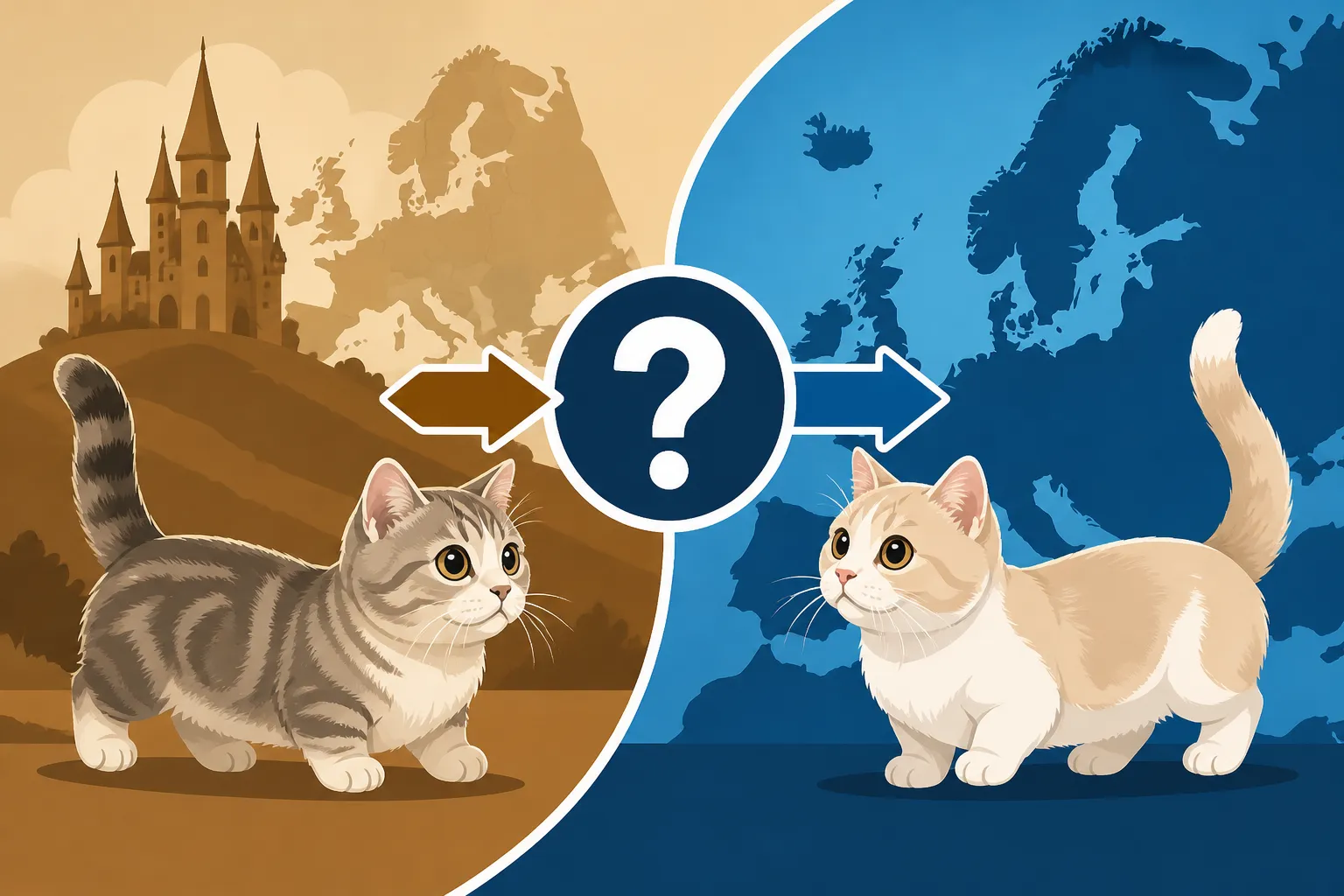
For anyone fascinated by the adorable, short-legged Munchkin cat, it’s natural to wonder if such a unique physical trait is a relatively new development in the feline world, or if cats with similar characteristics have graced our homes for centuries. Many assume the Munchkin's distinctive look is a modern marvel, but the story of short-legged felines is richer and older than you might think. This guide will explore historical accounts and genetic possibilities to reveal whether cats resembling today's Munchkin breed made an appearance in Europe long before their more recent recognition.
Understanding the Genetics Behind Short Legs
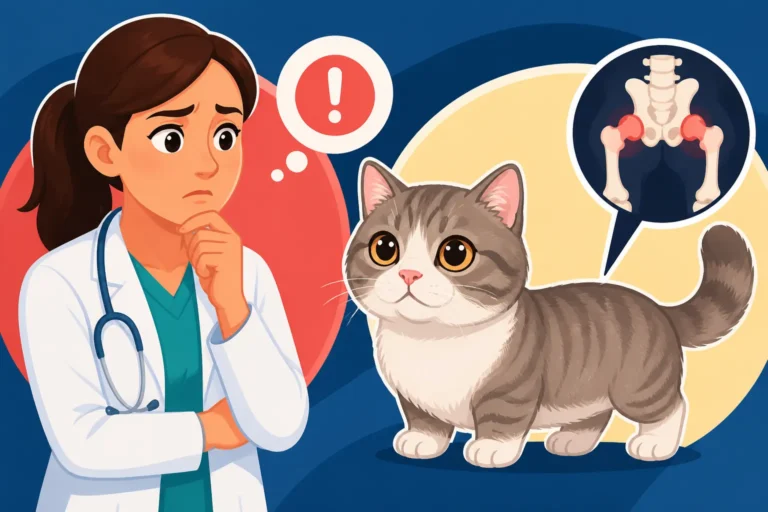
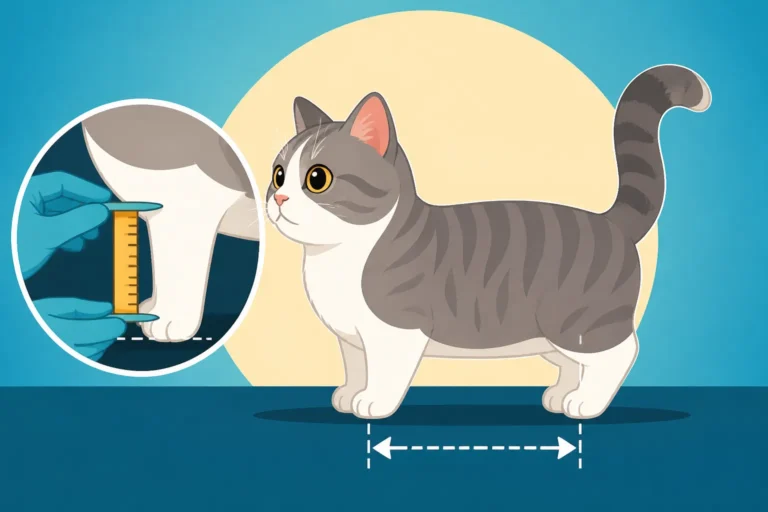
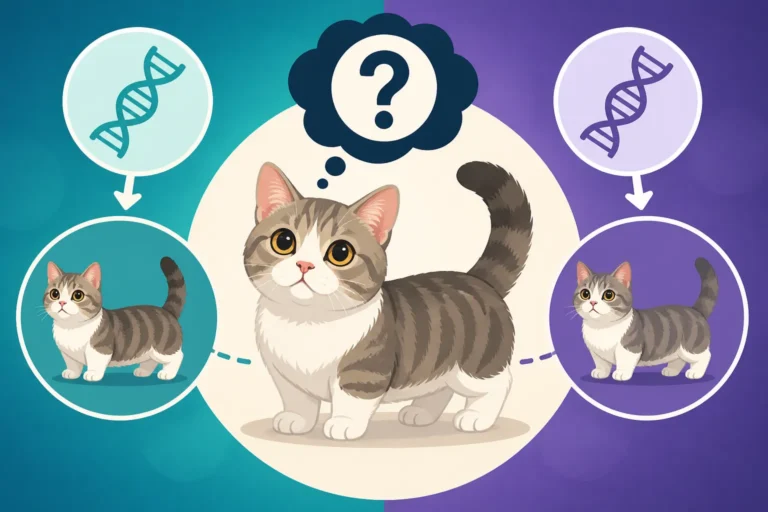
Before we dive into historical sightings, it's really important to grasp what makes a Munchkin cat a Munchkin. It’s all down to a genetic mutation, specifically a form of dwarfism known as pseudoachondroplasia. This isn't a condition bred into them deliberately from the outset in a harmful way; it's a spontaneous, naturally occurring mutation that affects the long bones of the legs, making them shorter while the body size remains typical for a cat.
The Autosomal Dominant Trait
The Munchkin gene is an autosomal dominant trait. What does that mouthful mean for us cat lovers? It means that if a cat inherits just one copy of this specific gene, it will develop short legs. There isn't a 'carrier' state where a cat carries the gene but doesn't show the trait. If they have it, they show it. This is why when you see a Munchkin cat, you know they carry that gene. You might be interested in reading How Munchkin Dwarfism Is Inherited for a deeper dive.
The Lethal Homozygous Gene
There's another critical aspect to this gene: it's considered homozygous lethal. This means that if a kitten inherits two copies of the short-leg gene (one from each parent), it sadly won't survive. This is why breeders will absolutely never, ever breed two short-legged Munchkins together. Instead, a short-legged Munchkin is always bred with a cat that has normal-length legs. This ensures that every litter will have a mix of short-legged and normal-legged kittens, and avoids the heartbreaking outcome of homozygous kittens. You can learn more about this in Munchkin Dwarfism Is Dominant and Lethal in Two Copies.
Historical Accounts of Short-Legged Cats in Europe
Given that the Munchkin's short legs are caused by a spontaneous genetic mutation, it stands to reason that this mutation could pop up anywhere, at any time, in any domestic cat population. It wasn't something invented in a lab; it's just a natural variation that happened to be noticed and selectively bred. And indeed, there are several compelling anecdotes and even documented instances of short-legged cats appearing in Europe long before the modern Munchkin breed gained recognition in the United States in the 1980s.
The British "Kangaroo Cat" of the 1940s
One of the most widely cited historical examples comes from Britain during the 1940s. A veterinary report described several generations of short-legged cats, affectionately dubbed "Kangaroo Cats" due to their unusual posture. These cats were noted for having exceptionally short front legs, making them sit up on their hindquarters in a manner reminiscent of a kangaroo, or indeed, what we now call the "prairie dog sit" often seen in Munchkins. This particular line of cats, however, seems to have vanished during World War II, likely due to the hardships of the time and the disruption of breeding efforts. It's fascinating to consider What Britain Recorded in 1944 That Resembled a Munchkin.
Russian and German Sightings
Beyond the British "Kangaroo Cat," there have been other scattered reports of short-legged felines across Europe. Some accounts from the mid-20th century in Russia describe cats with similar characteristics, though these were never formalized into a recognized breed or widely documented. Similarly, anecdotal stories from Germany speak of occasional short-legged individuals appearing in litters. These isolated occurrences further support the idea that the Munchkin mutation isn't unique to one geographical area or time period; it's a natural genetic quirk that can arise spontaneously in any cat population. It poses the interesting question, Whether the Munchkin Mutation Arose More Than Once.
Why These Lines Didn't Persist
Despite these intriguing historical appearances, none of these European short-legged cat lines managed to establish themselves as a distinct, recognized breed. This is a critical difference between these historical anecdotes and the modern Munchkin. Several factors likely contributed to their eventual disappearance. Without dedicated breeders identifying and selectively continuing these lines, and without the support of a burgeoning cat fancy culture to standardize and promote them, these unique cats simply faded into the genetic background. Furthermore, the understanding of feline genetics was far less advanced in those eras, so the inheritance pattern of the short legs wouldn't have been clear to casual observers or even early cat enthusiasts.
Comparing Historical "Munchkins" to the Modern Breed
While the visual descriptions of these historical European cats are strikingly similar to modern Munchkins, there are key differences in how they came about and how their lineage was maintained. The modern Munchkin breed has a clear, well-documented origin story, whereas the European examples are more isolated incidents.
The Louisiana Origin of the Modern Munchkin
The Munchkin breed as we know it today truly began in Rayville, Louisiana, in 1983. A music teacher named Sandra Hochenedel found two pregnant stray cats under a truck. One of them, a black cat she named Blackberry, had unusually short legs. Blackberry passed on her unique trait to her kittens, and one of them, a male named Toulouse, was given to a friend, Kay LaFrance. These two cats, Blackberry and Toulouse, became the foundation of the modern Munchkin breed. It's a stark contrast to the undocumented or briefly observed European cats. You can read more about this in The Munchkin Started Under a Truck in Louisiana in 1983 and Blackberry and Toulouse Are the Two Cats Behind Every Munchkin.
The Role of Selective Breeding and Recognition
The key difference isn't just that short-legged cats appeared in different places; it's what happened after they appeared. In the case of Blackberry and Toulouse, dedicated breeders recognized the unique nature of their short legs and began a careful, ethical breeding program using outcrosses to domestic cats. This led to the Munchkin being accepted into The International Cat Association (TICA) new breed development program in 1994 and eventually achieving championship status. This level of organized breeding and formal recognition was simply not present for the earlier European short-legged cats.
Similarities in Appearance and Behavior
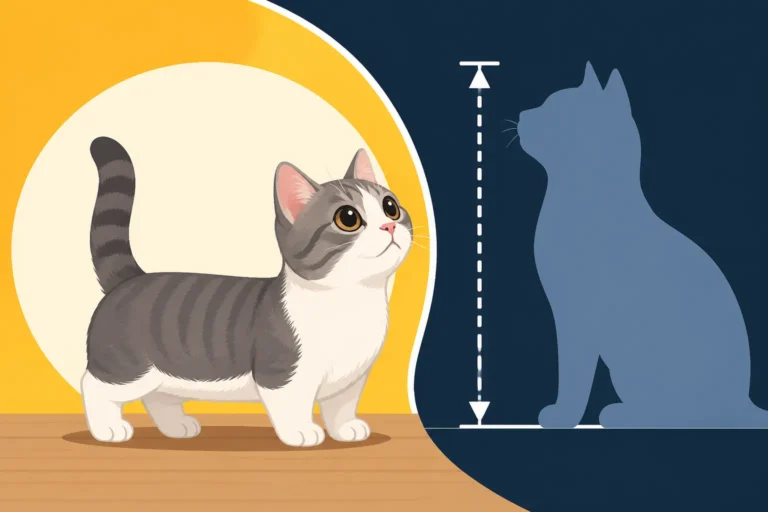
Despite the difference in formal recognition, the descriptions of historical short-legged cats often mirror what we see in modern Munchkins. They were described as playful, curious, and just as agile as their long-legged counterparts, albeit with different methods of navigating their world. Their posture, particularly the "Kangaroo Cat" sit, is a hallmark of the modern Munchkin, who often adopts the "prairie dog sit" to get a better view. This suggests that the same underlying genetic mutation was likely responsible for these traits, regardless of when or where it occurred. When looking at toys for your short-legged friend, remember that brands like Chewy offer many floor-level options perfect for a Munchkin's play style.
| Feature / Aspect | Historical European Short-Legged Cats | Modern Munchkin Cat |
|---|---|---|
| Origin/Discovery | Scattered, often anecdotal reports (e.g., UK 1940s, Russia) | Documented origin in Louisiana, USA (1983) |
| Founder Cats | Unidentified or individual local cats | Blackberry and Toulouse |
| Persistence | Lines generally died out or were not sustained | Established breed with ongoing breeding programs |
| Genetic Understanding | Limited or non-existent at the time | Pseudoachondroplasia, autosomal dominant, homozygous lethal |
| Formal Recognition | None | Recognized by TICA, achieved Championship status |
| Breeding Practices | Uncontrolled or localized attempts | Selective outcrossing with normal-legged cats |
| Behavioral Traits | Described as playful, curious, unique posture | Known for playful nature, "prairie dog sit" |
Why These Earlier Cases Didn't Lead to a Recognized Breed
It's natural to wonder, if these short-legged cats popped up in Europe decades before the Munchkin, why didn't they become established breeds there first? The answer lies in a combination of social, historical, and scientific factors that were vastly different from the environment in which the modern Munchkin emerged.
Lack of Organized Cat Fancy Support
In the mid-20th century, the world of cat fancy was less developed and globally interconnected than it is today. While there were cat clubs and shows, the emphasis was often on established breeds or very distinct, easily replicable traits. A spontaneous mutation like short legs might have been seen as a curiosity rather than a foundation for a new breed, especially without a clear understanding of its genetic inheritance. Without the infrastructure of breed clubs, consistent standards, and enthusiastic breeders, it's incredibly difficult for a new trait to gain traction and be sustained over generations. The journey for the modern Munchkin, with its presentation at Madison Square Garden and eventual TICA recognition, highlights the importance of such support. Learn more about its journey in When the Munchkin Was First Shown to the Public.
Absence of Intentional Breeding Programs
For a new breed to be established, there needs to be an intentional and sustained breeding program. This involves identifying individuals with the desired trait, carefully selecting mates, and tracking offspring over many generations. The historical European accounts suggest individual cats or small, isolated family lines, but not a coordinated effort to reproduce the trait and expand the gene pool. Without this deliberate intervention, traits, even dominant ones, can easily be lost through random mating or simply by cats not having enough offspring to carry the trait forward. This is also Why Earlier Munchkin Type Cats Died Out.
Limited Genetic Understanding
The genetic mechanisms behind traits like short legs were not well understood in the 1940s or earlier. People might have observed that short-legged cats had short-legged kittens, but the nuances of autosomal dominance, let alone the homozygous lethal aspect, would have been completely unknown outside of specialist scientific circles. This lack of scientific understanding would have made it challenging to establish a responsible breeding program, possibly leading to accidental loss of the trait or, unfortunately, potentially harmful practices if two short-legged cats were inadvertently bred together.
Societal Attitudes and Priorities
Lastly, societal attitudes and priorities play a significant role. During times of war, such as World War II when the British "Kangaroo Cat" disappeared, the focus was understandably on survival, not on developing new cat breeds. Even in more stable times, there might have been less public enthusiasm or knowledge about fostering a unique mutation into a breed. Today, with the internet and a thriving pet industry, information spreads rapidly, and products like joint supplements for specific breed needs are readily available from retailers like Chewy, making it easier to support unique feline companions. The Munchkin's recognition in the US occurred in a very different context, with more resources and a greater global interest in diverse companion animals. The debate around the ethics of breeding these unique cats, explored in articles like What Welfare Bodies Say About the Munchkin, also developed later.
In conclusion, while the modern Munchkin cat breed has a clear origin in the United States in the 1980s, the genetic mutation responsible for its short legs has likely appeared spontaneously in domestic cats throughout history, including in Europe. These earlier instances were fascinating curiosities but never led to the establishment of a recognized breed, largely due to a lack of organized breeding, scientific understanding, and the societal infrastructure needed to support such an endeavor. So, while the breed is relatively new, the trait is as old as genetic mutation itself!
Disclaimer
This article is for general informational purposes only and does not constitute professional advice. Laws, prices and regulations vary by location and change over time. Consult a qualified professional for guidance on your specific situation.