How a Vet Grades a Munchkin’s Sunken Chest
It can be incredibly worrying to hear your veterinarian mention "pectus excavatum" or a "sunken chest" when discussing your beloved Munchkin. This condition, which means the breastbone grows inward, can range from a mild cosmetic quirk to a serious health concern, and understanding its severity can feel like navigating a medical maze. This comprehensive guide is here to demystify the process, walking you through exactly how veterinarians grade a Munchkin's sunken chest, what those various grades mean for your cat's health, and the practical steps that might follow to ensure their well-being.
Understanding Pectus Excavatum in Munchkin Cats
Pectus excavatum, often informally called "funnel chest" or "sunken chest," is a congenital deformity of the sternum (breastbone) and rib cage. Instead of growing outward as it should, the sternum retracts inward, creating a concave depression in the chest. While it can occur in any cat breed, and indeed in humans, it's something we pay particular attention to in Munchkins due to their unique skeletal characteristics. For these short-legged beauties, any deviation in skeletal development can have amplified effects.
What is Pectus Excavatum?
At its core, pectus excavatum is a developmental anomaly where the cartilage connecting the ribs to the sternum grows abnormally. Instead of maintaining a convex or flat shape, the sternum bows inward towards the spine. In mild cases, this might simply appear as a slight dip you can feel when petting your cat's chest. However, in more severe instances, the inward growth can be quite pronounced, creating a deep indentation. This isn't just a superficial issue; the inward pressure can reduce the space available for vital organs like the heart and lungs, potentially leading to a host of health problems. Unlike a human child who might outgrow a mild form, in cats, especially breeds with distinct skeletal traits, it often warrants careful monitoring.
Why it's a Concern for Munchkins
For our delightful Munchkins, the concern surrounding pectus excavatum is particularly acute. Their defining trait, the shortened limbs, stems from a form of chondrodystrophy, a disorder of cartilage and bone development. While pectus excavatum isn't directly caused by the Munchkin gene itself, there’s an observed correlation where conditions affecting cartilage and bone formation may occur more frequently. When a Munchkin has a sunken chest, the primary worry is the compression of their heart and lungs. Imagine their little chest cavity already packed with organs; now, add an inward-growing sternum, and you can see how things can get squeezed.
This compression can lead to significant problems. Your Munchkin might experience labored breathing, a cough, or an intolerance to exercise because their lungs can't fully expand. The heart might also be affected, leading to murmurs or other cardiovascular issues. It’s crucial to understand that while many Munchkins live full, happy lives, conditions like pectus excavatum require proactive care to prevent serious complications. If you're wondering more about this, we have a detailed piece on What Pectus Excavatum Does to a Munchkin's Chest that dives even deeper into the specific impacts.
Early Detection and Initial Signs
The good news is that pectus excavatum is often detectable quite early in a kitten's life, sometimes even by breeders before they go to their new homes. For new owners, though, knowing what to look for is key. The most obvious sign is a visible indentation in the chest area, right where the sternum should be. You might notice it when your Munchkin is lying down or stretching. Beyond the visual, keep an eye out for any signs of respiratory distress, such as rapid breathing, open-mouthed breathing, or a persistent cough. Exercise intolerance, meaning your cat gets tired very quickly after play, can also be a red flag.
When you bring a Munchkin kitten home, one of the first things your vet should do is a thorough physical examination, including palpating the chest. They'll be checking for any irregularities that might suggest a sunken chest. Many responsible breeders will also have their kittens checked by a vet for this condition before placement, which can offer some peace of mind. Regular vet check-ups, especially in the first few months, are paramount. If you want to know more about what a vet specifically looks for in those initial stages, take a look at our guide on How Early a Munchkin's Chest Should Be Checked.
The Veterinary Examination: Visual and Palpation Assessment
When you bring your Munchkin to the vet with concerns about a sunken chest, or even for a routine check-up, the examination begins with a careful visual assessment, followed by a hands-on palpation. These initial steps are critical for understanding the external manifestation of the condition and its immediate impact on your cat.
The Initial Visual Check
The vet will start by observing your Munchkin without even touching them. They'll look at their overall posture, how they breathe, and the general shape of their chest. Are their sides caving in? Is there an obvious dip in the sternum? Is their breathing shallow or labored, even at rest? Sometimes, a severely affected cat might adopt an unusual stance to try and make breathing easier. The vet will look for any asymmetry in the chest, or any signs that indicate the cat is struggling, such as rapid breaths, flaring nostrils, or an extended neck during respiration. They might also watch your Munchkin move around, paying attention to their energy levels and how easily they get winded. This visual assessment provides the first clues about the potential presence and severity of pectus excavatum.
Hands-On Palpation
After the visual inspection, your vet will perform a thorough palpation of your Munchkin's chest. This is where their experienced hands come into play. They'll gently run their fingers along the sternum and rib cage, feeling for any depressions, irregularities, or stiffness. They'll be checking not just for the presence of the indentation, but also its depth and how rigid or flexible the surrounding cartilage is. A more flexible chest wall might indicate a milder, potentially less restrictive form, while a rigid, deeply sunken sternum can be a greater cause for concern.
For a vet, feeling a sunken chest on a Munchkin kitten isn't just about identifying the dip; it's about understanding the nuances. Our article What a Sunken Chest Feels Like on a Munchkin Kitten offers more insight into this tactile assessment. They'll also check for any associated lumps or bumps, and assess the overall symmetry of the ribs. This hands-on part of the exam is incredibly important because it gives the vet a direct feel for the deformity that might not be fully captured by just looking.
Assessing Overall Health and Breathing
Beyond just the chest, your vet will conduct a comprehensive physical exam to assess your Munchkin's overall health, paying close attention to their respiratory and cardiovascular systems. They'll use a stethoscope to listen to your cat's heart and lungs. Muffled heart sounds, a heart murmur, or abnormal lung sounds like crackles or wheezes could all be indicators of organ compression or secondary issues. They'll also check your Munchkin's mucous membranes for healthy pink color, listen to their pulse, and evaluate their capillary refill time to assess circulation.
The vet will also consider your Munchkin's general demeanor and energy levels. Are they bright and playful, or lethargic and easily fatigued? How does their activity level compare to other kittens in the litter, if that information is available from the breeder? This holistic approach helps the vet understand the full picture of your Munchkin's health, determining how significantly the pectus excavatum is impacting their quality of life and informing the next steps in their care. Every element of What a Munchkin Kitten's First Exam Should Cover plays a role in identifying and understanding this condition.
Diagnostic Imaging for Accurate Grading
While visual inspection and palpation give a good initial idea, truly understanding the extent and impact of pectus excavatum requires diagnostic imaging. These tools allow veterinarians to see inside your Munchkin's chest, assessing organ compression and precisely measuring the deformity.
The Role of X-Rays
X-rays are typically the first and most common imaging tool used to assess pectus excavatum. They provide clear images of bones and can reveal the degree to which the sternum is depressed and how it affects the internal organs. Your vet will likely take several views: a lateral view (from the side) and a dorsoventral or ventrodorsal view (from the top or bottom). These different angles are crucial for a comprehensive assessment.
On a lateral X-ray, the vet can clearly see the inward curve of the sternum and how close it comes to the spine. They can also get a good sense of how much the heart and lungs are being compressed or displaced. The dorsoventral/ventrodorsal view helps to assess any asymmetry or rotation of the sternum. X-rays are invaluable for confirming the diagnosis, determining the severity, and monitoring the progression of the condition over time. They are a routine part of evaluating skeletal health, and your vet might even recommend them as part of a general check-up for an aging Munchkin, as discussed in Whether a Munchkin Needs X Rays as It Ages. Similarly, for spinal concerns, X-rays are also vital, as explored in When a Munchkin Should Have Its Spine Imaged.
Advanced Imaging: CT Scans
For more complex or severe cases, or when surgery is being considered, your vet might recommend a computed tomography (CT) scan. A CT scan provides much more detailed, cross-sectional images of the chest, creating a 3D picture of the internal structures. This allows the vet to precisely visualize the degree of sternal depression, the extent of heart and lung compression, and any potential rotation of the sternum.
The detailed 3D images from a CT scan are incredibly helpful for surgical planning. They allow the veterinary surgeon to accurately map out the deformity, understand its exact relationship to the vital organs, and determine the best surgical approach. While more expensive and requiring general anesthesia, a CT scan offers an unparalleled level of detail that can be critical for making informed decisions about treatment, especially when dealing with a condition that directly impacts a Munchkin's breathing and cardiac function.
Measuring the Deformity: Haller Index and Vertebral Index
To objectively grade the severity of pectus excavatum, veterinarians often use specific measurements from the X-rays or CT scans. Two common indices are the Haller Index (HI) and the Vertebral Index (VI).
- Haller Index (HI): This measurement is calculated from a cross-sectional image (often a CT scan, but can be approximated on X-rays). It's the ratio of the transverse diameter of the chest cavity (the widest distance from side to side) to the shortest distance between the sternum and the spine. A higher Haller Index indicates a more severe depression. For cats, specific normal ranges exist, and deviations from these indicate pectus excavatum.
- Vertebral Index (VI): This index is calculated from a lateral X-ray. It measures the shortest distance between the sternum and the spine, divided by the depth of a specific vertebral body. Like the Haller Index, a higher vertebral index typically points to a more severe condition.
These quantitative measurements provide an objective way to compare severity, track changes, and guide treatment decisions. They move beyond subjective observation, giving the vet a concrete number to work with when discussing the prognosis and potential interventions.
The Grading System for Pectus Excavatum
Once diagnostic imaging has been performed, your vet will use all the gathered information to assign a grade to your Munchkin's pectus excavatum. This grading system is essential because it dictates the potential health implications and helps determine the most appropriate course of action.
Understanding the Grades
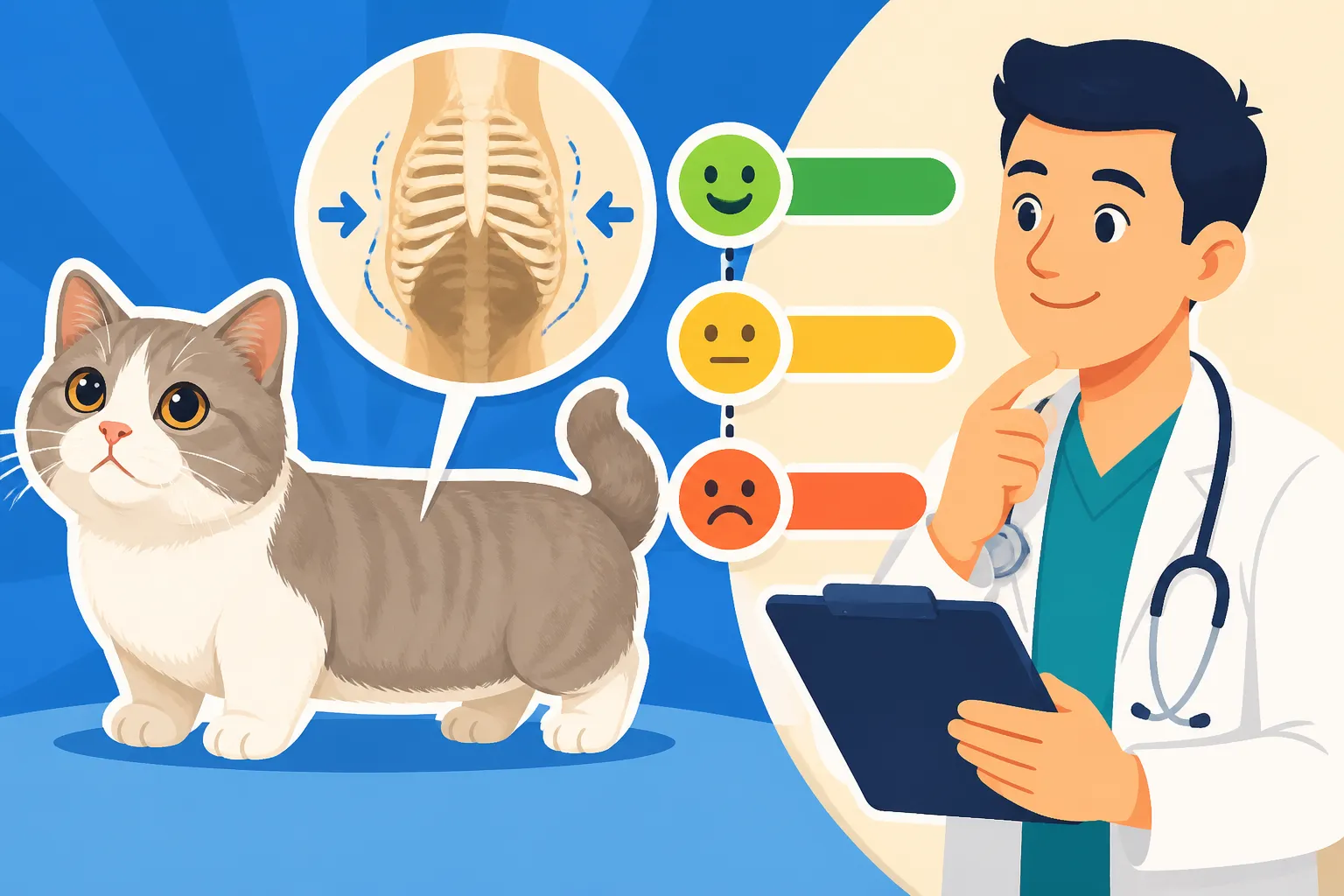
While specific grading systems can vary slightly between veterinary practices or specialists, they generally fall into categories of mild, moderate, and severe, or sometimes use a numerical scale based on the Haller or Vertebral Index.
- Mild Pectus Excavatum: In these cases, the sternal depression is slight, often just a palpable dip without significant visual impact. The internal organs typically show no signs of compression, and the Munchkin exhibits no symptoms of respiratory or cardiac compromise. The Haller or Vertebral Index would be only slightly elevated.
- Moderate Pectus Excavatum: Here, the depression is more noticeable, and imaging might show mild to moderate compression or displacement of the heart and lungs. Your Munchkin might occasionally show subtle signs, like getting tired a bit quicker during play or having slightly audible breathing after exertion. The index measurements would be moderately elevated.
- Severe Pectus Excavatum: This is when the sternal depression is very pronounced, clearly visible, and often accompanied by significant compression of the heart and lungs. Cats with severe pectus excavatum often exhibit clear clinical signs such as labored breathing, persistent coughing, exercise intolerance, and potentially a heart murmur or other cardiac issues. The Haller or Vertebral Index would be significantly high, indicating a critical reduction in chest cavity space.
This tiered approach helps veterinarians and owners understand the immediate and long-term implications of the condition.
What Each Grade Implies for Your Munchkin
The assigned grade directly influences what the future might hold for your Munchkin.
- Mild Grade: For Munchkins with mild pectus excavatum, the prognosis is generally excellent. Many may never experience any health problems related to the condition. Regular monitoring is usually recommended to ensure it doesn't worsen as they grow. Owners will simply need to be vigilant for any changes in breathing or activity levels.
- Moderate Grade: Moderate cases require more attention. While some Munchkins may live comfortably with conservative management, others might eventually develop symptoms that necessitate intervention. It’s a bit of a grey area, where careful monitoring, lifestyle adjustments, and potentially preventive measures become more important. The vet will discuss the possibility of surgical correction if symptoms start to interfere with the cat's quality of life. Our article Whether a Munchkin's Pectus Excavatum Can Be Corrected delves into these options.
- Severe Grade: Severe pectus excavatum is a serious condition that almost always requires intervention. Without treatment, these Munchkins often suffer from chronic respiratory distress, heart failure, and a significantly reduced quality of life. Surgical correction is frequently recommended as soon as the kitten is stable enough, offering the best chance for a healthy future. The decision for surgery needs to be made in consultation with a veterinary specialist, considering the cat's age, overall health, and the potential risks and benefits.
Factors Influencing a Prognosis
A Munchkin's prognosis isn't solely based on the grade of their pectus excavatum. Several other factors come into play:
- Age at Diagnosis: Kittens diagnosed early may have a better chance for successful surgical correction, as their bones and cartilage are still pliable. However, the condition can also worsen with growth.
- Progression: Some cases remain stable, while others can progress, especially during periods of rapid growth. This is why ongoing monitoring is so vital.
- Presence of Other Conditions: If the Munchkin has other health issues, especially those affecting the heart or lungs, the impact of pectus excavatum can be compounded. It's a complex picture, as sometimes other skeletal issues can be present in these breeds.
- Overall Health and Body Condition: A well-nourished Munchkin with strong muscles may cope better than one who is underweight or has other medical problems. Conversely, being overweight can put extra strain on compromised organs. This is why your vet will always consider the complete health profile.
Your veterinarian will take all these elements into account when discussing the most realistic prognosis for your individual Munchkin. It’s a personalized assessment, recognizing that every cat is unique.
Management and Treatment Options
Once your Munchkin's pectus excavatum has been graded, your vet will discuss the various management and treatment options available. The approach will depend heavily on the severity of the condition and its impact on your cat's health.
Conservative Management
For Munchkins with mild to moderate pectus excavatum, conservative management is often the first line of approach. The goal here is to support your cat's health and minimize any potential strain on their compromised chest cavity without immediate surgical intervention.
This typically involves:
- Regular Monitoring: Close observation of your Munchkin's breathing, activity levels, and overall well-being. This includes frequent vet check-ups to track any changes in the chest deformity or the development of symptoms.
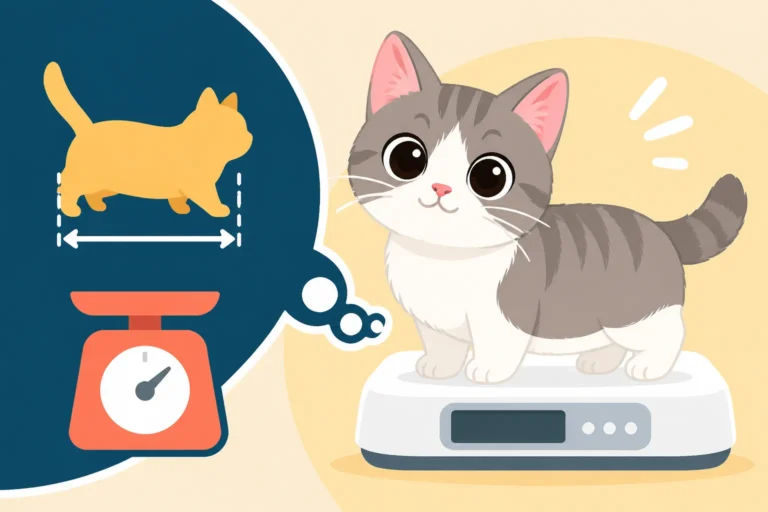
- Weight Control: Maintaining a lean body condition is paramount. Excess weight places additional stress on the heart and lungs, which are already potentially compressed. A healthy weight can make a significant difference in how a Munchkin with pectus excavatum copes. We explore this critical topic in Why Weight Is More Dangerous on a Munchkin.
- Environmental Enrichment: Providing an environment that encourages safe play without excessive strenuous activity. This might mean making sure they have ramps to access favorite spots, rather than relying on high jumps, which can put strain on their chest and body.
- Avoiding Strenuous Activity: Discouraging overly vigorous play that might lead to breathlessness or put undue pressure on the chest. Gentle, consistent play is better than short bursts of intense activity.
The aim of conservative management is to help your Munchkin live a comfortable and symptom-free life for as long as possible, carefully observing for any signs that the condition is worsening. This approach acknowledges that not every case requires immediate, invasive solutions, but rather a vigilant and supportive strategy. If you notice your Munchkin showing signs like labored breathing, it's vital to address it quickly, as discussed in How Pectus Excavatum Affects a Munchkin's Breathing.
Surgical Correction
For Munchkins with moderate to severe pectus excavatum, especially those exhibiting significant clinical signs, surgical correction is often the recommended treatment. The procedure aims to permanently reshape the sternum and open up the chest cavity, relieving pressure on the heart and lungs.
The most common surgical technique involves placing external splints or internal sutures to support the sternum in a more normal position. These supports are typically left in place for several weeks or months while the cartilage and bone heal in the corrected position.
Here's a brief overview:
- Procedure: Under general anesthesia, the surgeon makes an incision along the sternum. They then use sutures attached to the sternum and secured to an external splint or internal bar to gently pull the depressed sternum outward.
- Risks: As with any surgery, there are risks involved, including anesthesia complications, infection, pain, and potential damage to internal organs. However, in skilled hands, the success rates can be very good, and the improvement in quality of life for severely affected cats is often dramatic.
- Recovery: The recovery period requires diligent post-operative care, including pain management, restricted activity, and careful monitoring for complications. The external splint or internal bar will need to be maintained and eventually removed by your vet.
This can be a costly undertaking, and it's where having good pet insurance like Healthy Paws can make a real difference, helping to cover the significant expenses associated with such specialized veterinary care. Pet insurance can ease the financial burden, allowing you to focus on your Munchkin's recovery. You might want to explore articles like Whether Pet Insurance Covers a Munchkin's Spine to understand how insurance generally works for breed-specific conditions.
Long-Term Care and Monitoring
Whether your Munchkin undergoes conservative management or surgical correction, long-term care and monitoring are crucial for their ongoing well-being. This isn't a "fix it and forget it" kind of condition.
- Regular Vet Visits: Even after successful surgery, your Munchkin will need regular check-ups to monitor their respiratory and cardiac health, assess their overall condition, and ensure there are no new or recurring issues.
- Watching for Progression: For those on conservative management, continued vigilance is key. The vet will assess if the condition is worsening, if new symptoms are developing, or if surgical intervention might become necessary in the future.
- Quality of Life Assessment: Throughout their life, you and your vet will continually assess your Munchkin's quality of life. Are they happy, playful, and comfortable? Are they able to breathe easily and enjoy their daily activities? If mobility or energy starts to decline, especially in older age, the problem could be related to their chest or other age-related issues. Our article What an Old Munchkin Stops Being Able to Do covers some of those considerations.
This ongoing commitment ensures that your Munchkin receives the best possible care, adapting strategies as their needs evolve over time. Financial planning for these long-term care needs, including potential future diagnostics or treatments, is also important, and this is another area where a comprehensive pet insurance plan from a provider like Healthy Paws can be invaluable.
Living with a Munchkin with Pectus Excavatum
Living with a Munchkin diagnosed with pectus excavatum means making thoughtful adjustments to their environment and care routine. It's about proactive steps to support their health and ensure they can thrive comfortably.
Adapting the Home Environment
One of the most impactful things you can do for a Munchkin with pectus excavatum is to adapt their living space to minimize physical strain and maximize comfort. Their unique skeletal structure, coupled with any chest issues, means they need a home designed with their specific needs in mind.
- Low-Entry Litter Boxes: A low-entry litter box is essential. A standard box with high sides forces them to jump or stretch, which can put undue pressure on their chest and spine. A box they can simply walk into reduces strain and ensures they continue to use the box reliably. We have a detailed guide on Why a Munchkin Needs a Litter Box It Can Walk Into that offers practical advice.
- Ramps and Steps: Instead of letting your Munchkin jump onto furniture, provide ramps or pet stairs. These allow them to safely access their favorite spots – the sofa, a cozy armchair, or even your bed – without the impact of jumping, which can be hard on their joints and their chest. As they age, these ramps may need to be adjusted, a topic covered in What an Old Munchkin Needs Once Its Ramps Get Too Steep.
- Minimizing High Perches: While cats love high vantage points, a Munchkin with pectus excavatum should have their access to high shelves or cat trees restricted, especially if they require large jumps. If you do have a cat tree, ensure it has closely spaced, easily accessible platforms. The goal is to make their world accessible and safe, preventing strenuous leaps or falls.
These adaptations create a safer, more comfortable environment, directly supporting your Munchkin's respiratory and cardiovascular health by reducing physical stress.
Nutritional Support and Weight Management
Weight control is not just important for general cat health; for a Munchkin with pectus excavatum, it is absolutely critical and forms the cornerstone of their care plan. Every extra pound your Munchkin carries puts additional strain on their heart and lungs, which are already potentially compromised by the inward-growing sternum.
- Lean Body Condition: Work closely with your veterinarian to determine and maintain an ideal lean body weight for your Munchkin. This might involve precise portion control, specialized diets, and regular weigh-ins at home. A lean cat experiences less internal compression and has an easier time breathing and moving.
- Joint-Friendly Diet: While the focus is on their chest, a good quality diet that supports joint health can also be beneficial, especially considering the Munchkin's unique leg structure. Look for foods rich in Omega-3 fatty acids, glucosamine, and chondroitin, which can help support overall skeletal health.
- Avoiding Overfeeding: It's tempting to spoil our pets with treats, but for a Munchkin with pectus excavatum, careful calorie management is paramount. Discuss treats with your vet to ensure they fit within your cat's daily caloric allowance.
Maintaining an optimal weight directly improves their respiratory function and reduces the workload on their heart, significantly enhancing their quality of life. This really drives home the point of Why Weight Is More Dangerous on a Munchkin.
Advocating for Your Munchkin
As a pet parent, you are your Munchkin's best advocate. Living with a cat with a chronic condition like pectus excavatum means staying informed, asking questions, and being proactive in their care.
- Open Communication with Your Vet: Maintain an open and honest dialogue with your veterinarian. Don't hesitate to ask questions about the diagnosis, prognosis, treatment options, and what to expect long-term. Share any observations you have about your Munchkin's behavior, breathing, or activity levels.
- Seeking Second Opinions: If you're uncertain about a diagnosis or treatment plan, especially for a complex condition like severe pectus excavatum, don't be afraid to seek a second opinion from another veterinarian or a specialist, such as a veterinary cardiologist or surgeon. A fresh pair of eyes can sometimes offer new insights or confirm a chosen path.
- Understanding Financial Implications: Be prepared for potential costs associated with diagnostics, ongoing monitoring, and possible treatments like surgery. This is where pet insurance, such as a policy from Healthy Paws, becomes an invaluable tool. It can help mitigate the financial stress, allowing you to make medical decisions based on what's best for your Munchkin, rather than solely on your budget. Being proactive with a good pet insurance plan from early on can save you significant worry down the line, especially for conditions that might require extensive care.
By being an informed and vocal advocate for your Munchkin, you ensure they receive the best possible care and enjoy the highest quality of life, despite their condition.
Pectus Excavatum Grading Summary
Here's a quick overview of how veterinarians typically grade pectus excavatum in Munchkin cats, and what each grade generally entails:
| Grade of Pectus Excavatum | Visual/Palpation Findings | Diagnostic Imaging Findings (X-ray/CT) | Clinical Signs | Typical Management Strategy | Prognosis (Generally) |
|---|---|---|---|---|---|
| Mild | Slight, often just palpable dip in sternum | Minimal to no organ compression; slightly elevated indices | None or very subtle | Conservative; regular monitoring | Excellent; often no complications |
| Moderate | Noticeable depression; flexible to slightly rigid chest wall | Mild to moderate organ compression/displacement; moderately elevated indices | Occasional mild respiratory effort after exertion; reduced stamina | Conservative initially; potential for surgical intervention if symptomatic | Good with management; careful monitoring |
| Severe | Deep, obvious depression; rigid chest wall | Significant organ compression/displacement; highly elevated indices | Labored breathing, persistent cough, exercise intolerance, heart murmurs | Surgical correction often recommended/necessary | Guarded without intervention; fair to good with successful surgery |
Disclaimer
This article is intended for informational purposes only and does not constitute veterinary advice. Always consult with a qualified veterinarian for any health concerns or before making any decisions about your Munchkin's care.