Whether a Munchkin Gets Hip Dysplasia
It's completely natural to worry about the health of our beloved Munchkin cats, especially when we hear about skeletal issues in other breeds. You might be wondering if those adorable short legs put them at a higher risk for conditions like hip dysplasia, a common concern in certain dog breeds. This guide will thoroughly explore what feline hip dysplasia is, how it relates to the unique Munchkin physique, and what actual joint health concerns you should truly be aware of as a devoted Munchkin owner.
Understanding Feline Hip Dysplasia
When we talk about hip dysplasia, it's often in the context of dogs, where it's a well-known and often debilitating condition. But cats can get it too, though it's typically less common and often less severe than in their canine counterparts. It's a condition that affects the hip joint, which is a ball-and-socket joint.
What is Feline Hip Dysplasia?
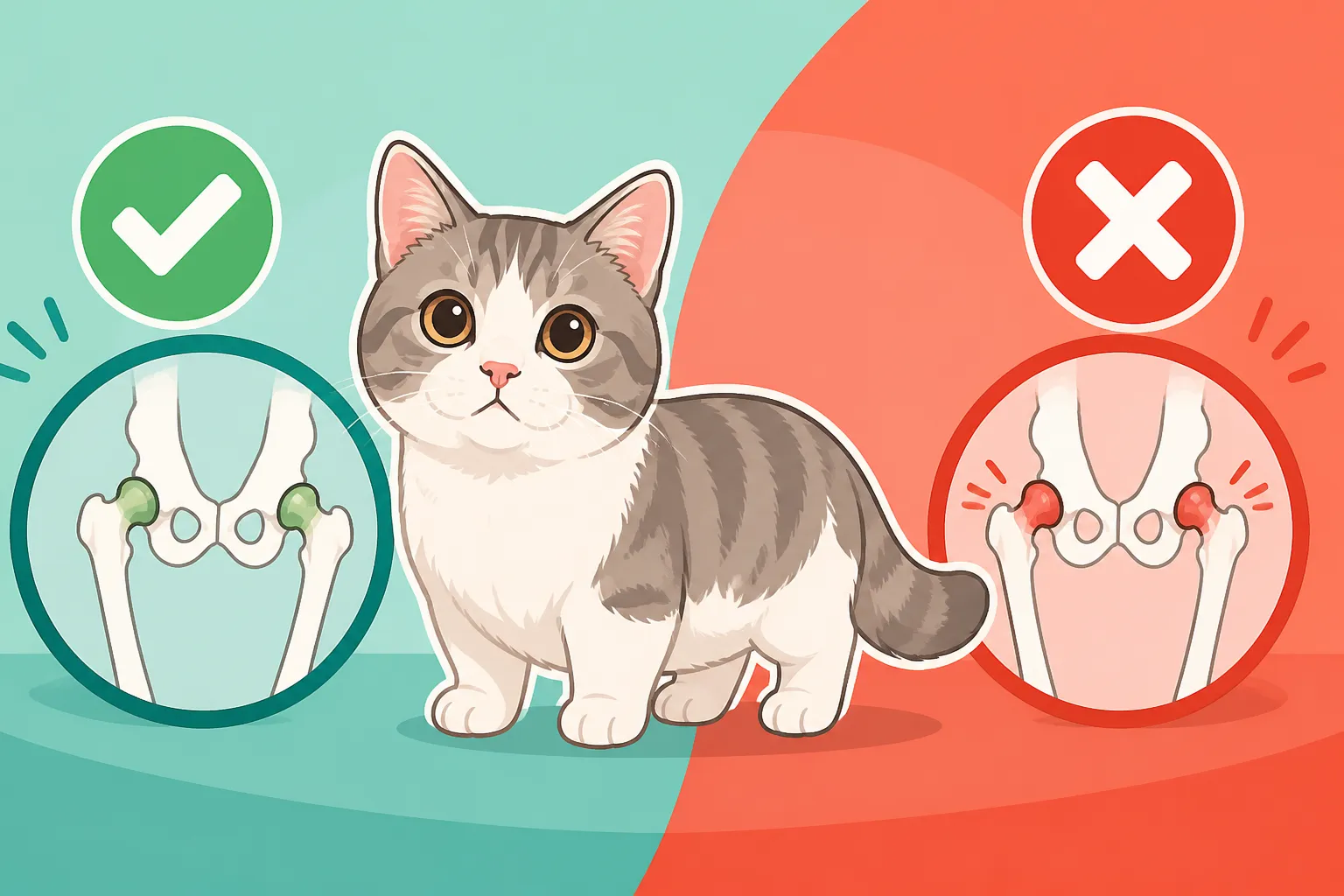
Feline hip dysplasia occurs when the hip joint develops abnormally. Essentially, the "ball" (the head of the femur, or thigh bone) doesn't fit snugly or correctly into the "socket" (the acetabulum in the pelvis). Instead of gliding smoothly, the joint components rub and grind against each other, leading to deterioration over time. This friction can cause pain, inflammation, and eventually, degenerative joint disease or osteoarthritis.
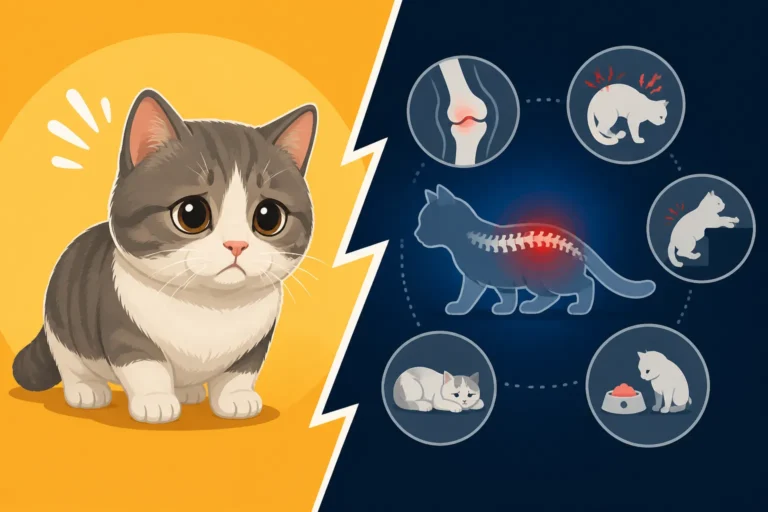
In cats, the signs can be quite subtle, which often makes it harder for owners to spot until it's more advanced. You might notice your cat becoming less active, hesitating before jumping, having difficulty climbing stairs, or exhibiting a stiff gait after rest. They might avoid certain movements, limp, or show signs of pain when their hip area is touched. The underlying causes are often genetic, passed down from parent to offspring, though environmental factors like rapid growth, obesity, and excessive exercise during kittenhood can exacerbate the condition. Diagnosis usually involves a physical examination by a vet, who will assess range of motion and pain, followed by X-rays to visualize the hip joints and confirm the extent of the dysplasia.
Common Breeds Affected and Its Rarity in Cats
While hip dysplasia is a significant issue in many large dog breeds like German Shepherds, Labradors, and Golden Retrievers, it's considerably less prevalent and generally milder in cats. When it does occur, certain feline breeds do show a higher predisposition. Breeds like Maine Coons, Persians, and Himalayans are more commonly identified in studies as having a higher incidence of hip dysplasia compared to the general cat population. This is often attributed to their larger size and specific genetic lines.
However, even in these predisposed cat breeds, the clinical signs can be quite varied. Some cats might live their entire lives with hip dysplasia and never show overt symptoms, while others might experience significant pain and mobility issues. It's truly a spectrum, and unlike in dogs where hip screening is routine for breeding animals, it's not as standardized in the cat world. This makes it challenging to get definitive statistics across all feline breeds. Generally speaking, a cat with a normal skeletal structure and healthy lineage is far less likely to develop severe hip dysplasia.
The Munchkin's Unique Skeletal Structure
The Munchkin cat is famous for its distinctive short legs, a trait that immediately brings up questions about their skeletal health. However, it's crucial to understand the specific nature of their physical difference to properly address concerns like hip dysplasia. Their short stature is not due to a general skeletal deformity, but a very specific genetic mutation.
Achondroplasia vs. Hip Dysplasia
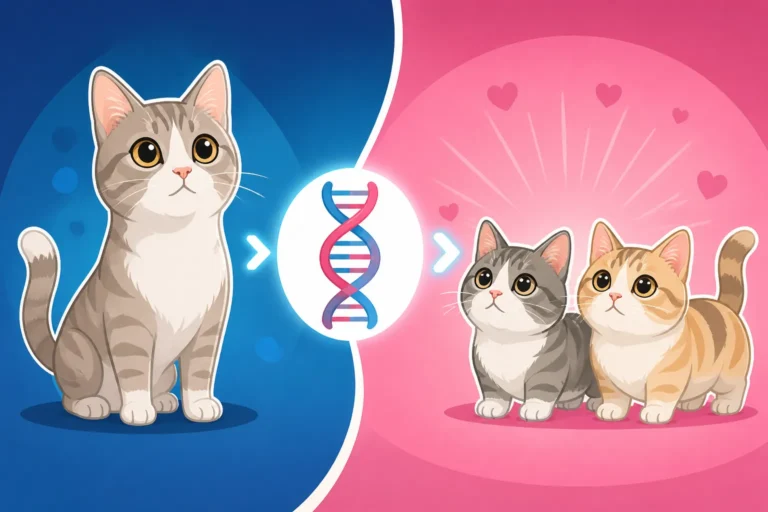
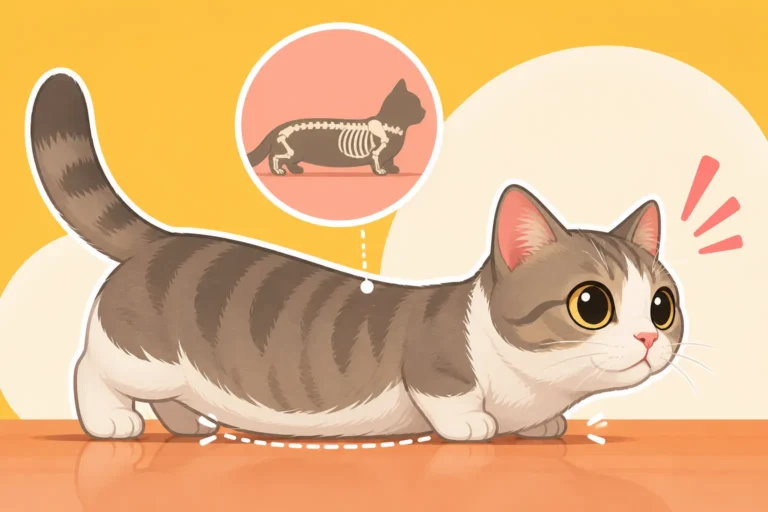
The short legs of a Munchkin cat are the result of a genetic mutation causing a condition called pseudoachondroplasia. This is a form of dwarfism where the long bones of the legs develop abnormally short, but the cat's body length and head size remain typical for a domestic cat. It's an autosomal dominant gene mutation, meaning only one copy of the gene is needed for a cat to have short legs. For a much deeper dive, you can explore What Pseudoachondroplasia Does to a Munchkin's Legs.
Now, let's contrast this with hip dysplasia. As we discussed, hip dysplasia is a malformation of the hip joint itself – the ball and socket. It's about how the femur connects to the pelvis. Pseudoachondroplasia in Munchkins primarily affects the length of the long bones, not necessarily the integrity or formation of the joints at the hips. While their shorter limbs can alter their gait and weight distribution, the underlying cause of their leg length is distinct from the pathology of hip dysplasia. It's like comparing apples and oranges in terms of what's fundamentally "wrong" with the skeletal system. One is about bone growth; the other is about joint formation.
Why a Munchkin's Spine Carries a Different Load
Even though hip dysplasia isn't a primary concern directly linked to their pseudoachondroplasia, the Munchkin's unique body structure does alter the biomechanics of their entire skeletal system. Because their legs are short and their body is of normal length and weight, their spine and other joints often bear a different kind of load. Think about it: a regular cat's spine is supported by longer, more proportionally developed limbs that absorb impact and distribute weight more evenly during movement.
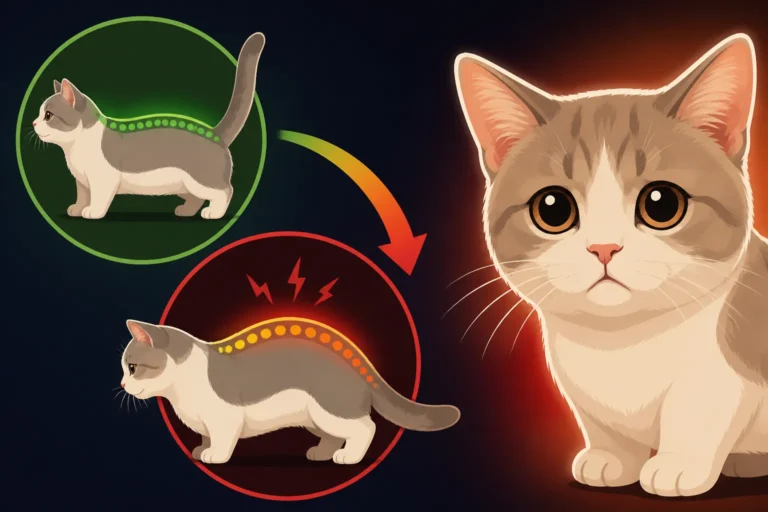
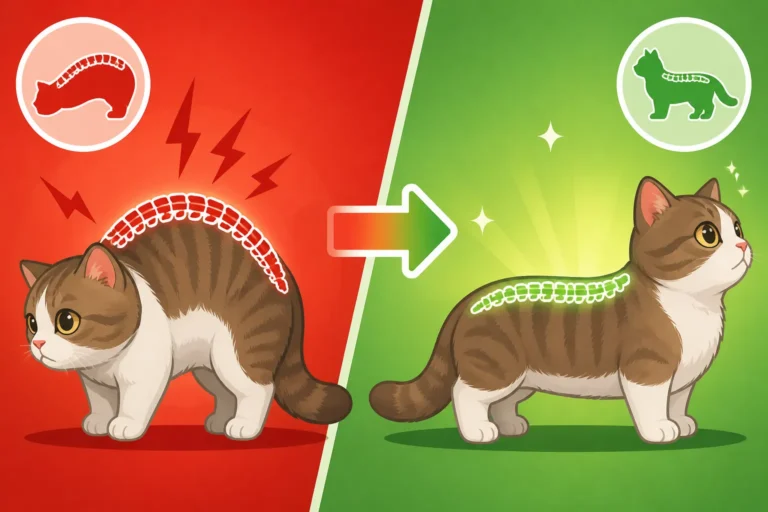
For a Munchkin, the shorter levers of their legs mean that actions like running, jumping (even their limited jumps), and even just walking put more direct stress on their spine and other limb joints, particularly their shoulders and elbows. This altered weight distribution can predispose them to other issues. This is why you often hear discussions about concerns like lordosis, which is a curvature of the spine. Understanding Why a Munchkin's Spine Carries a Load a Normal Cat's Does Not is crucial for appreciating their overall musculoskeletal health needs. It's not that their hips are inherently malformed due to their short legs, but rather that their entire locomotor system operates under different mechanical pressures.
Is Hip Dysplasia a Documented Concern for Munchkins?
When considering the health profile of any breed, especially one as unique as the Munchkin, it's vital to look at actual scientific data and veterinary observations rather than just assumptions based on their appearance. The question of whether Munchkins specifically suffer from hip dysplasia more than other breeds is one that comes up often.
Review of Breed-Specific Health Studies
Honestly, finding extensive, peer-reviewed studies specifically focusing on the prevalence of hip dysplasia in Munchkin cats is challenging. The breed itself, while recognized by TICA, is still relatively young and controversial in some veterinary and cat fancy circles. Much of the health data available tends to concentrate on the direct implications of their short stature, such as potential spinal issues like lordosis and pectus excavatum, or the general increased risk of osteoarthritis in their weight-bearing joints (shoulders, elbows).
While some studies have looked at general skeletal health in Munchkins, they generally do not highlight hip dysplasia as a breed-specific or unusually high-risk condition for them, in the way it might be for a Maine Coon. The existing literature and veterinary discussions often point more towards the impact of their altered gait and weight distribution on their spine and limb joints, rather than a primary hip joint malformation unique to the Munchkin gene. It's crucial for owners to ask breeders about the health screenings of their breeding cats, including any relevant orthopedic clearances, though specific hip scores for Munchkins aren't as common as they are for breeds known to suffer from hip dysplasia.
Veterinary Consensus and Actual Observed Issues
From a veterinary perspective, while any cat can theoretically develop hip dysplasia, it's not considered a hallmark health problem for the Munchkin breed itself. Vets who work with Munchkins typically focus their orthopedic examinations on areas more directly impacted by their short legs and altered locomotion. For instance, concerns about the spine (like lordosis, a condition where the spine curves inward, compressing internal organs) or issues in the front limb joints (shoulders, elbows, wrists) due to the increased impact they experience are much more common topics of discussion.
Instead of hip dysplasia, Whether a Munchkin Gets Arthritis Earlier in other joints is a more pertinent question often raised by veterinarians. Their unique build means that their joints, particularly those in their front legs, might experience more wear and tear over time. This can potentially lead to early onset arthritis or other degenerative joint diseases. Regular vet check-ups are essential, and a good veterinarian will pay close attention to their gait, spinal alignment, and overall joint health during examinations. They'll be looking for signs of discomfort or stiffness that could indicate any number of joint problems, not just hip dysplasia. If you're concerned about Which Health Problems the Munchkin Actually Has, a thorough discussion with your vet is invaluable.
Comparing with Other Joint Issues
So, if hip dysplasia isn't the big concern, what are the joint issues that Munchkin owners and prospective owners should actually be aware of? It really boils down to how their unique conformation impacts their movement and weight bearing.
The primary concerns revolve around:
- Spinal Health: Conditions like lordosis and pectus excavatum are sometimes linked to the Munchkin gene, though their prevalence and direct correlation are still debated. Lordosis, a severe inward curvature of the spine, can be a serious issue affecting organ function.
- Osteoarthritis: Due to their short, sturdy legs and the way they move, Munchkins may be more prone to developing osteoarthritis in their elbows and shoulders. These joints bear a significant amount of their body weight and absorb impact when they jump or land, even from low heights. For more on this, consider How Osteoarthritis Shows in a Munchkin's Shoulders and Why a Munchkin's Elbows Take the Landing. This isn't necessarily about early onset, but rather about the specific joints that are under more stress.
- Patellar Luxation: While not extensively studied as a breed-specific issue for Munchkins, patellar luxation (where the kneecap slips out of place) can affect any cat breed and might be exacerbated by altered limb conformation. However, it's not considered a primary Munchkin health concern in the same vein as some of the spinal issues.
It's clear that while hip dysplasia is a recognized feline ailment, the Munchkin's genetic predisposition leans towards other skeletal and joint considerations due to their distinct physical structure. Focusing on these more common issues will allow for more targeted preventative care and monitoring.
Factors That Do Affect a Munchkin's Joint Health
While hip dysplasia might not be a top concern for Munchkin cats specifically, their general joint health is incredibly important and is influenced by several key factors. Owners need to be proactive in managing these aspects to ensure their short-legged companions live comfortable, active lives.
Weight Management
This is perhaps the single most critical factor for any cat's joint health, but it's especially paramount for a Munchkin. Their short legs and sturdy build mean that every extra pound they carry places significantly more stress on their joints and spine than it would on a long-legged cat. Imagine trying to carry a heavy backpack when you have shorter levers – it's just harder on your frame.
An overweight Munchkin will experience accelerated wear and tear on their shoulders, elbows, and spine. This can lead to earlier onset of arthritis, increased pain, and reduced mobility. It can even exacerbate any existing, mild spinal issues. Maintaining an ideal body condition score is vital. You should be able to easily feel your Munchkin's ribs without seeing them, and they should have a discernible waist when viewed from above. Why Weight Is More Dangerous on a Munchkin cannot be overstated. Regular weight checks, portion-controlled feeding, and appropriate exercise are not just good practices; they are essential components of a Munchkin's long-term health plan. Brands like Healthy Paws emphasize the importance of preventative care and cover diagnostic costs, which can include consultations on weight management with your vet.
Environmental Adaptations
The way a Munchkin navigates its environment has a direct impact on its joint health. Their inability to jump as high as a regular cat means they will constantly try to find alternative routes or simply avoid elevated surfaces. However, even small jumps or repetitive impacts from getting on and off furniture can take a toll over time.
To protect their joints, a Munchkin's home environment should be carefully adapted. This means:
- Ramps and Steps: Providing ramps or low steps to access favorite spots like sofas, beds, or windowsills is crucial. This minimizes the impact of jumping and landing, protecting their shoulders and spine.
- Low-Entry Litter Boxes: A litter box with a low entry point prevents awkward stretching or high stepping, which can strain their back and hips, especially as they age.
- Floor-Level Enrichment: Keep toys, food, and water bowls at easily accessible heights to prevent unnecessary stretching or reaching.
- Non-Slip Surfaces: Munchkins can struggle on slippery floors like laminate or tile. Providing rugs or mats in key areas helps them gain traction and reduces the risk of slips or falls that could injure their joints.
These adaptations aren't luxuries; they're necessities for Caring for a Munchkin Past Ten and ensuring their comfort throughout their lives. Thoughtful environmental adjustments can significantly reduce the cumulative stress on their joints, delaying the onset or severity of degenerative conditions.
Age-Related Arthritis
Like all cats, Munchkins are susceptible to age-related arthritis as they get older. As cats mature, the cartilage in their joints naturally begins to thin and degrade, leading to stiffness, pain, and reduced mobility. For Munchkins, this natural aging process can be compounded by the unique stresses on their joints from their short stature.
While not necessarily developing earlier than in other cats, when arthritis does strike a Munchkin, it can have a more pronounced impact on their quality of life. The shoulders, elbows, and spine are often the first areas to show signs. You might notice your senior Munchkin becoming less active, having trouble grooming its back half, or being reluctant to use ramps it once navigated easily.
Managing age-related arthritis involves a multi-faceted approach:
- Pain Management: Your vet can prescribe anti-inflammatory medications or pain relievers to keep your Munchkin comfortable.
- Joint Supplements: Glucosamine, chondroitin, and omega-3 fatty acids can help support joint health and reduce inflammation.
- Physical Therapy: Gentle exercises or even hydrotherapy, under veterinary guidance, can help maintain muscle mass and joint flexibility.
- Continued Environmental Adaptation: Ensuring ramps are still at gentle inclines and beds are easy to access becomes even more vital for an aging Munchkin.
Early recognition of signs and a proactive approach with your veterinarian are key. Regular vet checks, perhaps more frequently as they age, allow for early intervention. If you have pet insurance like Healthy Paws, it's worth checking their coverage for chronic conditions such as arthritis, as long-term treatment can be costly.
Diagnosis and Management of Joint Issues in Munchkins
Being a Munchkin owner means being extra observant about your cat's movement and behavior. Because they are masters at hiding discomfort, recognizing the subtle signs of joint pain and seeking prompt veterinary care is paramount.
Recognizing the Signs of Discomfort
Cats are notoriously stoic, and Munchkins are no exception. They often won't cry out in pain or present with an obvious limp until a problem is quite advanced. Instead, you'll need to look for more subtle shifts in their daily routine or personality.
Here are some common signs of joint discomfort in a Munchkin:
- Changes in Activity Level: Are they playing less? Are they reluctant to engage in games they once loved? A decrease in overall energy or enthusiasm for movement can be a red flag.
- Hesitation Before Movement: Do they pause or seem to "think about it" before jumping onto a low couch, or even stepping into their litter box? This hesitation often indicates anticipated pain.
- Altered Gait: Watch how they walk. Do they seem stiffer, or is there a subtle lameness in one of their legs? Their unique "ferret-like" gait can make this tricky to spot, so it's good to be familiar with their normal movement.
- Difficulty with Grooming: Munchkins already have some challenges grooming their back half due to their short legs. If you notice increased matting, especially around their hindquarters, it could indicate they're finding it painful to twist and reach. For more on this, check out What a Munchkin Cannot Reach to Groom.
- Behavioral Changes: Any unexplained irritability, withdrawal, or reluctance to be petted or handled, particularly around their back or legs, can signal pain.
- Changes in Litter Box Habits: If getting into the litter box is painful, they might start eliminating outside of it.
If you observe any of these signs, it's crucial to schedule a vet visit. Early detection leads to better management and improved quality of life.
Veterinary Examination and Imaging
When you bring your Munchkin in with concerns about joint pain, your veterinarian will conduct a thorough physical examination. This will include:
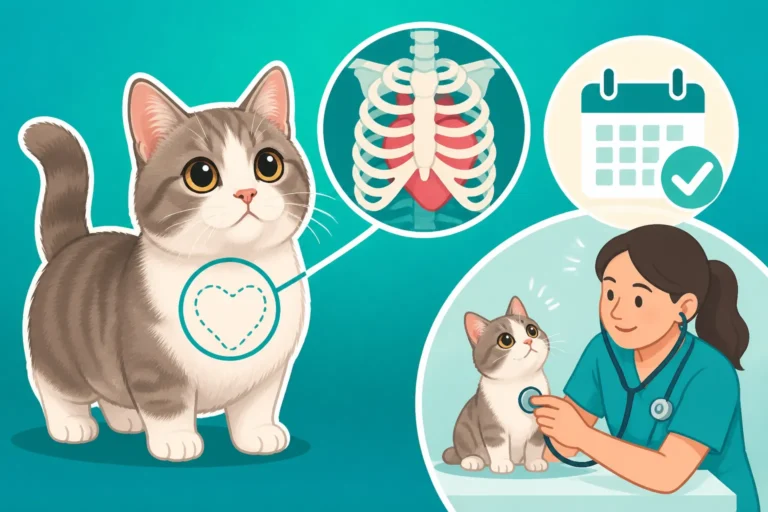
- Palpation: Gently feeling along your cat's spine and limbs, checking for swelling, warmth, or painful responses. They'll assess the range of motion in each joint. Your vet will specifically be looking for signs of issues like lordosis or tenderness in the elbows and shoulders. What a Munchkin Kitten's First Exam Should Cover typically includes a spinal palpation.
- Gait Analysis: Observing your Munchkin walk, run, and perhaps attempt to jump. Sometimes, a vet might ask you to send a video of your cat moving naturally in your home environment, as they might behave differently in the clinic.
- Neurological Exam: To rule out any nerve impingement that could be causing similar symptoms, especially if spinal issues are suspected.
If joint problems are suspected, the next step is usually diagnostic imaging, primarily X-rays.
- X-rays: Radiographs provide clear images of bones and joints, allowing the vet to assess joint alignment, look for signs of arthritis (like bone spurs or narrowed joint spaces), and evaluate the overall health of the skeletal structure, including the spine. While specific hip dysplasia might not be the primary target, these X-rays will certainly show if it's present. When a Munchkin Should Have Its Spine Imaged is an important discussion to have with your vet, especially if you notice any changes in gait or posture.
- Other Imaging: In some complex cases, a CT scan or MRI might be recommended for a more detailed view of soft tissues or intricate spinal structures, though this is less common for routine joint assessments.
It's a good idea to discuss the long-term plan and potential costs of diagnostics and treatment with your vet. This is where pet insurance, such as Healthy Paws, can be a lifesaver, helping to cover unexpected vet bills for diagnostics and ongoing care.
Supportive Care and Lifestyle Adjustments
Once a joint issue is diagnosed, management typically involves a combination of supportive care, medication, and continued lifestyle adjustments. The goal is always to manage pain, reduce inflammation, slow the progression of the disease, and maintain the best possible quality of life for your Munchkin.
Supportive Care & Medications:
- Pain Relief & Anti-inflammatories: Non-steroidal anti-inflammatory drugs (NSAIDs) are commonly prescribed to reduce pain and inflammation. Your vet will determine the appropriate dosage and monitor for any side effects.
- Joint Supplements: Glucosamine, chondroitin, and omega-3 fatty acids are popular supplements that can help support cartilage health and reduce inflammation. These are often given long-term.
- Weight Management: If your Munchkin is overweight, strict weight loss will be a key part of the treatment plan to reduce stress on the joints. This involves dietary changes and controlled portions.
- Physical Therapy: Gentle stretching, massage, and controlled exercises can help maintain muscle strength and joint flexibility. Some vets may recommend hydrotherapy, where the cat exercises in water to reduce impact.
Lifestyle Adjustments:
- Continued Environmental Modifications: Ensure all access points (beds, sofas, windowsills) have ramps or steps. Check that litter boxes are low-entry and easily accessible.
- Soft Bedding: Provide comfortable, orthopedic bedding to cushion joints.
- Warmth: Keeping your Munchkin warm, especially in cooler weather, can help alleviate stiffness.
- Reduced Jumping: While it's hard to stop a cat from jumping entirely, discouraging high jumps and ensuring safe landing spots (e.g., padded areas) can help. Whether a Munchkin Should Be Discouraged From Jumping is a nuanced question, but reducing strenuous jumps is always a good idea.
- Grooming Assistance: As joint issues progress, your Munchkin might struggle even more with self-grooming. Regular brushing and occasional sanitary clips will become your responsibility.
A proactive and consistent approach, working closely with your veterinarian, will help your Munchkin stay as comfortable and happy as possible, regardless of any joint challenges they may face.
Key Differences in Munchkin Joint Concerns
To help clarify the unique aspects of Munchkin joint health, let's look at a comparative table. This highlights the typical presentation of hip dysplasia versus the more commonly observed joint issues in Munchkin cats.
| Feature | Feline Hip Dysplasia (General Cat) | Common Munchkin Joint Concerns (e.g., Osteoarthritis, Spinal Issues) |
|---|---|---|
| Primary Affected Area | Hip joint (ball and socket malformation) | Spine (lordosis), shoulders, elbows, wrists (due to altered gait/impact) |
| Underlying Cause | Genetic predisposition (breed-specific), developmental issue | Pseudoachondroplasia (short legs), altered biomechanics, wear and tear |
| Observed Symptoms | Hind limb lameness, difficulty jumping/climbing, 'bunny hop' gait, pain in hips | Stiffness in front limbs/back, reluctance to move, altered posture, difficulty grooming back half, less often hind limb lameness primarily from hip |
| Diagnostic Focus | X-rays of hips (specific angles like PennHIP or OFA for breeding) | X-rays of spine (for lordosis/pectus), X-rays of shoulders/elbows, gait analysis |
| Breed Predisposition | More common in large breeds (e.g., Maine Coon, Persian) | Direct consequence of pseudoachondroplasia gene and altered movement |
| Management Focus | Weight control, pain management, joint supplements, surgery (rare in cats) | Weight control, pain management, joint supplements, environmental adaptations (ramps/steps), monitoring of spinal health |
| Long-term Outlook | Can lead to severe arthritis, often managed non-surgically | Can lead to chronic arthritis, spinal issues, managed with lifelong support and environmental aids |
Final Thoughts on Munchkin Hip Health
It's completely understandable to be concerned about hip dysplasia in a Munchkin cat, especially given their unique skeletal structure. However, based on current veterinary understanding and breed observations, hip dysplasia is not a primary breed-specific concern for Munchkins in the same way it might be for a Maine Coon or certain dog breeds. The genetic mutation that gives Munchkins their adorable short legs, pseudoachondroplasia, primarily affects the length of their long bones, not necessarily the development of their hip joints themselves.
Instead, owners should focus their attention and preventative care efforts on the areas that do experience increased stress due to the Munchkin's unique build. This includes their spine, where conditions like lordosis can occur, and their front limb joints (shoulders, elbows), which bear a disproportionate amount of weight and impact. Maintaining an ideal weight, providing a home environment adapted with ramps and steps, and being vigilant for subtle signs of discomfort are the most effective ways to ensure your Munchkin enjoys a long, healthy, and happy life. Regular vet check-ups, where your vet can assess their gait and joint health, are absolutely vital.
Disclaimer
This article is intended for informational purposes only and does not constitute veterinary advice. Always consult with a qualified veterinarian regarding your pet's health and specific medical conditions.