Whether a Munchkin Lives as Long as a Normal Legged Cat
One of the biggest worries new Munchkin cat parents often share, and rightly so, is whether their adorable, short-legged companion will live a full, happy life like any other cat. There's a lot of chatter online, and it can be truly confusing trying to separate fact from fiction. This guide is here to cut through the noise and delve into the real longevity of Munchkin cats, comparing their lifespan to that of their normal-legged feline friends, and helping you understand what factors genuinely influence their years with you.
Understanding the Munchkin Lifespan in Context
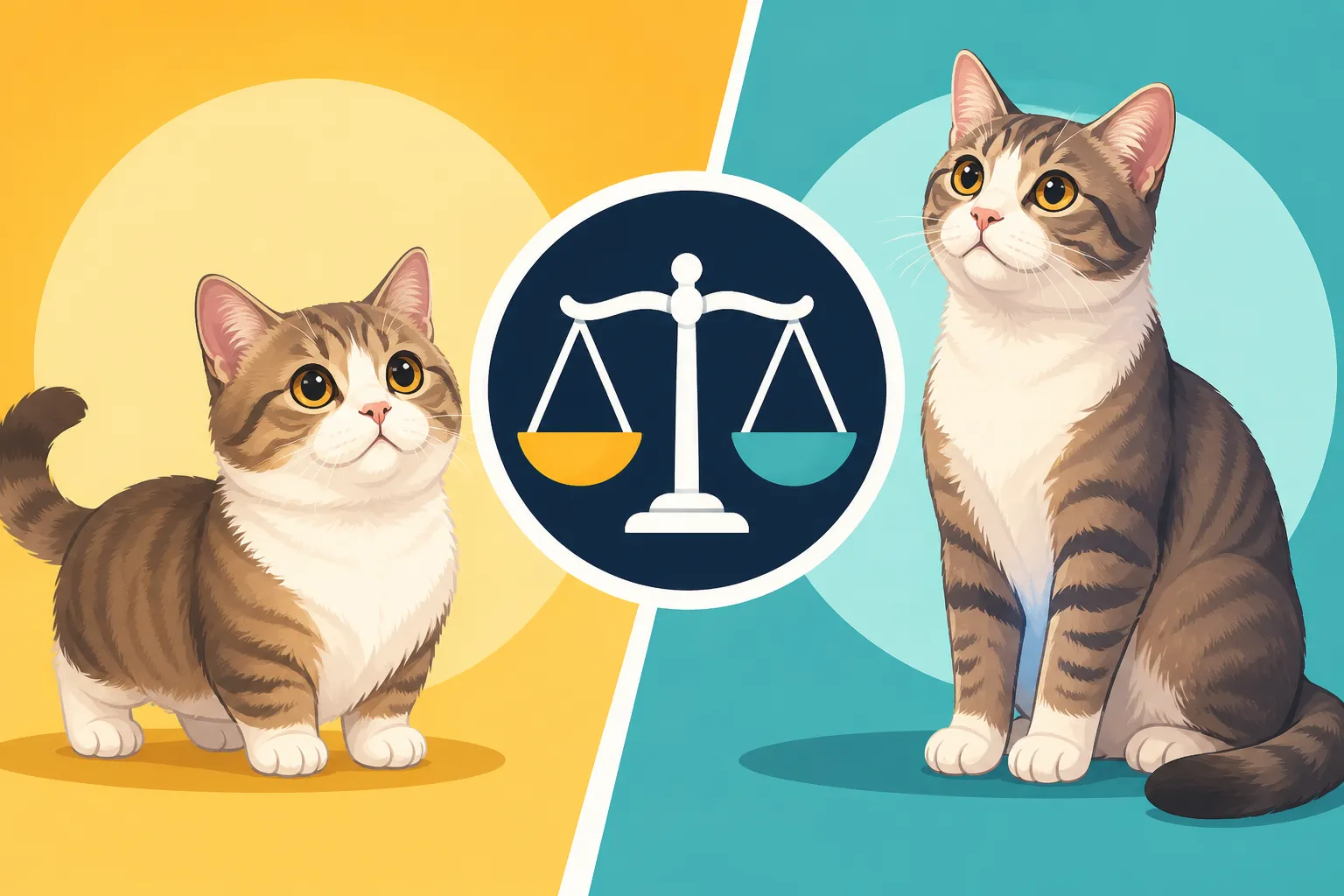
It's completely natural to wonder if a cat with a unique genetic trait, like the Munchkin's dwarfism, might have a shorter lifespan. The short answer, which might surprise some, is that a well-cared-for Munchkin cat generally has a similar lifespan to an average domestic cat. Most domestic cats, regardless of breed, typically live between 12 to 18 years, with many reaching their late teens or even early twenties, especially if they are indoor-only. For Munchkin cats, the consensus among breeders and many veterinarians is that they typically live between 12 to 15 years, and sometimes longer. This aligns very closely with the average.
The key here is "well-cared-for." Just like any other feline, a Munchkin's longevity is heavily influenced by their environment, diet, veterinary care, and genetic predisposition to certain health issues. The defining characteristic of the Munchkin is its autosomal dominant gene causing chondrodysplasia, which results in shortened legs. While this genetic mutation impacts their bone development, it is generally not considered a debilitating condition that inherently shortens their life, provided they receive appropriate care. You might find it interesting to explore How Long a Munchkin Lives for more detailed statistics on this topic.
Genetic Factors and Potential Health Concerns
While the Munchkin's short legs themselves don't typically lead to a shortened lifespan, it's crucial to understand the associated health considerations that can impact their quality and length of life. The very trait that makes them unique can, if not properly managed, predispose them to certain conditions.
Pseudoachondroplasia and Spinal Health
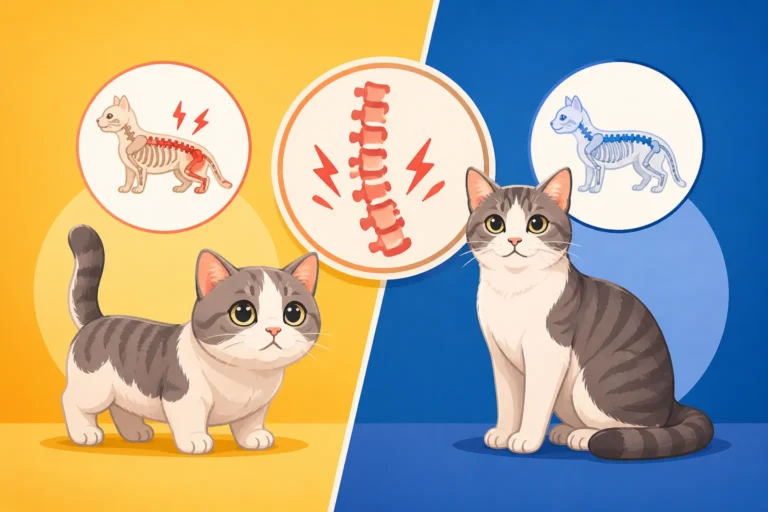
The dwarfism in Munchkin cats is technically pseudoachondroplasia, meaning the bones of their limbs are shorter, but their spine is a normal length. This normal-length spine, resting on shorter legs, can sometimes be subject to different biomechanical stresses. This is why discussions about Why a Munchkin's Spine Carries a Load a Normal Cat's Does Not are so prevalent. Two primary spinal conditions are often discussed in relation to Munchkins:
- Lordosis: This is a severe inward curvature of the spine, where the spine dips down excessively. In severe cases, lordosis can compress internal organs, leading to breathing difficulties, heart problems, or impaired organ function, which can tragically shorten a cat's life. While it's not unique to Munchkins and can occur in any cat, there is some debate about whether the breed's conformation makes them more susceptible. It’s important to understand What Lordosis Does to a Munchkin and how it manifests. A kitten with severe lordosis often has a poor prognosis. Responsible breeders screen for this and would never breed a cat showing signs of it.
- Pectus Excavatum: Often referred to as "funnel chest," this condition causes the sternum and rib cage to grow inward, compressing the heart and lungs. Like lordosis, it's not exclusive to Munchkins but can be a concern. Mild cases may have no impact on health or lifespan, but severe cases can lead to respiratory distress, exercise intolerance, and secondary heart issues, potentially affecting longevity. Early detection through a vet check, especially a Munchkin Kitten's First Exam Should Cover, is vital.
It’s important to note that these conditions are not universal among Munchkins. Many live their entire lives without developing severe forms of lordosis or pectus excavatum. The key is genetic screening by reputable breeders and vigilant veterinary care.
Joint Health and Arthritis Risk
With their unique leg structure, Munchkins may experience different stresses on their joints. While they are often surprisingly agile and fast on the flat, the mechanics of their movement can put extra strain on their shoulders, elbows, and hips over time. This can lead to the earlier onset of osteoarthritis compared to a normal-legged cat. Many owners wonder Whether a Munchkin Gets Arthritis Earlier, and while not definitively proven across the board, it's a valid concern due to their conformation.
Arthritis, while painful, is often manageable and doesn't directly shorten a cat's life unless it becomes so severe that it drastically impacts their ability to move, eat, or use the litter box. However, the chronic pain and reduced mobility can severely impact their quality of life in their senior years. This is where proactive care, proper diet, and joint supplements become incredibly important.
Proactive Care for a Long and Healthy Munchkin Life
Maximizing your Munchkin's lifespan and ensuring they have a high quality of life involves a comprehensive approach to their care, focusing on preventing potential issues and managing existing ones effectively.
Weight Management is Paramount
Perhaps the single most critical factor in a Munchkin's long-term health is maintaining a healthy weight. Because their short legs and normal-length spine carry their body, any excess weight puts immense strain on their joints and spine. An overweight Munchkin is at a significantly higher risk for accelerated arthritis, exacerbated lordosis, and general mobility issues. It's truly a situation where Why Weight Is More Dangerous on a Munchkin cannot be overstated.
- Precise Portions: Unlike some cats that can free-feed without consequence, Munchkins often need strictly measured meals. Consult your vet to determine the ideal caloric intake for your cat's age, activity level, and body condition.
- Joint-Supporting Diet: Consider cat foods formulated for joint health, often containing glucosamine, chondroitin, and omega-3 fatty acids. These can be excellent additions, even if started preventatively.
- Regular Weigh-Ins: Weigh your Munchkin regularly at home. Even a small gain can have a disproportionate impact on their comfort and mobility.
Adapted Environment and Enrichment
Your home environment plays a huge role in supporting your Munchkin's physical well-being. Their inability to jump as high as other cats means they rely on alternative ways to access elevated spaces, or they may simply go without.
- Ramps and Steps: Provide ramps or pet steps for access to furniture like sofas, beds, and window perches. This reduces the impact on their joints from jumping up and, more importantly, down. Repeated hard landings can contribute to joint wear over time.
- Low-Entry Litter Boxes: Ensure litter boxes have low entry points that your Munchkin can easily walk into. If the sides are too high, they might struggle to get in, leading to accidents outside the box or holding it in, which can cause urinary issues. Which Litter Box a Munchkin Can Actually Enter is a practical consideration.
- Floor-Level Enrichment: Since they can't climb standard cat trees, focus on floor-level toys, puzzle feeders, and tunnels. Interactive play that encourages horizontal movement rather than high jumps is ideal.
Regular Veterinary Care
Consistent veterinary care is essential for any cat, but perhaps even more so for a Munchkin due to their unique conformation.
- Annual Check-ups: Regular vet visits allow for early detection of any emerging health issues, from dental problems to early signs of arthritis or spinal concerns. Your vet will assess their gait, palpate their spine, and check their overall body condition. If you want to know more about caring for an older Munchkin, check out Caring for a Munchkin Past Ten.
- Spinal Imaging: As they age, your vet might recommend X-rays to monitor their spine, especially if any changes in gait or discomfort are observed. Knowing Whether a Munchkin Needs X Rays as It Ages can help you prepare for discussions with your vet.
- Dental Health: Like all cats, Munchkins are prone to dental disease. Regular dental cleanings are crucial for their overall health, as poor oral hygiene can lead to other systemic issues.
- Insurance Consideration: Pet insurance can be a lifesaver for managing potential health issues. Companies like Healthy Paws offer comprehensive coverage that can help mitigate the costs of diagnostics, treatments, and even ongoing care for conditions like arthritis or lordosis, should they arise. It’s wise to investigate options from reputable providers like Healthy Paws early in your cat’s life.
- Grooming Support: Due to their short legs, some Munchkins may struggle to groom their hindquarters effectively. This is particularly true for longhaired Munchkins. Regular brushing by you and occasional professional grooming can prevent matting and skin infections. Knowing Which Parts of Itself a Munchkin Cannot Reach highlights the importance of your role in their grooming routine.
The Myth of Inherently Shorter Lives
The perception that Munchkin cats inherently live shorter lives often stems from misunderstanding their specific form of dwarfism or from associating them with other breeds that do have significantly reduced lifespans due to severe genetic issues. However, the available data and the experiences of responsible breeders and owners generally indicate that the Munchkin gene itself, when managed correctly, does not directly reduce lifespan.
For instance, the Munchkin's average lifespan of 12-15 years is quite comparable to many other popular cat breeds, including some domestic shorthairs. What truly impacts their longevity are the secondary effects of their conformation (like increased joint strain or susceptibility to severe lordosis) if not carefully addressed through breeding practices and diligent owner care.
Consider a healthy, well-bred Munchkin from a reputable cattery that screens for spinal issues and selectively breeds to maintain good conformation. This cat, living indoors, maintaining a healthy weight, receiving a joint-supportive diet, and having access to a cat-friendly, adapted environment, is very likely to live as long as any other beloved feline. The difference isn't necessarily in the genetic stopwatch, but in the specific care strategies required to support their unique physical needs. Healthy Paws, for example, could be invaluable in ensuring these specific needs, from regular vet checks to potential specialist consultations, are financially feasible throughout their life.
By being informed and proactive, you can ensure your short-legged friend enjoys every one of their precious years to the fullest, purring by your side for a long, long time.
Disclaimer
The information provided in this article is for general informational purposes only and is not intended as a substitute for professional veterinary advice. Always consult with a qualified veterinarian for any health concerns or before making any decisions about your pet's health or medical care.