Which Diseases a Munchkin Breeder Must Declare
Bringing a new Munchkin cat into your home is an incredibly exciting time, but the joy can quickly turn to anxiety when you start thinking about their unique health considerations. Many prospective owners feel overwhelmed by conflicting information, unsure what questions to ask or what a responsible breeder should be transparent about. This guide is here to cut through the confusion, helping you understand precisely which diseases a reputable Munchkin breeder must declare to ensure you're making an informed decision about your future feline family member.
Understanding the Breeder's Ethical Obligation
When you're looking for a Munchkin cat, it's not just about finding the cutest kitten. It's about finding a lifelong companion, and that means their health history and potential predispositions are paramount. A truly responsible breeder understands this deeply and operates with an unwavering commitment to transparency and ethical practices.
Why Transparency Matters in Munchkin Breeding
The Munchkin breed, with its distinctive short legs, carries a unique genetic mutation for chondrodysplasia, a form of dwarfism. While many breeders and owners attest to their cats living full, active lives, the breed's conformation can undeniably put different stresses on their bodies compared to a long-legged cat. This fundamental difference means that certain health conditions, while not exclusive to Munchkins, warrant particular attention and declaration from a breeder. Without full transparency, a new owner might unknowingly bring home a kitten predisposed to significant health issues, leading to heartache and substantial veterinary bills down the line. It's not about scaremongering; it's about being realistic and prepared. You deserve to know the full picture, allowing you to make an informed choice and provide the best possible care from day one.
Consider the emotional investment involved. Falling in love with a kitten is easy. Discovering soon after that they have a serious, undiagnosed congenital condition can be devastating. A breeder who is open and honest from the outset, discussing both the breed's charming traits and its potential challenges, builds a foundation of trust. This isn't just good business; it's an ethical imperative in animal husbandry. They should be willing to discuss everything from the parents' health history to any observed quirks in the kittens, demonstrating their commitment to the welfare of their animals and the peace of mind of their buyers.
The Role of Breed Registries and Associations
When it comes to the Munchkin, The International Cat Association (TICA) is the primary registry that recognizes the breed and allows it to compete for championship status. However, it’s important to understand that TICA’s recognition, while significant for breed standards and showing, doesn't always mandate specific health screening protocols for every condition. This can leave a gap that individual breeders must fill through their own ethical standards. Other prominent registries, like the Cat Fanciers' Association (CFA) or the Governing Council of the Cat Fancy (GCCF) in the UK, actually refuse to recognize the Munchkin breed precisely due to concerns about the health implications of its short-legged conformation. This divergence among major feline organizations highlights the contentious nature of the breed and underscores why a breeder's personal ethics and commitment to health testing are even more critical.
A breeder operating under TICA guidelines will adhere to their code of ethics, which generally promotes responsible breeding and animal welfare. However, specific health declarations often go beyond what's strictly required by a registry. A truly responsible breeder will proactively share information about conditions commonly associated with the breed, or those that might arise from outcrosses, even if TICA doesn't have a rigid, mandatory test for them. They'll see it as their duty, not just a suggestion. This extra layer of commitment is what sets apart a dedicated, ethical breeder from someone simply looking to sell kittens.
Specific Conditions a Munchkin Breeder Should Declare
Due to their unique skeletal structure, Munchkin cats are often scrutinized for certain health conditions. While many Munchkins live healthy lives, a responsible breeder will be aware of these potential issues and transparent about their efforts to mitigate them within their lines.
Skeletal and Spinal Conditions
The most prominent concerns for Munchkin cats often revolve around their unique skeletal structure. Their short legs are a result of a genetic mutation, and while the spine itself is typically of normal length, the way it connects to and supports the shorter limbs can lead to specific considerations.
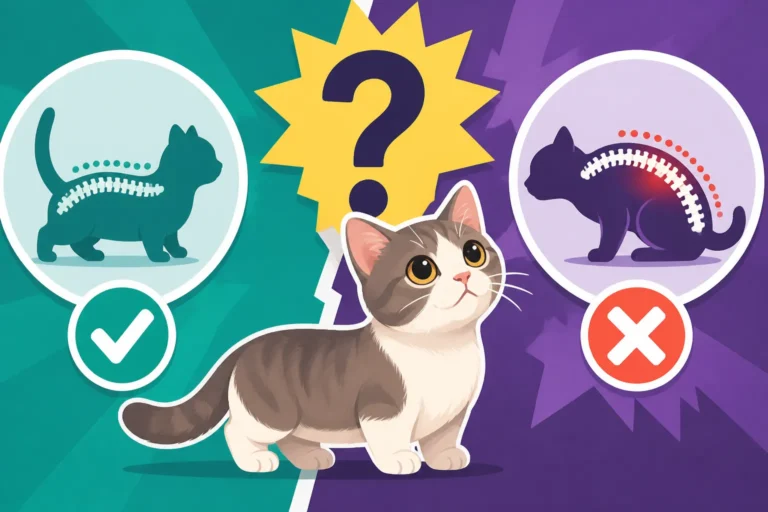
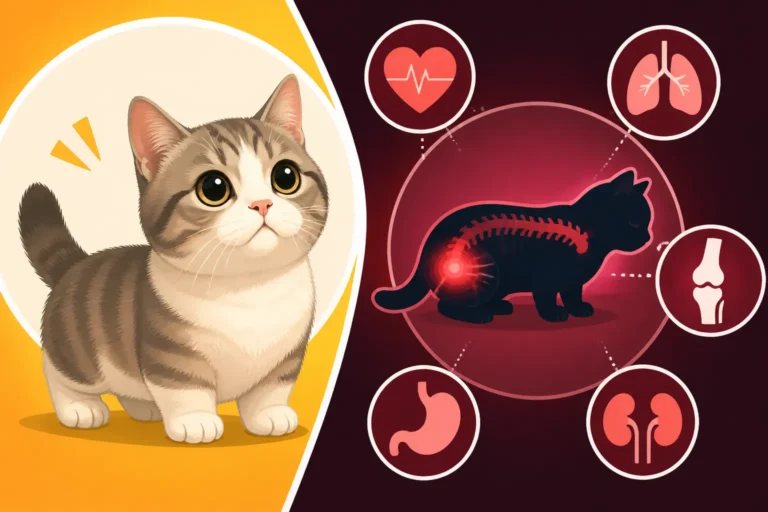
One of the most talked-about spinal issues in Munchkins is Lordosis. This condition involves an abnormal inward curvature of the spine, often appearing in the lumbar region. In severe cases, it can cause the spine to press on internal organs, leading to breathing difficulties, pain, and even a reduced lifespan. A breeder should be able to tell you about the incidence of lordosis in their lines, whether parent cats have been screened, and how they assess kittens for early signs. You can learn more about What Lordosis Actually Is in a Munchkin to understand its mechanics, and it's vital for a breeder to share any history of the condition. Furthermore, understanding How Severe Munchkin Lordosis Can Get is crucial, as mild cases might be manageable, while severe ones are deeply concerning.
Another condition sometimes associated with the breed is Pectus Excavatum, often referred to as a "sunken chest." This is a congenital deformity where the sternum and rib cage develop abnormally, creating a concave indentation in the chest wall. While not exclusive to Munchkins, its occurrence needs careful monitoring. Depending on the severity, it can restrict lung and heart function, impacting the cat's ability to breathe properly or tolerate exercise. A responsible breeder will disclose any cases of pectus excavatum in their breeding cats or litters, and ideally, will have their kittens' chests checked by a vet. If you're looking for a kitten, asking about Pectus Excavatum and the Munchkin's Sunken Chest is a wise move, and knowing How a Vet Grades a Munchkin's Sunken Chest can help you understand the assessment process. These skeletal conditions highlight Why a Munchkin's Spine Carries a Load a Normal Cat's Does Not and why vigilance from breeders is so important.
Joint Health and Mobility Issues
Beyond the spine, the Munchkin's short limbs mean that their joints experience different biomechanical forces compared to a standard-legged cat. This altered weight distribution can potentially lead to earlier onset or increased severity of certain joint problems.
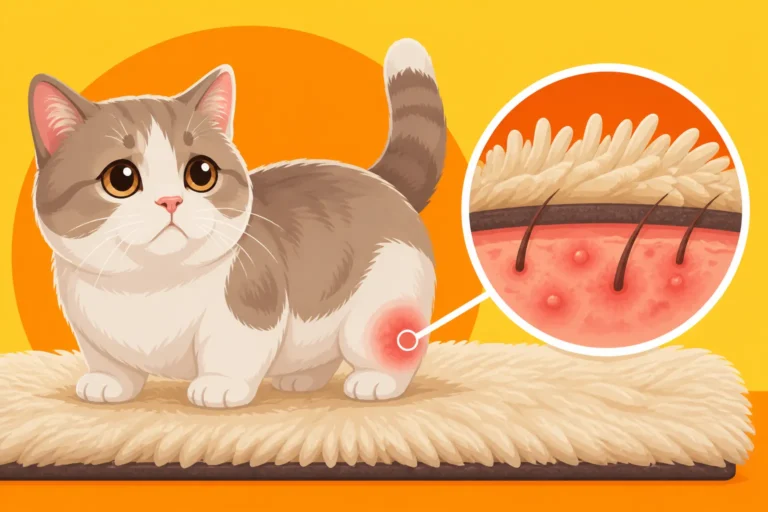
Osteoarthritis is a common age-related condition in all cats, but there's a debate about whether Munchkins might experience it earlier due to the constant stress on their joints. Their short, thick leg bones mean that weight is distributed differently, particularly on the elbows and shoulders. If a breeder has older cats in their program or has retired breeding cats, they should be open about any signs of arthritis. Early signs can include stiffness, reluctance to jump (even small distances), or changes in gait. You might be interested in whether a Munchkin gets arthritis earlier, and a good breeder will discuss this openly, sharing their observations and any preventive measures they take. Additionally, knowing How Arthritis Shows in a Munchkin's Front Legs can help you identify symptoms in your own cat later on.
While hip dysplasia is more commonly associated with dog breeds, it can occur in cats. Similarly, elbow dysplasia can also affect felines. Though these aren't considered breed-specific to Munchkins, the overall increased stress on their limb joints makes it important for breeders to be vigilant. Any history of these conditions in parent cats or prior litters should absolutely be declared. The way a Munchkin moves and lands places unique demands on its joints, particularly the elbows, which absorb a lot of impact from their low-to-the-ground posture. Understanding Why a Munchkin's Elbows Take the Landing further emphasizes the need for a breeder to prioritize robust joint health in their lines.
General Health & Genetic Screening
While skeletal issues get a lot of attention, a responsible Munchkin breeder also screens for general feline genetic diseases that can affect any cat breed, especially those that might be introduced through outcrossing to other breeds.
One significant concern, particularly when breeders use Persian cats as outcrosses (which is common for developing certain Munchkin hybrid breeds like the Minuet), is Polycystic Kidney Disease (PKD). PKD is an inherited condition that causes cysts to form in the kidneys, leading to kidney failure over time. It's easily screened for with a simple DNA test or ultrasound. A breeder must declare if their breeding cats have been tested for PKD, especially if their lines include Persian or Himalayan ancestry. Knowing Why a Munchkin From a Persian Cross Needs a PKD Test is paramount for any prospective owner. If a breeder isn't testing for this when the lineage dictates, that's a serious red flag.
Hypertrophic Cardiomyopathy (HCM) is the most common heart disease in cats, regardless of breed. While not specific to Munchkins, it's a concern across the feline world. Many reputable breeders of various breeds conduct regular echocardiograms on their breeding cats to screen for HCM. A good Munchkin breeder will be proactive about screening their breeding adults for HCM and will be transparent about the results. They understand that a healthy heart is fundamental to a cat's overall well-being and lifespan. While no breeder can guarantee a cat will never develop any health issue, they can demonstrate diligence in screening for known genetic predispositions and general health concerns. They'll also provide a robust health guarantee, giving you confidence in your new pet.
What to Look for in a Reputable Breeder's Disclosure
Beyond simply stating their cats are "healthy," a truly reputable Munchkin breeder will offer specific, verifiable declarations and operate with utmost transparency. This isn't just about what they say, but what they can show you and how they conduct their business.
Health Guarantees and Contracts
A good breeder will provide a written health guarantee as part of their sales contract. This document should explicitly outline what genetic diseases or congenital defects are covered, for how long, and what the breeder's responsibility is should an issue arise. Be wary of vague promises or guarantees that only last a few days, as many serious genetic conditions might not manifest immediately. A robust guarantee often covers conditions like severe lordosis or pectus excavatum for a reasonable period, typically the first year or two of life, and may offer a replacement kitten or a partial refund. However, it's also common for guarantees to have limitations; for instance, they might not cover conditions that are considered "common" in the breed if the incidence is low in their lines and they've taken precautions.
It's absolutely critical to read the contract carefully and ask clarifying questions. Understand what constitutes a "defect" and what recourse you have. For example, some contracts may require a second veterinary opinion or an autopsy in the event of a severe health issue. While no breeder can guarantee perfect health for the entirety of a cat's life, a well-structured guarantee reflects their confidence in their breeding program and their commitment to their kittens. You should definitely check if Whether a Munchkin Guarantee Mentions the Spine explicitly, as this is a key concern for the breed. If it doesn't, ask why and get any verbal promises in writing.
Open Communication and Vet Records
One of the most telling signs of a responsible breeder is their willingness to engage in open, honest communication and provide verifiable documentation. They shouldn't just tell you their cats are healthy; they should be able to prove it. This means providing copies of veterinary records for the parents, including results from any genetic screening tests (like PKD DNA tests or HCM echocardiogram reports), and clear health checks for the kittens. For Munchkins, specifically, a breeder should be transparent about any spinal imaging (X-rays) done on their breeding stock or kittens if there's any concern. They should be comfortable discussing the implications of specific outcrosses on potential health issues.
Furthermore, a good breeder will be a resource for you throughout your cat's life. They’ll invite you to ask questions, even after you’ve taken your kitten home. If a breeder is defensive, hesitant to share records, or tries to downplay potential health risks, consider it a serious red flag. They should be proud to show you their vet's reports and discuss their breeding choices, including why they selected certain outcrosses. A reputable breeder's transparency is a testament to their dedication to the breed's welfare, and they'll never make you feel like you're prying by asking for this information.
Pedigree Transparency and Outcrosses
Understanding a Munchkin's pedigree is not just about tracing their lineage for show purposes; it's a critical tool for assessing potential health risks. Reputable Munchkin breeders will openly share the full pedigree of their kittens, which should clearly show any outcrosses to other domestic cat breeds. This is essential because the Munchkin gene pool is maintained by crossing short-legged Munchkins with normal-legged domestic cats (the "outcrosses"), as breeding two short-legged Munchkins together results in homozygous embryos that are not viable and will not be born. Therefore, Why Two Short Legged Munchkins Are Never Bred Together is a fundamental piece of information a breeder must declare.
The transparency of the pedigree allows you to identify if the outcrosses include breeds known for specific genetic health issues, such as Persians (for PKD, as mentioned) or Sphynx (for HCM). A good breeder will proactively discuss these potential inherited traits and explain what screening they undertake to prevent them from passing into their Munchkin lines. They will highlight Why a Munchkin's Pedigree Should Show Its Outcrosses and be prepared to discuss the health of every cat listed on it. Any breeder who is vague about their outcrosses or doesn't provide a clear pedigree is not being fully transparent about the genetic health background of their kittens, which could lead to unexpected health problems for you down the line.
The Buyer's Due Diligence
As a prospective Munchkin owner, you play a crucial role in ensuring you bring home a healthy kitten. Relying solely on a breeder's word, however well-intentioned, isn't enough. Your own due diligence is essential, combining careful questioning with independent veterinary assessment and proactive planning for future care.
Asking the Right Questions
When interacting with a Munchkin breeder, don't be shy about asking direct and detailed questions regarding health. This isn't just an option; it's a necessity. Start by inquiring about the health history of both parent cats, specifically asking if they’ve been screened for genetic conditions like PKD or HCM. Ask about the incidence of conditions like lordosis or pectus excavatum in their lines and what their policy is if a kitten develops such a condition. "Have the parents had regular vet checks, and can I see the reports?" is a perfectly valid question. Also, ask about the kitten's specific vet checks. "What was covered in What a Munchkin Kitten's First Exam Should Cover?" and "Did the vet perform a thorough palpation of the kitten's spine, as in Why a Munchkin Kitten's Spine Should Be Palpated?" are key questions for a Munchkin.
Beyond medical records, ask about their breeding practices. How often do they breed their queens? What age are the parents? What do they do with "long-legged" kittens from the litter (which are perfectly healthy but don't carry the short-leg gene)? A reputable breeder will welcome these questions, seeing them as a sign of a responsible prospective owner. They’ll offer detailed answers and often provide documentation to back up their claims, showing a commitment that extends beyond the initial sale.
Veterinary Pre-Purchase Exams
Before finalizing the purchase of any kitten, especially a Munchkin, scheduling a pre-purchase veterinary examination with your own trusted vet is highly recommended. Ideally, find a veterinarian who has experience with or is knowledgeable about the Munchkin breed's unique conformation. This independent assessment is your best line of defense against hidden health issues. During this exam, your vet should conduct a thorough physical examination, including a careful palpation of the spine to check for any signs of lordosis, and an assessment of the chest for pectus excavatum. They will also listen to the heart and lungs, check the joints for any abnormalities, and observe the kitten's gait for any signs of discomfort or unusual movement.
This exam serves two critical purposes: first, it confirms the general health of the kitten, and second, it allows for the early detection of any subtle conditions that might not be immediately obvious. If your vet identifies any concerns, you'll have the opportunity to discuss these with the breeder before committing. A responsible breeder will typically include a clause in their contract that allows for this pre-purchase exam and will take seriously any findings from your vet. This step provides invaluable peace of mind and is an investment in your kitten's long-term health.
Pet Insurance Considerations
Even with the most reputable breeder and thorough health checks, unforeseen accidents or illnesses can occur. This is where pet insurance becomes an invaluable tool for any Munchkin owner. Considering the breed's unique physical characteristics and the potential for conditions that could require specialized care, having a comprehensive pet insurance plan can significantly alleviate the financial burden of veterinary treatment. Providers like Healthy Paws offer robust coverage for accidents and illnesses, which can be a lifesaver for unexpected vet bills. It’s important to research what specific conditions they cover, as policies can vary.
The key is to enroll your Munchkin in pet insurance as early as possible, ideally before any health issues manifest. Most insurance policies do not cover pre-existing conditions, so getting coverage while your kitten is young and healthy ensures a wider range of potential future issues will be covered. While you hope you'll never need it, knowing that major expenses, perhaps related to joint care or other specific Munchkin considerations like Whether Pet Insurance Covers a Munchkin's Spine, could be largely covered by a plan from Healthy Paws can make a world of difference to your peace of mind and your ability to provide the best possible care throughout your Munchkin's life.
Common Munchkin Health Concerns and Breeder Responsibility
| Health Concern | Description | Breeder's Responsibility for Disclosure | Buyer's Action |
|---|---|---|---|
| Lordosis | Abnormal inward curvature of the spine, potentially compressing organs. | Disclose history in lines, parent screening results, kitten assessment for early signs. | Ask for vet notes on spinal palpation, observe gait, consider early X-rays if concerns arise. |
| Pectus Excavatum | Congenital sunken chest deformity, can impact breathing and organ function. | Disclose history in lines, parent screening results, professional vet assessment of kittens. | Request vet check notes on chest conformation, observe breathing, especially after activity. |
| Osteoarthritis | Joint inflammation and pain, potentially exacerbated by Munchkin leg structure. | Disclose observations in older breeding cats, family history, any preventative measures. | Inquire about joint health in older relatives, provide appropriate joint support in diet and environment. |
| Polycystic Kidney Disease (PKD) | Inherited kidney condition, common in Persian outcrosses. | Provide DNA test results for breeding cats, especially if Persian lineage. | Confirm parent testing for PKD (if applicable), understand outcross lineage, consider genetic testing. |
| Hypertrophic Cardiomyopathy (HCM) | Most common feline heart disease, can lead to heart failure. | Provide echocardiogram results for breeding cats. | Ask for heart screening results, choose a vet familiar with feline cardiology. |
| General Health & Wellness | Overall physical condition, temperament, vaccination records, deworming. | Provide full vet check history for kittens, clear vaccination/deworming records, health guarantee. | Conduct pre-purchase vet exam, ensure all vaccinations/deworming are up-to-date, verify microchip. |
Disclaimer
The information provided in this article is for general educational purposes only and should not be considered as professional veterinary advice. Always consult with a qualified veterinarian for any health concerns or before making any decisions about your pet's medical care.