Why a Munchkin Is Always Bred to a Normal Legged Cat
It’s a common question, and frankly, a very important one that highlights a key aspect of responsible breeding: why on earth would a Munchkin cat, with their signature short legs, always be bred to a regular, normal-legged cat? It seems counterintuitive to some, but this practice isn't just a preference; it's a critical ethical and biological safeguard designed to protect these unique felines from severe health consequences.
The Genetic Foundation of Munchkin Legs
Understanding why Munchkins are bred this way begins with a dive into their genetics. The very trait that gives them their adorable short stature is also the reason for strict breeding protocols. It's not just a cute quirk; it's a genetic mutation with profound implications.
Understanding Autosomal Dominant Dwarfism
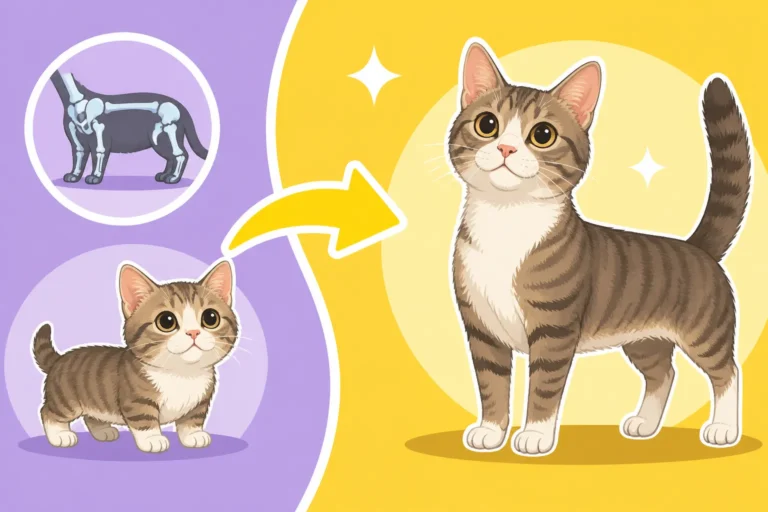
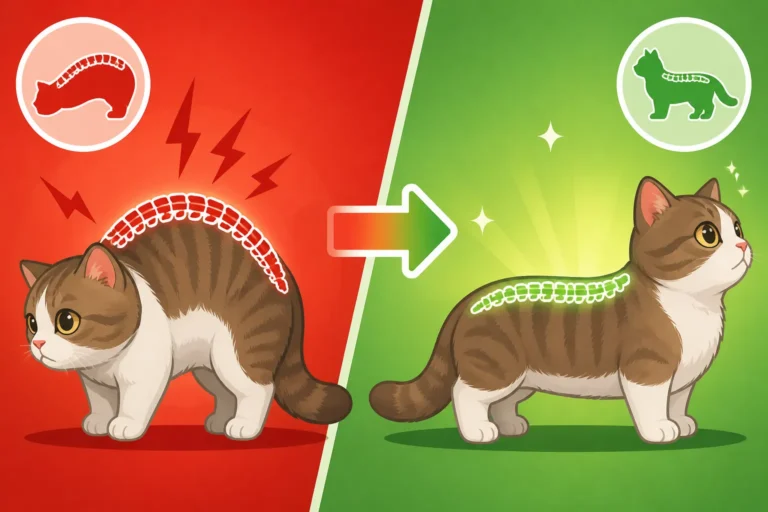
The characteristic short legs of a Munchkin cat are the result of a genetic mutation causing a condition known as pseudoachondroplasia, a form of dwarfism. Unlike some other forms of dwarfism, the Munchkin gene specifically affects the long bones of the legs, causing them to be significantly shorter, while the body and spine remain a normal length. This specific type of dwarfism is considered "autosomal dominant."
What does "autosomal dominant" really mean in practical terms? Well, "autosomal" means the gene isn't linked to sex (like X or Y chromosomes), so both male and female cats can inherit and pass it on. "Dominant" means that a cat only needs to inherit one copy of this particular gene from one parent to express the short-legged trait. If a cat inherits even one copy, it will have short legs. This is a crucial piece of the puzzle. Most cats, even those with long legs, carry two copies of the "normal" gene for leg length. A short-legged Munchkin, however, carries one copy of the "short leg" gene and one copy of the "normal leg" gene. This makes them heterozygous for the trait, meaning they have two different alleles for leg length. You can dive deeper into this fascinating genetic phenomenon by reading about How Munchkin Dwarfism Is Inherited.
The Lethal Gene in Homozygous Form
Here's where the ethical imperative truly comes into play: while one copy of the Munchkin gene gives us the delightful short-legged cat, two copies are a completely different story. If a kitten were to inherit two copies of the short-leg gene (one from each parent), it would be "homozygous" for the trait. This homozygous combination is considered embryonic lethal.
What "embryonic lethal" means is heartbreakingly stark: a kitten embryo that inherits two copies of the Munchkin gene simply cannot develop past a very early stage. It is reabsorbed by the mother's body, or in some rare cases, born severely deformed and non-viable. Essentially, these kittens never make it to birth, or if they do, they don't survive. This is why you will never see a "super Munchkin" that is somehow shorter than a standard Munchkin; nature simply doesn't allow it. It's a somber reality to understand that What Two Copies of the Munchkin Gene Do is not an enhanced version of the breed, but a fatal condition.
Why Two Short-Legged Munchkins Must Never Be Mated
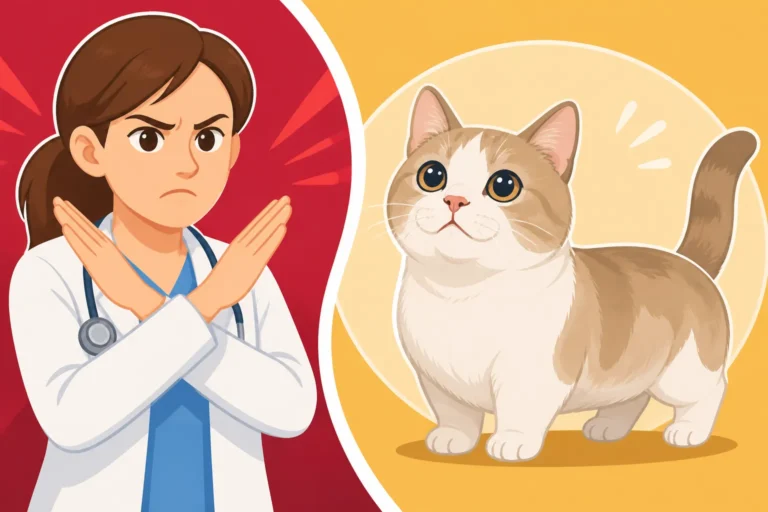
Given the lethal nature of the homozygous gene, the breeding strategy for Munchkin cats is not just recommended, but absolutely mandatory for the welfare of the animals. Breeding two short-legged Munchkins together would be a gamble with tragic odds.
The Tragic Outcome of Homozygous Kittens
Imagine a scenario where a breeder decided to mate two short-legged Munchkins. Both parents, by definition of having short legs, carry one copy of the dominant short-leg gene and one copy of the normal-leg gene. When these two cats mate, each kitten in the litter has a statistical chance of inheriting different combinations of these genes:
- 25% chance: The kitten inherits two copies of the normal-leg gene. This kitten will have long legs and will not carry the Munchkin gene.
- 50% chance: The kitten inherits one short-leg gene and one normal-leg gene. This kitten will have short legs and will be a Munchkin.
- 25% chance: The kitten inherits two copies of the short-leg gene. This kitten will be homozygous lethal and will not survive.
This means that a quarter of every litter from such a pairing would be non-viable. These kittens would perish early in development, leading to smaller litter sizes and, more importantly, a profound and unnecessary loss of life. Responsible breeders simply cannot, and will not, accept such an outcome. This is the stark reality of Why Homozygous Munchkin Kittens Are Never Born in ethical breeding programs.
Ethical Imperatives in Breeding Practices
The decision to strictly avoid breeding two short-legged Munchkins is rooted deeply in animal welfare ethics. A responsible breeder’s primary concern is the health and well-being of their cats and kittens. To knowingly engage in a breeding practice that guarantees a 25% chance of embryonic death is, quite simply, irresponsible and inhumane.
The goal of ethical breeding isn't just to produce healthy animals, but to do so in a way that minimizes suffering and maximizes the potential for a thriving life. This means making informed choices based on genetic understanding. It’s also why transparency from a breeder is so vital. They should be able to explain these genetic principles clearly and demonstrate their adherence to ethical breeding guidelines. Any breeder who suggests that breeding two short-legged Munchkins is acceptable, or who claims to produce "super short" Munchkins, is either dangerously uninformed or actively unethical. Always ask for clear pedigrees and health attestations, and consider pet insurance from providers like Healthy Paws that emphasize comprehensive coverage for unexpected health issues, as responsible breeders aim to minimize these risks from the outset.
The Role of Outcrossing with Normal-Legged Cats
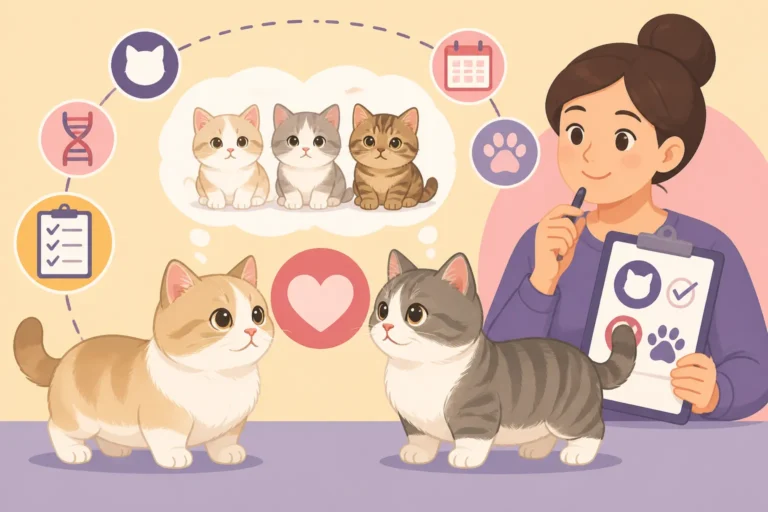
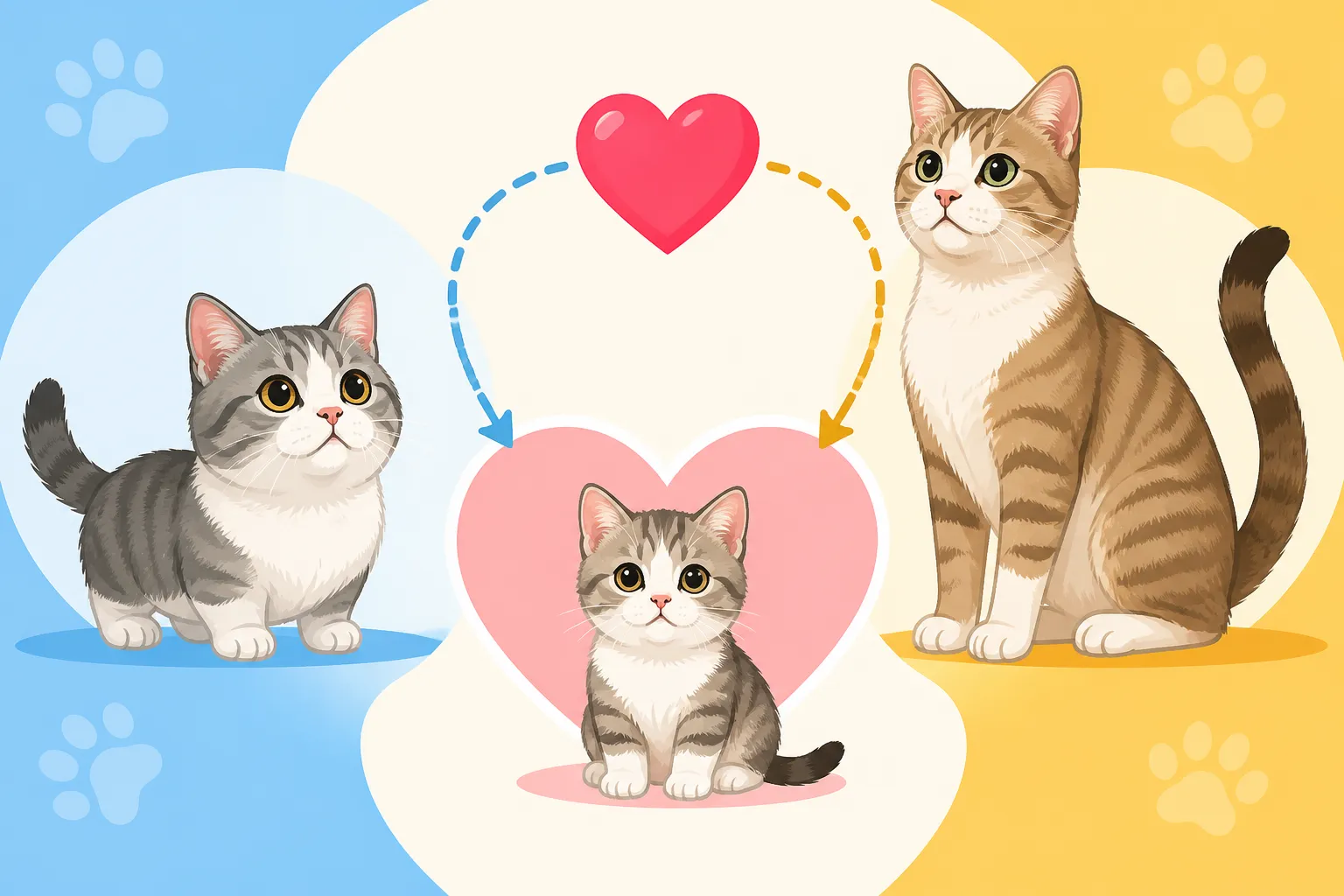
So, if you can't breed two Munchkins, how do you get more Munchkin kittens? The answer lies in carefully selected "outcrosses" – mating a short-legged Munchkin with a normal-legged cat. This strategy is not only ethical but also vital for the long-term health and genetic diversity of the breed.
Expanding the Gene Pool and Maintaining Health
When a short-legged Munchkin (which carries one short-leg gene and one normal-leg gene) is bred with a normal-legged cat (which carries two normal-leg genes), the genetic outcome is very different and entirely viable:
- 50% chance: The kitten inherits one short-leg gene and one normal-leg gene. This kitten will have short legs and will be a Munchkin.
- 50% chance: The kitten inherits two normal-leg genes. This kitten will have long legs and will not carry the Munchkin gene.
In this scenario, there is no chance of producing a homozygous lethal kitten. Every kitten born is viable, either with short legs or normal legs. This is the fundamental principle behind Why Every Munchkin Litter Is a Carrier Cross. This practice also brings in fresh genetic material from the outcross cat, which is incredibly important for preventing inbreeding and maintaining a robust, healthy gene pool. A diverse gene pool helps to reduce the incidence of other inherited health problems that might arise from too much close breeding within a limited population.
The health of the breed depends on careful outcrossing. Without it, even with the best intentions, genetic issues can accumulate. This dedication to genetic health ensures that the unique traits of the Munchkin are preserved without compromising their overall well-being. It’s a key factor that breeders should monitor and disclose, often included in the health guarantees that good pet insurance like Healthy Paws helps to cover.
What a Munchkin Breeder Looks For in an Outcross
Choosing the right normal-legged cat for an outcross is not a casual decision; it's a careful, strategic process that a reputable Munchkin breeder takes very seriously. The goal is to introduce desirable traits and strong health lines while avoiding any potential genetic weaknesses.
Breeders typically select healthy domestic cats with excellent temperaments and no known hereditary health issues. While any domestic cat could technically be an outcross, many breeders choose specific breeds like Domestic Shorthairs or Domestic Longhairs that are known for their robust health and good nature. Sometimes, specific purebred cats might be used if their health lines are well-documented and they meet the temperament requirements, but this is always done with extreme caution to ensure no new genetic predispositions are introduced.
The outcross cat's pedigree, health screenings, and temperament are thoroughly evaluated. The idea is to bring in the best possible qualities to strengthen the resulting Munchkin line. This meticulous selection process helps ensure that both the short-legged Munchkin kittens and their normal-legged siblings – as discussed in What Happens to the Long Legged Munchkin Kittens – are as healthy and well-adjusted as possible. This commitment to careful breeding is precisely what a potential owner should look for, as it directly impacts the long-term health of any kitten they might bring home.
What a Responsible Breeder Will Tell You
When you're looking for a Munchkin cat, the breeder's transparency and willingness to discuss their breeding practices are paramount. A truly responsible breeder understands the concerns surrounding the breed and will be an open book about their methods and the health of their cats.
Transparency and Health Guarantees
A reputable Munchkin breeder will not shy away from discussing the genetics of the breed. In fact, they will likely be the first to explain Munchkin Dwarfism Is Dominant and Lethal in Two Copies and why they strictly adhere to breeding Munchkins with normal-legged cats. They will be happy to share information about the parents, their health screenings, and their pedigrees.
Beyond verbal explanations, a responsible breeder provides concrete assurances. This often includes a comprehensive health guarantee for the kitten, covering specific genetic conditions or general health within a certain period. They should be able to show you documentation, vet records, and perhaps even video of the parents moving freely. They should also be able to explain What a Munchkin Breeder Should Be Able to Show You to assure you of their practices. This transparency isn't just good customer service; it's a hallmark of ethical breeding, demonstrating a commitment to the health of their animals over profit. They understand that unforeseen health issues can arise, and often recommend that new owners consider pet insurance options from reputable providers like Healthy Paws to help manage potential future veterinary costs.
The Future of Munchkin Breeding
The future of the Munchkin breed, and indeed any breed with unique genetic traits, rests squarely on the shoulders of responsible breeders. Their adherence to ethical breeding practices, such as judicious outcrossing with normal-legged cats, is crucial for maintaining the breed's health and vitality. This method ensures that while the distinctive short-legged trait continues, it does so without causing harm or contributing to genetic weaknesses.
Breeders committed to the long-term health of Munchkins also play a vital role in educating the public and dispelling myths. They champion the breed by focusing on temperament, overall health, and the joyous, active lives these cats lead, rather than solely on their unique appearance. They are also instrumental in maintaining a broad genetic base, preventing the issues that can arise from limited gene pools, which is why Why the Munchkin Gene Pool Stays Wide is so important. When considering Whether Buying a Munchkin Is an Ethical Decision, a breeder's commitment to these practices is often the deciding factor for many prospective owners who want to ensure they are supporting responsible animal husbandry.
| Breeding Pair Type | Genetic Makeup of Short-Legged Parent | Genetic Makeup of Normal-Legged Parent | Probability of Short-Legged Kittens | Probability of Normal-Legged Kittens | Probability of Homozygous Lethal Kittens | Ethical Standing |
|---|---|---|---|---|---|---|
| Short-Legged Munchkin x Normal-Legged Cat | Ss (one short, one normal) |
ss (two normal) |
50% (Ss) |
50% (ss) |
0% | Ethical |
| Short-Legged Munchkin x Short-Legged Munchkin | Ss (one short, one normal) |
Ss (one short, one normal) |
50% (Ss) |
25% (ss) |
25% (SS) |
Unethical |
This table clearly illustrates why the first pairing is the only acceptable and ethical method for breeding Munchkin cats, as it completely avoids the tragic outcome of homozygous lethal kittens while still producing short-legged offspring and contributing to the healthy population of Why Half a Munchkin Litter Has Normal Legs.
Disclaimer
Please remember that this article provides general information and should not replace professional veterinary advice. Always consult with a qualified veterinarian or a reputable breeder for specific concerns about your pet's health or breeding practices.