Why a Munchkin’s Legs Are Short but Its Body Is Not
It’s a common sight to see a Munchkin cat and wonder, "How do they have such short legs, but their body looks just like a regular cat?" This isn't just a cute quirk; it's a fascinating biological reality that often leads to misunderstandings about the breed's health and specific care needs. This comprehensive guide will delve into the science behind this unique feline conformation, explaining why their torso maintains normal length while their limbs remain delightfully compact, and what this means for their day-to-day life.
The Genetic Secret Behind Short Legs: Explaining Pseudoachondroplasia
When we talk about Munchkin cats, we're really talking about a specific type of dwarfism. But it’s not the kind of dwarfism that makes an animal proportionally miniature, like some small dog breeds. Instead, Munchkin cats exhibit what is known as pseudoachondroplasia, a genetic condition that selectively affects bone growth. Understanding this distinction is key to grasping their unique physical makeup.
What is Chondrodysplasia and Pseudoachondroplasia?
At its heart, Munchkin dwarfism falls under the umbrella of chondrodysplasia, a general term for disorders that affect cartilage and bone development. Chondrodysplasia literally means "abnormal cartilage development," and since cartilage is the precursor to most bones in the body, particularly the long bones of the limbs, any disruption here has a profound effect. For Munchkin cats, this specific disruption is identified as pseudoachondroplasia.
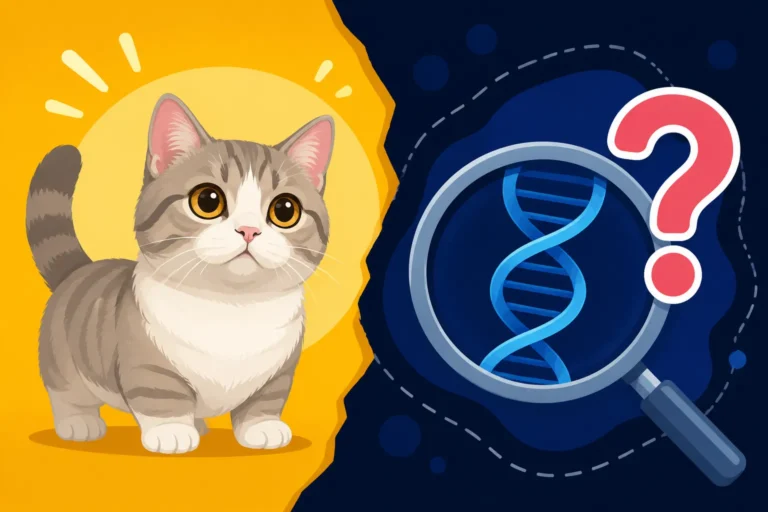
This condition is caused by a dominant gene mutation. Unlike other forms of dwarfism that might result from hormonal imbalances or nutritional deficiencies, pseudoachondroplasia is encoded directly in their DNA. This means if a cat inherits just one copy of the dominant gene, they will express the short-legged trait. It's a striking example of genetics shaping an animal's physical form in a very particular way. For a deeper dive into how this genetic trait works, you might find our article on How Munchkin Dwarfism Is Inherited particularly insightful.
Distinguishing Munchkin Dwarfism from Other Forms
It’s easy to lump all forms of dwarfism together, but for Munchkins, the specific type of dwarfism they have is crucial. Pituitary dwarfism, for instance, results from a lack of growth hormone, causing an animal to be proportionally smaller all over. Their bones are shorter, their head is smaller, and their body is scaled down uniformly. Think of a perfectly miniature version of a larger animal.
Munchkins are different. Their dwarfism is disproportionate. Their short legs are not due to a failure to grow overall, but rather a targeted inhibition of growth in certain bones. This distinction is paramount because it dictates not only their appearance but also the specific health considerations and adaptations needed for their care. They are not simply "small cats"; they are cats with normal-sized bodies and shortened limbs, which presents a unique set of circumstances.
Why the Legs, But Not the Body?: Selective Impact on Bone Growth
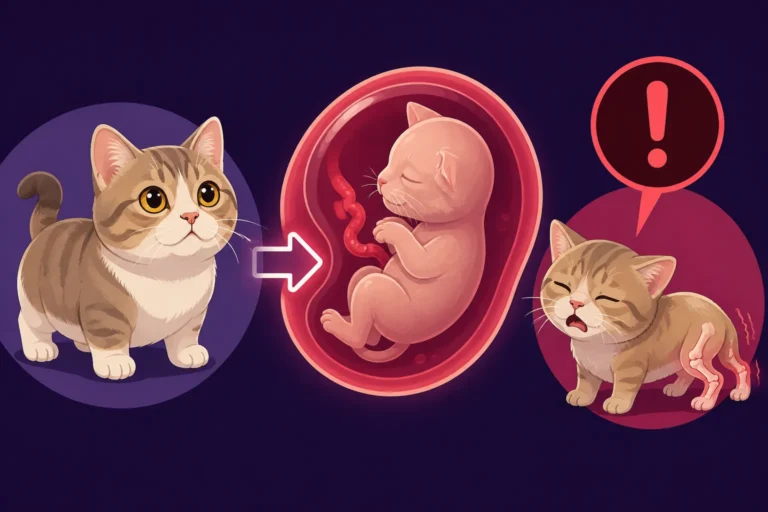
The most striking characteristic of a Munchkin cat is this fascinating disparity: their legs are undeniably short, yet their body length appears quite normal. This isn't an optical illusion or a matter of selective breeding for a certain look; it's a direct result of how the pseudoachondroplasia gene specifically influences bone development during the kitten stage.
The Impact on Long Bones of the Limbs
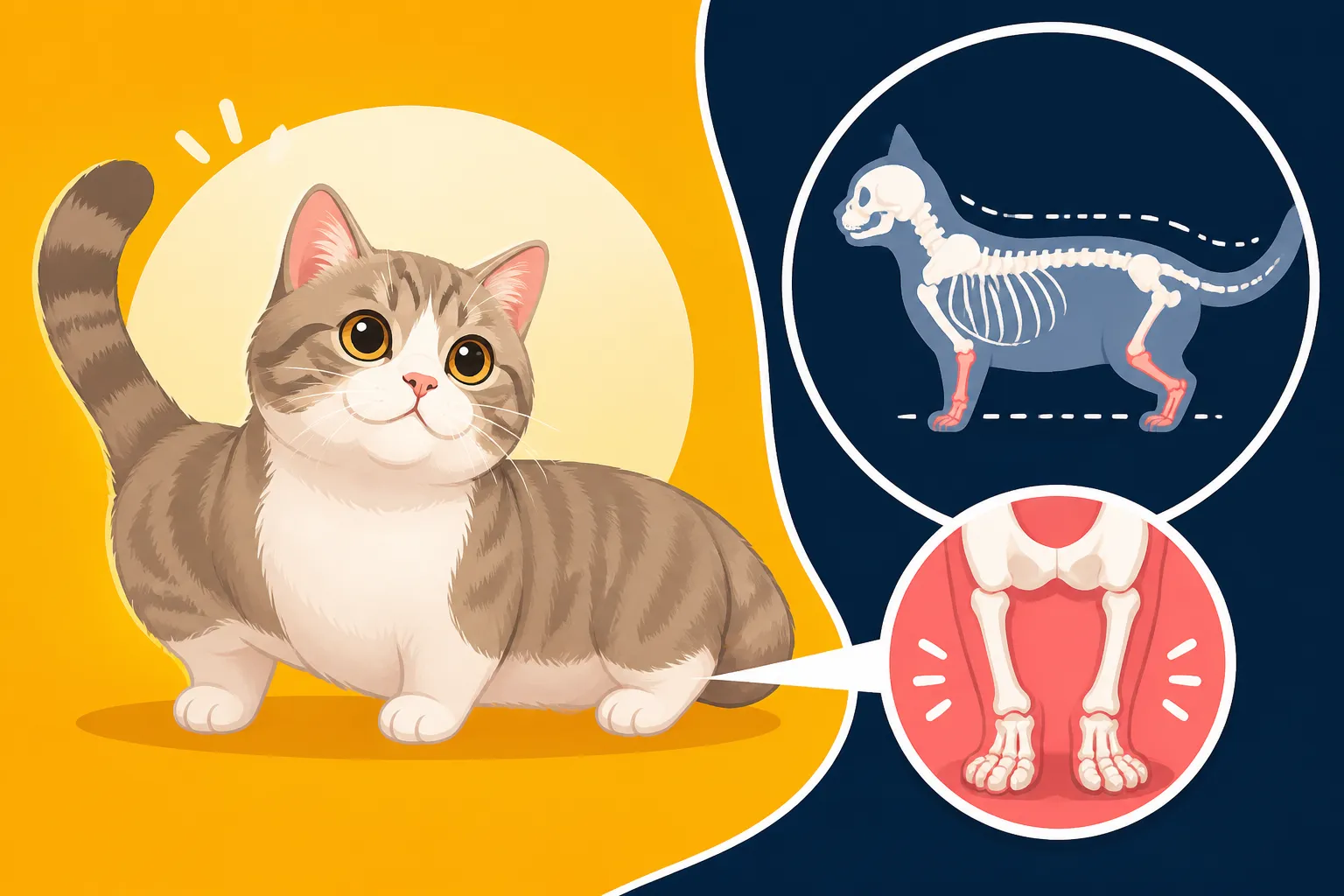
The pseudoachondroplasia gene primarily targets the growth plates of the long bones—those found in the limbs. These include the femur (thigh bone), tibia and fibula (lower leg bones), and the humerus (upper arm bone), radius, and ulna (lower arm bones). During a kitten's development, these growth plates, which are essentially areas of cartilage at the ends of bones, produce new bone tissue, allowing the bone to lengthen.
In Munchkin cats, this genetic mutation interferes with the normal function of these growth plates. They close prematurely or don't produce cartilage effectively, leading to significantly shortened limbs. The effect is profound: their legs are often only a few inches long, giving them their characteristic low-slung appearance. Our article on What Pseudoachondroplasia Does to a Munchkin's Legs offers a detailed look at the mechanics of this process. It's truly amazing how a single genetic tweak can alter such a fundamental biological process in such a visible way.
Why the Axial Skeleton Remains Unaffected
Here's where the magic, or rather, the specific science, truly shines. While the long bones of the limbs are dramatically affected, the axial skeleton—which comprises the skull, spine, and rib cage—is largely spared from the effects of pseudoachondroplasia. This means a Munchkin's vertebral column (spine) develops to a length comparable to a domestic cat of similar overall size and breed lineage. Their rib cage and skull also grow to typical proportions.
This selective impact is what gives Munchkin cats their unique silhouette: a body that looks, in essence, like a normal cat's torso, carried close to the ground by disproportionately short legs. The result is a surprisingly long body for their height, often leading to the observation that their belly almost touches the floor. This "normal length spine" is a defining characteristic and a key differentiator from other types of dwarfism. If you're curious about the specifics, check out Why a Munchkin's Spine Is Normal Length. This precise genetic mechanism ensures that while their mobility is altered, their internal organ placement and overall body capacity are generally similar to a standard feline.
The Ramifications of a 'Normal' Body on Short Legs: Daily Life and Health Considerations
This distinctive body structure—a normal-length torso supported by short limbs—isn't just a visual trait; it profoundly influences a Munchkin cat's daily life, mobility, and potential health needs. Owners quickly learn that adapting their home environment and care routine is paramount to ensure their short-legged companion thrives.
Unique Mobility and Movement Patterns
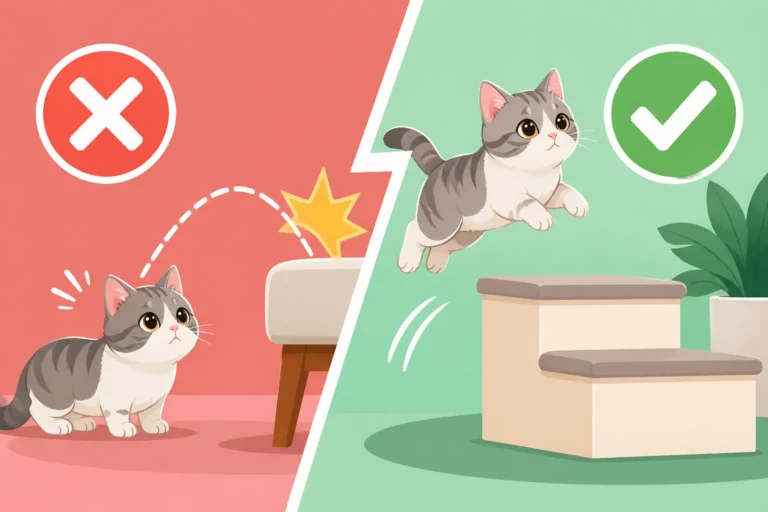
Imagine navigating the world with legs half the length you're used to, but with the same body weight and length. This is the reality for a Munchkin cat. Their short legs mean they can't jump as high as a typical cat. A kitchen counter or a tall bookshelf might be entirely out of reach, even with their impressive determination. Instead of leaping, they often use a "ferret-like" scurry, darting quickly along the ground, and demonstrating surprising agility on flat surfaces. They are quite adept at finding alternative routes, often using furniture like a staircase.
However, this restricted vertical mobility means they rely heavily on owner assistance or strategically placed ramps and steps to reach favorite resting spots, like a sofa or a bed. Repeated attempts at jumping from heights can put undue stress on their spine and joints, even if the spine itself is of normal length. Understanding their physical limitations and providing appropriate aid, as discussed in Whether a Munchkin Should Be Lifted Onto Furniture, is crucial for their long-term comfort and joint health.
Increased Strain on the Spine and Joints
While the Munchkin's spine is of normal length, its positioning and the way it carries weight due to the short legs can lead to unique biomechanical stresses. Because their legs are short, their body sits lower to the ground, and their spine experiences forces differently during movement, jumping, and even just walking. This can potentially predispose them to certain spinal issues, most notably lordosis, a condition where the spine curves inward, putting pressure on internal organs.
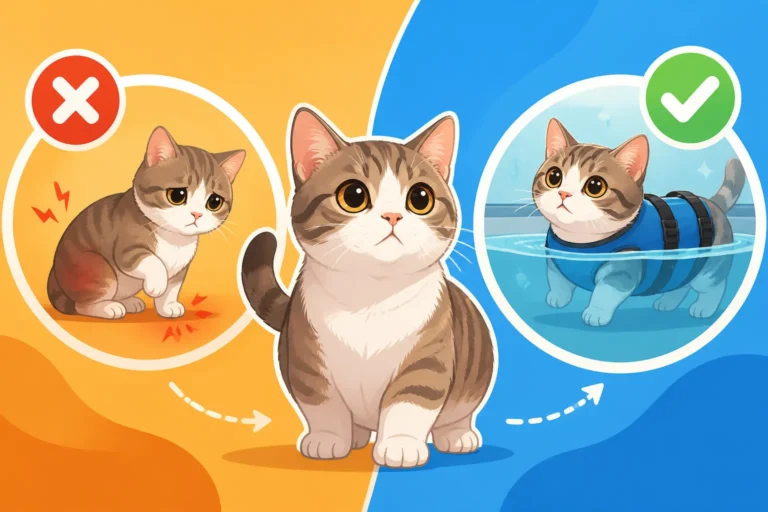
Additionally, the weight of their normal-sized body is borne by comparatively shorter, stockier limb bones. This means their joints—especially in the shoulders, elbows, and hips—can experience greater wear and tear over time. This makes proper weight management absolutely critical. Any excess weight compounds this strain significantly, increasing the risk of early-onset arthritis and discomfort. You can learn more about this particular vulnerability in Why a Munchkin's Spine Carries a Load a Normal Cat's Does Not. It's a reminder that even though their body length is normal, the overall architecture changes the load distribution.
Grooming and Hygiene Challenges
A Munchkin's normal body length combined with their short legs can make self-grooming a bit of a challenge, particularly for their hindquarters and the underside of their belly. Cats are fastidiously clean creatures, but a Munchkin might struggle to reach all the necessary spots, leading to potential matting, especially in long-haired varieties, or hygiene issues around the litter box area.
This often means owners need to step in and assist with regular brushing and even occasional sanitary clips to prevent skin irritation and infection. Because their belly is so close to the ground, as described in Why a Munchkin's Belly Nearly Touches the Floor, they can also be prone to picking up litter or debris on their underside, necessitating extra checks and cleaning. This isn't a sign of laziness on their part, but a physical limitation that dedicated owners readily accommodate.
Living Happily with a Munchkin's Unique Physique: Adapting for a Full Life
The key to a happy and healthy Munchkin cat isn't to change the cat, but to adapt their environment and care to suit their unique physique. Understanding "what the short legs actually cost a Munchkin" in terms of adaptation is the first step toward providing them with a fulfilling life.
The Importance of Environmental Adaptations
Creating a Munchkin-friendly home means rethinking vertical access. Instead of high cat trees, consider those with closely spaced platforms or provide ramps and steps to their favorite perches. Low-entry litter boxes are essential, allowing them to easily walk in and out without straining their back or hind legs. Raised food and water bowls can also make mealtime more comfortable, preventing them from having to bend down too far, which can alleviate pressure on their spine and neck.
Every piece of furniture that a standard cat might effortlessly jump onto, from the bed to the sofa, should have a ramp or a set of pet stairs. This not only makes their lives easier but also prevents them from attempting risky jumps that could lead to injury. Think of it as creating a custom-designed, accessible home just for them. These considerations extend through their entire lifespan, with even more focus needed as they age, as detailed in Caring for an Old Munchkin That Has Stopped Climbing.
Proactive Health Management and Weight Control
Due to the stresses on their joints and spine, proactive health management is vital for Munchkin cats. Regular veterinary check-ups are important for monitoring their joint health and ensuring early detection of any issues. Discussing preventative measures, such as joint supplements or specific diets, with your vet is highly recommended. Many owners find it beneficial to explore pet insurance options, like those offered by Healthy Paws, to help manage potential veterinary costs associated with these specific health considerations over their lifetime.
Weight control is perhaps the single most critical aspect of Munchkin care. Every extra pound on a Munchkin's normal-sized body puts disproportionate strain on their short legs and spine. Obesity can exacerbate joint problems, contribute to back pain, and generally reduce their quality of life. Understanding Why Weight Is More Dangerous on a Munchkin cannot be overstated. A balanced diet, carefully measured portions, and plenty of floor-level play are essential to keep them at a healthy weight and minimize strain on their unique structure. This diligent approach can make a huge difference in their comfort and longevity.
Long-Term Commitment and Budgeting
Bringing a Munchkin into your home is a long-term commitment that extends beyond the initial purchase price. The adaptations, specialized care, and potential veterinary expenses associated with their unique conformation mean that the overall cost of ownership can be higher than for a typical domestic shorthair. From special ramps to potential physiotherapy or ongoing joint medication, these are considerations that savvy owners factor into their budget.
It’s not just about the monetary cost; it's about the time and dedication involved in providing an enriched, safe, and comfortable environment for a cat that physically navigates the world differently. Over their expected lifespan of How Many Years a Well Bred Munchkin Lives, owners need to be prepared for this sustained level of attention. Knowing How Much a Munchkin Costs Over Thirteen Years can help prospective owners plan responsibly. However, for those who are prepared to provide the necessary care, the loving, playful, and utterly charming personality of a Munchkin cat makes every adaptation and effort worthwhile. Despite their unique needs, Munchkins are generally robust, healthy, and happy cats when given the proper environment and care, showcasing that a well-understood difference isn't a disadvantage, but merely a different path to joy.
Disclaimer
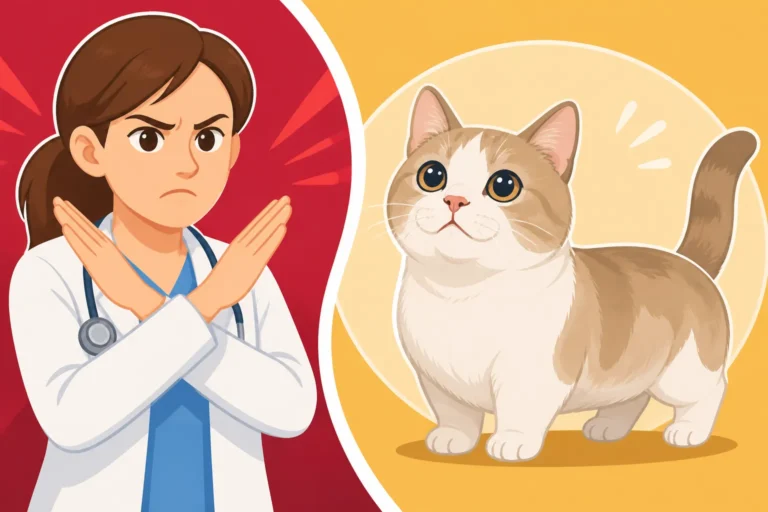
The information provided in this article is for educational purposes only and should not be considered a substitute for professional veterinary advice. Always consult with a qualified veterinarian regarding your Munchkin cat's health and specific care needs. Individual cats may vary in their health status and requirements.