How Pectus Excavatum Affects a Munchkin’s Breathing
When you welcome a Munchkin cat into your home, you're embracing a unique companion with a distinct look. But alongside their adorable short legs, some Munchkins can face specific health challenges that are vital for any owner to understand and prepare for. One such concern is Pectus Excavatum, a congenital chest wall deformity that can significantly impact a Munchkin's breathing and overall well-being. This guide aims to shed light on what Pectus Excavatum is, how it affects your furry friend's ability to breathe comfortably, and what steps you can take to ensure they live the fullest, happiest life possible.
Understanding Pectus Excavatum in Munchkins
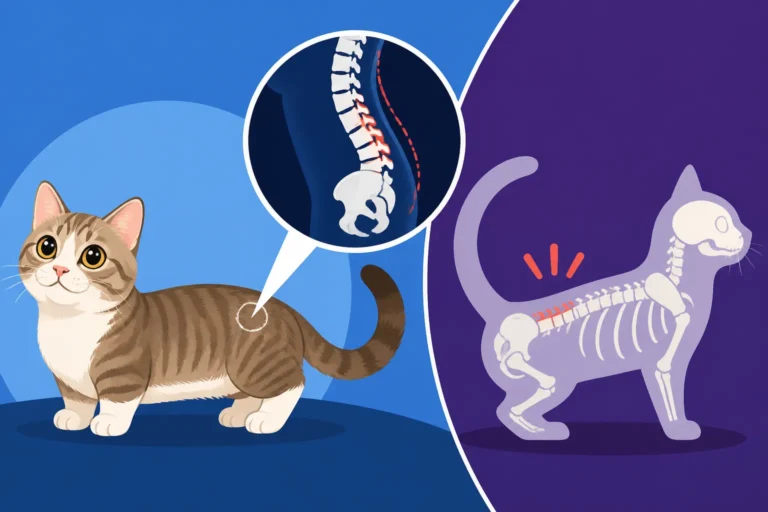
Pectus Excavatum, often referred to as a "funnel chest" or "sunken chest," is a condition where the sternum (breastbone) and rib cage develop abnormally, growing inward instead of outward. This creates a concavity or indentation in the chest wall. While it can occur in any cat breed, it's something that crops up in Munchkins and other breeds, sometimes raising questions about genetic predispositions. For a deeper dive into the basic mechanics of this condition, you might want to read our article on Pectus Excavatum and the Munchkin's Sunken Chest.
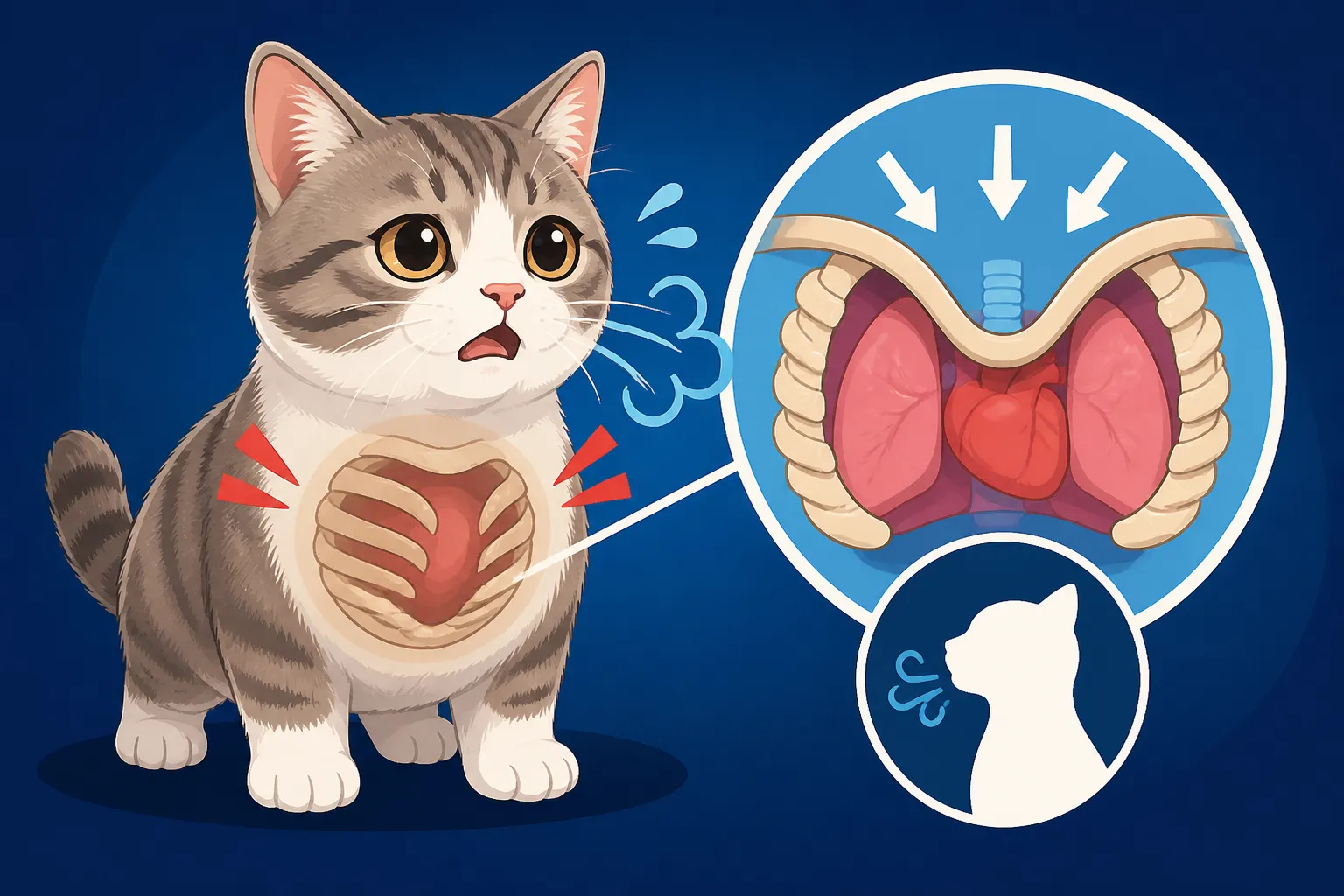
Imagine the rib cage as a protective shell for the heart and lungs. When that shell is pushed inward, it reduces the space available for these vital organs. This isn't just a cosmetic issue; it's a structural problem that directly encroaches on the chest cavity. The severity can vary wildly, from a mild dip that causes no noticeable problems to a severe indentation that can compress the heart and lungs significantly. It's truly a spectrum, and what one Munchkin experiences might be completely different from another.
The frustrating part for many owners and breeders is that Pectus Excavatum is often present from birth or develops within the first few weeks of a kitten's life. It's a developmental anomaly, and while the exact genetic link in Munchkins isn't always clear-cut, the shorter stature and unique skeletal structure of the breed can sometimes bring other skeletal concerns into sharper focus. This isn't to say every Munchkin will have it, or that short legs directly cause it, but it's part of the broader conversation around their skeletal health that responsible owners and breeders must be aware of.
How Pectus Excavatum Directly Affects Breathing
When a Munchkin's sternum is sunken due to Pectus Excavatum, the primary concern revolves around the compression of the thoracic cavity. This compression directly impacts the lungs, which need ample space to expand fully with each breath, and the heart, which needs room to pump efficiently. Think of trying to breathe deeply while wearing a too-tight corset; that's a simplified way to imagine the internal struggle a cat with moderate to severe Pectus Excavatum might face.
The lungs, being soft and pliable, can become constricted, meaning they can't take in as much oxygen as they should with each inhalation. This leads to reduced lung capacity, forcing the cat to breathe faster or with more effort to compensate. You might notice them using their abdominal muscles more visibly to help with breathing, or their chest moving in an exaggerated way. In more severe cases, the heart can also be displaced or compressed, potentially interfering with its normal rhythm and ability to circulate blood effectively. This can lead to a host of secondary issues, from fatigue to even more pronounced breathing difficulties.
Cats are masters at hiding discomfort, so recognizing these subtle signs can be incredibly challenging. Owners often lament how their beloved felines seem "fine" until they're really struggling. That's why being proactive and understanding the potential physiological impact is crucial. The degree of breathing difficulty correlates directly with the severity of the chest wall deformity. A mild case might have no discernible impact on breathing, allowing the cat to live a completely normal, active life. However, a severe "funnel chest" can make even simple activities, like playing or grooming, feel like a marathon, leading to a significantly diminished quality of life. In these serious situations, ensuring your cat's comfort and access to oxygen becomes a daily priority.
Recognizing the Signs of Respiratory Distress
Spotting breathing difficulties in any cat, let alone a Munchkin who might already move a little differently, can be tricky. Cats are experts at masking pain and illness, a survival instinct that makes them stoic but also means we often don't see the full extent of their struggle until a condition is quite advanced. However, there are several key signs you can look out for that might indicate your Munchkin is having trouble breathing due to Pectus Excavatum.
Firstly, observe their breathing rate and effort. A normal, relaxed cat breathes about 20-30 times per minute. If you notice your Munchkin is consistently breathing much faster, or if their breathing seems labored – with their belly heaving noticeably, or their mouth slightly open as they try to gasp for air – it's a serious red flag. Unlike dogs, cats rarely pant from exertion or heat, so open-mouth breathing or panting is almost always a sign of significant distress and warrants immediate veterinary attention.
Beyond visible signs, listen closely. Any wheezing, crackling, gurgling, or loud breathing noises that aren't typical for your cat are concerning. They might also appear lethargic, unwilling to play, or hide more than usual. This reduced activity level isn't just laziness; it could be their body conserving energy because breathing is already so demanding. They might also have a decreased appetite, which can further impact their overall health. If you see signs like a bluish tint to their gums or tongue (cyanosis), this indicates severe oxygen deprivation and is an emergency situation. Prompt action could be life-saving.
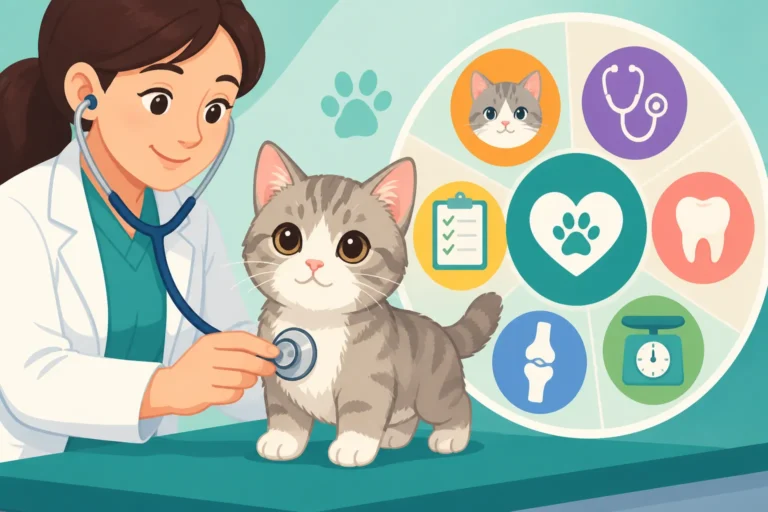
It's also important to remember that Pectus Excavatum can sometimes be present without obvious breathing issues in the early stages. This is why regular vet checks, especially for kittens, are so important. Our guide on What a Munchkin Kitten's First Exam Should Cover highlights the importance of thorough physical evaluations, including careful palpation of the chest. Early detection allows for monitoring and, if necessary, intervention before serious complications arise. For instance, the condition of the chest can change as the kitten grows, which is why we also suggest that Why a Munchkin's Chest Should Be Rechecked at Six Months is a critical follow-up.
Management and Support for Munchkins with Pectus Excavatum
Caring for a Munchkin with Pectus Excavatum, especially if it's affecting their breathing, requires a proactive and compassionate approach. The good news is that management strategies, ranging from conservative care to surgical intervention, can significantly improve a cat's quality of life.
Veterinary Care and Monitoring: The first and most crucial step is a thorough diagnosis by your veterinarian. They will likely perform X-rays to assess the severity of the chest deformity and its impact on the heart and lungs. In some cases, a CT scan might be recommended for a more detailed 3D view. Based on these findings, your vet will be able to grade the severity of the sunken chest, as discussed in detail in How a Vet Grades a Munchkin's Sunken Chest. Regular check-ups are essential to monitor any progression or new symptoms. Your vet might also recommend specific medications, such as bronchodilators to open airways or diuretics to reduce fluid around the lungs, if heart or lung function is compromised. This is where having comprehensive pet insurance like Healthy Paws can be a real lifesaver, helping to cover the costs of these diagnostic tests, specialist consultations, and ongoing treatments.
Surgical Correction: For severe cases of Pectus Excavatum that significantly impede breathing or heart function, surgical correction is often the most effective treatment. This procedure, typically performed by a specialist veterinary surgeon, involves reshaping the sternum to relieve pressure on the internal organs. While it sounds daunting, the success rates can be very high, dramatically improving the cat's breathing and overall prognosis. However, surgery comes with its own risks and recovery period, and it's a decision made after careful consideration and discussion with your veterinary team. You can learn more about the possibilities of this option by exploring Whether a Munchkin's Pectus Excavatum Can Be Corrected. Again, this is a prime example of where Healthy Paws or a similar pet insurance plan could provide essential financial support, making critical, life-changing procedures more accessible.
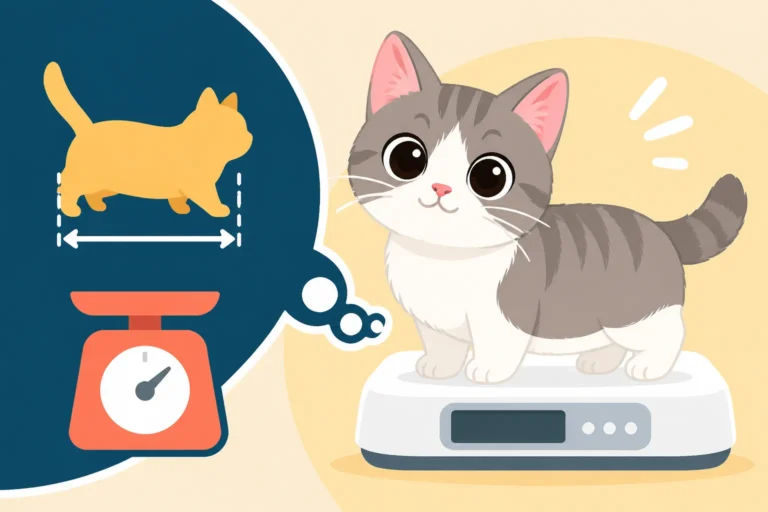
Environmental Adaptations and Lifestyle: Even if surgery isn't an option or is deemed unnecessary, supportive care at home is vital. This means creating an environment that minimizes strain on your Munchkin's respiratory system. Keep them in a calm, stress-free home, as stress can exacerbate breathing difficulties. Ensure they maintain a healthy weight, as obesity places additional strain on the heart and lungs, compounding the effects of Pectus Excavatum. Feeding a precisely portioned diet and encouraging gentle, floor-level play can help with weight management. You might also consider whether discouraging jumping is necessary to prevent accidental falls or exertion (see Whether a Munchkin Should Be Discouraged From Jumping).
Providing easy access to everything they need is also paramount. Low-entry litter boxes, like those mentioned in Why a Munchkin Needs a Litter Box It Can Walk Into, and readily accessible food and water bowls can reduce the physical effort required for daily activities. For some Munchkins, especially those with severe Pectus or other concurrent issues, their condition can be so debilitating that, regrettably, breeders may choose not to sell them as pets, highlighting the severity possible, as explained in Why Some Munchkin Kittens Are Not Sold. These are the difficult realities breeders and owners sometimes face.
| Severity Grade | Description | Potential Breathing Impact | Typical Management |
|---|---|---|---|
| Grade I (Mild) | Slight, palpable indentation of the sternum. | Usually none; cat breathes normally, no noticeable effort. | Monitor, routine vet checks. |
| Grade II (Moderate) | More noticeable indentation, possibly visible. | Mild to moderate increase in respiratory rate/effort, especially with activity. | Monitor closely, environmental adjustments, possibly joint supplements. |
| Grade III (Severe) | Deep, visible concavity, potential heart displacement. | Significant respiratory distress, rapid/labored breathing, lethargy. | Close veterinary monitoring, medication, potential surgery. |
| Grade IV (Very Severe) | Extreme indentation, severe organ compression. | Constant, severe respiratory crisis, poor quality of life. | Urgent surgical intervention, intensive care, guarded prognosis. |
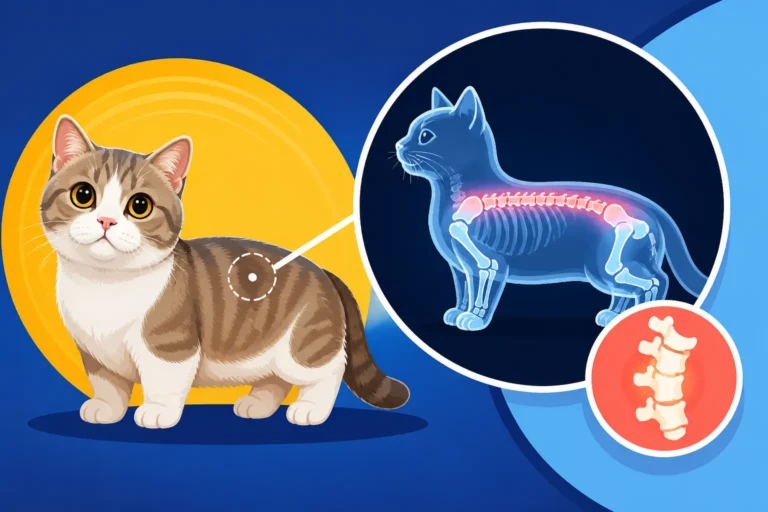
Remember, managing a chronic health condition like Pectus Excavatum requires dedication and financial planning. Exploring options like Healthy Paws for pet insurance could provide peace of mind for unexpected veterinary costs, particularly as Whether Pet Insurance Covers a Munchkin's Spine often extends to other skeletal conditions depending on the policy. The goal is always to maximize your Munchkin's comfort and lifespan, helping them enjoy every moment despite their unique challenges.
Living with a Munchkin with Breathing Challenges
Bringing a Munchkin with Pectus Excavatum into your life means committing to understanding their specific needs and being prepared to adapt. It's not just about addressing the physical condition, but also about supporting their emotional well-being. A cat that struggles to breathe might feel anxious or stressed, and creating a calm, predictable environment is part of their daily care.
One of the biggest challenges can be balancing their natural cat curiosity with their physical limitations. While A Munchkin Is a Normal Cat That Cannot Reach high places, they still love to explore. If their breathing is compromised, even small jumps or bursts of play might leave them winded. You'll become an expert at observing their cues, knowing when they're pushing themselves too hard and when they need a quiet rest. This might mean adjusting playtime to be more gentle and floor-based, using wand toys to engage them without requiring strenuous activity.
It's also essential to be vigilant about any changes in their condition. A slight cough, a little more effort in their breathing, or a decrease in appetite could all be signs that something needs attention. Keeping a journal of their breathing rate, activity levels, and any observations can be incredibly helpful for your vet. This kind of detailed information allows for precise adjustments to their care plan.
The good news is that with dedicated care, many Munchkins with Pectus Excavatum can lead full and happy lives. Early diagnosis, consistent veterinary partnership, and a home environment tailored to their needs can make all the difference. While the overall How Long a Munchkin Lives can be a concern for some, proactive management of conditions like Pectus Excavatum helps ensure they enjoy those years to the fullest. Understanding their unique body, including Why a Munchkin's Body Must Be Normal Length despite their short legs, helps you appreciate both their resilience and their vulnerabilities.
It's a journey, undoubtedly, but one filled with the immense love and companionship these special cats offer. Being informed and prepared is the best way to honor that bond.
Disclaimer
The information provided in this article is for general informational purposes only and does not constitute veterinary advice. Always consult with a qualified veterinarian for any health concerns or before making any decisions related to your pet's health or treatment.