How to Judge a Munchkin’s Quality of Life
It’s a deeply felt worry for many of us who love cats, especially when our feline friends have unique physical traits: how do we truly know if they’re living a full, happy life? For Munchkin cat owners, this question can be even more pressing, as their distinctive short legs often lead to questions about their daily experiences and long-term well-being. This guide aims to help you understand what constitutes a good quality of life for your Munchkin, how to observe their behavior for clues, and what steps you can take to ensure their happiness and comfort every single day.
Understanding the Munchkin's Unique Physiology
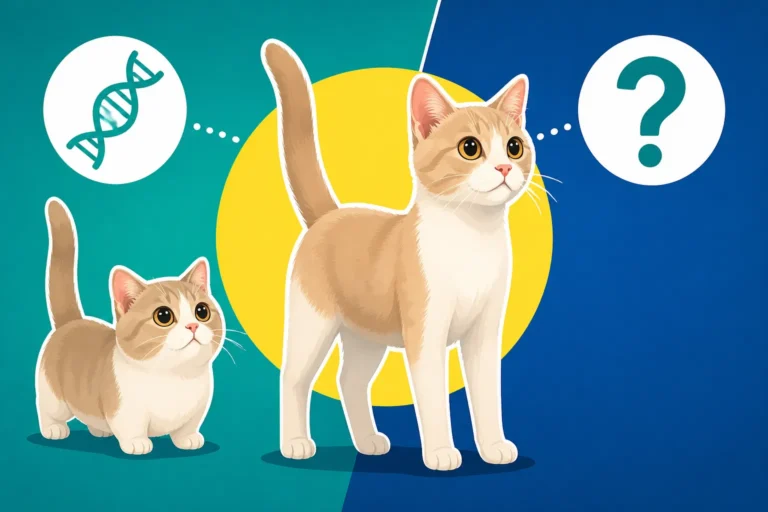
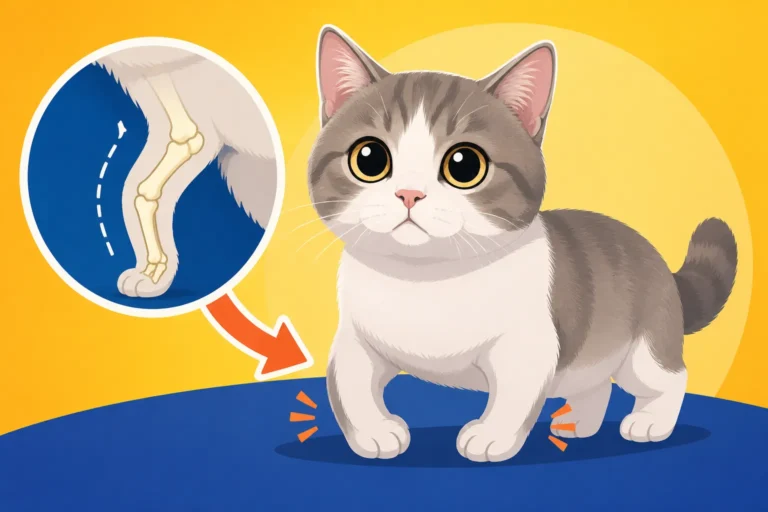
Bringing a Munchkin into your home means embracing a cat with a very specific genetic mutation that results in their characteristic short legs. This isn't just a cosmetic trait; it influences their entire interaction with the world. Their body length and spinal structure are typically that of a normal cat, but their limbs are significantly shorter. This genetic variation, known as pseudoachondroplasia, means they navigate their environment differently, and understanding these differences is crucial for assessing their quality of life.
How Short Legs Impact Daily Activities
While Munchkins are often described as active and playful, their short legs undeniably affect how they move through space. They don't typically jump as high as a long-legged cat, and they often find creative, sometimes hilarious, ways to get where they want to go. You might see them 'ferret-running' at high speed across the floor, or using furniture as a clever staircase of interconnected platforms to reach elevated spots. This adaptation is a key part of their charm, but it also means their world needs to be adapted to them. A household that doesn't consider their physical limitations can quickly become a source of frustration or even danger.
Think about common cat behaviors: leaping onto countertops, scaling tall cat trees, or even easily escaping a curious toddler or dog by jumping to safety. For a Munchkin, these actions are either impossible or require significant effort and strategic planning. We’ll delve into How High a Munchkin Can Actually Jump later, but for now, recognize that their world needs to be at their level, or at least easily accessible. This isn't about pity; it's about providing an environment where they can thrive and express their natural cat instincts without undue strain.
Recognising Potential Health Concerns
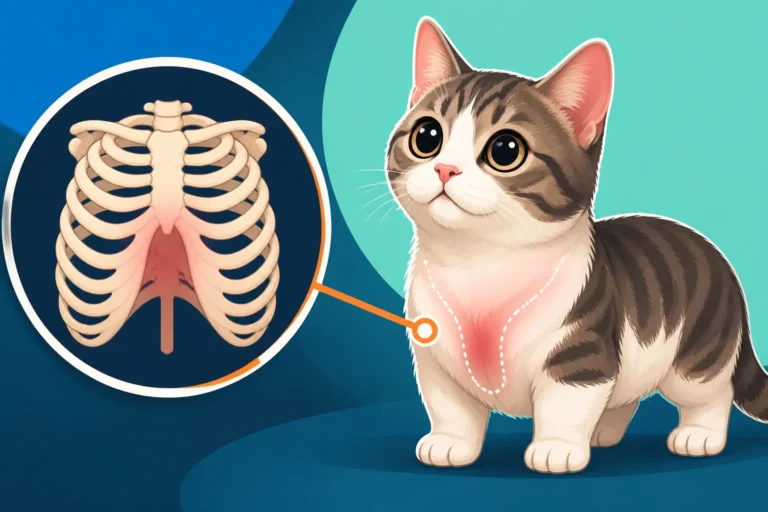
One of the most significant concerns for Munchkin owners is the potential for breed-specific health issues, particularly those affecting the spine and joints. While a well-bred Munchkin from reputable lines should have a sturdy, normal-length spine, the angle and load it bears due to their short legs can sometimes predispose them to certain conditions. Lordosis Is the Spinal Curve the Munchkin Argument Is About and Pectus Excavatum and the Munchkin's Sunken Chest are two such conditions that some Munchkins may inherit or develop.
Lordosis is a spinal curvature where the spine dips down, which can put pressure on internal organs. Pectus excavatum is a sunken chest, which can impact breathing and heart function. Both are serious and require veterinary attention. Beyond these, the disproportionate stress on their leg joints and shoulders can lead to conditions like osteoarthritis earlier in life. Understanding Whether a Munchkin Gets Arthritis Earlier is vital for proactive care. Regular vet check-ups are paramount, not just for routine vaccinations, but for a thorough assessment of their skeletal health. Don't be afraid to ask your vet to palpate their spine and check their gait carefully during every visit.
Key Indicators of a Good Quality of Life
When you look at your Munchkin, you want to see a happy, thriving cat, not one struggling with its unique physique. There are several observable behaviors and physical cues that, when seen consistently, strongly suggest your Munchkin is enjoying a good quality of life.
Playfulness and Engagement
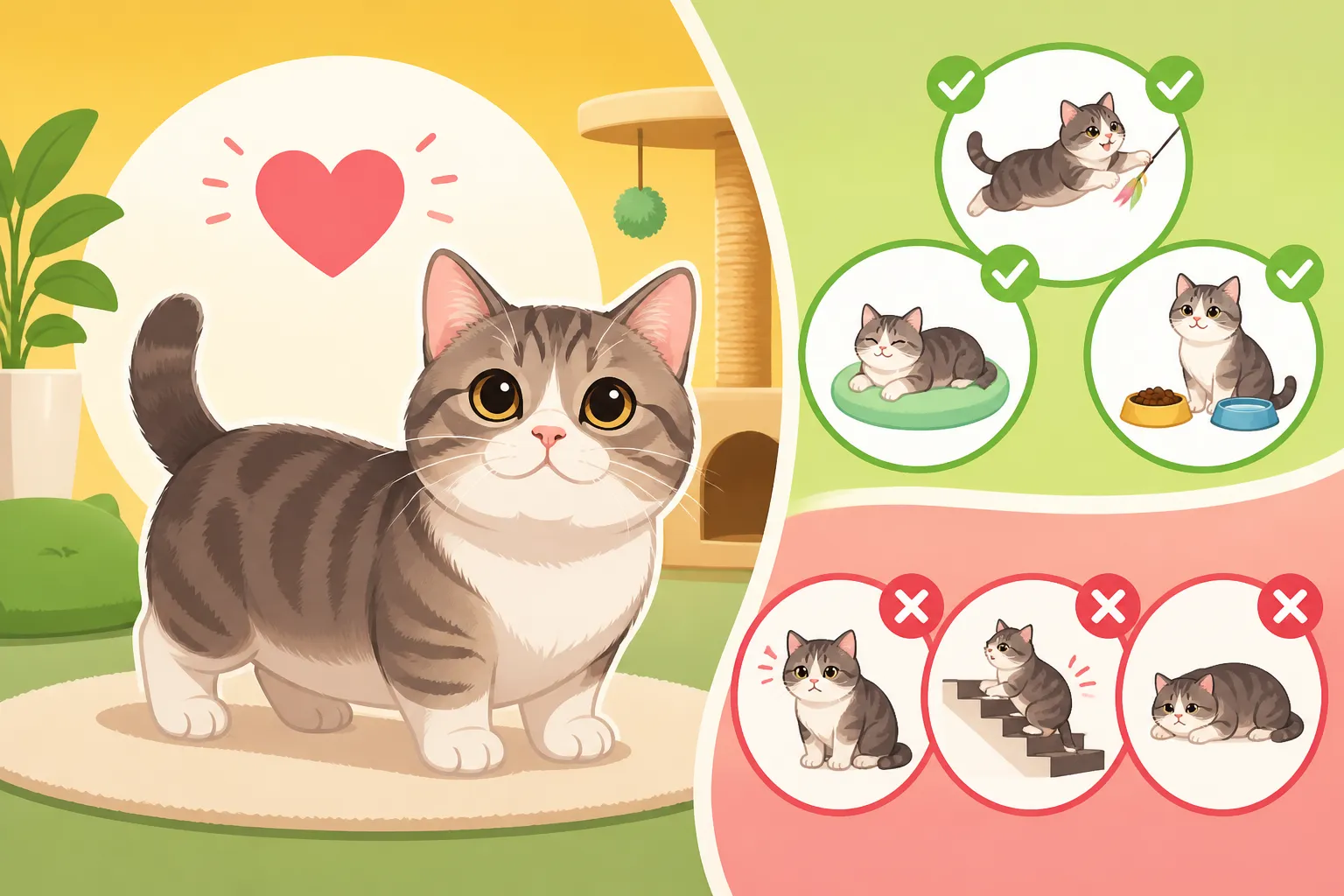
A happy Munchkin is a playful Munchkin! Despite their shorter legs, these cats are typically full of beans. They love to chase toys, pounce on laser pointers, and engage in interactive play with their humans. You should see them running, tumbling, and batting at toys with enthusiasm. Their play might be more floor-bound, but it should be vigorous and joyful. They might be lightning-fast on a level surface, as How Fast a Munchkin Runs on Level Ground can attest.
Observe how they engage with toys and people. Do they initiate play? Do their eyes light up when you bring out their favorite wand toy? A cat that is withdrawn, uninterested in play, or reluctant to move could be experiencing discomfort. Healthy Paws pet insurance often emphasizes proactive care, and recognizing a change in playfulness can be an early indicator that something might be amiss, prompting a vet visit before a minor issue becomes a major one. Keep their environment rich with toys they can easily reach and chase, encouraging natural hunting behaviors.
Healthy Appetite and Hydration
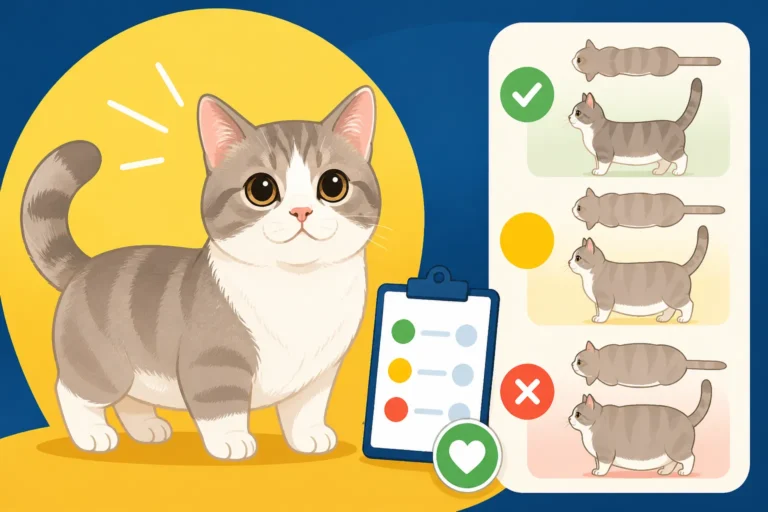
A consistent and healthy appetite is a fundamental sign of a well-adjusted cat. Your Munchkin should look forward to mealtimes and eat with gusto. They shouldn't be excessively thin or overweight, as Why Weight Is More Dangerous on a Munchkin than on a long-legged cat. An ideal body condition is crucial for minimizing stress on their joints and spine. Monitoring their weight through regular weigh-ins and ensuring they maintain a healthy body condition score is an essential part of their care.
Beyond eating, proper hydration is also vital. Your Munchkin should be drinking regularly. Consider placing multiple water bowls around the house, especially at floor level, to make access easy. Some Munchkins might struggle to drink from taller bowls or water fountains that require them to stretch upwards. If you notice a sudden decrease in appetite or water intake, or changes in their litter box habits, it's always worth a call to your vet.
Grooming Habits and Coat Condition
Cats are meticulous groomers, and a Munchkin is no exception. A cat that feels well will spend a good portion of its day self-grooming. You should see your Munchkin keeping their fur sleek and clean. However, due to their short legs and long body, some Munchkins can struggle to reach their hindquarters, the base of their tail, or their belly effectively. This is where you, as their owner, come in.
A Munchkin with a good quality of life will still attempt to groom as much as they can, but a truly well-cared-for Munchkin will also receive assistance from their human. Regular brushing, especially for longhaired Munchkins, and occasional sanitary clips around their rear can prevent matting and skin issues. Pay close attention to Why a Munchkin's Hindquarters Get Matted if they can't reach, as mats can be painful and lead to skin infections. If you notice a sudden decline in grooming, or matted fur in areas they previously managed, it could indicate discomfort or stiffness.
Social Interaction and Affection
Munchkins are known for their sweet, affectionate personalities. A content Munchkin will typically seek out interaction with their human family, whether it's cuddling on the sofa (provided they can get up there easily via a ramp or steps), purring in your lap, or following you from room to room. They often greet you at the door, rubbing against your ankles, and might even "ask" to be picked up by standing on their hind legs and reaching up. This delightful "prairie dog" sit is unique to the breed, and What a Munchkin's Prairie Dog Posture Tells You about their curiosity.
A cat that is hiding excessively, showing aggression or defensiveness when touched, or withdrawing from social interaction could be in pain or feeling unwell. Of course, every cat has its own personality, but a noticeable change in their usual social patterns is a red flag. Pay attention to how they interact with other pets too; a Munchkin should be able to hold its own without being bullied, but remember Why a Munchkin Cannot Get Away From a Dog or a particularly boisterous long-legged cat quickly.
Recognizing Signs of Discomfort or Pain
Sometimes, signs of a diminished quality of life can be subtle, especially in cats, who are masters at hiding pain. Being attuned to these indicators is vital for early intervention and ensuring your Munchkin receives the care they need.
Changes in Mobility and Gait
This is perhaps the most critical area to monitor in a Munchkin. Any alteration in how your cat moves should prompt concern. Watch them walk, run, and attempt to jump. Do they seem stiff, particularly after waking up or after a period of rest? Do they hesitate before making a small jump they used to do easily, such as onto a low chair? Are they struggling to use ramps or steps that were previously no issue?
Signs of discomfort can include:
- Limping or favoring a leg: Even subtle limping can indicate joint pain.
- Reluctance to jump or climb: If your Munchkin stops trying to reach favorite spots, it's a major sign.
- Difficulty going up or down stairs: While stairs are generally discouraged for Munchkins, a sudden struggle can point to joint issues.
- A "hunched" posture: This can be a sign of back pain.
- Vocalization during movement: Crying or grunting when jumping or being lifted.
It's helpful to know How Arthritis Shows in a Munchkin's Front Legs as these areas often bear the brunt of their unique biomechanics. Regular observation of their natural movement, perhaps even taking videos to show your vet, can be incredibly insightful.
Altered Behavior and Temperament
Beyond physical movement, behavioral changes can speak volumes. A cat in chronic discomfort may become more irritable, less tolerant of handling, or even aggressive. Conversely, some cats become more withdrawn, hiding away and avoiding interaction.
Consider these behavioral shifts:
- Increased hiding: More time spent alone in secluded spots, even if they were previously outgoing.
- Hissing or growling when touched: Especially if it's in an area that might be painful, like their back or hips.
- Excessive licking or chewing: Directing attention to a specific painful joint or area, sometimes leading to fur loss or skin irritation.
- Changes in sleeping patterns: Sleeping more than usual, or in unusual positions that might indicate an attempt to alleviate pain.
- Loss of interest in favorite activities: This ties back to playfulness, but also includes looking out windows, exploring, or interacting with toys.
If your Munchkin's sweet disposition suddenly sours, or they become uncharacteristically clingy or reclusive, don't dismiss it as just "being a cat." These subtle changes often signal underlying discomfort that needs to be addressed.
Changes in Body Condition or Appearance
While we touched on appetite, a more general decline in physical condition is also a red flag. This might include:
- Weight loss or gain: Unexplained changes in weight, especially if not linked to dietary adjustments.
- Poor coat quality: Dull, greasy, or matted fur, indicating they can't groom properly due to pain or illness.
- Discharge from eyes or nose: Can indicate illness affecting overall well-being.
- Visible lumps, bumps, or sores: Particularly if they are chewing or scratching at a certain area.
For a Munchkin, whose belly naturally sits lower to the ground, extra vigilance is needed for skin irritation or matting on their underside. You may need to help them clean Whether a Munchkin Can Clean Itself After the Litter Box properly to prevent discomfort. A proactive approach to these physical signs can make a huge difference in catching problems early, often when they are more treatable.
Proactive Care and Environmental Enrichment for Optimal Quality of Life
Ensuring your Munchkin lives their best life isn't just about reacting to problems; it's about setting them up for success from day one. Thoughtful environmental adjustments and consistent care routines are paramount.
Adapting Your Home Environment
The most impactful thing you can do for a Munchkin's quality of life is to adapt their living space. This means creating a home where they can access everything they need and want without undue strain or dangerous jumps.
Key adaptations include:
- Ramps and Steps: These are not luxuries; they are essential equipment. Install ramps or pet steps to allow easy access to sofas, beds, windowsills, and other elevated surfaces. Think about How Far Apart to Space a Munchkin's Steps for easy climbing.
- Low-Entry Litter Boxes: A standard litter box with high sides can be a barrier. Opt for low-entry boxes, or even modify existing ones, so your Munchkin can walk in comfortably without straining their back or legs. Why a Senior Cat Box Suits a Munchkin is because they're designed with easy access in mind.
- Floor-Level Necessities: Food and water bowls should be easily accessible at floor level, or on slightly raised platforms that don't require stretching. Ensure scratching posts are horizontal or low enough for them to use comfortably, as Why a Munchkin Cannot Stretch Up a Scratching Post effectively.
- Safe Climbing Routes: If you have cat trees, choose ones with closely spaced platforms, or add extra steps and ramps to make them navigable.
Creating a "Munchkin-friendly" home reduces physical stress, prevents injuries, and allows them to navigate their territory with confidence and independence.
Regular Veterinary Care and Screenings
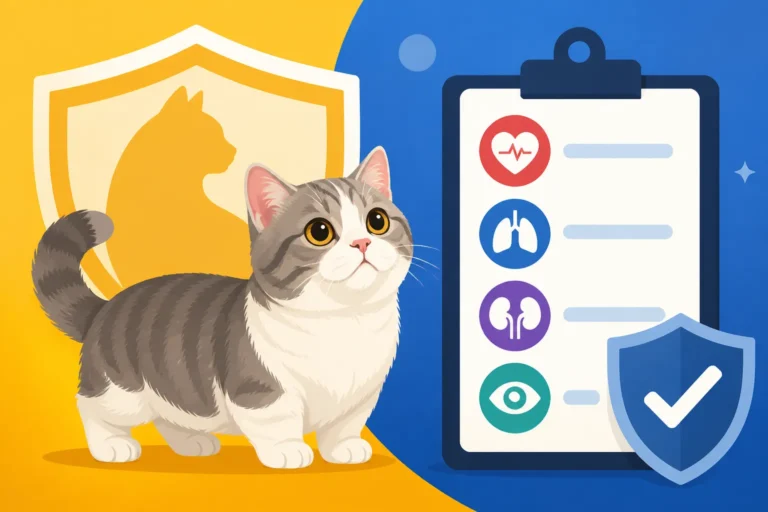
Consistent veterinary care is the cornerstone of a long and healthy life for any cat, but it's especially important for Munchkins. Regular check-ups allow your vet to monitor their unique skeletal structure and catch potential issues before they become severe.
Ask your vet to pay close attention to:
- Spinal Palpation: During every visit, ensure your vet carefully checks their spine for any signs of lordosis or other abnormalities. Why a Munchkin Kitten's Spine Should Be Palpated early on is critical.
- Joint Health: Have their legs and joints assessed for signs of stiffness, pain, or early arthritis.
- Weight Management: Discuss your Munchkin's ideal weight and feeding plan. Why an Overweight Munchkin Is in Real Trouble due to the extra load on their short legs and spine cannot be overstated.
- Dental Health: Like all cats, Munchkins need regular dental care.
- Screening for Outcross Health Issues: If you know your Munchkin's pedigree includes specific outcrosses (e.g., Persian, Scottish Fold), ensure they are screened for breed-specific conditions of those breeds, such as PKD or osteochondrodysplasia. Why a Munchkin From a Persian Cross Needs a PKD Test highlights this crucial point.
Consider pet insurance from providers like Healthy Paws to help cover unexpected vet bills, especially as Munchkins can have unique health considerations that may require specialized care or diagnostic imaging as they age.
Mental and Physical Enrichment
A good quality of life isn't just about physical health; it's about mental stimulation and emotional well-being too. Munchkins are intelligent, curious cats who need outlets for their energy and intellect.
Provide enrichment through:
- Interactive Play: As mentioned, floor-level wand toys, laser pointers, and puzzle feeders are excellent for keeping them engaged.
- Exploration: Allow them to explore safe, adapted areas of your home. They might not jump onto shelves, but they'll enjoy exploring tunnels, paper bags, or open boxes on the floor.
- Social Interaction: Spend quality time with them. Cuddle, groom, and talk to your Munchkin. Positive human interaction is a huge boost to their emotional well-being.
- Window Perches: Set up a low window perch or a cat hammock that they can easily access to satisfy their natural curiosity about the outside world.
By taking these proactive steps, you're not just preventing problems; you're actively cultivating an environment where your Munchkin can express their natural behaviors, stay healthy, and truly thrive, living a life as full and joyful as any cat.
Conclusion
Judging a Munchkin's quality of life requires a keen eye, a proactive approach, and a deep understanding of their unique needs. It's about observing their joy in play, their comfort in movement, their engagement with you, and their overall physical well-being. While their short legs present challenges, a dedicated owner can create an environment and provide care that allows a Munchkin cat to live a happy, active, and fulfilling life. By staying vigilant for signs of discomfort, adapting your home, and partnering closely with your veterinarian, you can ensure your beloved short-legged companion thrives for many years to come.
Disclaimer
This article is intended for informational purposes only and does not constitute veterinary advice. Always consult with a qualified veterinarian for any health concerns or before making any decisions about your pet's care.