Whether the Munchkin Carries Any Breed Specific Disease
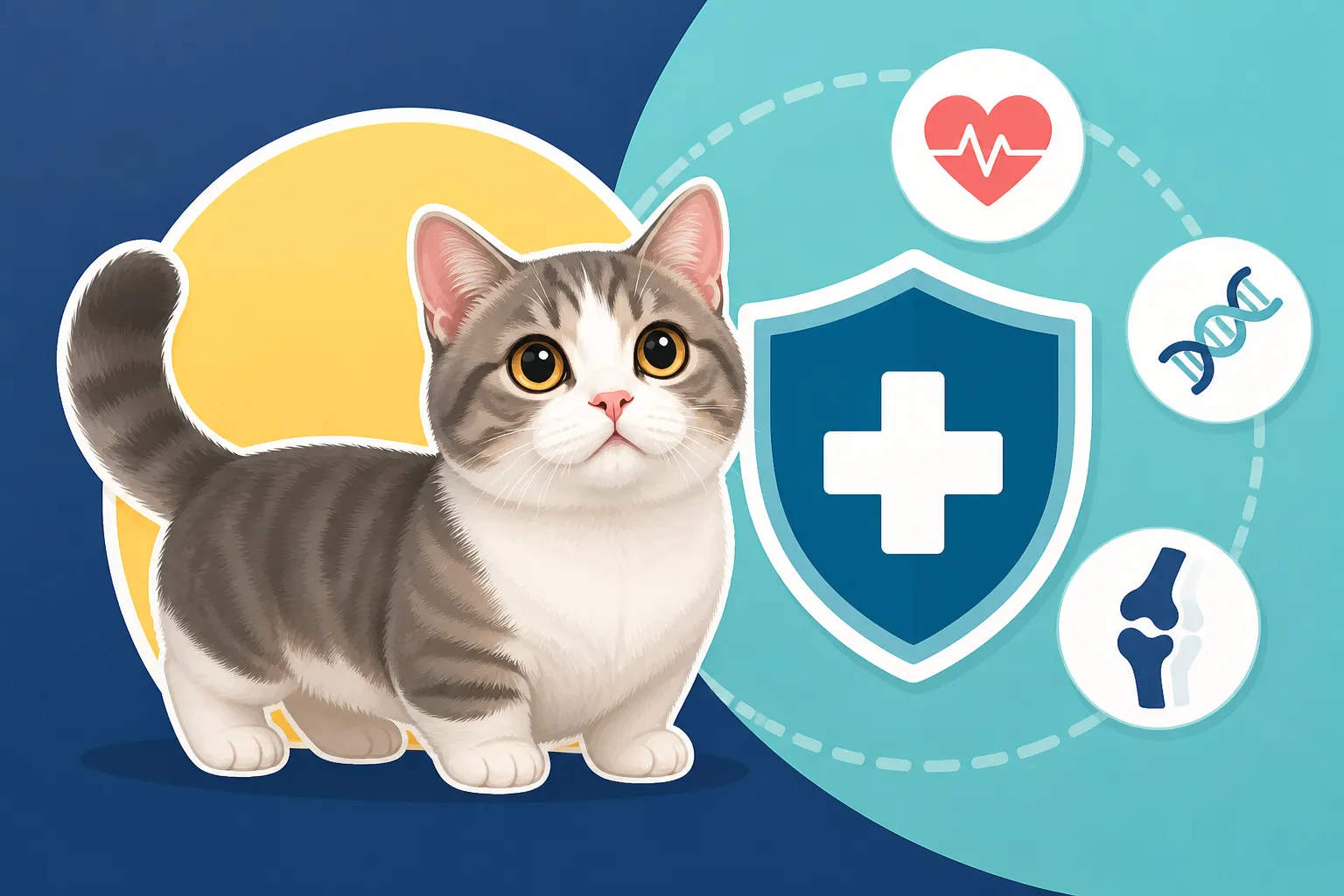
It’s a natural thing to wonder, isn’t it? When you look at a Munchkin cat, with those distinctive short legs, you can't help but ask: does something so unique come with its own unique set of health problems? It’s a valid concern for any potential cat parent, wanting to ensure their furry friend lives the longest, healthiest, and happiest life possible. This guide aims to clear up the confusion surrounding Munchkin health, detailing the specific issues they might face and distinguishing them from general feline ailments.
Understanding "Breed-Specific Diseases" in Cats
When we talk about "breed-specific diseases," it’s easy to misunderstand what that really means. It's not always about a condition that only affects a particular breed and no other. More often, it refers to certain breeds having a significantly higher predisposition or prevalence of certain health conditions compared to the general cat population, often due to their genetic makeup or unique physical traits.
What the Term Truly Means
Think about it this way: a cat breed might be known for a particular heart condition, like Hypertrophic Cardiomyopathy (HCM) in Maine Coons or Ragdolls, or Polycystic Kidney Disease (PKD) in Persians. While other cats can get these conditions, they occur with much greater frequency and often at a younger age in these predisposed breeds. For the Munchkin, the primary "breed-specific" trait is the dwarfism itself, which is a skeletal mutation. This mutation, while endearing, can indirectly lead to a higher likelihood of certain structural issues, rather than a unique disease process like a virus or organ failure that only Munchkins get. It’s about how their unique body shape interacts with general feline health.
The Impact of Conformation on Health
Every cat breed has a "conformation" – essentially, its physical structure and appearance. And for some breeds, this conformation, while beautiful or distinctive, can inadvertently contribute to health challenges. For example, flat-faced (brachycephalic) breeds like Persians can suffer from breathing difficulties due to their shortened airways. With Munchkin cats, their short legs mean their entire skeletal structure, particularly their spine and joints, experiences different stresses and forces compared to a long-legged cat. This isn't to say their short legs cause a disease, but rather that their physical build makes them more susceptible to certain orthopedic or spinal issues, or makes existing common conditions, like arthritis, more impactful. This is a critical distinction when assessing Munchkin health.
Unpacking Health Concerns Directly Related to Munchkin Dwarfism
The defining characteristic of the Munchkin is, of course, their short legs. This trait stems from a genetic mutation that causes a form of dwarfism. While this is the essence of the breed, it also means there are specific health considerations tied directly to this unique skeletal structure.
Pseudoachondroplasia and Its Direct Effects
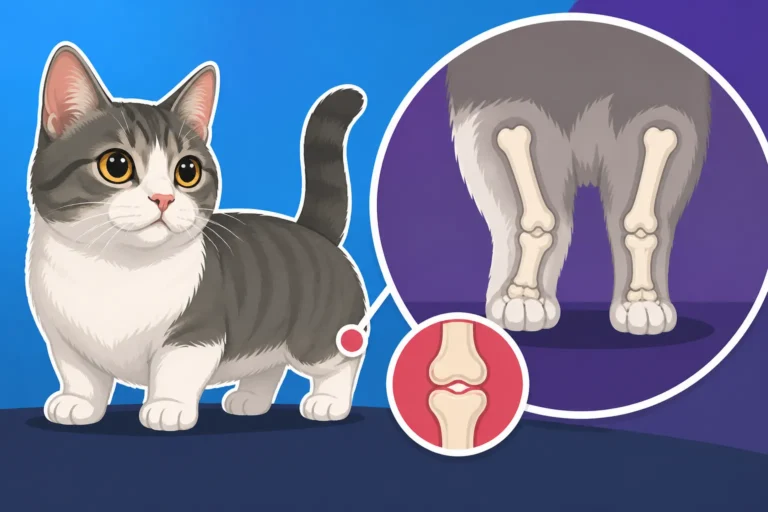
The genetic mutation responsible for the Munchkin's short legs is known as pseudoachondroplasia. This isn't a disease in the typical sense, but rather a dominant genetic trait affecting bone development. What Pseudoachondroplasia Does to a Munchkin's Legs is that it causes the long bones in their legs to be shorter than normal, while their spine and body length remain typical for a cat. This specific type of dwarfism primarily impacts the limbs, not usually the skull or internal organs in the way some other forms of dwarfism might. So, while a Munchkin's legs are short, their internal organs, skull shape, and overall body size (excluding leg length) are generally consistent with that of a regular domestic cat. It's crucial to understand that pseudoachondroplasia doesn't inherently cause other distinct breed-specific diseases like polycystic kidney disease (PKD), which is more commonly associated with Persian cats, or hypertrophic cardiomyopathy (HCM), seen in breeds like Maine Coons. The primary health implications flow from the skeletal anomaly itself.
Spinal Issues: Lordosis and Pectus Excavatum
Beyond the legs, the Munchkin's unique conformation can predispose them to certain spinal and chest abnormalities, which are the most significant breed-associated health concerns.
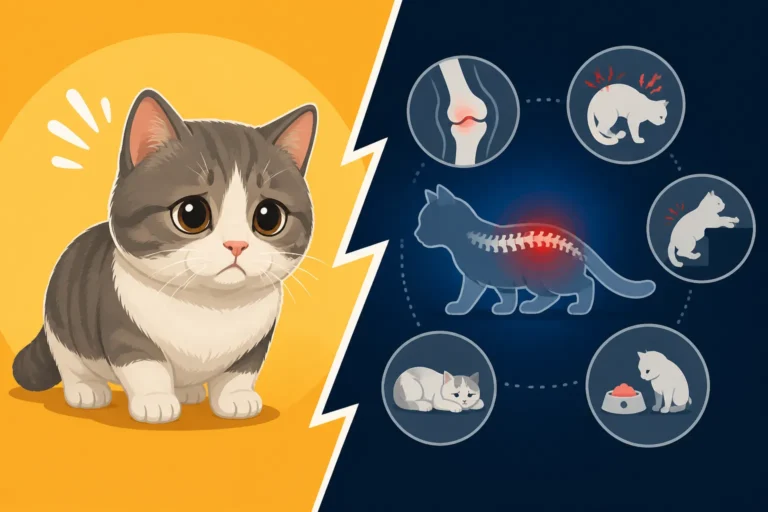
Lordosis: This condition is characterized by an excessive inward curvature of the spine, where the spine dips down towards the belly. Lordosis Is the Spinal Curve the Munchkin Argument Is About, and it's a concern because it can compress internal organs, potentially leading to breathing problems or digestive issues. While lordosis can occur in any cat breed, there's a heightened discussion about its frequency and severity in Munchkins due to their shortened limbs and altered spinal mechanics. When a Munchkin stands or moves, the weight distribution on their spine can be different, potentially exacerbating this condition. Severe cases are often visible even in kittens and can be life-threatening, while milder forms might go unnoticed without veterinary examination. The debate around Why the Frequency of Munchkin Spinal Problems Is Disputed often centers on how reliably it can be linked solely to the dwarfism gene versus other genetic or environmental factors.
Pectus Excavatum: Often referred to as "funnel chest" or "sunken chest," Pectus Excavatum and the Munchkin's Sunken Chest describes a deformity of the sternum (breastbone) and rib cage where the sternum grows inward. This creates a depression in the chest, which can restrict the space for the heart and lungs, leading to breathing difficulties, reduced exercise tolerance, and in severe cases, heart problems. Like lordosis, pectus excavatum is not unique to Munchkins; it can be found in various cat breeds and even in humans. However, some studies and anecdotal reports suggest a potentially higher incidence or more severe presentation in Munchkin cats, possibly linked to the same connective tissue or skeletal development issues that give them their short legs. Early detection by a vet is crucial, as some cases can be corrected surgically, especially in kittens. It’s important for breeders to screen for these conditions, and for owners to be aware of the signs.
Common Feline Ailments and the Munchkin Cat
It’s easy to get caught up in the breed-specific discussions, but let’s not forget that a Munchkin is, first and foremost, a cat. This means they are susceptible to all the general health issues that can affect any domestic feline, regardless of their leg length.
General Feline Health Concerns
Munchkins are not immune to the common ailments that can afflict any cat. Just like your average domestic shorthair or a fluffy Persian, they can develop conditions such as kidney disease, hyperthyroidism (an overactive thyroid), diabetes, and various types of cancer. Dental disease, for instance, is incredibly common across all cat breeds, often leading to pain, infection, and other systemic health problems if left untreated. Upper respiratory infections, gastrointestinal upsets, and urinary tract issues are also everyday occurrences in the feline world. The key takeaway here is that while Munchkins have unique anatomical considerations, their short legs do not inherently make them more prone to these specific diseases. Regular veterinary check-ups, appropriate vaccinations, parasite control, and a balanced diet remain paramount for keeping any Munchkin healthy, just as they would for any other cat. Pet insurance plans, such as those offered by Healthy Paws, can be incredibly helpful in managing the costs associated with these common but often expensive health issues, providing peace of mind when unexpected illnesses arise.
Outcrossing and Genetic Diversity
One often-overlooked aspect of Munchkin breeding that significantly contributes to their overall health profile is the practice of outcrossing. Because the Munchkin gene is dominant and lethal in two copies, meaning kittens inheriting two copies of the short-leg gene do not survive, Munchkins must always be bred to a long-legged domestic cat that does not carry the gene. This constant infusion of new genetic material from the wider cat population is known as outcrossing. Why the Munchkin Gene Pool Stays Wide is largely due to this mandatory breeding practice.
What this means for the Munchkin's health is incredibly positive: it helps prevent the accumulation of genetic predispositions to other breed-specific diseases that plague many purebred lines. Many traditional breeds suffer from a restricted gene pool due to generations of selective breeding within a limited lineage, which can inadvertently concentrate genes for certain hereditary conditions. By routinely Which Domestic Cats Are Used as Munchkin Outcrosses, such as domestic shorthairs or longhairs, Munchkin breeders are actually bolstering the breed's genetic diversity. This broader genetic base reduces the likelihood of "novel" breed-specific diseases emerging, or the amplification of existing recessive genetic conditions that might otherwise become prevalent in a more closed breeding population. This commitment to outcrossing helps ensure that, apart from the direct implications of their dwarfism, Munchkins generally share the robust health profile of their mixed-breed ancestors.
Lifestyle-Related Health Considerations for Munchkins
While Munchkins don't have a unique slate of internal diseases tied solely to their short legs, their unique anatomy does mean that certain common health issues, or aspects of daily care, take on greater importance. As their owner, understanding these nuances is key to proactive care.
The Critical Role of Weight Management
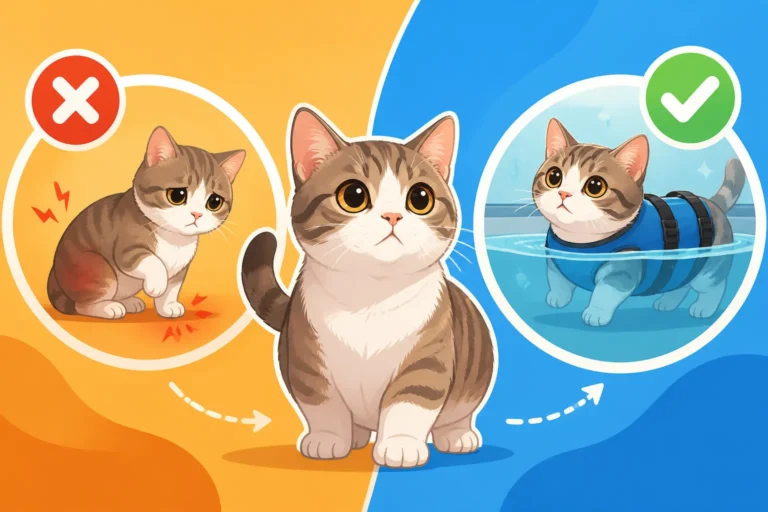
For any cat, maintaining a healthy weight is vital, but for a Munchkin, it is absolutely critical. Their short legs mean their skeletal system is already under different mechanical stresses than a long-legged cat. Why Weight Is More Dangerous on a Munchkin is simple: every extra ounce of body fat puts disproportionate strain on their spine and joints, particularly their shoulders, elbows, and hips. This added pressure can accelerate the onset and severity of arthritis, exacerbate potential spinal issues like lordosis, and generally make movement more difficult and painful. An overweight Munchkin might struggle to jump even small heights, making it harder for them to access resting spots, litter boxes, or even just move comfortably around the home.
Obesity isn't just about joint health; it can also contribute to diabetes, heart disease, and a decreased quality of life, just as it would in any other cat. Owners must be diligent about portion control, choosing high-quality food, and encouraging appropriate exercise. Regular weighing and body condition scoring are essential tools for monitoring a Munchkin's weight, ensuring they remain lean and agile, which directly contributes to their comfort and longevity.
Grooming Challenges and Skin Health
Imagine trying to reach your lower back or hindquarters when your arms are significantly shorter than average. That's essentially the challenge a Munchkin cat faces daily. While they are as fastidious as any other feline when it comes to self-grooming, their unique proportions mean there are Which Parts of Itself a Munchkin Cannot Reach. Specifically, their hindquarters, belly, and the area around their tail are often difficult, if not impossible, for them to groom effectively.
This inability to self-groom these areas can lead to a host of problems. For longhaired Munchkins, severe matting can occur, creating painful tugs on the skin, causing skin irritation, infections, and hiding parasites. Even shorthaired Munchkins can accumulate dirt, debris, or fecal matter in these areas, particularly after using the litter box. If left uncleaned, this can lead to skin infections, discomfort, and a strong odor. Therefore, a Munchkin owner must be prepared to step in as the primary groomer for these hard-to-reach spots. Regular brushing, especially for longhaired varieties, and occasional "sanitary clips" (trimming the fur around the anus and genitals) are often necessary. Sometimes, a gentle wipe down after litter box use might be required to maintain hygiene and prevent skin issues. Building a routine early on makes this a positive experience for both cat and owner.
Joint Health and Arthritis
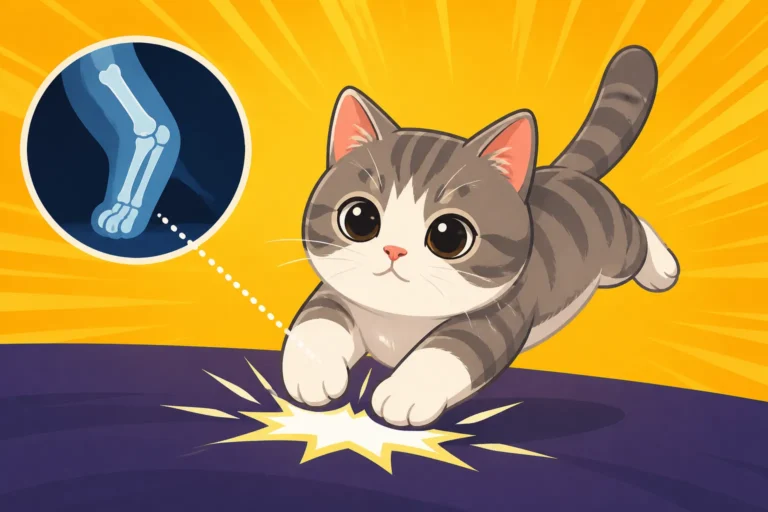
While not a disease exclusive to Munchkins, the reality of their short-legged conformation means that joint health is a paramount concern throughout their lives. The way their weight is distributed and the mechanics of their movement mean that their joints, especially in their front legs (shoulders and elbows), can experience more wear and tear over time. This can lead to Whether a Munchkin Gets Arthritis Earlier or developing more pronounced symptoms of osteoarthritis compared to a long-legged cat.
Arthritis, a degenerative joint disease, causes pain, stiffness, and reduced mobility. For a Munchkin, whose physical capabilities are already different, arthritis can significantly impact their ability to perform everyday activities like jumping onto low furniture, navigating steps, or even playing. Owners might notice their Munchkin becoming less active, hesitating before jumping, showing stiffness after rest, or even limping.
Proactive management is key. This includes maintaining an ideal weight, providing joint-supportive nutrition (some cat foods are formulated with supplements like glucosamine and chondroitin), and ensuring their environment is modified to minimize stressful jumps. Ramps or steps to access favorite resting spots can significantly reduce impact on their joints. Regular veterinary check-ups are essential to monitor joint health, and your vet may recommend supplements or even pain management medications as your Munchkin ages. Just like with humans, addressing joint pain early can improve quality of life immensely.
| Health Consideration | Direct Link to Dwarfism? | More Common in Munchkins? | Primary Impact | Owner Responsibility |
|---|---|---|---|---|
| Pseudoachondroplasia | Yes (the gene itself) | Yes (defines the breed) | Short limbs, altered mechanics | Understanding breed traits |
| Lordosis | Indirect | Potentially higher risk | Spinal curvature, organ compression | Early screening, environmental adaptation |
| Pectus Excavatum | Indirect | Potentially higher risk | Sunken chest, breathing issues | Early screening, potential surgical correction |
| Obesity | No (general cat issue) | More critical impact | Joint/spinal strain, diabetes, reduced mobility | Strict weight management, appropriate diet & exercise |
| Grooming Issues | Indirect (conformation) | Yes (hindquarters) | Matting, skin infections, discomfort | Regular owner grooming, sanitary clips |
| Arthritis | No (general cat issue) | Potentially earlier/more severe | Joint pain, stiffness, reduced mobility | Weight control, joint supplements, environmental modifications |
| Kidney Disease, HCM, Diabetes, Cancer | No | No | General feline diseases | Standard veterinary care, routine check-ups |
Navigating Responsible Ownership and Veterinary Care
As with any pet, responsible ownership and diligent veterinary care are the cornerstones of a healthy, happy life for a Munchkin cat. Their unique conformation simply means these aspects require a bit more specific attention.
Choosing a Reputable Breeder
The health journey of a Munchkin cat often begins with the breeder. Choosing a reputable breeder is paramount. A responsible breeder will prioritize the health and welfare of their cats above all else. They should be transparent about their breeding practices, including the health screenings of their breeding cats, not just for the short-leg gene, but also for common feline genetic conditions like HCM or PKD that might be present in the outcross lines they use. They will be happy to discuss potential health concerns specific to the Munchkin, such as lordosis or pectus excavatum, and explain what measures they take to minimize these risks in their litters. Don't be shy about asking for health records for the parents, or for a veterinary certificate for your kitten. They should also provide a comprehensive health guarantee and a contract that outlines breeding terms, often stipulating that Why Two Short Legged Munchkins Are Never Bred Together to avoid lethal homozygous embryos. A good breeder will also ask you about your home environment, ensuring it's suitable for a Munchkin cat's needs.
Proactive Veterinary Care and Insurance
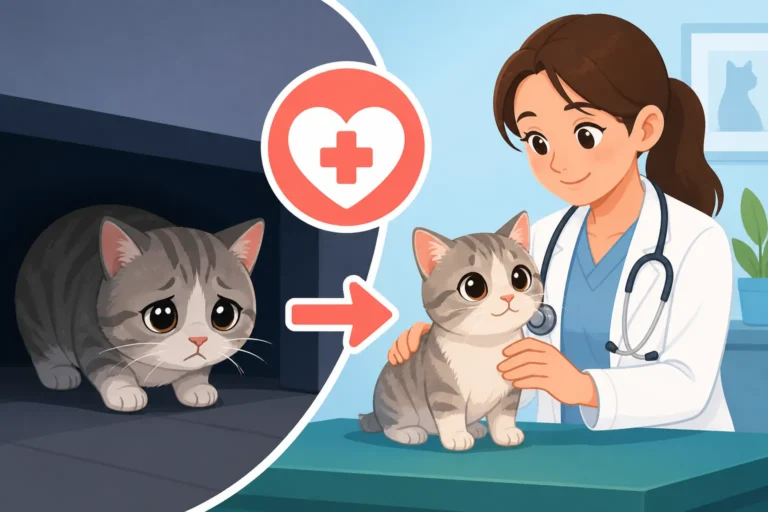
Once you bring a Munchkin home, proactive veterinary care becomes your responsibility. This starts with regular check-ups, even if your cat appears perfectly healthy. Early detection of potential issues, especially spinal abnormalities, is crucial. Your vet will not only administer necessary vaccinations and parasite control but also carefully assess your Munchkin's gait, palpate their spine, and check for any signs of discomfort or stiffness. What a Munchkin Kitten's First Exam Should Cover goes beyond typical kitten checks, with extra attention paid to conformation. As your Munchkin ages, discussing joint supplements and monitoring for signs of arthritis will become a key part of their health plan.
Considering the potential for specific structural challenges, pet insurance can be a wise investment for Munchkin owners. Companies like Healthy Paws offer plans that can help cover the costs of unexpected illnesses, accidents, and even some hereditary conditions (depending on the policy and pre-existing condition clauses). While some insurers might have specific exclusions or higher premiums for certain breeds, a good policy can significantly reduce the financial burden if your Munchkin needs extensive diagnostics, specialized treatments, or long-term medication for conditions like arthritis or severe lordosis. It's always best to research policies thoroughly and enroll your kitten early, before any potential conditions might be identified as pre-existing. This kind of forward planning is a hallmark of responsible pet ownership for a Munchkin cat.
Disclaimer
The information provided in this article is intended for general knowledge and informational purposes only, and does not constitute medical advice. Always consult with a qualified veterinarian for any health concerns or before making any decisions about your pet's health or treatment.