What a Munchkin Kitten’s First Exam Should Cover
Bringing home a new Munchkin kitten is such an exciting time! There's so much joy, curiosity, and tiny, adorable paws pitter-pattering around your home. But with all that excitement, it's totally normal to feel a bit overwhelmed about making sure your little one gets the best start in life, especially when it comes to their health. That all-important first vet visit can feel like a lot, but understanding what it should cover can ease your mind. This comprehensive guide will walk you through exactly what a thorough initial veterinary exam for your Munchkin kitten should entail, ensuring nothing is overlooked.
The Standard Kitten Check-Up Essentials
Before we dive into the unique aspects of a Munchkin’s first vet visit, let’s cover the foundational elements that any kitten, regardless of breed, absolutely needs. These basic checks are crucial for establishing a baseline for your kitten’s health and ensuring they're on the right track for a long, happy life.
General Physical Examination
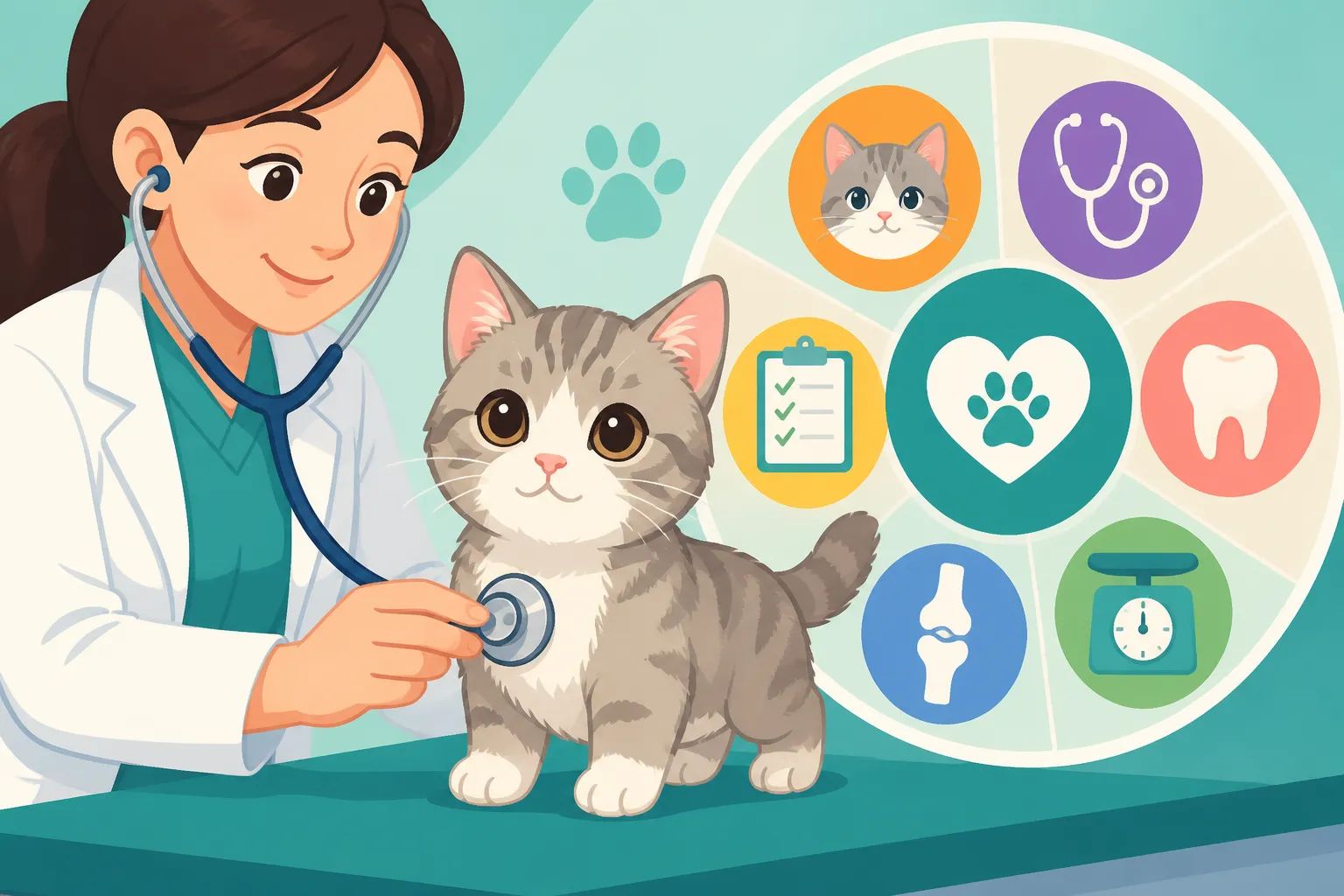
Your vet will start with a meticulous nose-to-tail physical examination. This isn't just a quick glance; it's a systematic assessment of every part of your tiny furball. They'll begin by observing your kitten's general demeanor, how they walk, interact, and respond to stimuli. Are they bright, alert, and playful, or are they a bit lethargic or withdrawn? This initial impression can tell a vet a lot.
Next, they'll check the head, starting with the eyes for clarity, discharge, or any signs of infection like conjunctivitis. The ears will be examined for cleanliness, parasites like ear mites, or any inflammation. Your vet will also look at the nose for discharge and assess breathing patterns. Moving to the mouth, they'll check the gums for healthy pink color, look at the alignment of the jaw, and inspect those tiny kitten teeth, noting any abnormalities or signs of gingivitis, which can sometimes be present even in young kittens.
A thorough vet will also palpate (feel) your kitten's abdomen to check for organ size and tenderness, ensuring there are no masses or fluid accumulation. They'll listen carefully to the heart and lungs with a stethoscope, checking for murmurs, abnormal rhythms, or respiratory issues. Lymph nodes will be gently felt to ensure they are not enlarged, which could indicate infection or other problems. Finally, the vet will assess the overall condition of your kitten's coat and skin, looking for fleas, ticks, dandruff, or any skin lesions that might be hiding under that soft fur. This comprehensive check forms the bedrock of your Munchkin’s health record.
Vaccinations and Parasite Control
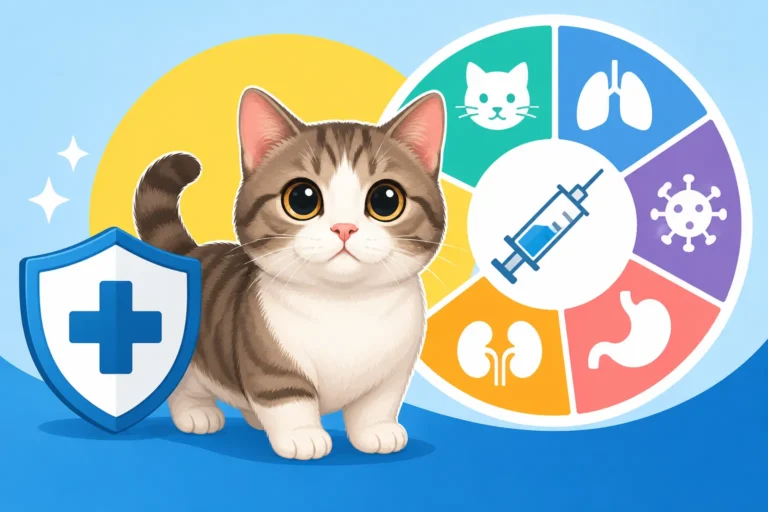
One of the most vital parts of your kitten's first vet visit, and subsequent visits, is establishing a solid vaccination and parasite control plan. Kittens are vulnerable, and vaccines are their best defense against common, often severe, feline diseases. Your vet will discuss the core vaccines, which typically include the FVRCP vaccine (Feline Viral Rhinotracheitis, Calicivirus, and Panleukopenia). Depending on your kitten's lifestyle and risk factors, the Feline Leukemia Virus (FeLV) vaccine may also be recommended, especially if there's any chance of outdoor access or contact with other cats whose vaccination status is unknown.
Beyond vaccines, effective parasite control is paramount. Your vet will typically recommend deworming treatments, as most kittens are born with or acquire intestinal worms from their mothers. They'll also discuss initial flea and tick prevention, often suggesting a topical or oral product suitable for kittens. It's incredibly important to bring a fresh stool sample to this first appointment, as this allows the vet to perform a fecal test to definitively check for any internal parasites, ensuring the deworming protocol is tailored and effective. Starting this routine early helps protect your Munchkin kitten from preventable illnesses and keeps them comfortable.
Munchkin-Specific Health Considerations for the First Exam
While all kittens need the general care we just discussed, Munchkin cats have a distinctive physical trait – their short legs – that necessitates a more focused approach during their initial vet examination. It's not about being alarmist, but about being proactive and understanding the unique aspects of their anatomy.
Spinal Assessment and Palpation
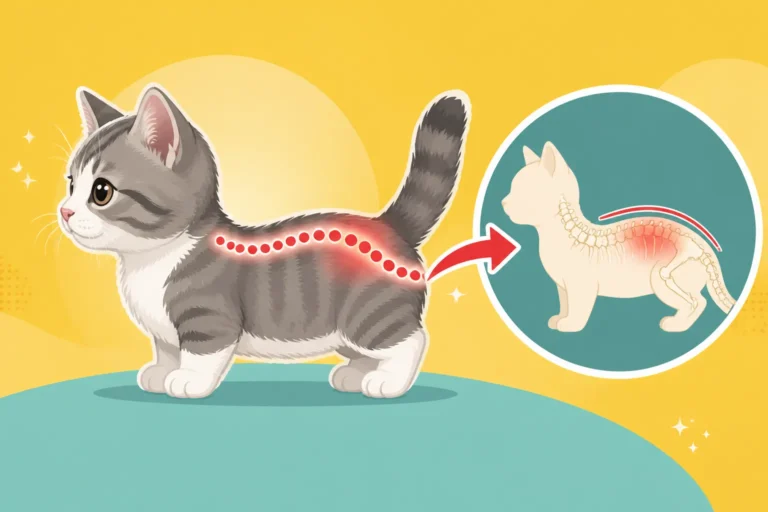
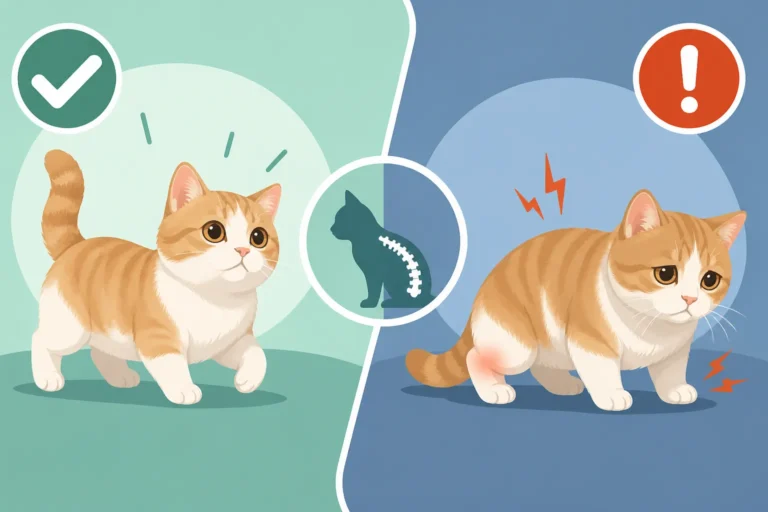
This is arguably the most critical part of a Munchkin kitten's first vet exam. Unlike other cats, Munchkins possess a genetic mutation causing pseudoachondroplasia, which results in their short limbs. What many people don't realize, however, is that while their legs are short, their spine is of a normal length. This means that their vertebrae and spinal column still need to be supported across a regular feline span, but with altered weight distribution and musculature due to their leg structure. This can potentially lead to conditions like lordosis, which is a severe inward curvature of the spine.
Your veterinarian will perform a very careful spinal palpation, gently feeling along your Munchkin's back from neck to tail. They'll be checking for any signs of abnormal curvature, rigidity, tenderness, or any areas of discomfort. They'll assess the overall flexibility and alignment of the spine. While lordosis can sometimes be apparent visually, a tactile examination helps the vet understand the underlying structure. It's essential that your vet is familiar with the breed's unique anatomy, understanding that Why a Munchkin's Spine Carries a Load a Normal Cat's Does Not is a real consideration, and that conditions like Lordosis Is the Spinal Curve the Munchkin Argument Is About can manifest early.
Early detection of any spinal issues, even mild ones, is incredibly important for future management and quality of life. While not every Munchkin develops severe lordosis, understanding their individual spinal health from a young age sets a vital baseline. Don't hesitate to ask your vet to explain what they are feeling for and why it's so important for this particular breed. Knowing that you're taking these proactive steps can offer real peace of mind, and having pet insurance like Healthy Paws in place early can help cover potential diagnostic costs if imaging becomes necessary down the line.
Leg Conformation and Gait Observation
Beyond the spine, the vet will pay close attention to the conformation of your Munchkin kitten's legs and how they impact its movement. While short legs are the defining characteristic of the breed, there's a spectrum of "normal" within that. Some Munchkins might have legs that appear slightly bowed, which can be part of their typical conformation, but excessive bowing or unevenness can sometimes indicate underlying issues.
The vet will observe your kitten's gait – how it walks, runs, and plays – not just during the examination on the table, but also by letting the kitten move freely on the floor. They're looking for fluidity of movement, signs of stiffness, limping, or any hesitation. Does the kitten put equal weight on all four paws? Does it show any signs of discomfort when maneuvering? How a Vet Assesses a Munchkin's Leg Conformation often involves watching them move, so don't be surprised if your vet encourages your kitten to take a few laps around the exam room.
It’s about distinguishing between the characteristic "ferret-like" scamper of a healthy Munchkin and a gait that suggests pain or orthopedic problems. While Munchkins are incredibly agile and adaptable, any indication that Whether a Munchkin Is in Pain From Its Legs is crucial. Early intervention can make a significant difference in their long-term comfort and mobility.
Chest Examination for Pectus Excavatum
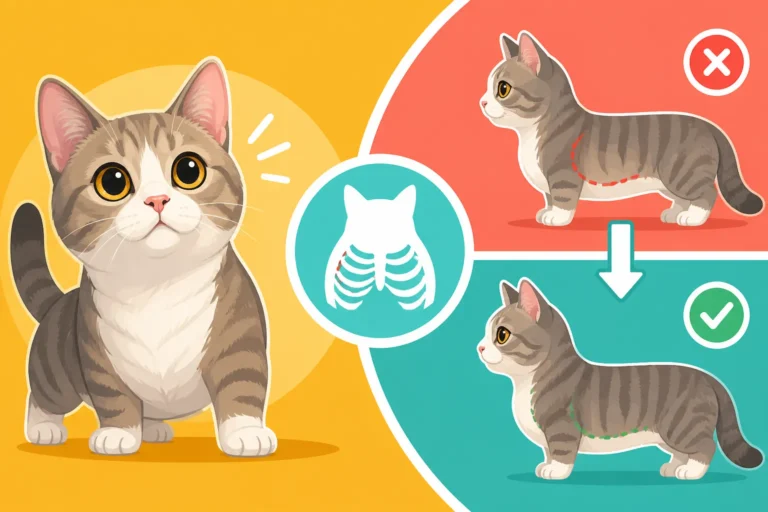
Another health consideration specifically relevant to Munchkin kittens is the possibility of pectus excavatum, more commonly known as a sunken or funnel chest. This is a congenital deformity where the sternum (breastbone) and ribs grow abnormally, causing the chest wall to appear concave. While it's not exclusive to Munchkins, their unique skeletal genetics can sometimes put them at a slightly higher risk or make existing conditions more pronounced.
Your vet will physically examine your kitten's chest during palpation, feeling for the shape of the rib cage and sternum. They'll be looking for any inward depression that could indicate pectus excavatum. What a Sunken Chest Feels Like on a Munchkin Kitten is something they are trained to detect, and they might gently run their fingers over the chest area to assess its contour. If there's any suspicion of this condition, your vet might recommend further diagnostics, such as X-rays, to get a clear picture of the chest structure and assess the severity.
The concern with pectus excavatum, especially in its more severe forms, is that the sunken chest can compress the heart and lungs, potentially leading to breathing difficulties, exercise intolerance, and even cardiac issues down the line. Knowing that Pectus Excavatum and the Munchkin's Sunken Chest is a possibility allows you and your vet to be vigilant. Early detection means you can discuss potential management strategies or, in very rare severe cases, surgical correction, giving your kitten the best chance at unimpeded organ function.
Discussing Breeder Information and Future Care
The first vet visit isn't just about what the veterinarian observes; it's also a crucial opportunity for you to share information and plan for your Munchkin's long-term health and well-being. This collaborative discussion with your vet is invaluable for tailoring a care plan that’s perfect for your specific kitten.
Reviewing Breeder Records and Health Guarantees
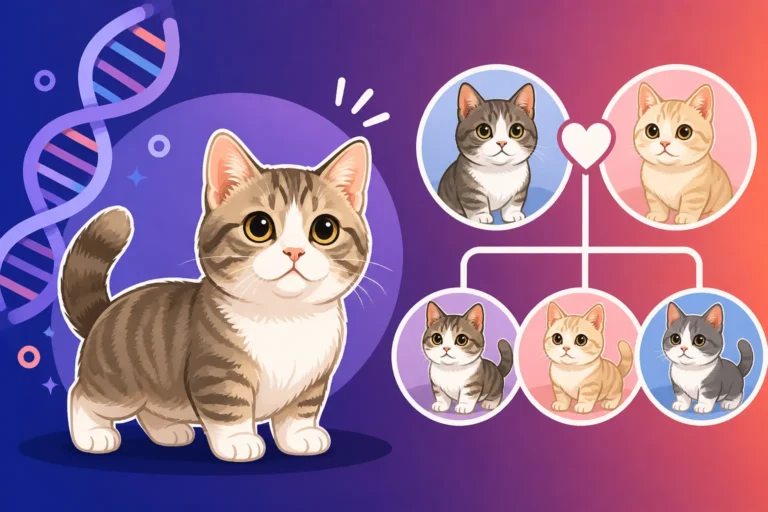
When you bring your Munchkin kitten to its first vet visit, it’s absolutely essential to bring all the paperwork you received from your breeder. This should include detailed vaccination records, a history of deworming treatments, and any available health screening results for the kitten's parents. A reputable breeder, for example, should be able to provide information on the genetic health of the parent cats and details about their lineage. Knowing What a Munchkin Breeder Should Be Able to Show You empowers you to assess the quality of information you've received.
Your vet will carefully review these records to ensure your kitten is up-to-date on necessary preventative care and to understand their medical history thus far. This is also the perfect time to discuss your breeder's health guarantee. Many guarantees cover certain genetic conditions for a specified period, and understanding the specifics, especially concerning spinal issues or other breed-related concerns, is vital. For example, if the breeder states Which Diseases a Munchkin Breeder Must Declare, your vet can help confirm if these tests were indeed performed and the results are clear. Having a detailed discussion about the guarantee with your vet can clarify what it covers and what steps you might need to take if issues arise.
Early Neutering/Spaying and Microchipping
Another important topic for discussion during your Munchkin kitten's first exam is the optimal timing for spaying or neutering. Generally, this procedure is recommended between five and six months of age, but your vet will consider your kitten's individual health, development, and the latest research to give you the best advice. Spaying or neutering offers numerous health and behavioral benefits, including preventing unwanted pregnancies, reducing the risk of certain cancers, and curbing undesirable behaviors like spraying or roaming.
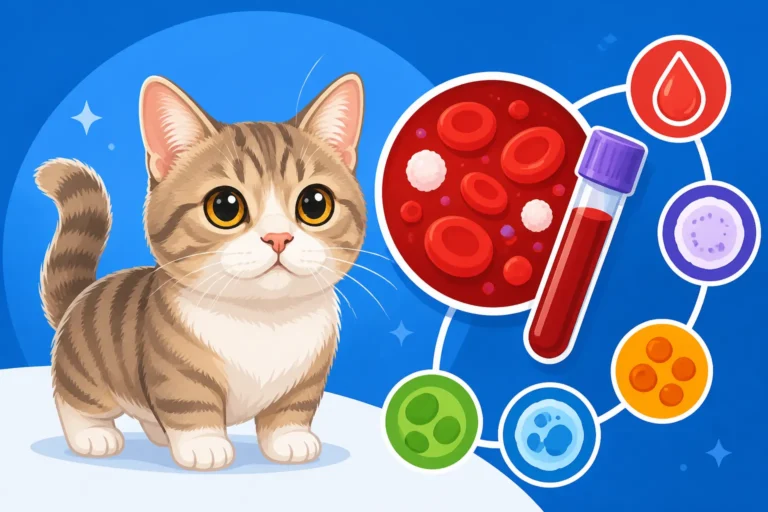
Beyond the surgery itself, your vet will discuss microchipping, which is a simple, safe, and incredibly effective way to ensure your Munchkin kitten can be identified and returned to you if they ever get lost. The microchip is about the size of a grain of rice and is inserted just under the skin, usually between the shoulder blades. It’s a quick procedure, often done at the time of spay/neuter. For Munchkins, it's also important to confirm that Whether a Munchkin Is a Normal Anesthetic Risk by discussing any pre-surgical bloodwork and ensuring your vet is aware of any specific breed considerations related to anesthesia. Planning these steps early ensures your Munchkin is protected for life.
Setting Up for a Munchkin-Friendly Home and Lifestyle
One of the most valuable conversations you can have with your vet during this first visit centers on how to create the best possible home environment and lifestyle for your unique Munchkin kitten. Remember, with a Munchkin, the world isn't built for their short stature, so proactive adjustments are key to preventing injuries and promoting long-term health. Your vet can offer invaluable insights on this.
Discuss the importance of providing ramps and steps to help your Munchkin access furniture like sofas, beds, and windowsills without having to jump. Repeated jumping, especially downward, can put undue stress on their spine and joints over time. As we often emphasize, Ramps and Steps Are Munchkin Equipment, Not Luxuries. You'll also want to talk about litter box accessibility; Munchkins need low-entry litter boxes to avoid straining their backs or having difficulty getting in and out. Similarly, raised food and water bowls can make meal times more comfortable by reducing strain on their neck and shoulders.
Crucially, discuss weight management. Due to their short legs and the unique load on their spine, maintaining a lean body condition is paramount for a Munchkin. Why Weight Is More Dangerous on a Munchkin is a concept your vet will surely underscore. They can help you determine the ideal weight for your kitten's frame and advise on appropriate diet and portion sizes. Finally, talk about appropriate play and enrichment. While Munchkins are active and playful, activities that involve extreme jumping or rough landings should be managed to protect their joints. Having a comprehensive pet insurance policy from a provider like Healthy Paws can truly alleviate stress when planning for these specific long-term care needs, ensuring you’re financially prepared for any eventuality that might come with their unique physical traits. Your vet is your best partner in mapping out this specialized care plan.
First Vet Exam Checklist for Your Munchkin Kitten
To help you organize your thoughts and ensure you cover all the bases during that important first vet visit, here's a handy checklist summarizing the key areas your Munchkin kitten's exam should address:
| Category | Standard Kitten Checks | Munchkin-Specific Checks | Why It's Important |
|---|---|---|---|
| General Physical | Nose-to-tail observation: eyes, ears, nose, mouth, skin | Gait observation, overall mobility assessment | Establishes baseline health, detects common issues, assesses Munchkin-specific movement patterns. |
| Internal Health | Abdominal palpation, heart & lung auscultation, lymph nodes | Spinal palpation for lordosis, chest palpation for pectus excavatum | Checks organ health, vital for early detection of Munchkin-related skeletal deformities. |
| Preventative Care | Vaccinations (FVRCP, FeLV if applicable), deworming, flea/tick prevention | Discussion on early spay/neuter considerations, microchipping | Protects against common diseases, prevents unwanted pregnancies, ensures identification if lost. |
| Breeder Information Review | Vaccination history, deworming dates, parent health history | Discussion of health guarantee specific to Munchkin conditions | Verifies past care, clarifies breeder's commitments, informs vet of potential inherited risks. |
| Future Care Planning | Diet, exercise, dental care, litter box habits | Weight management, home adaptations (ramps, low bowls) | Ensures tailored nutrition, appropriate activity, and a safe, accessible environment for a Munchkin's unique needs. |
Disclaimer
The information provided in this article is for general informational purposes only and is not intended as a substitute for professional veterinary advice, diagnosis, or treatment. Always seek the advice of your veterinarian or other qualified animal health provider with any questions you may have regarding a medical condition or the health and welfare of your pet.