Why Shorter Legs Raise a Munchkin’s Price
It's a common thought when you're looking at bringing a Munchkin cat into your home: why does the length of their legs seem to have such a profound impact on their price? Many prospective owners are surprised to learn that a cat with noticeably shorter legs, often referred to as a "rug hugger," commands a significantly higher price tag than its standard-legged littermates. This guide will delve into the complex reasons behind this pricing phenomenon, from genetics and breeding practices to market demand and the realities of lifetime care.
Understanding the Munchkin's Unique Physiology and Its Impact on Price
The Munchkin breed's defining characteristic, its short legs, isn't just a cute quirk; it's a direct result of a specific genetic mutation. This mutation dictates everything from how these cats are bred to how they are valued, and ultimately, their price.
The Genetics Behind Short Legs and Breeding Challenges
The short legs of a Munchkin cat are due to an autosomal dominant gene that causes chondrodysplasia, a form of dwarfism affecting the long bones of the legs. This is crucial because it means that only one copy of the gene is needed for a cat to display the short-legged trait. However, and this is a big however, it's also a lethal gene in its homozygous form, meaning an embryo with two copies of the gene does not survive. This critical genetic detail underpins many of the breeding complexities and, by extension, the pricing structure.
Because of this, you'll find that breeders absolutely cannot breed two short-legged Munchkins together. This practice, known as breeding "short to short," would result in a significant number of non-viable embryos and can be devastating to a litter. Instead, a short-legged Munchkin must always be bred to a normal-legged cat, known as an outcross. This practice is essential for the health of the breed and to understand Why Two Short Legged Munchkins Are Never Bred Together. This careful genetic management means that producing a litter with the desired short legs is a calculated and often challenging endeavor, contributing to the higher cost.
Defining "Short Legs" in the Munchkin World: Standards vs. "Rug Huggers"
When we talk about "short legs" in Munchkins, it's not a one-size-fits-all definition. The breed standard, primarily set by The International Cat Association (TICA), describes the legs as "short to medium in length" with uniform shortening of all four legs. However, within the breed, there are informal classifications that significantly impact pricing:
- Standard Munchkin: These cats have legs that are noticeably shorter than a typical domestic cat, but they retain a good range of motion and agility. They fit within the general TICA standard for leg length.
- Super Short: A term for Munchkins with even shorter legs, often giving them a distinct low-slung appearance.
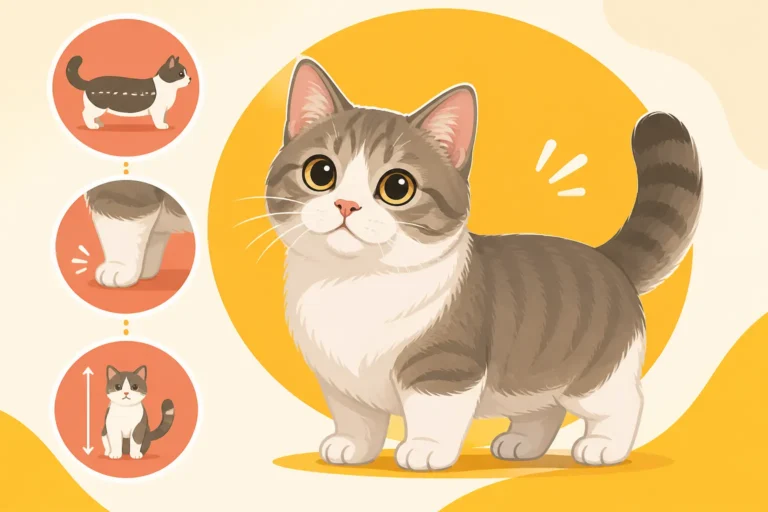
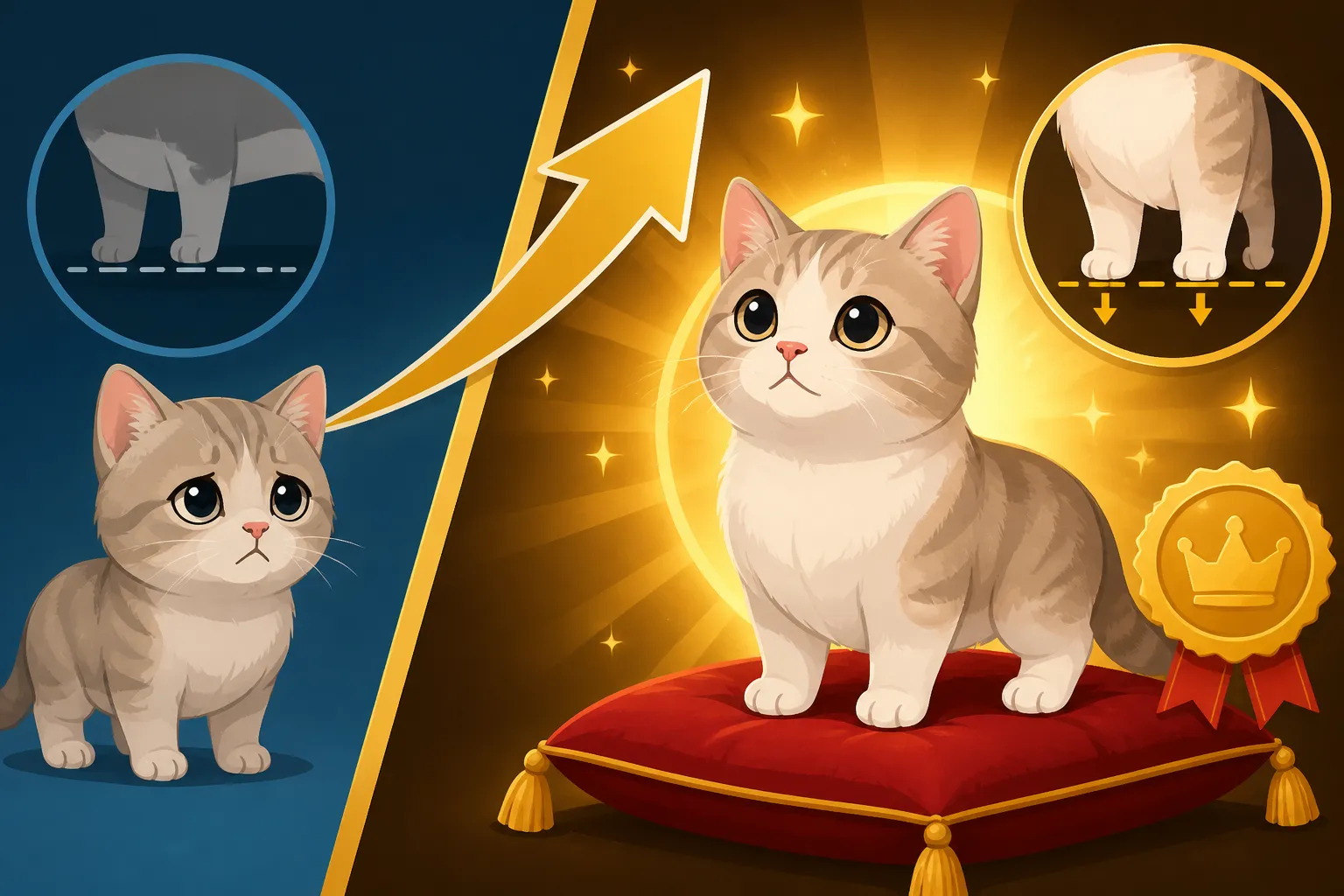
- Rug Hugger: This term refers to Munchkins with the shortest possible legs, almost appearing to "hug the rug" as they walk due to their extremely low stature. These are often the most sought-after and, consequently, the most expensive. To understand more about this specific type, you might want to read What a Rug Hugger Munchkin Is and Why It Costs More.
The distinction between these classifications isn't just aesthetic; it reflects the degree of the chondrodysplasia expression. Breeders will grade kittens based on their leg length as they grow, and those that fit the "super short" or "rug hugger" criteria are considered more desirable by many enthusiasts, driving their prices upward. It's a testament to the fact that in the Munchkin world, rarity and a more pronounced expression of the defining trait often equate to a higher monetary value.
Supply and Demand: How Leg Length Affects Availability and Value
The laws of supply and demand play a significant role in the pricing of Munchkin cats, particularly when it comes to leg length. The genetic lottery of a Munchkin litter directly impacts the availability of those highly desired shorter-legged kittens.
The Breeding Math: Why Not Every Kitten Is Short-Legged
As we touched upon, a Munchkin (short-legged) must be bred with a non-Munchkin (normal-legged) cat. This breeding pairing results in a predictable genetic outcome. Statistically, about half of the kittens in any given Munchkin litter will inherit the short-legged gene from their Munchkin parent, while the other half will inherit two copies of the normal-legged gene from both parents, resulting in normal-length legs. This is why you'll often hear about Why Half a Munchkin Litter Has Normal Legs.
This means that even a successful breeding program will only yield a limited number of short-legged kittens. The breeder is investing time, resources, and care into a litter where only a portion will display the characteristic that makes the breed so distinctively recognizable. The normal-legged kittens, while still purebred Munchkins in lineage, do not carry the gene for chondrodysplasia and are often sold at a lower price, sometimes significantly so, reflecting their greater availability and lack of the "signature" trait. This inherent limitation in production creates scarcity for the short-legged kittens.
The "Ideal" Leg Length and Its Scarcity Premium
Within the approximately 50% of a litter born with short legs, there's further variation in how pronounced that shortness is. Not all short-legged Munchkins are created equal in the eyes of the market. Some will have moderately short legs, fitting the "standard" description, while a smaller subset will exhibit the "super short" or "rug hugger" characteristics that are exceptionally desirable. These ultra-short cats are rarer still, making them a premium commodity.
The demand for these maximally short-legged Munchkins often outstrips their supply. Enthusiasts and collectors are willing to pay more for a cat that embodies the breed's most iconic feature to its fullest extent. This scarcity premium reflects the confluence of genetics, breeding practices, and market preference. Breeders know that these kittens will be snapped up quickly, and their pricing reflects this high demand for a relatively scarce physical trait.
The Breeder's Perspective: Investment and Effort in Producing Shorter Legs
Becoming a reputable Munchkin breeder involves considerable investment, not just financially, but in time, knowledge, and ethical practice. These investments contribute directly to the final price of a kitten, especially those with the prized shorter legs.
Health Screening and Ethical Breeding Practices
Ethical Munchkin breeders prioritize the health and well-being of their cats above all else. This means extensive health screening for both parent cats before breeding. While the short legs themselves are the result of a genetic mutation, breeders also aim to ensure their lines are free from other common feline ailments. They will check for conditions like hypertrophic cardiomyopathy (HCM), polycystic kidney disease (PKD), and other hereditary issues relevant to the outcross breeds used. This dedication to health often involves veterinary visits, genetic testing, and certification, all of which are significant expenses.
Furthermore, responsible breeders adhere to strict ethical guidelines, understanding that careful selection of breeding pairs is paramount. They ensure their cats are healthy, well-socialized, and live in clean, enriching environments. This commitment to ethical breeding, including careful genetic planning to avoid issues like lethal homozygous genes, is a time-consuming and costly endeavor, but one that is absolutely vital. This kind of diligent care contributes to How Many Years a Well Bred Munchkin Lives and ensures the longevity and health of the kittens.
The Costs Associated with Specialized Care and Breeding Programs
Beyond health screening, running a breeding program for Munchkins involves a host of other specialized costs. There's the expense of acquiring high-quality breeding stock, which itself can be substantial. Daily care for breeding cats includes premium nutrition, regular veterinary check-ups, and specialized grooming. Specialized diets and supplements that support overall feline health can be particularly beneficial for breeding queens.
Then there are the costs associated with the litter itself: prenatal and postnatal veterinary care for the queen, kitten vaccinations, deworming, microchipping, and initial vet checks before they go to their new homes. Because Munchkin kittens must always be sold at least twelve weeks old to allow their leg length to be accurately assessed and to ensure they are well-socialized, the breeder is caring for them for a longer period. Moreover, adaptations might be needed in the cattery, such as low-entry litter boxes or ramps, to accommodate the short-legged parents and kittens. These cumulative costs, spread across a litter where only half will have the desired short legs, inevitably get factored into the price of each kitten.
Buyer Perceptions and Market Trends: What Drives Demand for Shorter Legs
While genetics and breeding costs certainly contribute, buyer perception and market trends are powerful forces that elevate the price of short-legged Munchkins, especially the "rug huggers."
The Aesthetic Appeal and "Novelty" Factor
Let's be honest, the primary appeal of a Munchkin cat for most people is their incredibly short legs. It's what makes them instantly recognizable and undeniably adorable to many. There's a certain "novelty" or "exotic" factor associated with their unique appearance, making them stand out from the typical house cat. This aesthetic appeal is intensified for those Munchkins with the shortest legs, as they represent the most extreme and distinctive expression of the breed's characteristic trait.
People often gravitate towards what is unique, and the shorter the legs, the more unique the cat appears. This visual distinction creates a strong emotional connection for many potential owners, leading them to prioritize leg length over other factors. They envision a tiny, low-slung companion trotting around their home, and that image drives their willingness to pay a premium. This emotional response, combined with the perception of rarity, fuels demand for the "super short" and "rug hugger" varieties.
Social Media Influence and Desirability
In today's interconnected world, social media plays an enormous role in shaping perceptions and driving demand for certain breeds, and the Munchkin is no exception. Videos and photos of Munchkin cats, particularly those showcasing their short legs and adorable "prairie dog sit" posture, frequently go viral. Influencer cats with huge followings often feature this distinct look, making it incredibly desirable.
This constant exposure to perfectly curated images and videos on platforms like Instagram and TikTok creates a strong aspirational desire for a short-legged Munchkin. When countless people see these cats online, their popularity surges, and with increased popularity comes increased demand. When demand for a specific look (the shortest legs) is high, and the supply is inherently limited by genetics, prices will naturally climb. This social proof and constant visual reinforcement contribute significantly to the perceived value and, consequently, the higher price point of the most short-legged Munchkins.
The Long-Term Costs and Considerations for Shorter-Legged Munchkins
Beyond the initial purchase price, owning a Munchkin with shorter legs often comes with specific long-term costs and considerations that potential owners should be fully aware of. These factors can further justify, from a different perspective, the initial higher investment.
Adapting Your Home: Essential Equipment and Modifications
A Munchkin's short legs mean they can't jump as high or reach as far as a normal-legged cat. This isn't just a minor inconvenience; it necessitates significant adaptations to your home environment to ensure their safety, comfort, and ability to navigate their world independently. This is a core part of What the Short Legs Actually Cost a Munchkin.
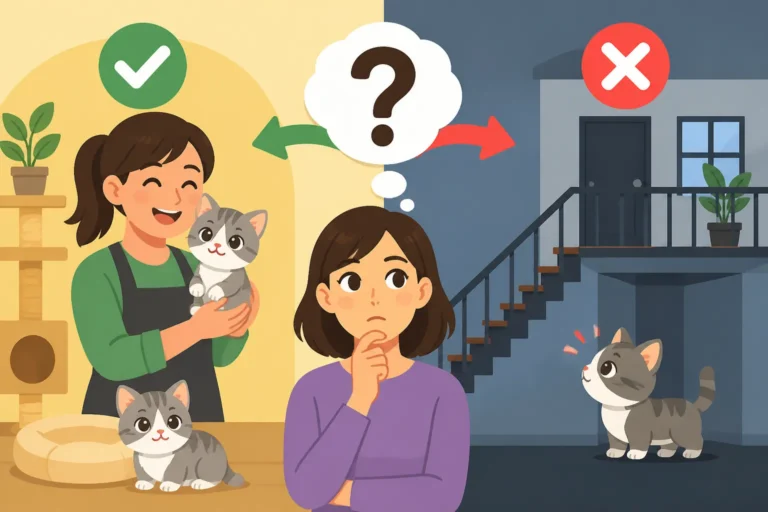
You'll need to consider purchasing ramps and steps to allow them to access furniture like sofas, beds, and window sills. These aren't luxuries but essential mobility aids. Ramps and Steps Are Munchkin Equipment, Not Luxuries is a crucial concept for any owner. Litter boxes need to have low entry points, or they won't be able to get in and out comfortably, especially as they age or if they have more pronounced short legs. Food and water bowls should be raised slightly to prevent them from straining their neck and shoulders while eating. You might even need to rearrange furniture to create "cat highways" of accessible surfaces. All of these modifications represent an ongoing financial and time investment that adds to the true cost of ownership.
Potential Health Concerns and Lifelong Care
While a well-bred Munchkin can live a long and healthy life, their unique physique does come with some potential health considerations that owners should be prepared for, especially those with extremely short legs. The most discussed concerns often revolve around their spine and joints. Lordosis, an exaggerated inward curve of the spine, and pectus excavatum, a sunken chest, are conditions sometimes seen in Munchkins. While not exclusive to the breed, their unique anatomy can make these conditions more impactful. To learn more, you can read about Which Health Problems the Munchkin Actually Has.
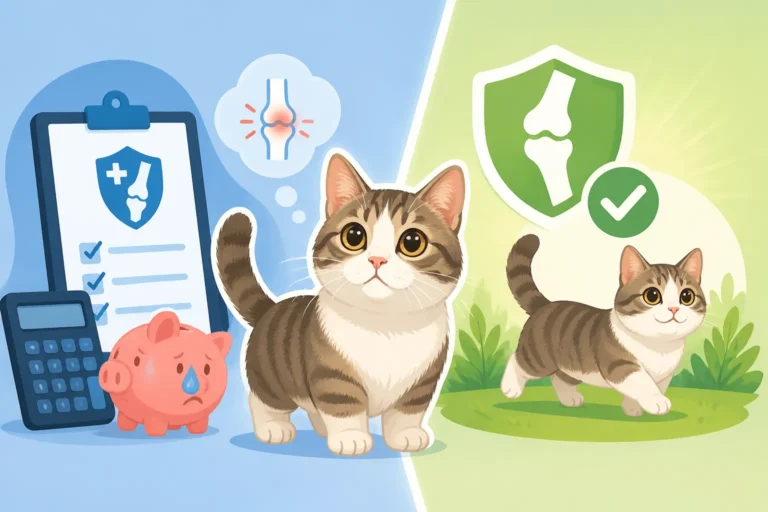
The unusual load distribution on their joints, particularly the shoulders and elbows, can also lead to earlier onset of arthritis compared to long-legged cats. This means potential costs for joint supplements, pain management, and potentially even physiotherapy as they age. Regular veterinary check-ups, potentially including X-rays as they get older, become even more important. Insurers like Healthy Paws offer pet health plans that can help manage these unforeseen veterinary costs, but it's vital to choose a plan that covers breed-specific conditions or hereditary issues if they arise.
Furthermore, weight management is absolutely critical for Munchkins. Even a small amount of extra weight can put immense strain on their already compromised joints and spine, leading to more severe mobility issues and discomfort. This is why Why Weight Is More Dangerous on a Munchkin is a constant concern. Owners must be vigilant about diet and exercise throughout their cat's life. These ongoing care considerations, and the potential for increased veterinary expenses over the cat's What a Munchkin Costs Over Thirteen Years, are implicit in the initial higher price, as ethical breeders aim to produce cats that can thrive despite their unique physiology.
Comparing Munchkin Leg Lengths and Their Price Impact
To help visualize how leg length influences the pricing of Munchkin kittens, here's a general overview. Keep in mind that these are approximate ranges and actual prices will vary greatly based on location, breeder reputation, pedigree, coat type, color, and individual kitten conformation.
| Leg Length Classification | Description | Desirability | Price Impact (Relative) |
|---|---|---|---|
| Normal-Legged | Inherited two copies of the normal gene; indistinguishable from a standard domestic cat. | Lower | Lowest |
| Standard Short | Clearly shorter than a normal cat, but with good mobility. Falls within general TICA standard. | Medium | Mid-Range |
| Super Short | Noticeably shorter than "Standard Short," giving a lower-slung appearance. Strong expression of the trait. | High | Higher |
| Rug Hugger | Extremely short legs, appearing very close to the ground. Rarest and most extreme expression. | Very High | Highest |
As you can see, the rarer and more pronounced the short-legged trait, the higher the perceived value and the resulting price point. This table doesn't even account for other factors like unique coat patterns or colors, which can add another layer of premium to an already high price.
The Journey to Ownership: Considerations Beyond Price
While the discussion around leg length and price is certainly important, the journey to Munchkin ownership involves far more than just the initial cost. It's about responsible pet ownership and making an informed decision for a unique companion.
First and foremost, it's essential to find a reputable breeder. A good breeder will be transparent about their breeding practices, health screenings, and the care they provide to their kittens. They should be willing to discuss What a Munchkin Breeder Should Be Able to Show You, including vet records for parents and kittens, and allow you to see the kittens in person with their mother. They will also ask you questions about your home environment, ensuring it's suitable for a Munchkin.
Consider the long-term commitment. A Munchkin's lifespan is generally comparable to that of a normal domestic cat, often living for The Twelve to Fifteen Years a Munchkin Usually Gets. This means you are committing to a decade or more of specialized care, including potential mobility aids and veterinary attention for their joints as they age. Planning for these future needs, and understanding Whether a Munchkin Needs X Rays as It Ages, is crucial. This proactive approach helps ensure your Munchkin lives a comfortable and happy life.
Finally, remember that while their short legs are a distinguishing feature, a Munchkin is, at its heart, still a cat. They are playful, affectionate, and intelligent. The extra effort in adapting your home and understanding their unique needs will be rewarded with years of companionship from a truly special feline friend. Their higher price reflects not just their distinctive appearance, but the careful, ethical breeding and specialized care that goes into bringing these unique felines into the world, and the commitment required from their future families.
Disclaimer
This article is for general informational purposes only and does not constitute professional advice. Laws, prices and regulations vary by location and change over time. Consult a qualified professional for guidance on your specific situation.