Why a Cheap Munchkin Is a Warning
It’s a natural human impulse to look for a good deal, a bargain that makes you feel smart and savvy. When it comes to bringing a new furry family member into your home, especially a distinctive breed like the Munchkin, that impulse can lead you down a risky path. A suspiciously cheap Munchkin kitten isn't a steal; it's often a glaring red flag waving a warning about potential heartache, astronomical vet bills, and ethical concerns. This guide will help you understand why.
Understanding the True Cost of a Well-Bred Munchkin
Many prospective Munchkin owners are surprised by the price tag from a reputable breeder. It's easy to think, "It's just a cat, why so much?" But that price reflects a world of careful planning, health testing, dedicated care, and ethical breeding practices that directly impact the health and happiness of the kitten you bring home. Skipping these steps to save a few dollars upfront almost always costs far more in the long run.
What a Reputable Breeder Invests
Think of a reputable Munchkin breeder as someone who has poured their heart, soul, and significant financial resources into ensuring their kittens are the best they can possibly be. This isn't just about feeding them a good diet; it's a comprehensive approach to animal welfare and responsible genetics. They're investing in genetic health screening for their breeding cats, not just for the common feline diseases, but also for specific conditions that could impact the Munchkin lines, like cardiac issues or potential joint problems. This costs money – specialized veterinary consultations, lab tests, and sometimes travel to access the best genetic lines.
Beyond health, there's the environment. A good breeder provides a clean, stimulating, and safe home for their cats and kittens. This means appropriate living spaces, dedicated play areas, and essential adaptations like ramps and low-entry litter boxes that cater to the Munchkin's unique physique from day one. They also ensure proper nutrition, using high-quality food designed for growing kittens. Socialization is another massive investment, with breeders spending countless hours handling, playing with, and exposing kittens to various sights, sounds, and experiences to ensure they develop into well-adjusted, confident adults. They pay for vaccinations, deworming, and initial vet checks before a kitten ever leaves their care. All these proactive steps minimize risks and contribute to a healthier, happier kitten, which is naturally reflected in the price.
Why Leg Length Affects Price
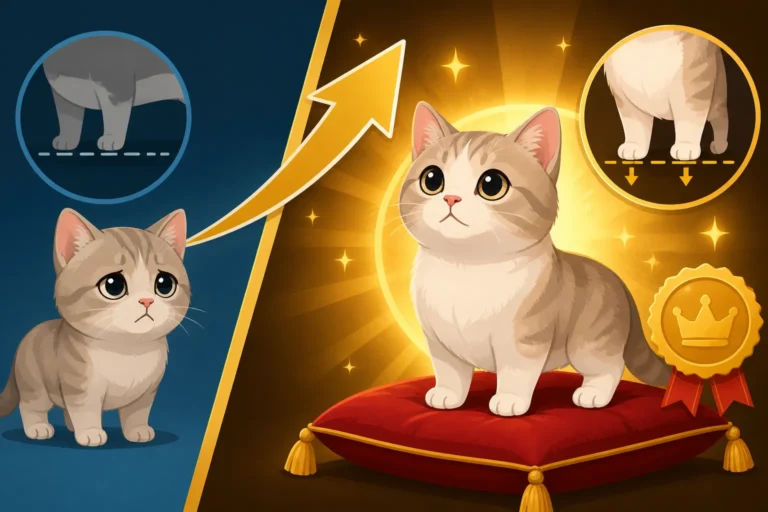
It might sound strange, but the physical characteristics of a Munchkin, particularly their leg length, can significantly influence their price. Munchkin cats are known for their short legs, a result of a genetic mutation called pseudoachondroplasia. Within the Munchkin world, some kittens exhibit shorter legs than others, often described as "rug huggers" or "super short." These particularly short-legged individuals are highly sought after by some buyers because they exemplify the breed's most distinctive feature to an extreme.
Breeders might price these kittens higher due to demand and the perceived "rarity" of a truly diminutive example. However, it's crucial to understand that while these features are appealing to some, extreme shortness can sometimes be associated with more pronounced mobility challenges or even exacerbate potential back issues later in life. A conscientious breeder prioritizes health over extreme physical traits, and while they might acknowledge the market demand, they will also ensure the kitten is healthy and well-conformed within the breed standard. The less extreme, but still short-legged, "standard" Munchkin is often just as charming and can be equally healthy, sometimes even more agile, and may come at a more moderate price. Then there are the long-legged Munchkin littermates, which are genetically "Munchkin-carrier" cats, but don't express the short-leg trait. These kittens are often sold as companion pets at a much lower price, sometimes as little as What a Long Legged Munchkin Kitten Is Worth.
The "Hidden" Value of Registration and Pedigree
When you purchase a Munchkin kitten from a breeder, you might be offered "papers." These aren't just decorative certificates; they represent a verifiable lineage and a commitment to breed standards and ethical practices. For Munchkin cats, the primary registering body is The International Cat Association (TICA). TICA registers the Munchkin breed and provides a framework for reputable breeding. A kitten with TICA registration means its parents are registered, and the breeder has followed specific guidelines regarding breeding practices, including outcrossing rules and health considerations.
A pedigree, which lists a cat's ancestors, offers transparency into the genetic background of your kitten. It allows you to see the health history of previous generations, confirming that responsible breeders are behind your kitten. It shows that the breeder isn't just producing kittens indiscriminately but is carefully selecting breeding pairs to maintain health and temperaments. While some might argue that a "pet-only" kitten doesn't need papers, the existence of those papers is proof of the breeder's accountability and adherence to established breed standards. Without them, you're essentially buying a cat with an unknown past, and you lose the assurance that comes from a structured breeding program. This "hidden" value translates directly into a higher likelihood of a healthy, well-adjusted pet with predictable traits, rather than a gamble on an unverified lineage. If a breeder avoids discussing registration or offers significantly lower prices for "unregistered" kittens that clearly look like Munchkins, it's often a sign that they are cutting corners in critical areas.
The Red Flags of a "Cheap" Munchkin Listing
A low price often signals that a breeder is bypassing essential steps in responsible breeding. These shortcuts aren't just about saving money; they often compromise the kitten's health, welfare, and future well-being. Recognizing these red flags can save you immense grief and financial strain down the line.
Missing Paperwork and Health Guarantees
One of the most immediate red flags for a "cheap" Munchkin is a lack of proper documentation. Reputable breeders will always provide health records, vaccination certificates, and a clear sales contract. They’ll be transparent about the kitten's lineage, providing details on its parents and, ideally, TICA registration papers. If a breeder dismisses the importance of these documents, or offers a significantly reduced price for a kitten "without papers," it's a huge warning sign. It could mean the kitten isn't a purebred Munchkin, or worse, that the breeder is operating outside of ethical guidelines.
Even more critical is the absence of a health guarantee. A responsible breeder stands by the health of their kittens, often offering a guarantee against genetic defects for a certain period. This isn't just a formality; it shows their confidence in their breeding program and their willingness to take responsibility if unforeseen health issues arise that are clearly linked to their practices. When a seller offers no health guarantee or provides one that seems vague and unenforceable, it indicates they're unwilling to back up their product. Imagine bringing home a kitten for a low price, only to discover a serious, costly health issue a few weeks later with no recourse. That initial "bargain" quickly evaporates into a financial nightmare. A good breeder will offer Which Diseases a Munchkin Breeder Must Declare and have a transparent health guarantee.
Suspicious Pricing and Sales Tactics
A price that seems too good to be true almost always is. If you see Munchkin kittens advertised for prices significantly below the breed's typical range – often Why Munchkin Prices Sit Between One and Three Thousand – it should immediately raise your suspicions. This kind of pricing often goes hand-in-hand with high-pressure sales tactics. Sellers might push for immediate cash payments, refuse to allow you to visit their premises, or insist on meeting in a public place rather than at their home cattery. They might claim to have "teacup" or "mini" Munchkins, using marketing terms that are not recognized breed standards, often trying to justify an inflated or suspiciously low price for something that simply doesn't exist. You might even see listings for "Munchkin X Scottish Fold" kittens at lower prices, which is an ethical red flag on its own due to the stacking of two skeletal mutations.
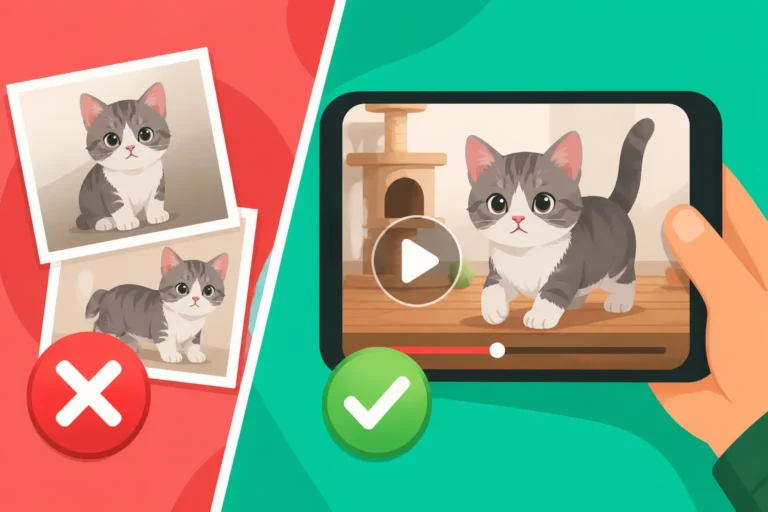
These tactics are designed to rush you into a purchase before you have time to ask critical questions or properly vet the seller. A reputable breeder will encourage questions, invite you to see their facilities (or provide extensive video tours if an in-person visit isn't feasible), and be patient as you make your decision. They want their kittens to go to the right homes, not just any home. If you feel pressured or unable to get straightforward answers, walk away. Remember, Why a Teacup Munchkin Listing Is a Scam and Why a Munchkin Advertised as Dwarf Is a Warning are common tricks used by unscrupulous sellers.
Unhealthy Environments and Early Separation
Visiting a breeder's home (or seeing extensive video of it) is vital. A cheap Munchkin might come from a breeder who houses their cats in unsanitary conditions, cramped cages, or environments lacking proper stimulation. These conditions are not only cruel but also breed illness and behavioral problems. Kittens raised in such places are more likely to be sickly, unsocialized, and prone to fear or aggression later in life. They might not have received proper veterinary care, leading to parasites, infections, or other health issues that will become your problem the moment you take them home.
Another critical red flag is a seller offering kittens for sale before they are at least 12 weeks old. This is a common practice among backyard breeders or kitten mills trying to move inventory quickly. Kittens need those crucial first 12 weeks with their mother and siblings to develop vital social skills, learn bite inhibition, and receive their initial vaccinations. Separating them too early can lead to lifelong behavioral issues, anxiety, and a weakened immune system. A reputable breeder understands the importance of this developmental period and will never release a kitten prematurely. They also ensure that What a Munchkin Kitten Has Had Done by Twelve Weeks before it leaves for its new home.
The Potential Health Fallout of an Ill-Bred Munchkin
The most devastating consequence of buying a cheap, ill-bred Munchkin is the almost inevitable health problems that follow. What you save on the initial purchase price, you will almost certainly pay many times over in veterinary bills, emotional stress, and potential heartbreak. These cats are not just "unlucky"; their health issues are often a direct result of negligent breeding practices.
Increased Risk of Spinal and Joint Issues
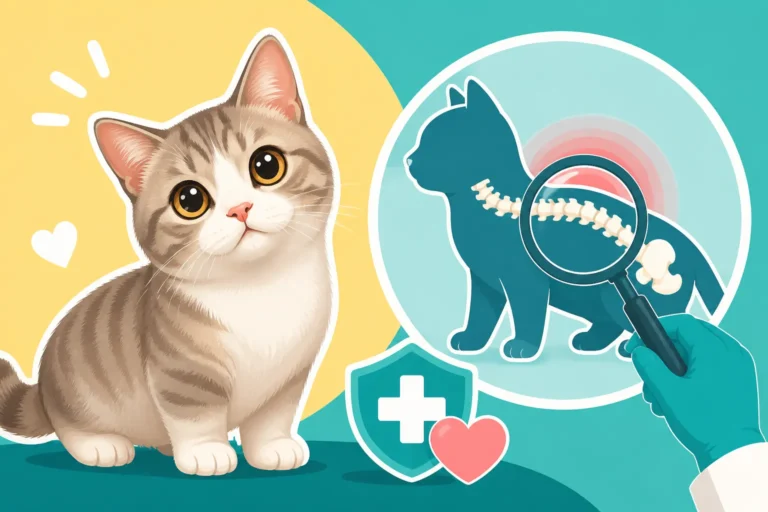
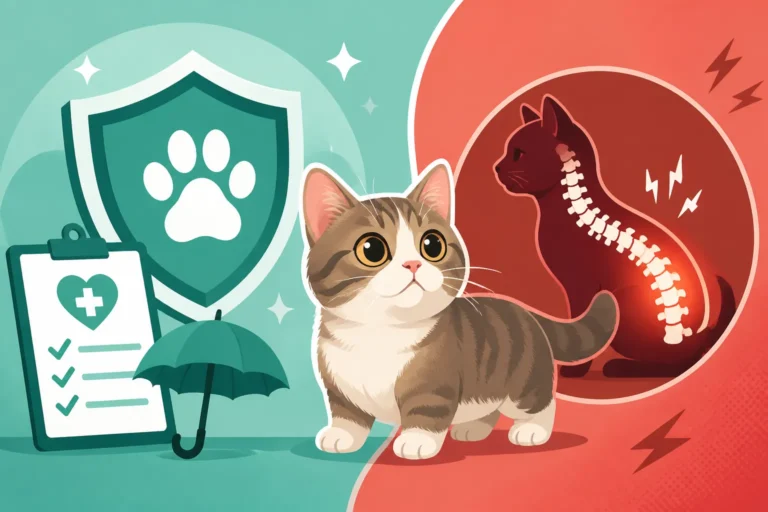
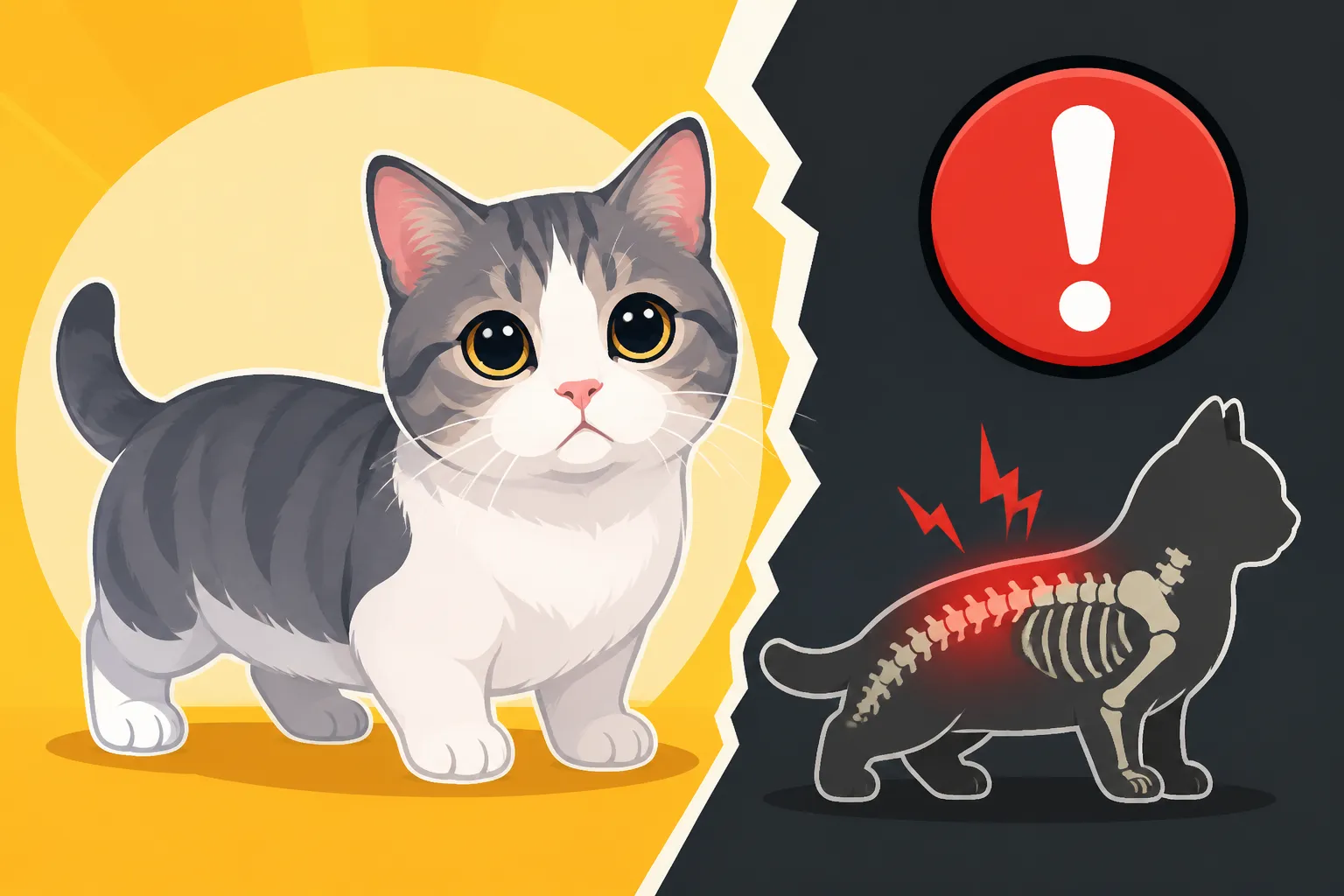
The very characteristic that makes Munchkins unique—their short legs—also predisposes them to certain musculoskeletal challenges if not bred carefully. While a well-bred Munchkin should not suffer chronic pain from its legs, irresponsible breeding can exacerbate potential issues. One major concern is lordosis, a severe inward curvature of the spine. While not exclusive to Munchkins, it can be more prevalent in poorly bred lines, especially if breeders aren't careful about genetic selection. Lordosis can compress internal organs, leading to a host of other health complications and potentially a shortened lifespan. When you look at Lordosis Is the Spinal Curve the Munchkin Argument Is About, you understand why careful breeding is so important.
Similarly, the unique structure of their legs means their joints carry a different load than a long-legged cat. Poor breeding can lead to an increased incidence of conditions like osteoarthritis, particularly in their shoulders and elbows, as these joints take the brunt of movement and landings. This can lead to stiffness, pain, and reduced mobility as they age. A cheap Munchkin might come from lines where these predispositions are ignored, leading to a kitten that develops debilitating joint pain much earlier in life, requiring ongoing veterinary care, pain medication, and potentially costly therapies. A breeder who focuses only on getting kittens out the door quickly often skips the crucial health screenings that could identify parents prone to passing on these issues.
Undisclosed Genetic Conditions
One of the biggest risks of buying from a cheap, unregulated source is the likelihood of undisclosed or un-screened genetic conditions. Reputable breeders invest in DNA testing for their breeding cats to screen for known genetic diseases common in cats, and particularly in any outcross breeds used in the Munchkin's lineage. For instance, if Persian cats are in the background (as they are with the Minuet, a Munchkin hybrid), screening for Polycystic Kidney Disease (PKD) is crucial. A breeder selling cheap kittens is almost certainly not investing in these expensive but vital tests.
This means you could be bringing home a kitten carrying genes for serious, progressive diseases that will only manifest later, costing you thousands in treatment and causing immense suffering for your cat. The shock of receiving a diagnosis for a preventable genetic illness is a heavy burden, both financially and emotionally. This is why a thorough breeder contract and health guarantee are so important, as they demonstrate a breeder's commitment to eradicating such issues from their lines. Without these, you're playing Russian roulette with your kitten's health.
The Lifetime Veterinary Bill Nightmare
The "savings" you make on a cheap Munchkin kitten are almost invariably dwarfed by the eventual veterinary costs. Imagine purchasing a kitten for a few hundred dollars only to face thousands in bills for spinal surgery, ongoing arthritis management, or treatment for a genetic disease that manifests early. This isn't a hypothetical scenario; it's a very real outcome for many who fall for the lure of a cheap pet. These costs aren't one-time expenses either; they can become a recurring drain on your finances throughout the cat's life.
Beyond the major surgeries, there are the cumulative costs of medications, specialized diets, diagnostic imaging like X-rays (especially for potential spinal issues), and frequent vet visits to manage chronic pain or progressive conditions. A pet insurance plan, like those offered by Healthy Paws, can certainly help mitigate these expenses, but some pre-existing conditions or breed-specific issues from irresponsible breeding might not be covered, or premiums could be significantly higher if a cat has a history of problems. The notion that you're saving money on a cheap Munchkin is a fallacy; you're simply deferring the real cost and adding a heavy dose of uncertainty and potential anguish. Think about What a Munchkin Costs Over Thirteen Years, and you'll realize the purchase price is just a tiny fraction of the total investment.
The Environmental and Behavioral Challenges of an Unprepared Home
Bringing a Munchkin into your home requires more than just enthusiasm; it requires a thoughtful approach to their unique physical needs and potential behavioral quirks. A "cheap" Munchkin often signifies an owner who hasn't been properly educated by a breeder, leading to an unprepared environment and potential behavioral issues.
Neglecting Essential Home Adaptations
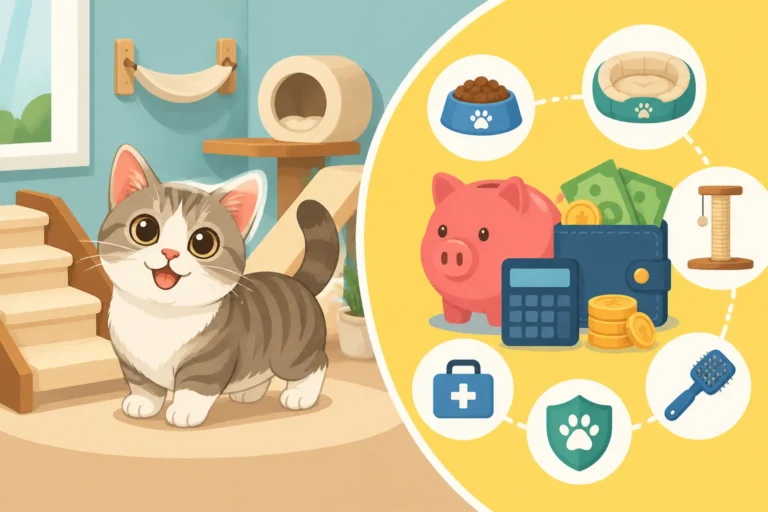
Munchkins, with their adorable short legs, cannot navigate the world quite like a standard cat. They struggle to jump to high surfaces like kitchen counters, windowsills, or even the top of a standard cat tree. A reputable breeder will educate you on these needs and often have their own cattery already adapted, showing you firsthand what's required. They might suggest you prepare your home with ramps, steps, and lower perches before the kitten arrives. If you buy a cheap Munchkin, this crucial guidance is often missing, leaving new owners unknowingly creating a frustrating and potentially harmful environment for their new pet.
Without proper adaptations, your Munchkin might become isolated, unable to access favorite sleeping spots, look out windows, or reach crucial resources like food and water if placed too high. This isn't just an inconvenience; it can lead to stress, accidents from attempting jumps they can't make, or even inappropriate elimination if they can't comfortably access their litter box. Imagine a Munchkin trying desperately to reach a high bed and repeatedly falling, putting strain on its already unique spine and joints. Investing in ramps and steps from the beginning is part of responsible Munchkin ownership. You can find many suitable items through retailers like Chewy, which offers a wide array of pet supplies designed for animals with mobility needs.
Lack of Socialization and Behavioral Problems
Kittens learn essential social skills, manners, and confidence during their early weeks with their mother and siblings. They learn how to play appropriately, how to interact with others, and how to self-soothe. A breeder who sells cheap Munchkins often cuts corners on this vital socialization period, either by separating kittens too early or by raising them in isolated, under-stimulated environments. The result can be a kitten that is fearful, overly shy, aggressive, prone to biting or scratching, or suffers from separation anxiety.
These behavioral issues are not only difficult to live with but can also be incredibly challenging and expensive to correct. Professional animal behaviorists or specialized training might be required, adding another unexpected cost to your "cheap" kitten. Moreover, a poorly socialized Munchkin might struggle to integrate into a multi-pet household or with children, potentially leading to stress for both the cat and the family. A well-socialized Munchkin, by contrast, is a joy to live with, confident, playful, and affectionate, making the initial investment in a reputable breeder incredibly worthwhile.
The Emotional and Financial Strain of Rehoming
Sadly, many "cheap" Munchkins eventually end up in shelters or rescue organizations. This isn't because the cats are inherently "bad," but because their owners were unprepared for the reality of their specific health needs and behavioral challenges. The initial low price blinded them to the lifelong commitment and specialized care required. When veterinary bills become insurmountable, or behavioral problems make living with the cat unsustainable, owners are often forced to make the heartbreaking decision to rehome.
This process is emotionally devastating for both the owner and the cat, which has now lost its home. For the cat, it often means a period of stress, confusion, and further behavioral setbacks. For the owner, it's a heavy burden of guilt and financial loss. Reputable breeders, by contrast, often have clauses in their contracts stating that if an owner can no longer care for the cat, it must be returned to them. This provides a safety net for the cat, ensuring it doesn't end up in a precarious situation. The true cost of a cheap Munchkin often includes the emotional and financial strain of a failed ownership, highlighting the importance of due diligence and responsible purchasing from the outset. Consider Why a Munchkin in an Unadapted House Ends Up Rehomed as a common scenario.
Investing in a Munchkin Means Investing in Its Future
Choosing to bring a Munchkin into your life is a significant decision. It's an investment, not just in a pet, but in a living creature that will rely on you for its entire lifespan. Prioritizing initial savings over responsible breeding practices is a false economy that almost always backfires, leading to greater costs, stress, and heartbreak down the line.
Prioritizing Health Checks and Insurance
From the moment you consider a Munchkin, prioritizing health should be paramount. A reputable breeder will have extensive records of vet checks for the kittens and their parents. They’ll discuss potential health concerns specific to the breed, such as Why the Frequency of Munchkin Spinal Problems Is Disputed or Pectus Excavatum and the Munchkin's Sunken Chest, and explain how they screen for and mitigate these risks. When you bring your kitten home, scheduling an immediate vet check with a vet experienced in Munchkins is crucial to establish a baseline of health.
Beyond that initial check, securing pet insurance, such as a plan from Healthy Paws, is a wise long-term investment. While it won't cover pre-existing conditions, it can be invaluable for unexpected illnesses, accidents, or the potential onset of age-related issues. Think about Whether Pet Insurance Covers a Munchkin's Spine or Why to Insure a Munchkin Before Its Spine Is Imaged; having a policy in place before any issues arise is key. Regular veterinary check-ups throughout your Munchkin's life, including annual wellness exams and potentially more frequent screenings as they age, are essential. An investment in preventative care and insurance is an investment in your Munchkin's longevity and quality of life, far outweighing the superficial savings of a cheap initial purchase.
Budgeting for Ongoing Specialized Care
The cost of a Munchkin doesn't stop at the purchase price, nor does it end with setting up ramps and low-entry litter boxes. Responsible Munchkin ownership requires ongoing specialized care. This includes a high-quality diet specifically formulated for cats, with careful portion control to prevent obesity, which can put immense strain on a Munchkin’s unique skeletal structure. Whatever quality food you choose, portions should be weighed for a Munchkin. Remember, Why Weight Is More Dangerous on a Munchkin.
You'll also need to budget for regular grooming, especially if you have a long-haired Munchkin, as their short legs can make it difficult for them to reach and properly groom their hindquarters. This might mean professional grooming appointments for sanitary clips or tackling mats. Joint supplements may become necessary as your Munchkin ages to support their mobility and comfort. Furthermore, mental and physical enrichment suited to their needs, such as floor-level toys and interactive feeders, are ongoing considerations. These aren't luxuries; they are fundamental aspects of ensuring a Munchkin lives a comfortable, healthy, and enriched life. Skipping these elements to save money can lead to poorer health outcomes and higher vet bills later.
Finding a Breeder Who Cares Beyond the Sale
The relationship with a reputable Munchkin breeder extends far beyond the point of sale. A good breeder will be a resource for you for the lifetime of your cat, offering advice, support, and guidance on everything from diet to behavioral queries. They will want updates on their kittens, caring deeply about their well-being. They're not just selling a product; they're placing a beloved member of their feline family into your care.
They will thoroughly vet you as a prospective owner, asking probing questions about your home, lifestyle, and experience with cats. This might feel intrusive, but it's a sign of their commitment to finding the perfect home for each kitten. They'll welcome your questions and provide detailed answers, demonstrating their knowledge and transparency. Finding such a breeder might take time, research, and a willingness to wait for the right kitten, but this patience pays dividends. It ensures you’re getting a healthy, well-socialized Munchkin kitten from a breeder who operates with integrity and stands by their cats. This peace of mind and ongoing support are invaluable and simply not available when you opt for a cheap, unverified source.
Reputable vs. Bargain Breeder Characteristics
To help clarify the differences, here's a quick comparison of what you can expect from a reputable Munchkin breeder versus a breeder selling suspiciously cheap kittens.
| Feature | Reputable Breeder | Bargain Breeder |
|---|---|---|
| Price | Reflects investment in health, care, and lineage. | Significantly lower than average breed price. |
| Health Guarantees | Comprehensive, written guarantee against genetic issues. | Vague, limited, or non-existent health guarantee. |
| Health Screening | Screens breeding cats for genetic diseases (e.g., PKD). | Unlikely to perform health screening. |
| Veterinary Care | Kittens receive initial vaccinations, deworming, vet checks. | Minimal or no initial vet care for kittens. |
| Paperwork/Registration | Provides TICA registration, pedigree, health records. | No papers, or offers unregistered kittens at lower cost. |
| Kitten Age at Placement | 12 weeks or older. | Often offers kittens younger than 12 weeks. |
| Environment | Clean, stimulating, adapted home environment for cats. | Unsanitary, cramped, or unadapted living conditions. |
| Socialization | Kittens handled, played with, exposed to varied stimuli. | Minimal socialization, kittens may be fearful or undersocialized. |
| Owner Vetting | Asks detailed questions, screens potential buyers. | Quick sale, little to no vetting of buyers. |
| Post-Sale Support | Offers ongoing advice and support for the cat's lifetime. | Disappears after the sale, no support. |
| Transparency | Welcomes visits (or video tours), answers all questions. | Avoids visits, high-pressure tactics, vague answers. |
Disclaimer
This article is for general informational purposes only and does not constitute professional advice. Laws, prices and regulations vary by location and change over time. Consult a qualified professional for guidance on your specific situation.