Why a Munchkin Contract Restricts Which Cats It May Mate
It’s a curious thing when you get that adoption contract for a new Munchkin kitten, isn't it? You're so excited to welcome your tiny, short-legged friend into your home, but then you see clauses that strictly dictate who your cat can (or, more often, cannot) mate with. This can feel a little intrusive or even confusing, especially if you’ve only ever adopted cats with more straightforward "pet only" agreements. But trust me, these restrictions aren't there to make your life difficult; they are absolutely crucial for the health and ethical future of the Munchkin breed, preventing potential suffering and ensuring responsible practices. This guide will walk you through exactly why these contracts are so specific about Munchkin matings.
The Genetic Core: Understanding the Munchkin Gene
The entire reason Munchkins have those adorably short legs comes down to a specific genetic mutation. It's not just a cute quirk; it's a fundamental aspect of their biology that requires careful management in breeding. Without these strict controls, the consequences can be truly heartbreaking.
Autosomal Dominant and Lethal Homozygous
The gene responsible for the Munchkin's short legs is known as an autosomal dominant gene. What does "autosomal dominant" actually mean in plain English? It means that a cat only needs to inherit one copy of this particular gene from one parent to display the short-legged trait. If a cat gets even one copy, boom, short legs. This is distinct from recessive genes, where two copies are needed. This is why you'll often hear about Munchkin Dwarfism Is Dominant and Lethal in Two Copies. Now, here's the critical, often difficult-to-hear part: if a kitten inherits two copies of this short-leg gene – one from each parent – it's lethal. Those kittens, unfortunately, do not survive. They are reabsorbed early in the pregnancy, meaning they never make it to birth. This genetic reality is the cornerstone of why breeding restrictions are so vital. Understanding What Two Copies of the Munchkin Gene Do is essential for any responsible Munchkin owner or aspiring breeder.
The Ethical Imperative: Why Two Short-Legged Cats Are Never Bred
Given the lethal nature of inheriting two copies of the Munchkin gene, you can probably guess why reputable breeders absolutely, unequivocally avoid breeding two short-legged Munchkins together. It's a fundamental rule, an ethical line in the sand. If you mate two short-legged Munchkins, statistics dictate that you'll get a litter where a quarter of the kittens (on average) would inherit two copies of the gene. These kittens would die in utero. Another half would be short-legged, and a quarter would have normal length legs. Essentially, you are knowingly creating a situation where some embryos will not survive, which is a significant welfare concern. This is precisely Why Two Short Legged Munchkins Are Never Bred Together. Any breeder who tells you they breed two short-legged cats together, or doesn't mention this at all, is a massive red flag. Their contract, if they even have one worth the paper it's written on, would certainly not reflect ethical practices.
Breeder Responsibilities and Contractual Safeguards
So, how do responsible breeders actually put these genetic truths into practice? It's all about the contract and the careful planning of every single litter. These documents are more than just paperwork; they're promises to the cats and their future owners.
Protecting the Breed and Individual Cats
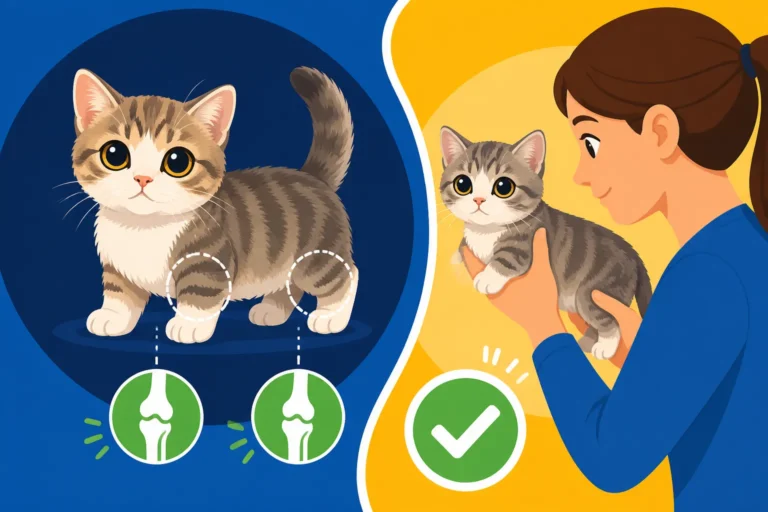
A carefully crafted Munchkin contract is a breeder's way of ensuring the ongoing health and integrity of the breed. It protects individual cats from irresponsible breeding practices that could lead to suffering. When a breeder restricts who a Munchkin may mate, they're not trying to control your cat's love life in a whimsical way. They are actively preventing the kind of disastrous pairings that result in lost lives and potentially unhealthy offspring. This is about maintaining the specific standards for the breed, yes, but more importantly, it's about safeguarding the welfare of these unique felines. Think about it: a Munchkin's spine is already carrying a load in a way a normal cat's does not, due to their unique conformation. Why a Munchkin's Spine Carries a Load a Normal Cat's Does Not is a serious consideration, and irresponsible breeding can exacerbate existing predispositions to spinal issues.
The 'Pet Only' Clause and Desexing Agreements
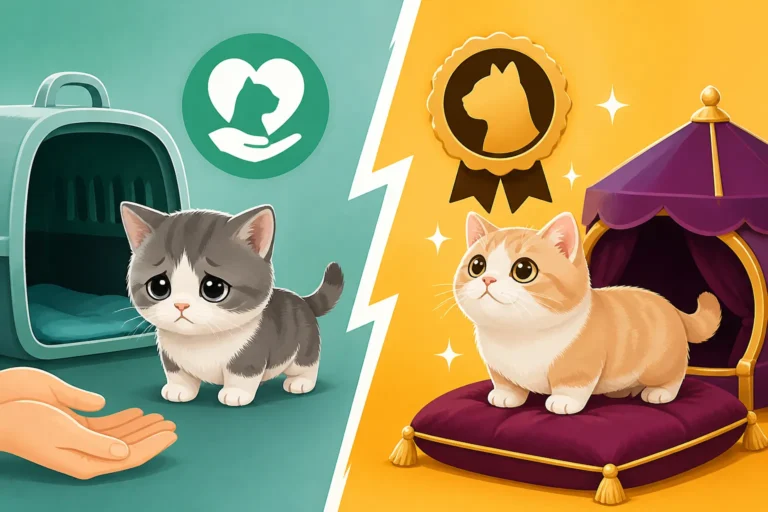
One of the most common restrictions you'll see in a Munchkin contract is the "pet only" clause, often accompanied by a mandatory desexing agreement. This means that if you buy a Munchkin kitten as a pet, the contract will require you to spay or neuter them by a certain age, and explicitly forbid you from breeding them. This isn't just about preventing accidental litters; it's a direct mechanism to control who can and cannot enter the breeding pool. Only carefully selected cats, usually those designated for breeding purposes by the original breeder, are sold with "breeding rights." These cats come with a much higher price tag and usually an even more detailed contract outlining breeding ethics and obligations. This ensures that only knowledgeable, ethical individuals who understand the genetics and health implications are involved in perpetuating the breed. When you understand How a Breeder Plans a Munchkin Mating, you see why such careful control is absolutely necessary.
Outcrossing and Maintaining Genetic Diversity
Another key aspect of Munchkin breeding that necessitates contractual restrictions is the practice of "outcrossing." Unlike many established breeds where only two registered cats of the same breed can mate, the Munchkin breed relies heavily on introducing new genetic lines.
Why Normal-Legged Cats Are Essential for Munchkin Lines
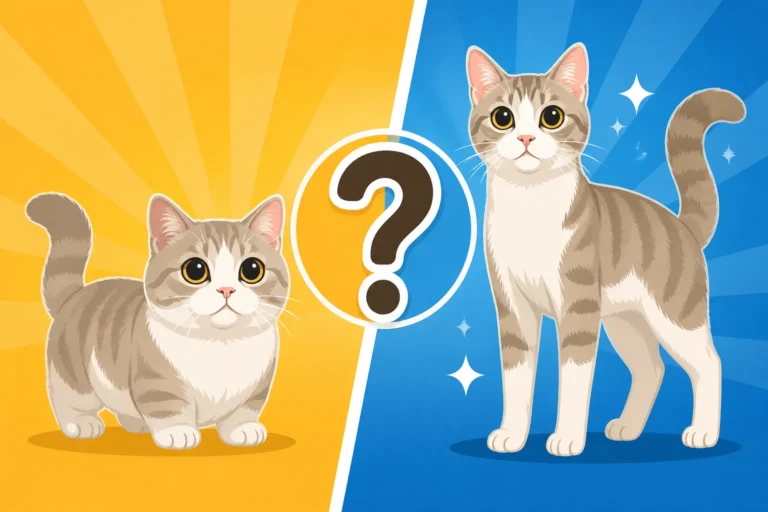
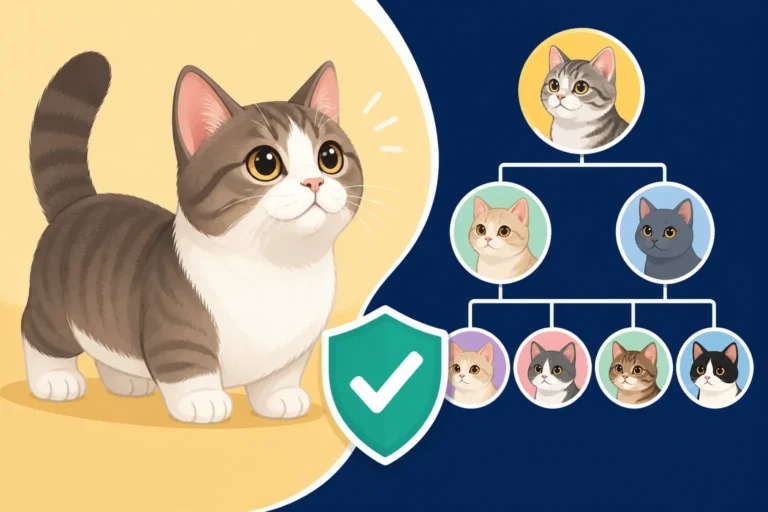
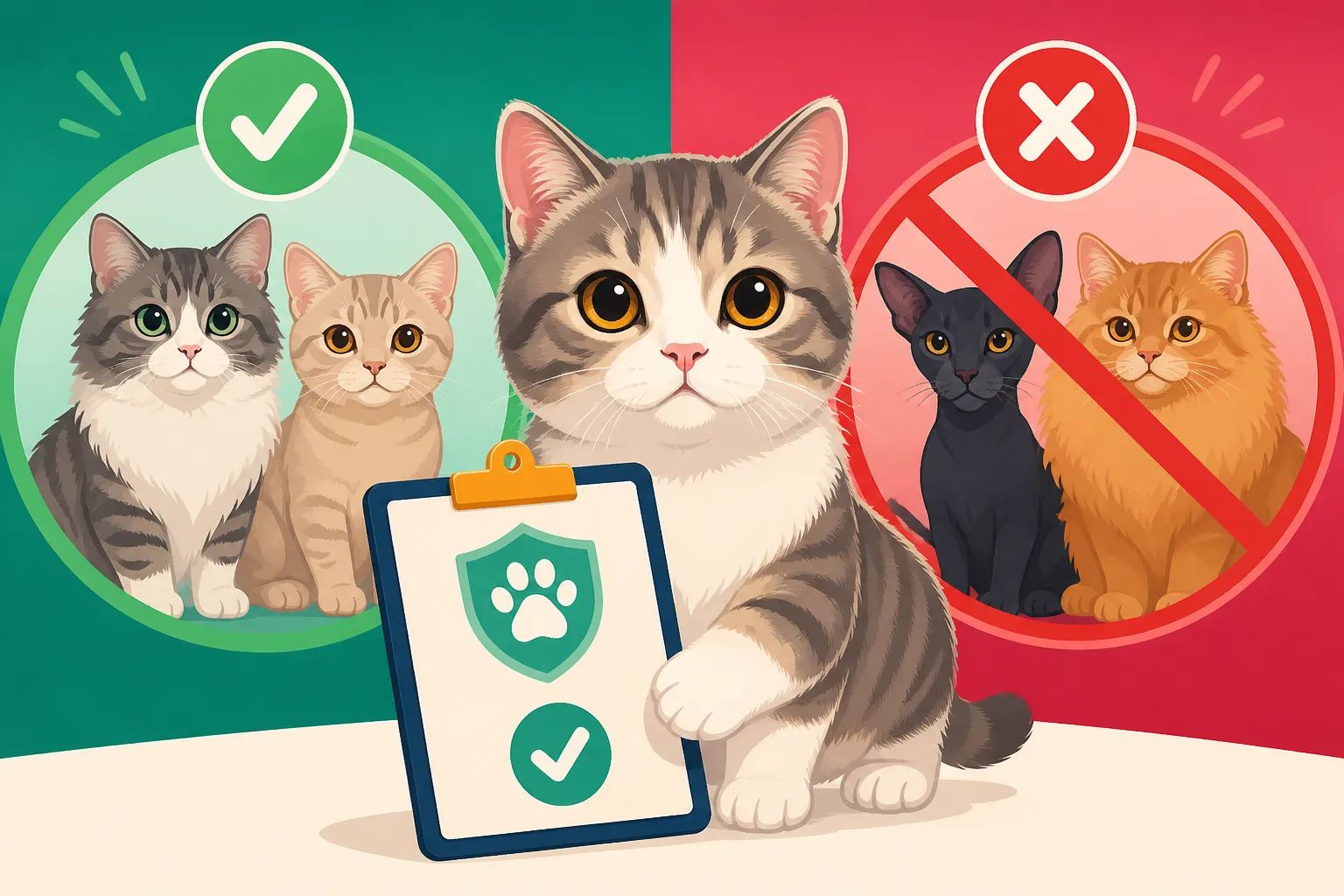
Because breeding two short-legged Munchkins is lethal, every single Munchkin litter must involve at least one parent with normal-length legs. This is the only way to avoid the homozygous lethal outcome. Therefore, a Munchkin cat must always be bred to a normal-legged cat. This normal-legged cat might be a long-legged Munchkin (a cat born in a Munchkin litter but without the short-leg gene), or it might be a cat from an approved outcross breed. This is the core reason Why a Munchkin Is Always Bred to a Normal Legged Cat. This continuous introduction of outside genetics helps maintain a broad gene pool, which is crucial for the overall health and vigor of the breed, preventing issues that can arise from excessive inbreeding.
Approved Outcross Breeds and Registration Rules
The world of cat fancy is quite particular about what constitutes an "approved outcross." For Munchkins, various domestic shorthairs or longhairs are often used, and certain established breeds like the Maine Coon, American Shorthair, or Sphynx might also be approved, depending on the registry and the specific breeding program. These choices are made to ensure that the outcross contributes positively to the Munchkin's health and conformation, while avoiding introducing new, undesirable genetic issues. The Cat Fanciers' Association (CFA), for example, does not recognize the Munchkin breed, but The International Cat Association (TICA) does, and they have clear rules about outcrossing. The contract will likely specify that any breeding must only occur with an approved outcross, often requiring the outcross cat itself to be registered and screened for health. You can delve into Which Domestic Cats Are Used as Munchkin Outcrosses to see the variety involved.
The Dangers of Unregulated Breeding
Ignoring these contractual restrictions isn't just a breach of a legal agreement; it's a dangerous path that leads directly to suffering, both for the cats involved and potentially for unsuspecting future owners.
Health Risks to Kittens and Queens
When individuals breed Munchkins without understanding the genetics or following ethical guidelines, the health risks skyrocket. As discussed, breeding two short-legged cats leads to lethal embryos. But even beyond that, poor breeding choices can increase the prevalence of other health problems known to affect the breed. For example, Munchkins can be predisposed to conditions like lordosis, a severe inward curvature of the spine, or pectus excavatum, a sunken chest. If breeders aren't carefully screening their breeding stock and making informed decisions, they can inadvertently propagate these issues. Imagine a kitten born with severe Lordosis Is the Spinal Curve the Munchkin Argument Is About or Pectus Excavatum and the Munchkin's Sunken Chest – these are not minor issues; they can severely impact a cat's quality of life and require extensive, costly veterinary care. Reputable breeders work tirelessly to minimize the risks of such conditions, and contracts are a tool to ensure this dedication continues down the line.
The Ethical and Legal Ramifications for Unscrupulous Breeders
Beyond the obvious welfare concerns for the cats, those who disregard breeding restrictions face significant ethical and legal ramifications. Ethically, they are contributing to suffering and undermining the efforts of responsible breeders to produce healthy, well-socialized animals. Legally, a breach of contract can lead to financial penalties, repossessing the cat (though this is rare and often complex), and potentially damaging their reputation if they are trying to sell kittens. These contracts are legally binding documents, and reputable breeders take them very seriously. They are protecting their lines, their reputation, and, most importantly, the cats. If you ever come across someone advertising Munchkin kittens who seems unconcerned about these genetic realities or doesn't mention a strict contract, consider it a serious warning. It's often a sign that they are not prioritizing the health and welfare of their animals. For instance, reputable breeders might share extensive health screenings done via a vet to ensure their breeding cats are sound. And any future owner should also budget for vet visits and potentially pet insurance like Healthy Paws.
Comparison of Breeding Practices
Here's a quick look at how responsible and irresponsible Munchkin breeding practices differ:
| Feature | Responsible Breeding Practice | Irresponsible Breeding Practice |
|---|---|---|
| Parent Pairing | Short-leg Munchkin always bred with normal-leg cat. | Short-leg Munchkin bred with another short-leg Munchkin. |
| Genetic Knowledge | Deep understanding of autosomal dominant lethal gene. | Ignorance or disregard for lethal homozygous gene. |
| Health Screening | Extensive health checks for spinal, cardiac, and other issues. | Minimal or no health screening of breeding stock. |
| Contractual Terms | Strict "pet only" clauses, mandatory desexing for pets. | Vague or non-existent contracts, no desexing requirements. |
| Outcrossing | Utilizes approved outcrosses to maintain genetic diversity. | Breeds only within immediate family lines, risking inbreeding. |
| Welfare Priority | Animal health and ethical breeding paramount. | Profit-driven, minimal concern for animal welfare. |
| Documentation | Pedigrees, health records, TICA registration for breeding cats. | Lack of papers, unknown parentage, no health guarantees. |
In conclusion, those seemingly restrictive clauses in a Munchkin contract regarding who your cat may mate are not arbitrary. They are deeply rooted in the unique genetics of the breed and are a crucial safeguard for the health, welfare, and ethical continuation of Munchkin cats. Responsible breeders implement these restrictions to prevent genetic defects, maintain a healthy gene pool, and ensure that every Munchkin kitten born has the best possible start in life. It's a testament to their dedication to these wonderful, short-legged companions.
Disclaimer
This article is for general informational purposes only and does not constitute professional advice. Laws, prices and regulations vary by location and change over time. Consult a qualified professional for guidance on your specific situation.