Whether a Munchkin Guarantee Covers Lordosis
It's incredibly frustrating when you’re navigating the world of Munchkin cat ownership, especially when it comes to understanding breeder guarantees for potential health issues. You want to feel secure in your decision, but the specific language around conditions like Lordosis can feel like a minefield. This guide is here to shed some light on whether a typical Munchkin breeder guarantee might cover Lordosis and what steps you can take to protect yourself and your beloved furry friend.
Understanding Breeder Guarantees and the Munchkin Specifics
When you bring a new kitten into your home, especially a purebred like a Munchkin, you usually do so with the expectation of a healthy companion. Breeders, to varying degrees, understand this and often offer some form of health guarantee. However, what these guarantees actually cover, and for how long, can differ wildly and often leaves new owners feeling confused and vulnerable, particularly with a breed that faces unique hereditary considerations.
What a Typical Breeder Guarantee Promises and What It Doesn't
A standard breeder guarantee often covers congenital or hereditary defects that might manifest within a specific timeframe, usually the first year or two of a kitten's life. These might include serious heart conditions, kidney disease, or other life-threatening genetic issues that are easily identifiable by a veterinary professional. The promise is usually that if such a severe condition arises and is confirmed by a vet, the breeder might offer a replacement kitten, a partial refund, or contribute to veterinary costs, depending on the terms.
However, it's crucial to understand that these guarantees rarely cover everything. Minor illnesses like colds, parasites, or injuries sustained after the kitten leaves the breeder's care are almost universally excluded. More ambiguously, some guarantees might only cover conditions that lead to death, or those requiring extremely expensive, life-altering surgery. The devil is truly in the details of the contract you sign. It’s not uncommon for these contracts to be quite specific, sometimes even naming certain conditions or types of conditions that are explicitly not covered. This can be a huge source of anxiety for new owners, especially when considering conditions that might develop over time, or those that are intrinsically linked to the breed's defining physical traits.
The Unique Challenges of Guaranteeing Munchkin Health
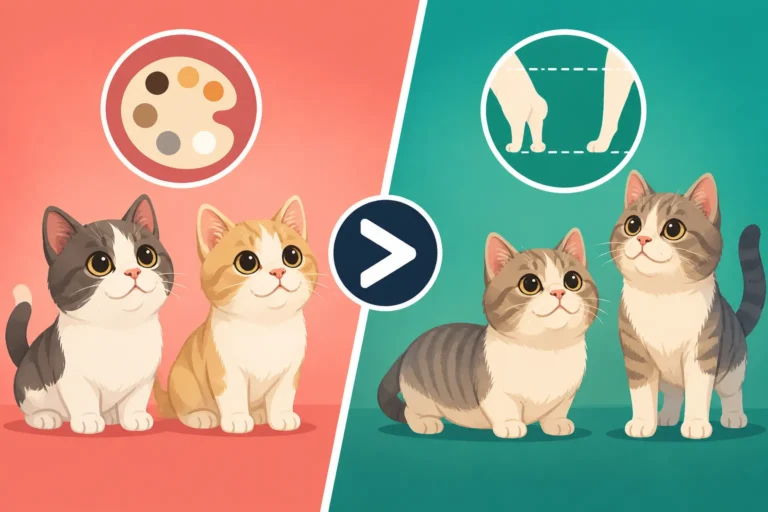
Munchkin cats, with their endearing short legs, carry a dominant gene for dwarfism. While many live full, active lives, this unique skeletal structure means they are predisposed to certain conditions that cats with standard leg lengths are not. Because their defining characteristic is a skeletal mutation, issues related to bone and cartilage can be more prevalent or concerning. This is precisely why a condition like Lordosis Is the Spinal Curve the Munchkin Argument Is About becomes such a point of contention and concern for breeders and owners alike.
Breeders of Munchkin cats are often caught between ensuring the health of their lines and producing the desired physical traits. A truly ethical breeder will be transparent about potential issues and should be able to provide clear health records for their breeding cats, including any screening for conditions commonly associated with the breed. However, the unique nature of the Munchkin's short legs means that even with the best intentions, some conditions might not be easily preventable or detectable at a young age, leading to grey areas in guarantees. It’s not like a simple genetic test for a known disease; some issues relate to the structure itself, which is the very thing that defines the breed.
Why Lordosis Is a Tricky Condition for Guarantees
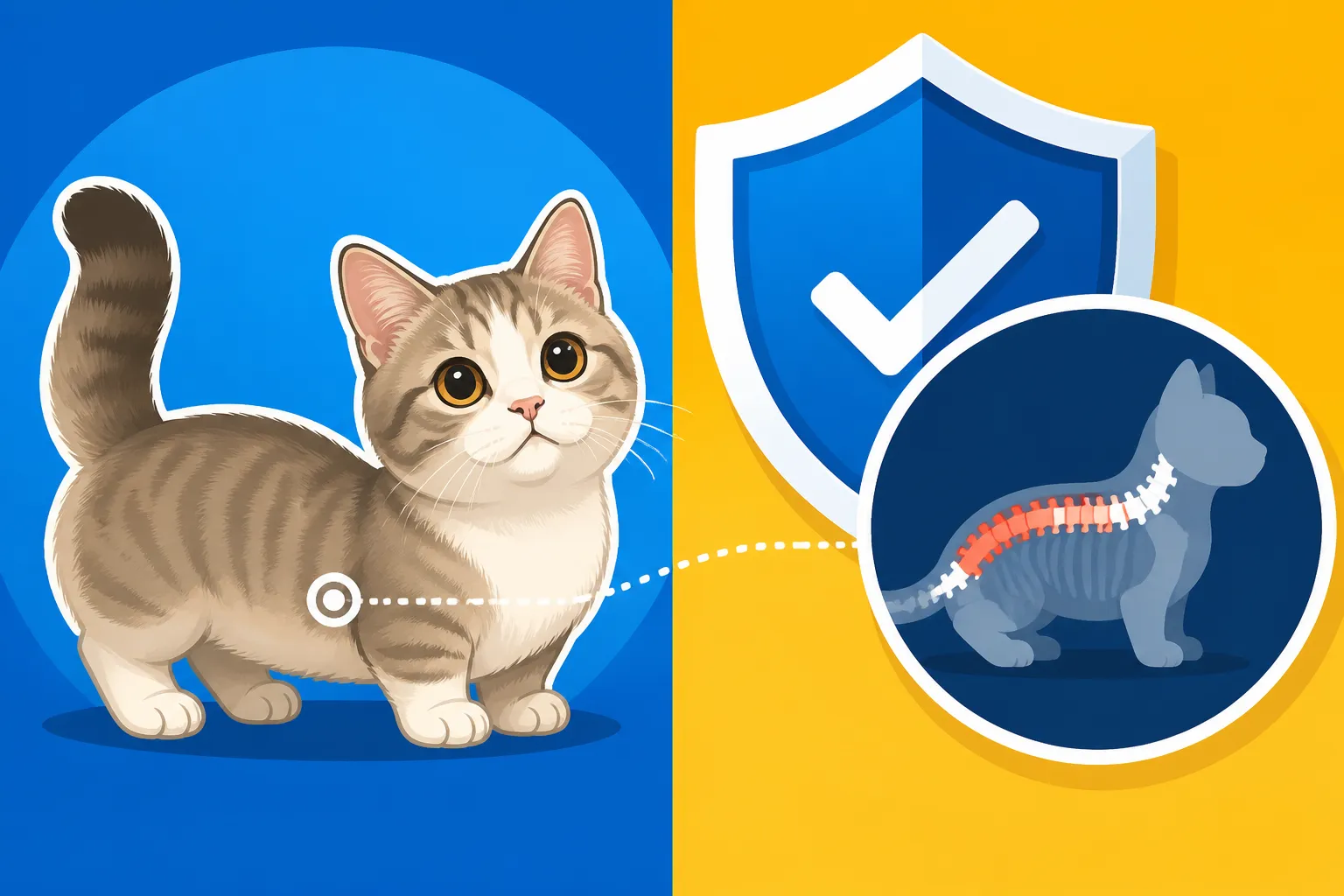
Lordosis, a spinal condition characterized by an excessive inward curvature of the spine, is one of those particularly tricky conditions when it comes to breeder guarantees for Munchkin cats. It's not always present at birth, or at least not obviously so, and can develop or become more pronounced as the kitten grows. This makes it challenging for a breeder to guarantee against it with 100% certainty from day one. Many breeder contracts have a limited timeframe, perhaps 72 hours, for you to have the kitten checked by your vet. While this check can catch obvious issues, a subtle Lordosis might not be immediately apparent.
Furthermore, the severity of Lordosis can vary dramatically. Mild cases might have little to no impact on a cat's quality of life, while severe cases can lead to organ compression, pain, and significantly reduced mobility. How Severe Munchkin Lordosis Can Get is a spectrum, and a guarantee might only kick in if the condition is deemed "severe" or "life-threatening" by a veterinary professional, which leaves a lot of room for interpretation. Why a Munchkin's Spine Carries a Load a Normal Cat's Does Not due to their unique conformation, exacerbating concerns about spinal health and making Lordosis a significant consideration for potential owners. This makes it difficult to establish a clear line in a guarantee: at what point does a curve become a "defect" warranting compensation?
Deciphering the Fine Print: When Lordosis Might Be Covered
Navigating the specifics of a breeder's guarantee is like reading legal jargon – it often leaves you with more questions than answers. When it comes to a specific condition like Lordosis in a Munchkin, it's even more crucial to understand exactly what that piece of paper you signed actually means.
Explicit vs. Implicit Coverage for Spinal Conditions
Ideally, a comprehensive breeder guarantee would explicitly state its stance on spinal conditions, including Lordosis. This kind of transparency, while rare, would make it clear if a specific diagnosis of Lordosis, particularly one impacting the cat's health, would trigger the guarantee's terms. However, many guarantees use broader terms like "hereditary defects" or "congenital abnormalities."
The challenge then becomes proving that Lordosis falls under these general terms. Is it a "hereditary defect" if the degree of curvature is related to the overall skeletal structure inherent to the breed, or only if it's a specific, identifiable genetic mutation beyond the dwarfism gene? This is where disagreements often arise between owners and breeders. Some breeders might argue that mild Lordosis is a common anatomical variation within the breed and not a "defect" in the sense that it impacts the cat's health significantly. This is why getting a copy of the guarantee before you commit to a kitten and discussing these specifics is paramount. Don't be afraid to ask direct questions like, "Does this guarantee cover Lordosis if diagnosed by my vet?"
The Role of Early Diagnosis and Veterinary Confirmation
Most breeder guarantees, especially for conditions that aren't immediately obvious, will require a diagnosis by a licensed veterinarian. For something like Lordosis, this often means early and careful palpation of the spine during initial kitten vet checks. Why a Munchkin Kitten's Spine Should Be Palpated is crucial in catching any abnormalities early. Your vet might even recommend imaging like X-rays if they suspect a spinal issue.
However, proving that Lordosis is a guarantee-eligible condition can be tough. The timing of the diagnosis matters significantly. If the guarantee has a short window, say, the first few weeks, and Lordosis only becomes apparent later on, you might be out of luck. Furthermore, the vet's report will be key. It needs to clearly state the diagnosis, the severity, and ideally, a professional opinion on whether it's congenital or hereditary. A vague diagnosis or one made outside the stipulated timeframe might not be enough to activate your breeder's guarantee. It’s also worth noting that some guarantees might require a second opinion from a specialist vet or even for the cat to be examined by the breeder's own vet, adding layers of complexity and cost to an already stressful situation.
Timeframes and Financial Caps on Guarantees
Even if Lordosis is theoretically covered, the specifics of the guarantee's timeframe and any financial caps are critical. Many guarantees expire after one or two years, or sometimes even just a few months for certain conditions. Whether a Munchkin Guarantee Lasts Past Its First X Ray is a very important question to clarify, as spinal issues might not be fully visible until later growth stages. If Lordosis is diagnosed outside this window, the guarantee is essentially void.
Beyond the timeline, financial caps are another common feature. A breeder might agree to cover a percentage of veterinary costs, or up to a certain dollar amount, which may or may not cover the full extent of diagnostics, treatments, or potential long-term care for a severe case of Lordosis. It’s vital to read the fine print here. If the guarantee offers a replacement kitten, consider the emotional impact and practicalities of that option. Does it mean returning your existing cat? What about the bond you’ve already formed? These are not easy decisions to make when facing a health challenge with your pet. Understanding these limitations upfront can help you plan for potential out-of-pocket expenses and manage your expectations regarding the breeder's responsibility.
| Guarantee Aspect | Typical Coverage | Lordosis Specifics & Challenges | What to Ask Your Breeder |
|---|---|---|---|
| Congenital Defects | Major birth defects, usually life-threatening. | Is Lordosis considered a congenital defect, even if mild? | Is Lordosis explicitly covered under "congenital defects"? |
| Hereditary Issues | Genetically passed conditions (e.g., heart, kidney). | Is Lordosis considered hereditary, or an anatomical variation? | Are there specific genetic tests or screenings for spinal health? |
| Timeframe | Often 1-2 years from purchase. | Lordosis may develop or worsen after this period. | What is the exact timeframe for spinal conditions? |
| Veterinary Proof | Requires licensed vet diagnosis. | Needs clear diagnosis, severity, and confirmation of origin. | What specific veterinary reports are required? |
| Remedy | Replacement kitten, partial refund, vet bill contribution. | May be limited by severity or cost caps. | What is the exact remedy offered for a Lordosis diagnosis? |
Beyond the Guarantee: Other Avenues for Support
While a breeder guarantee is an important safety net, it's rarely a comprehensive solution for every potential health challenge. Especially with a breed like the Munchkin, where specific anatomical considerations can lead to conditions like Lordosis, looking beyond the initial guarantee is a smart, proactive approach to ensure your cat's well-being.
The Value of Pet Insurance for Genetic Conditions
This is where pet insurance truly shines, particularly for breeds known to have certain predispositions. Unlike breeder guarantees that might have strict time limits or exclude conditions they deem "breed-specific nuances" rather than defects, pet insurance can offer continuous coverage for a wide range of illnesses and accidents, including many genetic and hereditary conditions like Lordosis. When considering providers like Healthy Paws, it's crucial to review their policies carefully to understand what is covered regarding hereditary or congenital conditions. Some plans might have waiting periods for certain conditions, or might not cover pre-existing conditions if the Lordosis was noted before the policy began.
Enrolling your Munchkin kitten in a pet insurance plan as early as possible is highly recommended. This ensures that if conditions like Lordosis develop later in life, or if they are diagnosed after initial screenings, you have financial support for veterinary care, diagnostics like When a Munchkin Should Have Its Spine Imaged, and ongoing management. It alleviates the burden of unexpected costs and allows you to make medical decisions based on what's best for your cat, rather than solely on your wallet. Always check the policy's terms regarding specific genetic or hereditary conditions relevant to Munchkins to ensure you have the coverage you need. Whether Pet Insurance Covers a Munchkin's Spine is a specific question you should ask any insurer.
Reputable Breeder Ethics and Post-Sale Support
A truly reputable Munchkin breeder goes far beyond just providing a paper guarantee. They are invested in the lifelong health and well-being of the kittens they produce. This often translates into ongoing support and advice for their adoptive families. Even if Lordosis isn't explicitly covered by the written guarantee, an ethical breeder might still offer guidance, resources, or even contribute to treatment costs out of good faith, especially if the condition is severe and unexpected.
These breeders are usually members of breed clubs, adhere to ethical breeding standards, and are transparent about potential health concerns within their lines. They should welcome questions about their breeding practices, the health history of the parents, and their philosophy on handling health issues that arise post-sale. A breeder who truly cares will be reachable and willing to discuss concerns, even years after you've taken your kitten home. They understand that unforeseen issues can arise and see themselves as partners in your cat's health journey. This level of relationship and trust is often more valuable than any piece of paper.
Proactive Care to Mitigate Lordosis Impact
Even if your Munchkin has a diagnosis of Lordosis, or even just a predisposition, there are many proactive steps you can take to ensure they live a comfortable and happy life. Management of conditions like What Lordosis Does to a Munchkin often revolves around providing a supportive environment and careful monitoring.
This includes providing appropriate ramps and steps to prevent strenuous jumping, maintaining a healthy weight through carefully portioned food to reduce spinal strain, and regular, gentle exercise. Pay close attention to your Munchkin's gait and activity levels; any changes could signal discomfort or progression of the condition. Regular vet check-ups, even if just routine, are crucial to monitor spinal health and catch any issues early. How to Judge a Munchkin's Quality of Life often comes down to careful observation and adapting their environment to their unique needs. By taking these steps, you empower yourself to minimize the impact of Lordosis, ensuring your short-legged companion thrives, regardless of what a piece of paper might or might not cover.
Disclaimer
This article is for general informational purposes only and does not constitute professional advice. Laws, prices and regulations vary by location and change over time. Consult a qualified professional for guidance on your specific situation.