Why a Munchkin Advertised as Teacup Is a Scam
It’s an exciting time when you’re looking to bring a new furry family member home, especially when that member is a charming Munchkin cat. But amidst all the adorable photos and breeder listings, you might stumble upon advertisements for a "Teacup Munchkin," and that can throw a real wrench in your search, making you wonder if you've found something truly special or if it's too good to be true. This guide is here to untangle the truth, explain why the term "Teacup Munchkin" is misleading, and help you identify responsible breeders from those who might be taking advantage of your desire for a pint-sized companion.
The Allure of "Teacup" and Why It's Misleading for Munchkins
The idea of a "teacup" anything is undeniably cute. A tiny pet that can fit in your hand, forever a kitten, seems like a dream for many cat lovers. However, when it comes to Munchkin cats, this term isn't just inaccurate; it's a significant red flag that can indicate concerning breeding practices.
What "Teacup" Actually Means in Pet Terminology
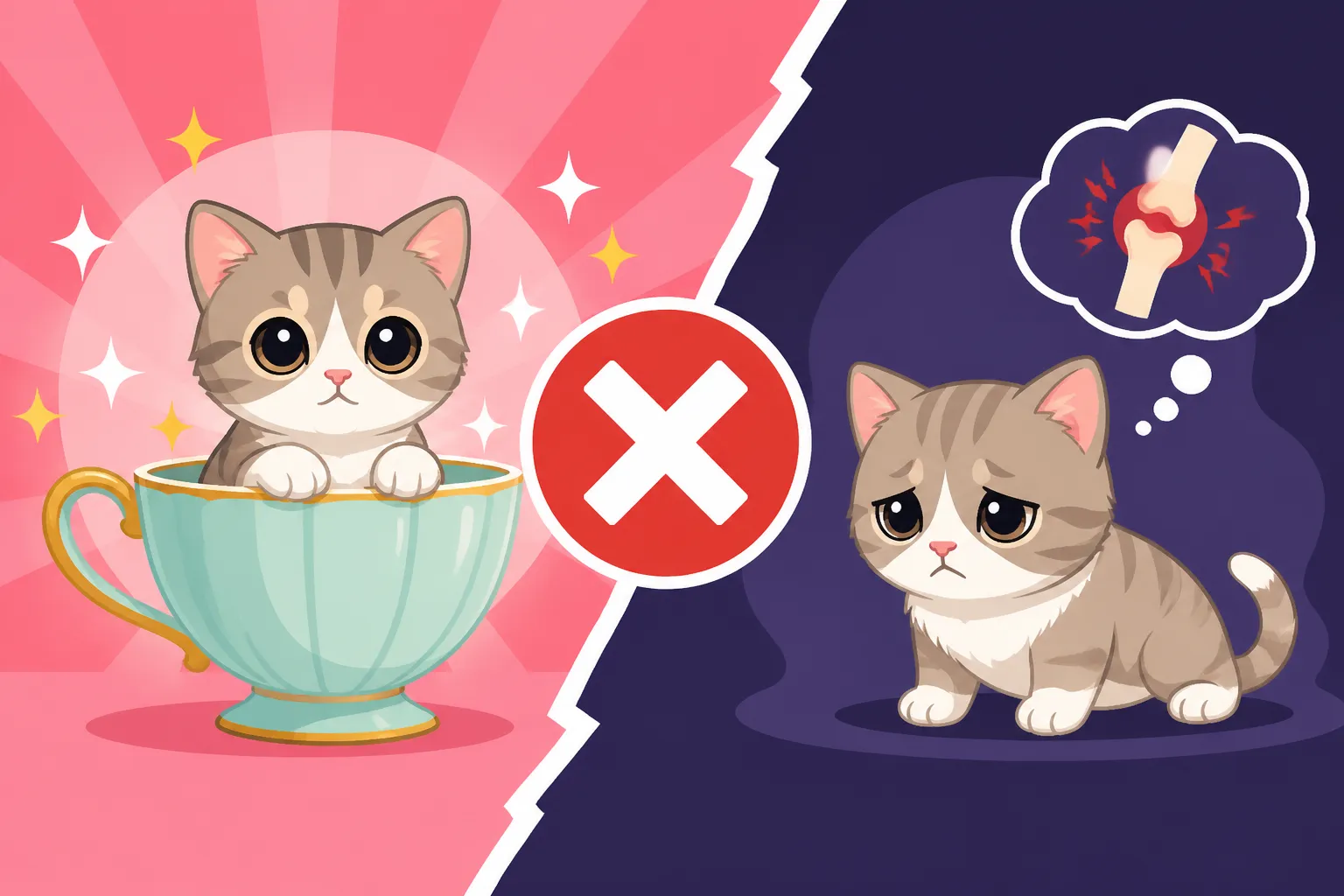
Let's get one thing straight: "teacup" is not a recognized breed, nor does it denote a specific size category within any official cat registry. It's a marketing term, pure and simple, primarily used by unscrupulous breeders to appeal to buyers looking for exceptionally small pets. Historically, this term gained traction with certain dog breeds, implying an animal significantly smaller than the breed standard. Unfortunately, this trend has seeped into the feline world, with the Munchkin cat often being a target because of its naturally smaller stature compared to many other cat breeds.
The use of "teacup" usually suggests a kitten that is either a runt, prematurely taken from its mother, or intentionally bred from the smallest, often sickly, parents. It preys on the desire for novelty and cuteness, often at the expense of the animal's health and well-being. When you see "teacup" attached to any breed, your internal alarm bells should be ringing, signaling a need for extreme caution and deeper investigation.
Why "Teacup" Doesn't Apply to the Munchkin Breed Standard
The Munchkin cat is already a distinct breed known for its naturally short legs, a genetic mutation that gives them their unique, low-slung appearance. Despite their short legs, a Munchkin's body size, weight, and overall build are otherwise comparable to an average domestic cat. They are typically considered small to medium-sized cats, not inherently "teacup" sized. An adult male Munchkin might weigh anywhere from 6 to 9 pounds, and a female from 4 to 8 pounds, which is a perfectly normal range for a domestic cat. Their defining characteristic is the length of their limbs, not their overall body mass.
Reputable organizations like The International Cat Association (TICA), which recognizes the Munchkin breed, have a clear What a Munchkin Looks Like Against the TICA Standard and no mention of a "teacup" division. They outline specific standards for body type, head shape, coat, and leg length variations (standard, rug hugger), all within the context of a healthy, well-proportioned cat. How Big an Adult Munchkin Gets is a natural range, and breeders are focused on breeding healthy cats within that range, not pushing for extreme miniaturization. Therefore, any breeder advertising a "Teacup Munchkin" is essentially inventing a category that doesn't exist within the legitimate cat fancy, and that's a problem.
The Dangers and Realities Behind "Teacup Munchkin" Claims
When you encounter an advertisement for a "Teacup Munchkin," you're not just looking at a mislabeled cat; you're often looking at a potential host of health issues, ethical dilemmas, and a higher risk of being scammed. This isn't just about semantics; it's about the welfare of the animal and your experience as a pet owner.
The Health Risks Associated with Extreme Miniaturization
The pursuit of "teacup" size, whether in dogs or cats, is almost always detrimental to the animal's health. To achieve such a small size, breeders often resort to breeding the smallest individuals in a litter, which are frequently runts, or cats that carry undisclosed genetic predispositions to dwarfism beyond the Munchkin gene. These animals often come with a host of severe health problems. Think about it: intentionally breeding for an abnormally small size can lead to fragile bones that break easily, organ failure due to underdeveloped organs, persistent hypoglycemia, and serious heart defects.
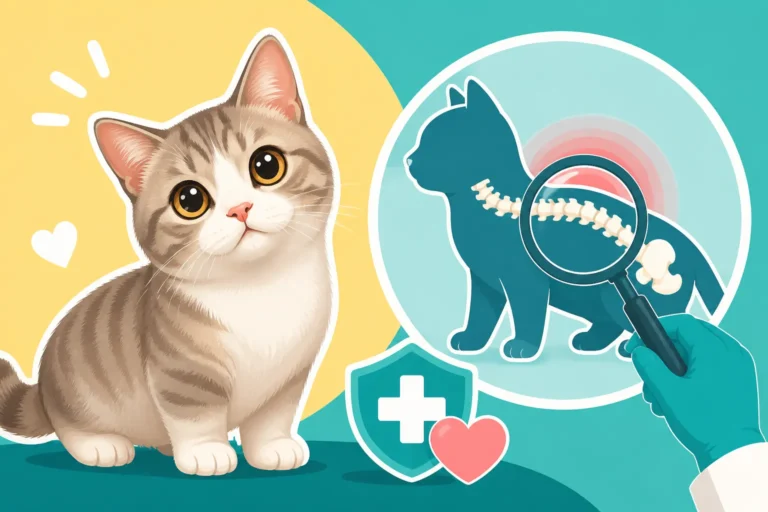
A Munchkin cat already has unique skeletal considerations due to its short legs; Why a Munchkin's Spine Carries a Load a Normal Cat's Does Not is an important aspect of their care. Adding further genetic or developmental stresses through extreme miniaturization only compounds these risks, potentially leading to a lifetime of pain and medical bills for the cat. These kittens are often prone to a compromised immune system, making them susceptible to common illnesses, and may even have dental issues or difficulty regulating their body temperature. This isn't just about a cute small cat; it's about a cat destined for a fragile existence.
Misrepresentation and Scams in the Pet Market
The "Teacup Munchkin" label is a prime tool for pet scams. These breeders understand the appeal of a tiny, rare-sounding cat and are willing to inflate prices significantly for something that is either unhealthy or not what it claims to be. They might sell kittens prematurely, before their true size can be assessed, or before underlying health issues become apparent. You might purchase a "teacup" kitten only to find it grows to a perfectly average Munchkin size, or worse, develops chronic health problems that require expensive veterinary care.
It's heartbreaking to fall in love with a kitten advertised as a rare "teacup" only to face the reality of a sickly pet or a cat that doesn't fit the description. These sellers often operate online, making it difficult to verify their claims or the conditions in which the kittens are raised. They might avoid video calls, only provide staged photos, or rush the sale, pressuring you to commit before you've had a chance to thoroughly research. Why a Munchkin Listed Without a Video Is a Warning – this applies tenfold when you hear "teacup." You want to see the kitten moving, interacting, and to assess its overall demeanor.
Identifying a Legitimate Munchkin Breeder
A truly reputable Munchkin breeder will never use the term "teacup." In fact, they actively distance themselves from such marketing ploys because they prioritize the health and ethical breeding of their cats. What do reputable breeders offer? They provide health guarantees, often for a specific period against genetic diseases. They'll have proper registration papers from organizations like TICA for their breeding cats and kittens. They will be transparent about the parents, allowing you to see them (or at least photos/videos) and their health screenings. They'll openly discuss Which Diseases a Munchkin Breeder Must Declare and can show you documentation of clear health tests.
A responsible breeder will also ask you many questions about your living situation and experience with cats, ensuring their kitten is going to a suitable home. They'll welcome visits to their cattery, or if that's not possible, they'll provide extensive videos and answer all your questions thoroughly. They will also educate you on the specific care needs of a Munchkin, including the importance of joint health and a supportive environment. The table below outlines key differences you might observe between a reputable breeder and one using the "teacup" label:
| Feature | Reputable Munchkin Breeder | "Teacup Munchkin" Seller |
|---|---|---|
| Terminology | Uses "Munchkin," "standard," "rug hugger" | Uses "Teacup Munchkin," "mini Munchkin" |
| Registry | TICA-registered, provides papers | Often unregistered, or claims "rare" status |
| Health Guarantees | Comprehensive, written health guarantees | Vague or no health guarantee, "as-is" sales |
| Parent Access | Encourages meeting or seeing parents, provides health docs | Avoids showing parents, no health history |
| Kitten Age at Sale | 12-16 weeks (fully weaned, vaccinated, socialized) | Often sells kittens under 8-10 weeks |
| Pricing | Consistent, reflective of breed care and health | Inflated pricing for "rarity" |
| Transparency | Open to questions, video calls, cattery visits | Avoids detailed questions, relies on photos |
| Focus | Health, temperament, breed standard | Extreme small size, novelty |
What a Real Munchkin Is and How to Find One
Understanding what constitutes a true Munchkin and how to ethically acquire one is key to avoiding disappointment and ensuring you bring home a healthy, happy feline friend. It’s about celebrating their unique qualities without falling for misleading marketing.
Understanding True Munchkin Characteristics
A real Munchkin cat is simply a domestic cat with a specific genetic mutation that results in noticeably short legs. That's the core of it. Their bodies are typically of normal length and proportion for a cat, and they are generally just as active, playful, and curious as their long-legged cousins. The "dwarfism" refers to the length of their long bones, specifically in their legs, not to a universally miniature body. This is why you'll hear terms like "standard" leg length or "rug hugger" (for exceptionally short legs) within the breed. These are natural variations that occur within responsible breeding programs and are recognized descriptions of leg length, not extreme deviations engineered for marketing purposes.
A well-bred Munchkin, free from the stresses of extreme miniaturization, should have a How Many Years a Well Bred Munchkin Lives span comparable to any other domestic cat, often 12 to 15 years. Their personality is often described as outgoing, affectionate, and intelligent. They are known for their playful nature and their ability to run and play with surprising speed on flat surfaces. The concern isn't their natural short legs; it's when those legs come as part of a package designed for unnatural smallness that issues arise.
Navigating the Search for a Healthy Munchkin
Your journey to finding a healthy Munchkin should always start with thorough research and a commitment to responsible sourcing. Begin by looking for breeders who are registered with TICA and can provide verifiable pedigree information for their cats. Don't be shy about asking questions – lots of them! A good breeder will appreciate your due diligence. Ask for veterinary records for the parents, ensuring they've been screened for common feline health issues. When you're considering a kitten, ask for a detailed rundown of its first vet check, which should cover things like its spine, heart, and overall conformation. What a Munchkin Kitten's First Exam Should Cover is a vital conversation to have.
If possible, visit the cattery. Observing the environment and seeing how the kittens interact with their mother and siblings can tell you a lot about their socialization and health. Look for clean conditions, well-fed cats, and a breeder who is passionate and knowledgeable. If an in-person visit isn't feasible, ask for live video calls where you can see the kittens and their parents in real-time, moving and playing. A solid contract with a health guarantee is paramount. Be wary of any breeder who asks for full payment upfront without a clear agreement or seems to rush the transaction. You might also want to look into pet insurance options from providers like Healthy Paws right from the start, as it can provide immense peace of mind should any unexpected health issues arise down the line, especially with any breed that has unique physical traits.
Remember, responsible pet ownership extends to their diet. High-quality food is essential for any cat's health, and for Munchkins, maintaining a healthy weight is crucial to protect their joints. Quality food can offer excellent nutritional support tailored to your cat's needs. Investing in quality care from day one, rather than seeking out a perceived “bargain” on an unethically bred “teacup” cat, will lead to a far happier and healthier life for your Munchkin, and a more fulfilling experience for you.
Disclaimer
This article is for general informational purposes only and does not constitute professional advice. Laws, prices and regulations vary by location and change over time. Consult a qualified professional for guidance on your specific situation.