Why a Munchkin’s Box Has a Low Front and High Sides
If you're a proud Munchkin parent, you've likely discovered that what works for a typical cat doesn't always work for your adorable low-rider. One of the biggest head-scratchers for new owners, and sometimes even seasoned ones, is finding the right litter box. It's not just about aesthetics; it's about making sure your short-legged friend can comfortably and cleanly do their business without unnecessary strain or stress. This guide will dive deep into why a litter box with a low front and high sides isn't just a convenience but a necessity for your Munchkin's well-being, exploring the unique challenges they face and how to choose and set up the perfect potty station.
The Unique Challenges of a Munchkin's Anatomy
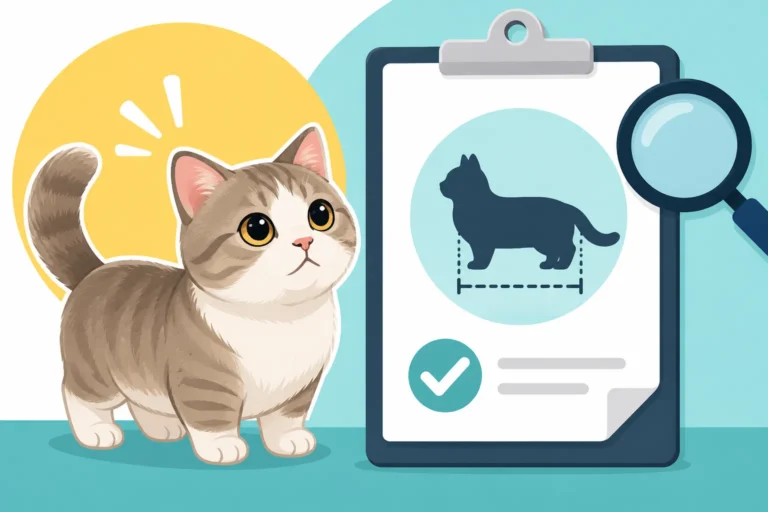
Munchkin cats are truly special, known for their charmingly short legs that give them a distinctive waddle and a lower center of gravity. While these features contribute to their undeniable cuteness, they also come with specific care considerations, especially when it comes to something as fundamental as their litter box. Ignoring these anatomical realities can lead to discomfort, accidents, and even potential health issues over time.
Why Short Legs Make Entry Difficult
Imagine trying to step over a hurdle that's half your height. That's essentially what a standard litter box can feel like for a Munchkin. Their short limbs mean that a regular box with an entry lip of four to six inches can be a significant obstacle. They can't just casually step in; they have to perform a small climb or even a jump, putting undue stress on their front legs and spine. This isn't just an inconvenience; it can be genuinely painful for some cats, especially as they get older or if they have any underlying joint issues. A young, spry Munchkin might manage for a while, but repeated high stepping can take a toll.
This constant effort can also lead to reluctance. If the act of entering the box is difficult or uncomfortable, your Munchkin might start looking for easier alternatives – like the rug beside the box, or a quiet corner of the house. This isn't naughtiness; it's often a direct communication of their discomfort. You might notice them hesitating at the edge, trying a few different approaches, or even bracing themselves with their front paws before making the leap. It's a clear sign that the entry is too high for their comfort.
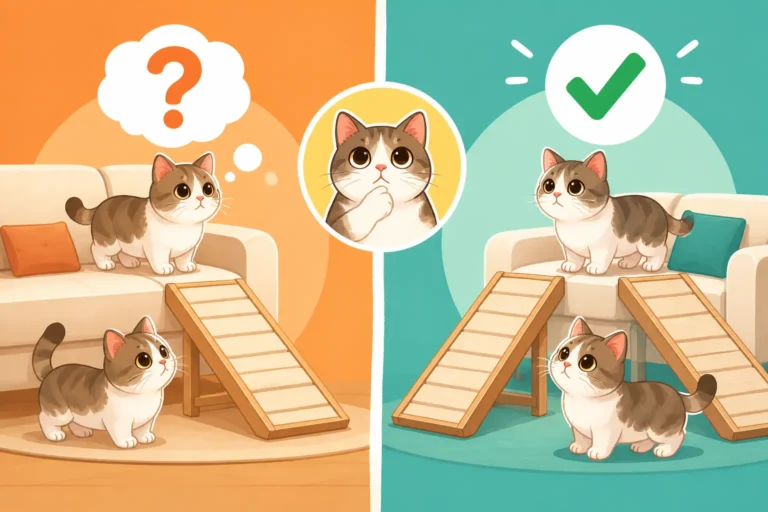
A low front solves this by providing a gentle ramp-like entry, allowing your Munchkin to simply walk in. This reduces strain, promotes good litter box habits, and maintains their dignity. Just think about it from their perspective: a quick, easy stroll into their restroom versus a challenging obstacle course every time nature calls. Making their environment as accommodating as possible for their unique build is key to their long-term health and happiness. For more ideas on what suits them, check out Which Litter Box a Munchkin Can Actually Enter.
The Belly-Dragging Dilemma
Beyond the entry, a Munchkin's low-slung body presents another challenge: the "belly-dragging" dilemma. With their short legs, their belly often sits much closer to the ground, sometimes even brushing it. In a litter box, this means their underside can come into direct contact with the litter as they move around, dig, or position themselves. This isn't just a minor annoyance; it can lead to several problems.
Firstly, it's unhygienic. Litter, even clean litter, can cling to their fur, especially if it's fine-grained or dusty. This can then be tracked outside the box, spreading odors and particles throughout your home. More importantly, it can cause skin irritation or even infections if the litter is particularly rough or if clumping litter gets stuck to their fur, leading to mats and discomfort. Imagine having something irritating stuck to your sensitive skin all day – that's the reality for a Munchkin with litter caught in its belly fur.
Secondly, if their belly regularly brushes wet litter, it can lead to constant dampness, which is a breeding ground for bacteria and yeast. This is especially true for longhaired Munchkins, whose fur on their underside can easily get saturated. This makes a strong case for not just a low entry, but also careful consideration of litter type and how often the box is cleaned. Ensuring a clean litter box is paramount to prevent these issues, and a box that allows them to avoid belly-contact as much as possible is ideal.
Protecting the Spine During Entry and Exit
The Munchkin's distinctive appearance comes from a genetic mutation causing pseudoachondroplasia, which primarily affects the long bones of their limbs. While their spine itself is typically of normal length, the altered mechanics of their movement due to short legs can place different kinds of stress on it. Repeatedly having to arch their back or push off with their hindquarters to clear a high litter box lip can put undue pressure on their spinal column.
This is a subtle but critical point. While a Munchkin's spine isn't inherently "weak," any repetitive motion that involves an awkward twist or significant exertion can contribute to wear and tear over time. Think of it like a human repeatedly lifting a heavy object with poor posture; eventually, something might give. For a Munchkin, constantly navigating a high-sided box can exacerbate any minor predispositions to spinal issues, or simply contribute to overall discomfort. Conditions like lordosis, which is a curvature of the spine, or pectus excavatum, a sunken chest, might not be directly caused by litter box access but can be made worse by activities that strain the trunk and back. You can learn more about spinal considerations in Why a Munchkin's Spine Carries a Load a Normal Cat's Does Not.
By providing a low-front entrance, you eliminate the need for this kind of strenuous movement. Your Munchkin can step in and out smoothly, maintaining a more natural spinal alignment throughout the process. This proactive approach to their physical comfort is part of responsible Munchkin ownership and can help prevent potential aches, pains, or more serious mobility issues as they age. Every little bit of thoughtful adaptation in their environment adds up to a much happier, healthier life for your furry companion.
Understanding the Ideal Litter Box Design for Munchkins
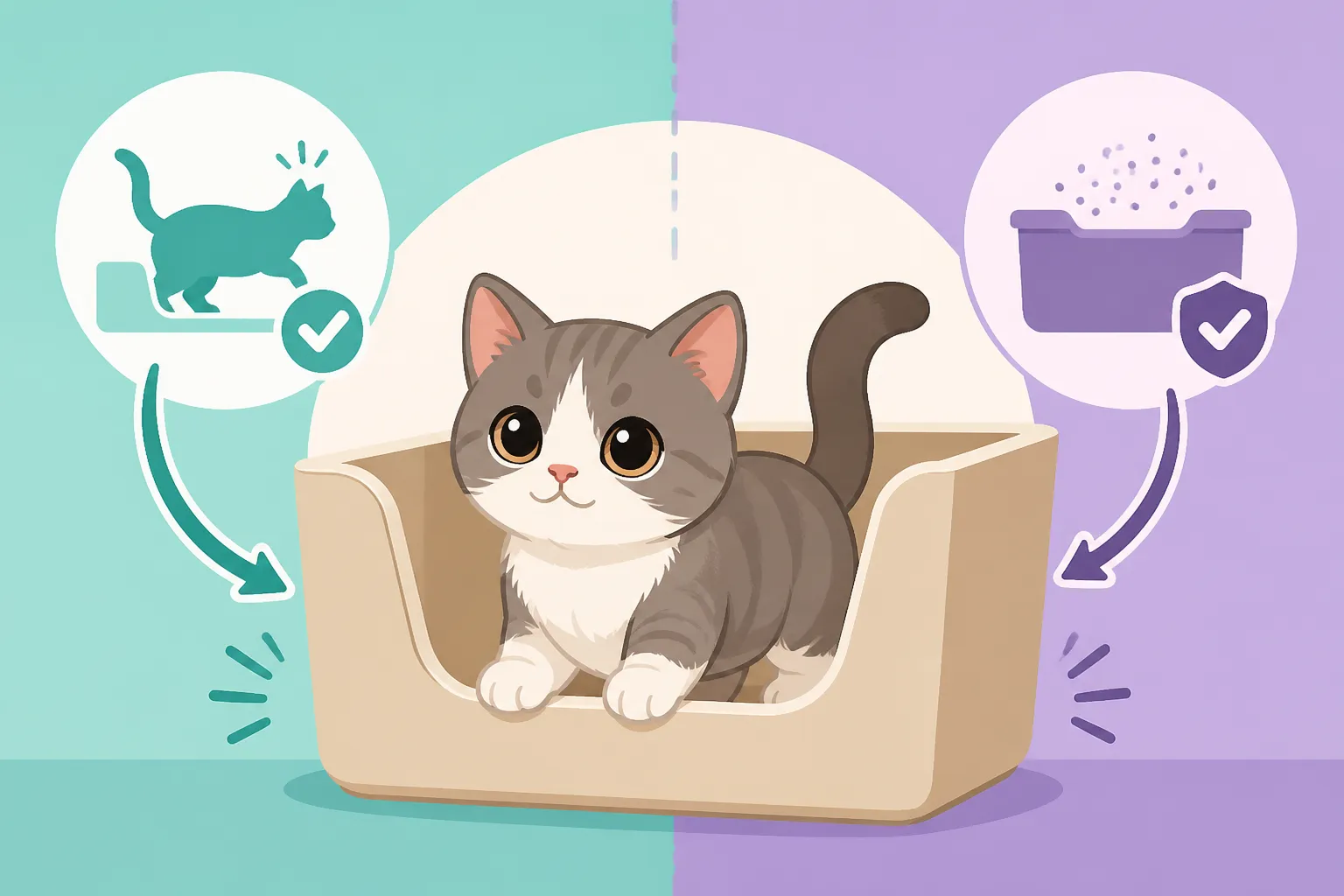
When it comes to selecting the perfect litter box for your Munchkin, it's all about balancing accessibility with containment. You need a design that acknowledges their short stature while still effectively managing the inevitable mess that comes with cat ownership. The seemingly simple combination of a low front and high sides is the sweet spot that achieves this balance beautifully.
The Low Front: Easy Access, Less Strain
The low front is, without a doubt, the most crucial feature for a Munchkin-friendly litter box. As we discussed, their short legs make scaling traditional high edges difficult and potentially painful. A low front, ideally no more than two to three inches high, allows them to simply walk into the box without needing to jump or stretch excessively. This preserves their joint health, reduces the risk of accidents outside the box, and ensures they remain confident and comfortable using their designated potty spot.
There are several options for achieving this low entry. Many companies now offer "senior cat" or "special needs" litter boxes that feature one side significantly lower than the others. These are often perfect for Munchkins. Alternatively, some clever owners have even modified existing litter boxes by carefully cutting down one side, though this requires precision to avoid sharp edges and maintain structural integrity. You could also create a small ramp leading up to a slightly higher entrance, but a truly low-front box is usually the most seamless solution. Consider searching on retailers like Chewy for "low entry litter box" or "senior litter box" to see a wide array of choices designed with accessibility in mind. Learning How Low a Munchkin's Litter Box Front Must Be is an excellent starting point for your search.
Making the litter box accessible isn't just about their physical comfort; it's about their psychological well-being. A cat that can easily access its litter box is a cat less likely to develop behavioral issues related to elimination. A low front signals to your Munchkin that this is a safe, easy place to relieve themselves, reinforcing positive habits from the start.
The High Sides: Containing the Mess
While a low front is essential for entry, high sides address the other common litter box challenge: mess. Cats, by nature, are diggers. They instinctively scratch and cover their waste, and many Munchkins are no exception. Their vigorous digging, combined with their low body profile, can result in a significant amount of litter being kicked out of a standard box with uniformly low sides. Their short legs mean they might also spray higher than you'd expect or simply be too low to the ground to avoid splashing over the edge.
High sides, typically around 8-12 inches or more on the other three sides (and sometimes even higher at the back), act as a robust barrier. They effectively contain stray litter, prevent urine from accidentally spraying over the edge, and keep waste odors more localized. This not only makes your cleaning routine easier but also creates a cleaner environment for your Munchkin. Less scattered litter means less chance of them stepping on it and tracking it through the house, and a reduced risk of it clinging to their belly fur.
Many commercial litter boxes perfectly combine a low front with high sides, often tapering or having one side specifically designed for easy entry. These designs minimize the need for sweeping around the litter box multiple times a day and protect your flooring from spills and odors. This thoughtful design means you get the best of both worlds: easy access for your Munchkin and effective mess management for you.
Material and Size Considerations
Beyond the height of the sides, the material and overall size of the litter box are also important for your Munchkin's comfort and your ease of cleaning. Most litter boxes are made from plastic, which is generally durable and easy to clean. However, consider the quality of the plastic; cheaper plastics can absorb odors over time and scratch more easily, creating nooks for bacteria to hide. Smooth, sturdy plastic is preferable.
Size is another key factor. Even though Munchkins are smaller cats, they still need ample space to turn around, dig, and position themselves comfortably within the box. A cramped box can make them feel vulnerable and might deter them from using it. A general rule of thumb is that the litter box should be at least 1.5 times the length of your cat, from nose to the base of their tail. For Munchkins, this means a generous floor area is necessary, even if they aren't as tall. A large, open pan is often better than a smaller, covered one, as covered boxes can trap odors and make it feel even more confined. To avoid feeling cramped, Why a Covered Box Is Wrong for a Munchkin provides more details on issues with enclosed boxes.
| Feature | Standard Litter Box | Munchkin-Friendly Litter Box | Benefit for Munchkin |
|---|---|---|---|
| Entry Height | Typically 4-7 inches all around | One side 2-3 inches low | Easy, strain-free entry |
| Side Height | All sides uniform (4-7 inches) | Three sides 8-12+ inches high | Contains litter, prevents spray |
| Overall Size | Varies, often smaller footprint | Ample internal space (1.5x cat length) | Allows comfortable movement and digging |
| Covered Options | Common | Generally avoided | Better airflow, less confinement |
| Material | Plastic, can vary in quality | Sturdy, smooth plastic preferred | Durability, ease of cleaning, hygiene |
This combination of thoughtful design elements ensures that your Munchkin's litter box is not just a functional item, but a comfortable and hygienic space that respects their unique physical needs.
Setting Up the Perfect Munchkin Litter Station
Once you've chosen the ideal litter box with its low front and high sides, the next step is to set up a litter station that maximizes comfort and cleanliness for your Munchkin. It's not just about the box itself; placement, litter type, and your ongoing maintenance routine all play crucial roles in creating a positive experience for your cat and a harmonious home for you.
Placement and Accessibility
The location of the litter box is paramount. For a Munchkin, accessibility means more than just being able to step into the box; it means the box should be in a quiet, easily reachable spot that doesn't require them to navigate stairs or tricky obstacles to get to. While they are surprisingly agile on the flat, Why a Munchkin Should Not Use Stairs Repeatedly explains why stairs can be challenging and should be avoided if possible for their main litter box. If you live in a multi-story home, ideally, you should have a litter box on each floor, positioned in a low-traffic area where your Munchkin feels safe and private.
Avoid placing the litter box right next to loud appliances, in high-traffic hallways, or near their food and water bowls. Cats are naturally clean creatures and appreciate privacy for their bathroom breaks. If the box is in a bustling area, they might feel too exposed or stressed, leading them to seek out more secluded (and often less appropriate) spots. Think about what makes you comfortable in a bathroom; privacy and quiet are usually high on the list, and it's no different for your feline friend. Ensure there's enough space around the box for them to approach from different angles, turn around, and exit easily. If you have multiple Munchkins, remember the general rule of thumb: one litter box per cat, plus one extra, if space allows. How Many Low Entry Boxes a Munchkin Needs delves into this further.
Litter Type and Depth
The type of litter you use can significantly impact your Munchkin's comfort and hygiene. Since their bellies are closer to the ground, dusty litters can be problematic, potentially irritating their respiratory system or clinging more readily to their fur. Opt for a low-dust, unscented litter. Many cats are sensitive to strong fragrances, which can deter them from using the box. Scoopable, clumping litters are generally preferred as they make cleaning much easier, allowing you to remove waste efficiently and keep the box fresher.
When it comes to depth, a moderate amount is usually best. Too little litter, and your Munchkin might not have enough material to dig and cover, leading to uncovered waste and stronger odors. Too much, and it increases the likelihood of their belly dragging through it or them kicking it out. Aim for about two to three inches of litter. This provides sufficient depth for digging and covering without being excessive. Regularly scooping is also key; a dirty litter box, regardless of type, will be unappealing to your fastidious Munchkin. Remember Which Litter Suits a Munchkin's Low Belly when making your selection.
For convenience, consider purchasing litter in bulk from retailers like Chewy, which often have a wide selection of low-dust, unscented options. This ensures you always have a fresh supply on hand and can maintain regular cleaning without running out unexpectedly.
Maintaining Hygiene for a Low-Rider
Maintaining impeccable hygiene around a Munchkin's litter box is more critical than with a standard cat, largely due to their unique anatomy. As discussed, their low profile makes them more prone to getting litter, and potentially waste, stuck to their underside or hindquarters. This necessitates a proactive grooming and cleaning routine.
Regular daily scooping (at least twice a day) is non-negotiable. This prevents the buildup of waste, reduces odors, and ensures your Munchkin always steps into a clean environment. Every few weeks, the entire litter box should be emptied, washed with mild soap and water, and thoroughly dried before refilling with fresh litter. Avoid harsh chemicals or strong detergents, as their lingering scents can be off-putting to cats.
Beyond the box itself, your Munchkin's personal hygiene might need a little extra help. Regularly check their hindquarters and belly for any clinging litter or waste. If they have longer fur, a sanitary clip around their rear can be incredibly beneficial in keeping them clean. Why a Munchkin's Belly Fur Needs Checking is a good article to reference for how frequently you should be doing this. Gentle brushing, especially around their back and hind legs (as outlined in How Often to Brush a Munchkin's Back), can also help remove loose litter and prevent matting that could trap debris. If you notice any redness, irritation, or signs of discomfort around their bottom or belly, don't hesitate to consult your vet. These issues, if left unaddressed, can escalate into more serious skin infections.
Common Litter Box Mistakes to Avoid
Even with the best intentions, it's easy to fall into common traps when setting up a litter box for a Munchkin. Understanding these potential pitfalls can save you a lot of trouble, stress, and vet visits down the line. It's about being proactive and remembering that their unique anatomy requires specific considerations.
The Problem with Standard High-Sided Boxes (without low entry)
Many cat owners, wanting to contain litter scatter, often gravitate towards standard high-sided litter boxes. While the high sides are beneficial for mess containment, if these boxes lack a specific low-entry point, they become a major hurdle for a Munchkin. These boxes typically have uniform high walls all around, meaning your cat has to hoist themselves over a tall barrier every single time they need to use the bathroom.
This continuous climbing and jumping can lead to significant physical strain on their joints, shoulders, and spine. Imagine doing a mini-workout every time you use the restroom. It quickly becomes tiring and potentially painful, especially as they get older or if they develop arthritis. This physical deterrent is a primary reason why Munchkins might start avoiding the litter box altogether, opting for more accessible (and inconvenient for you) spots around the house. They might even develop a fear or aversion to the box itself, associating it with discomfort. When a cat starts eliminating outside the box, it's almost always a sign of an unmet need, and for a Munchkin, a too-high entry is often the culprit. Ignoring these signals can lead to stress for your cat and frustration for you.
Top-Entry Boxes: A No-Go for Munchkins
Top-entry litter boxes have become popular for their ability to contain litter scatter and provide a discrete appearance. However, for a Munchkin cat, these are almost universally a bad idea. These boxes require a cat to jump onto the lid and then down into the box through an opening at the top. This two-stage jump is incredibly difficult, if not impossible, for most Munchkins due to their shortened legs.
Expecting a Munchkin to perform these gymnastics multiple times a day is unrealistic and places immense strain on their delicate joints and back. It can easily lead to injuries from misjudged jumps, or worse, total avoidance of the litter box. A cat that cannot safely or comfortably access its litter box is a cat set up for failure. While the idea of a top-entry box might be appealing for its aesthetic and scatter-reducing properties, it simply doesn't align with the physical capabilities of a Munchkin cat. Always prioritize accessibility over aesthetics when it comes to essential items like a litter box for your short-legged companion.
Ignoring Litter Box Issues (and their consequences)
Perhaps the most significant mistake is ignoring any signs of litter box problems. Cats are incredibly good at hiding discomfort, but changes in litter box habits are often the clearest indicator that something is amiss. If your Munchkin starts eliminating outside the box, straining to urinate or defecate, or showing reluctance to use the box, it's a red flag. Dismissing these behaviors as mere "naughtiness" or "stubbornness" can have serious consequences for your cat's health and your household harmony. Why a Munchkin Will Go Outside a Box It Cannot Enter can help you understand the urgency of addressing these issues.
Urinating outside the box, for instance, could be a sign of a urinary tract infection (UTI), bladder stones, or even kidney disease. Straining to defecate could indicate constipation. While an inaccessible litter box might be the initial cause, these issues can quickly become medical emergencies. Prompt veterinary attention is crucial for any changes in elimination habits. Early diagnosis and treatment can prevent more severe complications and suffering.
Ensuring your Munchkin has an appropriately designed litter box is a proactive step in preventing these issues. It's an investment in their comfort and health. While pet insurance providers like Healthy Paws might cover unexpected veterinary costs, preventing issues through proper care, including the right litter box, is always the best approach. A comfortable, hygienic litter box contributes significantly to your Munchkin's overall quality of life, making both of your lives much more pleasant.
Disclaimer
This article is for general informational purposes only and does not constitute professional advice. Laws, prices and regulations vary by location and change over time. Consult a qualified professional for guidance on your specific situation.