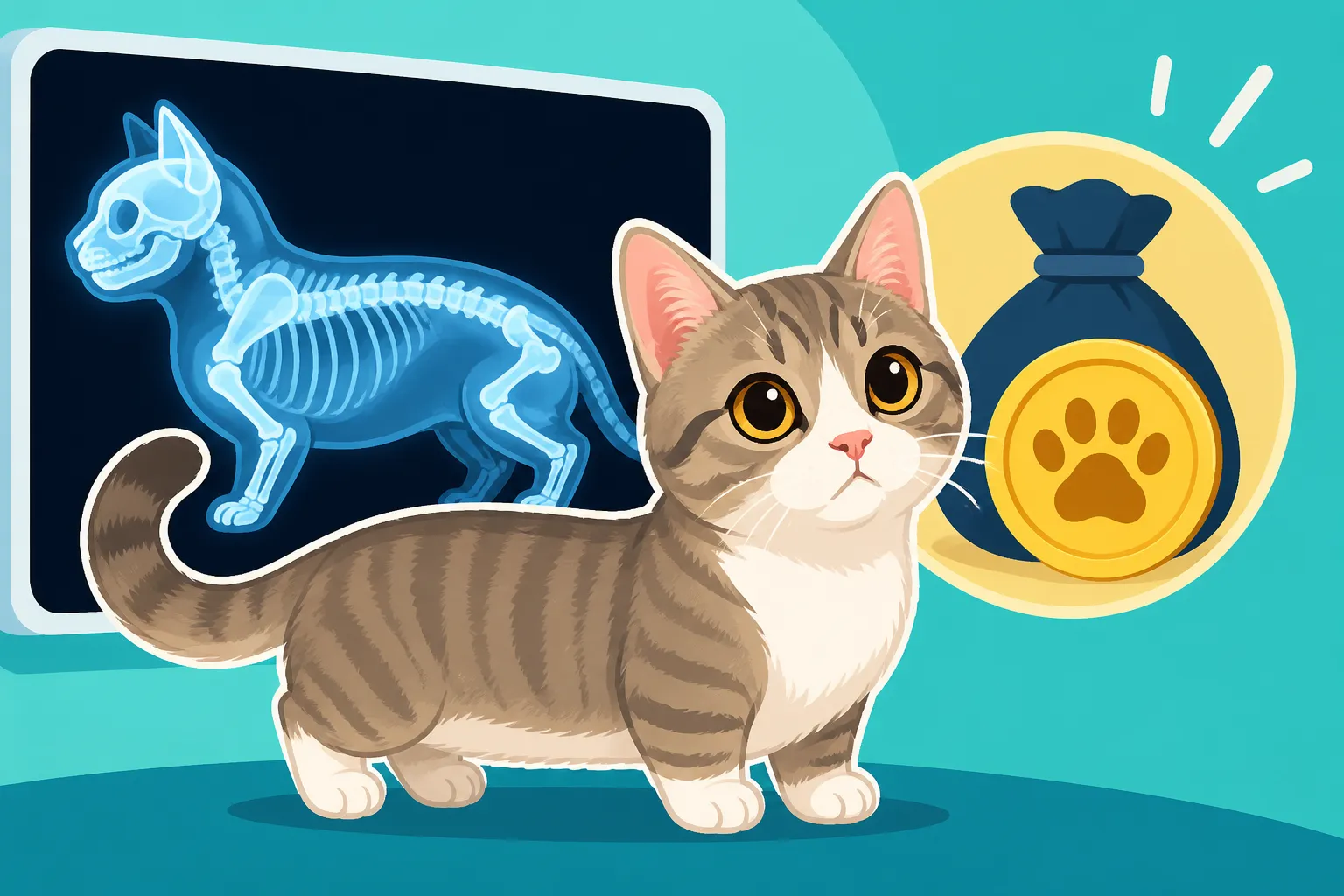
What Spinal X Rays Cost for a Munchkin
It’s a universal worry for any pet parent: that sudden limping, the uncharacteristic reluctance to jump, or a subtle change in gait that makes your heart sink. When it comes to our beloved Munchkins, these signs can be particularly alarming, often leading us to wonder if a spinal issue is at play. The thought of spinal X-rays immediately brings up questions not just about our cat's health, but also the inevitable financial strain. This guide is here to walk you through what spinal X-rays for your Munchkin might entail, helping you understand the costs involved and how to prepare for them, so you can focus on getting your furry friend the care they need without added stress.
Why a Munchkin Might Need Spinal X-Rays
Munchkins are famous for their endearing short legs, a genetic trait that also brings with it some unique considerations for their skeletal health, especially their spine. While many Munchkins live long, active lives without major issues, their distinctive build means that some conditions are more closely watched. When your vet recommends spinal X-rays, it's never a light suggestion; it's usually prompted by symptoms or as a proactive measure based on breed understanding.
Pinpointing the Cause of Back Pain or Weakness
Just like us, cats can experience back pain, weakness, or nerve issues that impact their mobility and comfort. For a Munchkin, whose spine already carries a unique load due to their short limbs, these symptoms can be particularly concerning. You might notice your Munchkin struggling to climb onto a favorite Munchkin Is a Normal Cat That Cannot Reach chair, hesitating before attempting a small jump it used to clear easily, or even displaying a change in how they walk, often described as a "ferret-like" gait. They might cry out when picked up, or become unusually withdrawn.
These could be indicators of various spinal problems, ranging from disc issues to degenerative changes. X-rays are crucial because they allow your veterinarian to get a clear picture of the bone structure. They can reveal changes in vertebral alignment, signs of arthritis in the tiny joints along the spine, or even fractures that might not be visible externally. Without this diagnostic tool, it’s much harder for a vet to accurately diagnose the root cause of your Munchkin’s discomfort and recommend the most effective treatment plan. It's about getting to the bottom of things quickly to prevent further suffering.
Proactive Checks and Breed-Specific Vulnerabilities
Beyond reacting to obvious symptoms, sometimes spinal X-rays are recommended as a proactive measure, especially in kittens or as part of a senior cat's routine health check. Caring for a Munchkin Past Ten is a different ball game, and X-rays can be a part of managing their later years. The Munchkin breed is known to have a higher predisposition to certain spinal conditions such as lordosis, a severe inward curvature of the spine, and pectus excavatum, a sunken chest that can sometimes be associated with spinal anomalies.
A responsible breeder should be able to provide information on the health of their lines, but even with careful breeding, these conditions can arise. Early detection through X-rays allows for better management and can sometimes prevent progression to more severe stages. For instance, lordosis can compress internal organs if it becomes too severe, impacting breathing and digestion. What Lordosis Does to a Munchkin can be quite debilitating. Similarly, What Pectus Excavatum Does to a Munchkin's Chest might compromise lung function. Routine X-rays, particularly in younger cats, can help identify these issues before they become life-threatening, giving you and your vet a head start on a management strategy.
Decoding the Price Tag for Munchkin Spinal X-Rays
It's no secret that veterinary care can be a significant expense, and diagnostic imaging like X-rays can often feel like a hefty bill on top of consultation fees. The cost of spinal X-rays for your Munchkin isn't a single, fixed number; it varies widely based on several factors, and understanding these can help you anticipate and budget for the expense.
Key Elements That Drive the Cost
There are several moving parts that contribute to the final cost of spinal X-rays. Think of it like this: you're not just paying for the picture itself, but for the expertise, equipment, and care surrounding the procedure.
- Veterinary Clinic Type and Location: A small, local practice might have different overheads than a large veterinary hospital or specialist clinic. Emergency vet visits, which might include X-rays if an injury is suspected, typically cost more due to after-hours staffing and urgent care resources. Geographic location also plays a huge role; vet costs in a major metropolitan area like Los Angeles or New York City are almost always higher than in a rural community.
- Number of Views and Sedation Requirements: A full spinal series often requires multiple X-ray views (lateral, ventrodorsal, oblique) to capture different angles and ensure no subtle changes are missed. The more views required, the higher the cost. Furthermore, getting a Munchkin to lie perfectly still for clear images, especially if they are in pain or anxious, often necessitates sedation or even light anesthesia. This adds the cost of pre-sedation blood work, the sedative itself, monitoring equipment, and the time of a veterinary technician to oversee your cat during the procedure.
- Interpretation by a Specialist: While your general practitioner can read X-rays, complex cases or very subtle findings might warrant a review by a board-certified veterinary radiologist. This specialist interpretation provides an extra layer of expertise and can be invaluable for accurate diagnosis, but it does come with an additional fee. This is often recommended for spinal issues given the delicate nature of the area.
- Associated Consultations and Follow-ups: The X-ray is one piece of the puzzle. You'll have an initial consultation where the vet discusses your Munchkin's symptoms and recommends the X-rays. After the images are taken and interpreted, a follow-up consultation is necessary to discuss the findings, diagnosis, and treatment plan. These consultations are separate charges but are essential components of the overall diagnostic process.
Regional Averages and What to Expect
Because of the factors above, providing an exact figure is impossible. However, we can talk about ranges. For a single X-ray view without sedation, you might be looking at one end of the spectrum. For a full spinal series requiring sedation and specialist interpretation, the cost can easily be several times higher.
Consider these average ranges:
| Service Component | Low End (Estimate) | High End (Estimate) | Notes |
|---|---|---|---|
| Initial Consultation | Moderate | Higher | Varies by clinic and location. |
| Basic Spinal X-rays (1-2 views) | Moderate | Higher | Without sedation. |
| Full Spinal X-rays (multiple views) | Higher | Very High | Requires more film/digital plates and technician time. |
| Sedation/Anesthesia | Moderate | Higher | Includes pre-bloodwork, drugs, monitoring. Crucial for clear images. |
| Radiologist Review | Moderate | Higher | Optional but highly recommended for complex spinal issues. |
| Follow-up Consultation | Moderate | Higher | To discuss results and treatment plan. |
It's always best practice to call your local veterinary clinics and request an estimate for a "spinal X-ray series with sedation and interpretation." This helps you compare costs and understand what's included. Don't be shy about asking for an itemized estimate – transparency is key.
The Hidden Costs Beyond the Imaging
The X-ray itself is often just the beginning. Once a diagnosis is made, there are follow-up expenses to consider. If the X-rays reveal arthritis, your Munchkin might need long-term medication, joint supplements, or even What Pain Relief a Stiff Munchkin Can Take. If lordosis is confirmed, lifestyle modifications like ramps and careful monitoring will be necessary. In more severe cases, physical therapy or even surgical intervention might be recommended, which will significantly increase costs. Whether a Munchkin With Lordosis Can Live Normally often depends on the severity and management.
It's also worth noting that sometimes X-rays don't provide all the answers. Your vet might recommend more advanced imaging, such as an MRI or CT scan, especially if nerve impingement or soft tissue damage is suspected. These advanced diagnostics are considerably more expensive than X-rays and are typically performed at specialist veterinary hospitals. It’s a bit like peeling back layers of an onion – each layer of investigation adds to the overall financial commitment.
Strategies for Managing the Financial Side of Spinal Imaging
Facing potential high veterinary costs can be overwhelming, but there are proactive steps you can take to make the financial burden of spinal X-rays for your Munchkin more manageable. It's all about planning, asking the right questions, and knowing your options.
Partnering with Your Vet for Cost-Effective Care
Your veterinarian is your best ally in navigating your Munchkin's health journey. Don't hesitate to have an open conversation about costs from the very beginning.
- Ask for an Itemized Estimate: Before any procedures, request a detailed, itemized estimate that breaks down all anticipated costs: consultation, X-rays (per view), sedation, blood work, interpretation, and follow-up. This helps you understand where your money is going and avoids surprises.
- Discuss Alternatives and Phased Approaches: Depending on the situation, there might be different diagnostic pathways. For example, if initial X-rays are inconclusive but don't point to an immediate emergency, your vet might suggest a trial of anti-inflammatory medication before jumping to more expensive advanced imaging. Always ask if there are less costly options that still provide valuable information, or if you can phase treatments to spread out the cost.
- Consider Payment Plans: Some veterinary clinics offer in-house payment plans, or they partner with third-party medical credit providers. It’s always worth inquiring about these options if a lump sum payment is challenging. This allows you to pay for necessary care over time.
The Role of Pet Insurance and Financial Support
Pet insurance can be an absolute lifesaver when unexpected veterinary bills arise. If you have pet insurance, spinal X-rays for an unforeseen condition are typically covered, especially if they are deemed medically necessary for diagnosis.
- Review Your Policy: If you already have pet insurance from providers like Healthy Paws, review your policy details carefully. Check for any deductibles, co-pays, or specific exclusions related to pre-existing conditions or certain breed-specific ailments. The earlier you get insurance, the less likely a condition will be considered "pre-existing." For instance, if your Munchkin has a diagnosed case of lordosis before you get insurance, future X-rays for that condition might not be covered. Always clarify with your insurer.
- Consider a Wellness Plan: Some insurers or veterinary clinics offer "wellness plans" that cover routine preventative care. While these typically don't cover diagnostic X-rays for unexpected illnesses, they can help budget for annual exams, vaccinations, and other routine costs, freeing up your budget for the unexpected.
- Financial Aid and Assistance Programs: If you find yourself in a difficult financial situation, don't despair. There are various non-profit organizations and charities dedicated to helping pet owners afford veterinary care. These programs often have eligibility requirements, but they are worth exploring. Your vet clinic might also be aware of local resources. A quick online search for "pet financial aid" or "cat medical assistance" in your area can yield results. For general pet supplies and sometimes information on vet services, retailers like Chewy often have resources or partnerships that can be helpful.
Preparing Your Wallet for Your Munchkin's Health Journey
Beyond specific aid, having a general financial strategy for your Munchkin's health is crucial.
- Emergency Fund: The single best piece of advice for any pet owner is to have an emergency fund specifically for veterinary care. Even setting aside a small amount each month can build up over time and provide a crucial buffer when unexpected costs, like those for spinal X-rays, hit.
- Long-Term Budgeting: Consider the What a Munchkin Costs Over Thirteen Years. It's a significant commitment. Beyond the initial purchase price, factor in annual vet visits, food, toys, and potential age-related health issues. Knowing that spinal X-rays or other diagnostics might be needed at some point allows you to save proactively.
- Research Reputable Breeders: While it doesn't eliminate all health risks, choosing a Munchkin from a reputable breeder who screens their cats for genetic issues and provides clear health guarantees can reduce the likelihood of certain inherited problems, potentially saving you money and heartache down the line. What a Munchkin Breeder Should Be Able to Show You is a vital consideration.
Ultimately, understanding the potential costs associated with spinal X-rays for your Munchkin is about empowering you to make informed decisions. By communicating openly with your vet, exploring insurance options, and planning ahead, you can ensure your short-legged companion receives the best possible care throughout their life, easing both their discomfort and your financial worries.
Disclaimer
This article is for general informational purposes only and does not constitute professional advice. Laws, prices and regulations vary by location and change over time. Consult a qualified professional for guidance on your specific situation.