What a Retired Munchkin Costs From a Breeder
Many people consider adopting a retired breeding cat, often with the idea that these sweet, experienced animals might come with a lower cost or fewer demands than a young kitten. However, while a retired Munchkin can bring immense joy and be a truly wonderful companion, it's really important to understand that responsible breeders still invest significantly in their adult cats, and the adoption process, along with the ongoing care, will reflect that. This guide will walk you through what to expect when looking to welcome a retired Munchkin into your home, covering the initial costs and the long-term commitments involved.
The Appeal and Reality of a Retired Munchkin
There’s a special kind of charm to an older cat. They often come with established personalities, are past the chaotic kitten phase, and many have spent their lives in loving, attentive environments. A retired Munchkin is no exception, offering a unique opportunity to provide a "forever sofa" to a cat that has served its purpose in a breeding program.
Why Breeders Rehome Retired Cats
For ethical and dedicated breeders, rehoming their retired breeding cats is a testament to their commitment to the animals' welfare. Breeding cats are not meant to live out their entire lives producing litter after litter; their breeding careers are finite. Once a queen has had a few litters, or a stud cat has contributed enough to the gene pool, responsible breeders make the crucial decision to retire them. This isn't because the cat is "worn out" or unwanted; quite the opposite. It's about ensuring these special animals get to experience life as a cherished pet, without the demands and stresses of breeding.
Think about it from the cat's perspective: after years of being a mom or a busy stud, they deserve a quiet, pampered retirement. A good breeder wants their beloved cats to live out their golden years in a home where they can be the sole focus of affection, curl up on laps, and enjoy a relaxed pace of life. It’s a transition from a working life to one of pure leisure, and it shows the breeder's dedication to their cats beyond just the breeding program itself.
What Makes a Retired Munchkin Different
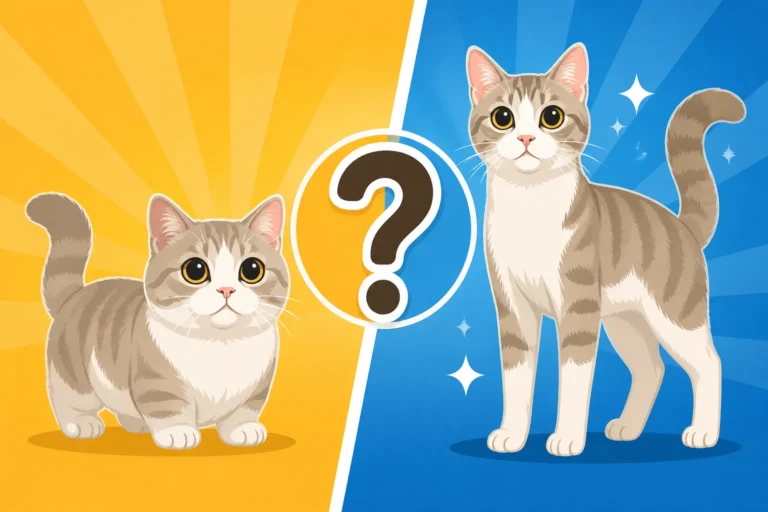
A retired Munchkin, at its heart, is still a Munchkin. It will have those distinctive short legs and the endearing personality the breed is known for – playful, curious, and incredibly loving. However, what makes them different is their life experience and often, their age. Unlike a kitten, a retired Munchkin has a history. They've lived in a cattery environment, potentially with other cats, and have been through the routines of breeding and raising offspring.
They're not "damaged goods," but rather well-socialized adults who understand human interaction and have likely been handled extensively. The key difference lies in their stage of life. While a kitten is a blank slate, a retired Munchkin comes with a ready-made personality and learned behaviors. They might be a bit older, which can mean a calmer demeanor, but it also means that their specific needs, especially concerning their unique physiology, might be more apparent or require closer attention. You might be considering a cat that is already familiar with ramps and adapted furniture, which is a huge bonus! Caring for an Old Munchkin That Has Stopped Climbing is a good read if you're thinking about senior cat care specifically.
Understanding the Adoption Fee for a Retired Munchkin
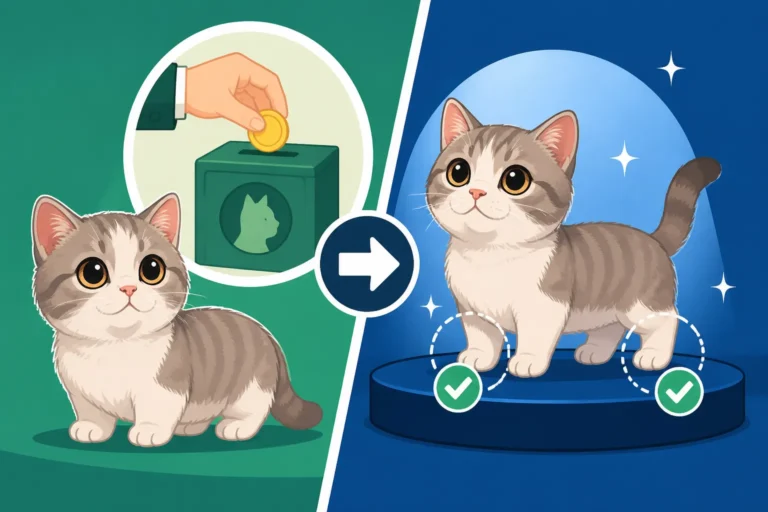
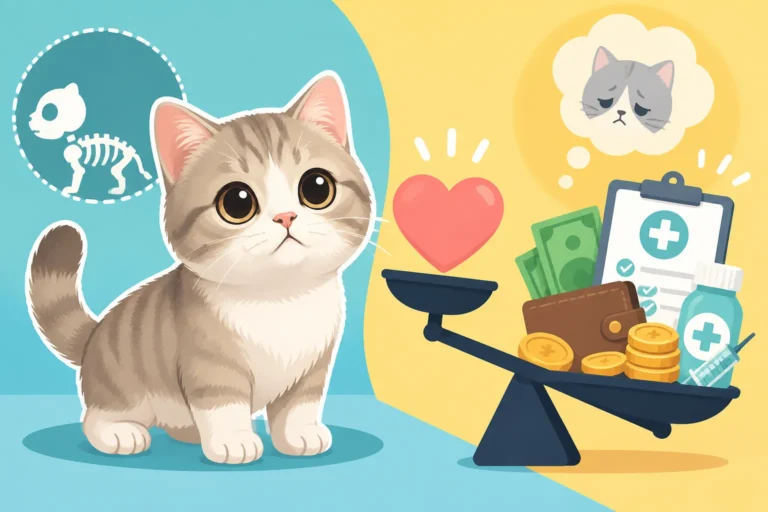
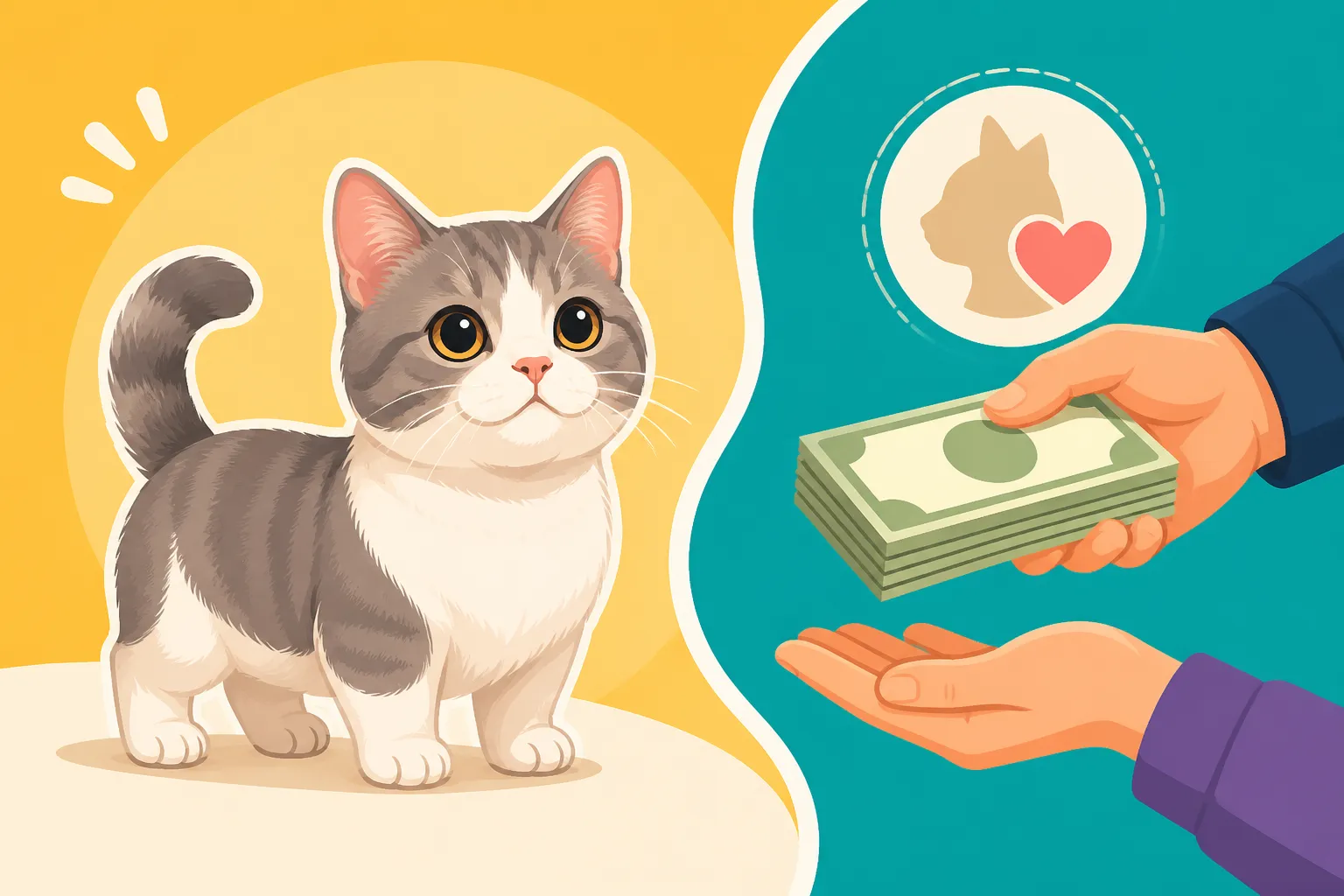
When you see an adoption fee for a retired Munchkin, it's easy to assume it's simply a price tag for the cat itself. However, for a reputable breeder, that fee is much more complex, reflecting years of investment and care rather than just the immediate "sale."
The Breeder's Investment in a Retired Cat
Before a cat is even considered for a breeding program, a significant investment has already been made. Breeders often acquire their foundation cats from other top breeders, meaning the initial purchase price for a quality, breedable Munchkin can be substantial. Beyond that, there are years of ongoing expenses. Consider the cost of premium nutrition tailored for breeding cats, routine veterinary care, vaccinations, and regular health screenings. For Munchkins, this includes specific checks for conditions like Lordosis Is the Spinal Curve the Munchkin Argument Is About or Pectus Excavatum and the Munchkin's Sunken Chest, as well as general health evaluations to ensure they are fit for breeding. These health checks often involve specialized X-rays or ultrasounds, as detailed in articles like When a Munchkin Should Have Its Spine Imaged.
Then there's the cost of maintaining a cattery – housing, enrichment, litter, and supplies. If the cat has been shown, there are show entry fees, travel, and grooming expenses. And let's not forget the time, effort, and occasional late-night vet visits that go into safely delivering and raising litters. An ethical breeder pours countless hours into their cats, monitoring their health, socializing their kittens, and ensuring the well-being of every animal under their roof. The adoption fee for a retired cat barely scratches the surface of this cumulative investment.
What the Adoption Fee Typically Covers
So, what does that adoption fee actually pay for when you take home a retired Munchkin? Primarily, it covers the immediate and essential steps taken by the breeder to prepare the cat for its new life as a pet. This almost always includes:
- Spay/Neuter Surgery: A retired breeding cat will always be spayed or neutered before going to their new home. This is non-negotiable for responsible breeders.
- Up-to-Date Vaccinations and Parasite Control: Your new companion will come fully vaccinated and treated for fleas and worms. Which Vaccines an Indoor Munchkin Needs covers what an indoor cat typically requires.
- Comprehensive Veterinary Check-up: A thorough vet exam ensures the cat is in good health for adoption. This might include blood work, especially for older cats, to check for common age-related issues.
- Dental Cleaning: Many breeders will also have had a dental cleaning performed, which is a significant expense, as dental health is paramount, especially for older cats.
- Microchip Registration: The cat will be microchipped, and the breeder will assist in transferring the registration to your name.
- Starter Kit: Often, a breeder will send the cat home with a small supply of their current food, a favorite toy, and a blanket that smells familiar to help them settle in.
To give you an idea of the value packed into that fee, consider the typical cost differences:
| Item | Typical Cost for Kitten from Breeder | Typical Cost for Retired Cat from Breeder | Notes |
|---|---|---|---|
| Initial Purchase/Adoption Fee | Higher (reflects breeding line, rarity) | Moderate (covers accumulated vet, care) | Not free, reflects care and investment. |
| Spay/Neuter Surgery | Usually included, or buyer's cost | Always included | A significant vet expense you won't incur. |
| Core Vaccinations | Included | Included (updated) | Ensures they're protected. |
| Microchip & Registration | Included | Included (transfer) | Peace of mind if they get lost. |
| Vet Health Check-up | Included | Included (often more extensive) | Especially valuable for older cats. |
| Dental Cleaning | Not typically needed for kittens | Often included for older cats | Prevents future costly dental work. |
| Food/Supplies Starter Pack | Included | Included | Helps with transition. |
Why the Fee Isn't Just for "Profit"
It’s easy to look at an adoption fee, particularly for an older animal, and wonder why it isn't lower or even free. However, for a reputable Munchkin breeder, the fee isn't about making a profit on a retired cat; it's about covering some of the extensive costs associated with responsible breeding and, crucially, ensuring the cat finds a truly committed forever home.
Ethical breeders operate with thin margins, if any, once all expenses are factored in. The fee helps them recoup a portion of their investment, allowing them to continue their work of producing healthy, well-socialized cats. More importantly, it acts as a filter. Placing a financial value on the cat ensures that potential adopters are serious and financially prepared for pet ownership. Someone willing to pay an adoption fee is generally more invested and committed to providing the necessary care, especially for a Munchkin whose unique needs can incur higher costs over its lifespan. It weeds out impulsive decisions and helps secure a stable, loving environment for the cat's retirement years.
Ongoing Costs Specific to a Retired Munchkin
While the initial adoption fee covers immediate needs, the true cost of a retired Munchkin, like any pet, lies in the long-term care you provide. And for a Munchkin, especially an older one, there are specific considerations that can influence your ongoing budget.
Age-Related Health Considerations
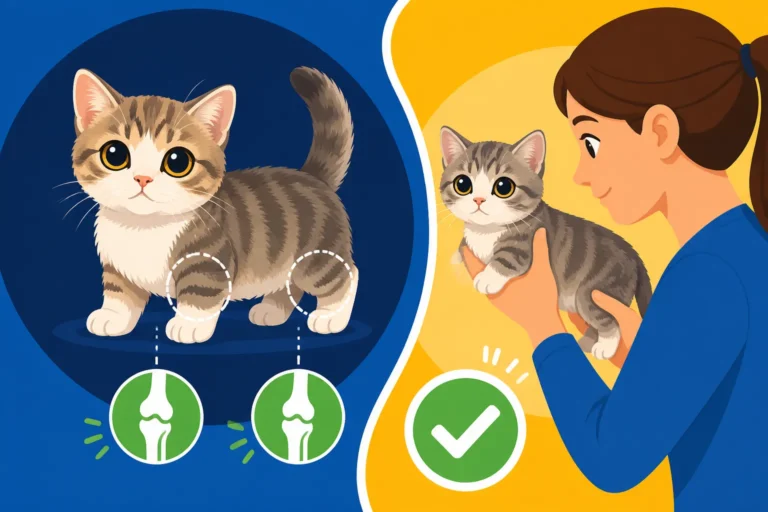
Just like humans, cats experience changes as they age. An older Munchkin is more likely to develop age-related health conditions, which can lead to increased veterinary expenses. Arthritis is a common concern, particularly in breeds with unique bone structures like Munchkins, due to the extra strain on their joints from their short legs. How Arthritis Shows in a Munchkin's Front Legs can give you an idea of what to look for. Regular check-ups become even more vital to catch issues early.
Other potential health considerations include kidney disease, hyperthyroidism, and dental issues, which are all prevalent in senior felines. These conditions may require ongoing medication, special diets, or regular monitoring. This is where pet insurance can be a real lifesaver. Companies like Healthy Paws offer various plans that can help mitigate the financial impact of unexpected health problems or chronic conditions that might arise as your retired Munchkin gets older. It’s always wise to factor potential future vet bills into your budget, even if your new companion seems perfectly healthy right now.
Adapting the Home for a Senior Munchkin
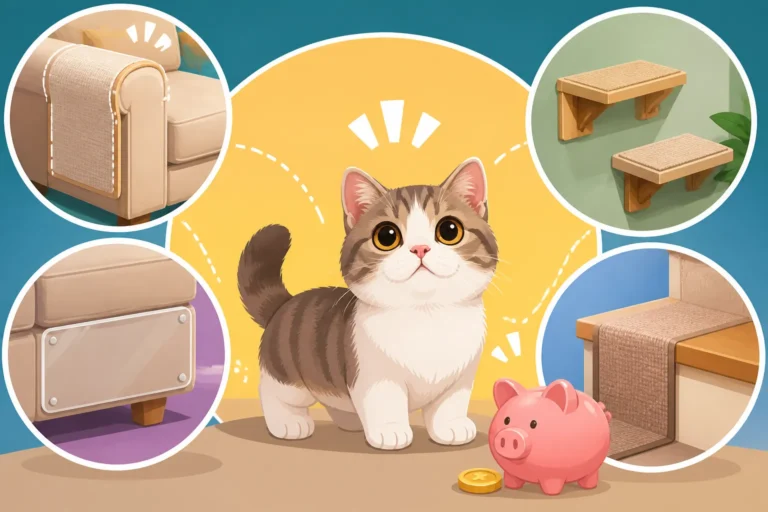
One of the beautiful things about adopting a retired Munchkin from a good breeder is that they often come from an environment already adapted to their short legs. This means they are likely accustomed to using ramps, pet steps, and low-entry litter boxes. As they get older, maintaining and enhancing these accommodations becomes even more critical.
Stairs can become a significant challenge for an aging Munchkin, as can jumping onto high furniture. You might notice your cat struggling with a jump they once made easily. Why an Old Munchkin Stops Using Its Ramp highlights just how important accessible routes become. This means investing in good quality pet ramps or steps for access to sofas, beds, and windowsills. Chewy, for example, offers a wide range of pet ramps and stairs suitable for cats of all sizes and mobility levels. Low-entry litter boxes are also essential, preventing discomfort or accidents from a cat who finds it painful to step over high sides. Raised food and water bowls can also ease strain on their neck and shoulders, making meal times more comfortable. Think about their entire home environment and how to make it as comfortable and accessible as possible.
Diet and Grooming for an Older Munchkin
Nutrition plays a pivotal role in the health of an aging Munchkin. They might benefit from a senior-specific diet that supports joint health, kidney function, or weight management. Maintaining a healthy weight is paramount for a Munchkin, as every extra gram puts additional strain on their short legs and spine. Why Weight Is More Dangerous on a Munchkin explains this critical point. Consult your vet about the best nutritional plan for your particular cat.
Grooming needs can also change with age. Older Munchkins, particularly long-haired varieties, may struggle to groom their hindquarters and lower back effectively due to decreased flexibility. This means you, as the owner, will need to step in more frequently. Regular brushing is essential to prevent mats, which can be painful and lead to skin issues. Grooming the Half of a Munchkin It Cannot Reach is a great resource for understanding this. You might even need to consider professional grooming for sanitary clips around their rear end, especially if they have longer fur, to keep them clean and comfortable. These grooming sessions, whether at home or with a professional, add to the ongoing time and financial commitment.
What to Ask Your Breeder About a Retired Munchkin
When considering a retired Munchkin, engaging in a thorough conversation with the breeder is crucial. A responsible breeder will be happy to answer all your questions, as they want the very best for their cats.
Health History and Screening Records
This is perhaps the most important area of inquiry. Don't be shy about asking for comprehensive health records. You'll want to see detailed veterinary records, including vaccination history, deworming schedules, and any past medical treatments. Crucially, ask about genetic screening results for both the retired Munchkin and its lineage. While there isn't a specific DNA test for the Munchkin gene itself, ethical breeders will screen for other common feline health issues that could affect their lines. Inquire about screenings for heart conditions (like hypertrophic cardiomyopathy), kidney issues, and any orthopedic evaluations, especially concerning their spine and joints.
Understanding any pre-existing conditions or predispositions will allow you to be proactive in their care and budget for potential future needs. A good breeder will be transparent about any known issues, even minor ones, because they believe in full disclosure and finding the right match for their cats.
Behavioral Quirks and Adaptation Period
Every cat has a unique personality, and retired breeders are no exception. Ask the breeder about the cat's temperament: Are they shy or outgoing? Do they enjoy being held or prefer independent play? How do they interact with other cats, dogs, or children? Knowing their typical behaviors will help you determine if they're a good fit for your household dynamics.
It's also important to discuss the adaptation period. While some retired cats adjust quickly, others may take weeks or even months to fully settle into a new environment. This isn't a reflection of you or the cat, but simply the time it takes for them to feel secure and comfortable in an unfamiliar place with new routines. Ask the breeder if they have any specific tips or strategies for making the transition as smooth as possible, especially for a cat that has spent its entire life in a cattery setting.
Support and Resources from the Breeder
An ethical breeder's commitment doesn't end when you take your cat home. They remain a valuable resource and support system throughout your cat's life. Ask what kind of ongoing support they offer. Will they be available to answer questions about health, behavior, or dietary needs? Do they have a community of other adopters you can connect with for shared experiences and advice?
Additionally, review the adoption contract carefully. While a "guarantee" might be less common for a retired cat compared to a kitten, a responsible breeder will almost always include a clause that states they will take the cat back at any point in its life if circumstances change and you can no longer care for it. This demonstrates their unwavering commitment to the cat's well-being, ensuring it will never end up in a shelter. This kind of long-term support and commitment is a hallmark of a truly caring breeder and something invaluable to a new owner.
Adopting a retired Munchkin from a breeder is a deeply rewarding experience, offering a loving second chapter to a cat that has enriched a breeding program. While the costs might be different from what you initially imagine, they reflect the significant investment and care provided by a responsible breeder, ensuring you receive a well-adjusted, healthy, and beloved companion ready for its golden years with you.
Disclaimer
This article is for general informational purposes only and does not constitute professional advice. Laws, prices and regulations vary by location and change over time. Consult a qualified professional for guidance on your specific situation.