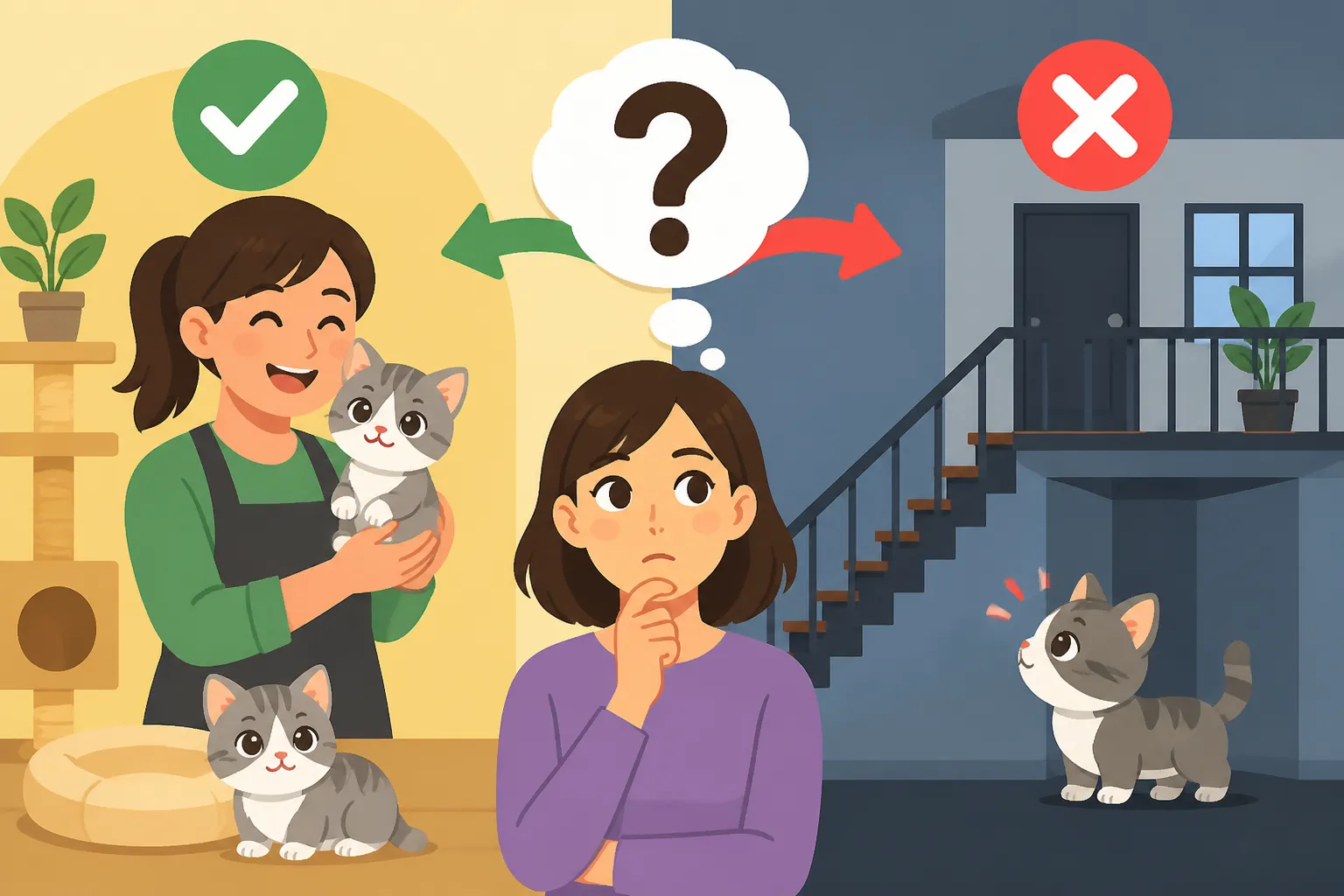
Whether a Munchkin Breeder Should Sell to an Upstairs Apartment
It's a question many prospective Munchkin owners grapple with, and it’s a valid concern that often comes up when talking to reputable breeders: is an upstairs apartment a suitable home for a short-legged cat? Living with a Munchkin cat, with their delightfully short legs, certainly brings unique considerations, and navigating a multi-level home or an apartment building presents challenges that go far beyond what you might expect for a typical long-legged feline. This guide will explore the mobility challenges Munchkins face, the potential health implications of stairs and heights, and what a responsible breeder considers when placing a kitten in such a home.
Understanding the Munchkin's Unique Mobility Needs
When you bring a Munchkin into your home, you're welcoming a cat whose very anatomy dictates a different way of moving through the world. They aren't built like their long-legged cousins, and understanding this fundamental difference is key to providing them with a safe and enriching environment.
The Physics of Short Legs and Gravity
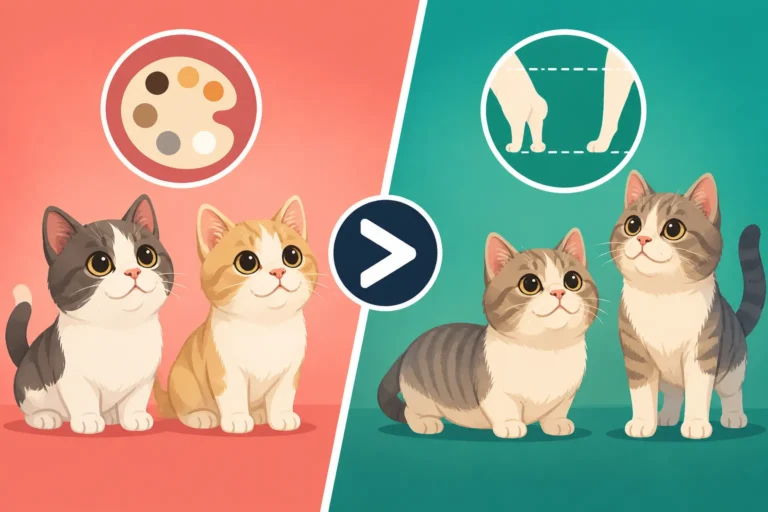
Imagine trying to navigate a world built for someone much taller than you; that's often the daily reality for a Munchkin. Their short legs, while undeniably adorable, mean that every step up or jump onto a surface requires a disproportionately greater effort compared to a cat with standard leg length. It’s not just about reaching; it’s about the impact. Each time a Munchkin jumps down from even a modest height, the force of that landing is absorbed by their joints and spine in a way that can be more strenuous. Their center of gravity is lower, which helps them balance beautifully on the flat, allowing them to zip around corners at surprising speeds. However, this same low stature makes vertical challenges incredibly difficult.
While a regular cat might gracefully leap onto a kitchen counter or scale a tall cat tree with ease, a Munchkin often approaches these obstacles with a different strategy. They might try to use intermediate steps, or they might simply give up. This isn't laziness; it's a physical limitation. They can't just stretch and reach the way a typical cat does. You'll see them calculating, assessing, and sometimes, trying repeatedly to make a jump they just aren't designed for. How High a Munchkin Can Actually Jump discusses these limits in detail.
The Cumulative Impact of Jumping and Climbing
It’s not just a single jump or climb that matters; it’s the cumulative effect over months and years. Every time a Munchkin performs a jump, especially downwards, their joints and spine bear the brunt of the impact. Over time, this repetitive strain can contribute to wear and tear. For a cat that lives in a home with multiple levels or a breeder who is considering selling to an owner in an upstairs apartment, this is a significant concern. Think about a flight of stairs: for us, it's routine. For a Munchkin, descending each step means a controlled fall, absorbing impact on those already compact front legs. Ascending means a powerful push-off from their hind legs, straining their back. Why a Munchkin's Spine Carries a Load a Normal Cat's Does Not is a relevant topic here.
This isn't to say Munchkins are fragile, but their unique skeletal structure, particularly their spine and limb joints, needs careful consideration. Constant jumping onto and off furniture, or tackling stairs daily, can exacerbate any underlying predispositions to joint issues, and potentially lead to discomfort or mobility problems earlier in life. This is why careful planning of their environment is so crucial from day one.
The Specific Challenges of an Upstairs Apartment
Living on an upper floor introduces a specific set of environmental hurdles that directly impact a Munchkin's well-being. It’s not just about getting around, but about ensuring their safety and long-term health in a space that wasn’t designed with their unique needs in mind.
Navigating Flights of Stairs Daily
The most obvious challenge in an upstairs apartment is, of course, the stairs. For a Munchkin, a full flight of stairs isn't just an inconvenience; it's a significant physical barrier and a potential long-term health risk. Imagine needing to use those stairs multiple times a day—to get to their litter box, their food, or simply to follow you from one room to another. This constant up and down movement puts immense strain on their short legs and spine.
Each descent is a series of controlled drops, impacting their elbows and shoulders. Each ascent is a powerful push, stressing their back. Over the years, this repetitive motion can accelerate the development of conditions like arthritis, particularly in their front legs and shoulders. Why a Munchkin's Shoulders Wear First and Why a Munchkin's Elbows Take the Landing delve into these specific vulnerabilities. A responsible breeder will visualize this daily routine for a kitten and ask themselves if they are setting the cat up for a lifetime of potential discomfort. It's a question of whether the environment allows the cat to thrive naturally, or if it constantly forces them into physically demanding situations.
Limited Escape Routes and Safety Concerns
Beyond the physical strain, an upstairs apartment also presents unique safety concerns for a Munchkin. Unlike a normal-legged cat who can easily leap onto a high shelf or scale a cat tree to escape perceived threats or simply to feel safe, a Munchkin has limited vertical escape routes. If there are other pets, like a boisterous dog, or young children in the home, a Munchkin can easily find themselves cornered with no way to get to safety above ground level.
This isn't just about physical injury; it's about stress and psychological well-being. Cats thrive on having safe, elevated perches where they can observe their territory from a distance. Denying a Munchkin this natural instinct can lead to anxiety or behavioral issues. Furthermore, in an emergency, like a fire, an upstairs apartment might mean a longer or more difficult evacuation route for a short-legged cat, especially if they are not used to being carried or if human intervention is delayed. A responsible breeder will want assurances that the environment is safe and provides adequate, accessible retreats for the cat.
Adapting an Upstairs Apartment for a Munchkin
If an upstairs apartment is your reality, it's not an automatic disqualifier for Munchkin ownership, but it requires a serious commitment to adaptation. A good breeder will want to see that you've thought this through and are prepared to invest time, effort, and resources into making your home truly Munchkin-friendly.
Strategic Placement of Essential Items
The first and most critical step is to rethink the layout of your home entirely from a Munchkin's perspective. Their essential needs – food, water, and litter boxes – must be easily accessible on every level they are expected to frequent. This often means duplicating these stations. For instance, if your main living area is upstairs but the litter box is downstairs, your Munchkin will be forced to tackle those stairs repeatedly throughout the day, every day. This creates unnecessary strain and can lead to inappropriate elimination if the journey becomes too difficult or painful.
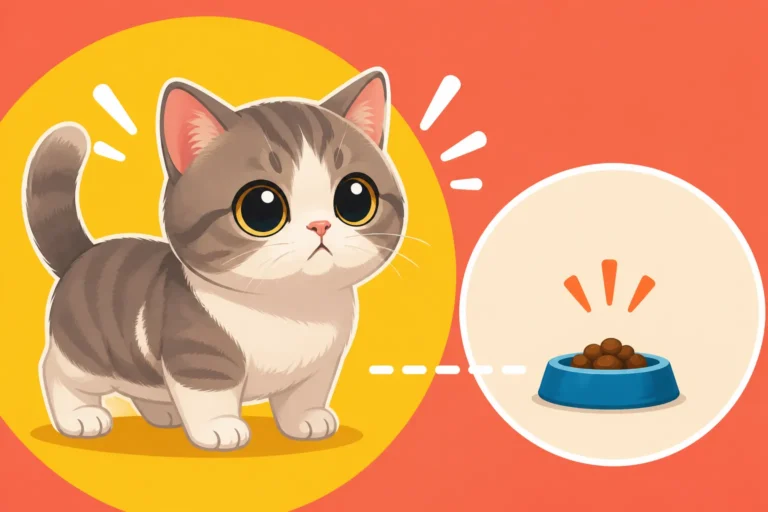
Consider a low-entry litter box, perhaps one you find on Chewy or at a local pet supply store, with an entrance low enough for your Munchkin to walk right in without a problematic step up. Food and water bowls should be placed at floor level, or on very low, stable risers to prevent neck strain, especially as they age. Why a Munchkin's Food and Water Belong at Floor Level explains more on this. These aren't luxuries; they are necessities for a Munchkin's comfort and long-term health. A breeder will ask about these arrangements to ensure you understand the commitment.
Ramps and Steps: Essential Mobility Aids
To bridge the gap between floor and furniture, or even between levels if absolutely necessary, ramps and steps become indispensable. These aren't just for senior cats; they're vital for a Munchkin from a young age to reduce the impact of jumping and climbing. For your sofa, bed, or any other surface your Munchkin might want to access, install sturdy, carpeted ramps or steps. The slope of the ramp is crucial; it shouldn't be too steep, as this can still put strain on their spine. How Steep a Munchkin's Ramp Can Be offers guidance.
When considering multi-level living, if there are only a few stairs between two commonly used areas, you might install a series of wide, shallow steps. However, a full flight of apartment stairs is generally not suitable for constant Munchkin navigation, even with ramps. If the main living area and essential facilities (like their primary litter box) are on separate floors separated by a full staircase, this presents a significant problem that ramps often cannot fully mitigate. Think about the construction: ramps for a full flight of stairs would take up a huge amount of space, and navigating them repeatedly still means a lot of body movement. A responsible breeder will be looking for solutions that genuinely remove the need for strenuous jumps or climbs, rather than just making them slightly easier.
Elevating Play and Enrichment Safely
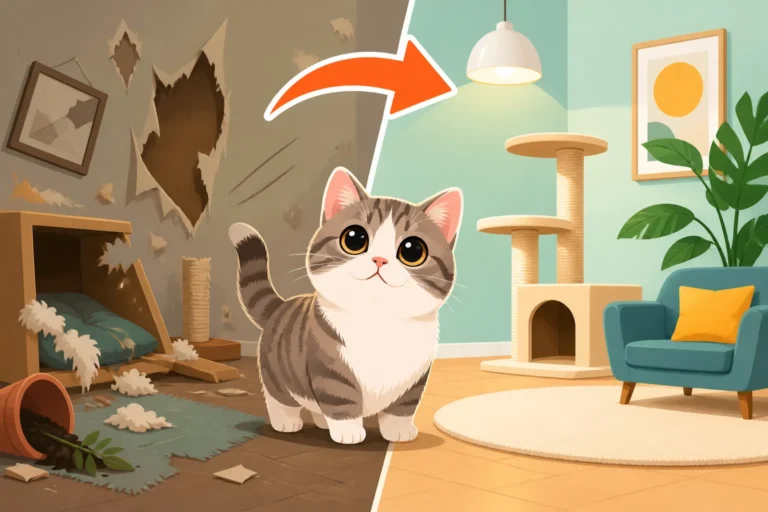
A Munchkin is a cat with normal cat instincts in a short-legged body. They love to play, explore, and observe. Since high shelves and traditional tall cat trees are largely inaccessible, you need to bring their world down to their level, or provide safe, easy ways for them to get up. Think about modular cat furniture with wide, closely spaced platforms, or sturdy pet steps leading up to low windowsills where they can safely watch the world go by.
Floor-level enrichment is also vital. Interactive toys that roll or slide across the floor, puzzle feeders they can reach into without stretching, and plenty of tunnels and cardboard boxes will provide mental stimulation. Regularly rotating toys keeps them engaged. If you're considering outdoor access, a Munchkin-sized catio with multi-level shelving that's easy to climb can provide safe, enriching outdoor time without the risks of them jumping over fences or being unable to escape predators. What a Munchkin Sized Catio Needs is a good read. The goal is to create an environment where they feel secure, stimulated, and can move freely without risking injury.
Ethical Considerations for Breeders
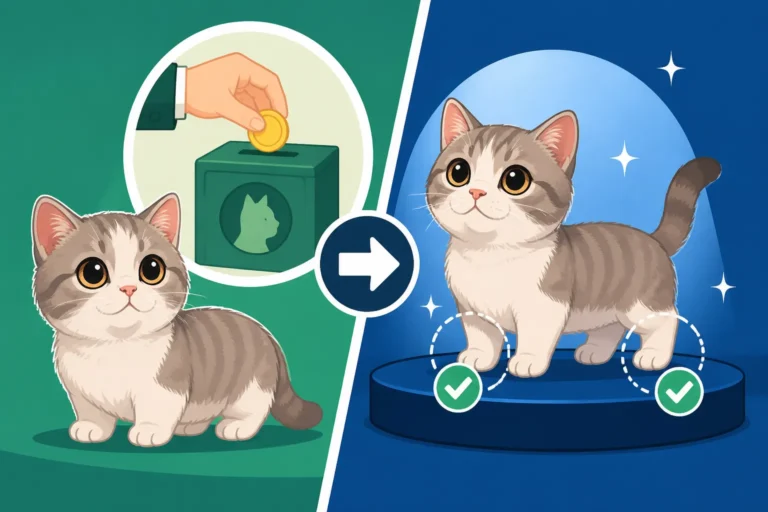
For a responsible Munchkin breeder, placing a kitten isn't just about finding someone willing to pay. It’s about ensuring the long-term health and welfare of their cats. This means careful vetting of potential owners, especially when an upstairs apartment is involved.
Prioritizing the Kitten's Long-Term Welfare
A good breeder will always prioritize the kitten's long-term welfare over a quick sale. They understand the breed's unique needs and potential vulnerabilities. This means they will ask detailed questions about your living situation: Do you have stairs? How many? What floor is your apartment on? How often would the cat need to navigate these stairs? Are you prepared to install ramps or move essential items? They’re not being nosy; they’re performing due diligence.
If a breeder has concerns, they might advise against placing a Munchkin in a home that would require constant, unavoidable stair use or jumping. They might suggest that a single-story home or a ground-floor apartment would be a much better fit. Their role is to advocate for the cat, ensuring it has the best possible start and a comfortable, healthy life. This kind of breeder understands the nuances of What a Munchkin Breeder Should Be Able to Show You regarding a kitten’s health and genetic background.
Open Communication and Education
Responsible breeders are also educators. They won't just sell you a kitten; they'll walk you through the specifics of Munchkin care, including mobility needs, potential health issues like lordosis or pectus excavatum, and the importance of weight management. They will explain why excessive jumping can be detrimental to a Munchkin's spine and joints over time and how to mitigate those risks through environmental modifications.
They might suggest specific products or adaptations, like ramps, or the importance of a high-quality joint-supporting diet. They might also stress the importance of pet insurance, such as through Healthy Paws, to help cover unexpected veterinary costs related to joint or spinal issues down the line. A breeder who doesn't discuss these aspects, or who dismisses concerns about an upstairs apartment, might not have the kitten's best interest at heart. They should be willing to share videos of the parents moving freely and demonstrate how their own cattery is adapted for Munchkins. Why to Ask a Munchkin Breeder for Video, Not Photos highlights this transparency.
The Breeder's Assessment of Your Home Environment
Ultimately, the decision rests with the breeder, who must make an informed judgment based on the information you provide and their experience with the breed. Some breeders might have a strict "no stairs" policy, while others might be more flexible if the stairs are minimal, or if you can demonstrate a comprehensive plan for adaptation, including a commitment to training your Munchkin to use ramps and steps consistently.
They might ask to see photos or even a video tour of your apartment to assess the suitability firsthand. This allows them to visualize how the kitten would navigate the space and identify any red flags. Their assessment often revolves around whether your proposed setup minimizes physical strain and maximizes the cat's quality of life. They are looking for proactive measures, not just promises. If you live in a multi-story house, a breeder might even ask you to consider dedicating a single floor to your Munchkin, making it a completely self-contained, accessible zone, rather than having them traverse stairs daily. Why a Single Story Home Suits a Munchkin Best explains the ideal situation.
In conclusion, while an upstairs apartment isn't an absolute impossibility for a Munchkin, it requires significant foresight, commitment, and ongoing effort from the owner to adapt the environment. A responsible Munchkin breeder will be thorough in their questions and honest in their assessment, always prioritizing the health, safety, and happiness of the kitten they are placing.
Disclaimer
This article is for general informational purposes only and does not constitute professional advice. Laws, prices and regulations vary by location and change over time. Consult a qualified professional for guidance on your specific situation.