What a Munchkin Owner Regrets Not Budgeting For
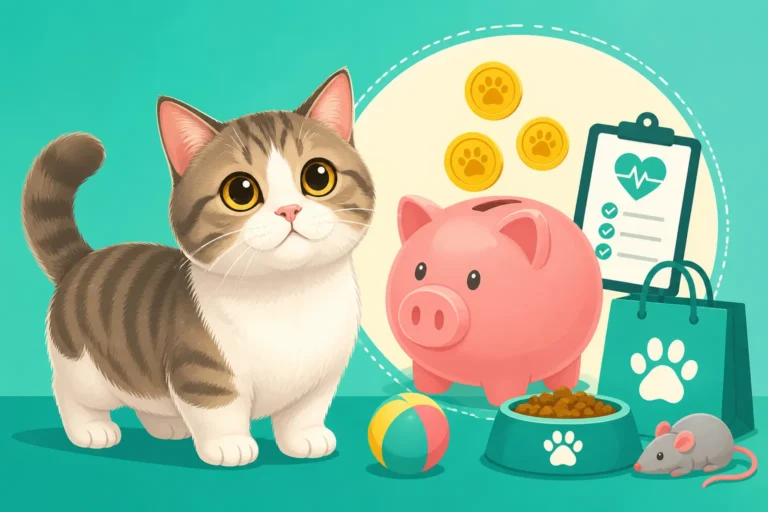
Bringing a Munchkin cat into your home is an incredibly exciting time, filled with dreams of adorable antics and endless cuddles. However, many new Munchkin owners find themselves caught off guard by certain expenses that aren't always obvious at first glance. This guide will walk you through the often-overlooked financial commitments that savvy Munchkin parents wish they had budgeted for, helping you prepare for a truly fulfilling life with your short-legged companion.
The Hidden Costs of Adapting Your Home for Tiny Legs
When you first welcome a Munchkin, you're usually thinking about food, toys, and a cozy bed. What many don't fully grasp is that their home, built for long-legged creatures, might need a significant overhaul to ensure their new feline friend is safe, comfortable, and independent. This isn't just about convenience; it's about their long-term well-being and preventing injuries.
Ramps and Steps: More Than Just a Nice-to-Have
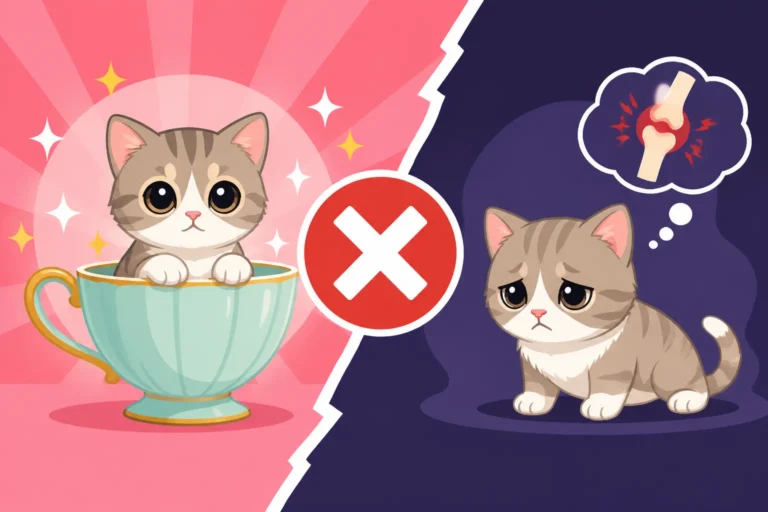
One of the biggest eye-openers for new Munchkin owners is the sheer necessity of ramps and steps. You see cute pictures of them jumping, and it’s easy to assume they’ll manage just fine, but the reality is quite different. While a Munchkin might try to jump onto a sofa or bed, repeatedly leaping up and down places undue stress on their spine and joints, which are already carrying a load a normal cat's does not. This isn't a minor concern; it's fundamental to their physical health. Imagine if every time you wanted to get on your couch, you had to jump a considerable height and then brace yourself for an impactful landing. It might be fun a few times, but it would quickly take a toll on your body.
Many owners regret not budgeting for multiple ramps or sets of steps. You'll likely need one for the sofa, another for your bed, maybe one for a favorite armchair, and certainly one to reach any sunny windowsill perch. These aren't just generic pet steps; they need to be sturdy, have a gentle incline, and often feature carpeted or non-slip surfaces to give those short legs good traction. Don't be surprised if you find yourself browsing specialized pet furniture or even considering custom-built options. The cost of acquiring and strategically placing these can add up quickly, especially if you have a multi-level home or several favorite perching spots for your cat. This often falls under "accessories" but quickly becomes essential "mobility equipment." Ramps and Steps Are Munchkin Equipment, Not Luxuries delves into this in more detail.
Litter Boxes They Can Actually Use
Another often-overlooked cost is specialized litter boxes. Most standard litter boxes have entryways that are simply too high for a Munchkin to comfortably step into, especially as they get older or if they develop any joint stiffness. Struggling to enter a litter box can lead to accidents outside the box, which is frustrating for everyone and can lead to behavioral issues.
You'll need low-entry litter boxes, sometimes called senior cat litter boxes, or even consider modifying existing ones by cutting down a side. These often come with a slightly higher price tag than your average budget box. Beyond the box itself, think about the type of litter. Fine, dusty litters can cling to a Munchkin's lower belly and hindquarters, leading to mess and potential skin irritation. Many owners find themselves experimenting with different litters to find one that's comfortable for their cat and minimizes tracking, which can also influence the overall monthly budget. It's a small detail that becomes a big deal when your cat is uncomfortable. Why a Munchkin Needs a Litter Box It Can Walk Into provides excellent guidance here.
Ongoing Health and Grooming Expenses You Might Not Expect
While Munchkins are generally robust cats, their unique physical structure does bring with it some specific health and grooming considerations that can impact your budget. These aren't always emergencies, but rather ongoing needs that become part of responsible ownership.
Specialized Grooming for Hard-to-Reach Places
A Munchkin's short legs mean they can't always reach all areas of their body for self-grooming, particularly their hindquarters and the underside of their belly. This isn't just an aesthetic problem; it can lead to uncomfortable matting, skin irritation, and even infections if not addressed. Long-haired Munchkins are particularly susceptible to this.
Many owners discover they need to budget for regular professional grooming, especially for sanitary clips around the rear and belly. Even if you're diligent with at-home brushing, getting those awkward spots can be a challenge. A groomer understands how to handle a Munchkin gently to prevent spinal strain and effectively remove mats without causing stress. The cost of these routine visits, perhaps every few months, can definitely add up over a cat's lifetime. Grooming the Half of a Munchkin It Cannot Reach explores this common owner challenge.
The Ever-Present Need for Weight Management
This is perhaps the single most critical budgeting regret many Munchkin owners express: not fully understanding the profound impact of weight on their cat's health. Because of their short legs and unique spinal structure, every extra gram of weight places significantly more strain on their joints and spine. Why Weight Is More Dangerous on a Munchkin is a must-read for all owners.
This means budgeting for higher-quality food, potentially specially formulated for joint health or weight control, can be crucial. Fresh, portion-controlled meals can be a fantastic option for precise calorie management, but they represent a higher monthly food cost than standard kibble. You might also find yourself investing in precision food scales to ensure exact portioning, or puzzle feeders that encourage slower eating and more activity, which aren't always cheap. An overweight Munchkin is at a much higher risk for early arthritis, joint pain, and spinal problems like lordosis, which can lead to far more expensive veterinary interventions down the line. Preventative care through diet is an investment that pays dividends in quality of life.
Veterinary Care Beyond the Basics
While all cats need regular vet care, Munchkins might require a bit more focused attention on certain areas. Their unique physiology means that discussions about joint health, spinal integrity, and weight become central to every check-up.
Consider these potential "extra" vet costs:
- Early Spinal Checks: Some owners wish they had opted for early spinal imaging (X-rays) to establish a baseline and rule out conditions like lordosis or pectus excavatum, even if the kitten appeared healthy. This upfront cost can offer peace of mind and guide future care.
- Joint Supplements: As they age, or even proactively, many vets recommend joint supplements. These aren't always covered by basic food plans and can be a recurring monthly expense.
- Pain Management: Should arthritis or spinal issues develop, ongoing pain relief, which could include prescription medications, injections, or even specialized therapies like hydrotherapy or physiotherapy, will become a significant budget line item. What a Year of Joint Support Costs a Munchkin Owner details these potential expenses.
Table: Common Overlooked Munchkin Expenses
| Category | Item | Why It's Needed | Typical Cost Impact (Shape of Cost) |
|---|---|---|---|
| Home Adaptation | Pet Ramps/Steps (multiple) | Reduce joint/spinal strain from jumping. | Moderate to High upfront |
| Low-Entry Litter Boxes | Easy access for short legs, prevents accidents. | Moderate upfront | |
| Non-slip flooring/rugs | Provide traction, prevent slips and falls that can cause injury. | Variable, depending on home | |
| Ongoing Care | Professional Grooming (sanitary clips) | Prevents matting, skin irritation on hard-to-reach hindquarters/belly. | Recurring (monthly/quarterly) |
| High-Quality/Joint-Specific Food | Supports joint health, aids in crucial weight management. | Higher monthly food bill | |
| Joint Supplements | Proactive/reactive support for cartilage and joint function. | Recurring (monthly) | |
| Vet & Insurance | Spinal Imaging (X-rays) | Baseline assessment, diagnosis of conditions like lordosis. | Moderate to High (one-time/as-needed) |
| Specialized Pain Management | Medications, injections, therapies for arthritis or spinal issues. | Variable, recurring if chronic | |
| Pet Insurance (higher premiums) | Crucial for covering potential breed-specific health concerns. | Higher monthly premium |
The Value of Comprehensive Pet Insurance
This is perhaps the single biggest area where Munchkin owners often regret not budgeting adequately, or not investigating thoroughly enough: comprehensive pet insurance. It's not just about covering unexpected accidents or illnesses; it's about protecting yourself from the potentially high costs associated with their unique physiology.
Higher Premiums and Potential Exclusions
Because Munchkins can be predisposed to certain conditions like lordosis (a spinal curvature) or pectus excavatum (a sunken chest), some insurers might classify them as a higher-risk breed. This can translate to higher monthly premiums compared to a domestic shorthair. More critically, if a condition related to their unique structure (like spinal issues) is diagnosed before you get insurance, it will almost certainly be considered a pre-existing condition and excluded from coverage. This means any treatments, medications, or surgeries for that specific issue would come entirely out of your pocket.
Owners often lament not enrolling their Munchkin kitten in a comprehensive pet insurance plan like those offered by Healthy Paws as early as possible. Getting coverage before any potential issues arise ensures maximum protection. Even if your breeder provides a health guarantee, it usually only covers a short period and specific conditions, not the lifelong care that might be needed. Whether Pet Insurance Covers a Munchkin's Spine is a crucial topic to research before purchase.
Covering Lifelong Mobility Needs
Think about the long haul. As a Munchkin ages, they are more susceptible to osteoarthritis, particularly in their shoulders and elbows, due to the biomechanics of their short legs. Imagine the cumulative effect of those short levers over a decade or more. Good pet insurance can be a literal lifesaver, helping to cover the costs of diagnostics (like X-rays when they start to stiffen), long-term pain management, anti-inflammatory medications, and potentially even rehabilitation therapies.
Without insurance, these costs can quickly reach thousands of dollars, forcing heartbreaking decisions if you're not prepared. Many owners wish they had factored this potential into their monthly budget from day one, rather than waiting until a problem arises.
Unexpected Costs of Daily Living and Longevity
Beyond the big-ticket items, there are numerous smaller, recurring costs and considerations that add up, especially as your Munchkin lives a long, happy life.
Adapting Play and Enrichment
A Munchkin is a normal cat that cannot reach. This means that while they are incredibly playful, you might need to adapt your approach to toys and enrichment. Tall cat trees with widely spaced platforms are generally useless to a Munchkin. You'll need to invest in cat trees designed for small or senior cats, or horizontal scratching posts, which might be less common and thus slightly more expensive.
Floor-level puzzle feeders are excellent for mental stimulation and slow eating, but again, these specialized items can cost more than a simple food bowl. You might also find yourself buying more wand toys, specifically those that allow you to engage them at their height without forcing them to jump unnecessarily. This adjustment in toy budget is something many owners learn through trial and error.
Grooming Tools and Supplies
Because you'll be more involved in your Munchkin's grooming, you might find yourself investing in a wider array of brushes, combs, and perhaps even pet-safe wipes for their hindquarters. Brands like Chewy offer a vast selection of grooming tools, but selecting the right ones for delicate areas or specific coat types (short-haired versus long-haired Munchkins) can add to your initial setup budget and require replacements over time. These aren't usually major expenses individually, but cumulatively they contribute to the overall cost of ownership.
Care for the Senior Munchkin
As your Munchkin enters their golden years (typically around 8-10 years old), their mobility might naturally decrease further. This can bring a new wave of expenses. You might need to replace older, steeper ramps with even gentler inclines, or provide additional steps. Their litter boxes might need to become even easier to access, and their food and water bowls might need to be strategically placed to minimize any stretching. Caring for an Old Munchkin That Has Stopped Climbing is an invaluable resource for preparing for this stage.
An older Munchkin might also require more frequent vet check-ups to monitor for age-related conditions like kidney disease or hyperthyroidism, which can necessitate blood tests and prescription diets. Which Blood Values Matter Most in a Munchkin can help you understand what your vet is looking for. These regular checks and potential new medications can significantly increase your monthly pet budget. It's a testament to good care that they live long enough to reach this stage, but it's important to be prepared financially. Many owners regret not setting aside a dedicated "senior care" fund earlier in their cat's life.
Final Thoughts on Munchkin Budgeting
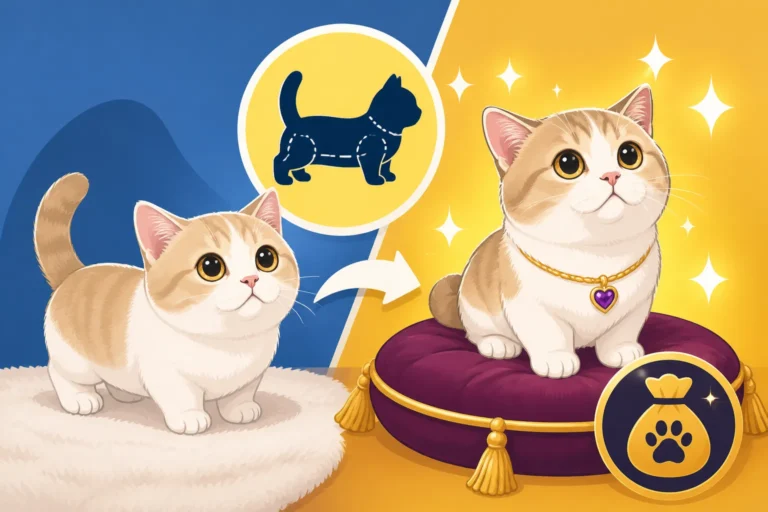
Ultimately, the regrets often come down to underestimating the cumulative impact of these specialized needs over the Munchkin's The Twelve to Fifteen Years a Munchkin Usually Gets lifespan. It’s not necessarily that any single item is exorbitant, but rather that a multitude of small, ongoing adaptations and preventative measures add up.
Being proactive and realistic about these potential expenses from the very beginning can save you stress, ensure your Munchkin has the best possible quality of life, and strengthen your bond with your unique feline friend. It's a commitment, but one that brings immense joy to those who are prepared for the journey. What a Munchkin Costs Over Thirteen Years can give you a holistic view of the financial commitment involved.
Disclaimer
This article is for general informational purposes only and does not constitute professional advice. Laws, prices and regulations vary by location and change over time. Consult a qualified professional for guidance on your specific situation.