When to Stop a Munchkin Attempting a Jump
It’s a common sight in a home with a Munchkin cat: you see those adorable short legs coiled, eyes fixed on a tempting height, muscles tensed for a jump. And then your heart sinks a little, doesn't it? We all love to see our tiny companions explore and be active, but there’s that nagging worry about their unique physical structure. This guide is here to help you understand when it’s okay to let your Munchkin try for that leap, and more importantly, when it’s truly time to step in and offer a helping hand or a safer alternative.
Understanding the Munchkin's Jumping Mechanics
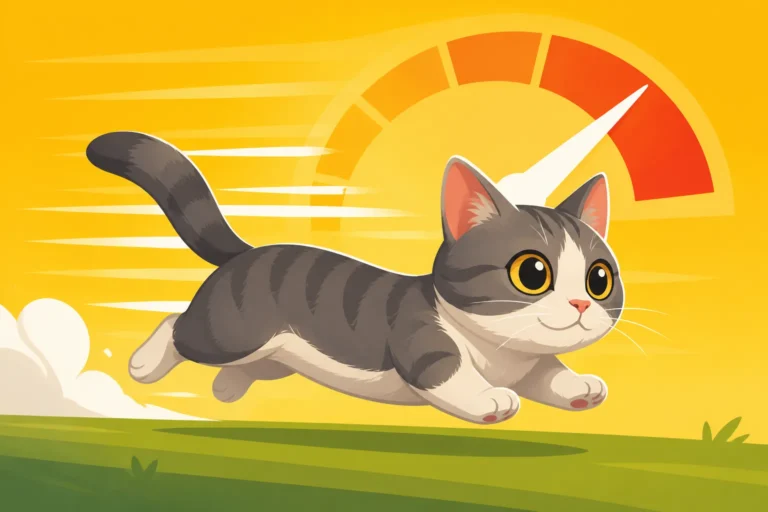
Munchkins are known for their boundless energy and surprising speed on the flat, but their distinct short legs mean their approach to vertical movement is fundamentally different from a typical cat. It's not just about how high they can jump, but how they must jump, and the impact that has over time.
The Physics of a Short-Legged Jump
A normal cat uses its long, powerful hind legs as a spring, extending fully and absorbing impact with incredible grace. A Munchkin, however, operates with a much shorter lever system. Imagine trying to jump high with much shorter femurs and tibias – the leverage just isn't there for the same kind of explosive power or controlled landing. Their jumps are often more akin to a series of powerful bounds or a scramble, rather than the elegant vertical leap of a long-legged cat. They might manage to get onto a lower sofa or bed, but the effort involved is disproportionately higher.
They compensate by using more of their upper body strength, and you'll notice a lot more "climbing" action with their front paws even when attempting a jump. This puts different kinds of stresses on their shoulder joints and spine. Why a Munchkin's Shoulders Wear First is a good read if you're curious about the specific mechanics here. It’s not that they can't jump; it’s that every jump is a bigger athletic feat for them, often without the same shock absorption a longer-limbed cat has.
Compensatory Movements and Landing
Because they lack the leg length for a spring-like launch and absorption, Munchkins often exhibit compensatory movements. They might push off more forcefully with their hindquarters, almost doing a little "bunny hop," and then use their front paws to grip and pull themselves up. Their landings, too, can be less fluid. Instead of gracefully flexing long legs to absorb the shock, their shorter limbs mean the impact is distributed differently, often jarring their spine and smaller joints.
Think about watching them descend from a low height, like a chair. A regular cat might just hop down, landing softly. A Munchkin might brace itself, land a bit more heavily, or even "slide" down. This isn't inherently painful in a single instance, but over years of repeated short, sharp impacts, it adds up. This is particularly relevant when considering things like Why a Munchkin's Spine Carries a Load a Normal Cat's Does Not.
Identifying Risky Jumping Scenarios
Knowing when to intervene isn't about stifling your Munchkin's natural instincts, but rather protecting them from situations that could cause immediate injury or long-term wear and tear. We want them to live full, happy lives, and sometimes that means setting boundaries for their own good.
Height vs. Distance Jumps
There's a big difference between a Munchkin trying to clear a small gap horizontally versus attempting a significant vertical climb. Horizontal jumps, especially on a stable surface, are often less problematic. A Munchkin can be surprisingly agile on the flat, and can chase toys and turn corners with impressive speed. How Fast a Munchkin Runs on Level Ground discusses this fascinating agility. However, when it comes to vertical height, that’s where the risks multiply. A jump onto a low ottoman might be fine, but aiming for the top of a tall bookshelf is a different story.
The danger increases with the height, as a greater fall carries a higher risk of serious injury. It's not just the fall itself, but the awkward landing that can cause problems. They might overextend trying to grab the edge, or slip on the way down. Always consider the height they're attempting and what would happen if they missed or fell.
Slippery Surfaces and Unstable Landings
This is a huge one. Even for a long-legged cat, jumping onto a slippery surface like a polished hardwood floor or a precarious stack of books is asking for trouble. For a Munchkin, whose footing is already more challenged by their short stature, these situations are extremely risky. A jump that involves landing on a slick tile floor, a wobbly side table, or a narrow, unstable ledge should be immediately discouraged.
Their short legs give them less surface area to grip, and a quick slip could lead to strains, sprains, or even fractures. Imagine them trying to land on a cushion that shifts, or a mat that slides. If you've got lots of smooth floors, consider adding non-slip rugs, especially in high-traffic areas or near furniture your Munchkin likes to access. You can find some great options for non-slip rug pads on Amazon to keep things secure.
Repetitive Stress Points
One of the most insidious risks isn't a single dramatic fall, but the cumulative effect of countless small jumps. Every time a Munchkin jumps, especially if it's struggling, it puts stress on its spine, shoulders, elbows, and hips. Over time, this repetitive stress can contribute to conditions like arthritis and spinal issues. We want to avoid premature Whether a Munchkin Gets Arthritis Earlier or exacerbate any underlying conditions like lordosis.
If you notice your Munchkin repeatedly attempting and struggling with the same jump every day, even if it seems low, it's worth re-evaluating. Think about their daily routine: how many times do they jump onto and off the sofa? Or the bed? If it's dozens of times a day, those micro-impacts can add up. It’s like the difference between doing one heavy lift versus doing the same heavy lift every day for years without proper form.
Safe Alternatives and Environmental Adaptations
Instead of constantly chasing your Munchkin around, trying to catch them mid-leap, a much more sustainable and positive approach is to adapt their environment. This way, they can navigate their world safely and independently, reducing stress for both of you.
Ramps and Steps as Mobility Aids
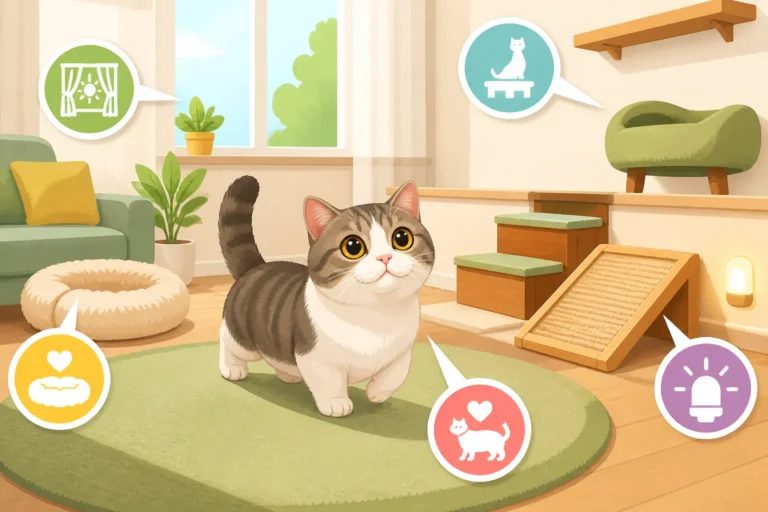
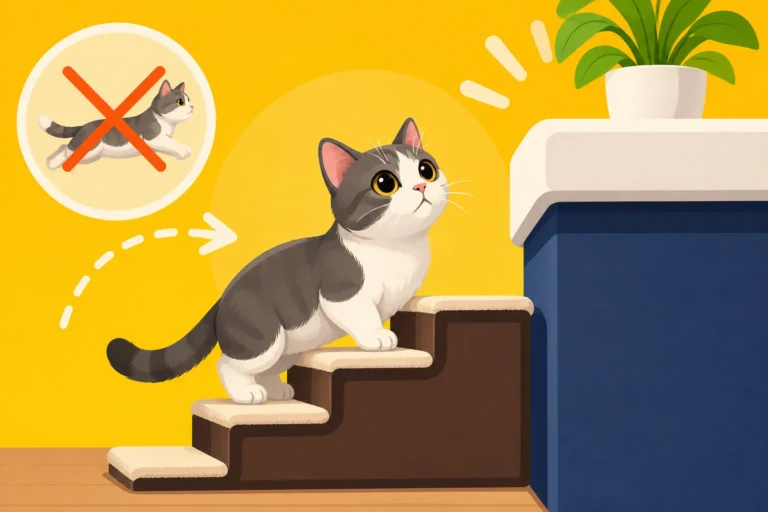
These are truly game-changers for a Munchkin household. Ramps and steps provide safe, low-impact ways for your cat to reach heights they desire without straining their joints or spine. Think about places your Munchkin loves to be: the sofa, your bed, a favorite windowsill, or a specific cat tree platform. Providing a ramp or a set of pet steps to these locations makes all the difference.
When choosing or building these, consider the gradient of ramps – too steep, and your Munchkin might avoid it or slip. Steps should have a shallow rise and a wide tread, making them easy to navigate. Look for carpeted surfaces for good grip. Ramps and Steps Are Munchkin Equipment, Not Luxuries delves into this in more detail, explaining why these aren't just for senior cats, but essential for Munchkins from kittenhood. You can find a huge variety of pet ramps and steps on Amazon, with options for different heights and materials.
Strategic Furniture Placement
Sometimes, the simplest solution is just to rearrange your existing furniture. Can you place a sturdy ottoman next to the sofa? Or a low bookcase near a window so your Munchkin has a multi-level path to their sunny perch? Creating a "staircase" of furniture allows your cat to ascend and descend gradually, rather than needing a big jump.
This is all about thinking from their perspective. Get down on your hands and knees and look at your room from Munchkin-height. Where are the gaps? Where are the frustratingly out-of-reach spots? By providing these intermediate landing spots, you're empowering them to explore their vertical world safely. This also reduces the perceived need for those high-risk jumps.
Low-Level Enrichment
While it's important to provide vertical access, it's equally important to ensure there's plenty of enrichment at floor level. Many Munchkins are perfectly happy exploring and playing on the ground. Invest in toys that roll, slide, or can be chased without requiring elevation. Interactive wand toys are fantastic, as you can control the height of the "prey" and keep it within their easy reach.
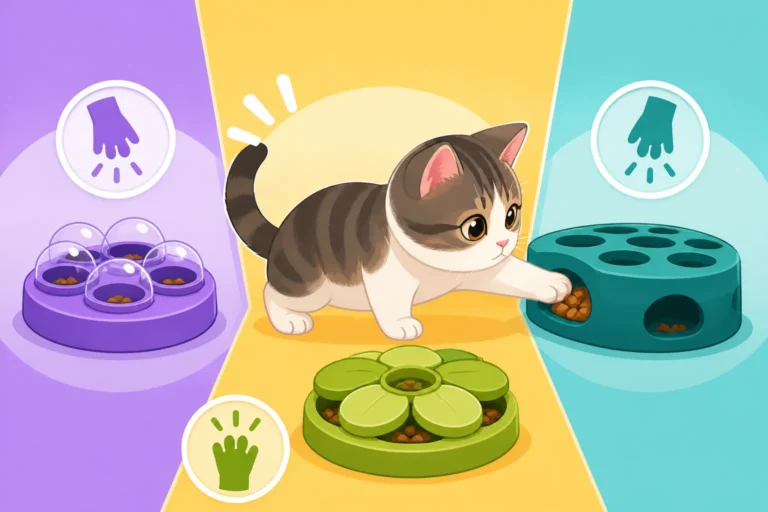
Consider puzzle feeders that operate horizontally or are designed for ground-level interaction. Create cozy hideaways and tunnels that they can dash through. By making their ground-level environment stimulating, you reduce the desperation to reach heights just for the sake of entertainment or vantage points. A comfortable, low-slung bed, maybe even one that's heated, can also be a wonderful, accessible spot for them to relax.
Reading Your Munchkin's Cues
Your Munchkin is constantly communicating with you, even if they're not using words. Learning to interpret their body language before a jump can help you intervene preemptively and gently guide them towards safer options.
Body Language Before a Jump
Before making a leap, most cats will "size up" the jump. For a Munchkin, this assessment might look a little more intense. You might see them:
- Wiggling their hindquarters more vigorously: This is a common pre-jump behavior in many cats, but with a Munchkin, it might indicate they're trying to generate extra momentum.
- Stretching and straining: They might reach out with their front paws, trying to gauge the distance or grip the edge before fully committing. If they're stretching extensively or wobbling, it's a sign of a challenging jump.
- Repeated attempts: If they try a jump, fall short, and immediately attempt it again and again, it's a clear signal they're pushing their limits. This kind of persistence can be admirable, but also risky for their long-term health.
- Hesitation and uncertainty: A slight pause, perhaps a little meow or a questioning look in your direction, can indicate they're unsure if they can make it. This is your cue to offer help.
How a Munchkin Changes Direction at Speed and Why a Munchkin's Low Body Helps It Chase describe their ground-level agility, but that doesn't always translate to vertical confidence. When you see these signs of struggle or doubt, that's often when your intervention is most needed.
Vocalization and Persistence
Some Munchkins are quite vocal, and they might actually tell you they need help. A frustrated meow, a chirrup that sounds more like a plea than a greeting, or a continuous demanding sound while looking at the high spot could be their way of asking for assistance. Pay attention to the tone and context of their vocalizations.
Persistence, as mentioned earlier, is a double-edged sword. While it shows their determination, it also means they're repeatedly putting stress on their bodies. If your Munchkin continually tries to jump onto the same high surface, even after falling or failing, it's a clear signal that the jump is beyond their comfortable capability and needs addressing. This is especially true if you see them do their characteristic "prairie dog" sit, looking wistfully at the unreachable spot. What a Munchkin's Prairie Dog Posture Tells You can give you more insight into this unique behavior.
When a Jump Becomes a Strain
The critical moment to intervene is when you observe physical strain or discomfort. This isn't always a dramatic yelp. It can be subtle:
- Stiff or awkward landing: They land heavily, perhaps stumble, or don't flex their joints smoothly.
- Pain signals after a jump: Licking a paw or a specific area, limping slightly, or shying away from touch after a jump are all red flags.
- Panting or heavy breathing: If a jump leaves them noticeably winded, it’s too much effort.
- Reluctance to move: After a series of attempts, they might just sit down and refuse to try again, indicating exhaustion or discomfort.
It’s about knowing your cat. If their usual playful demeanor changes after a jump, or if they seem less enthusiastic about exploring vertical spaces they once managed, it's a strong indicator that you should intervene and create a safer path for them.
The Long-Term Impact of Repetitive Jumping
It's easy to dismiss a few awkward jumps as "just being a cat," but for a Munchkin, these seemingly small actions can accumulate into significant health issues over their lifespan. Understanding these potential long-term consequences helps reinforce why preventative measures are so crucial.
Joint Wear and Tear
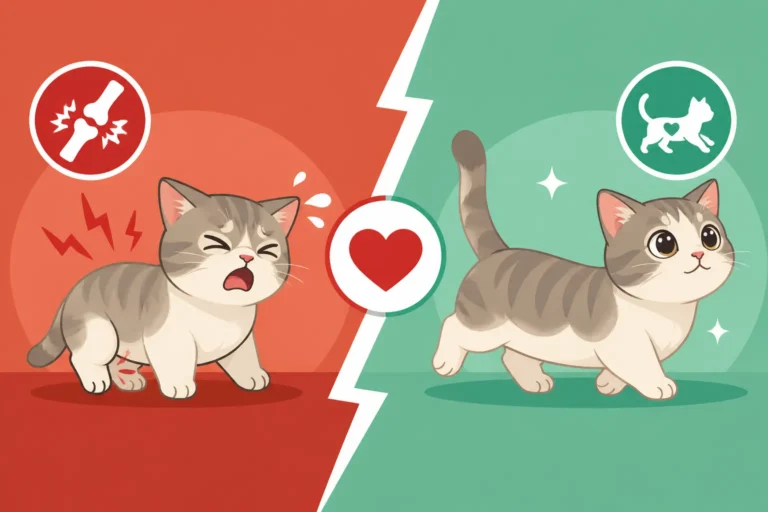
Every jump, every landing, puts stress on a cat's joints. For a Munchkin, whose leg bones are already affected by chondrodysplasia (the genetic condition causing their short legs), this stress can be amplified. Their knees, elbows, and especially their shoulders are working harder to compensate for the lack of leverage from their shorter limbs. This increased workload can lead to accelerated wear and tear on cartilage and ligaments.
Over years, this can manifest as osteoarthritis, a painful degenerative joint disease. While all cats can develop arthritis as they age, the unique biomechanics of a Munchkin cat may predispose them to earlier or more severe joint issues if not managed properly. This is why preventative care, like ramps and weight management, is so vital. You might find our post on How Osteoarthritis Shows in a Munchkin's Shoulders to be particularly illuminating.
Spinal Stress and Lordosis
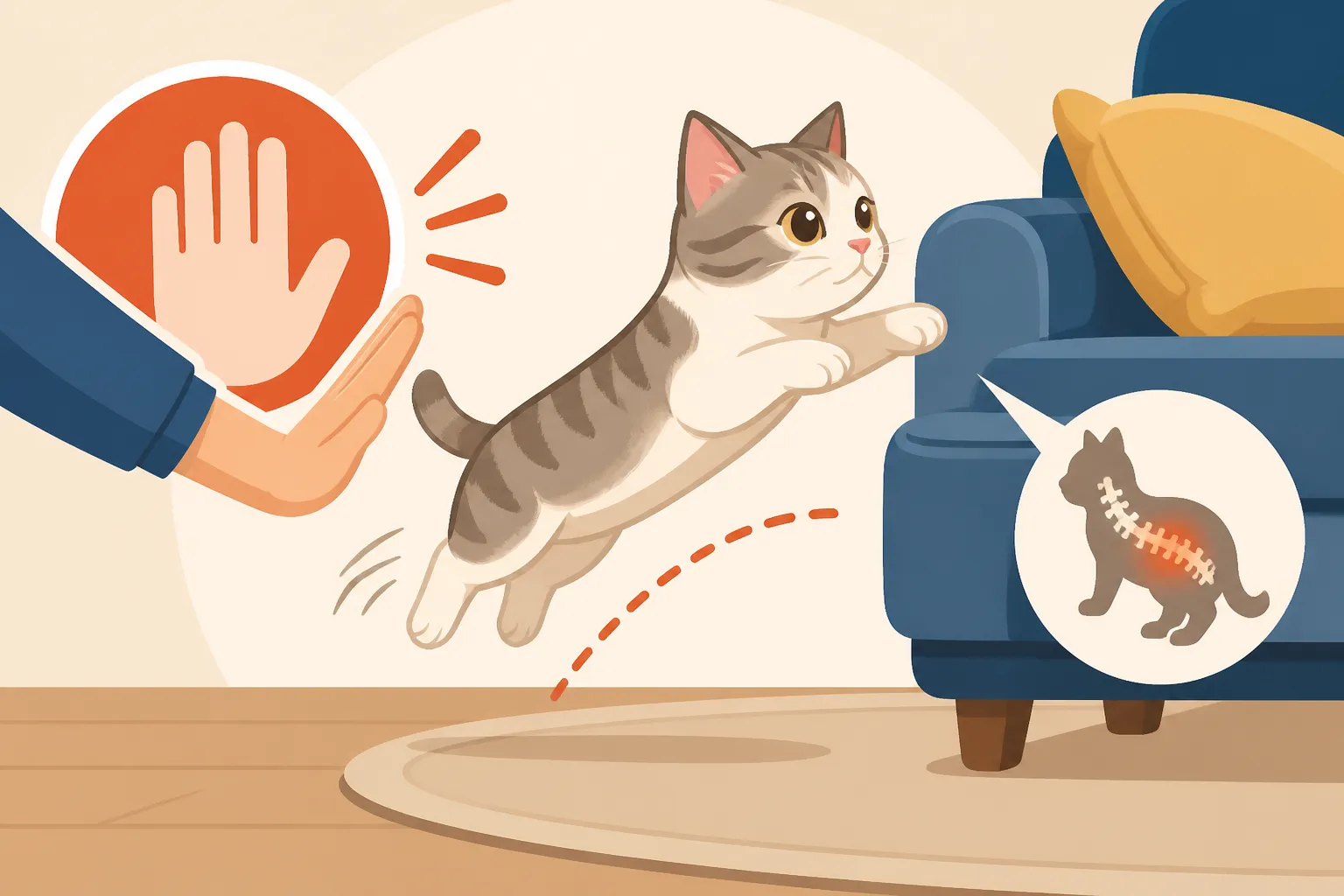
The spine is another area of concern for Munchkins. Their body length is typically normal, but their short legs mean their spine sits much closer to the ground. When they jump, especially if landing awkwardly or overextending to reach, the force of impact travels directly up their spine. This can exacerbate or even contribute to conditions like lordosis, which is an inward curvature of the spine.
Lordosis can range from mild to severe, and in its more extreme forms, it can compress internal organs and cause significant discomfort or health problems. While not every Munchkin develops lordosis, the risk is real, and repetitive high-impact activities can certainly worsen it. Understanding Lordosis Is the Spinal Curve the Munchkin Argument Is About can help you recognize the importance of spinal care in your Munchkin. Reducing strenuous jumping is a key part of protecting their delicate spinal column.
Arthritis and Mobility Issues
As Munchkins age, unchecked repetitive strain can lead to significant mobility issues, primarily due to arthritis. What started as mild joint stiffness can progress to chronic pain, difficulty moving, and a reluctance to engage in activities they once loved. It’s heartbreaking to see a once-spry cat struggle to get around their own home.
By proactively managing their environment and discouraging risky jumps when they're young, you can significantly delay the onset and severity of these issues. A Munchkin that can move freely and without pain throughout its senior years is a testament to thoughtful ownership. When you're thinking about Caring for a Munchkin Past Ten, mobility support and pain management become paramount, and minimizing joint damage early on pays dividends later.
| Jumping Scenario | Risk Level | Why It's Risky | When to Intervene |
|---|---|---|---|
| High vertical jump | High | Strains spine, joints; risk of fall, awkward landing | Always, offer ramp/steps instead |
| Jump to slippery surface | High | Loss of traction, sprains, fractures | Always, use non-slip mats or block access |
| Repetitive low-level jump | Medium | Cumulative wear and tear on joints and spine | If frequent, provide steps/ramp for easy access |
| Jump to unstable surface | High | Object may shift, causing a fall | Always, secure surface or block access |
| Horizontal jump (stable) | Low | Generally safe, within their natural agility | Only if showing clear struggle or distress, check footing |
| Jump from significant height | High | High impact on landing, potential injury | Always, provide ramps for safe descent or lift them gently |
Practical Strategies for Intervention
Okay, so you've identified a risky jump. Now what? It’s not about being harsh or constantly scolding your cat. The goal is positive reinforcement and redirection, making the safer option the most appealing one.
Gentle Redirection Techniques
When you see your Munchkin poised for a risky jump, don't just yell. That will likely just startle them or make them fearful of you. Instead, try these gentle methods:
- Verbal cue and distraction: Use a soft but firm "No," and immediately redirect their attention with a favorite low-level toy. Wiggle a wand toy along the floor away from the jump, or roll a treat.
- Physical barrier: Sometimes a simple outstretched hand can be enough to block their path without actually touching them.
- Offer the alternative: If there's a ramp or steps nearby, gently guide them towards it with a treat or a pointing finger. Celebrate loudly if they use it!
- Pick them up (if safe): If they're attempting a dangerous jump from a height, carefully and gently pick them up, supporting their body fully, and place them on a safe lower surface or directly onto a ramp. How to Lift a Munchkin Correctly is important to remember here.
Consistency is key. Every time you redirect, you're reinforcing the idea that this particular jump is off-limits, but there are other fun, safe ways to get around.
Creating No-Jump Zones
Some areas just aren't safe for a Munchkin to jump to, no matter how much you adapt. These might include:
- High, narrow shelves: Where a fall would be particularly dangerous.
- Kitchen counters with hot stoves or sharp objects: Obvious hazards.
- Areas with delicate breakables: Protect your valuables and your cat from accidents.
For these zones, physical barriers are often the most effective solution. Baby gates (ensure they're cat-proof or high enough that your Munchkin can't scale them), blocking access with furniture, or even temporary netting can prevent them from even attempting the jump. It's much easier to prevent the attempt than to intervene mid-air. For example, if your Munchkin loves to try and scramble up slippery kitchen cabinets, a temporary barrier at the base can solve the problem.
Consistent Training and Reinforcement
Cats can be trained, and consistent positive reinforcement works wonders. When your Munchkin uses a ramp or steps, praise them enthusiastically, give them a treat, or engage in a short play session. Make the safe alternative the most rewarding choice. You could even clicker train them to use ramps or steps, making it a fun game. Whether a Munchkin Can Be Clicker Trained to Its Ramp explores this possibility.
The whole family needs to be on board with this strategy. If one person always lifts them to the forbidden counter while another tries to redirect, it sends mixed signals and confuses your cat. Ensure everyone understands the "rules" and consistently applies the same redirection and reinforcement techniques. Over time, your Munchkin will learn the approved paths and be much less likely to attempt risky jumps, leading to a safer, happier life for your adorable short-legged friend.
Disclaimer
This article is for general informational purposes only and does not constitute professional advice. Laws, prices and regulations vary by location and change over time. Consult a qualified professional for guidance on your specific situation.