Whether a Munchkin Runs Normally
It's a common, completely understandable question when you first encounter a Munchkin cat: "Can it really run normally with those little legs?" You see their distinctive short stature and a flicker of concern crosses your mind, wondering if their playful spirit is somehow hampered by their unique physique. Many people worry that these cats might struggle with basic movements, or even be in pain, just trying to keep up. This guide aims to clear up those misconceptions and give you a real, grounded understanding of how a Munchkin cat moves through its world, including whether it runs "normally" in its own wonderful way.
Understanding the Munchkin's Unique Physiology
The most striking feature of a Munchkin cat, of course, is its short legs. This isn't just a cosmetic trait; it's the result of a specific genetic mutation that affects bone growth. Understanding this underlying physiology is key to appreciating how they move and why their running style differs from that of a long-legged feline.
The Genetic Basis of Short Legs
The short legs in Munchkin cats are due to a natural, spontaneous genetic mutation that affects the long bones in their limbs. This condition is often referred to as pseudoachondroplasia, a form of dwarfism. Unlike some other forms of dwarfism that can cause wider skeletal issues, the Munchkin gene primarily impacts the length of the long bones in the legs. Their spine, skull, and body length are typically comparable to a domestic cat of similar size. This is a crucial distinction, as it means their torso and internal organs aren't usually compressed or malformed by their short limbs, which is a common concern people have. The gene responsible is inherited in an autosomal dominant fashion, meaning only one copy of the gene is needed for a cat to display the short-legged trait. This genetic characteristic is also why a Munchkin is always bred to a normal-legged cat; breeding two short-legged Munchkins together would result in embryos that inherit two copies of the gene, which is lethal. You can learn more about this by reading Munchkin Dwarfism Is Dominant and Lethal in Two Copies.
What this means for their physical structure is that while their bodies are of a normal cat length, their legs are significantly shorter, creating a distinct, low-slung profile. This altered proportion affects leverage, balance, and the mechanics of movement, especially when it comes to activities like jumping and, yes, running.
How Leg Proportions Affect Gait
Because their legs are short but their body is a regular length, a Munchkin's gait is inherently different from a standard cat's. They don't have the same long, sweeping strides that enable other cats to cover ground rapidly with an elegant, elastic movement. Instead, their shorter limbs require more steps to achieve the same distance, resulting in a quicker, more bustling pace. Imagine the difference between a greyhound's long, graceful lope and a dachshund's busy trot – it's a similar principle.
This doesn't mean their movement is awkward or painful, however. On the contrary, healthy Munchkins are remarkably agile and adept at navigating their world. Their short legs are proportionate to their body, just compacted. The way their leg bones articulate allows for a full range of motion, just over a shorter arc. When a vet assesses a Munchkin's leg conformation, they're looking for signs of pain or structural abnormalities beyond the expected shortening, such as unusual bowing or twisting that would impede function. A healthy Munchkin will move fluidly, even if its stride is different.
The Munchkin's Running Style: Fast on the Flat
Despite their short legs, Munchkins are far from slow. In fact, many owners are surprised by how quickly these little cats can dart across a room! Their running style is unique, efficient, and often described in fascinating ways.
The 'Ferret-Like' Trot and Speed
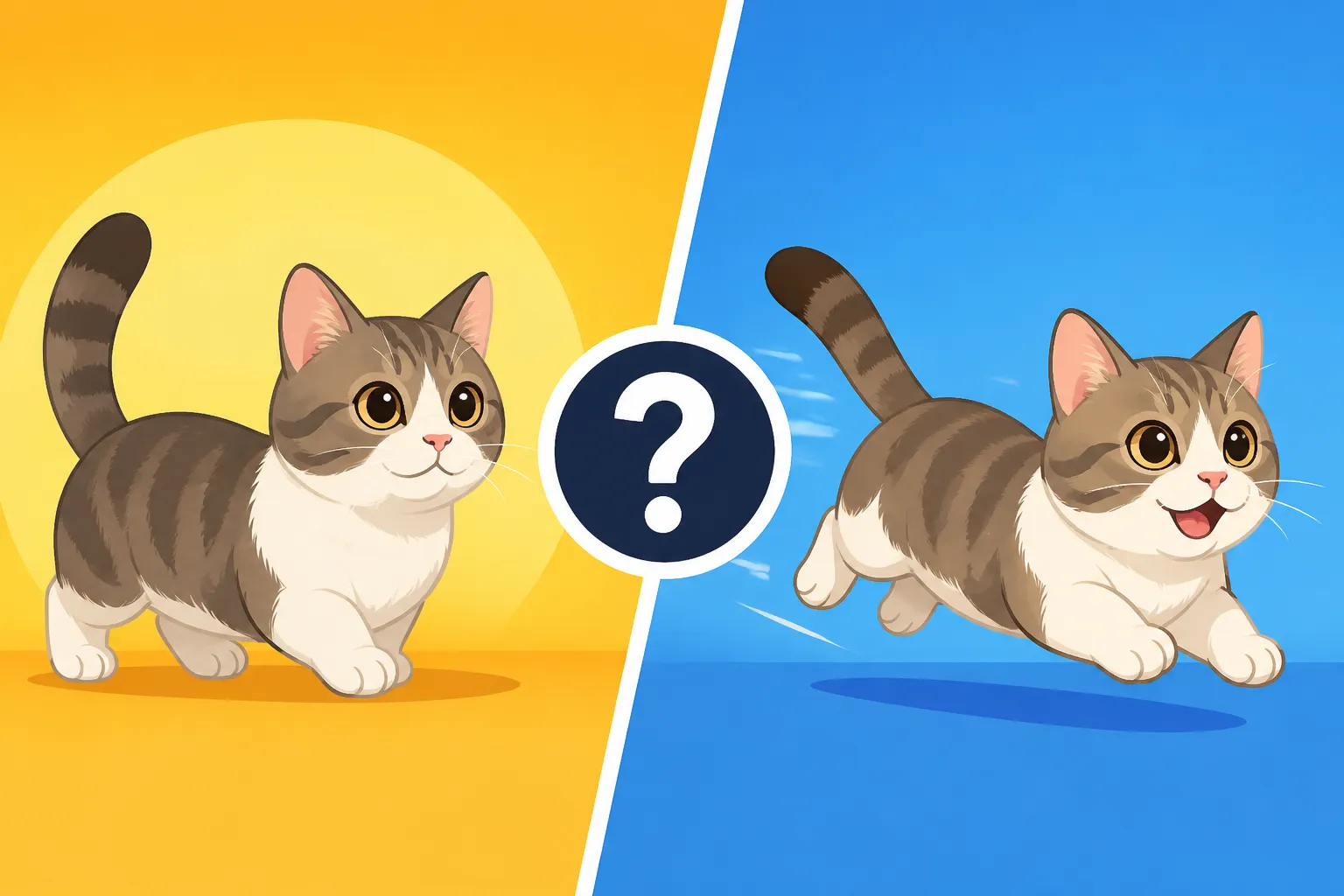
When you watch a Munchkin run, especially on a flat, level surface, you'll notice a distinct difference from a typical domestic shorthair. Their movement is often described as a "ferret-like" gait or a "scurrying" run. Instead of the high-stepping, powerful push-off that a long-legged cat uses, a Munchkin employs rapid, short strides, keeping its body close to the ground. This low-slung posture and quick leg turnover give them a surprising burst of speed over short distances. It's less about leaping forward and more about a continuous, low-profile propulsion. They're built for speed on the horizontal plane, rather than vertical prowess.
This unique gait allows them to move with considerable efficiency and determination. Don't underestimate a Munchkin's ability to chase a favorite toy or zoom across the living room! They may not achieve the same top speeds as a cat with longer legs over a wide-open field, but in an indoor environment, they can easily keep pace and even outmaneuver their taller counterparts. It's often said that a Munchkin is faster on the flat than you expect, and it's absolutely true. You can find more detail on this in How Fast a Munchkin Runs on Level Ground.
Why a Low Center of Gravity Is an Advantage
One of the unexpected benefits of a Munchkin's short legs and low body profile is an incredibly low center of gravity. This might not sound like a big deal, but in the world of feline acrobatics and agility, it's a huge asset. A low center of gravity translates directly into enhanced stability and balance. This is why a Munchkin can often make incredibly sharp turns at full speed without losing footing, something a taller cat might struggle with. They are less prone to tipping over when accelerating, decelerating, or changing direction suddenly.
Think of it like a sports car versus an SUV; the lower vehicle typically handles corners better and feels more planted. For a Munchkin, this means they can pursue a toy, navigate tight spaces, or weave through furniture with remarkable dexterity. This enhanced stability is a key component of their unique running style and contributes significantly to their overall agility, especially in a home environment.
Agility and Cornering Abilities
Beyond just straight-line speed, a Munchkin's unique build gives them exceptional agility, particularly when it comes to cornering. As mentioned, their low center of gravity allows them to hug the ground and pivot quickly. Where a taller cat might have to slow down considerably to make a tight turn, a Munchkin can often maintain much of its momentum, effortlessly changing direction. This makes them incredibly adept at playing chase games and navigating cluttered spaces.
They use their short, strong legs to propel themselves, and their compact bodies act as a stable base for quick maneuvers. You'll often see them dart under furniture, around table legs, and through narrow gaps that a larger, longer-legged cat might find challenging. This agility, combined with their speed, means they can be incredibly playful and active, surprising many who assume their short legs would limit their fun. Why a Munchkin's Low Body Helps It Chase explores this advantage further.
| Movement Aspect | Typical Long-Legged Cat | Munchkin Cat |
|---|---|---|
| Running Style | Long, elastic strides, powerful push-off | Short, rapid strides, ferret-like scurry |
| Top Speed (on flat) | Excellent over distance | Surprising burst over short distances |
| Jumping Height | Very capable, easily reaches high surfaces | Limited, requires multiple stages or assistance |
| Agility/Cornering | Good, but may need to slow for sharp turns | Exceptional, stable even at high speed |
| Stability | Good | Excellent due to low center of gravity |
| Stair Climbing | Easy, graceful | Can manage, but less efficient, may hop/bound |
| Climbing Vertical | Strong claws, good reach for vertical climbs | Limited, needs ramps or steps |
| Overall Energy Level | Varies by breed/individual | Often very high and playful |
Limitations in Movement: What a Munchkin Cannot Do Easily
While Munchkins are surprisingly capable on the ground, it's important to be realistic about their physical limitations. Their short legs do impose certain constraints, particularly when it comes to vertical movement and escaping danger.
The Reality of Jumping and Climbing
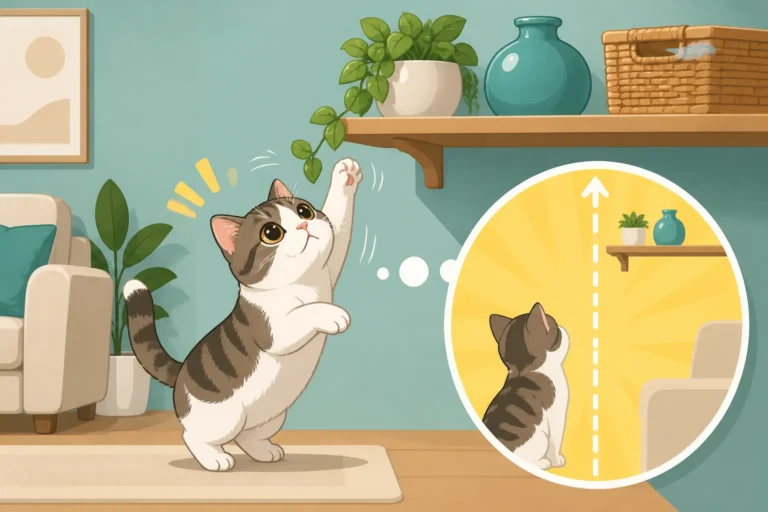
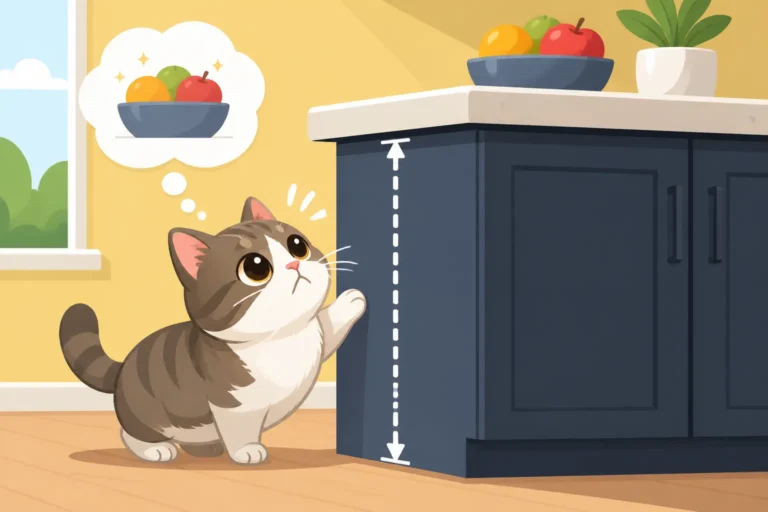
This is where the most significant difference between a Munchkin and a long-legged cat becomes apparent. While a Munchkin can absolutely jump, they simply cannot achieve the same heights or distances. A typical domestic cat can easily leap onto a kitchen counter or a tall bookshelf in a single, fluid motion. A Munchkin, however, will struggle to reach even a standard sofa height without assistance or a "staircase" of furniture. How Many Inches a Munchkin Can Jump provides a good overview of their jumping capabilities.
They compensate for this by becoming adept climbers of accessible objects, often using furniture as a series of steps. They might leap from a chair to a low table, then from the table to a higher shelf, effectively creating their own staircase. However, a truly vertical, high climb – like scaling a tall cat tree without appropriately spaced platforms or making it onto a tall wardrobe – is often beyond their physical capabilities. This limitation means owners need to adapt their homes to ensure their Munchkin can still access favorite perching spots safely. You might find yourself searching for cat trees with more closely set platforms or investing in pet steps.
Navigating Stairs and Uneven Terrain
Stairs can be a particular challenge for Munchkin cats, especially if they are steep or have a slick surface. Going up stairs is generally easier than coming down. Many Munchkins will bound up stairs, taking two or three steps at a time, or meticulously climb each step individually. Coming down, however, can be more difficult. Their short legs make it harder to brace themselves, and they might appear to "fall" down the steps in a series of controlled tumbles, or become hesitant. Repeatedly navigating stairs can also put extra strain on their joints, particularly their shoulders and elbows, which already take a significant load from their low stance.
Uneven terrain outdoors, like rough ground, deep grass, or thick carpet indoors, can also present more of a challenge than it would for a long-legged cat. While they are resilient and adaptable, these surfaces require more effort and can slow them down considerably. This is one of the many reasons why Munchkins are best kept as indoor-only cats.
Escape and Defense Mechanisms
A cat's ability to jump and climb high is a primary defense mechanism in the wild. When faced with a threat, a cat's instinct is often to get to higher ground, out of reach of predators or other dangers. For a Munchkin, this crucial escape route is largely unavailable. They cannot simply leap onto a fence, scale a tall tree, or jump to the top of a cabinet to escape a perceived threat, whether that's an overly enthusiastic child, a curious dog, or an outdoor predator.
This lack of vertical escape means that a Munchkin can feel more vulnerable in certain situations. It's an important consideration for owners, particularly in multi-pet households or homes with young children. They simply don't have the option to "climb away" from a situation, making a secure and understanding home environment absolutely paramount. Understanding Why a Munchkin Cannot Escape a Confrontation is vital for their safety and well-being.
Supporting a Munchkin's Mobility and Joint Health
Given their unique physiology, supporting a Munchkin's mobility and ensuring their long-term joint health is a significant part of responsible ownership. It's not about treating a disability, but rather proactively managing their specific needs.
Importance of Weight Management
Perhaps the single most critical factor in a Munchkin's long-term mobility and comfort is maintaining a healthy weight. Every extra gram of weight places additional strain on their already uniquely structured joints, particularly in their shoulders, elbows, and spine. Imagine carrying a backpack filled with bricks all day – that's what excess weight feels like to a Munchkin's small frame. Over time, this constant strain can accelerate the onset and severity of joint issues like osteoarthritis. Why Weight Is More Dangerous on a Munchkin delves into this in detail.
It's tempting to spoil our cats with treats, but with a Munchkin, moderation is key. Regular weighing, careful portion control, and a high-quality diet are essential. Work with your vet to determine the ideal body condition score and calorie intake for your individual cat. Remember, a lean Munchkin is a happier, more mobile Munchkin.
Creating an Adapted Environment
Since a Munchkin cannot jump like a typical cat, their home environment needs thoughtful adaptation. This doesn't mean you have to completely remodel, but strategic additions can make a huge difference in their quality of life. Ramps and steps are not luxuries; they are essential equipment that allows your Munchkin to access their favorite spots without straining their joints from repeated jumping.
Think about places they love to be: the sofa, your bed, a sunny windowsill. Providing a sturdy ramp or a set of pet stairs for these areas allows them to climb up and down safely and independently. You can find many options on sites like Amazon, from carpeted ramps to modular pet stairs that fit seamlessly into your decor. Ensure these ramps have a gentle incline and a non-slip surface to give your Munchkin confidence. Cat trees should have platforms that are closely spaced, forming a gentle staircase rather than large gaps. Similarly, litter boxes should have low entry points to avoid awkward stretching or jumping. How to Set Up Ramps Around a Munchkin's House offers practical advice on creating a safe and accessible home.
Recognizing Signs of Discomfort or Pain
Even with the best care, as Munchkins age, they can become more susceptible to joint stiffness or arthritis, much like many breeds of cats and dogs. Being vigilant about recognizing subtle signs of discomfort or pain is crucial. Look for changes in their normal behavior:
- Reluctance to jump: If your Munchkin suddenly stops trying to get onto the sofa or bed, or hesitates more than usual.
- Changes in gait: A slight limp, stiffness, or an altered way of walking. You might notice them favoring one leg or a more exaggerated "ferret-like" shuffle. Watching How a Vet Watches a Munchkin Walk can help you understand what to look for.
- Reduced activity or play: Less interest in chasing toys or engaging in their usual antics.
- Difficulty grooming: Struggling to reach certain areas, particularly their hindquarters, which can lead to matting.
- Irritability or withdrawal: Pain can make even the sweetest cat grumpy or less social.
- Increased vocalization: More meows, purrs, or growls than usual, especially when moving or being handled.
If you notice any of these signs, a vet visit is in order. Early intervention with anti-inflammatory medications, joint supplements (like those you might find on Amazon containing glucosamine or chondroitin, after vet consultation!), or even physical therapy can significantly improve their comfort and quality of life. Whether a Munchkin Gets Arthritis Earlier provides more information on this topic.
Comparing Munchkin Movement to Other Cats
Putting a Munchkin's movement into perspective against other cat breeds helps highlight their unique adaptations and capabilities without mischaracterizing them as disabled. They are simply built differently, and they excel in their own way.
Speed Comparison with Long-Legged Cats
While Munchkins might not have the same long-distance sprinting capabilities as a sleek Siamese or an athletic Abyssinian, their short-burst speed on the flat is impressive. As discussed, their low center of gravity and rapid leg turnover allow for quick acceleration and deceleration. In a game of chase around the living room, a healthy, fit Munchkin can absolutely hold its own against a long-legged cat. They might not clear the same obstacles, but they'll weave and dart with incredible efficiency.
It's less about which cat is "faster" and more about how they utilize their bodies for speed. Long-legged cats leverage powerful hindquarter muscles for explosive jumps and long strides, perfect for open spaces. Munchkins, on the other hand, optimize their energy for low-to-the-ground, agile movement, making them masters of navigating dense environments. So, while their running technique is different, the result – getting from point A to point B quickly – is often quite comparable in everyday indoor settings.
Behavioral Differences in Play
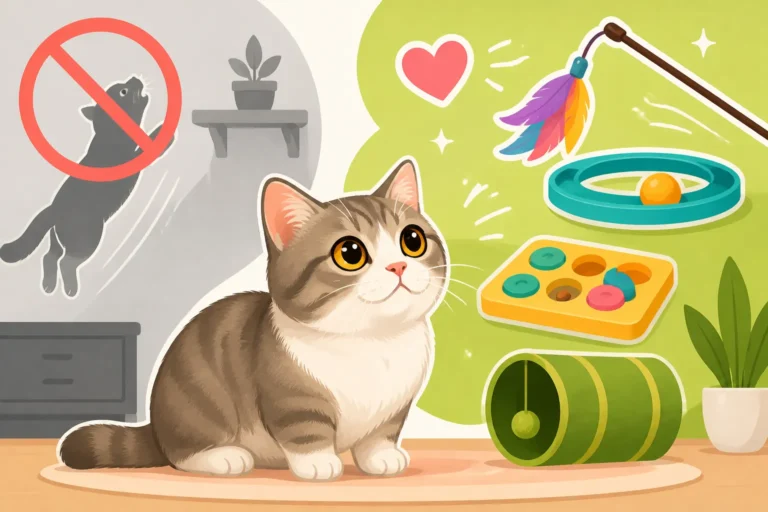
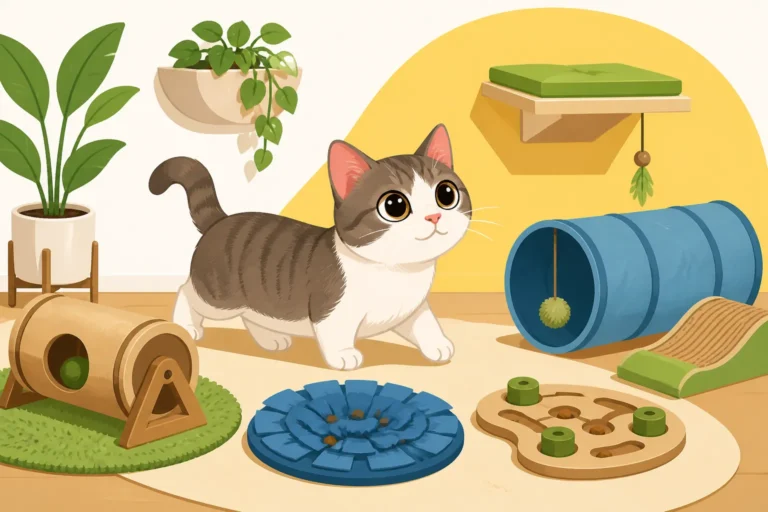
The way a Munchkin plays is heavily influenced by its physical build. Since high jumps and vertical climbs are not their forte, their play tends to be more ground-oriented. They are fantastic at chasing toys across the floor, pouncing, wrestling with other cats at ground level, and darting under furniture. Many Munchkins love wand toys that allow them to "hunt" and bat at things at their eye level. They might not launch themselves into the air to catch a feather duster, but they'll stalk, pounce, and "kill" it with gusto on the carpet.
Their playful nature is often described as boundless. They are curious and love to explore, often "burrowing" into blankets or exploring tight spaces. This ground-level focus doesn't make them less playful; it just means their play style adapts to their physical strengths. This also means that interactive play with their human companions often involves toys and activities that keep them engaged horizontally. Which Toys Work at a Munchkin's Height can give you ideas for optimal play.
The Long-Term Impact on Mobility
The biggest concern people naturally have is the long-term impact of their unique leg structure on their mobility. While a young Munchkin can often run, play, and navigate its environment with impressive agility, the reality is that the atypical loading on their joints means they may be more prone to certain orthopedic issues as they age. Conditions like osteoarthritis can manifest earlier or more severely in breeds with skeletal anomalies. This is why preventative care, such as rigorous weight management, an adapted home, and possibly joint supplements, is so crucial throughout a Munchkin's life.
It's not a guarantee that every Munchkin will suffer from severe joint problems, but owners should be aware of the potential. Regular veterinary check-ups, including discussions about joint health, are vital. Your vet might recommend Which Blood Panel a Munchkin Should Have Yearly to monitor overall health. By providing thoughtful care and adapting their environment as they age, many Munchkins continue to be active and happy well into their senior years. The goal is to ensure they can move comfortably and enjoy their lives for as long as possible, adapting their routes and resources as their needs change.
Disclaimer
This article is for general informational purposes only and does not constitute professional advice. Laws, prices and regulations vary by location and change over time. Consult a qualified professional for guidance on your specific situation.