Which Toys Work at a Munchkin’s Height
It’s a unique challenge, isn’t it, finding toys that truly engage your adorable short-legged Munchkin? Many cat toys on the market are designed with standard-height cats in mind, leaving our low-riding friends feeling frustrated or simply unable to interact. This guide is all about diving deep into the world of Munchkin play, helping you discover which toys perfectly suit their special needs and energetic spirits, ensuring endless fun and enrichment.
Understanding the Munchkin's Unique Play Style
Owning a Munchkin means understanding that while their heart and spirit are 100% cat, their physical capabilities require a different approach to playtime. It’s not about pitying their short legs; it’s about celebrating their unique agility and finding ways to enhance their natural instincts within their physical parameters. You’ll quickly learn they’re incredibly clever at adapting, but we can make it even easier for them.
The Low-to-Ground Advantage
When you watch a Munchkin move, it’s not long before you realize they’re built for speed and stealth on the horizontal plane. Their short legs create a low center of gravity that makes them incredibly nimble. They can corner like a race car, dart under furniture with ease, and pounce with surprising force from a low crouch. This low profile means they excel at floor-level pursuits, chasing after toys that roll, slide, or skitter across the room. Think of them as little ferret-like hunters, perfectly adapted to navigating tight spaces and open floors with equal enthusiasm. Their perspective is entirely different, and acknowledging this is the first step to successful toy selection. They're not missing out on vertical play so much as they're mastering horizontal play, a skill many long-legged cats can't quite replicate. Why a Munchkin's Low Body Helps It Chase offers more insight into this fascinating aspect of their movement.
Why Jumping is Different
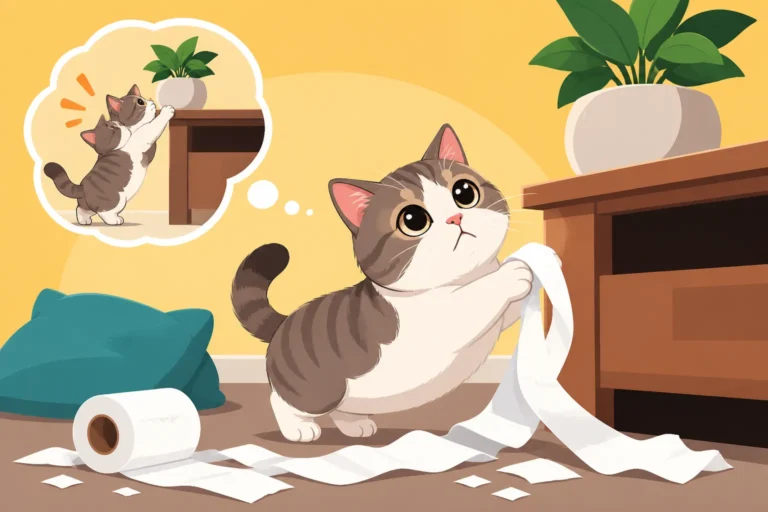
Let's be real: Munchkins can jump, but not to the heights a typical cat might. This isn't a limitation as much as it is a characteristic. They tend to prefer a more strategic approach to gaining elevation, often using furniture as a clever series of steps rather than one mighty leap. When they do jump, it’s usually lower and more controlled, often from a solid footing to another stable surface. This means toys that require significant vertical leaps, like tall hanging teasers, might frustrate them or lead to repeated, sometimes awkward, attempts. The goal isn't to stop them from jumping entirely – after all, they’re still cats! – but to provide alternatives and ensure that their environment supports their natural, lower-impact jumping style. You want to avoid situations where they're constantly straining or potentially injuring themselves trying to reach something just out of their comfortable range. How Many Inches a Munchkin Can Jump delves into their actual vertical capabilities.
Their Unique Hunting Instincts
Despite their differences in locomotion, a Munchkin's hunting instincts are as strong as any other cat's. They love to stalk, chase, pounce, and "kill" their prey. The key is presenting these opportunities at their level. Their intense focus and rapid bursts of speed make them excellent at "floor-level" hunting games. You’ll see them wiggle their hindquarters, flatten themselves to the ground, and explode forward with remarkable precision. Toys that mimic small prey scurrying across the floor, or those that can be dangled just above their reach for a quick pounce, tap directly into these primal drives. This isn't just about entertainment; it's vital for their mental and physical well-being. A cat that can express its natural hunting behaviors is a happier, healthier cat. It satisfies that deep-seated need to exert energy and strategize.
Best Toy Categories for Floor-Level Play
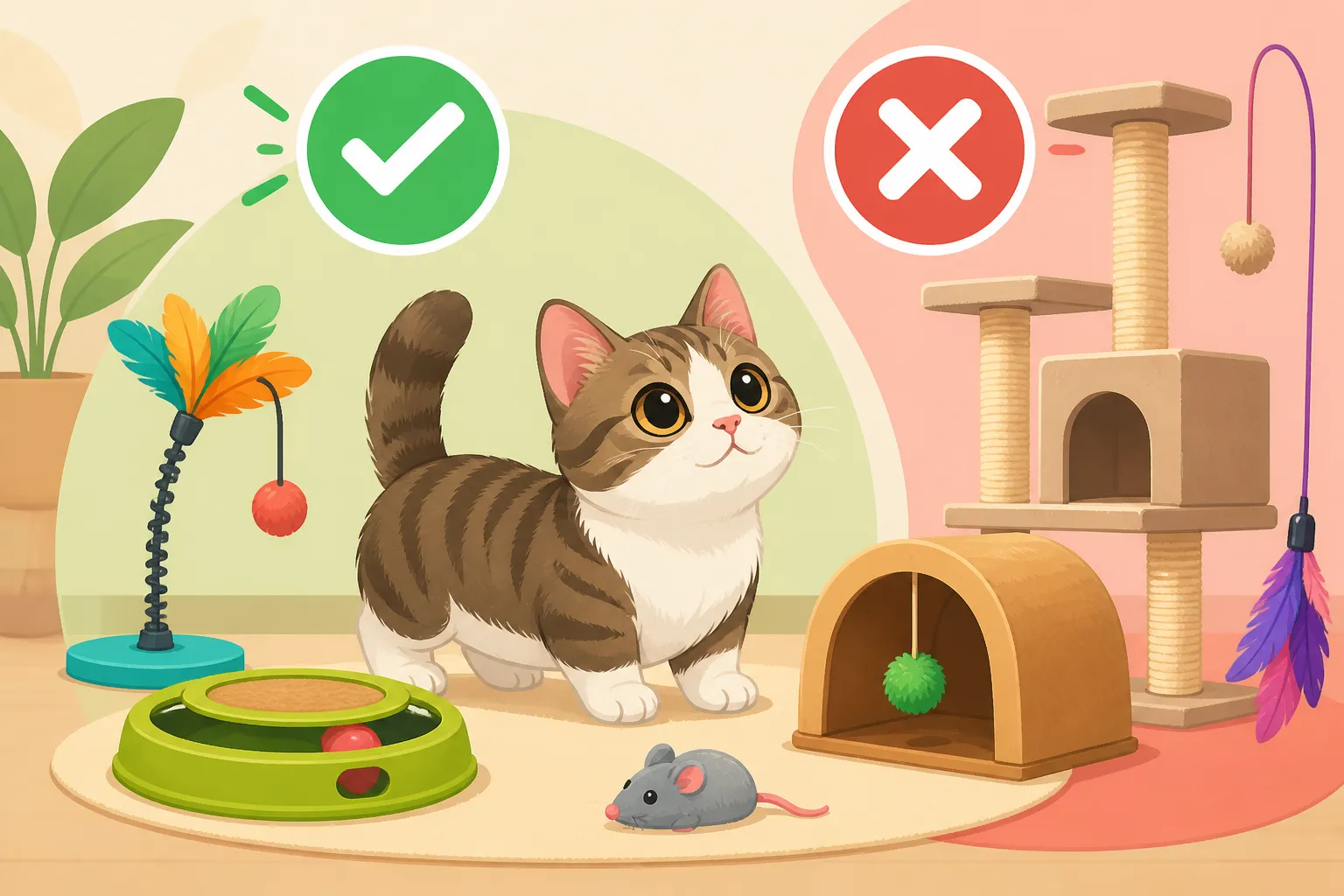
Given their unique physicality, the best toys for Munchkins are those that embrace their low-rider status and encourage horizontal movement and pouncing. These aren't just "okay" toys; these are the ones where your Munchkin will truly shine, showing off their surprising speed and agility.
Wand Toys and Danglers
Wand toys are arguably one of the most versatile and engaging types of toys for a Munchkin. The key, however, is how you use them. Instead of waving them high in the air, focus on dragging and twitching the toy attachment along the floor, mimicking the erratic movements of small prey. Let it disappear under a rug, dart around a chair leg, or skitter across a tile floor. This encourages your Munchkin to chase, pounce, and stalk at their natural height, minimizing frustrating vertical jumps. Look for wands with various attachments like feathers, ribbons, small plush animals, or crinkly materials. Changing up the attachment keeps things fresh and exciting. Some of the longer wands available on platforms like Amazon can give you a better reach, allowing you to engage your cat from a comfortable position while still keeping the action at floor level. Which Wand Toys Suit a Munchkin's Reach provides more ideas for making these toys work best.
Rolling and Chasing Toys
Nothing gets a Munchkin going quite like something rolling rapidly across the floor. Small balls, crinkle balls, lightweight mice, or even just a crumpled piece of paper become irresistible targets. Their low stance allows them to pivot and pursue these items with incredible speed and accuracy. Toys with bells inside add an auditory element that can pique their interest, while those made of various textures (fuzzy, plastic, foam) offer different tactile experiences. Consider toys that aren't perfectly round, as their unpredictable bounce can be even more stimulating. Remember, the simpler the better sometimes – a plastic ball batted across the kitchen floor can provide ten minutes of pure joy. For these types of toys, you’re looking to encourage that quick burst of speed and agile cornering that Munchkins naturally excel at.
Small, Lightweight Fetch Toys
While not all cats enjoy fetch, many Munchkins do! Their love for floor-level chasing makes them excellent candidates for this game. Choose toys that are small enough for them to pick up comfortably in their mouths and lightweight enough to carry back without straining. Soft pom-poms, small plush mice, or even tightly rolled foil balls are often big hits. The act of bringing the toy back directly engages their problem-solving skills and reinforces the bond with you. It’s a wonderful way to interact without requiring any high-impact movements. Just be sure to play fetch on carpeted surfaces or areas with good traction to prevent any slipping accidents during their enthusiastic returns. You might be surprised at how dedicated they can be to a good game of fetch! How Much Floor Level Play a Munchkin Needs emphasizes the importance of regular, accessible play.
Interactive and Puzzle Toys for Mental Stimulation
Physical play is crucial, but mental stimulation is just as important for a well-rounded and happy Munchkin. Puzzle toys and interactive feeders can challenge their minds, prevent boredom, and even slow down fast eaters, which is beneficial for managing their weight—a key consideration for their joint health.
Treat Dispensing Toys
Treat-dispensing toys are fantastic for Munchkins because they encourage active engagement at floor level. These toys typically require the cat to bat, roll, or manipulate them in some way to release treats or kibble. This not only provides mental stimulation but also encourages gentle exercise. Look for designs that are stable and easy for a Munchkin to bat around without getting stuck or tipping over too easily. Options with adjustable openings allow you to control the difficulty. Using a portion of their daily kibble in these toys instead of just treats can turn mealtime into a fun, enriching activity. It forces them to "work" for their food, mimicking the natural effort of hunting. Many durable options can be found on Amazon, offering different levels of challenge for your clever companion.
Slow Feeder Options
While not strictly "toys," slow feeders serve a similar purpose by engaging a cat's mind and body during mealtime, and they are particularly beneficial for Munchkins. Due to their lower activity levels compared to some breeds and the added stress weight puts on their unique skeletal structure, managing calorie intake and promoting slower eating is vital. Slow feeders, often designed with intricate mazes or dividers, make cats work harder and eat more slowly, preventing scarf-and-barf and promoting better digestion. For a Munchkin, ensure the slow feeder is low to the ground and doesn't require them to reach up awkwardly. A flat, wide design is often best, or even a snuffle mat for cats, which lets them root around for their food. This transforms a quick meal into a more engaging and extended activity, promoting both mental and physical health.
Electronic Motion Toys
Electronic toys can provide hours of entertainment, especially when you're busy or need a hands-off play session. Look for toys that move unpredictably at ground level, like laser pointers (used responsibly, always ending with a physical catch for satisfaction!), self-propelled mice, or toys with hidden feathers that peek out from different holes. Toys that operate under a fabric cover, mimicking unseen prey, are particularly captivating for Munchkins as they tap into their stalk-and-pounce instincts without requiring any jumping. Just remember to rotate these toys to keep your Munchkin interested and prevent them from becoming bored with the same motion patterns. The erratic movements can be incredibly stimulating and can keep them engaged for surprisingly long periods, providing excellent independent playtime.
Addressing Specific Munchkin Needs with Toys
Beyond general play, certain types of toys and enrichment tools can specifically address the unique care requirements of a Munchkin cat, from grooming to stress relief.
Grooming and Dental Play
Munchkins, especially long-haired varieties, can struggle to groom certain hard-to-reach areas, particularly their hindquarters and belly, due to their short legs. Toys and tools that encourage self-grooming can be incredibly helpful. Self-grooming arches or wall-mounted brushes allow them to rub and scratch themselves, helping to remove loose fur. While not a toy, a soft brush on a handle (like a back scratcher for humans, but cleaner!) can be used to gently brush those awkward spots while they’re relaxed. For dental health, chew toys designed for cats can help scrape away plaque. Look for rubbery or textured toys that are small enough for their mouths and durable enough to withstand chewing. Introducing these early can make grooming and dental care much less of a chore. Which Parts of Itself a Munchkin Cannot Reach explains why these tools are so important.
Scratching Solutions
Every cat needs to scratch to condition their claws, stretch their muscles, and mark their territory. For Munchkins, the conventional tall scratching post might not be the most accessible option. Instead, prioritize horizontal scratchers, inclined scratchers, or low-profile vertical scratchers that allow them to stretch their front paws effectively without needing to reach too high. Cardboard scratch pads that lay flat on the floor or have a gentle incline are often big hits. Sisal mats or carpet squares placed strategically can also serve this purpose. Make sure the scratcher is stable and won't tip over when they lean into it. Providing multiple scratching options in different materials (cardboard, sisal, carpet) allows them to choose their preferred texture and helps protect your furniture. Which Scratching Post a Munchkin Can Use offers more detailed advice on selection.
Comfort and Security Toys
Munchkins are often described as affectionate and social cats, and like all felines, they benefit from toys that provide comfort and a sense of security. Soft plush toys, especially those that are small enough for them to carry, cuddle with, or "mother," can be very important. Some cats enjoy toys infused with catnip or silvervine for an extra burst of blissful play and relaxation. Crinkly tunnels or small, low-entry cat "cubes" also serve as excellent hiding spots, offering a sense of security and a quiet retreat from the bustle of the house. These aren’t just about play; they’re about contributing to their overall emotional well-being and reducing stress. A happy cat is a cat with its own safe spaces and comforting objects.
Creating an Accessible Play Environment
It’s not just about the individual toys; it’s about the entire environment. An accessible play space maximizes a Munchkin's enjoyment and ensures they can safely navigate and interact with their surroundings and toys. Think about your home from their perspective, just inches off the ground.
The Importance of Ramps and Steps in Play Areas
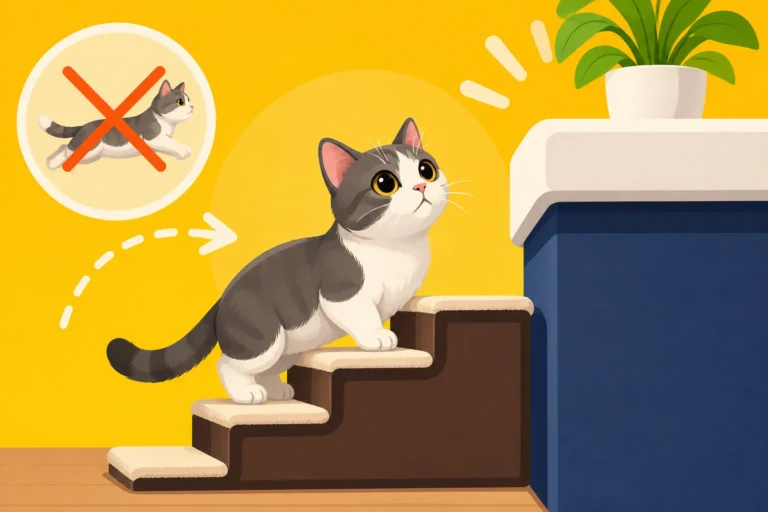
For Munchkins, ramps and steps aren't just for reaching high places; they can be integrated into play areas to create multi-level enrichment. Instead of just having toys on the floor, consider a low cat tree with closely spaced platforms, or strategically placed steps that lead to a favorite window perch or a higher bed. This allows your Munchkin to explore vertical dimensions safely and comfortably, extending their play horizons without dangerous leaps. A well-designed ramp leading to a catio or a window seat means they can enjoy bird-watching or outdoor scents without needing your assistance. When selecting or building these, ensure the ramps aren't too steep and the steps have good traction. You're giving them the gift of independence in their play. How to Teach a Munchkin to Use Steps is a valuable resource for guiding them.
Safe Spaces for Retreat and Observation
Every cat, including the playful Munchkin, needs a safe space where they can retreat, rest, and observe their surroundings without feeling exposed or vulnerable. For Munchkins, these spaces need to be easily accessible at ground level or via gentle ramps. Low-entry tunnels, soft cat beds tucked under a low table, or enclosed cat cubes provide perfect sanctuaries. Because they can't always leap to high ground to escape, having ground-level hideaways is even more critical for their sense of security, especially in homes with children or other pets. These spots can also serve as excellent places to hide favorite toys or enjoy a quiet chew session. A secure retreat reduces stress and makes them feel more confident in their home environment.
Rotating Toys for Sustained Interest
One of the oldest tricks in the cat-owner book, and one that works wonderfully for Munchkins, is toy rotation. Cats, even the most playful ones, can get bored with the same toys day in and day out. By rotating their toys – keeping only a few out at a time and swapping them for "new" ones from a stored collection every few days or weekly – you can keep their interest levels high. This prevents habituation and ensures that each play session feels fresh and exciting. When you bring out a toy they haven't seen in a while, it often sparks renewed enthusiasm. This strategy is cost-effective and ensures your Munchkin remains mentally stimulated and physically engaged with their accessible toy collection.
| Toy Category | Best For | Key Benefits for Munchkins | Considerations |
|---|---|---|---|
| Wand Toys | Chasing, pouncing, interactive play | Encourages floor-level hunting, minimizes jumping strain | Must be used at ground level; long wands helpful for owner reach |
| Rolling Balls/Mice | Fast-paced chase, solo play | Taps into natural hunting, supports agile cornering | Look for variety in texture and sound |
| Small Fetch Toys | Interactive bonding, gentle exercise | Low-impact retrieval, strengthens human-cat bond | Must be lightweight and easy to carry |
| Treat Dispensers | Mental stimulation, slow feeding | Challenges mind at ground level, aids weight management | Ensure stability and easy access for short legs |
| Electronic Movers | Independent play, erratic stimulation | Mimics prey movement, engaging without owner intervention | Rotate to prevent boredom; ensure a "catch" for laser pointers |
| Grooming Tools | Self-grooming assistance | Helps reach inaccessible areas, promotes hygiene | Wall-mounted brushes or grooming arches are ideal |
| Scratchers | Claw conditioning, stretching | Accessible stretching, protects furniture | Horizontal or low-angle vertical scratchers are best |
| Comfort Toys | Security, stress relief | Provides comfort, aids emotional well-being | Soft plush, catnip toys, low tunnels |
Remember, the goal is always to maximize your Munchkin's joy and natural behaviors within their unique physical framework. By thoughtful selection and presentation of toys, you’re not just providing entertainment; you’re investing in their health, happiness, and overall quality of life. The Twelve to Fifteen Years a Munchkin Usually Gets means a lot of playtime over their lifespan! How to Set Up Floor Level Enrichment for a Munchkin provides a great overview of creating the ultimate play zone.
Disclaimer
This article is for general informational purposes only and does not constitute professional advice. Laws, prices and regulations vary by location and change over time. Consult a qualified professional for guidance on your specific situation.