Whether a Munchkin Prefers a Ramp or Steps
It's a common dilemma for Munchkin cat owners, isn't it? You love your little short-legged wonder, but you also want to ensure they can navigate their world safely and comfortably. The struggle of watching them eye up the sofa, knowing it's just a bit too high, is real. This guide is all about helping you decide whether ramps or steps are the better solution for your unique feline friend, and how to make their environment as accessible and joyful as possible.
Understanding Your Munchkin's Natural Movement: It's All About the Low Ride
Before we dive into ramps versus steps, let's take a moment to truly appreciate how a Munchkin navigates the world. Their short legs aren't just a cute quirk; they dictate a completely different way of moving compared to a long-legged cat. While a regular cat might effortlessly leap onto a countertop, a Munchkin operates closer to the ground, often using a distinctive "ferret-like" scurry. They're surprisingly fast and agile on flat surfaces, but vertical challenges are a whole different ballgame.
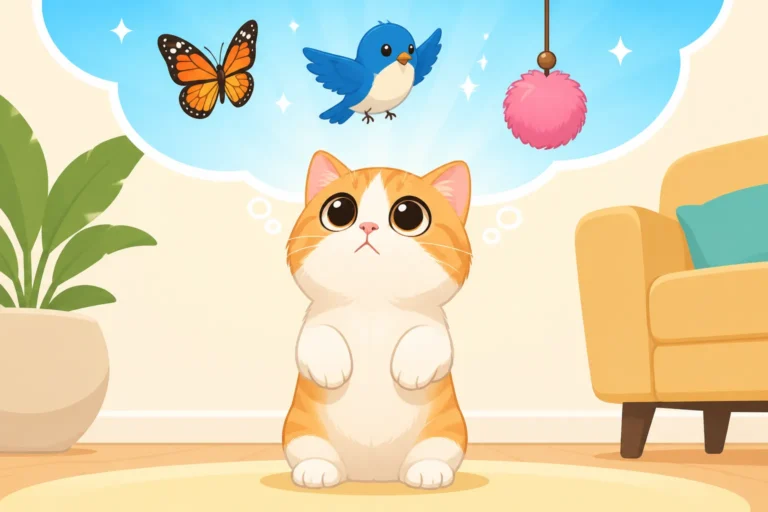
Think about how your Munchkin attempts to get to higher places. Do they try multiple small jumps? Do they stand on their hind legs in that adorable "prairie dog" stance, scoping out the terrain? These behaviors are their way of problem-solving. They want to be up with you, on the bed, on the sofa, looking out the window. The frustration often comes from their physical limitations, not a lack of desire. They're not lazy; they're just built differently, and it means we, as their loving guardians, need to adapt our homes to their needs. This isn't just about convenience; it's about preventing unnecessary strain on their joints and spine, especially as they get older. How a Munchkin Gets Where It Wants Without Jumping is a fascinating read on their unique methods.
The Impact of Short Legs on Jumping and Climbing
It's tempting to think a Munchkin just needs a little boost, but their biomechanics are important. Their short humerus and femur bones, the hallmark of their pseudoachondroplasia, mean they don't have the same leverage or spring in their legs as a standard cat. This isn't a minor difference; it fundamentally changes their ability to jump. While some incredibly determined Munchkins might surprise you with a seemingly impossible leap, these jumps often put undue stress on their front legs, shoulders, and spine when they land. How High a Munchkin Can Actually Jump is something many owners wonder about, and the reality is often lower than anticipated.
This isn't to say they don't try. You might see your Munchkin eye a chair, make a running start, and then just… bonk. It's not a lack of effort; it's a physical limitation. Repeated attempts at jumps that are too high can lead to strain, discomfort, or even injury over time. It’s why providing accessible pathways isn't just a nicety; it's an essential part of responsible Munchkin ownership. We want them to enjoy reaching their favorite spots without the risk of an awkward landing or a strained back.
The Need for Accessible Furniture and High Places
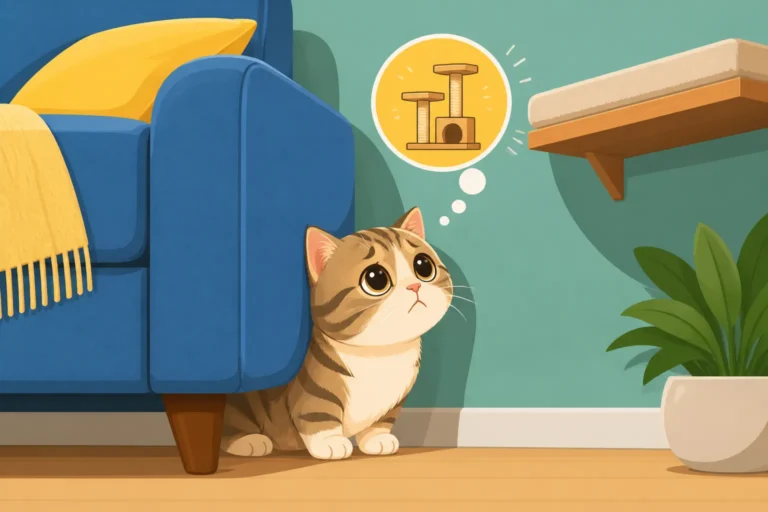
Every cat, including a Munchkin, thrives on having vertical territory. High places offer a sense of security, warmth, and a vantage point from which to observe their domain. For a standard cat, this means scaling a cat tree or leaping onto a shelf. For a Munchkin, these natural instincts are often thwarted by their physical build. Imagine being driven by instinct to climb, to observe, to feel safe up high, but being physically unable to reach those spots. It can lead to frustration, reduced activity, and even behavioral issues if their needs aren't met.
Providing safe, accessible routes to sofas, beds, windowsills, and cat trees isn't just about making life easier for them; it's about enriching their lives and allowing them to express natural feline behaviors. We're not "spoiling" them; we're giving them the tools to live a full, happy, and pain-free life. So, when considering ramps or steps, we're really thinking about how to bridge that gap between their natural desire to be up high and their physical reality. Remember, Ramps and Steps Are Munchkin Equipment, Not Luxuries.
The Great Debate: Ramps Versus Steps for Your Short-Legged Friend
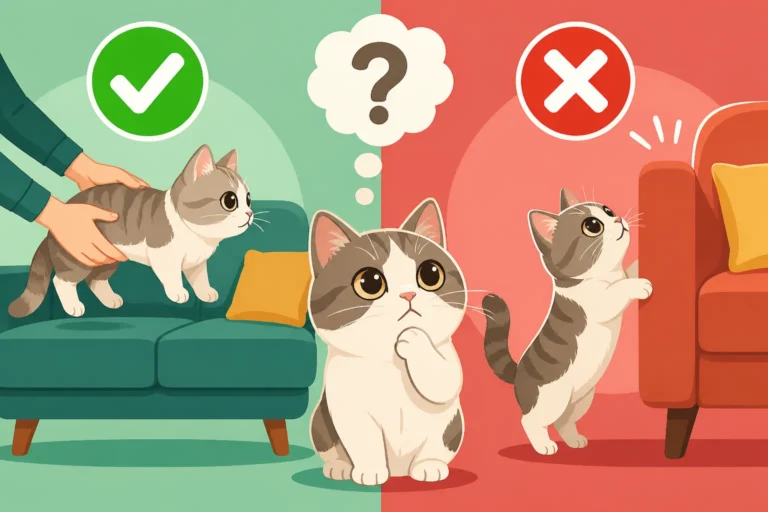
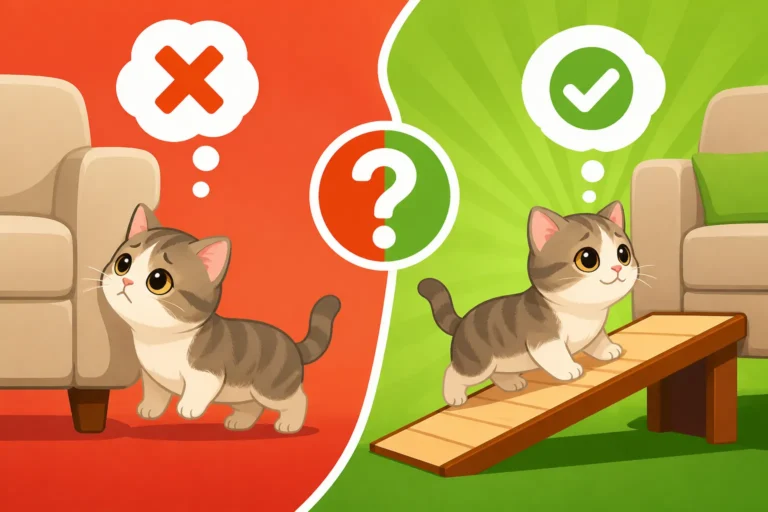
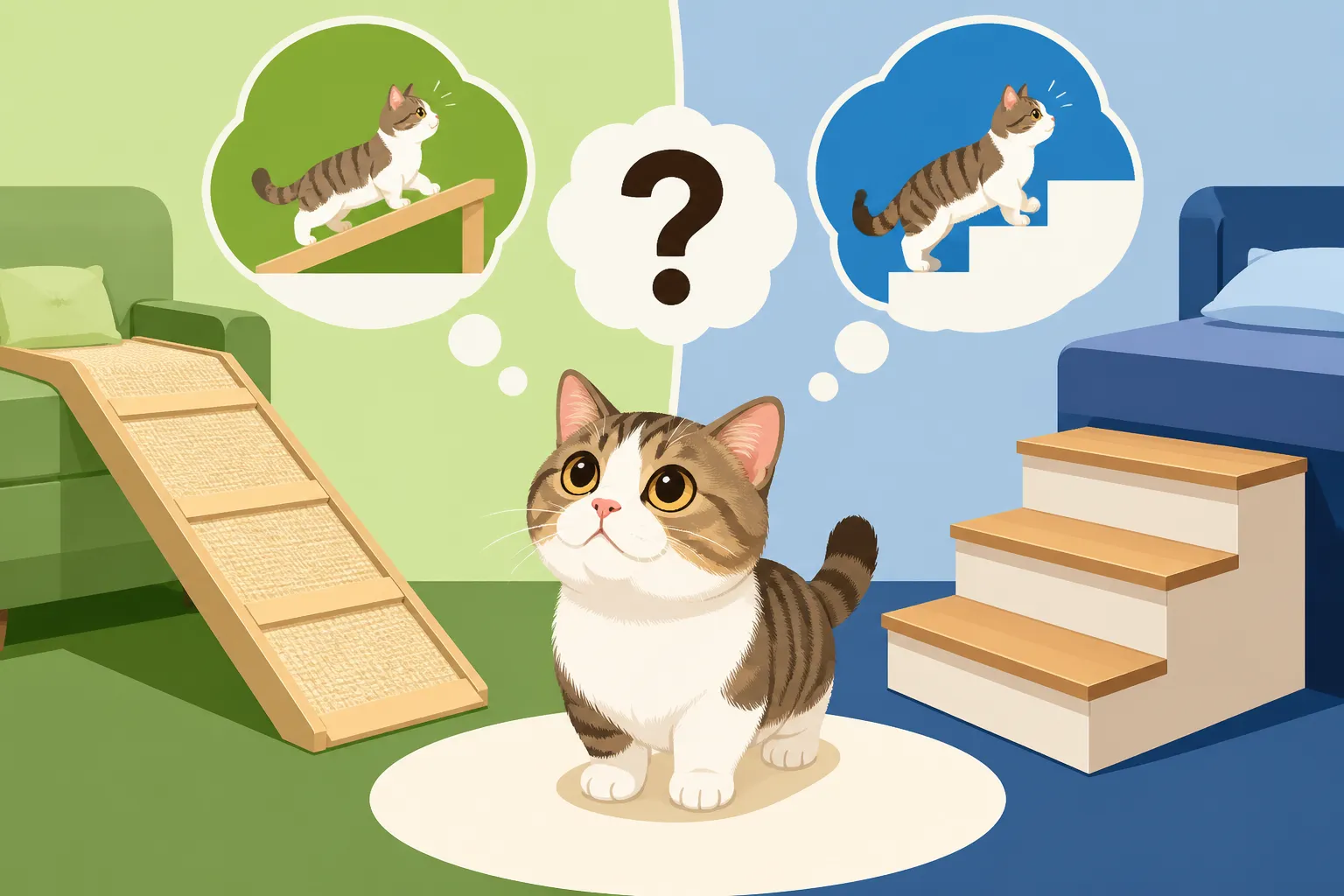
So, you know your Munchkin needs a leg up, literally. But should you go for a ramp or steps? This is where many owners get stuck, and honestly, there's no single "right" answer for every cat. It often comes down to individual preference, the specific height you're trying to reach, and even the layout of your home. Let's break down the pros and cons of each, helping you weigh the options for your tiny adventurer.
The Case for Ramps: Gentle Inclines and Continuous Support
Ramps offer a smooth, continuous incline, which can be fantastic for a Munchkin. Think of it like a gentle hill versus a set of stairs. The biggest benefit of a ramp is that it provides constant support for their body, reducing any jarring impact that steps might cause. This is particularly important for their unique spinal structure and for avoiding strain on their front legs. How Steep a Munchkin's Ramp Can Be is a critical factor, as a gentle slope is always preferred over a steep one.
Pros of Ramps:
- Gentle on Joints and Spine: The continuous surface means no high-impact steps, which is ideal for Munchkins, especially as they age or if they have any predisposition to joint issues. It's a smoother transition up and down.
- Easier for Cats with Mobility Issues: If your Munchkin ever develops arthritis, or has any underlying spinal concerns, a ramp often becomes the preferred choice because it requires less flexion and extension of their limbs. It's also great for older cats who might start to struggle with climbing.
- Less Intimidating for Some Cats: Some cats find the wide, open surface of a ramp less daunting than a series of individual steps, especially if they are a bit nervous or unsure.
- Versatility in Height: Ramps can be made quite long to accommodate significant height differences with a very shallow incline, which is ideal. You can find ramps designed for beds, sofas, or even car access from places like Amazon.
Cons of Ramps:
- Space Requirement: The main drawback is space. To achieve a truly gentle, safe incline, a ramp needs to be relatively long. A ramp that's too steep isn't helpful and can even be dangerous, as Why a Munchkin Refuses a Steep Ramp explains. If you have a small living area, a long ramp might simply not fit.
- Slipping Risk (if not carpeted/grippy): A slick ramp surface is a no-go. It absolutely must have a non-slip surface, like carpet or ribbed rubber, to give your Munchkin traction.
- Learning Curve: While often easier, some cats still need encouragement to use a ramp consistently.
The Case for Steps: Compact Solutions for Specific Heights
Steps, or pet stairs, are another popular option. They work well for moderate heights and can be a more compact solution than a ramp in some situations. For a Munchkin, the key is to ensure the steps are shallow and wide enough to make each ascent and descent comfortable.
Pros of Steps:
- Space-Saving: Steps typically have a smaller footprint than a ramp designed for the same height, making them a good option for tighter spaces or if you just need to reach the top of a low sofa.
- Clear Ascent/Descent Path: Some cats seem to understand steps intuitively, perhaps because they mimic miniature human stairs.
- Stability: Well-constructed pet steps are generally very stable, especially if they have a wide base. You can find sturdy, carpeted pet steps on Amazon that are great for stability.
Cons of Steps:
- Potential for Joint Strain: Each step requires your Munchkin to lift and lower their body, which can be harder on their joints, particularly their shoulders and elbows, compared to the smooth motion of a ramp. This is especially true if the steps are too high or too narrow. Whether a Munchkin Should Not Use Stairs Repeatedly highlights the risks.
- Risk of Missteps: A misjudged step could lead to a fall, though this is less common with low, wide pet stairs than with regular household stairs.
- Not Ideal for Higher Surfaces: For very high beds or windowsills, you'd need quite a few steps, which can become unwieldy and potentially less stable.
- Cat Preference: Some cats simply don't like steps, finding them awkward or unstable.
So, Which One is Best? The Deciding Factors
The truth is, your Munchkin might surprise you. Some will take to a ramp like a duck to water, while others will prefer steps. The best approach is to consider:
- The Height of the Destination: For a very low sofa, a few shallow steps might be fine. For a taller bed or a window perch, a ramp with a gentle incline is often preferable.
- Your Home's Layout: Do you have space for a longer ramp, or do you need a more compact solution?
- Your Cat's Age and Health: Kittens and young adult Munchkins might handle steps better, but as they age, or if any health issues arise (like early arthritis), a ramp will likely become the superior choice for joint protection.
- Individual Personality: Some cats are just more adventurous and will try anything, while others are more cautious and might prefer the solid feel of a ramp.
Ultimately, the best choice is often a combination of observation and experimentation. You might start with one option and find your cat prefers the other. Or, you might use both: a ramp for the bed, and steps for the sofa.
| Feature | Ramps | Steps (Pet Stairs) |
|---|---|---|
| Joint & Spine Impact | Very low, smooth motion | Moderate to high, depending on step height |
| Space Required | More space for gentle incline | Less space, compact |
| Stability | Good, if well-constructed and anchored | Very good, if wide and sturdy |
| Ideal Height | Best for moderate to high surfaces | Best for low to moderate surfaces |
| Learning Curve | Often intuitive, but some coaxing may be needed | Varies by cat, can be intuitive or require training |
| Senior/Arthritic Cats | Generally preferred | May be difficult or painful |
| Surface | Must be non-slip (carpeted, textured) | Usually carpeted or fabric-covered for grip |
Introducing Mobility Aids: Patience and Positive Reinforcement Are Key
So you've chosen your weapon in the war against unreachable heights. Now comes the crucial part: getting your Munchkin to actually use it. Cats are creatures of habit, and while their motivation to reach a desired spot is high, they can also be wary of new objects. Patience, positive reinforcement, and a little cat psychology will go a long way. This isn't a race; it's about building trust and comfort.
The Gentle Art of Introduction: Lures and Rewards
When you first set up a ramp or steps, don't just expect your Munchkin to hop right on. It's a new, unfamiliar object in their territory. Start by placing it in its intended location and letting them investigate it on their own terms. Allow them to sniff, rub, and explore without any pressure.
Once they seem comfortable with its presence, begin the gentle encouragement. Use their favorite treats, a beloved toy, or even a laser pointer to create a trail of positive associations up and down the aid.
- Treat Trail: Place small, irresistible treats (like freeze-dried chicken or tuna flakes) on the first step or at the bottom of the ramp, then slowly move them up, one by one.
- Wand Toy Wizardry: Dangle a wand toy near the base, then subtly move it upwards, encouraging them to follow. Once they're on the ramp or steps, engage them in play to make it a fun experience.
- Scent Familiarity: Try placing a blanket or bed that already smells like them at the top or bottom of the aid to make it feel more inviting.
- Praise and Petting: Every successful step or ascent should be met with enthusiastic verbal praise and gentle petting (if they enjoy it). Make it clear they've done something wonderful!
Remember, never force your cat onto the ramp or steps. This can create a negative association and make them even more reluctant to use it. Short, frequent training sessions are far more effective than one long, stressful one. Consistency is key, and soon, they'll associate the new aid with positive experiences. How to Teach a Munchkin to Use a Ramp and How to Teach a Munchkin to Use Steps offer more detailed guidance on this process.
Surface and Stability: Why It Matters to a Munchkin
Imagine trying to walk up a slippery slide or a rickety ladder. You'd be hesitant, right? Your Munchkin feels the same way. The surface and stability of their mobility aid are paramount to their willingness to use it.
- Non-Slip Surface: Whether you choose a ramp or steps, the surface must provide good traction. Carpeting, felt, or even non-slip rubber treads are excellent choices. Smooth plastic or bare wood is a recipe for disaster, as your cat's paws will slip, making them feel insecure and potentially causing a fall.
- Stability is Key: The ramp or steps need to be rock-solid. Any wobbling or creaking will immediately deter your Munchkin. They need to feel safe and secure. Anchor ramps to furniture if possible, or choose steps with a wide, stable base. You can find many options on Amazon that prioritize stability and non-slip surfaces. A good, heavy set of pet steps or a sturdy ramp will inspire confidence.
- Appropriate Dimensions: For steps, aim for shallow risers (low height between steps) and a wide tread (ample space for their paws). How High a Munchkin's First Step Should Be is crucial to consider. For ramps, the incline should be as gentle as possible. A long ramp with a low angle is always better than a short, steep one.
By ensuring these basic requirements are met, you're not only making the aid safer but also significantly increasing the chances of your Munchkin happily embracing their new pathway to adventure.
Tailoring the Solution: Factors That Influence Your Munchkin's Choice
Even with the best intentions and the perfect ramp or steps, your Munchkin might still have their own strong opinions. Understanding the various factors that influence their preference can help you troubleshoot any issues and ultimately find the perfect fit for your little companion. After all, every cat is an individual, and what works for one might not work for another.
Age and Physical Condition: Changing Needs Over Time
A Munchkin kitten is a little spring chicken (or spring cat, rather!). They might be surprisingly agile and have less apprehension about tackling small steps or even a slightly steeper ramp. Their joints are young and resilient. However, as your Munchkin enters adulthood and especially into their senior years, their physical capabilities will change.
- Kittens and Young Adults: They might adapt quickly to either ramps or steps. They're often more adventurous and less prone to stiffness. However, it's still crucial to teach them good habits early on, using proper, gentle slopes or shallow steps, to protect their developing joints.
- Senior Munchkins: This is where the choice between ramps and steps becomes even more critical. Older cats are more susceptible to arthritis, stiffness, and general aches and pains. For these cats, a ramp is almost universally preferred. The smooth, continuous surface requires less effort and puts less strain on already compromised joints. If your senior Munchkin stops using their ramp or steps, it could be a sign of discomfort or pain. Why a Munchkin That Stops Using Its Ramp Is Unwell is an important read to catch these signs early. You might even notice they start to slow down on their way up or down, or hesitate more. Making modifications to their environment to reduce jumping is even more vital at this stage.
Personality and Confidence: The Brave Versus the Wary
Just like people, cats have distinct personalities. Some Munchkins are fearless explorers, while others are more cautious and reserved. This can significantly impact their willingness to use a new mobility aid.
- Confident and Curious Cats: These Munchkins might readily investigate and experiment with a new ramp or set of steps. They're more likely to be swayed by positive reinforcement and take to the new pathway quickly.
- Shy or Anxious Cats: A more timid Munchkin might need a much slower, gentler introduction. They might be wary of the new object, especially if it's large or seems unstable. For these cats, a ramp might be less intimidating than steps, as it offers a continuous, predictable surface. It's extra important to ensure the surface is non-slip and the aid is completely stable to build their confidence.
- Previous Experiences: If your Munchkin had a bad experience with steps or a ramp (e.g., slipped, fell, or was forced onto one), they might have a strong aversion. In these cases, it might be necessary to try the other option, or to start with an extremely gentle, positive re-introduction.
Observe your Munchkin's typical reaction to new objects. Do they approach cautiously, or dive right in? Tailor your introduction strategy accordingly. For a cautious cat, a ramp might be the less imposing option. For a more adventurous one, either might work with proper encouragement.
The Specific Environment: Where Does the Aid Need to Go?
Finally, the context of where the ramp or steps will be used plays a huge role. The ideal solution for a bedside might be different from what's best for a window perch.
- Bedside: For a tall bed, a long, gentle ramp is often the gold standard. It allows for a comfortable ascent and descent multiple times a day without strain. However, if space is extremely limited, a sturdy set of wide, shallow steps might be a compromise. How to Get a Munchkin Up to a Window Safely also applies to beds and other tall furniture.
- Sofa/Chair: These are often lower heights, so a compact set of pet steps could be perfect. You can find stylish, furniture-grade pet steps that blend seamlessly with your decor on Amazon. For these medium-height surfaces, either steps or a shorter ramp could work, depending on your cat's preference and available space.
- Cat Tree Access: Many standard cat trees have large gaps between platforms, which are impossible for a Munchkin. You might need to add smaller, intermediate steps or build custom ramps between platforms to make the tree accessible. This often requires creativity and DIY spirit, or seeking out Munchkin-specific cat trees.
Ultimately, providing accessible pathways is about making your Munchkin's life richer, safer, and more comfortable. Whether you opt for ramps, steps, or a combination of both, the most important thing is that your cat uses them happily and without discomfort. Watch your cat, listen to their non-verbal cues, and be prepared to adapt as their needs and preferences evolve.
Disclaimer
This article is for general informational purposes only and does not constitute professional advice. Laws, prices and regulations vary by location and change over time. Consult a qualified professional for guidance on your specific situation.