How to Lift a Munchkin Correctly
It’s easy to feel a bit lost when it comes to picking up your adorable Munchkin cat. Their unique, low-slung bodies are undeniably charming, but they also bring a whole new set of considerations for safe handling. You want to snuggle them close, or help them get to a favorite spot, but you might worry about putting strain on their little backs or legs. This guide is here to walk you through exactly how to lift a Munchkin correctly, ensuring their comfort and well-being.
Why Lifting a Munchkin Needs Special Care
Before we dive into the "how-to," it's really important to understand why Munchkins require a bit more thought and care when being handled. It's not just about their cuteness; it's about their unique physiology and the potential vulnerabilities that come with it. Ignoring these aspects can lead to discomfort, anxiety, or even physical issues for your beloved feline friend.
Understanding the Munchkin's Unique Anatomy
At the heart of the matter is the Munchkin's defining characteristic: their short legs, a result of a genetic mutation causing pseudoachondroplasia. While their legs are short, it's crucial to remember that Why a Munchkin's Spine Is Normal Length. This means their spine still carries the full length and load of a typical cat's body, but it does so from a much lower center of gravity.
Imagine trying to balance a long, flexible rod on very short stilts; it requires careful handling. The same principle applies to your Munchkin. Their spinal column, while robust, can be more susceptible to stress if not properly supported when lifted. The joints in their shoulders, elbows, and hips also bear the brunt of their movements and impacts, especially when jumping down. Incorrect lifting can put undue pressure on these areas, leading to discomfort or exacerbating any underlying joint sensitivities they might have. We often talk about Why a Munchkin's Spine Carries a Load a Normal Cat's Does Not, and it really highlights the need for a mindful approach to handling.
The Impact of Incorrect Lifting on Their Well-being
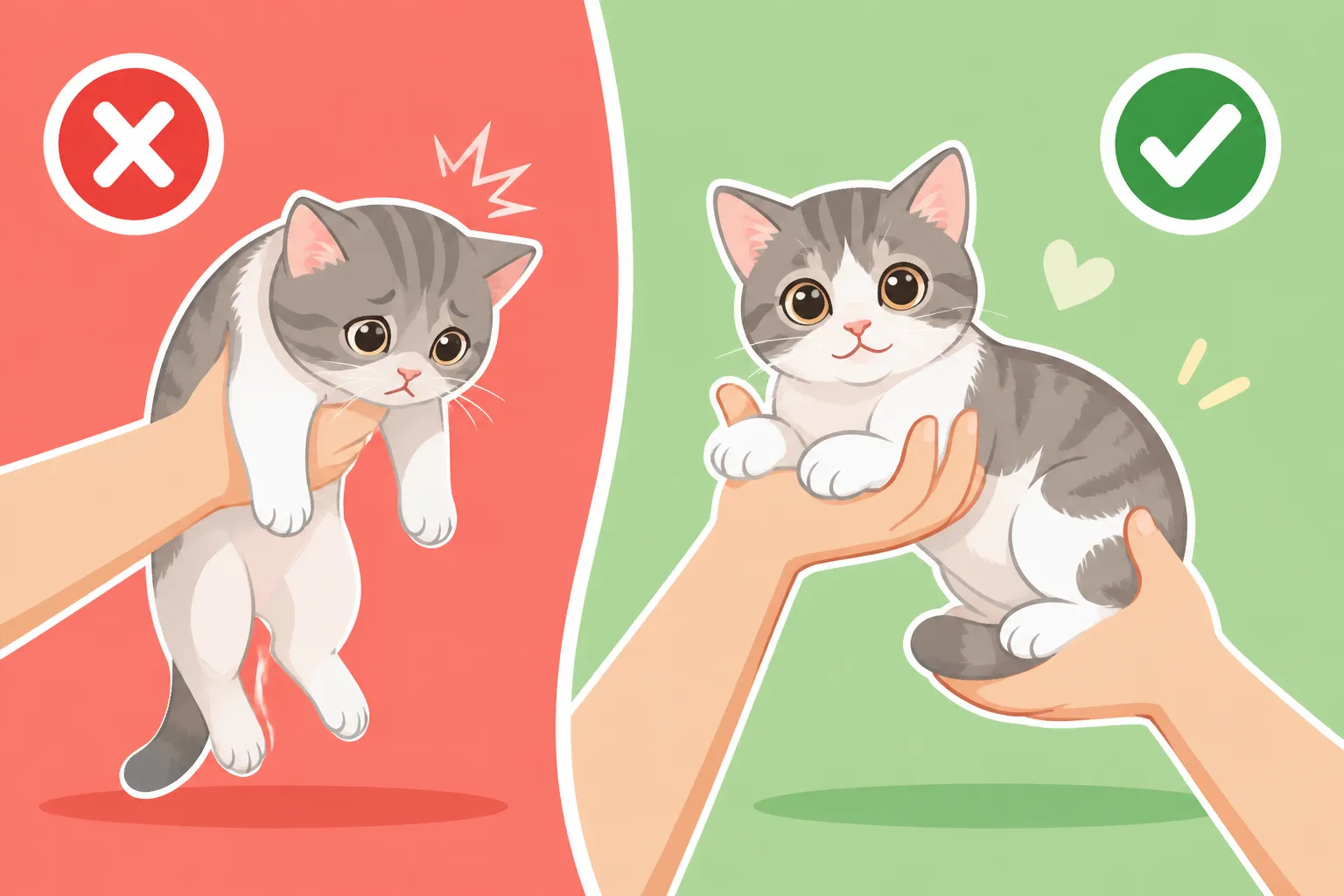
When a Munchkin is lifted improperly, the consequences can range from immediate discomfort to long-term issues. If you scoop them up without supporting their hindquarters, their body can dangle, putting significant strain on their spine and front legs. This isn't just physically painful; it can also make them feel insecure and scared of being handled. A cat that associates being picked up with pain or instability might become resistant, scratchy, or try to escape whenever you reach for them. This erodes the bond of trust and makes necessary handling, like vet visits or grooming, much more challenging.
Furthermore, repeated improper lifting can contribute to the development or worsening of joint problems over time. Cats are masters at hiding pain, so you might not immediately see the signs, but chronic discomfort can lead to changes in behavior, reduced activity, and a lower quality of life. It’s a bit like us carrying a heavy backpack with only one strap – you might manage for a bit, but eventually, your back and shoulders will start protesting. Our goal is to make every interaction, including lifting, a positive and comfortable experience for them.
The Correct Way to Lift a Munchkin
Now that we understand the 'why,' let's get into the 'how.' Lifting a Munchkin isn't complicated once you know the right technique. It’s all about creating a sense of security and providing full, even support for their body. Think of yourself as a gentle, mobile platform for your feline friend.
Approaching Your Munchkin Gently
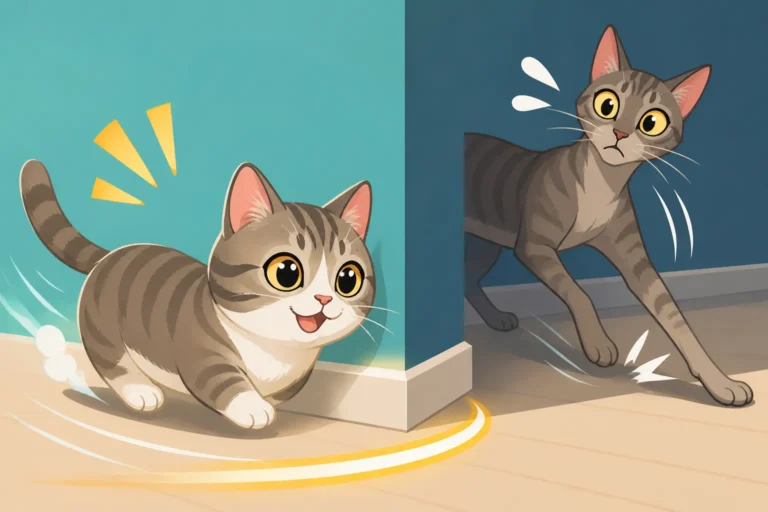
Before you even think about lifting, make sure your Munchkin is receptive. Start by speaking to them in a soft, reassuring voice. Extend your hand slowly and let them sniff it. A gentle head scratch or a rub under the chin can let them know your intentions are friendly. Avoid swooping down from above suddenly, as this can startle any cat, but especially one that might feel more vulnerable due to its low stature.
Observe their body language. Are their ears forward? Is their tail relaxed? If they seem hesitant, back off and try again later, or offer a treat to build positive association. A cat that feels safe and trusts you is much more likely to cooperate with being lifted. Establishing this routine of gentle approach can also help if you need to Teach a Munchkin to Come When It Is Time to Be Lifted for grooming or travel.
The "Scoop and Support" Method
This is the golden rule for lifting a Munchkin, or really any cat, but it's especially critical for those with shorter legs. The key is to support both their chest and their hindquarters simultaneously.
Here’s a step-by-step breakdown:
- Get Down to Their Level: Whenever possible, crouch or kneel down. This minimizes the vertical distance you're lifting them and makes them feel less vulnerable.
- Slide One Hand Under Their Chest: Gently slide one hand underneath their chest, just behind their front legs. Your fingers should splay out to support their rib cage, almost cupping it.
- Scoop the Hindquarters with the Other Hand: As soon as your first hand is in place, bring your other hand around to scoop under their hindquarters. Make sure you're supporting their bottom and their back legs. Think of it like a cradle.
- Lift Evenly and Slowly: With both hands providing secure support – one under the chest, one under the rump – lift them slowly and smoothly. Keep their body as horizontal as possible as you bring them up. Avoid jerking movements.
- Keep Them Close: Once lifted, hold them close to your body. This makes them feel secure and prevents them from wiggling out of your grasp. Their body should be fully supported against your torso.
This method distributes their weight evenly and prevents any single part of their body, particularly their spine, from bearing undue stress. Because Why a Munchkin's Belly Nearly Touches the Floor, you'll find your lower hand might be quite far forward to get under their pelvis correctly.
Holding Your Munchkin Securely
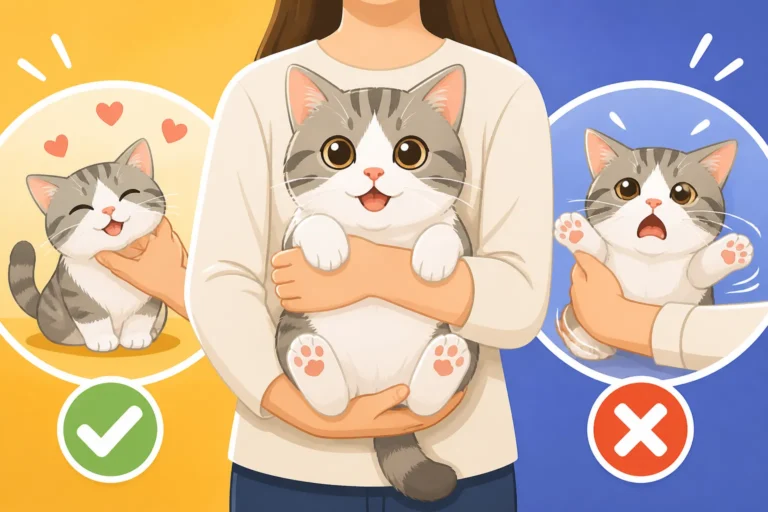
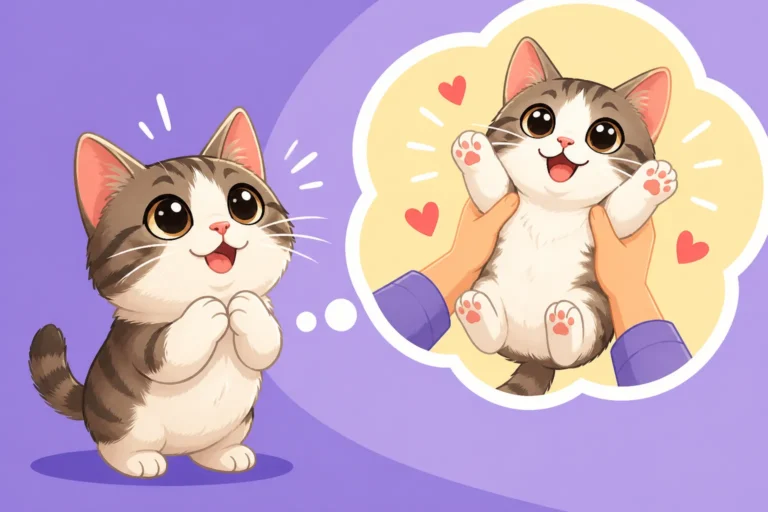
Once you've lifted your Munchkin using the scoop and support method, maintaining that security is paramount. Cradle them against your chest or arm, ensuring their entire body feels supported. Their four paws should not be dangling freely in the air, but rather resting on your arm or gently tucked against your body. Many Munchkins actually enjoy being held this way, feeling snug and safe.
If you need to carry them for a longer period, you might adjust your grip slightly, perhaps holding them like a baby with one arm under their hindquarters and the other arm supporting their back and chest, allowing them to rest their head on your shoulder. The goal is always to keep their spine aligned and their weight distributed. This approach makes handling much more pleasant for both of you and reinforces positive associations with being held.
Common Mistakes to Avoid When Handling Your Munchkin
Just as important as knowing the right way to lift a Munchkin is understanding what not to do. Many common handling mistakes, while often unintentional, can cause significant discomfort or even injury to a Munchkin cat due to their unique physical structure.
Never Holding by the Front Legs
This is arguably the most critical mistake to avoid. Why a Munchkin Should Never Be Held by the Front Legs cannot be stressed enough. Unlike many other cat breeds that might tolerate being briefly lifted by their front armpits, a Munchkin's short, often slightly bowed front legs are not designed to bear their entire body weight in this manner. Doing so puts immense strain on their shoulder joints, elbows, and, most importantly, their spine.
Imagine a heavy suitcase with very short, fragile handles. You wouldn't lift it by those handles alone. For a Munchkin, lifting them solely by their front legs can cause painful hyperextension of their elbows and shoulders, and severe compression or torsion on their delicate spine. This can lead to immediate pain, yelping, and long-term joint damage or spinal issues. Always remember: full body support is non-negotiable for these special felines.
Lifting Only Under the Armpits
Similar to holding by the front legs, lifting a Munchkin solely by scooping under their armpits, even if you try to support their chest, leaves their entire back half unsupported. This allows their hindquarters to dangle freely, causing their spine to arch or sag, placing undue stress on the lumbar region. This is especially risky for Munchkins who might have underlying spinal sensitivities, such as a tendency towards lordosis, a condition where the spine curves inward.
A cat whose hindquarters are dangling will instinctively try to compensate, often kicking or struggling, which can lead to both the cat and handler losing balance. It's a recipe for insecurity and potential injury. Always remember to support the entire length of their body, from chest to hindquarters.
Dropping or Letting Them Jump Down
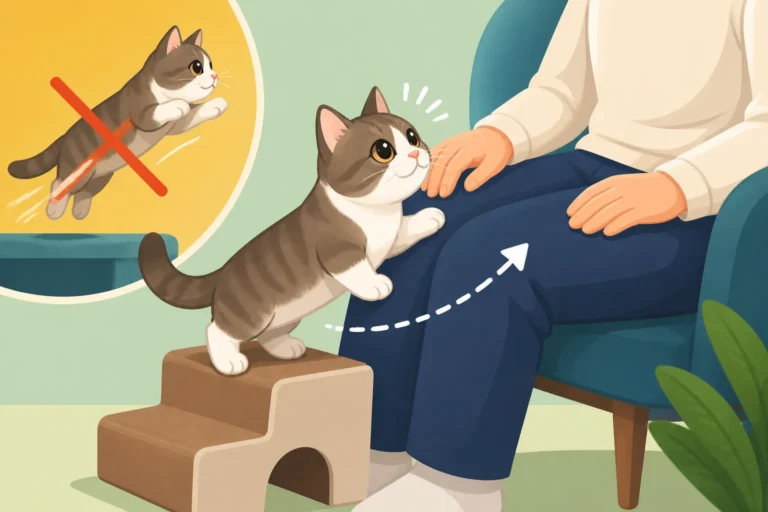
Cats are incredibly agile, and many breeds can jump down from significant heights seemingly without a problem. However, for a Munchkin, every jump from a height, even a seemingly small one, lands with a greater impact on their proportionally shorter legs and joints. What Repeated Landing Does to a Munchkin's Elbows can lead to premature wear and tear, and potentially arthritis later in life. Their knees and shoulders also absorb a lot of shock.
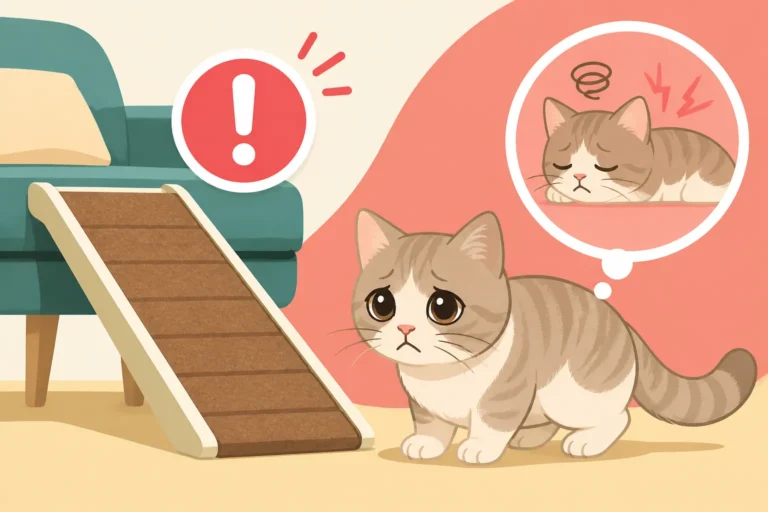
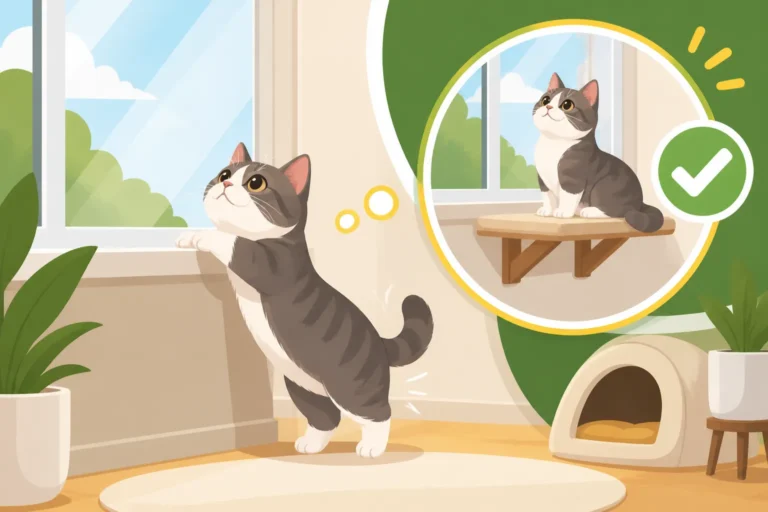
Therefore, never drop a Munchkin, and always assist them in getting down from furniture, even if they seem capable of jumping. If you've lifted them onto a sofa or bed, make sure you help them back down gently. Ideally, encourage the use of ramps or pet steps, available from retailers like Amazon, to allow them to ascend and descend on their own without risky jumps. Whether a Munchkin Should Be Discouraged From Jumping is a question many owners face, and the answer is usually yes, especially from heights.
Ignoring Warning Signs of Discomfort
Munchkins, like all cats, communicate their discomfort through subtle cues. If your cat flattens their ears, swishes their tail agitatedly, attempts to squirm away, or vocalizes with a low growl or hiss when you try to lift them, they are telling you they are uncomfortable or in pain. Ignoring these signals not only increases their distress but also makes them less trusting of future interactions.
If your Munchkin consistently resists being lifted, or shows signs of pain during or after handling, it's crucial to consult your veterinarian. There might be an underlying health issue, such as joint pain or a spinal problem, that needs to be addressed. Pay attention to changes in their gait too; How Arthritis Shows in a Munchkin's Front Legs might be a clue that their joints are struggling. Your vet can provide guidance and help rule out any medical conditions.
Teaching Your Munchkin to Cooperate with Being Lifted
Ideally, lifting your Munchkin should be a stress-free experience for both of you. While it's vital to use the correct physical technique, incorporating positive reinforcement and making the experience predictable can dramatically improve your cat's cooperation and comfort.
Positive Reinforcement and Gentle Handling
Building a positive association with being lifted starts early and continues throughout your Munchkin's life. Always pair lifting with something pleasant: a small, high-value treat, a gentle stroke, or a moment of quiet cuddling. Start with very short lifts, just a few seconds, then put them down and reward them. Gradually increase the duration as they become more comfortable.
The key is consistency and patience. Never force your Munchkin to be lifted if they are clearly distressed. Instead, back off, reassure them, and try again when they are more relaxed. Remember, your calm demeanor will go a long way in communicating safety to your cat. Making sure all other handling is also positive, such as gentle grooming or play, will contribute to their overall trust in you.
Using Cues and Training
Believe it or not, you can actually train your Munchkin to anticipate and even participate in the lifting process. A simple verbal cue, like "Up!" or "Cuddle time!" given right before you lift them, can signal your intentions. Over time, they will learn to associate the cue with the action and the subsequent reward.
You can also encourage them to approach you when you give the cue, making them a more active participant. For instance, if you use a clicker, click as you are about to lift, then execute the lift, and immediately reward. This systematic approach can be very effective. This kind of training is a great way to bond and can be applied to other areas, such as teaching it to use a ramp (How to Teach a Munchkin to Use a Ramp) to reach elevated spots safely.
Adapting the Environment to Minimize Lifting Needs
While knowing how to lift your Munchkin correctly is essential, an even better strategy is to reduce the number of times you need to lift them. This is where adapting your home environment becomes crucial. Munchkins are intelligent and resourceful, and if provided with the right tools, they can navigate their world with surprising independence.
Consider strategic placement of pet ramps and steps around your home. Think about all the places your cat likes to go: the sofa, your bed, a favorite windowsill, or even a specific chair. Providing a ramp or a set of low-rise steps at each of these locations empowers your Munchkin to reach them without needing to jump or wait for you to lift them. Retailers like Amazon offer a wide range of pet stairs and ramps that can be easily integrated into your home decor.
Remember, Ramps and Steps Are Munchkin Equipment, Not Luxuries. They are vital for protecting your cat's joints and spine. You might also want to ensure their food, water, and litter boxes are easily accessible at floor level. For example, What a Low Entry Munchkin Litter Box Costs might be a consideration, but it's an important investment in their comfort and health, preventing unnecessary straining or jumping to enter their box. By making their world more accessible, you not only minimize the need for lifting but also foster a greater sense of independence and well-being for your unique little cat.
| Incorrect Lifting Technique | Potential Risk to Munchkin | Why It's Harmful |
|---|---|---|
| Holding by Front Legs | Severe joint damage, spinal injury, pain | Hyperextends shoulders/elbows, compresses spine |
| Lifting Only Under Armpits | Spinal strain, hindquarter instability, anxiety | Back half dangles, uneven weight distribution |
| Dropping / Allowing to Jump Down | Joint impact, premature arthritis, insecurity | Short legs absorb more shock, risk of injury |
| Grabbing Suddenly | Fear, resistance to handling, scratches | Startles cat, breaks trust, causes stress |
| Ignoring Cues of Discomfort | Prolonged pain, behavioral issues, trust erosion | Cat learns handler ignores warnings, suffers silently |
Disclaimer
This article is for general informational purposes only and does not constitute professional advice. Laws, prices and regulations vary by location and change over time. Consult a qualified professional for guidance on your specific situation.