Why a Munchkin Cannot Climb a Fence
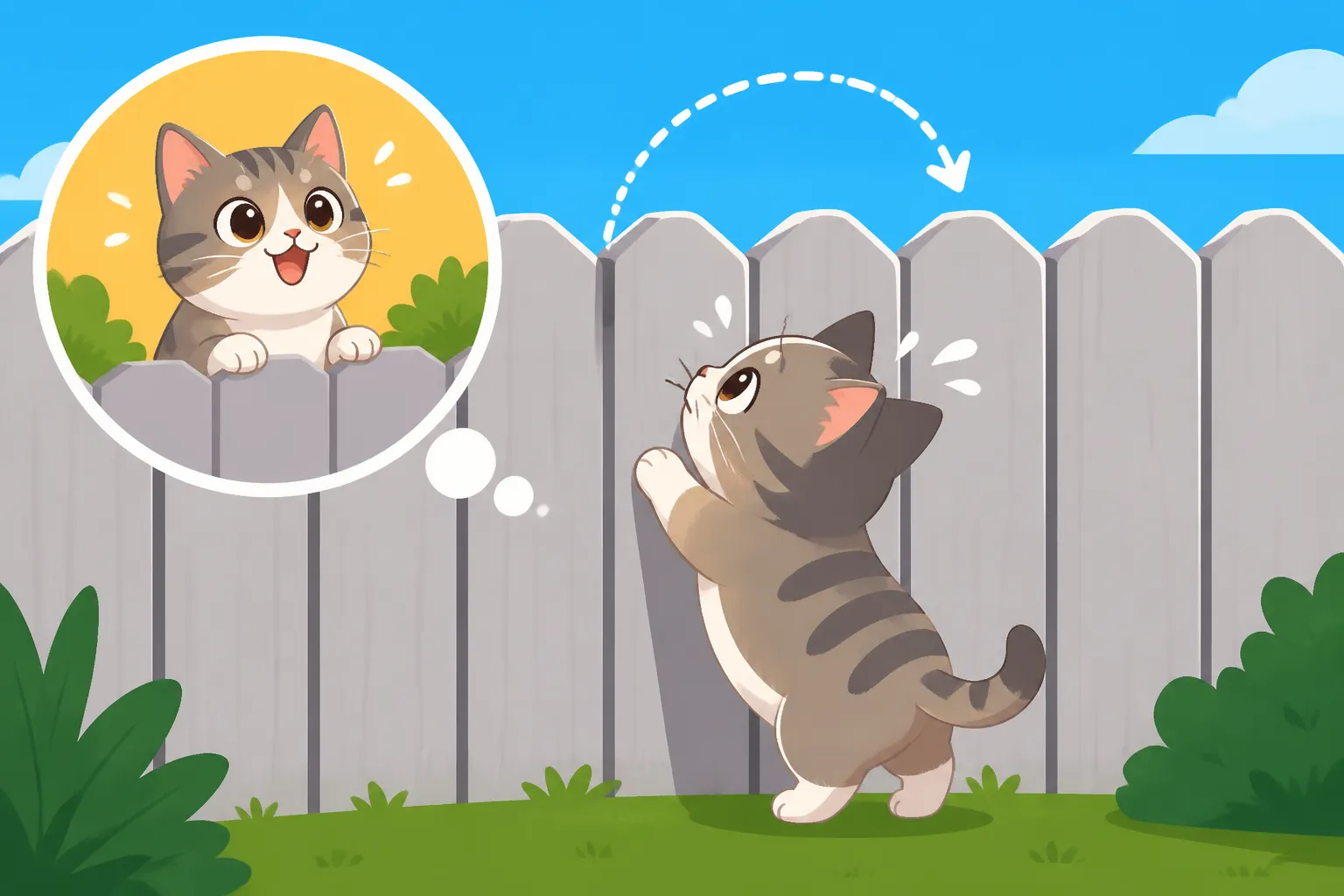
It's a common misconception that because a cat is nimble and agile, all cats are nimble and agile in the same ways. When you have a Munchkin cat, this idea gets turned on its head pretty quickly, especially when you think about them exploring the great outdoors. The truth is, a Munchkin simply cannot climb a fence the way a standard-legged cat can, and understanding why is crucial for keeping them safe and happy. This guide will walk you through the unique challenges their short stature presents and how you can create an enriching environment for them without putting them in harm's way.
Understanding How Cats Conquer Vertical Spaces
Before we dive into why Munchkins struggle, let's take a moment to appreciate the incredible athleticism of a typical cat when it comes to climbing. It’s not just about jumping; it’s a complex interplay of strength, flexibility, balance, and a very specific physical structure that allows them to scale impressive heights.
The Mechanics of a Normal Cat's Climb
Think about your average domestic shorthair or a sleek Siamese. When they look at a fence, a tree, or even your kitchen counter, they don't just see an obstacle; they see a vertical pathway. Their climbing technique is a marvel of biomechanics. First, they gauge the distance and height, planning their ascent. Then, they spring upwards with powerful hind legs, aiming for purchase with their front paws. Those front paws aren't just for gripping; they're equipped with retractable claws that act like grappling hooks, digging into surfaces to pull themselves up.
Once their front paws secure a hold, their body arches, allowing their strong back muscles and equally powerful hind legs to push and propel them further. They use their long, flexible spine to twist and adjust, maintaining balance, and their tail acts as a counterbalance, shifting weight to prevent falls. It's a fluid, almost effortless motion for them, a testament to millions of years of evolutionary adaptation to hunt, escape predators, and survey their territory from elevated vantage points. They essentially "walk" up vertical surfaces using their claws and leverage. Their long legs provide the necessary reach and powerful extension to bridge gaps and pull their body weight upwards.
Why a Standard Cat Needs Long Legs for Climbing
The length of a cat's legs is paramount to their climbing ability. Longer legs mean greater reach, allowing them to stretch for higher footholds on a fence or tree trunk. More importantly, longer legs provide a significant mechanical advantage. Imagine trying to climb a ladder if your legs were only half their normal length – each step would be a monumental effort, and some rungs would be completely out of reach.
A standard cat uses its leg length to create leverage. When they jump, their powerful hind legs extend fully, launching their body upwards. As their front paws grip, their long front legs can then stretch and pull, lifting their torso and allowing their hind legs to find the next point of contact. This entire sequence relies on the ability to extend, reach, and create upward momentum. Without that crucial leg length, the physics of climbing drastically change, making many vertical challenges insurmountable. This is also why a cat tree designed for a standard cat often has platforms spaced too far apart for a Munchkin; the reach just isn't there. Which Cat Tree Layout Suits a Munchkin delves into this further.
The Munchkin's Physical Realities: Short Legs and Limited Leverage
Now, let's turn our attention to the delightful Munchkin cat. Their defining characteristic – those adorably short legs – is precisely what differentiates their climbing abilities from their long-legged cousins. It's not a matter of willpower or agility on the flat; it's a fundamental physical limitation that impacts their interaction with vertical environments.
The Impact of Pseudoachondroplasia on Mobility
The Munchkin's short legs are a result of a genetic mutation causing pseudoachondroplasia, a form of dwarfism. Unlike some other forms of dwarfism that affect overall bone growth, pseudoachondroplasia specifically impacts the long bones of the legs. This means a Munchkin has a normal-sized body and spine but disproportionately short limbs. You can learn more about this in What Pseudoachondroplasia Does to a Munchkin's Legs. This genetic trait is why Munchkins are truly unique, and also why their movement patterns are so distinct.
This shorter leg length means a severely reduced reach and less leverage for vertical movements. Their powerful hind legs can still propel them, but the initial launch height is significantly diminished. Their front legs, while strong, simply can't extend far enough to grasp high points or pull their body effectively up a sheer surface like a fence. They just don't have the "ladder rungs" in their legs to scale tall objects.
Why Fences Are Especially Challenging for Munchkins
Consider a typical wooden fence, often made of vertical planks. A standard cat can dig its claws into the wood, using the gaps and texture for grip, and then pull its body up, essentially 'walking' its way over. For a Munchkin, this is incredibly difficult, if not impossible.
- Lack of Reach: The primary issue is reach. To climb a fence, a cat needs to be able to stretch its front paws high enough to get a secure grip on the top or a stable point further up. A Munchkin's legs simply aren't long enough to achieve this on most standard fences. If they can only reach halfway up a fence panel, they can't get the leverage needed to pull themselves over the top.
- Reduced Leverage and Push-Off: Even if they could get a paw hold, their short legs limit the powerful push-off from their hindquarters that a climbing cat needs. There's less extension, less momentum, and less leverage to lift their full body weight upwards. The mechanics just aren't there for a sustained vertical climb.
- Difficulty with Smooth Surfaces: Many modern fences, especially privacy fences, have smooth surfaces with minimal handholds. While a long-legged cat might find a tiny crevice or use its powerful jump to clear the fence, a Munchkin would find these surfaces utterly impossible to grip or ascend.
- Balance Challenges: While Munchkins are remarkably agile on the flat, their low center of gravity and unique gait don't translate into superior vertical balance. Attempting to scramble up a fence without adequate grip or reach can lead to falls, which could result in injury, especially considering the potential strain on their spine.
Here's a quick comparison of climbing mechanics:
| Feature | Standard Cat | Munchkin Cat |
|---|---|---|
| Leg Length | Long, highly extendable | Short, limited extension |
| Claw Usage | Grapples and pulls body upwards | Grapples, but limited reach for high purchase |
| Hind Leg Power | Powerful launch, significant vertical thrust | Strong launch, but limited initial vertical height |
| Spine/Body | Flexible, used for arching, twisting, balance | Flexible, but overall less effective for vertical lift |
| Reach | Excellent, can grasp high footholds | Poor, struggles with anything above shoulder height |
| Leverage | High, efficient body weight transfer | Low, inefficient for vertical ascent |
| Fence Climbing | Generally capable, uses claws and body mechanics | Generally incapable, due to reach and leverage limits |
The Dangers of Outdoor Fences for a Munchkin: Why It's a Hazard Zone
Given their physical limitations, it becomes clear why letting a Munchkin roam freely in a fenced yard, assuming they'll be contained like a typical cat, is a really dangerous idea. Their inability to climb a fence makes them incredibly vulnerable. This is why Why a Munchkin Should Never Be Let Outdoors is such a critical read for any Munchkin owner.
Trapped and Vulnerable
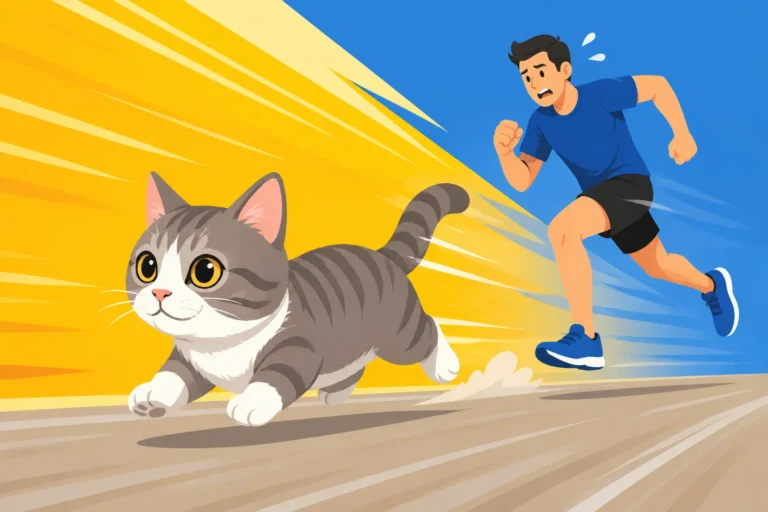
Imagine your Munchkin outside, perhaps chasing a leaf or exploring a patch of grass. If an unexpected threat appears – a dog, a larger, aggressive cat, or even a curious child who doesn't understand their limits – a standard cat would instinctively leap onto the nearest fence, tree, or shed roof to escape. They can quickly gain height and get out of harm's way.
A Munchkin doesn't have this option. Their short legs mean they cannot quickly scale a fence or scramble up a tree. They are essentially trapped at ground level. This makes them incredibly vulnerable to predators, accidents, or even just getting lost if they panic and try to run, not realizing they can't get over the barrier. Their best defense on the flat is speed and their ability to corner quickly, as discussed in Why a Munchkin Corners Faster Than It Should, but this doesn't help them escape upwards.
Risk of Injury from Falls
Even if a Munchkin attempts to climb a fence and manages to get a partial grip, the chances of them falling are much higher due to their limited leverage and reach. A fall from even a moderate height can lead to serious injuries. Cats are known for their ability to land on their feet, but this "righting reflex" works best when they have enough height to orient themselves. A short, awkward fall from a fence could result in strains, sprains, or worse, particularly to their limbs or spine. Given that Munchkins already have a unique spinal structure, protecting it from undue stress is paramount. Why a Munchkin's Spine Carries a Load a Normal Cat's Does Not explains the particular vulnerabilities they have.
Furthermore, they might try repeatedly to jump at the fence, stressing their joints and muscles with each attempt. This repetitive strain, especially on their front legs and shoulders, could contribute to earlier onset of arthritis. How Arthritis Shows in a Munchkin's Front Legs details these concerns.
Getting Lost and Unseen
If a Munchkin does find a small gap under a fence, or if a gate is left ajar, they can quickly get out. Once outside a familiar, safe enclosure, their ground-level perspective means they are easily overlooked by pedestrians or drivers. Their inability to climb also means they can't easily jump onto a porch or windowsill to signal for help. They become a tiny target, easily missed, and very much at risk in an unfamiliar environment.
Creating a Safe and Accessible Outdoor Space for Your Munchkin
Understanding these limitations isn't about sheltering your Munchkin to the point of boredom. It's about being a responsible owner and providing enrichment in ways that are safe and appropriate for their unique physical needs. They absolutely deserve to experience the sights, sounds, and smells of the outdoors, just not via scaling a perimeter fence.
The Power of the Catio
A catio, or cat enclosure, is hands-down the best solution for providing a Munchkin with safe outdoor access. Unlike a traditional fence, a catio is fully enclosed, preventing both escape and intrusion. But for a Munchkin, it needs to be designed with their specific needs in mind.
- Solid Roof and Secure Walls: Ensure the catio has a strong, predator-proof roof and walls made of sturdy mesh or wire that a cat cannot squeeze through or chew through.
- No High Climbing Opportunities: While a catio for a regular cat might feature tall climbing posts and shelves, for a Munchkin, focus on ground-level and low-to-medium height enrichment. Don't include features that would encourage them to jump higher than their short legs can safely handle. You can integrate ramps and steps, however, to let them explore different levels within the enclosure. What a Munchkin Sized Catio Needs provides more specific design considerations.
- Gentle Ramps and Low Platforms: Instead of tall vertical posts, integrate gentle ramps or a series of low, closely spaced platforms. These allow your Munchkin to explore different vantage points without stressing their joints or attempting dangerous jumps. Think of it as a multi-level playground designed for maximum accessibility. You can find excellent pet ramps on Amazon that might be suitable for this purpose, just make sure they aren't too steep! How Steep a Munchkin's Ramp Can Be is important to consider.
- Enrichment at Ground Level: Focus on enriching elements they can enjoy on the ground: safe cat-friendly plants, a digging box, puzzle feeders, and plenty of comfortable, shaded resting spots. They will love to sniff and explore without the pressure of climbing.
Supervised Leash Walks and Harness Training
Another wonderful way to give your Munchkin a taste of the outdoors is through supervised leash walks. This requires patience and consistency, but many Munchkins take to it quite well.
- Proper Harness Fit: It's crucial to use a harness designed specifically for cats, ensuring it's snug enough that they can't slip out, but not so tight that it restricts movement or breathing. A good fit is especially important for a Munchkin's unique body shape, as their short legs might make some standard harnesses awkward.
- Safe Environments: Always choose a safe, quiet outdoor area for walks, away from busy roads, off-leash dogs, or other potential dangers. A quiet park or your own backyard (if secured) are ideal. Remember, they cannot climb a fence to escape danger, so you are their primary protector. Where a Munchkin Can Be Walked Without Meeting a Dog is a good guideline.
- Patience and Positive Reinforcement: Start with very short sessions indoors, getting them used to the harness. Gradually move to a quiet outdoor space for just a few minutes, always ending on a positive note. Use treats and praise to make it a pleasant experience.
- Stay Grounded: During walks, remember your Munchkin's limitations. Don't encourage them to jump onto high objects or try to climb anything. Their joy will come from sniffing new scents and feeling the grass under their paws.
Indoor Environmental Enrichment
Ultimately, for many Munchkins, their primary environment will be indoors. This doesn't mean it has to be boring. With a bit of creativity, you can turn your home into a Munchkin paradise.
- Ramps and Steps for Furniture Access: Provide ramps or pet steps to allow them to easily access their favorite sofa, bed, or a low windowsill. This prevents them from repeatedly attempting jumps that could strain their joints. Ramps and Steps Are Munchkin Equipment, Not Luxuries emphasizes this point. There are many options available on Amazon, from carpeted ramps to modular steps, that can be a lifesaver for your little climber.
- Low-Level Cat Trees and Scratchers: Invest in cat trees with closely spaced platforms or horizontal scratching posts. They still need to scratch and survey their surroundings, just from a lower vantage point. Which Scratching Post a Munchkin Can Use discusses appropriate options.
- Interactive Floor Toys: Munchkins love to play! Focus on toys that are engaging at floor level, such as wand toys that you can drag along the ground, rolling balls, or puzzle feeders. They're incredibly quick and agile on the floor, and these toys cater to their natural hunting instincts without requiring vertical leaps. How Much Floor Level Play a Munchkin Needs and Which Toys Work at a Munchkin's Height offer great suggestions.
- Safe Window Perches: If your Munchkin enjoys watching the world go by, ensure they have easy access to a window perch via a ramp or steps, rather than having to jump up. This provides mental stimulation and a sense of security.
By adapting their environment to their unique physical structure, you're not limiting your Munchkin; you're enabling them to live a full, enriching, and most importantly, safe life.
Disclaimer
This article is for general informational purposes only and does not constitute professional advice. Laws, prices and regulations vary by location and change over time. Consult a qualified professional for guidance on your specific situation.