What a Munchkin Does When It Cannot Get Away
It’s a terrifying thought for any cat parent: your beloved feline companion feeling utterly trapped, with no way to escape a perceived threat. For Munchkin cat owners, this fear can be particularly acute, because while their spirited nature often belies their physical limitations, their short legs undeniably restrict their primary escape mechanism – the jump to safety. This guide aims to thoroughly explore what happens when a Munchkin cat finds itself in a corner, unable to get away, and more importantly, how you can proactively create an environment where this stressful situation rarely, if ever, occurs.
Understanding the Munchkin's Instinctive Need for Escape
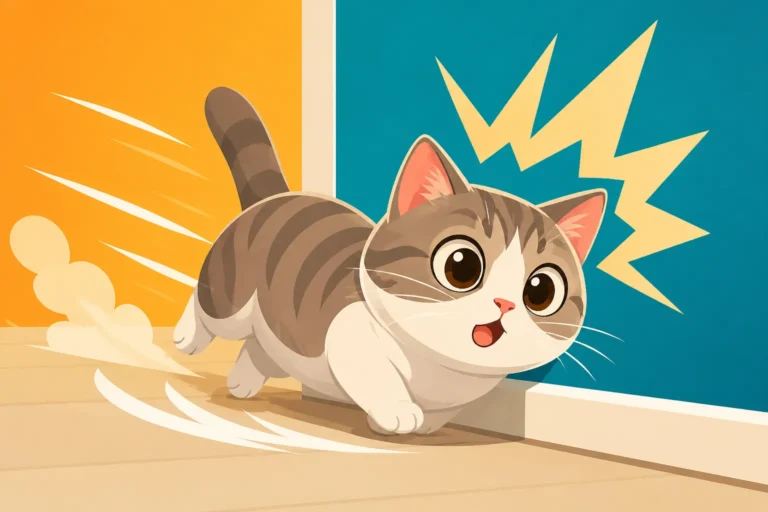
Cats, by their very nature, are masters of evasion. Their survival instincts are deeply wired for fight or flight, and often, flight is their preferred method. When faced with something frightening, a typical cat will seek high ground, a narrow crevice, or simply bolt away at lightning speed. For Munchkins, these options are significantly altered by their unique physique, leading to a different set of challenges when their primal need to escape is triggered.
The Natural Cat Instinct to Flee and Hide
Think about a standard-legged cat: when startled by a loud noise, an unfamiliar visitor, or an overly enthusiastic child, their first reaction is usually to spring onto the nearest bookshelf, scale the curtains, or disappear under a high bed. They're seeking elevation and concealment, relying on their agility and powerful hind legs to put distance between themselves and the perceived danger. This isn't just about avoiding a direct confrontation; it’s about regaining control of their environment, observing from a safe vantage point, and feeling secure. Cats derive a great deal of comfort from knowing they have an escape route, especially one that takes them up and away from potential threats on the ground. Without this option, their sense of vulnerability skyrockets.
How Short Legs Impact the Flight Response
Now, imagine that same scenario with a Munchkin. Their short legs mean that a quick vertical escape, the kind a normal cat would execute without a second thought, simply isn't an option. They can't effortlessly leap onto a tall counter, a high cat tree, or a lofty shelf. While How High a Munchkin Can Actually Jump might surprise you slightly, it's still significantly less than their longer-legged cousins. This means their flight response, instead of being a vertical ascent, is largely confined to horizontal movement or seeking low-level hiding spots. They might dart under a sofa, behind a curtain, or into a low-entry carrier, but these spots offer concealment rather than the elevated safety a cat instinctively desires. This fundamental difference means their stress levels can rise much faster and higher when they perceive danger, as their go-to escape strategy is physically unavailable.
The Psychological Impact of Feeling Trapped
The inability to perform a natural escape can have a profound psychological impact on a Munchkin. Imagine feeling cornered with no way out – it's a deeply unsettling and anxiety-inducing experience for any living creature. For a Munchkin, this can manifest as chronic stress, fear, and even aggression if they feel their only option is to "fight" because "flight" isn't possible. They might become more withdrawn, less playful, or even exhibit undesirable behaviors like inappropriate urination if they feel their environment isn't safe. A cat needs to feel secure, and security for them often means having access to multiple escape routes, particularly those that involve gaining height. When this is denied, it can chip away at their overall well-being and confidence, making them more prone to panic in situations that a longer-legged cat might simply shrug off.
Common Scenarios Where a Munchkin Can Feel Cornered
Understanding a Munchkin's physical limitations helps us anticipate situations where they might feel trapped. These aren't always dramatic events; sometimes, it's an accumulation of seemingly minor things that lead to a feeling of being overwhelmed with no escape. Recognizing these common scenarios is the first step in preventing them.
Interactions with Other Pets or Children
This is perhaps one of the most frequent scenarios where a Munchkin can feel utterly defenseless. A playful dog, even one that's usually gentle, might not understand a Munchkin's inability to climb out of reach. What starts as an innocent game of chase can quickly become terrifying for the short-legged cat if they're pursued into a corner with no high furniture to jump onto. Similarly, small children, with their unpredictable movements and loud noises, can easily overwhelm a Munchkin. A child might inadvertently block a doorway or corner the cat, and without the ability to jump onto a table or chair, the Munchkin has nowhere to go. This is why Why a Munchkin Has to Be Protected From Children and Dogs is such crucial advice. They lack the built-in escape mechanism that allows many other cats to gracefully remove themselves from potentially overwhelming interactions. It's not that Munchkins are inherently incompatible with other pets or kids, but their living situation requires much more careful management and supervision to ensure their safety and peace of mind.
Navigating a New or Unadapted Environment
Moving to a new home or even just rearranging furniture can turn a once-safe space into a maze of potential traps for a Munchkin. In a new environment, they haven't yet mapped out their safe zones, hiding spots, or accessible ledges. They might find themselves in a room with tall furniture, no ramps, and limited low-level hiding places, leaving them feeling exposed and vulnerable. Imagine a situation where the only escape from a bustling living room is to climb over a large piece of furniture, which is impossible for them. Even in a familiar home, if you suddenly remove ramps, rearrange steps, or block access to their favorite low cubby, they can quickly feel disoriented and trapped. It highlights the importance of With a Munchkin the House Changes, Not the Cat – their environment must be intentionally designed to accommodate their mobility needs. An unadapted home is, in essence, a series of potential dead ends for a Munchkin seeking safety.
Unexpected Encounters in the Home
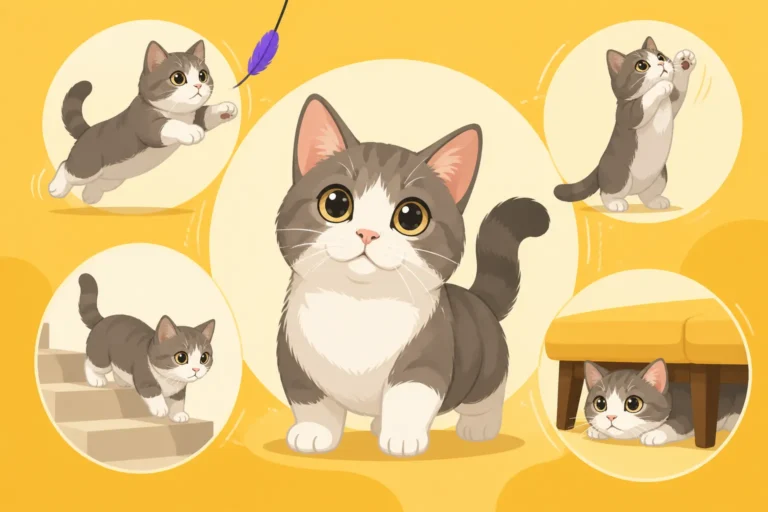
Sometimes, it's the unexpected that creates the feeling of being cornered. A dropped pan in the kitchen, a sudden loud visitor, or even a vacuum cleaner appearing around a corner can be perceived as a threat. While a normal cat might zip onto a counter or sprint into a closed room, a Munchkin's options are more limited. They might run under a low bed, but if that bed is against a wall, they could feel stuck. Picture a repair person entering a room where your Munchkin is napping under a chair. If the repair person inadvertently blocks the only clear exit, the cat can quickly feel trapped with a large, unfamiliar person looming over them. These moments underscore why having consistent, reliable escape routes at their level is paramount. How a Munchkin Gets Where It Wants Without Jumping is a testament to their cleverness, but even their ingenuity can be overcome by an environment that doesn't respect their physical boundaries.
Recognizing the Signs of Stress and Fear in a Trapped Munchkin
It's vital for Munchkin owners to become fluent in their cat's body language, especially when they're feeling stressed or cornered. Unlike a human who might vocally express distress, cats, and Munchkins in particular, often communicate through subtle cues before escalating to more overt signs. Missing these early signals can lead to increased anxiety for your cat and potentially defensive behaviors.
Body Language Cues of a Frightened Cat
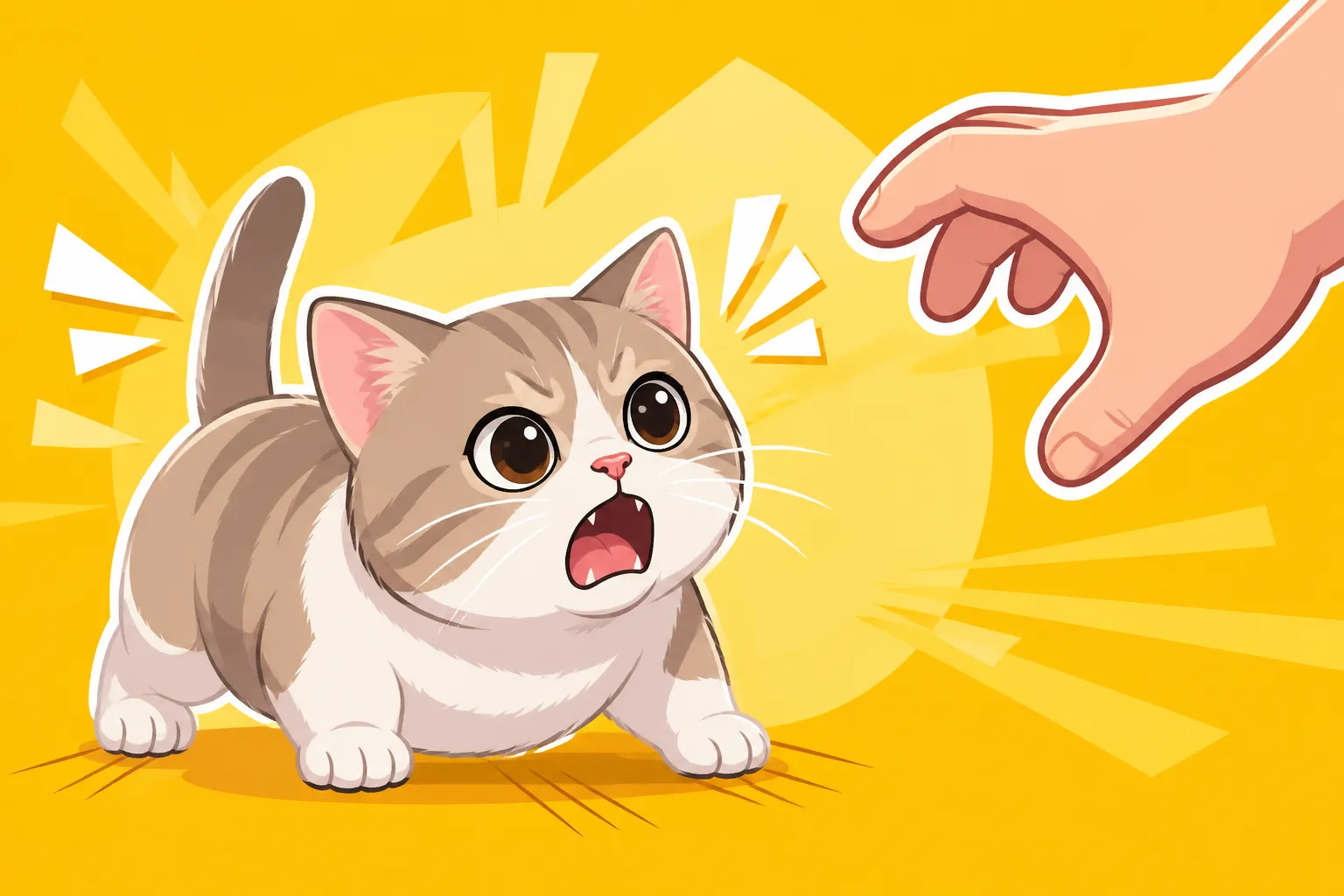
When a Munchkin feels cornered, their body language will typically scream "danger" long before a hiss or a swat. Look for classic signs like flattened ears pinned back against their head, wide eyes with dilated pupils, and a stiff, low crouch, often accompanied by a lowered tail tucked tightly between their legs. Their fur might be bristled, making them appear larger, and they might try to make themselves as small as possible, even if they're attempting to look intimidating. You might see rapid shallow breathing, or they might hold their breath. Sometimes, a frightened Munchkin will freeze completely, hoping to go unnoticed, or they might display piloerection – their fur standing on end – to seem bigger and more threatening. Pay close attention to these cues; they are a cat's primary way of saying, "I'm scared, and I need space."
Behavioral Changes Under Pressure
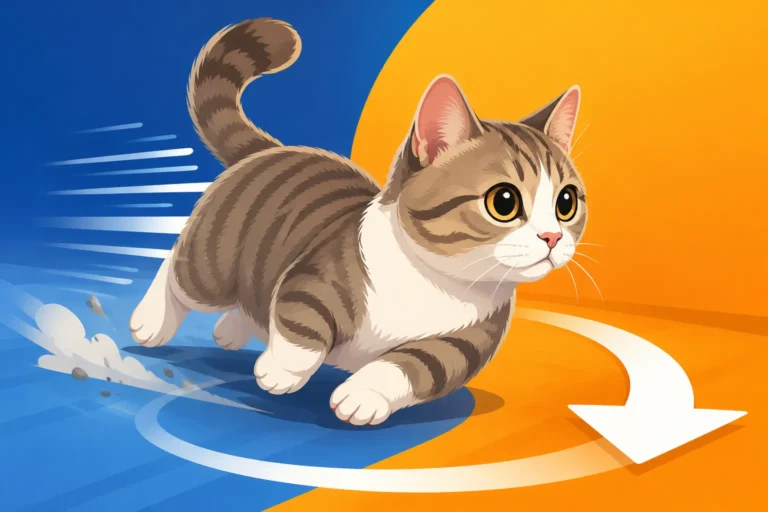
Under the immense pressure of feeling trapped, a Munchkin's behavior can shift dramatically from their usual playful, curious self. They might become very still, almost paralyzed by fear, hoping that by remaining motionless, the threat will pass. Alternatively, they might exhibit intense vigilance, constantly scanning their surroundings for an opening or a perceived escape route, even if none is apparent. This hyper-awareness can lead to twitching ears and rapid eye movements. In more severe cases, or if the perceived threat persists, they might resort to aggression, hissing, growling, spitting, or even swatting or biting. This isn't because they are mean cats, but because they feel their life is genuinely threatened and they have no other recourse. Remember, a Munchkin that is cornered can't rely on climbing to escape, so their threshold for resorting to defensive aggression might be lower than a long-legged cat. How a Munchkin Changes Direction at Speed and their quickness on the flat can sometimes buy them a moment, but if that moment doesn't lead to an accessible hiding spot, their options quickly diminish.
Vocalizations and Physical Reactions
Beyond body language and behavioral shifts, a trapped Munchkin might use distinct vocalizations and even display physical reactions. Persistent low growls, hissing, and spitting are clear indicators of fear and a warning to back off. They might let out short, sharp yelps if startled, or a prolonged, guttural meow that sounds nothing like their usual happy chattering. Physically, you might notice trembling or shivering, a sign of extreme anxiety. They might also involuntarily urinate or defecate, particularly if the fear is sudden and intense, or if they've been trapped for an extended period. These are not signs of defiance or "bad behavior," but rather involuntary physiological responses to overwhelming stress and panic. Understanding that these reactions stem from deep fear, rather than naughtiness, is crucial for responding with empathy and providing comfort and safety.
Here's a quick reference table for common signs of a distressed Munchkin:
| Category | Signs of Stress/Fear |
|---|---|
| Body Language | Flattened ears, dilated pupils, wide eyes, tucked tail |
| Crouched low, bristled fur, trembling, freezing | |
| Vocalizations | Hissing, spitting, growling, low guttural meows |
| Sharp yelps, unusual cries | |
| Behavioral | Freezing, intense vigilance, aggression (swatting, biting) |
| Attempts to make self small, avoidance | |
| Physical | Rapid shallow breathing, piloerection (fur standing up) |
| Involuntary urination/defecation |
Creating a Safe and Accessible Environment for Munchkins
The absolute best way to ensure your Munchkin never feels trapped is to proactively design their living space with their unique needs in mind. It's about thinking like a short-legged cat and ensuring they always have multiple, easy-to-access escape routes, both for physical safety and psychological comfort.
Strategic Placement of Escape Routes and Hiding Spots
Every room your Munchkin has access to should have clearly defined, easily reachable escape routes and hiding spots. Think low-level: under sofas that are raised enough for them to dart beneath, accessible cat cubbies, soft blankets draped over chairs to create a cozy hideaway, or even designated "safe zones" where they know they won't be bothered. Remember that a Munchkin needs horizontal and low-vertical options. If they can't jump onto a tall cat tree, then a multi-tiered cat tree with very close-set platforms, or even a series of sturdy, wide steps leading up to a window perch or a higher bed, is essential. This gives them the option to How to Get a Munchkin Up to a Window Safely without struggling or feeling exposed. Having several options means they're never reliant on just one exit.
Adapting the Home for Vertical and Horizontal Mobility
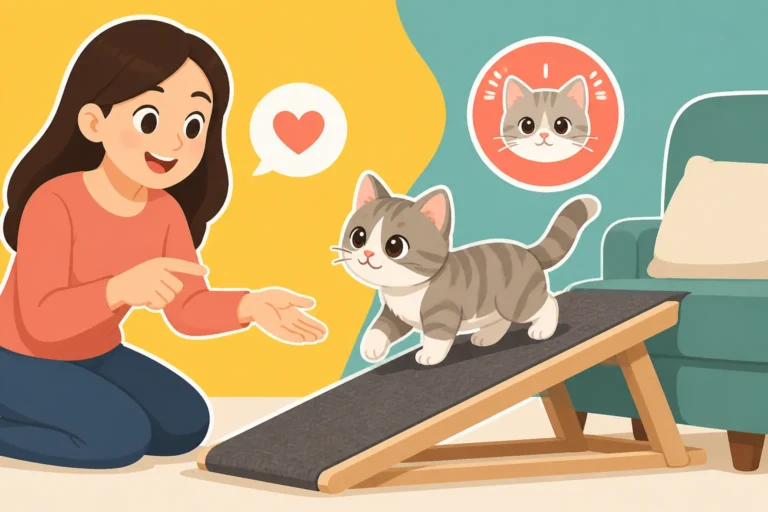
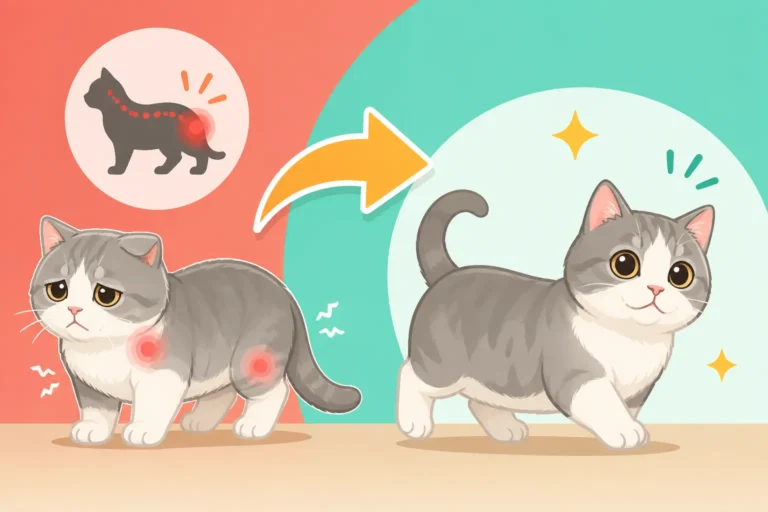
Adapting your home means more than just a few low hideaways. It involves a holistic approach to their mobility. Think about Which Cat Tree Layout Suits a Munchkin – it needs platforms that are much closer together than for a standard cat. Ramps and steps are not luxuries; they are essential equipment. Consider placing ramps next to sofas, beds, and windowsills, allowing them to easily access favorite spots without straining their joints or attempting risky jumps. Ramps and Steps Are Munchkin Equipment, Not Luxuries is a mantra every Munchkin owner should live by. For horizontal movement, ensure open floor spaces aren't too vast, giving them cover to dart between. Keep heavy objects away from areas where they might hide, to prevent accidental trapping. Creating a safe vertical environment means breaking down heights into manageable steps for them, ensuring they can always go up to safety, even if it's not a single leap. This could mean strategic placement of ottomans, sturdy boxes, or purpose-built pet stairs.
Teaching Safe Interaction Rules for Family Members and Other Pets
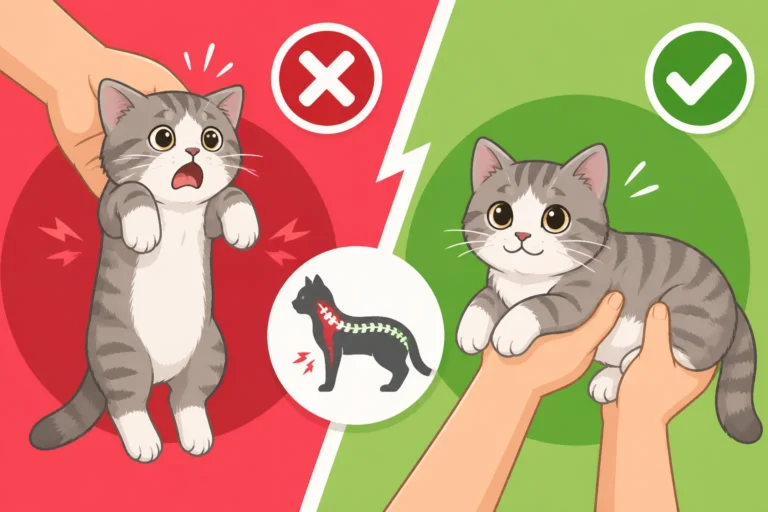
Prevention also relies heavily on training and consistent rules for everyone in the household. Children need to understand that a Munchkin cannot jump to escape them and must be taught gentle interaction from an early age. They should know not to chase the cat, to approach slowly, and to always let the cat come to them. Crucially, they should be taught How to Lift a Munchkin Correctly – supporting their entire body – and never to pick them up by their front legs, which can cause injury. For other pets, especially dogs, strict supervision is necessary, particularly during initial introductions and until you're absolutely sure they understand the Munchkin's limitations. Provide plenty of high, dog-inaccessible spots like cat shelves reached by ramps or cat trees in rooms where dogs are not allowed. Making One Room Reachable for a Munchkin All Day can be an excellent strategy to give them a sanctuary. The goal is to educate everyone in the home to respect the Munchkin's need for accessible escape routes and to minimize situations where they might feel cornered or threatened. By being proactive and empathetic to their unique needs, you can ensure your short-legged companion lives a confident, happy, and stress-free life.
Disclaimer
This article is for general informational purposes only and does not constitute professional advice. Laws, prices and regulations vary by location and change over time. Consult a qualified professional for guidance on your specific situation.