Why a Munchkin’s Water Bowl Should Not Be a Stretch
One common frustration for Munchkin cat owners is seeing their adorable, short-legged companion struggle with something as basic as drinking water. It’s disheartening to notice them straining their neck or crouching uncomfortably just to reach their bowl, which can lead to both immediate and long-term health concerns. This guide will delve into why a standard water bowl can be a real stretch for a Munchkin and how you can easily adapt your home to keep your furry friend comfortably hydrated and healthy.
Understanding the Unique Physical Challenges of a Munchkin
It’s easy to look at a Munchkin and be captivated by their charmingly short legs, but this unique physical trait comes with specific considerations for their daily life, especially when it comes to fundamental needs like eating and drinking. What might seem like a minor adjustment for a regular cat can be a significant hurdle for a Munchkin.
The Low-Slung Reality of Munchkin Anatomy
Munchkin cats are defined by their distinctive chondrodysplasia, a genetic mutation that results in significantly shorter legs than other cat breeds. While their bodies are otherwise typically proportioned, with a normal spine length and overall size, it's those adorable short limbs that bring about unique challenges. Imagine trying to navigate your home or reach items if your legs were drastically shortened while your torso remained the same. That's essentially the day-to-day reality for a Munchkin. They have to operate much closer to the ground, and their ability to stretch, jump, or even reach upwards is inherently limited. This isn't just about appearance; it fundamentally alters how they interact with their environment. Their short stature means that a standard cat bowl, designed for a cat with much longer legs and a higher stance, forces them into an unnatural and uncomfortable position. You might think, "Well, they just adapt," but continuous straining has consequences. Why a Munchkin's Legs Are Short but Its Body Is Not details this in more depth, explaining how their body length is normal, it's just the limbs that are affected. When we talk about How Short a Munchkin's Legs Actually Are, it becomes clear that even a few inches of difference can make a huge impact on their ability to comfortably reach things placed at a typical cat height.
Why Stretching is More Than Just an Inconvenience
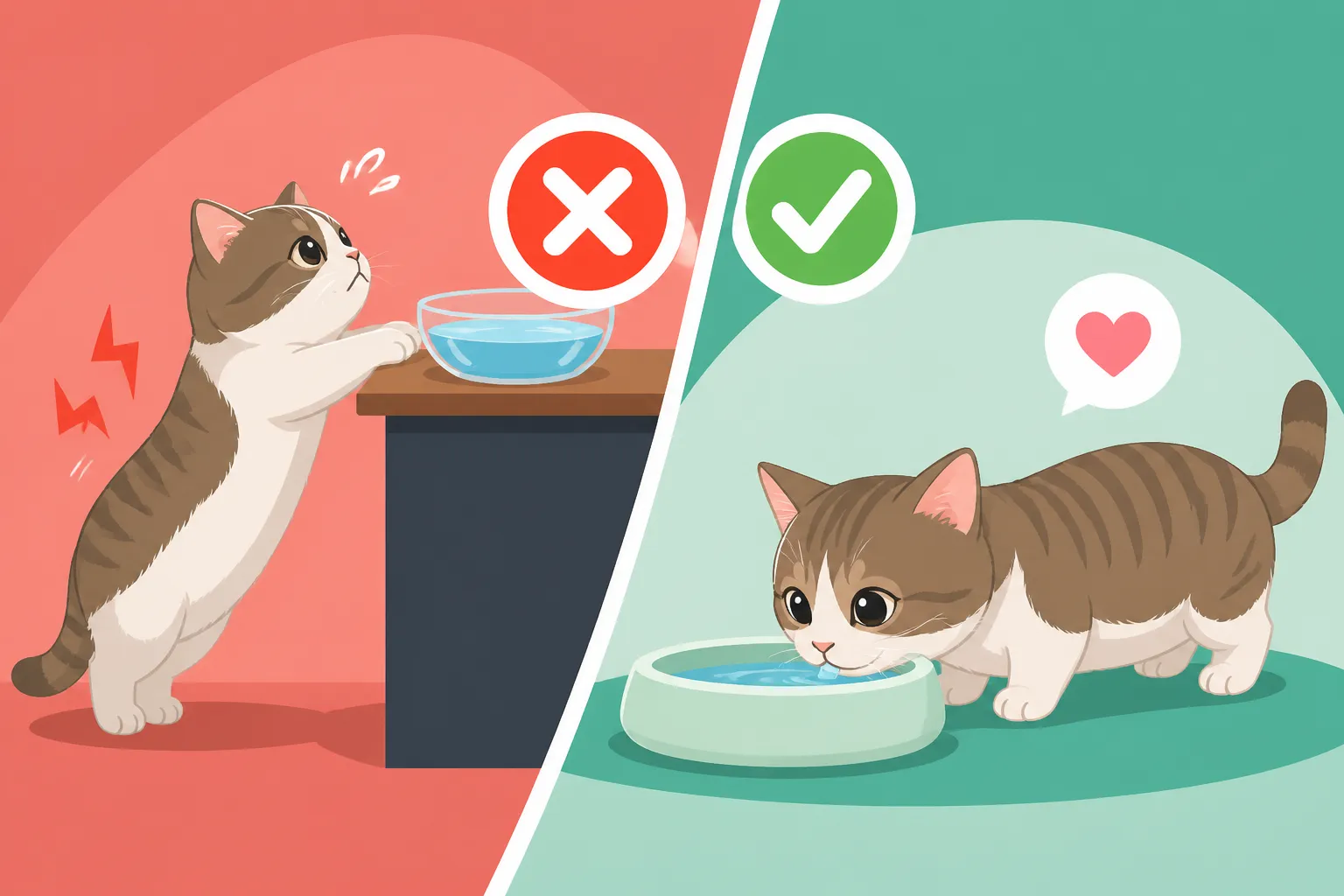
For a Munchkin, reaching up to a water bowl that's too high isn't just a bit awkward; it can put undue stress on their delicate spine and front legs. They'll often stretch their neck excessively, crane their head at an uncomfortable angle, or even try to stand on their tiptoes to lap up water. Over time, these repeated, unnatural movements can contribute to discomfort and potential health issues. Their unique conformation means their spine is already carrying a load in a way a normal cat's does not, as explored in Why a Munchkin's Spine Carries a Load a Normal Cat's Does Not. Repeated strain from stretching up can exacerbate any pre-existing spinal sensitivities or contribute to new ones. Furthermore, their front legs, which are already shorter and bear a significant amount of their weight, can suffer from the strain of this constant reaching. Think about how your shoulders feel after holding them in a strained position for too long – it's similar for a Munchkin. This continuous stress on their joints can potentially lead to premature wear and tear, and may even contribute to early onset arthritis. As they age, you might start to see How Arthritis Shows in a Munchkin's Front Legs, with stiffness and reluctance to move, making those everyday reaches even more painful.
The Immediate Impact of an Inaccessible Water Bowl
Beyond the long-term potential for discomfort and joint issues, an ill-placed water bowl can have immediate, tangible impacts on your Munchkin's well-being and your home environment. These aren't just minor inconveniences; they directly affect your cat's hydration and hygiene.
Reluctance to Drink and Dehydration Risks
If drinking becomes a chore or a painful experience, your Munchkin might simply choose not to do it as often as they should. Cats, by nature, can sometimes be particular about their water sources, and adding physical discomfort to the mix is a recipe for trouble. A cat that doesn't drink enough runs a significant risk of dehydration, which can manifest in a number of ways. Initially, you might notice them being less active or playful, perhaps spending more time napping. Their appetite might decrease, and they could appear generally lethargic. In more severe cases, dehydration can lead to serious health complications, impacting kidney function and overall organ health. It's a silent threat because cats are very good at masking discomfort, so by the time you notice overt signs of dehydration, it could be quite advanced. Ensuring easy access to water isn't just about comfort; it's a fundamental part of preventative health care for your Munchkin, encouraging them to drink frequently throughout the day without any barrier.
Messy Drinking Habits and Hygiene Concerns
A Munchkin struggling to reach its water bowl often results in a mess around the feeding area. Because their chest and belly are so low to the ground, they're more prone to getting wet when they lean over a high-sided bowl. You might find wet paw prints tracking across the floor, or puddles of water accumulating around the bowl. This isn't just an aesthetic problem for your flooring; it's a hygiene issue for your cat. Constant dampness on their underside, particularly around their chest and belly fur, can lead to skin irritation, damp patches, or even fungal infections. Think about how uncomfortable it would be to have wet clothes clinging to you all day. For a long-haired Munchkin, this problem is compounded as the fur can easily mat when wet and then dry, creating uncomfortable clumps. Regularly checking Why a Munchkin's Belly Fur Needs Checking is crucial to prevent these issues. If the fur remains damp and then dries, it can quickly lead to matting, which, as discussed in Whether Matting Becomes a Health Problem in a Munchkin, can pull on their skin, cause pain, and even hide skin infections. A simple solution like adjusting their water bowl height can prevent these messy and potentially harmful scenarios entirely.
Optimal Water Bowl Placement and Design for Munchkins
The good news is that addressing your Munchkin's hydration needs doesn't require a major renovation. Often, it's about simple, thoughtful adjustments to their feeding station and choice of accessories.
The Ideal Height and Positioning
When it comes to water bowls for Munchkins, the key word is accessibility. For many Munchkins, placing the bowl directly on the floor is perfectly adequate, as it eliminates any need for upward stretching. However, some cats, even short-legged ones, might prefer a slight elevation that allows them to maintain a more natural neck and back alignment without bending too far down. This is where slightly raised bowls come into play. These aren't elevated platforms designed for tall breeds, but rather bowls that sit on a very low stand, perhaps just an inch or two off the ground. The ideal height will allow your Munchkin to drink without craning their neck upwards or hunching their shoulders downwards. Observe your cat: are they stretching up, or are they uncomfortably bending over? The sweet spot is usually one that allows their head to be relatively level with their shoulders when drinking. Multiple water stations scattered throughout your home are also a fantastic idea. Just like you wouldn't want to walk miles for a drink, your cat appreciates convenience. Place bowls in their favorite resting spots, near common hangouts, and, of course, next to their food bowl.
Exploring Different Bowl Types and Materials
The type and material of the water bowl also play a significant role. Wide, shallow bowls are generally preferred. A wide opening allows them to drink without their whiskers touching the sides, which many cats dislike (known as 'whisker fatigue'). A shallow depth means they don't have to plunge their face deep into the water, reducing the chance of their chin or chest getting soaked. As for materials, ceramic, stainless steel, and glass are excellent choices. Plastic bowls can harbor bacteria and retain odors, which can deter some cats from drinking, and some cats are sensitive to plastic, developing chin acne. Stainless steel is incredibly durable, easy to clean, and non-porous. Ceramic bowls are heavy, preventing tipping, and can keep water cooler. Always choose bowls that have some weight or a non-slip base to prevent them from sliding around or tipping over during enthusiastic drinking sessions. Remember, a bowl that encourages comfortable, frequent sips is always the best choice. For a deeper dive into how bowl shape can help your Munchkin, check out Which Bowl Shape Suits a Munchkin's Short Neck.
Here’s a quick comparison of popular water bowl types for Munchkins:
| Feature | Ceramic Bowl | Stainless Steel Bowl | Glass Bowl | Raised Feeder (Low Profile) |
|---|---|---|---|---|
| Pros | Heavy, stable, easy to clean, keeps water cool. | Durable, hygienic, easy to clean, lightweight. | Hygienic, aesthetically pleasing, easy to clean. | Elevates bowl slightly, reduces neck strain. |
| Cons | Can chip/break, heavier to move. | Can be noisy if bumped, some cats dislike reflection. | Can break easily if dropped, heavier than steel. | Requires careful height selection, can be more costly. |
| Munchkin Suitability | Excellent, especially wide/shallow designs. | Excellent, especially wide/shallow designs. | Good, if durable and wide/shallow. | Very good, if the elevation is appropriate (1-3 inches). |
| Brands to Check | Often found at local pet stores, Chewy has many options. | Many brands available. | Less common, but available from specialty pet stores. | Look for specific short-leg cat feeders on Amazon or Chewy. |
Water Fountains: Friend or Foe?
Many cats are drawn to running water, and a pet water fountain can be a fantastic way to encourage increased hydration. The bubbling, circulating water often entices cats more than still water in a bowl. For a Munchkin, however, you need to consider the design of the fountain carefully. The main concern is the height of the spout or the depth of the drinking surface. Some fountains have a high, arcing stream of water that might be difficult for a short-legged cat to reach comfortably without stretching. Others have a wide, shallow basin at floor level, which can be ideal. Look for fountains with multiple drinking levels or a very low, easily accessible pool. Fountains that offer a gentle flow or a wide, shallow bubbling surface tend to work best. Avoid designs where the primary drinking spot requires your Munchkin to crane their neck significantly. Remember that cleanliness is paramount with fountains; they need regular cleaning to prevent slime and bacteria buildup, which can deter any cat from drinking. A good fountain from brands like Chewy or Amazon that prioritizes a low drinking height can be a wonderful addition to your Munchkin's hydration strategy. You'll want to review Whether a Munchkin Can Reach a Fountain Spout before committing to a purchase, to ensure the design is truly suitable for their needs.
Creating a Hydration-Friendly Environment
Beyond just the bowl itself, think about your home as a whole. A truly hydration-friendly environment is one where your Munchkin never has to think twice about finding a refreshing drink.
Strategic Placement Throughout Your Home
Just like humans often keep water bottles handy in different rooms, your Munchkin benefits from having multiple water sources strategically placed throughout your home. Don't limit water to just one spot in the kitchen. Consider putting a small, low bowl in the living room where they nap, another in a quiet corner of your bedroom, and perhaps one in the dining area. The idea is to make water so omnipresent that it's always within easy reach, encouraging frequent sips throughout the day. This is especially important if your Munchkin has a favorite sunbathing spot or a preferred napping nook. Having a water source nearby means they don't have to interrupt their comfort to go on a "water hunt." This easy access promotes consistent hydration, which is a cornerstone of feline health. Think about the paths your Munchkin takes during their day – these are prime locations for an extra water bowl.
Combining Food and Water Stations Thoughtfully
While having water bowls in multiple locations is great, it’s also important to have a dedicated water bowl right next to their food. This seems intuitive, but the setup requires thought for a Munchkin. Ensure both the food and water bowls are at an appropriate height and easily accessible without excessive stretching. As we discussed earlier, Why a Munchkin's Food and Water Belong at Floor Level is a crucial consideration. You want to make sure the food bowl isn't so high that they're stretching upwards, only to then stretch again for water. Keeping them at a similar, comfortable, low height helps maintain good posture during meals. Be mindful of contamination; some cats don't like to drink water that has food particles in it. If your Munchkin is particularly messy when eating, you might place the water bowl a few inches away from the food bowl, or consider using a mat under both to catch any spills and keep the area clean. The goal is to make the entire mealtime experience as comfortable and clean as possible, encouraging both eating and drinking without strain.
Encouraging Water Intake Beyond the Bowl
Even with perfectly placed, low bowls, some cats just aren't big drinkers. This is where you can get creative to boost your Munchkin's hydration. Incorporating wet food into their diet is one of the most effective methods, as it contains a high percentage of moisture. If your cat is currently on a dry-food-only diet, gradually transitioning to include some wet food can make a big difference. Another fun trick is to add a tiny splash of tuna juice (from tuna in water, not oil!) or chicken broth (low sodium, unsalted) to their water bowl. This can make the water more appealing and enticing. Some cats also enjoy playing with ice cubes, and a few dropped into their water bowl can not only keep the water cool but also encourage them to bat at and potentially drink more. Just make sure the cubes aren't so large they block access. You can even consider making "broth ice cubes" for an extra special treat. Experiment with different methods to see what your individual Munchkin responds to best, always prioritizing their comfort and accessibility to avoid any unnecessary strain on their unique physique.
Recognizing Signs of Discomfort or Dehydration
Because Munchkins can be quite stoic about pain, it's vital for owners to be vigilant about subtle behavioral and physical changes that might signal they're not drinking enough or are experiencing discomfort from an ill-suited setup.
Behavioral Cues to Watch For
Cats are masters of disguise when it comes to illness or discomfort, a trait rooted in their evolutionary history as both predator and prey. For your Munchkin, a reluctance to drink or pain from straining might manifest in subtle behavioral shifts. You might notice them less playful or engaged than usual. Perhaps they spend more time hiding or become more withdrawn, seeking out quiet, out-of-the-way spots. A decrease in activity levels, or a reluctance to engage in their usual "zoomies" or play sessions, could be a red flag. Pay attention to changes in their routine, such as avoiding areas where the water bowl is located, or simply appearing disinterested in water altogether. Observe their litter box habits: are they urinating less frequently, or are the urine clumps noticeably smaller and darker? These subtle shifts, especially when combined, can indicate that your Munchkin is not hydrating adequately or is experiencing discomfort related to accessing their water.
Physical Indicators of Dehydration
Beyond behavioral cues, there are several physical signs that can point to dehydration in your Munchkin. One classic test is the "skin tent" test: gently grasp a fold of skin over your cat's shoulders and lift it. In a well-hydrated cat, the skin should snap back into place almost immediately. If it takes a second or two to return to normal, or "tents" visibly, your cat might be dehydrated. Another indicator is their gums. Healthy gums are moist and pink. If your Munchkin's gums appear dry, tacky, or pale, it's a strong sign of dehydration. Sunken eyes are another tell-tale sign, where their eyes appear less full and seem to sink deeper into their sockets. Check their nose for dryness; while not always indicative, a consistently dry nose can sometimes suggest low hydration. If you notice any combination of these physical signs, it's imperative to address the issue promptly. These symptoms indicate a more advanced state of dehydration that requires immediate attention, likely from a veterinarian.
When to Consult Your Veterinarian
If you observe any persistent behavioral changes or physical indicators of dehydration, do not delay in contacting your veterinarian. Early intervention is crucial for any health issue, and dehydration can quickly become serious, especially for a cat. Describe all the symptoms you've noticed, even if they seem minor. Be prepared to discuss your Munchkin's water intake habits, the type and placement of their water bowls, and their overall diet. Your vet might recommend blood tests to check kidney function and electrolyte levels, as well as a physical exam to assess their hydration status. They can provide advice on how to safely rehydrate your cat and rule out any underlying medical conditions that might be contributing to a lack of thirst or an inability to drink comfortably. Remember, you are your Munchkin's best advocate, and recognizing these warning signs and acting quickly can make all the difference in their health and comfort.
Long-Term Health Implications and Preventative Measures
Proper hydration isn't just about avoiding immediate thirst; it's a critical component of your Munchkin's long-term health and well-being, especially given their unique physical characteristics.
Kidney Health and Urinary Tract Issues
Adequate water intake is absolutely foundational for maintaining healthy kidneys and a functioning urinary tract in cats. When a cat is well-hydrated, their kidneys can efficiently filter waste products from their blood and produce dilute urine. This dilute urine helps to flush out bacteria and prevent the formation of crystals that can lead to painful urinary tract infections (UTIs) and bladder stones. For Munchkins, ensuring easy access to water is paramount in preventing these issues. A cat that consistently drinks too little may produce more concentrated urine, which increases the risk of these kidney and bladder problems. Owners sometimes wonder Whether a Munchkin Gets the Usual Kidney Problems as other cat breeds, and the answer is yes, they are just as susceptible. Without proper hydration, the strain on their renal system increases, potentially leading to chronic kidney disease over time. By making water readily available and appealing, you're investing directly in their renal longevity and comfort, minimizing the chances of these common and often painful feline ailments.
Joint Health and Overall Mobility
We've touched on how straining to reach a high water bowl can put stress on a Munchkin's spine and front legs. Over a lifetime, these seemingly small, repetitive stresses can accumulate and contribute to accelerated wear and tear on their joints. This is particularly concerning for a breed whose physical structure already predisposes them to certain orthopedic considerations. Maintaining a healthy weight is also inextricably linked to joint health, and proper hydration plays a role here too – a well-hydrated cat is often a healthier, more active cat. As discussed in Why Weight Is More Dangerous on a Munchkin, any excess weight places extra strain on their already unique skeletal structure, especially their short legs and spine. If a Munchkin is avoiding water because of discomfort, it might also lead to a more sedentary lifestyle, further impacting weight management and joint health. By providing accessible water, you remove one potential barrier to comfortable movement and activity, helping to protect their joints and support their overall mobility as they age.
Maintaining a Consistent Care Routine
A consistent care routine that prioritizes hydration and comfort is the ultimate preventative measure for your Munchkin. This isn't just a one-time setup; it's an ongoing commitment. Regularly check and clean all water bowls, ensuring the water is always fresh. Consider using filtered water if your tap water has a strong chemical taste, as some cats are sensitive to this. Monitor your Munchkin's water intake daily – a good habit is to note how quickly the water level in their bowls drops. Pay attention to any changes in their willingness to drink or their comfort level around their bowls. As your Munchkin ages, their needs might shift. What was a comfortable height at two years old might become a stretch at ten. You might need to adjust the height of their raised bowls, or add more floor-level options. Caring for a Munchkin Past Ten often involves subtle modifications to their environment to accommodate changes in mobility or flexibility. This adaptive approach ensures that their hydration needs are continuously met throughout their life, contributing significantly to their long-term health, happiness, and comfort.
Disclaimer
This article is for general informational purposes only and does not constitute professional advice. Laws, prices and regulations vary by location and change over time. Consult a qualified professional for guidance on your specific situation.