Whether a Munchkin Can Use a Top Entry Box
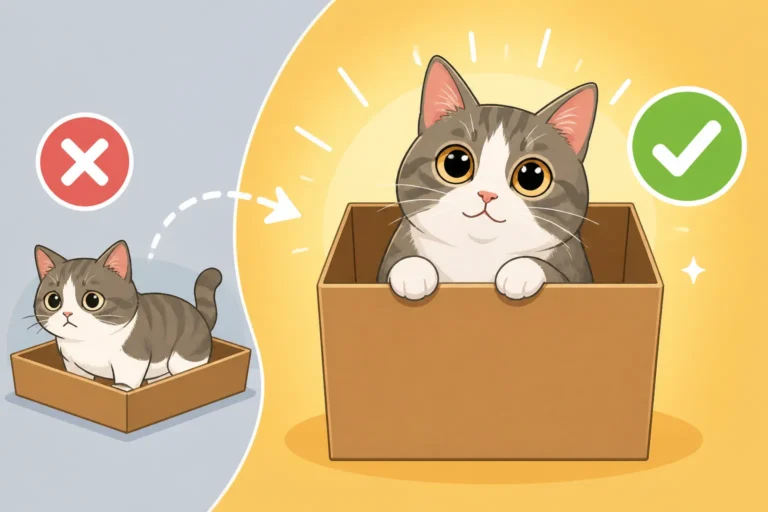
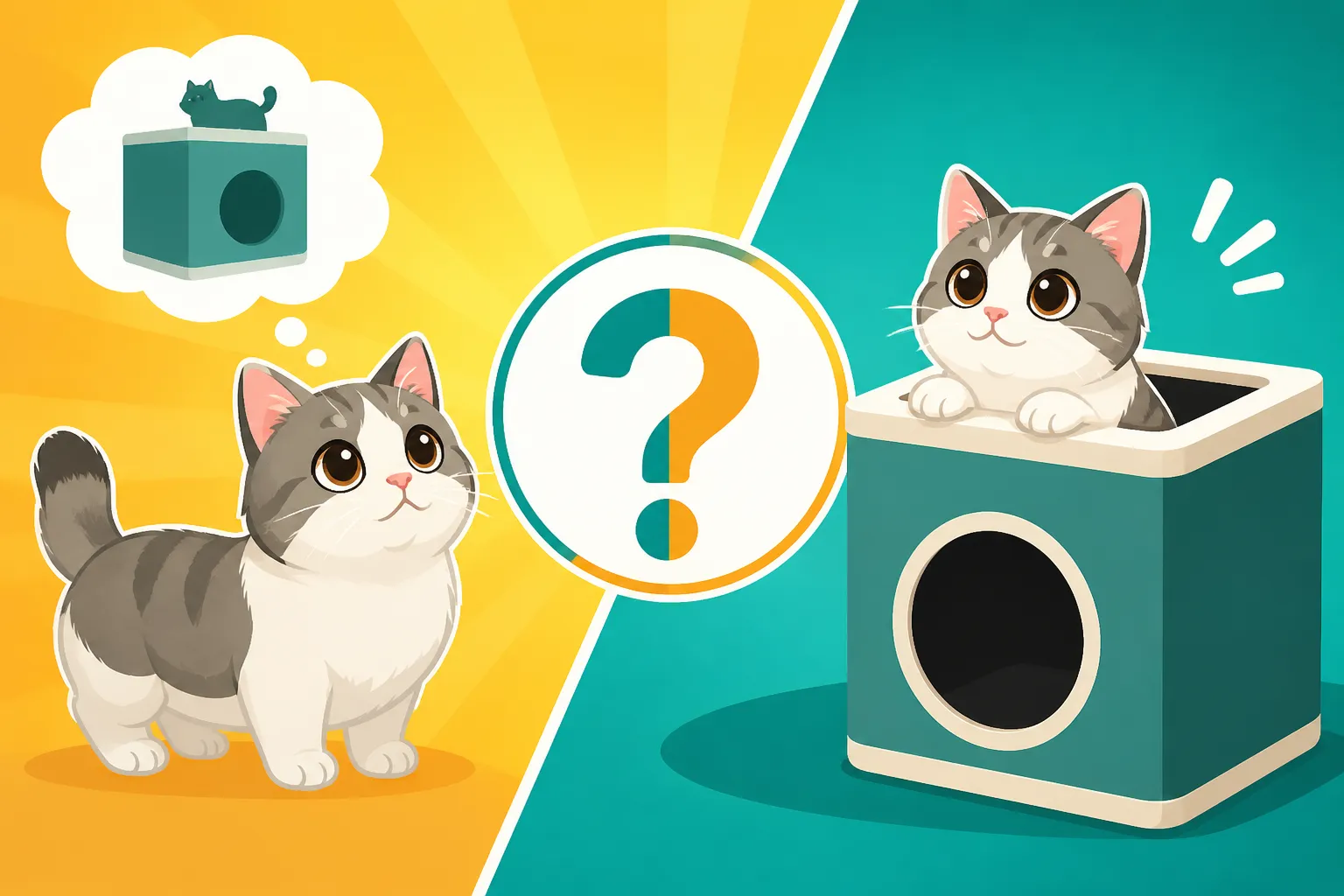
It's a common dilemma for Munchkin cat owners, isn't it? You see all sorts of fancy litter boxes on the market, designed to contain odor and prevent tracking, and those sleek top-entry designs often catch your eye. You think, "Wouldn't that be great for my home?" But then you glance down at your sweet, short-legged companion and a question immediately springs to mind: can a Munchkin cat actually use one of those? The short answer, and one you'll hear from most seasoned Munchkin enthusiasts and vets, is generally no, and trying to force the issue can lead to serious long-term health problems for your beloved feline. This guide will help you understand why, and what better options exist to keep your little one comfortable and healthy.
Understanding the Munchkin's Physical Limitations
Before we even dive into the specifics of litter boxes, it’s crucial to truly grasp what makes a Munchkin, well, a Munchkin. Their defining characteristic – those adorably short legs – comes with inherent physical realities that impact everything from how they play to how they use the litter box. It’s not just about looking cute; it’s about understanding their unique biomechanics.
The Core Challenge: Short Legs and Reach
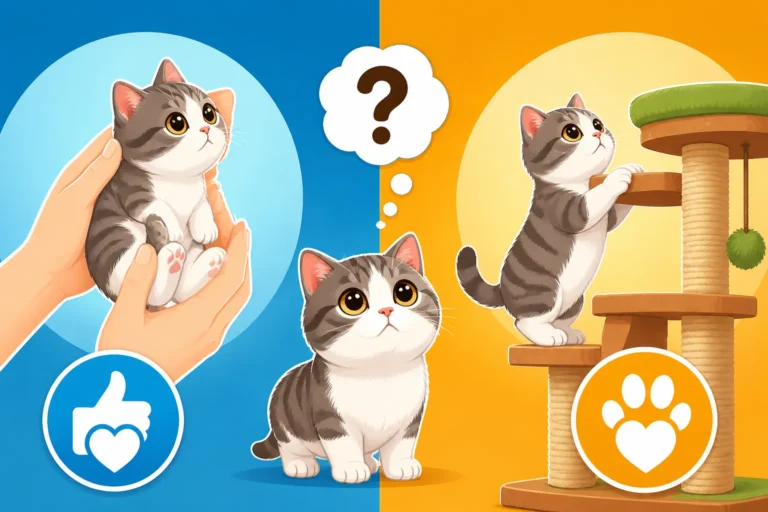
Imagine trying to navigate your daily life if everything was suddenly a foot higher. That’s a bit like what a Munchkin cat experiences in a world designed for their long-legged cousins. Their short limbs mean a significantly reduced vertical reach and a different center of gravity. While they are incredibly agile and surprisingly fast on the flat, their ability to jump and climb is inherently limited. A standard cat might effortlessly spring onto a kitchen counter or a tall cat tree, but a Munchkin simply cannot. Their entire way of moving adapts to staying low to the ground, using furniture as steps, or finding creative routes around obstacles.
This difference isn't just a matter of convenience; it impacts their fundamental comfort and safety. Each time a Munchkin attempts a jump that strains its limits, it puts undue stress on its joints and spine. They might try to jump into a top-entry box, driven by instinct or necessity, but the effort involved is far greater and riskier for them than for a cat with normal leg length. We want to avoid anything that makes daily activities a struggle, because that struggle accumulates over time.
Spinal Considerations and Joint Health
Beyond just the legs, we need to talk about their spine and overall joint health. Munchkins are prone to conditions like lordosis, which is an excessive inward curvature of the spine, and pectus excavatum, a sunken chest. While not every Munchkin develops these, the genetic mutation that causes their short legs can sometimes be linked to other skeletal abnormalities or predispositions. Even without these more serious conditions, the repetitive strain of jumping can exacerbate issues with their shoulders, elbows, and hips. Why a Munchkin's Spine Carries a Load a Normal Cat's Does Not explains this in detail.
When a Munchkin jumps, especially from a height or into a confined space, the impact is absorbed by these critical areas. Over time, this repeated stress can lead to premature arthritis, chronic pain, and a reduced quality of life. Think about how much a cat uses the litter box in a day – multiple times, every single day, for years. Asking them to repeatedly perform a strenuous jump to enter and exit could be setting them up for significant discomfort as they age. Our role as owners is to minimize these risks and ensure their environment supports their unique physical needs, protecting their delicate frames from unnecessary stress.
Why Top-Entry Boxes Are Generally Problematic for Munchkins
It's tempting to think that with a little effort, a Munchkin could get into a top-entry box, especially if it's the only option available. But the truth is, the design of these boxes inherently conflicts with a Munchkin's physical capabilities and long-term health. It's not just about getting in; it's about getting in and out comfortably and safely for the entirety of their life.
The Jump-In Hurdle
Top-entry litter boxes are designed with an opening on the top surface, requiring the cat to jump up and into the box. For a long-legged cat, this is often a graceful, almost effortless maneuver. For a Munchkin, it's a significant athletic feat. The walls of these boxes are typically quite high, often 12 to 15 inches, to contain litter and odors effectively.
Consider your Munchkin. To get in, they'd have to launch themselves upwards, likely scrabbling at the sides, and then drop down inside. This isn't a single, gentle step. It's a jump that involves considerable vertical clearance. They might try, and they might even succeed sometimes, but each attempt is a gamble. They could miss, scrape themselves, or fall awkwardly. The sheer effort can be discouraging, leading to accidents outside the box because the primary bathroom facility is simply too hard to access. Imagine having to do a box jump every time you needed to use the restroom – it would quickly become a frustrating and painful experience.
The Jump-Out Impact
While getting in is a challenge, getting out of a top-entry box can be just as, if not more, damaging. To exit, a Munchkin has to pull themselves up to the rim and then drop down to the floor. This downward jump might seem less strenuous than an upward jump, but it places significant impact on their front legs, shoulders, and spine. What Repeated Landing Does to a Munchkin's Elbows details how these forces affect their joints over time.
Think of it like repeatedly jumping off a chair. The initial impact is absorbed by the front limbs, and the force travels up their short legs into their spine. If this happens multiple times a day, every day, the cumulative stress can lead to accelerated wear and tear on their joints and spinal column. This is especially true for an older Munchkin, or one already dealing with mild arthritis, where a simple jump becomes a painful ordeal. We want to avoid putting our cats in situations where a necessary bodily function causes them pain or injury.
Grooming and Hygiene Concerns
Another often-overlooked issue with top-entry boxes for Munchkins revolves around hygiene. These boxes are great at keeping litter contained, but the short stature of a Munchkin means their belly can sit much closer to the litter itself, especially when they squat to do their business. When they then have to climb out, litter can easily stick to their underside, paws, and even their hindquarters.
Because of their short legs, Munchkins often struggle to reach and properly groom their back half, particularly around their hindquarters and belly. Which Parts of Itself a Munchkin Cannot Reach is a common problem. If they're constantly picking up litter from a top-entry box and can't clean themselves effectively, it can lead to several issues:
- Litter Tracking: More litter gets tracked throughout your house.
- Skin Irritation: Litter, especially certain types, can irritate sensitive skin if left clinging to their fur.
- Mats and Dingleberries: If not properly groomed, fur around their rear can mat, trapping waste and creating hygiene nightmares, which can then lead to secondary skin infections or discomfort. This is particularly problematic for long-haired Munchkins.
- Fecal Soiling: An awkward exit might lead to them dragging their hindquarters through soiled litter, further complicating their self-cleaning efforts and potentially leading to urinary tract infections if they're not kept clean.
While a top-entry box might be convenient for you in terms of litter containment, it can create a cycle of discomfort and hygiene issues for your Munchkin, requiring more intervention from you in the form of regular cleaning and grooming.
When a Top-Entry Box Might Be Considered (and How to Adapt It)
Let's be truly empathetic and realistic here: sometimes, life throws curveballs. Perhaps you have a multi-cat household where one cat absolutely insists on digging out all the litter, and a top-entry box is the only way to maintain some semblance of cleanliness. Or maybe you've inherited a Munchkin who, for some reason, has always used a top-entry setup with adaptations. While generally not recommended, there might be very specific and rare circumstances where, with significant modification and careful observation, you might consider making it work.
Specific Scenarios and Adaptations
If you find yourself in a situation where a top-entry box seems like the only option, extreme caution and immediate adaptation are paramount. This isn't about making it "a little easier"; it's about fundamentally changing the entry and exit method to mimic a low-entry box as much as possible.
Here are some ideas for adaptations, though remember these are not ideal and should be carefully monitored:
- Ramps or Steps to the Top: The most critical modification would be to add a sturdy, shallow-incline ramp or a series of very low, wide steps leading right up to the top opening of the box. Think of it like building a mini-staircase. The ramp shouldn't be too steep – a 20-25 degree incline is generally recommended for cats. The steps should be no more than 3-4 inches high and wide enough for secure footing. This eliminates the need for a jump into the box. You can often find pet ramps on Amazon or Chewy that might be adaptable, or you might need to get creative with DIY solutions using sturdy wood or plastic.
- Internal Step/Platform: If your Munchkin struggles to get out, consider adding a secure, waterproof step or platform inside the box, just below the opening. This would reduce the drop-down height, making the exit less impactful on their joints. Ensure it's very stable and doesn't tip.
- Cutting a Side Entrance: This is a drastic measure, but some owners have carefully cut a low, wide entrance into one of the sides of the top-entry box, effectively turning it into a high-sided, low-entry box. This requires careful planning to ensure the structural integrity of the box isn't compromised and that there are no sharp edges. If you go this route, make sure the opening is sanded smooth and ideally reinforced with some trim.
- Supervised Use: Initially, you'd need to supervise your Munchkin closely to ensure they are actually using the adaptations correctly and not still attempting risky jumps. Any sign of hesitation, struggle, or limping should be a red flag to switch to a different solution immediately.
This is a scenario where you're trying to force a square peg into a round hole. While adaptations can be made, the inherent design is still working against your Munchkin's anatomy. It’s always better to start with a solution that naturally fits their needs.
Alternative Solutions: Low-Entry Boxes and Their Benefits
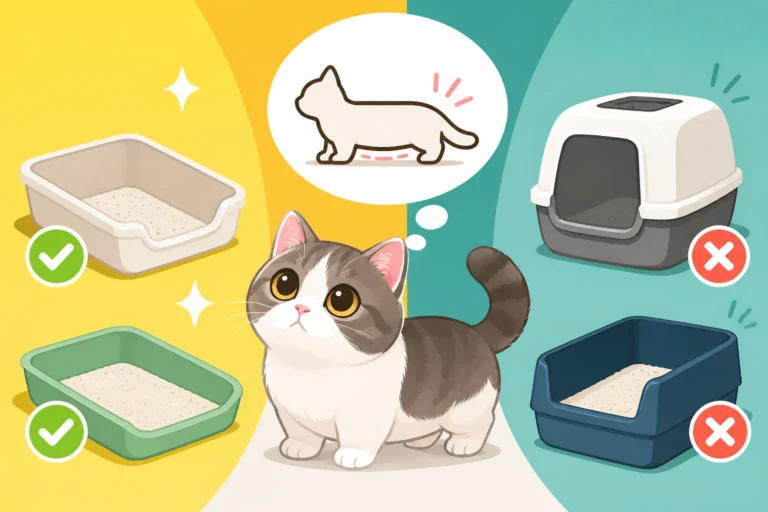
Instead of trying to adapt a problematic design, why not lean into what truly works for your Munchkin? Low-entry litter boxes are a godsend for cats with mobility challenges, including senior cats, those with arthritis, and, of course, Munchkins. These boxes are designed with a much lower threshold at the front, allowing your cat to simply walk in or step over a very shallow lip.
Here’s why they are the vastly superior choice:
- Easy Access: The primary benefit is effortless entry and exit. Your Munchkin doesn't need to jump or climb, reducing all strain on their legs, shoulders, and spine. This preserves their joint health over the long term and prevents unnecessary pain. How Low a Munchkin Litter Box Entry Should Be is a critical measurement to consider.
- Reduced Risk of Accidents: When a litter box is easy to use, a cat is more likely to use it. This significantly reduces the risk of inappropriate urination or defecation outside the box due to difficulty accessing their toilet.
- Improved Hygiene: With easier access, your Munchkin is less likely to drag their belly through litter or soil themselves awkwardly, making self-grooming less of a challenge and reducing the likelihood of mats and skin issues around their hindquarters.
- High Sides (Often): Many low-entry designs still feature high walls on the other three sides (and sometimes even the back of the entry side), which helps contain litter scatter from enthusiastic digging. This gives you the best of both worlds: easy access for your cat and good litter containment for your home.
- Variety of Options: There's a wide range of low-entry boxes available. You can find everything from basic plastic trays to more aesthetically pleasing designs that blend into your home decor. Many brands, like those found on Chewy or Amazon, offer excellent senior or special-needs cat litter boxes that fit the bill perfectly. Even a large storage tote with a section cut out of the side can be an effective, budget-friendly solution. How to Cut Down a Litter Box for a Munchkin provides practical advice on this.
Table: Comparison of Litter Box Types for Munchkins
| Feature | Top-Entry Litter Box | Low-Entry Litter Box |
|---|---|---|
| Entry/Exit | Requires jumping up and dropping down. | Easy step-in or walk-in access. |
| Spinal Strain | High risk of strain on spine and joints due to jumping. | Minimal to no strain on spine and joints. |
| Joint Health | Increased wear and tear, potential for early arthritis. | Preserves joint health, reduces risk of injury. |
| Hygiene | Higher risk of litter clinging to belly/hindquarters, difficult grooming. | Reduced risk of litter transfer, easier self-grooming. |
| Ease of Use | Challenging, can lead to accidents outside the box. | Simple, encourages consistent use. |
| Litter Scatter | Excellent containment, as walls are high. | Good containment on three sides, minimal scatter from entry. |
| Adaptability | Requires significant, often complex, modifications to be safe. | Already optimally designed for Munchkin needs. |
When choosing a litter box, always put your Munchkin's comfort and health first. A low-entry box is by far the most responsible and loving choice.
Making the Best Choice for Your Munchkin's Well-being
Ultimately, your Munchkin's well-being should be the guiding principle behind every care decision, and that absolutely includes their litter box. What might seem like a minor inconvenience to you – having to clean up a bit of tracked litter – could be a source of chronic pain or stress for your cat if their basic needs aren't met with appropriate equipment.
Observing Your Cat's Behavior
The best way to know if your cat is truly comfortable and happy with their litter box setup is to observe them. Cats are masters at hiding discomfort, but subtle cues can reveal a lot.
- Hesitation: Does your Munchkin stand at the edge of the litter box, seemingly debating whether to get in? Do they circle it multiple times before making a tentative jump? This is a strong indicator of difficulty.
- Struggling to Enter or Exit: Watch for awkward movements, scrabbling with paws, or visible effort when they try to get in or out. A smooth, confident entry and exit is what you want to see.
- Accidents Outside the Box: If your Munchkin starts eliminating outside the litter box, especially near it, the first thing you should investigate is whether the box itself is the problem. It's not usually spite; it's often a signal that the box is too difficult to access or something about it is causing them discomfort.
- Limping or Stiffness: If you notice any limping, stiffness, or reluctance to jump onto other low pieces of furniture, it might be a sign that the repeated stress of using a difficult litter box is taking its toll on their joints. How Arthritis Shows in a Munchkin's Front Legs can help you spot these signs.
- Changes in Grooming: If your Munchkin's hindquarters seem dirtier than usual, or you notice mats developing, it could be a sign they're struggling to clean themselves after using a challenging litter box.
Pay attention to these subtle signals. Your Munchkin relies on you to create an environment where they can thrive, and that includes making their "bathroom" easily accessible and comfortable.
Prioritizing Long-Term Health
It’s easy to focus on immediate problems like litter tracking or odor, but with a Munchkin, the long view is crucial. Every decision you make about their environment can impact their health years down the line. Choosing a top-entry box might offer some immediate benefits for your household aesthetics or cleanliness, but it introduces a significant, repetitive strain on your cat's body that can lead to chronic pain and reduced mobility as they age.
Think about the quality of life you want for your Munchkin. Do you want them to be able to zoom around, play on the floor, and enjoy their senior years without constant discomfort from overworked joints and a strained spine? Then providing them with an accessible litter box from day one is not just an option, it's a responsibility.
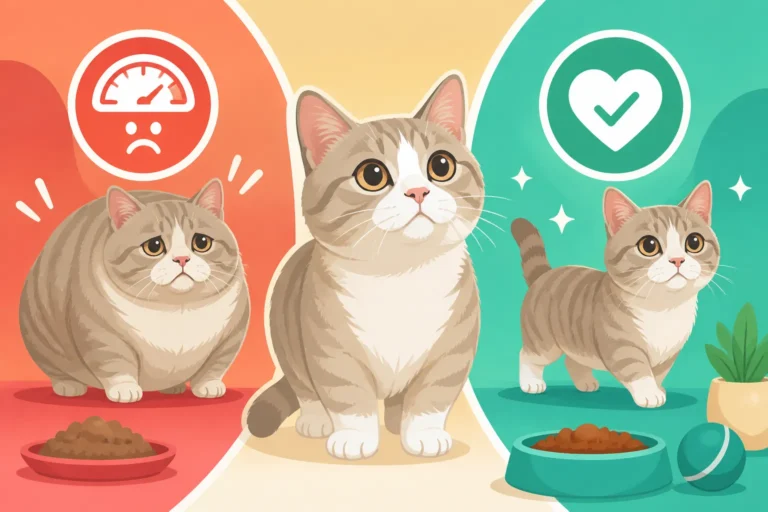
A comfortable, low-entry litter box is part of a holistic care plan that supports your Munchkin's unique physical needs. It works in conjunction with maintaining a healthy weight – Why Weight Is More Dangerous on a Munchkin – providing appropriate, floor-level enrichment, and ensuring regular veterinary check-ups that specifically address their joint and spinal health.
Don't let the appeal of a sleek design overshadow the practical, health-focused needs of your Munchkin. Opt for a low-entry solution that supports their precious short legs and long, healthy life. Your little companion will thank you for it in purrs and happy, pain-free mobility for years to come.
Disclaimer
This article is for general informational purposes only and does not constitute professional advice. Laws, prices and regulations vary by location and change over time. Consult a qualified professional for guidance on your specific situation.