How Far a Munchkin Should Have to Walk to a Box
One of the most common worries for Munchkin cat parents, or those considering bringing one of these adorable short-legged felines into their home, is how to best accommodate their unique physical needs. It’s not just about finding the right height for their food bowls or providing ramps; it's also crucial to think about something as fundamental as their litter box. If a litter box is too far away or difficult to access, it can lead to stress, accidents, and even health problems for your beloved Munchkin. This guide will walk you through the essential considerations for litter box placement and accessibility, ensuring your Munchkin has a comfortable, convenient, and dignified experience.
Understanding a Munchkin's Unique Mobility Needs
Let's be real, a Munchkin cat moves differently than a long-legged cat. While they're incredibly agile and can often surprise you with their speed and ability to navigate, their short legs undeniably impact how they get around, especially when they need to make a quick dash to the facilities. Ignoring these differences can set your little one up for unnecessary difficulty.
The Impact of Short Legs on Movement
Imagine having to rush to the bathroom, but every step feels like a mini-climb. That's a bit like what it can be for a Munchkin trying to get to a distant litter box. Their short legs mean that covering ground takes more effort and more steps. They aren't going to be leaping onto counters or scaling tall furniture with ease, and this same principle applies to covering horizontal distances. They tend to have a lower center of gravity, which helps them corner quickly, but it doesn't magically make long sprints effortless. Their unique gait, often described as a ferret-like shuffle, means they are close to the ground, which is great for weaving through obstacles, but less efficient for sustained, fast travel, especially when urgency is involved. This isn't to say they're slow or lazy; quite the opposite, they can be remarkably active, but their locomotion is simply built for a different kind of movement than a typical cat. Why a Munchkin's Legs Are Short but Its Body Is Not delves into the specifics of their leg structure.
Why Long Distances Are a Challenge
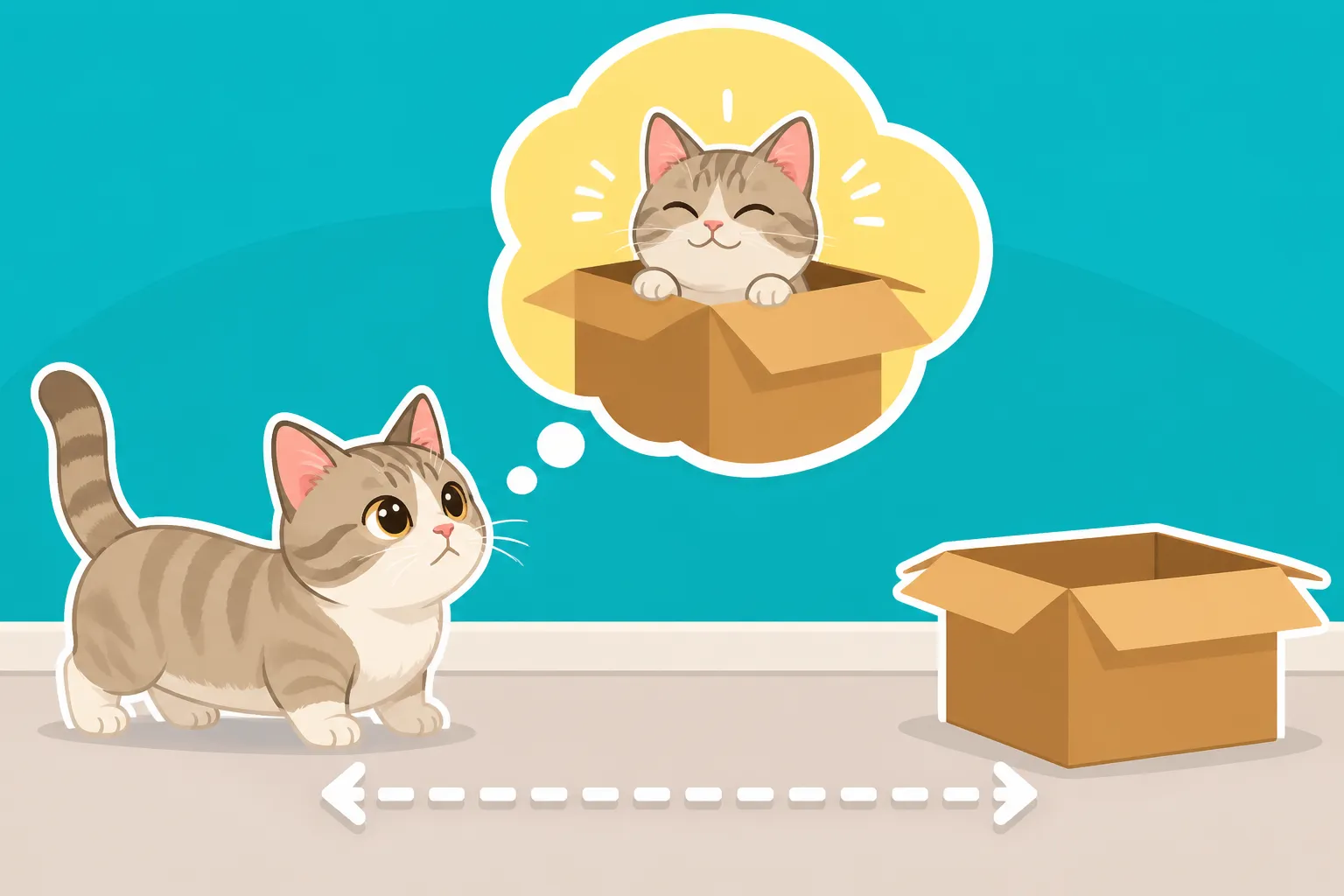
When nature calls for a cat, it often calls now. A long-legged cat might dash across a large room in a few bounds, but a Munchkin will take significantly more effort and time to cover the same distance. Forcing them to undertake a mini-marathon every time they need to use the litter box isn't fair, and it can lead to issues. Think about a senior cat, or a cat with arthritis – you wouldn't expect them to hike to a far-off box, would you? While Munchkins are often full of playful energy, the cumulative effect of extra steps and exertion over a lifetime can contribute to wear and tear on their joints, particularly their shoulders and elbows, which already take a good deal of impact from their unique movement patterns. Why a Munchkin's Shoulders Wear First discusses this in more detail. If the box is consistently too far, a cat might start to "hold it" longer than is comfortable, or worse, decide that a closer, more convenient spot (like your favorite rug) is a perfectly acceptable alternative.
The Hidden Strain of Inaccessible Boxes
Beyond the immediate inconvenience, an inaccessible litter box can create a lot of hidden stress for your Munchkin. Cats are creatures of habit and cleanliness. If reaching their designated toilet becomes a source of discomfort, difficulty, or even mild pain, it can lead to anxiety. This anxiety might manifest as hiding, reluctance to use the box, or even developing urinary tract issues from holding their bladder. You might not see them limping or crying out, but a Munchkin repeatedly struggling to get to the box is experiencing quiet distress. This often flies under the radar because Munchkins are incredibly resilient and adaptive, but it doesn't mean they aren't feeling the strain. We want our cats to feel secure and comfortable in their environment, and accessible facilities are a huge part of that. How to Judge a Munchkin's Quality of Life emphasizes the importance of these seemingly small details.
Strategic Litter Box Placement for Munchkin Comfort
When it comes to litter boxes for a Munchkin, it’s not just about having enough; it's about where they are and how easily they can be reached. This involves a little strategic thinking and perhaps seeing your home from your cat's low-to-the-ground perspective.
Proximity to Key Living Areas
The golden rule for Munchkin litter box placement is simple: keep them close. Imagine your home divided into zones where your cat spends the most time – their sleeping spots, eating areas, and common play zones. There should ideally be a litter box within easy reach of each of these primary areas. For instance, if your Munchkin loves to nap in the living room, there should be a box nearby. If their food and water bowls are in the kitchen, a box in an adjacent laundry room or pantry makes perfect sense. The goal is to minimize the distance your Munchkin has to travel, especially when they're suddenly motivated to go. This isn't just about convenience; it reduces the risk of accidents and the subtle stress of a long journey. Many owners find that placing a box in a quiet corner of a main room, or just outside the doorway, works wonders. Remember, the general recommendation for cats is one box per cat plus one extra. For Munchkins, due to their unique mobility, you might consider having even more, especially in larger homes. How Many Low Entry Boxes a Munchkin Needs elaborates on this concept.
Avoiding Obstacles and Stairs
While Munchkins are surprisingly adept at navigating their environment, they are not immune to physical limitations. A litter box that requires them to climb stairs, squeeze through tight spaces, or traverse slippery floors is a recipe for problems. Stairs, in particular, should be avoided as primary access routes to a litter box. Going up and down stairs repeatedly puts extra strain on their short legs and spine, potentially exacerbating joint issues over time. Why a Munchkin Should Not Use Stairs Repeatedly explains the rationale behind this. If you live in a multi-story home, a litter box on every floor your Munchkin inhabits is not a luxury, it's a necessity.
Furthermore, ensure the path to the box is clear of clutter. A clear, direct line of sight and access is always best. Slippery surfaces like polished hardwood or laminate can also be tricky for Munchkins, as they don't have the same leverage as longer-legged cats. Consider placing small rugs or runners to provide better grip on slick pathways leading to the litter box. Brands like Amazon offer a wide variety of non-slip rugs that can be a lifesaver for creating safe routes.
Multi-Story Homes and Multiple Boxes
Living in a multi-story home with a Munchkin requires a specific strategy for litter box placement. You cannot expect your Munchkin to reliably navigate stairs every time they need to go, especially as they age or if they're feeling unwell. Each floor where your Munchkin spends a significant amount of time should have at least one, if not two, easily accessible litter boxes.
For example:
- Ground Floor: A box near their main sleeping area (if applicable) and another near common play/feeding areas.
- Second Floor: If your bedroom is upstairs and your Munchkin sleeps with you, a box must be present on that floor.
- Basement/Attic: If these areas are occasionally accessible to your Munchkin (though generally, it's best to keep them out of such areas unless fully adapted), a box would be needed there too.
Think about it like this: if you were pregnant, elderly, or had a broken leg, how many steps would you want to take to get to the bathroom? Apply that same empathetic thinking to your Munchkin. The goal is to make the act of using the litter box as effortless and stress-free as possible, regardless of which part of the house your cat finds itself in. This might mean having more boxes than you initially planned, but the benefit of a happy, accident-free Munchkin is invaluable.
Here’s a quick overview of ideal litter box placement considerations:
| Factor | Ideal for Munchkin | Avoid |
|---|---|---|
| Distance | Within quick, easy reach of common areas | Across large rooms, long hallways, or in remote corners |
| Floors | At least one box per floor Munchkin uses | Requiring stairs to reach any box |
| Path Obstacles | Clear, unobstructed paths | Clutter, narrow doorways, furniture they must navigate around |
| Surface | Non-slip flooring (rugs, carpet) leading to box | Slippery tiles, laminate, polished hardwood |
| Privacy | Quiet, low-traffic areas | High-traffic zones, noisy appliances, areas with sudden movements |
| Entry Point | Low-entry boxes or those with ramps | High-sided boxes they must jump into or out of |
Optimizing the Litter Box Environment Itself
Once you've nailed down the strategic placement, the next crucial step is ensuring the litter box itself is perfectly suited to your Munchkin's needs. It's not just about location; it's also about the box design, the litter, and the overall feel of the space.
Low Entry Points and Interior Accessibility
This is arguably the most critical aspect when selecting a litter box for a Munchkin. Their short legs mean that even a standard litter box with a relatively low side can be a significant hurdle. Imagine having to high-step into and out of your toilet every single time. It's not comfortable, and it can be a deterrent. Look for litter boxes specifically designed with a low entry point, sometimes marketed as "senior cat" or "disabled cat" boxes. The front lip should be as close to the floor as possible, allowing your Munchkin to simply walk in and out without lifting their legs too high. How Low a Munchkin Litter Box Entry Should Be highlights just how important this is.
If you already have high-sided boxes, you might even consider modifying one by carefully cutting down one side, or adding a small, stable ramp leading up to the entrance. Many pet supply stores, like Chewy or Amazon, offer excellent low-entry options or small pet ramps that can be used to create easier access to existing boxes or even cat trees. While covered boxes offer privacy, ensure the opening isn't too small or high for your Munchkin to comfortably navigate. Sometimes, an open-top box with low sides is the best compromise for easy access.
Litter Type and Cleanliness Considerations
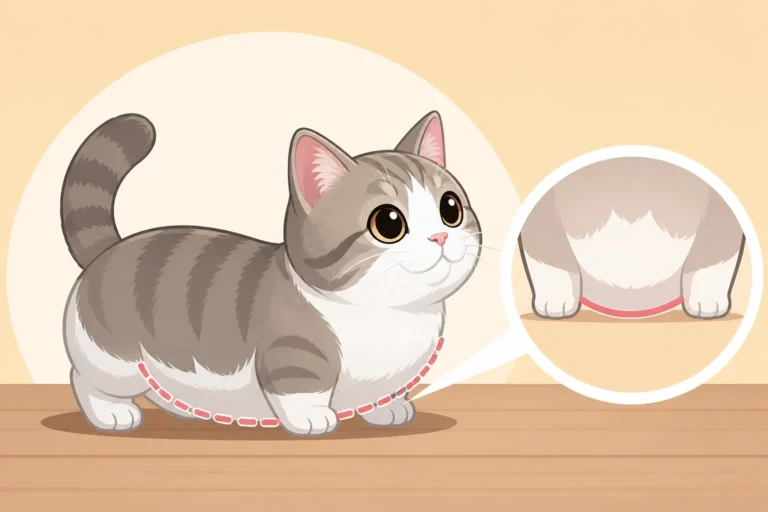
The type of litter you use and how meticulously you keep the box clean also play a significant role in your Munchkin's willingness to use it. Because Munchkins are so low to the ground, especially their belly fur, they are more prone to tracking litter outside the box and potentially getting it stuck to their underside. This isn't just a mess; it can be uncomfortable and unhygienic for them.
Consider using a softer, finer-grained litter that is less likely to cling to fur. Some owners find that non-tracking litters or those with larger, heavier granules work better, as they don't get stuck between paw pads or on bellies as easily. Regardless of the type, cleanliness is paramount. Scoop the litter box at least once, preferably twice, daily. A dirty box is a major turn-off for any cat, but for a Munchkin who might already find the process a bit more challenging, a soiled box is a definite no-go. They might be tempted to find a cleaner spot elsewhere. Regularly cleaning the entire box with pet-safe cleaner also helps. Which Litter Suits a Munchkin's Low Belly offers more insights into litter choices.
Creating a Private, Stress-Free Zone
Cats appreciate privacy when they're doing their business, and Munchkins are no exception. Even though we want the box to be accessible, it shouldn't be in the middle of a bustling hallway or directly next to a noisy washing machine. Find a quiet corner or a low-traffic area where your Munchkin can feel safe and undisturbed.
If you're using an open-top box, placing it under a small table or behind a low screen can offer a sense of security without hindering access. Ensure there's ample space around the box for your Munchkin to enter, turn around, and exit comfortably. Avoid placing multiple boxes directly adjacent to each other without some separation, as some cats don't like to share 'territory' even if they're friendly. A stress-free environment encourages consistent litter box use, which is vital for both their physical and emotional well-being.
Recognizing Signs of Litter Box Issues
Even with the best intentions and carefully planned setups, sometimes problems arise. It's essential to be vigilant and recognize the signs that your Munchkin might be having trouble with their litter box arrangements. Early detection can prevent minor issues from becoming major health or behavioral concerns.
Behavioral Cues to Watch For
Your Munchkin can't tell you in words that the litter box is too far or too difficult, but they'll certainly communicate it through their actions. Pay close attention to any changes in their litter box habits. Are they suddenly having accidents outside the box? This is often the most obvious sign. These accidents might occur closer to their favorite sleeping spots, indicating that they couldn't make it to the designated box in time, or that the journey was too daunting. They might also start using a spot that is easier to access, like a shower stall or a rug near where they were resting.
Another cue is increased vocalization or pacing before using the box, suggesting anxiety or discomfort. Some Munchkins might display a noticeable reluctance to enter the box, perhaps hovering at the edge or making aborted attempts before wandering off. You might observe them grooming excessively around their genital area or hindquarters after using the box, which could point to discomfort or a feeling of uncleanliness if they're struggling to position themselves properly. Any deviation from their normal routine warrants investigation.
Health Implications of Inaccessible Boxes
The repercussions of an inconvenient litter box go far beyond mere inconvenience and soiled carpets. Chronically holding urine because the box is too far or too hard to reach can lead to serious urinary tract issues, such as cystitis or bladder stones. The stagnation of urine creates a prime environment for bacteria to multiply, leading to painful infections. Similarly, if defecating is difficult or painful due to awkward positioning in the box or the strain of holding it, your Munchkin could develop constipation or other digestive problems.
Furthermore, the physical strain of repeatedly struggling to get into or out of a high-sided box can exacerbate existing joint problems or contribute to new ones. A Munchkin's short legs mean their joints are already under a unique kind of stress. Repeatedly high-stepping or awkwardly twisting their spine to navigate a difficult box adds unnecessary wear and tear. Why a Munchkin's Spine Carries a Load a Normal Cat's Does Not helps to illustrate this point. The chronic stress of an inaccessible litter box can also weaken their immune system, making them more susceptible to other illnesses.
When to Consult Your Vet and Adapt Further
If you observe any of the behavioral cues mentioned above, or if your Munchkin is having accidents, the very first step should always be a visit to your veterinarian. It's crucial to rule out any underlying medical conditions before assuming the issue is purely behavioral or environmental. Your vet can perform a physical exam, urinalysis, and possibly imaging like X-rays to check for urinary tract infections, bladder stones, or joint issues that might be contributing to the problem. They can also assess How a Vet Assesses a Munchkin's Leg Conformation and discuss potential pain management if arthritis is present.
Once medical causes are ruled out or addressed, then it's time to double down on environmental adaptations. This might mean adding more low-entry boxes, repositioning existing ones to be even closer to your Munchkin's frequented spots, or investing in ramps and steps to ensure seamless access to all preferred resting areas, which indirectly impacts litter box access. Observe your cat's specific routes and habits. If they continuously choose a spot near your bed for accidents, then placing a discreet, low-entry box there is a logical next step. Remember, the goal is to make it impossible for your Munchkin not to use the litter box because it's the easiest, most comfortable option available.
Disclaimer
This article is for general informational purposes only and does not constitute professional advice. Laws, prices and regulations vary by location and change over time. Consult a qualified professional for guidance on your specific situation.