Whether a Longhaired Munchkin Needs Clipping
If you're a proud parent to a gorgeous longhaired Munchkin, you know the joys of their fluffy coats – but you also know the struggles. That beautiful long fur, combined with their adorable short stature, often leads to a sticky situation, literally, especially around their hindquarters and belly. Many owners wonder if a full-body clip is the only way to manage the matting, dingleberries, and general mess, and this guide is here to walk you through the realities and offer practical solutions for keeping your longhaired Munchkin looking and feeling their best.
The Unique Grooming Demands of a Longhaired Munchkin's Anatomy
Let's be honest, living with a longhaired Munchkin is a unique experience. Their short legs are part of their charm, but they also introduce a whole host of grooming challenges that owners of long-legged cats rarely face. It's not just about aesthetics; these challenges can directly impact your cat's comfort, hygiene, and overall health. Understanding why these issues arise is the first step to finding the right solutions.
Why Short Legs Mean More Mats and Mess
Imagine trying to keep a sweeping ballgown clean while constantly dragging it across the floor. That's essentially what your longhaired Munchkin's luxuriant coat experiences daily. Their short legs mean their belly fur, chest fur, and even the longer fur on their sides are much closer to the ground than a standard-legged cat. This low-slung body is a magnet for all sorts of debris. Think about it: every time they walk through the house, roll on the carpet, or investigate a dusty corner, their long fur is picking up bits of dirt, dust bunnies, stray hair, and whatever else might be on the floor. This constant contact with surfaces means their fur is more prone to friction, which is a prime cause of matting.
Moreover, their proximity to the ground makes them more susceptible to becoming soiled, especially after using the litter box or if they happen to step in something they shouldn't. This isn't a reflection on their cleanliness; it's a direct consequence of their unique physical build. They simply can't avoid some of these floor-level encounters. You might find yourself constantly wiping down their undersides or discovering little "gifts" stuck in their rear-end fur. This isn't just unpleasant for you; it can be deeply uncomfortable for your cat and lead to skin irritation if not managed diligently. Why a Munchkin's Belly Nearly Touches the Floor explains more about this specific challenge.
The Self-Grooming Dilemma for Munchkins
One of the biggest frustrations for owners of longhaired Munchkins is watching their cats struggle to groom themselves effectively. Cats are meticulous groomers by nature, spending a significant portion of their day keeping their coats immaculate. However, a Munchkin's short legs, while adorable, severely limit their reach. They can't arch their backs or extend their limbs in the same way a normal-legged cat can to reach all areas of their body.
Specifically, the fur on their hindquarters, the insides of their back legs, and their lower belly becomes a veritable no-go zone for self-grooming. These are precisely the areas that are most prone to matting and getting dirty. What happens then? The fur accumulates dirt, tangles, and dead hair, which then tightens into painful mats that pull at their skin. In severe cases, these mats can restrict movement, cause skin infections, and lead to discomfort or even pain. Which Parts of Itself a Munchkin Cannot Reach delves deeper into these limitations. This inability to self-groom adequately means that, as their human, you absolutely have to step in and take on a significant portion of their grooming responsibilities.
Daily Grooming: Your First Line of Defense
For a longhaired Munchkin, grooming isn't a sporadic treat; it's a daily necessity. Think of it as preventative medicine for their coat and skin. Consistent, gentle grooming habits can make a huge difference in preventing mats, maintaining hygiene, and keeping your beloved feline friend happy and comfortable.
Establishing a Regular Brushing Routine
The cornerstone of longhaired Munchkin care is a consistent brushing routine. This isn't something you can skip for days on end, especially in areas prone to matting. Aim for at least once a day, and if you notice particular tangles forming, twice a day might be necessary for a short period. The key is to make it a positive experience, starting with short sessions when your kitten is young and gradually increasing the duration as they get used to it.
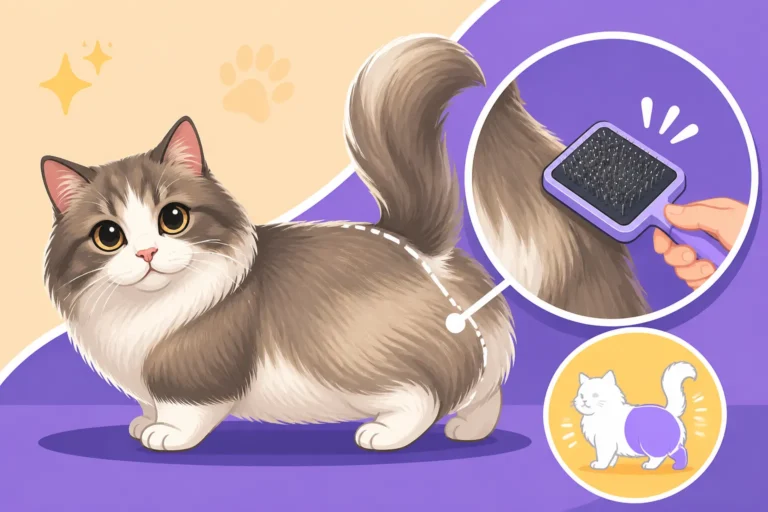
When brushing, focus on those high-traffic areas: the belly, chest, armpits, and, most critically, the hindquarters and the backs of the legs. Use a soft slicker brush or a metal comb with fine, rounded teeth to gently work through the fur. Always brush in the direction of hair growth, and be incredibly careful around any tangles. Don't pull or yank; instead, hold the fur closer to the skin with one hand and gently tease out the mat with the comb's teeth or your fingers. For particularly stubborn tangles, a detangling spray can be a lifesaver. You can find a wide array of suitable brushes and combs on platforms like Amazon or Chewy, often with customer reviews that can guide your choice for a longhaired cat. How Often to Brush a Munchkin's Back offers more specific guidance.
Targeted Hygiene Trims and Belly Care
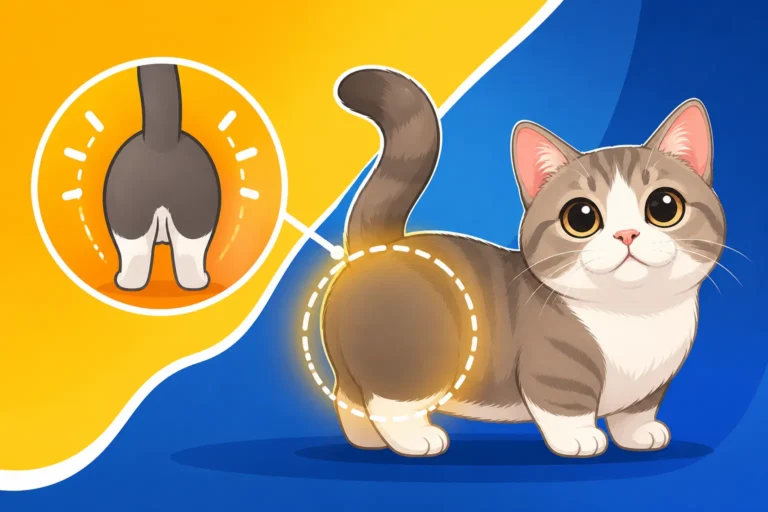
While a full-body clip might not be necessary, targeted hygiene trims (often called "sanitary clips") are often essential for longhaired Munchkins. This involves carefully trimming the fur around their anus and genitals to prevent fecal matter from getting stuck and creating a mess. A small, blunt-nosed grooming scissor is your best friend here. Always point the scissors away from the skin and only snip small amounts of fur at a time. If you're nervous, your vet or a professional groomer can perform this trim safely.
Beyond the sanitary area, pay close attention to the fur on their belly. This area is constantly dragging on the ground and can quickly become matted or soiled. Gently lift your Munchkin (supporting their back, of course) and check their belly fur daily. If it's getting too long and collecting debris, a careful trim of just the belly area can make a world of difference. Again, use blunt-nosed scissors and exercise extreme caution. Some owners prefer to use an electric trimmer with a very short guard for this area, as it's often safer than scissors for quickly removing longer belly fur. Why a Munchkin's Belly Fur Needs Checking provides more context on this important care area.
The Role of Diet and Supplements
Believe it or not, your Munchkin's diet plays a significant role in the health of their coat. A well-balanced, high-quality diet rich in essential fatty acids (like Omega-3 and Omega-6) can promote a healthy, less brittle coat that is less prone to matting. Look for cat foods that list real meat as the first ingredient and contain these beneficial fats.
Beyond diet, some owners find success with joint supplements. While not directly about fur, a Munchkin who is stiff or uncomfortable due to joint issues might be less willing to engage in even limited self-grooming, exacerbating matting problems. A healthy, mobile cat is a happier cat, and a happier cat is often more tolerant of grooming. Always discuss any dietary changes or supplements with your veterinarian. Which Food Suits a Munchkin's Joints is a great resource if you're exploring this avenue.
When Professional Trimming or Clipping Becomes Necessary
Despite your best efforts with daily brushing and targeted trims, there might come a time when professional intervention is the best, or even only, option. This isn't a sign of failure on your part, but rather a realistic acknowledgment of the unique challenges of a longhaired Munchkin.
Understanding Hygiene Clips vs. Full Body Clips
It's important to differentiate between a simple hygiene trim, which you can often do at home, and a more extensive professional clip.
- Hygiene Clip (Sanitary Clip): This is a localized trim around the rear end, often extending to the inner thighs and lower belly. It's done to prevent fecal matter and urine from contaminating the fur, thus reducing the risk of mats, skin irritation, and odors. Many professional groomers offer this as a standalone service.
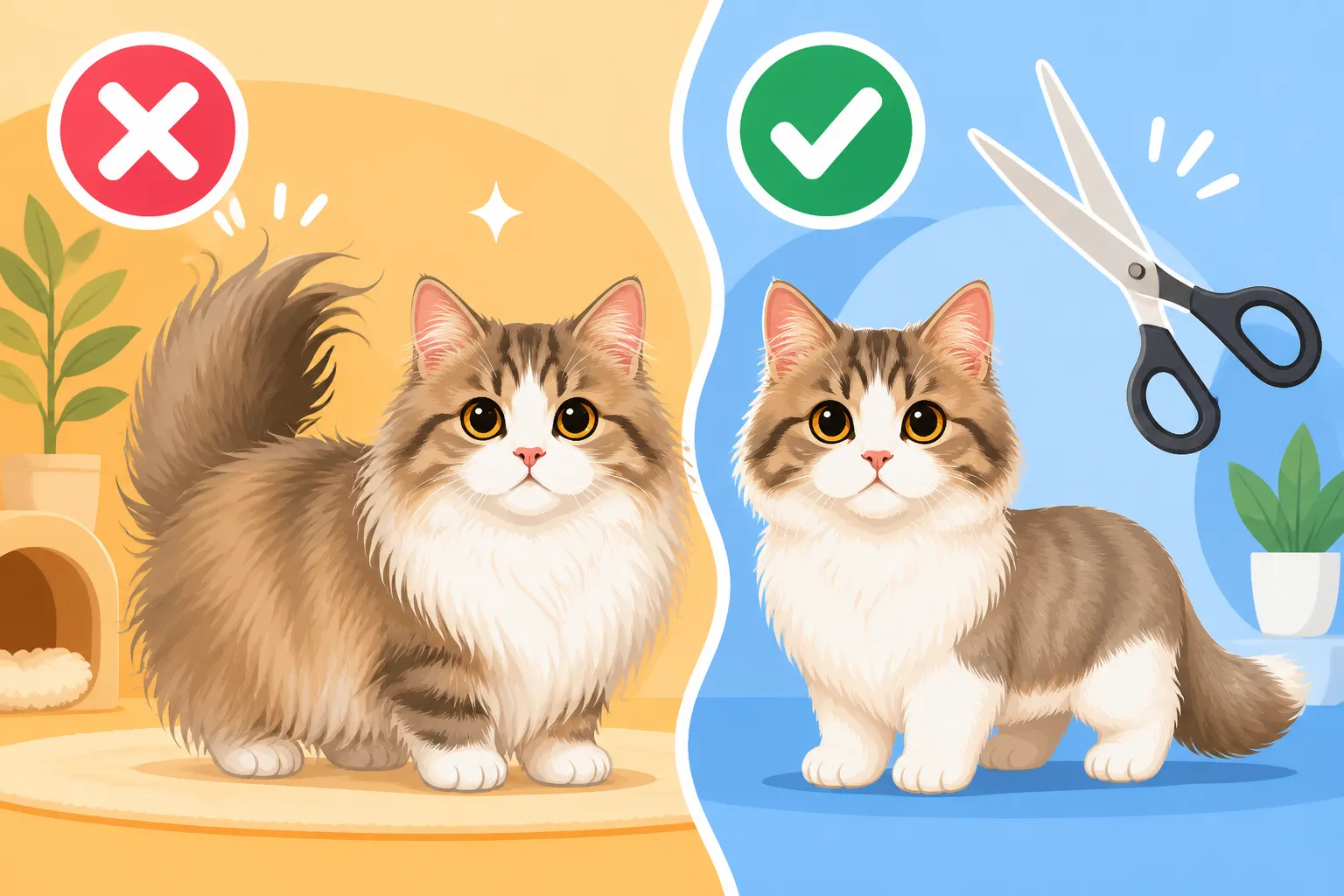
- Full Body Clip (Lion Cut or Shave Down): This involves shaving most, if not all, of the cat's body fur. This is a more drastic measure and is typically reserved for specific situations, such as severe matting, skin conditions requiring topical treatment, or in extremely hot climates where the cat is struggling to regulate its temperature. A "lion cut" leaves fur on the head, paws, and tail, while a "shave down" is a more complete removal.
The decision to opt for a full body clip should ideally be made in consultation with your veterinarian and an experienced professional groomer.
Signs It's Time for a Professional Groomer
How do you know when it's time to call in the pros? Here are some clear indicators:
- Severe Matting: If you find large, tight mats that are painful to touch or are pulling at your cat's skin, it's usually beyond home remedy. Attempting to cut these out yourself can be incredibly dangerous, leading to accidental nicks or cuts to the skin. Professional groomers have specialized tools and techniques to safely remove severe mats.
- Skin Issues Under Mats: Mats can hide a multitude of problems, including redness, sores, parasites, or infections. If you suspect your cat has a skin issue developing beneath matted fur, a professional clip may be necessary for proper veterinary diagnosis and treatment.
- Fecal Soiling Beyond Control: Despite your best efforts with sanitary trims, if your Munchkin consistently struggles with severe fecal contamination that leads to mats and hygiene issues, a more extensive clip might provide much-needed relief.
- Discomfort or Behavioral Changes: If your cat is showing signs of pain, reluctance to move, excessive licking of matted areas, or a general change in demeanor that you suspect is related to their coat, a professional groomer can help alleviate their discomfort.
- Owner Overwhelm: Let's be real – sometimes the sheer amount of grooming a longhaired Munchkin needs can be overwhelming. If you're feeling stressed, frustrated, or simply don't have the time to keep up with their rigorous grooming schedule, a professional clip can give both you and your cat a fresh start and make daily maintenance more manageable.
The Grooming Process and Aftercare
When you take your Munchkin to a professional groomer, they will assess the condition of the coat and discuss the best approach. If clipping is deemed necessary, they will use specialized clippers and techniques to ensure your cat's safety and comfort. Most professional grooming facilities are equipped to handle cats, which often require a different approach than dogs, especially if the cat is stressed.
After a professional clip, especially a full body clip, your Munchkin might look a bit different, and it can take some getting used to! Their skin might also be more sensitive to temperature changes, so ensure they are kept warm and cozy indoors. Crucially, a clip doesn't mean you can stop grooming. It's a fresh start. You'll need to re-establish your regular brushing routine as the fur grows back to prevent the same problems from recurring. This is the perfect time to commit to consistent preventative care. How to Take Over an Old Munchkin's Grooming touches on similar themes of needing owner intervention for grooming.
| Clipping Option | Purpose | When to Consider It | Owner Involvement Post-Clip |
|---|---|---|---|
| Sanitary Trim | Prevents fecal/urine matting around rear | Regular maintenance for hygiene; if home trims are difficult/insufficient | Continued daily inspection & wiping |
| Belly Trim | Prevents matting/soiling on underside | Regular maintenance; if belly fur collects debris easily | Continued daily inspection & wiping |
| Partial Clip | Removes specific mats or problem areas | When isolated mats form despite brushing; for medical treatment of skin conditions | Focus brushing on growing fur |
| Full Body Clip (Lion Cut/Shave Down) | Complete removal of most fur; severe matting | Extensive, painful matting; skin infections; severe hygiene issues; extreme heat | Re-establish rigorous daily brushing |
Beyond the Clip: Holistic Care for a Longhaired Munchkin
Thinking about your longhaired Munchkin's care goes beyond just their coat. Their unique physical characteristics mean that their environment and overall health play a huge role in supporting their well-being, especially when it comes to grooming and mobility.
Environmental Adaptations to Reduce Soiling
Because your Munchkin's belly nearly touches the floor, their immediate environment needs some thoughtful adaptations to minimize soiling and matting. Consider low-entry litter boxes to make access easy and reduce the chance of their long fur dragging through soiled litter. There are many options available on Chewy and Amazon specifically designed for senior cats or those with mobility issues, which work perfectly for Munchkins. Which Litter Box a Munchkin Can Actually Enter gives great ideas.
Furthermore, consider the type of litter you use. Fine, dusty litters can cling to long fur more easily. A larger granule litter or a dust-free option might help keep their underside cleaner. Placing washable mats or rugs in high-traffic areas can also help reduce the amount of dirt and debris their belly fur picks up throughout the day. Regularly cleaning these mats and vacuuming your floors will also contribute significantly to a cleaner coat for your feline friend.
Regular Vet Checks and Mobility Support
Regular veterinary check-ups are always important, but for a Munchkin, they take on an added layer of significance. Your vet can not only provide professional advice on grooming techniques and tools but also assess your cat's overall health, including their joint health. Munchkins, due to their unique skeletal structure, can be prone to certain issues that might impact their mobility and, consequently, their ability to groom or their tolerance for being groomed.
If your Munchkin is stiff or arthritic, even simple grooming can become painful. Your vet might recommend joint supplements, pain management, or even physiotherapy to improve their comfort and mobility. A cat that moves freely and without pain is generally easier to groom and better able to maintain some level of self-care. Moreover, if your vet suggests X-rays to check for underlying skeletal issues, it's wise to consider it, as these can inform how you approach their long-term care, including grooming. When a Munchkin Should Have Its Spine Imaged offers relevant information.
In conclusion, a longhaired Munchkin may not always need a full body clip, but they always need dedicated, consistent grooming attention from their human companions. By understanding their unique anatomy, establishing a regular brushing routine, performing targeted hygiene trims, and making environmental adaptations, you can keep their beautiful long coats manageable and ensure they lead a comfortable, happy life. When in doubt, don't hesitate to reach out to a professional groomer or your veterinarian for expert advice and assistance.
Disclaimer
This article is for general informational purposes only and does not constitute professional advice. Laws, prices and regulations vary by location and change over time. Consult a qualified professional for guidance on your specific situation.