Why the Frequency of Munchkin Spinal Problems Is Disputed
It's incredibly frustrating when you're trying to do your due diligence as a potential cat owner, especially with a breed as unique as the Munchkin, only to find wildly conflicting information about their health. One minute you're reading passionate defenses, the next you're seeing stark warnings, particularly when it comes to spinal issues. This guide is here to untangle the web of opinions and help you understand why the frequency of Munchkin spinal problems is such a hotly debated topic, offering clarity on the different viewpoints and the challenges in getting a definitive answer.
Understanding the Munchkin's Unique Anatomy
To grasp why spinal issues are even a point of discussion for the Munchkin cat, we first need to understand the very thing that makes them distinctive: their short legs. It's not just about aesthetics; these short limbs are a direct result of a genetic mutation that impacts their entire skeletal structure in subtle yet significant ways.
The Genetic Basis of Short Legs
The defining characteristic of the Munchkin cat is their disproportionately short legs, a trait that stems from an autosomal dominant gene mutation. This genetic quirk causes a condition known as pseudoachondroplasia, which specifically affects the long bones of the legs. Unlike some forms of dwarfism that impact overall growth, pseudoachondroplasia primarily shortens the limbs while the body length remains typical for a cat. This means you have a cat with a standard-sized torso, normal head, and usual tail length, but with legs that are significantly shorter, causing their belly to ride much closer to the ground. This specific genetic anomaly is critical because it's the root cause of the structural differences that lead to questions about spinal integrity. When you consider the way a cat's body is designed for agility and shock absorption, altering the legs without altering the torso naturally raises concerns about how the rest of the skeleton compensates. It's not just a "cute" feature; it's a fundamental change in their biomechanics.
The Normal Length of the Munchkin Spine
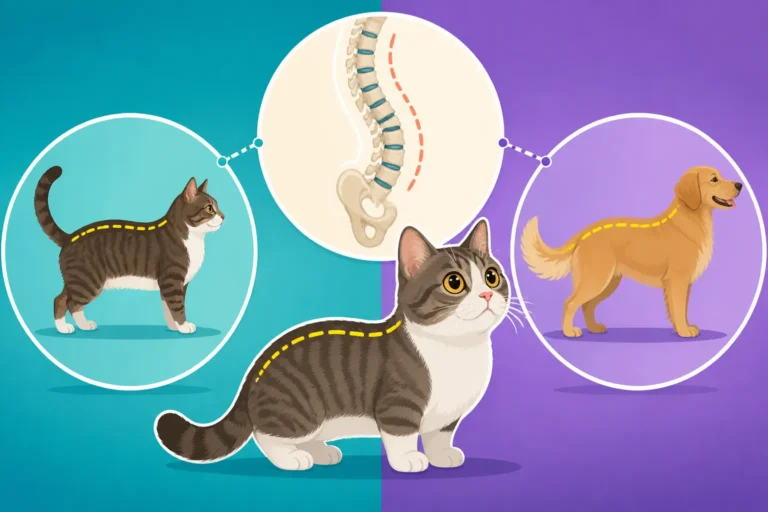
One common misconception is that because Munchkins have short legs, they must also have a short or compressed spine. This isn't the case. The Munchkin's spine typically maintains a normal length, proportionate to an average-sized cat's body. Imagine taking a standard house cat and simply shortening its legs – that's essentially the skeletal blueprint of a Munchkin. This seemingly minor detail is actually hugely important when discussing potential health issues. While the legs are affected by the pseudoachondroplasia gene, the vertebral column itself is generally unaffected in its length. However, having a normal-length spine supported by unusually short limbs can alter the angles and stresses placed upon the vertebrae and associated musculature. The spine still has to perform its job of supporting the body, but the levers (legs) it works with are much shorter, potentially leading to different biomechanical forces. This is why discussions around Why a Munchkin's Spine Is Normal Length often still lead to questions about how that normal length functions with shortened supports.
How Weight Distribution Differs
The alteration in leg length directly impacts how a Munchkin cat distributes its weight and absorbs impact. With shorter legs, their center of gravity is naturally lower, which gives them a surprisingly stable and often very fast gait on flat surfaces. However, this lower stature also means their spine and joints, particularly in the shoulders and elbows, bear a different kind of load. When a typical cat jumps down from a height, its longer legs act as shock absorbers, spreading the impact across larger bones and joints. A Munchkin, however, has less "give" in its limbs. The impact forces are transmitted more directly up into their shoulders and, crucially, their spine. This constant, albeit subtle, altered loading pattern is a significant reason why veterinarians and breeders have concerns about conditions like osteoarthritis appearing earlier or more severely in these cats. Think about it: every landing, every stretch, every quick turn puts a slightly different stress on their body. Understanding Why a Munchkin's Spine Carries a Load a Normal Cat's Does Not is key to appreciating the subtle complexities of their care.
The Core of the Dispute: Lordosis and Pectus Excavatum
When discussions turn to Munchkin spinal problems, two conditions often come up: lordosis and pectus excavatum. These aren't unique to Munchkins, but their potential prevalence and connection to the breed's genetics are at the heart of the dispute.
What Lordosis Really Means for a Munchkin
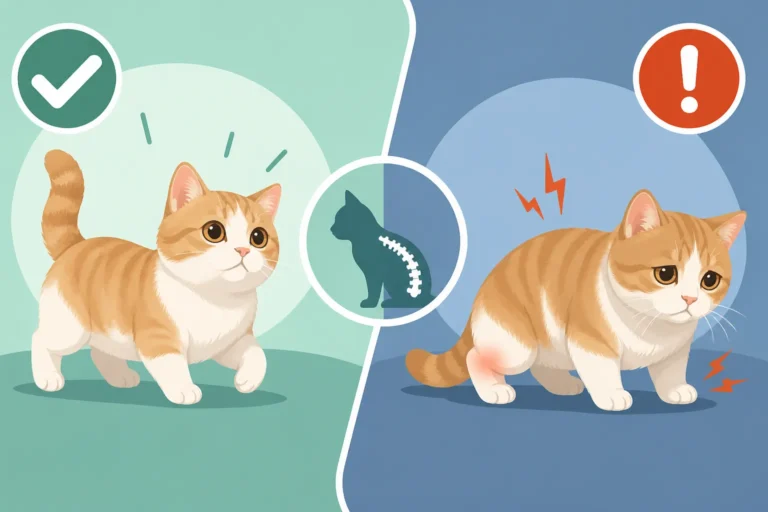
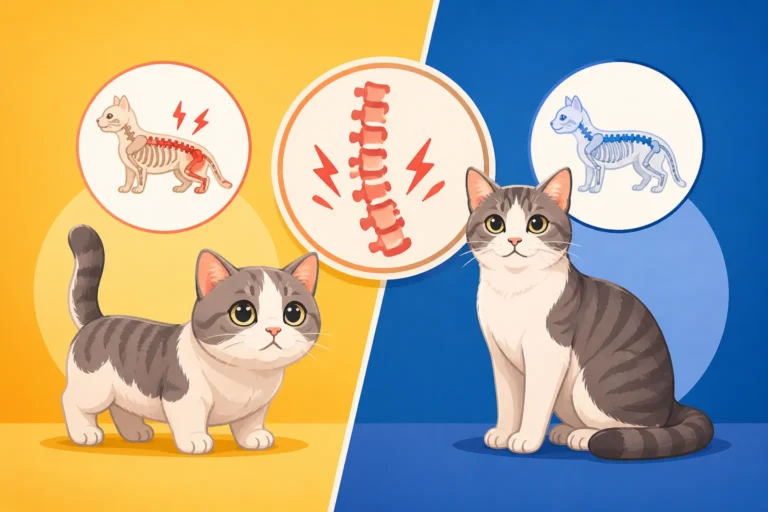
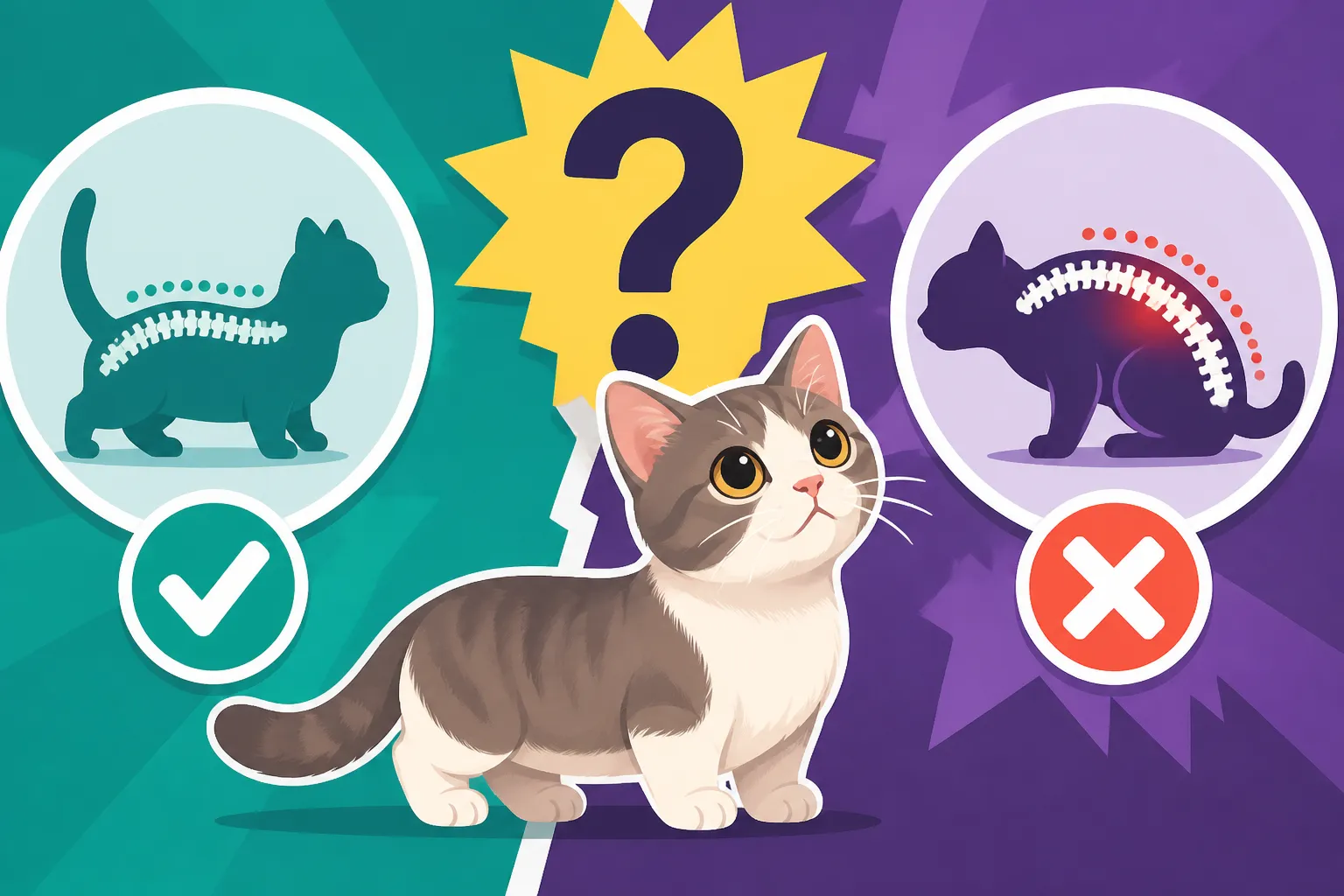
Lordosis is a condition characterized by an excessive inward curvature of the spine, typically in the lumbar (lower back) region. In severe cases, it can cause the spine to dip significantly, compressing internal organs and leading to serious health complications, including breathing difficulties and even early death. For Munchkin cats, the concern is that their unique skeletal structure might predispose them to this condition. The argument often made is that the short legs, while not directly shortening the spine, can lead to altered posture and movement patterns that contribute to this abnormal spinal curvature. Imagine their body trying to compensate for the short limbs, leading to an exaggerated arch in the back. While some breeders argue that mild lordosis is rare and often asymptomatic, veterinary professionals sometimes point to the potential for progressive issues, especially if a cat is overweight or highly active in ways that strain the spine. The range of severity of lordosis, from barely noticeable to life-threatening, makes its reported frequency highly variable. It's a key part of the larger discussion about Lordosis Is the Spinal Curve the Munchkin Argument Is About.
Pectus Excavatum: A Sunken Chest Concern
Pectus excavatum, often referred to as "funnel chest," is a congenital deformity of the sternum (breastbone) and rib cage, where the sternum sinks inward towards the spine. This can compress the heart and lungs, leading to symptoms like difficulty breathing, coughing, lethargy, and poor growth. Like lordosis, pectus excavatum is not exclusive to Munchkins; it can occur in any cat breed or even humans. However, some veterinarians and welfare organizations raise concerns that the genetic mutation responsible for the Munchkin's short legs might also increase their susceptibility to other skeletal abnormalities, including pectus excavatum. The exact link is still debated, but the observation of cases in Munchkin litters fuels the controversy. Diagnosis can range from a mild indentation, sometimes called a "cosmetic" pectus, to a severe deformity requiring surgical correction. The challenge lies in determining if the incidence rate in Munchkins is genuinely higher than in the general cat population, or if increased scrutiny due to the breed's controversial nature simply brings more cases to light. This condition is explicitly discussed in articles such as Pectus Excavatum and the Munchkin's Sunken Chest.
Why These Conditions Are Hard to Pin Down Statistically
Getting solid, universally accepted statistics on the frequency of lordosis and pectus excavatum in Munchkins is notoriously difficult, which is a major reason for the ongoing dispute. Firstly, many cases, especially mild ones, might go undiagnosed or unrecorded, particularly if they don't cause overt clinical symptoms. An owner might not even realize their cat has a mild form of either condition. Secondly, there isn't a standardized, mandatory health registry or screening program across all Munchkin breeders globally that consistently collects and reports data on these specific conditions. This means much of the reported information comes from individual veterinarians, anecdotes, or breeder disclosures, which can be inconsistent. Thirdly, the lack of independent, large-scale studies makes it hard to compare prevalence rates objectively against other breeds or a baseline. Without clear, comprehensive data, proponents of the breed can argue the issues are rare, while critics can claim they are underreported. This data gap is a fundamental roadblock to resolving the debate.
Challenges in Data Collection and Research
One of the biggest hurdles in settling the debate about Munchkin spinal problems is the profound lack of comprehensive, unbiased data. It's not for lack of caring, but rather a complex mix of factors that make robust scientific study challenging.
The Lack of Large-Scale, Independent Studies
Unlike some mainstream breeds with extensive research funding and established health registries, the Munchkin breed, being relatively new and controversial, has not been the subject of numerous large-scale, independent scientific studies focusing specifically on spinal health. This is a critical point. Much of the publicly available information often comes from smaller case studies, veterinary observations, or anecdotal reports from breeders and owners. While these can be valuable, they don't provide the statistical power needed to definitively determine prevalence rates or establish clear genetic links beyond the leg length mutation itself. Funding for such studies can be hard to secure for a breed that isn't universally accepted by all cat registries. Without a wide pool of genetically diverse individuals studied over their lifespan, it's difficult to establish a true baseline for how often conditions like lordosis or pectus excavatum appear in Munchkins compared to the general cat population. This lack of robust research is precisely why conversations about What the Published Munchkin Health Data Actually Shows often highlight its limitations.
Conflicting Veterinary Opinions and Diagnoses
It's not just the owners who are confused; the veterinary community itself holds differing opinions on the Munchkin breed. Some vets view the breed with caution, believing that any genetic mutation that alters skeletal structure carries inherent risks for associated conditions, and may be more prone to look for and diagnose these issues. Others, having seen many seemingly healthy Munchkins in their practice, might consider the concerns overblown or treat cases on an individual basis without attributing them broadly to the breed. This discrepancy can lead to different diagnostic approaches and reporting. For instance, a mild case of lordosis might be considered an "anatomical variation" by one vet, while another might categorize it as a "spinal problem" requiring monitoring. This subjectivity contributes to the difficulty in gathering consistent data. Furthermore, some vets may have limited experience with the breed, making it challenging to differentiate normal Munchkin gait or posture from subtle signs of a problem. This dynamic is a large part of Why Vets Disagree About the Munchkin.
Breeder-Reported Data Versus Clinical Findings
Breeders, particularly those who are TICA-registered and committed to ethical practices, often emphasize the health and vitality of their lines. They may conduct their own health screenings, maintain detailed records, and selectively breed to minimize potential issues. Many will tell you that true, debilitating spinal problems are rare in their carefully managed catteries. However, this breeder-reported data, while valuable for assessing specific lines, isn't always available for public scrutiny and isn't usually gathered with the same rigorous, standardized methodology as clinical research. On the other hand, clinical findings, often reported by veterinary hospitals or specialists, tend to focus on affected individuals seeking treatment, which can inadvertently create a skewed perception of prevalence. If a vet sees five cases of severe lordosis in a year, those cases stand out, even if they represent a tiny fraction of the overall Munchkin population. The challenge is reconciling these two perspectives—the healthy population seen by breeders versus the symptomatic population seen by clinicians—to get a clearer picture of actual breed health. Reputable breeders understand that providing transparency is key, and discussing What a Munchkin Breeder Should Be Able to Show You often includes health certifications and lineage information.
Factors Influencing Perceived Frequency
The "frequency" of spinal problems in Munchkins isn't just about raw numbers; it's also about how those numbers are perceived, influenced by a multitude of factors ranging from owner vigilance to breeding practices.
The Role of Owner Education and Awareness
An informed owner is often the first line of defense against health problems becoming severe. For Munchkins, owners who are aware of the potential for conditions like lordosis or pectus excavatum are more likely to observe their cat closely, notice subtle changes in gait or posture, and bring their concerns to a veterinarian early. This increased awareness, while positive for individual cats, can also contribute to the perception of higher frequency. If more owners are checking for these issues, more diagnoses (even mild ones) might be made, leading to more reported cases. Conversely, an owner unaware of the breed's potential predispositions might miss early signs, only seeking veterinary attention when a problem has become more advanced and obvious. This variation in owner education means that the severity and timing of diagnosis can fluctuate significantly, further complicating efforts to establish a true prevalence rate. Owners who invest in their cat's well-being and stay educated can proactively seek out services like pet insurance from companies such as Healthy Paws to cover unexpected health issues, easing the financial burden of early diagnosis and treatment.
Impact of Responsible Versus Irresponsible Breeding
The distinction between responsible and irresponsible breeding practices is paramount when discussing Munchkin health. Reputable breeders adhere to strict ethical guidelines, performing health screenings on breeding cats, avoiding mating two short-legged Munchkins (which can lead to lethal homozygous embryos), and carefully monitoring kittens for any signs of congenital issues like severe lordosis or pectus excavatum. They often have decades of experience with their lines and can speak to the health history of their cats. These breeders typically work to minimize the incidence of genetic problems within their catteries.
On the other hand, irresponsible breeders or backyard breeders may cut corners, skip health testing, and prioritize profit over animal welfare. They might not be aware of, or simply ignore, potential genetic predispositions, leading to a higher likelihood of health issues in their kittens. For instance, breeding cats with mild, undiagnosed spinal deformities can perpetuate these traits in offspring. The existence of these less scrupulous breeders can unfortunately inflate the overall perception of health problems within the breed, even if careful breeders produce robust, healthy cats. This dichotomy makes it incredibly difficult to generalize about the breed's health. The genetic implications of breeding, such as Why Two Short Legged Munchkins Are Never Bred Together, highlight the critical role of breeder knowledge and ethics.
The "Healthy Paws" of Preventative Care and Insurance
For any cat, but perhaps especially for a breed with unique anatomical considerations like the Munchkin, proactive preventative care is essential. This includes regular veterinary check-ups, appropriate nutrition to maintain a healthy weight, and an environment adapted to their physical capabilities. When owners are diligent about these aspects, many potential issues can be mitigated or managed effectively before they become severe crises.
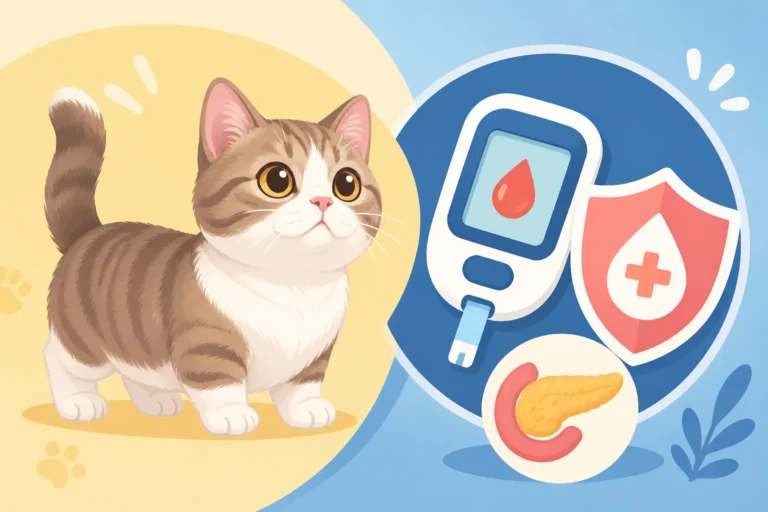
Pet insurance, from providers like Healthy Paws, also plays a significant role in the perception of frequency. Owners with insurance are often more likely to pursue diagnostic tests, specialist consultations, and treatments for subtle health concerns, knowing that a significant portion of the cost will be covered. This means that mild or borderline conditions that might otherwise go untreated or undiagnosed might be formally identified in insured cats. While this is excellent for the individual cat's health outcomes, it could also lead to a higher recorded incidence of certain conditions, simply because more owners are empowered to seek thorough veterinary care. It's a double-edged sword: better care leads to more diagnoses, which can, paradoxically, make a breed appear to have more problems.
Subjectivity in Diagnosis and Severity Assessment
Beyond the raw data, the very act of diagnosing and assessing the severity of spinal issues in Munchkins introduces a layer of subjectivity that fuels the ongoing debate. What one veterinarian considers a significant problem, another might deem a minor anomaly.
Grading Spinal Curvature and Chest Deformity
Both lordosis and pectus excavatum exist on a spectrum of severity. For lordosis, a veterinarian might palpate the spine, observe the cat's gait, and potentially recommend X-rays to assess the degree of curvature. However, interpreting these findings isn't always black and white. A slight dip in the lumbar spine that causes no apparent discomfort or mobility issues might be graded as "mild" or even "insignificant" by some, while others might view it as a potential precursor to future problems, especially given the Munchkin's unique structure. The same applies to pectus excavatum; How a Vet Grades a Munchkin's Sunken Chest involves various methods, from simple visual inspection and palpation to more advanced imaging like CT scans. A mild indentation might never cause symptoms, while a severe one can be life-threatening. Without universal, standardized grading scales consistently applied across all veterinary practices and research, comparing incidence rates becomes incredibly challenging. One practice's "grade 1" might be another's "grade 2," creating inconsistencies in reported frequencies.
When Does a "Minor" Anomaly Become a "Problem"?
This is a central question in the dispute. Many Munchkin cats might have subtle anatomical variations that, on paper, could be classified as very mild lordosis or pectus excavatum. Yet, if these variations never cause pain, discomfort, or functional impairment throughout the cat's life, are they truly "problems" in the practical sense? Breeders and many owners argue that if the cat lives a full, active, and pain-free life, then these minor findings are not indicative of a breed-wide health crisis. Critics, however, might argue that any deviation from the ideal skeletal structure, especially if it's genetically linked, represents a predisposition to potential problems, even if not all individuals express severe symptoms. The line between a normal variation and a diagnosable condition, and then between a condition and a "problem" that impacts quality of life, is often blurred and subject to individual interpretation. This is particularly true when considering How Severe Munchkin Lordosis Can Get – the difference between a slight curve and one that crushes organs is vast.
The Challenge of Differentiating Congenital vs. Acquired Issues
Another layer of complexity is distinguishing between congenital conditions (present from birth, usually genetic) and acquired conditions (developing later in life due to injury, lifestyle, or age). While lordosis and pectus excavatum are typically considered congenital deformities, factors like obesity, trauma, or even vigorous play could theoretically exacerbate a mild congenital curvature or lead to spinal issues that mimic lordosis in a cat of any breed. For Munchkins, with their unique biomechanics, it can be hard to isolate the impact of their genetics from the stresses of everyday life. Is a particular spinal problem a direct result of their breed-specific conformation, or is it an issue that any cat could develop, simply made more visible or slightly different in a Munchkin due to their short legs? Without clear longitudinal studies tracing individual cats from birth, making this distinction with certainty can be difficult, further contributing to the dispute over whether these issues are truly a "Munchkin problem" or a general feline health concern.
Comparing Munchkin Spinal Health to Other Breeds
It's easy to get caught up in the specifics of Munchkin anatomy, but it's vital to put their spinal health into a broader context. Do they truly suffer more spinal problems than other cats, or are these concerns magnified because of their controversial status?
Are Munchkins Truly More Prone to Spinal Issues?
This is the million-dollar question, and frankly, there's no universally agreed-upon answer, which is exactly why the dispute continues. Opponents of the breed argue that the very gene that shortens their legs necessarily places undue stress on the spine, making them inherently more prone to conditions like lordosis, degenerative disc disease, or arthritis. They point to the biomechanical changes discussed earlier, where the normal-length spine is supported by compromised levers, leading to increased pressure. They may cite individual cases of severe spinal issues as evidence.
Conversely, proponents, including many breeders and owners, assert that a well-bred Munchkin, free from other genetic health concerns, is no more susceptible to debilitating spinal issues than any other breed. They often point to the breed's agility and apparent comfort, suggesting that their bodies adapt effectively to their shorter limbs. They argue that specific spinal conditions, when they do appear, are either rare or represent isolated cases not necessarily indicative of a breed-wide predisposition. Without robust, peer-reviewed scientific studies comparing large cohorts of Munchkins to control groups of normal-legged cats over their lifespans, this question remains largely unanswered, leaving both sides to draw conclusions from anecdotal evidence and individual observations. This is the heart of Whether Munchkin Spinal Problems Are More Common Than in Other Cats.
Conditions Seen Across All Cat Breeds
It's crucial to remember that cats of all breeds can suffer from various spinal and skeletal problems. Degenerative disc disease, intervertebral disc disease (IVDD), arthritis, spondylosis, and even congenital conditions like lordosis and pectus excavatum are not exclusive to Munchkins. For instance, large, heavily boned breeds or those with specific body types might be prone to hip or elbow dysplasia, while others might have genetic predispositions to patellar luxation. Spinal trauma can occur in any cat, regardless of breed.
The existence of these conditions across the feline population means that simply observing a Munchkin with a spinal problem doesn't automatically prove it's because it's a Munchkin. The challenge lies in determining if the incidence rate or severity of these conditions is significantly higher in Munchkins than in the general cat population, or if the genetic mutation for short legs acts as a contributing factor or exacerbates existing issues. Until comparative studies are widely available, attributing all spinal problems in a Munchkin solely to its breed remains a contentious point.
The Importance of Breed-Specific Health Screening
For many established breeds, health screening protocols are well-defined. Breeders routinely test for conditions known to affect their specific breed, using DNA tests, X-rays, or physical examinations. This proactive screening helps reduce the incidence of genetic diseases and provides clearer data on breed health. For Munchkins, the situation is more fragmented. While reputable breeders often screen for common feline diseases (like HCM or PKD, especially if outcrossing to breeds prone to these conditions), a universally accepted, mandatory screening protocol specifically for spinal issues like lordosis or pectus excavatum isn't as widely implemented or standardized.
The absence of such a protocol makes it harder to gather comprehensive data and ensure that only truly healthy cats are used for breeding. Some breeders do perform X-rays on potential breeding animals to check for spinal integrity, but this is not universal. The debate over frequency would be far less intense if there were clear, agreed-upon health screening requirements and a central registry for results, allowing for objective assessment of the breed's health trends over time. Without this, much of the data remains anecdotal or limited to individual catteries.
Navigating the Controversy as a Prospective Owner
When you're trying to make an informed decision about welcoming a Munchkin into your home, the conflicting information about their spinal health can feel overwhelming. It's a lot to process, and you want to be sure you're doing right by your future companion.
What to Ask a Reputable Breeder
If you're considering a Munchkin, finding a truly reputable breeder is absolutely non-negotiable. They should be your primary source of reliable information and transparency. Don't be shy about asking tough questions – a good breeder will welcome them. Inquire about the health history of the kitten's parents and grandparents, specifically asking if there's any history of lordosis, pectus excavatum, or severe arthritis in their lines. A responsible breeder should be able to provide documentation of health screenings for common feline ailments (such as echocardiograms for Hypertrophic Cardiomyopathy if they use Ragdolls or Maine Coons in their outcross program, or DNA tests for Polycystic Kidney Disease if using Persians).
Crucially, ask about their practices for monitoring spinal health in their breeding cats and kittens. Do they perform X-rays before breeding? How do they assess kittens for early signs of spinal or chest deformities? A breeder should be able to articulate their understanding of the Munchkin's unique anatomy and how they work to ensure the health of their litters. They should also be transparent about any instances of these conditions in their cattery, no matter how rare. Pay close attention to how the kittens move, play, and interact; healthy kittens should be active and agile. This direct engagement is part of understanding What a Munchkin Breeder Should Be Able to Show You.
The Importance of Early Vet Checks
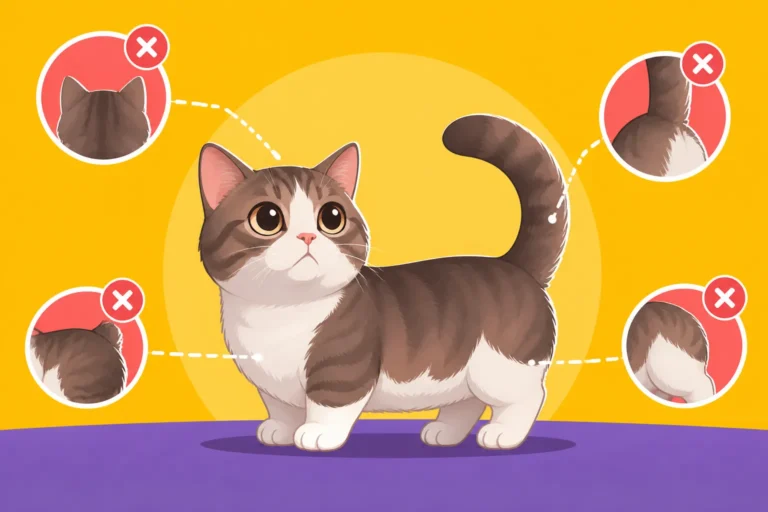
Regardless of how reputable the breeder is, a thorough veterinary check-up for your Munchkin kitten immediately after bringing them home is paramount. Choose a veterinarian who is knowledgeable about the breed or, at the very least, open to learning and discussing breed-specific concerns. During this initial exam, your vet should conduct a comprehensive physical assessment, paying close attention to spinal conformation, chest structure, and gait. They should gently palpate the spine for any signs of abnormal curvature and assess the sternum for any inward depression.
Don't hesitate to specifically mention your concerns about lordosis and pectus excavatum due to the breed's genetics. Your vet can then provide a baseline assessment and advise on what signs to look for as your kitten grows. Early detection of any potential issues is key, as it allows for proactive management, environmental modifications, or, in severe cases, surgical consultation. This early intervention can make a significant difference in your cat's long-term quality of life. Discussions around How Early a Munchkin's Chest Should Be Checked are vital here.
Long-Term Care and Monitoring
Bringing a Munchkin into your life is a long-term commitment that requires ongoing vigilance and care, particularly regarding their skeletal health. Regular veterinary check-ups throughout their life are essential, and your vet should continue to monitor their spine and gait as they age. Maintaining a healthy weight is absolutely critical for Munchkins; even a few extra pounds can place significant additional stress on their short limbs and spine, potentially exacerbating any underlying skeletal issues or accelerating the onset of arthritis. Your vet can help you determine How Much Weight a Munchkin Can Safely Carry.
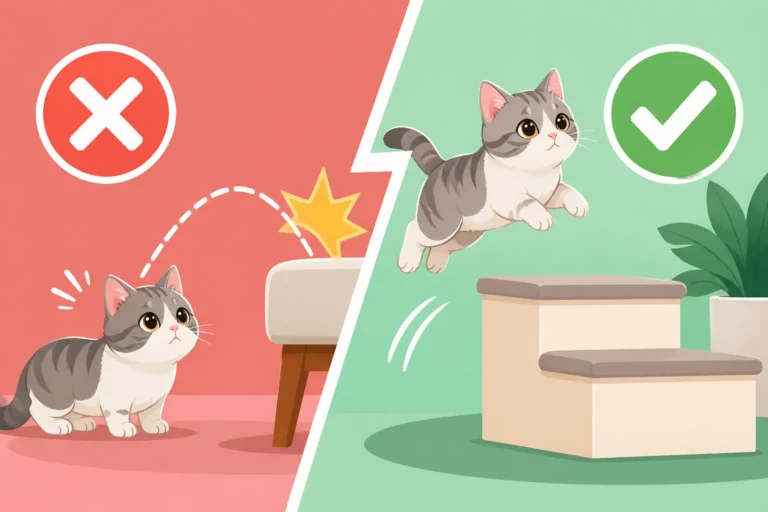
You'll also need to be mindful of their environment. While Munchkins are surprisingly agile, they cannot jump as high as normal-legged cats. Provide ramps or steps to help them access furniture safely, reducing the impact on their joints and spine from repeated jumping. Observe your cat for any changes in their mobility, reluctance to jump or play, signs of pain, or changes in posture. Any stiffness, limping, or unusual way of moving warrants a vet visit. Being proactive in managing their environment and monitoring their health will give your Munchkin the best chance at a long, comfortable, and happy life, with companies like Healthy Paws helping you manage healthcare costs.
Unraveling the Complexity of Spinal Debates
The ongoing dispute surrounding the frequency of spinal problems in Munchkin cats is not a simple matter with a clear-cut answer. It's a complex tapestry woven from genetic realities, diagnostic challenges, varying professional opinions, and the passionate perspectives of both breeders and critics. Understanding this complexity is the first step toward making an informed decision about the breed.
The Interplay of Genetics and Biomechanics
At its heart, the debate stems from the Munchkin's foundational genetic mutation. While the gene primarily shortens the long bones of the legs (pseudoachondroplasia), the effects don't exist in isolation. The normal-length spine, perched on shorter supports, inevitably experiences different biomechanical forces. This altered load distribution is not inherently pathological for every individual, but it undeniably changes the physics of feline movement. For some, this adaptation is successful, leading to a life free of overt spinal issues. For others, particularly those with additional subtle genetic predispositions or environmental stressors, these altered forces may contribute to the development or exacerbation of conditions like lordosis, pectus excavatum, or early onset osteoarthritis. The point of contention isn't whether the biomechanics are different, but what percentage of Munchkins experience clinically significant problems as a direct result. The intricacies of What Pseudoachondroplasia Does to a Munchkin's Legs are central to this discussion.
The Role of Advocacy and Ethics
The Munchkin cat also exists within a highly charged ethical landscape. Many animal welfare organizations and certain veterinary bodies advocate against breeding cats with genetic mutations that could compromise their health or quality of life, viewing the Munchkin's short legs as a welfare concern. They often highlight every reported case of spinal problems as evidence to support their stance, amplifying the perception of high frequency. On the other hand, breed enthusiasts and TICA, which recognizes the breed, argue that Munchkins are generally healthy and happy cats, no more prone to issues than many other pedigreed breeds. They often feel their cats are unfairly singled out due to their unusual appearance. This advocacy, from both sides, means that discussions about Munchkin health are rarely purely scientific; they are deeply intertwined with ethical considerations about selective breeding. This dynamic is particularly evident in debates about crosses like the Scottish Fold Munchkin, where stacking two skeletal mutations raises even greater ethical flags, as explored in Why a Munchkin From a Scottish Fold Cross Is a Warning.
Moving Towards Greater Clarity
So, how can we move towards a clearer understanding? The path forward likely involves more independent, large-scale scientific studies with standardized diagnostic criteria and long-term follow-up. These studies would ideally involve diverse populations of Munchkins from various breeding lines and geographical regions, compared against appropriate control groups of normal-legged cats. Establishing clear, universally accepted health screening protocols for breeders, alongside a centralized data registry, would also dramatically improve data quality and transparency.
For prospective owners, the key is not to dismiss concerns outright, nor to be paralyzed by fear. Instead, approach the decision with careful research, critical thinking, and a commitment to responsible pet ownership. Engage with reputable breeders, seek out knowledgeable veterinarians, and be prepared for ongoing preventative care and monitoring. By understanding why the frequency of Munchkin spinal problems is disputed, you're better equipped to navigate the information and make the best choice for you and your future feline companion.
Disclaimer
This article is intended for informational purposes only and should not be taken as professional veterinary advice. Always consult with a qualified veterinarian for any health concerns or before making any decisions about your pet's care.