Which Coat Lengths a Munchkin Comes In
When you picture a Munchkin cat, the first thing that often comes to mind is those adorable short legs, not necessarily their fur. It’s easy to assume that such a distinct physical trait would come with a specific, uniform coat, but that’s actually not the case at all! Owners and aspiring Munchkin parents often wonder if there's a "standard" Munchkin coat or if they come in a variety of lengths. The truth is, these delightful little felines sport a surprising range of fur, from sleek and short to luxurious and long, each with its own unique charm and care considerations. This guide will walk you through the fascinating world of Munchkin coat lengths, textures, and patterns, helping you understand what to expect and how to best care for your furry, low-rider companion.
The Genetic Basics of Munchkin Coats
Understanding why Munchkins come in various coat lengths starts with a peek into their genetic makeup. It's not just about what you see, but what genes are quietly working behind the scenes. Unlike their short legs, which are determined by a dominant gene, coat length is a matter of different genetic markers, often influenced by the breed's diverse ancestry.
Understanding the Dominant Short-Hair Gene
In the vast majority of cat breeds and indeed, in the domestic cat population at large, short hair is the default setting. This is thanks to a dominant gene. What this means is that if a cat inherits even one copy of the short-hair gene, its fur will be short. Think of it like this: if you have two ingredients, 'short' and 'long', and 'short' always wins when it's present, then most cats will end up with short fur.
For Munchkins, this is a particularly relevant point because the breed actively uses Which Domestic Cats Are Used as Munchkin Outcrosses. These outcrosses are essential for maintaining a wide and healthy gene pool, and they very often contribute their own dominant short-hair genes. So, even if one parent carries a hidden long-hair gene, a kitten could still end up with a short coat if it gets a dominant short-hair gene from the other parent. This genetic interplay ensures a consistent prevalence of short-haired Munchkins in the population. It's a fundamental aspect of cat genetics that often surprises people who expect a breed to have a single, defining coat type.
The Recessive Long-Hair Gene and How It Appears
Now, for the long-haired beauties! Long hair in cats is determined by a recessive gene. This means a cat needs to inherit two copies of this specific gene – one from each parent – to actually display a long coat. If it gets one long-hair gene and one short-hair gene, the short-hair gene wins out, and the cat will have short fur, though it will be a carrier for long hair. It's a bit like a secret superpower; you can carry the potential, but it only manifests if you get a double dose.
When a Munchkin does inherit two copies of the long-hair gene, the result is truly stunning. These cats develop a luxurious, flowing coat that can have distinct feathering around their ears, a magnificent plumed tail, and wonderfully fluffy "britches" – that soft, longer fur on their hindquarters. Imagine a tiny cat with the elegance of a Maine Coon's tail, but with those signature short legs! This combination creates a striking appearance that many find incredibly charming. The softness and length of the fur can vary, but the overall impression is one of plush beauty that clearly distinguishes them from their short-haired siblings.
Outcrossing and the Introduction of Varied Coat Genes
The fascinating diversity of Munchkin coats is largely a direct result of the breed's standard practice of outcrossing. Unlike many established breeds that are bred only to others of their kind, Munchkins are routinely bred with non-Munchkin domestic cats. This process, as discussed in Why the Munchkin Gene Pool Stays Wide, is crucial for genetic health, preventing inbreeding, and ensuring a robust population. However, it also has a significant impact on the variety of coats we see.
Every domestic cat used as an outcross brings its own unique genetic lottery to the table, including genes for coat length, texture, and color. If a domestic longhair is used, for instance, it's very likely to pass on its long-hair genes, increasing the chances of long-haired Munchkin kittens in the litter. Conversely, a domestic shorthair outcross will reinforce the short-hair trait. This constant influx of diverse genetic material means that a single Munchkin litter can easily produce kittens with different coat lengths, even from the same parents. It's a testament to the dynamic nature of feline genetics and explains why you never quite know what delightful coat type you'll get in a Munchkin kitten until they start to grow!
Common Munchkin Coat Lengths and Their Characteristics
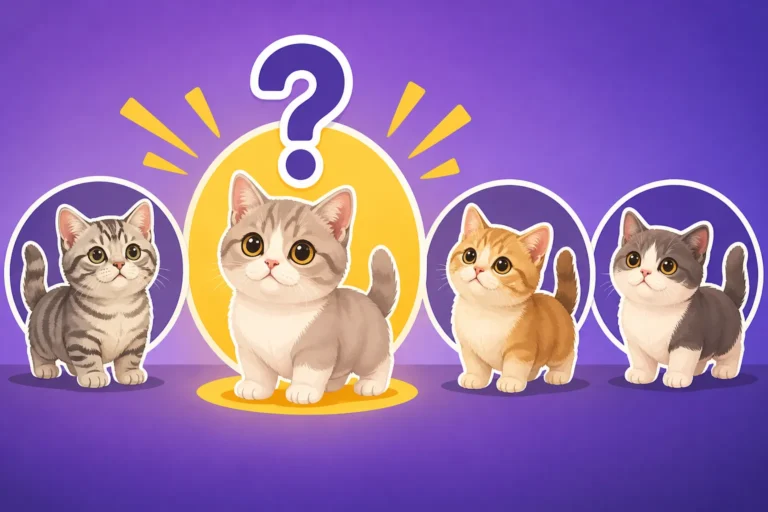
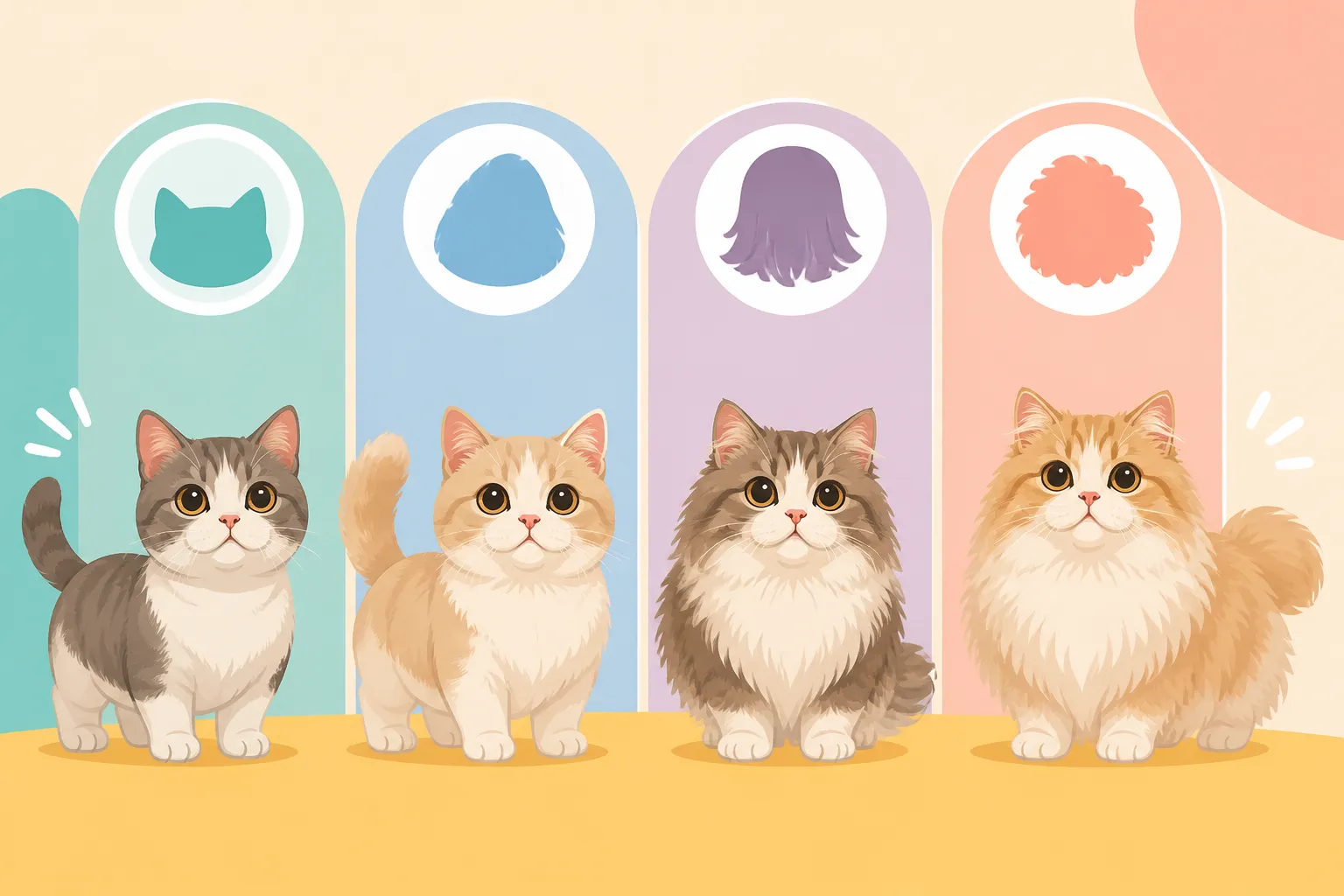
While the short legs are the defining physical characteristic of the Munchkin, their coats offer a wide spectrum of beauty. Generally, you'll encounter two main coat lengths: short-haired and long-haired, each with its own unique feel and visual appeal.
The Short-Haired Munchkin: Sleek and Easy Care
The short-haired Munchkin is arguably the more common of the two coat lengths, thanks to the dominant short-hair gene prevalent in most domestic cats used for outcrossing. These cats sport a dense, resilient coat that lies close to their body, giving them a sleek and streamlined appearance. The fur is usually soft to the touch, though the exact texture can vary slightly from one individual to another, sometimes being a silky sheen, other times a slightly coarser, plush feel, depending on their unique lineage.
One of the biggest advantages of a short-haired Munchkin is their relatively low-maintenance grooming needs. While no cat is truly "no-maintenance," these felines don't typically develop the extensive matting issues that can plague their long-haired counterparts. A weekly brush is usually sufficient to remove loose hair, distribute natural oils, and keep their coat looking its best. However, don't let the "easy care" label make you complacent! Because of their short legs and low-slung bodies, even short-haired Munchkins might struggle to reach certain areas for self-grooming, particularly their hindquarters and belly. Regular checks and assistance from you are still vital to prevent any skin irritation or minor matting in those hard-to-reach spots.
The Long-Haired Munchkin: Plush and Luxurious
Oh, the long-haired Munchkin! These cats are truly a sight to behold, draped in a coat that can range from medium-long to gloriously flowing. Imagine a tiny, fluffy cloud with short legs, and you're pretty close. Their fur is incredibly soft and silky, often thicker and more plush than a short-haired variety. Key areas where the length is particularly noticeable include a lovely ruff around their neck, beautiful feathering on their ears and tail, and those wonderfully expressive "britches" on their back legs. The tail, in particular, often resembles a majestic plume or a bottlebrush, adding to their regal, yet still undeniably playful, appearance.
While stunning, the long-haired Munchkin does come with a higher grooming commitment. Their luxurious fur is more prone to tangles and matting, especially in high-friction areas like their armpits, behind their ears, and those fluffy britches. Regular, ideally daily, brushing is absolutely essential to keep their coat free from mats, which can become painful and lead to skin problems if left unchecked. Many owners find that specialized detangling sprays and a variety of combs and brushes are indispensable tools for managing their long-haired Munchkin's magnificent mane. It's a labor of love, but for those who adore the plush look, the effort is well worth it.
Beyond Length: Textures, Patterns, and Colors
When we talk about Munchkin coats, length is just the beginning! These cats truly are a canvas for feline genetics, showcasing an incredible variety of textures, patterns, and colors that make each one utterly unique. It’s not just about how long the fur is, but how it feels and what beautiful artistry it displays.
The Spectrum of Coat Textures
Even within the categories of short-haired and long-haired Munchkins, you'll find a delightful spectrum of textures. A short coat isn't always just "short"; it can be incredibly soft and silky, like fine velvet, or it might have a denser, more plush feel. Some might even have a slightly coarser, resilient texture that reminds you of a sturdy domestic shorthair. Similarly, long-haired Munchkins can range from having exquisitely fine, wispy fur that floats around them to a thick, woolly coat that feels wonderfully substantial.
These textural differences are largely inherited from the diverse outcrosses used in the Munchkin breeding program. When a breeder introduces a cat with a particularly plush or silky coat, those genes are incorporated into the Munchkin gene pool, enriching the variety seen in subsequent generations. It’s another reason why each Munchkin feels so distinct – their fur isn’t just a covering; it’s an integral part of their individual charm. Asking a breeder about the texture of the parent cats can give you a good idea of what to expect in a kitten, as these traits are often quite consistent within certain lines.
The Kaleidoscope of Colors and Patterns
If you can imagine a cat color or pattern, chances are you can find a Munchkin sporting it! Because the Munchkin breed standard allows for outcrossing to any domestic cat, How Many Colors a Munchkin Comes In and patterns are virtually limitless. This incredible genetic diversity means you can find Munchkins in:
- Solid colors: Jet black, creamy white, rich chocolate, vibrant red, delicate lilac, deep blue (grey), and fawn.
- Tabby patterns: Classic (blotched), mackerel (striped), spotted, and ticked. These come in all colors, like brown tabby, silver tabby, red tabby, and blue tabby.
- Parti-colors: Calico (tri-color, usually white, black, and red/orange), tortoiseshell (black and red/orange, without white), and dilute versions of these, like blue-cream tortie.
- Bi-colors: Any solid color with white, such as black and white, or red and white.
- Colorpoint patterns: These cats have darker points (ears, face, paws, tail) and a lighter body, like a Siamese or Himalayan. This can include seal point, blue point, chocolate point, and lilac point.
- Smokes and Shaded: These coats have a lighter undercoat and darker tips, creating a smoky or shimmering effect.
Imagine a striking silver tabby short-haired Munchkin with crisp markings, or a long-haired calico Munchkin with flowing patches of white, black, and ginger. Each pattern and color manifests beautifully, whether on a sleek, short coat or a voluminous, long one. For example, a tabby pattern on a short-haired Munchkin will appear sharp and defined, while on a long-haired one, the pattern might be softer, almost blurred, giving a different kind of beauty. This vast palette means that while the short legs are the signature, the coat is what truly allows their individual personality to shine through visually.
How Coat Affects Perception and Price
It's natural to wonder if certain coat types are more sought after, or if they influence the cost of a Munchkin kitten. While the leg length undeniably plays the most significant role in a Munchkin's price and desirability, as detailed in Why Color Matters Less Than Leg Length in a Munchkin, coat length, color, and pattern can certainly have an impact on individual preference and, by extension, demand.
Generally speaking, extremely rare or visually striking color combinations, or patterns that are particularly vivid and well-defined, might command a little more interest from buyers. For example, a rare chocolate point long-haired Munchkin might stand out more than a standard brown tabby short-hair, simply due to its unique aesthetic appeal. The "plushness" of a very dense long-haired coat or the sleekness of a particularly fine short-haired coat can also be factors for those with specific visual preferences.
However, it’s crucial to understand that these factors are usually secondary to the primary characteristics of the Munchkin breed – specifically, the health and conformation of their short legs, and the overall temperament. A reputable breeder will always prioritize the health and well-being of their kittens above all else. While they might breed for specific coat characteristics if there is demand, it will be within the ethical boundaries of ensuring healthy offspring. Ultimately, the "best" coat type is a matter of personal taste and what you're prepared to care for.
| Coat Characteristic | Short-Haired Munchkin | Long-Haired Munchkin |
|---|---|---|
| Appearance | Sleek, dense, close-lying | Plush, flowing, feathered |
| Texture | Silky to slightly coarse | Fine, soft, sometimes woolly |
| Grooming Effort | Low to moderate | High, daily commitment |
| Matting Risk | Low, primarily hindquarters | High, especially in high-friction areas |
| Areas of Note | Belly, hindquarters | Ruff, britches, plumed tail, underarms |
| Temperature Reg. | Generally good | Excellent in cooler climates, can be warmer in hot environments |
Grooming Needs Across Coat Types
Regardless of their specific coat length, all Munchkins require dedicated grooming attention from their human companions. Their unique physique, with those adorable short legs and low-slung bodies, means they simply can't reach all the spots a long-legged cat can. This isn't just about aesthetics; it's a vital part of their health and comfort.
Essential Grooming for Short-Haired Munchkins
While short-haired Munchkins are often considered lower maintenance, they are by no means "no maintenance." Their dense coats still shed, and regular brushing is crucial, especially during seasonal shedding periods. A good quality rubber curry brush or a fine-toothed comb can work wonders, removing loose hair and distributing natural skin oils, which keeps their coat healthy and shiny. Aim for a brushing session at least once or twice a week, but you might increase this frequency during spring and fall.
The real focus for short-haired Munchkins needs to be on their hindquarters and belly. Because their bodies are so close to the ground, these areas can easily pick up debris from the litter box or outdoor adventures (if supervised in a secure catio, of course). Why a Munchkin's Belly Fur Needs Checking regularly is paramount. Gentle wiping with a damp cloth or pet-safe grooming wipes can help keep them clean. It's also important to routinely check for any signs of skin irritation, redness, or even minor matting (which can still occur in short coats if not properly cared for) in these tricky spots. Consistency is key here; a few minutes every few days is far better than a big, overwhelming session once a month.
Comprehensive Care for Long-Haired Munchkins
Long-haired Munchkins, with their flowing, luxurious coats, definitely require a more intensive grooming regimen. Daily brushing is highly recommended, not just for aesthetic reasons, but to prevent painful mats from forming. These mats can pull on their skin, cause discomfort, and even lead to infections if left unattended. Pay particular attention to areas where friction is common, such as behind their ears, in their "armpits," and especially their prominent britches and plumed tail. A metal comb with both wide and fine teeth, along with a slicker brush, are indispensable tools for effectively navigating their longer fur. You might find a detangling spray helpful, especially for working through stubborn knots before they become full-blown mats.
Beyond daily brushing, long-haired Munchkins often benefit from what's known as a "sanitary clip." This involves carefully trimming the fur around their hindquarters and under their tail to prevent fecal matter from sticking to their fur, an issue made worse by their low stature. Whether a Munchkin Needs a Sanitary Clip is a common question, and for long-hairs, the answer is often a resounding yes. This can be done at home with pet-safe clippers or by a professional groomer. Some long-haired Munchkins may also require occasional professional grooming appointments, especially if their coats are particularly dense or if you find yourself struggling to keep up with the matting. Groomers are skilled in dematting and can provide trims that maintain their beauty while making home care easier. Products from brands like Chewy can be a great resource for finding the right grooming tools and supplies for your long-haired friend.
Addressing Specific Grooming Challenges Due to Short Legs
It’s impossible to talk about Munchkin grooming without acknowledging the unique challenges posed by their short legs and elongated backs. As mentioned in Which Parts of Itself a Munchkin Cannot Reach, their unique conformation means they physically cannot twist and contort like a long-legged cat to reach their entire body. This isn't laziness; it's a physical limitation.
This inability to self-groom effectively places the onus squarely on the owner. You must take an active role in maintaining their hygiene, particularly for their hindquarters, belly, and the area around their tail. Failure to do so can lead to several problems:
- Matting: Even short coats can mat in these areas, and long coats are highly susceptible. Mats are not just unsightly; they pull on the skin, causing pain, discomfort, and restricted movement.
- Skin Irritation and Infections: Trapped moisture, dirt, or fecal matter under matted fur can quickly lead to painful skin infections, hot spots, or dermatitis. How Skin Problems Start Under a Munchkin's Mats is a very real concern.
- Parasites: Mats and unclean fur can create an ideal environment for fleas, ticks, and other parasites to thrive, often going unnoticed until the infestation is severe.
Therefore, whether your Munchkin is short-haired or long-haired, a consistent grooming routine that specifically targets their difficult-to-reach areas is non-negotiable. This might include regular baths, especially for long-haired cats or those prone to getting dirty, but always using cat-specific shampoos and ensuring thorough drying to prevent skin issues. Think of grooming not as an optional chore, but as an essential health activity, just like feeding or vet visits. Your Munchkin relies on you for these vital aspects of their care.
Choosing a Munchkin Based on Coat Type
Deciding on a Munchkin is a wonderful journey, and while their captivating short legs are the main draw, the choice of coat length is a significant factor that often impacts daily life with your new feline family member. It’s about more than just aesthetics; it’s about understanding your lifestyle and what you’re prepared to commit to.
Lifestyle Considerations for Each Coat Length
Your daily routine and willingness to engage in grooming are perhaps the biggest determinants when choosing between a short-haired and a long-haired Munchkin.
If your life is a bit more fast-paced, or if you simply prefer a lower-maintenance pet, a short-haired Munchkin might be the ideal choice. These cats require less frequent brushing, typically only a couple of times a week, though daily spot checks for their belly and hindquarters are always a good idea. They’re less prone to severe matting, which means fewer intense grooming sessions and a generally quicker routine. This can be a huge benefit for busy individuals or families who want to enjoy the unique charm of a Munchkin without dedicating extensive time to daily coat care. Imagine coming home after a long day and knowing that a quick brush is all that’s needed before cuddle time, leaving more moments for play with toys from Chewy.
On the other hand, if you envision yourself spending quality time pampering your feline friend, enjoy the therapeutic aspect of grooming, or simply adore the luxurious look, a long-haired Munchkin could be a perfect fit. Be realistic, though: these coats demand daily attention. This means setting aside time each day for thorough brushing to prevent mats, which can become painful and problematic if neglected. Owners of long-haired Munchkins often describe grooming as a bonding experience, but it’s a commitment. If you travel frequently or have physical limitations that would make consistent, detailed grooming difficult, a long-haired cat might present more challenges than you anticipate. It's about finding a match that truly suits your capacity for care.
Health Implications of Different Coats
While neither coat length inherently confers a health advantage related to their short legs, each does present its own set of potential considerations for the owner regarding general health and hygiene.
For long-haired Munchkins, the primary health implication revolves around matting. Beyond the discomfort and pain, severe mats can hide skin infections, parasites, or even wounds that might go unnoticed. The thick fur can also make it harder for owners to spot lumps, bumps, or external parasites like fleas and ticks, especially if the cat spends any time outdoors (though Munchkins generally should be indoor cats for their safety). How Skin Problems Start Under a Munchkin's Mats is a genuine concern for long-haired varieties if grooming isn't meticulous. Furthermore, in warmer climates, a very dense, long coat might contribute to overheating, though cats are generally adept at regulating their temperature.
Short-haired Munchkins, while less prone to matting, can still suffer from skin issues if their hygiene isn't maintained, particularly around their low-slung bellies and hindquarters. Fecal matter or litter dust can cling to their shorter fur just as easily, leading to skin irritation or even infections if not cleaned regularly. Whether Matting Becomes a Health Problem in a Munchkin is less likely for short-hairs, but not impossible, especially if they are overweight or have underlying health issues that limit their self-grooming. Therefore, regardless of coat length, vigilant observation and active grooming are essential to ensure your Munchkin remains healthy and comfortable.
Finding a Reputable Breeder Who Understands Coat Genetics
When you're ready to bring a Munchkin into your home, finding a reputable breeder is paramount, especially one who genuinely understands the genetics behind not just their legs, but also their coats. A good breeder will be transparent about their breeding practices, including the outcrosses they use, as this directly influences the coat lengths and types in their litters. They should be able to tell you about the coat history of the parent cats and previous litters, giving you a clear expectation of what a kitten's coat might develop into.
Don't be shy about asking questions! Inquire about the grooming needs they've observed in their long-haired lines versus their short-haired ones. A responsible breeder will prioritize the health and temperament of their cats above all else, ensuring that any desired coat length is achieved without compromising well-being. They won't just sell you a kitten based on its looks; they'll want to ensure it's a good fit for your lifestyle and that you understand the commitment involved in maintaining either a short or long coat, especially considering the Munchkin's unique physical challenges. Looking for a breeder who can show you documentation about parentage and health screenings, as well as providing insights into What a Munchkin Breeder Should Be Able to Show You, is always a wise move.
Disclaimer
This article is for general informational purposes only and does not constitute professional advice. Laws, prices and regulations vary by location and change over time. Consult a qualified professional for guidance on your specific situation.