The Munchkin That Set the Shortest Cat Record
It's absolutely fascinating how certain animals capture our hearts and imaginations, especially when they hold a special place in the record books. For many cat lovers, the Munchkin breed already stands out with its uniquely short legs, but imagine a Munchkin so diminutive it earned the title of the shortest cat in the world! This guide will take you on a journey to discover the feline superstar who achieved this incredible feat, exploring the details of her life, the rigorous process of her measurement, and the broader implications such records have for the breed and its dedicated owners.
The Allure of the Record-Breaking Munchkin
There's something inherently captivating about extremes in nature, and when those extremes manifest in our beloved pets, the curiosity only deepens. The idea of the "shortest cat" isn't just a quirky fact; it evokes a blend of wonder, admiration, and sometimes, a little concern. For the Munchkin breed, known for its distinctively short limbs, a world record holder truly embodies the very essence of its unique genetic trait.
What Makes a "Shortest Cat" Record So Captivating?
The allure of a world record in the animal kingdom, particularly for domestic pets, often stems from a mix of rarity and the simple joy of celebrating something extraordinary. When we talk about the "shortest cat," it’s not just about a few millimeters; it’s about a living creature existing at the very edge of physical possibility within its species. People are naturally drawn to these stories because they highlight uniqueness and individuality. It's a testament to genetic variations and sometimes, to the dedicated care of owners who see and cherish these special traits. We humanize these records, imagining the cat's tiny paws, its endearing waddle, and the challenges or triumphs of its daily life. This fascination sparks conversations, raises awareness, and brings a spotlight to a breed that already generates a lot of discussion.
The Journey of the Record Holder
The path to becoming a world record holder is rarely straightforward, even for a cat. It involves not just inherent physical traits but also dedicated owners who believe their pet's uniqueness deserves global recognition. Imagine living with a cat and slowly realizing that its small stature isn't just "Munchkin short" but potentially "world record short." This realization often leads to meticulous documentation, countless photographs, and eventually, the daunting process of contacting an official record-keeping body. For the owners, it’s a journey of pride, often mixed with the responsibility of ensuring their beloved pet's well-being is always paramount. It’s about sharing their special companion with the world, hoping to inspire awe and appreciation for its particular charm, while also navigating the public interest that inevitably follows such a prestigious title.
Lilieput: The Feline That Made History
Every record has a name attached to it, a story that brings the numbers to life. For the "shortest cat" title, that name belongs to a delightful Munchkin who truly embodied the spirit of her breed. Her story is one that has charmed many and brought significant attention to the unique characteristics of Munchkin cats.
Introducing the Record Holder
The world's shortest cat was a charming ginger Munchkin cat named Lilieput. Residing in Napa, California, she quickly became a sensation for her incredibly diminutive stature. Unlike many cats who might be small for their age or breed, Lilieput’s extreme shortness was a striking and consistent feature throughout her life. Her owner, Christel Young, submitted her application to the Guinness World Records, confident that Lilieput's unique dimensions would qualify her for the prestigious title. The news of her record spread rapidly, delighting cat enthusiasts and capturing the attention of people far beyond the feline community. She wasn't just short; she was exceptionally short, even for a Munchkin, making her a true outlier and a testament to the breed's most defining characteristic.
Details of Lilieput's Life and Unique Stature
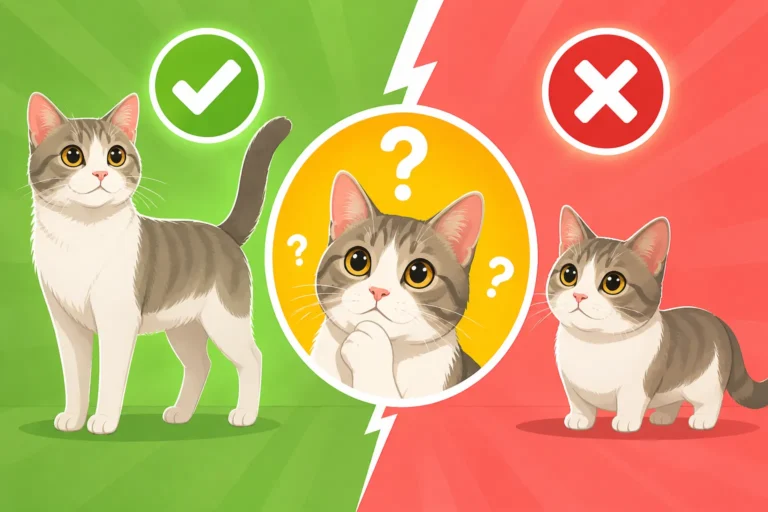
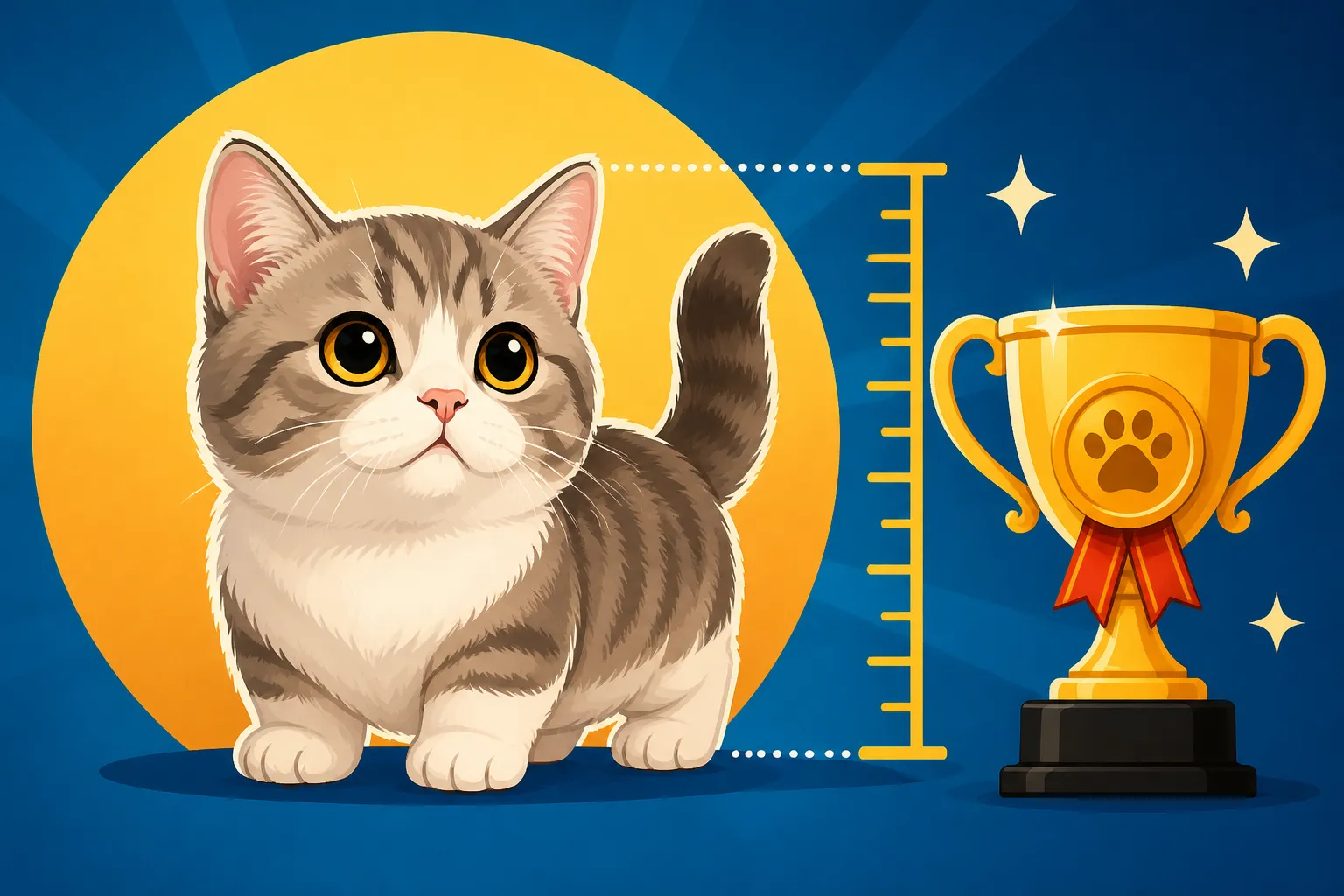
Lilieput was truly one of a kind. Standing at just 5.25 inches (13.34 cm) from the floor to the top of her shoulders, she redefined what it meant to be a small cat. Her incredibly short legs meant that her belly almost grazed the ground, giving her a distinctive waddle that charmed everyone who met her. Despite her tiny size, Lilieput was described as having a big personality, full of typical cat curiosity and playfulness. She navigated her world with surprising agility, often using her short legs to dart around, though perhaps not jumping as high as her long-legged counterparts. How Many Inches a Munchkin Can Jump or even a standard Munchkin could. Her unique stature, while making her a record-breaker, also meant her owners had to be mindful of her environment, ensuring she could comfortably access everything she needed. This might involve low-entry litter boxes, specially designed steps, or ensuring her food and water bowls were easily reachable without strain, similar to the considerations for any Munchkin, but perhaps even more pronounced for one so small. For any Munchkin, but especially one like Lilieput, keeping them at a healthy weight is paramount, as extra pounds place undue stress on their unique bone structure. You might find specialized low-calorie or joint-supportive food options that are easily accessible on platforms like Chewy, ensuring even the smallest felines get the nutrition they need without extra strain.
The Official Measurement Process
Getting into the Guinness World Records isn't just about making a claim; it's about rigorous, impartial verification. For an animal record, especially one concerning physical dimensions like height, the process is incredibly precise and often involves specific guidelines to ensure accuracy and fairness.
How Guinness World Records Verifies Height
When it comes to verifying the shortest cat, Guinness World Records has a very clear protocol. It’s not just a matter of eyeballing it or taking a quick photo. The animal must be measured by a qualified veterinarian, with precise tools, from the top of the shoulders (scapula) down to the paw pad, while the cat is standing naturally. This often requires multiple measurements taken by different independent witnesses to ensure there’s no bias or error. Imagine trying to get a wiggling cat to stand perfectly still for multiple measurements! It's a delicate dance of patience and expertise, often requiring the use of specific measuring devices that can accurately record fractions of an inch or centimeter. The cat's legs must be extended naturally, not splayed or curled, and its body must be in a relaxed, standing posture to avoid any distortions that could exaggerate its shortness. This stringent process ensures that any record holder truly earns their title through undeniable, verifiable data.
The Precision and Challenges of Measuring a Living Cat
Measuring a living, breathing, and often opinionated cat for a world record presents a unique set of challenges. First, getting a cat to cooperate for precise measurements is an art in itself. Unlike inanimate objects, cats don't just stand still on command for a tape measure. Veterinarians involved in such measurements need incredible patience and a gentle touch. They must ensure the cat is comfortable and calm to avoid any stress that could alter its posture or make accurate readings impossible. Imagine trying to get consistent readings when a cat keeps shifting its weight or trying to escape the measuring tape! The presence of official witnesses, often including other vets or even media, can add to the pressure.
Furthermore, the very nature of a Munchkin cat's anatomy means that their "normal" standing posture is already quite low to the ground. Accurately determining the exact point of the shoulder blade without pressing down too hard or letting the fur interfere requires a keen eye and skilled hands. How Short a Munchkin's Legs Actually Are can vary, and differentiating between natural variation and a record-breaking shortness requires careful consideration. It’s a testament to the vets’ expertise and the owner's dedication that these measurements can be taken accurately and consistently, ensuring the integrity of the record.
Here's a simplified look at typical height measurements for different cat categories:
| Cat Category | Average Shoulder Height (Approx.) | Measurement Criteria (Simplified) |
|---|---|---|
| Standard Domestic Cat | 9-10 inches (23-25 cm) | From floor to top of shoulder blade, standing |
| Standard Munchkin | 6-8 inches (15-20 cm) | From floor to top of shoulder blade, standing |
| Record-Breaking Munchkin (Lilieput) | 5.25 inches (13.34 cm) | From floor to top of shoulder blade, standing |
Note: These are approximations, and individual cats can vary widely.
The Significance of Such Records for the Breed
When a Munchkin cat breaks a world record for its shortness, it reverberates throughout the entire breed community. It's not just a cute story; it raises public awareness, fuels fascination, and often intensifies existing discussions about the breed itself. This kind of spotlight can be a double-edged sword, bringing both adoration and increased scrutiny.
Public Perception and Fascination
A world record for the shortest cat undoubtedly garners immense public fascination. People who might never have heard of a Munchkin cat suddenly take notice. The image of a tiny feline, barely off the ground, is incredibly endearing and sparks immediate curiosity. This can lead to a surge in interest in the breed, with more people researching Munchkins, their characteristics, and what makes them so unique. What a Munchkin Looks Like Against the TICA Standard becomes a popular search query, as does information on their temperament and care. This increased visibility can be beneficial, drawing attention to responsible breeders and educating potential owners about the specific needs of these cats. Many fall in love with the Munchkin's playful nature and their distinctive "ferret-like" gait. However, this fascination can also be accompanied by a romanticized view, where the extraordinary shortness is seen purely as an adorable trait, sometimes overshadowing the practical considerations of owning a cat with such unique physical attributes.
The Ethical Considerations and Controversy
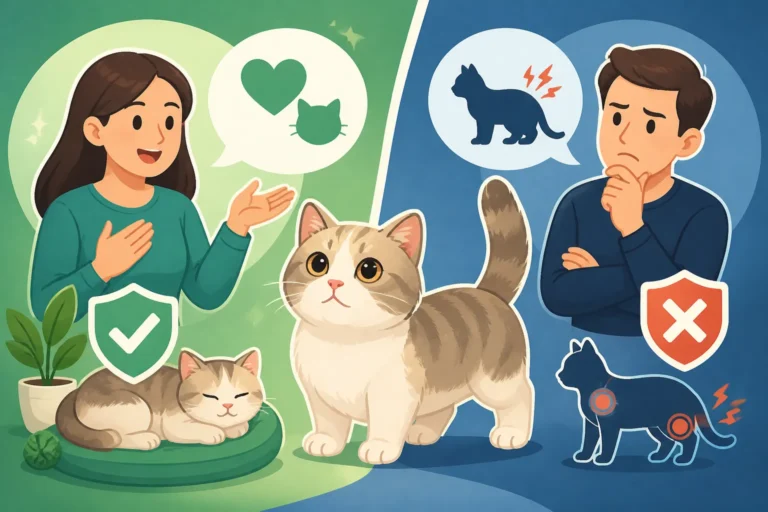
With heightened public attention, especially regarding a breed known for its genetic mutation, come increased ethical considerations and controversy. The Munchkin breed, while recognized by some cat registries like TICA, is also a subject of debate within the wider cat fancy and veterinary communities. When a Munchkin sets a "shortest cat" record, it brings this debate to the forefront even more intensely. Critics often voice concerns about the welfare implications of breeding cats with exaggerated physical traits, particularly those that impact mobility or spinal health. Questions like Whether a Munchkin Is in Pain From Its Legs or How to Judge a Munchkin's Quality of Life become more prominent in public discourse.
Reputable breeders emphasize responsible practices, focusing on health, temperament, and ensuring genetic diversity by outcrossing with normal-legged cats. They work to dispel myths and educate prospective owners about the commitment required for a Munchkin's care, which includes adapting the home with ramps and steps. However, the allure of extreme shortness, amplified by a world record, can unfortunately encourage less scrupulous breeding practices that prioritize exaggerated traits over the cat's long-term health. This makes it crucial for anyone interested in the breed to research thoroughly, choose a breeder with an impeccable reputation, and understand the full scope of care a Munchkin requires. Why the Munchkin Divides the Cat Fancy More Than Any Breed is a discussion that often gains traction with news of such records.
Life with a Short-Legged Cat
Owning a Munchkin cat, whether a world record holder or simply a beloved pet, comes with specific responsibilities and adaptations. Their short legs mean they experience the world a little differently, and their human companions need to ensure their environment is set up for success and comfort.
Everyday Adaptations for Record-Setting Munchkins
Living with a record-setting shortest cat like Lilieput means going above and beyond the usual cat-proofing. Every piece of furniture, every doorway, every access point needs to be re-evaluated from a low-to-the-ground perspective. For instance, a regular sofa might be an impossible leap, necessitating ramps or pet steps to allow them safe and easy access to their favorite cuddle spots. Think about the humble litter box: a standard-height entry can become a formidable barrier. Owners often opt for Why a Munchkin Needs a Litter Box It Can Walk Into options, or even DIY modifications to ensure easy entry and exit, preventing accidents and promoting good hygiene. Chewy offers a wide range of low-entry litter boxes and even senior pet products that are perfect for Munchkins, making daily life much easier for these short-legged companions.
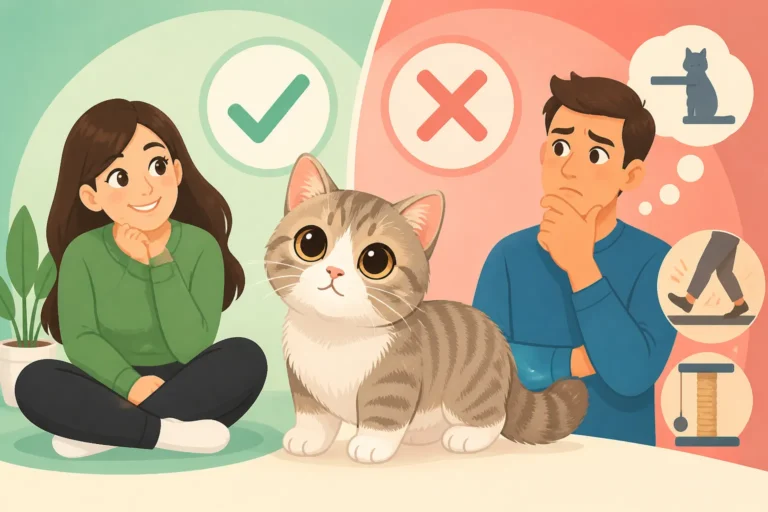
Similarly, access to food and water needs careful consideration. While some Munchkins can manage with floor-level bowls, for an exceptionally short cat, even leaning down too far can put strain on their neck and shoulders. Raised bowls can make a world of difference, allowing them to eat and drink more comfortably. Everything in their environment needs to be assessed: scratching posts should be horizontal or very low verticals; window perches need accessible ramps; and even beds might need to be placed directly on the floor or on low platforms. The goal is to minimize strenuous jumps and stretches, preserving their joint health and ensuring they can navigate their home independently and safely. This isn't just about convenience; it's about safeguarding their physical well-being throughout their life.
Care and Enrichment for Their Unique Needs
Beyond physical adaptations, the daily care and enrichment for a record-short Munchkin need to be tailored to their unique physicality. Grooming, for example, can be a challenge for them. While A Munchkin Is a Normal Cat That Cannot Reach certain parts of its back or hindquarters, an exceptionally short Munchkin might find even more areas inaccessible. This means owners must be diligent with regular brushing, especially for long-haired varieties, to prevent matting and skin issues. Grooming the Half of a Munchkin It Cannot Reach becomes an even more critical task.
Playtime also requires thoughtful planning. While Munchkins are incredibly playful and zippy on flat surfaces, toys that require high jumping or extensive climbing might not be suitable. Floor-level toys, wand toys that can be dragged along the ground, and puzzle feeders that are easily accessible at their height are ideal. This allows them to express their natural hunting instincts and engage in stimulating activities without putting undue stress on their short limbs and spine. Regular, gentle exercise is key to maintaining a healthy weight and muscle tone, which is especially important given Why Weight Control Is the Whole Munchkin Care Plan. Monitoring their weight closely and providing a balanced diet are paramount, as even a small amount of extra weight can have a disproportionate impact on their joints. Chewy provides an excellent selection of joint-supportive supplements and low-calorie cat food, making it easier for owners to manage their Munchkin's dietary needs and overall health. Providing Ramps and Steps Are Munchkin Equipment, Not Luxuries isn't just about getting up; it's about allowing them to explore and interact with their world fully and safely.
Disclaimer
This article is for general informational purposes only and does not constitute professional advice. Laws, prices and regulations vary by location and change over time. Consult a qualified professional for guidance on your specific situation.