What Pseudoachondroplasia Does to a Munchkin’s Legs
It’s a common moment for new Munchkin cat owners, or those simply researching the breed: you hear the term "pseudoachondroplasia" thrown around, and a wave of concern washes over you. You might immediately think of severe human dwarfism conditions, and naturally, you worry about your beloved short-legged companion. But what exactly does pseudoachondroplasia mean for a Munchkin's legs, and how does it truly impact their health and daily life? This guide is here to unravel the science, the realities, and the responsible care that comes with loving a cat with this unique genetic trait.
Understanding Pseudoachondroplasia in Munchkin Cats
When we talk about Munchkin cats, their defining characteristic – those adorably short legs – is often linked to the scientific term "pseudoachondroplasia." It sounds incredibly complex and perhaps a little scary, conjuring images of debilitating conditions. However, it's crucial to understand what this term specifically means in the context of our feline friends and how it differs from other, more severe forms of dwarfism.
What is Pseudoachondroplasia?
At its heart, pseudoachondroplasia refers to a genetic condition that affects the growth of cartilage, which is a key component in bone development. In simpler terms, it’s a form of skeletal dysplasia where the long bones of the limbs don't grow to their typical length, while other bones, like those in the skull and spine, are generally unaffected. This is a critical distinction, as it differentiates pseudoachondroplasia from "true" achondroplasia, which often involves disproportionate growth of the head and face, along with significant spinal issues.
For Munchkin cats, this means their unique short stature isn't usually accompanied by the broad heads, compressed faces, or severe neurological issues that can sometimes be seen in other types of dwarfism. Instead, it's primarily a shortening of the limbs, giving them their characteristic low-slung appearance. The gene responsible impacts the growth plates in their leg bones, causing them to mature and fuse earlier than in a normal-legged cat. This premature cessation of growth is what leads to their shorter limbs. It's a specific, localized effect on the long bones, which is why a Munchkin's body is typically normal length, despite their short legs. It's important to remember that while it's a genetic mutation, in Munchkins, it's a well-documented and predictable one that breeders work with responsibly.
The Specifics of the Munchkin Gene
The genetic trait that gives Munchkin cats their distinctive short legs is known to be an autosomal dominant gene. What does "autosomal dominant" actually mean in practical terms for the breed? Well, "autosomal" means the gene isn't linked to sex chromosomes, so both male and female cats can inherit and express the trait equally. "Dominant" means that a cat only needs to inherit one copy of this specific gene from one parent to display the short-legged characteristic.
This mode of inheritance is why you'll often hear that Munchkins are always bred to normal-legged cats, rather than two short-legged Munchkins together. If a cat inherits two copies of the dominant Munchkin gene (what we call homozygous), the condition is lethal, and the embryos sadly don't survive. This crucial genetic understanding is why Munchkin Dwarfism Is Dominant and Lethal in Two Copies is such a foundational piece of knowledge for any breeder or owner.
The Munchkin gene itself results in a type of chondrodystrophy, which is a disorder of cartilage formation. Specifically, it's pseudoachondroplasia because it affects the cartilage in the growth plates of the long bones, leading to a reduction in their overall length. Unlike some other forms of dwarfism that might impact overall size or organ development, the Munchkin's specific genetic mutation primarily targets the limb bones. This allows them to have an otherwise proportionate body, a normal-sized head, and typical organ development, which contributes to their general health and longevity. It distinguishes them from breeds with other genetic anomalies that might result in dwarfism but come with a wider array of health complications. The focus of this particular genetic expression is quite localized to the appendicular skeleton – that is, the bones of the limbs.
How Pseudoachondroplasia Affects a Munchkin's Legs
The physical manifestation of pseudoachondroplasia in Munchkin cats is, quite literally, written in their legs. It's the reason for their charmingly low profile and the unique way they move about the world. Understanding how this genetic trait specifically impacts their bone structure and locomotion is key to appreciating their capabilities and limitations.
The Shortening of the Long Bones
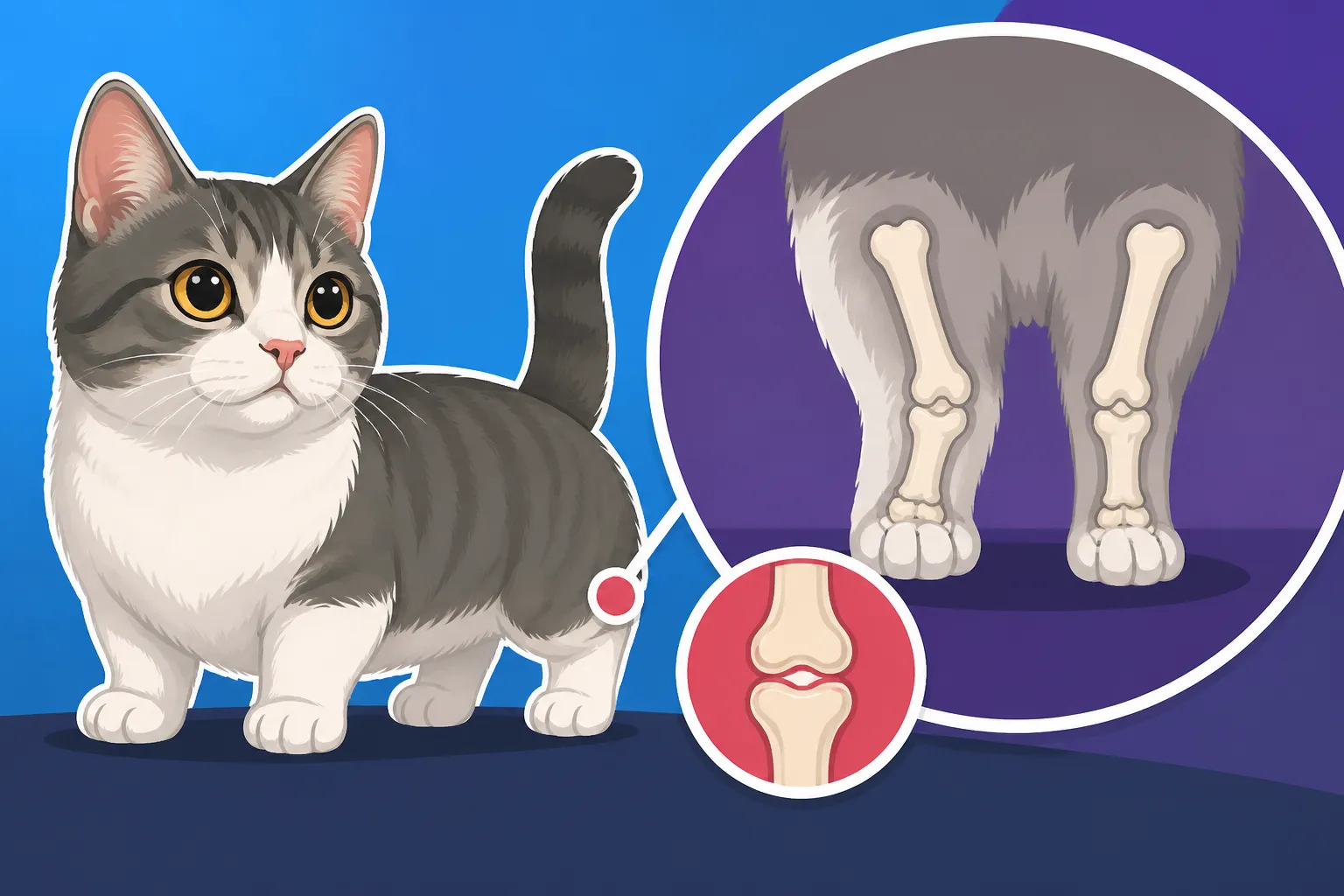
The defining feature of pseudoachondroplasia in Munchkins is the significant shortening of their long bones. These are the bones that make up the upper and lower parts of their legs – the humerus and radius/ulna in the front, and the femur and tibia/fibula in the back. During a cat's growth phase, these bones lengthen at specialized areas called growth plates. In Munchkins, due to their specific genetic mutation, these growth plates don't function in the same way as in a normal-legged cat. They tend to close prematurely or have impaired cartilage production, which inhibits the bones from reaching their full potential length.
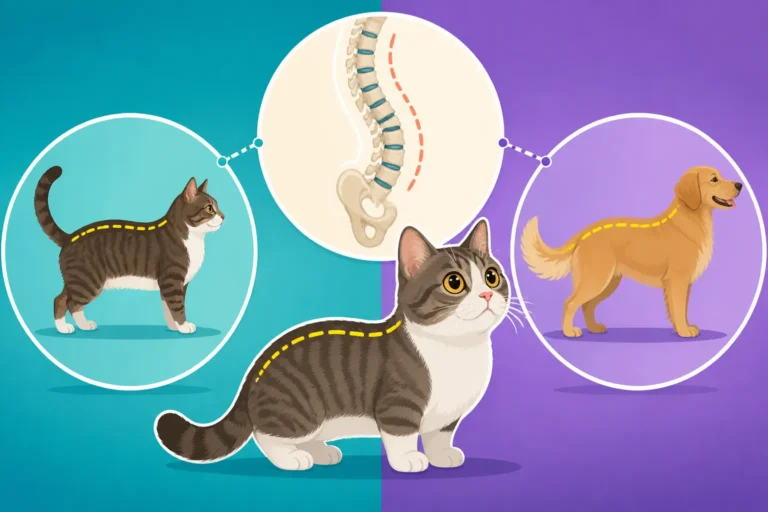
What's fascinating, and often a point of reassurance for owners, is that this shortening is typically confined to these limb bones. The axial skeleton, which includes the spine and skull, usually develops to a normal length and size. This means that a Munchkin cat's body is generally proportional to a regular cat's torso, just set on shorter stilts. This is a crucial aspect when considering their overall health and mobility, as it avoids the extensive skeletal deformities seen in some other dwarf conditions. If you've ever wondered Why a Munchkin's Legs Are Short but Its Body Is Not, this is precisely the genetic mechanism at play. The distinction is vital for understanding why a Munchkin typically doesn't suffer from the same kinds of widespread skeletal issues that affect true achondroplasia.
This targeted effect means that while their legs are short, the rest of their bone structure, muscle mass, and internal organs are largely unaffected by the dwarfism gene itself. It’s not a systemic issue that impacts their entire development, but rather a focused alteration in limb length. This allows them to function remarkably well, with their short legs being more of an adaptation than a debilitating condition in many cases.
Impact on Leg Conformation and Movement
The shortened long bones certainly give Munchkins their distinct appearance, but they also influence how these cats move and interact with their environment. Their legs aren't just shorter; they also tend to have a specific conformation. Many Munchkins exhibit a slight bowing in their front legs, which is a common characteristic of the breed standard. This bowing is often due to the differing growth rates of the two bones in the lower part of the leg (radius and ulna), where one might grow slightly slower or faster than the other. If you've ever observed a Munchkin and noticed Why a Munchkin's Front Legs Look Bowed, this is the anatomical explanation.
While this might sound concerning, for most Munchkins, it doesn't impede their ability to run, play, and navigate their world on a flat surface. In fact, their low center of gravity can even make them surprisingly agile and quick on the ground. However, their physical structure does present limitations, especially when it comes to vertical movement. Jumping onto high surfaces like kitchen counters, tall cat trees, or even some beds can be a significant challenge, if not impossible, for them without assistance. This isn't due to pain or unwillingness, but simply a matter of physics and the limited leverage provided by their short limbs.
Their gait is also distinct, often described as a "ferret-like" waddle or a quick scurry. They adapt to their shorter legs by utilizing their strong back and flexible spine to compensate for the lack of leg length, allowing them to move with surprising speed and grace across flat terrain. However, coming down from heights or navigating uneven surfaces can be more challenging and potentially put extra strain on their joints over time. This unique biomechanics means owners need to be mindful of their environment to prevent injury and ensure their comfort.
Potential Health Concerns Linked to Pseudoachondroplasia
While many Munchkin cats live long, active lives, it's essential for owners to be aware of potential health considerations that can be linked to their unique skeletal structure. Understanding these risks isn't about fear-mongering, but about being a proactive and informed pet parent.
Joint Stress and Early Arthritis
The altered biomechanics of a Munchkin's short legs mean that their joints experience different stresses compared to a normal-legged cat. Think about it: their limbs are shorter, but their body mass is generally the same as a regular cat. This means the joints, especially in the shoulders, elbows, and hips, are constantly working under a different leverage system. Over time, this can lead to increased wear and tear on the cartilage and supporting structures.
This increased stress makes Munchkins potentially more susceptible to developing osteoarthritis earlier in life. Osteoarthritis is a degenerative joint disease characterized by the breakdown of joint cartilage, leading to pain, stiffness, and reduced mobility. While many cats can develop arthritis as they age, Munchkins might begin to show signs earlier. Observing How Osteoarthritis Shows in a Munchkin's Shoulders is critical, as these are weight-bearing joints that take a significant impact from their movements, especially when they jump down or navigate stairs. Similarly, Why a Munchkin's Elbows Take the Landing highlights another key area of vulnerability.
Owners might notice subtle changes in their cat's behavior, such as reluctance to jump, difficulty using stairs, a less active play style, or stiffness after rest. Regular veterinary check-ups are crucial for early detection, and proactive measures like weight management, joint supplements (glucosamine, chondroitin, omega-3 fatty acids), and creating an accessible home environment can go a long way in mitigating these risks. Pet insurance providers like Healthy Paws can also offer peace of mind when it comes to managing the long-term costs associated with conditions like arthritis, covering diagnostics, medications, and even alternative therapies.
Spinal Issues: Lordosis and Pectus Excavatum
Beyond joint issues, there's a significant discussion in the veterinary and breeding communities regarding the link between pseudoachondroplasia and certain spinal conditions in Munchkin cats, primarily lordosis and pectus excavatum. It's a complex topic with differing opinions, but it's vital for owners to be informed.
Lordosis refers to an excessive inward curvature of the spine, specifically in the lumbar (lower back) region. In severe cases, this curvature can become so pronounced that it compresses the internal organs, leading to breathing difficulties, digestive issues, and overall discomfort. While not all Munchkins develop lordosis, and it can occur in other breeds, there is an ongoing debate about whether the Munchkin's specific skeletal mutation predisposes them to it. The discussion around Lordosis Is the Spinal Curve the Munchkin Argument Is About highlights the controversy. Some argue that because their body is normal length but set on short legs, it can put additional strain on the spine, making it more prone to abnormal curvature, especially if there's any weakness in the core muscles.
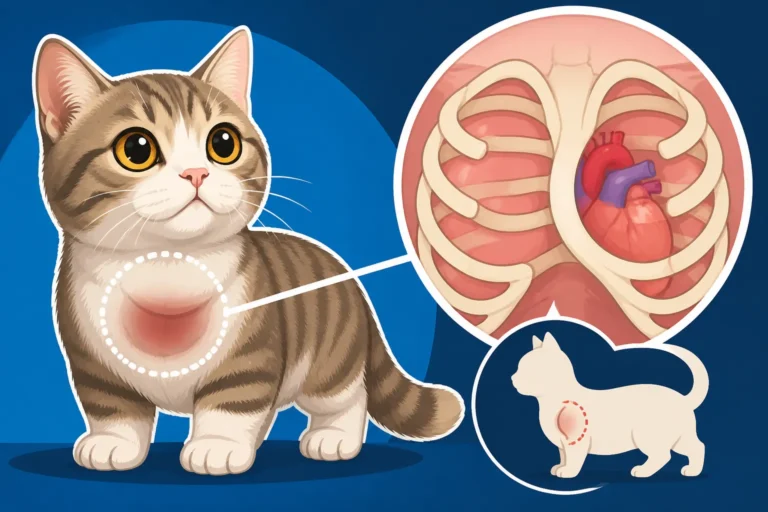
Pectus excavatum, also known as a "sunken chest" or "funnel chest," is a congenital deformity of the sternum (breastbone) and rib cage, where the sternum grows inward. This can compress the heart and lungs, leading to respiratory problems, exercise intolerance, and, in severe cases, cardiac issues. Like lordosis, pectus excavatum is not exclusive to Munchkins and can appear in any cat breed. However, there's concern that the broader genetic profile or potential developmental factors linked to pseudoachondroplasia might increase its prevalence in the breed. Understanding What Pectus Excavatum Does to a Munchkin's Chest is key for early detection and intervention.
It's important to stress that many Munchkins never develop these conditions, and reputable breeders screen their lines carefully to reduce the risk. However, buyers should always ask breeders about the health history of their cats and be vigilant for any signs in their own pet. Regular vet checks, especially in kittenhood, for spinal and chest conformation are crucial.
Here's a quick overview of potential health concerns:
| Health Issue | Primary Cause/Link to Pseudoachondroplasia | Symptoms to Watch For | Management/Prevention |
|---|---|---|---|
| Osteoarthritis | Increased stress on joints (shoulders, elbows, hips) due to altered biomechanics of short legs. | Stiffness, reluctance to jump/play, limping, pain on palpation. | Weight management, joint supplements (glucosamine, chondroitin), accessible environment (ramps), pain relief as prescribed by vet. Regular vet checks, consider pet insurance like Healthy Paws. |
| Lordosis | Potential predisposition due to normal body length on short legs, muscle weakness, or other genetic factors. | Hunched back, difficulty breathing (severe), reluctance to move. | Careful breeding practices, gentle handling, maintaining core strength through appropriate play, veterinary assessment for severity and potential interventions. |
| Pectus Excavatum | Congenital deformity; potential increased prevalence in some lines, though not directly caused by Munchkin gene. | Difficulty breathing, coughing, exercise intolerance, visible sunken chest. | Early veterinary diagnosis (physical exam, X-rays), surgical correction in severe cases, managing respiratory symptoms. |
| Obesity | Reduced activity levels combined with normal or excessive caloric intake. | Visible fat pads, inability to feel ribs easily, sluggishness. | Strict portion control, appropriate diet, encouraging floor-level play. Crucial to prevent added strain on already vulnerable joints and spine. Why Weight Is More Dangerous on a Munchkin is a must-read. |
Caring for a Munchkin Cat with Pseudoachondroplasia
Living with a Munchkin cat is a joy, but it also comes with a unique set of responsibilities tailored to their special needs. Because of their pseudoachondroplasia, their environment and care routine need to be thoughtfully adapted to ensure their comfort, safety, and long-term health.
Adapting the Home Environment
One of the most significant aspects of caring for a Munchkin is making your home accessible. Since their short legs limit their jumping abilities, you need to think about how they'll reach all the places a normal cat would. This isn't just about convenience; it's about preventing injury and minimizing strain on their joints and spine.
Ramps and steps are not luxuries for a Munchkin; they are essential equipment. Think of them as necessary infrastructure for your home. Ramps and Steps Are Munchkin Equipment, Not Luxuries is a statement that truly captures the essence of responsible Munchkin ownership. Install ramps or pet stairs next to sofas, beds, windowsills, or any other elevated surface your Munchkin might want to access. Choose ramps with a gentle incline and a non-slip surface to prevent falls. Similarly, cat trees should have closely spaced platforms that your Munchkin can easily navigate, rather than large gaps requiring significant leaps.
Another often overlooked adaptation is the litter box. A standard high-sided litter box can be a real struggle for a Munchkin to enter and exit comfortably. Look for low-entry litter boxes, or even consider cutting down one side of a regular plastic bin to create an easy access point. This prevents them from having to awkwardly clamber over high edges, which can strain their back and discourage proper litter box use. Their food and water bowls should also be easily accessible on the floor or slightly raised to a comfortable height, eliminating the need to stretch or stand on their hind legs excessively. Pay attention to flooring too; slick surfaces like hardwood or tile can be difficult for Munchkins to gain purchase on, increasing the risk of slips and falls. Providing rugs or runners in key areas can make a world of difference for their mobility and confidence.
Nutrition and Weight Management
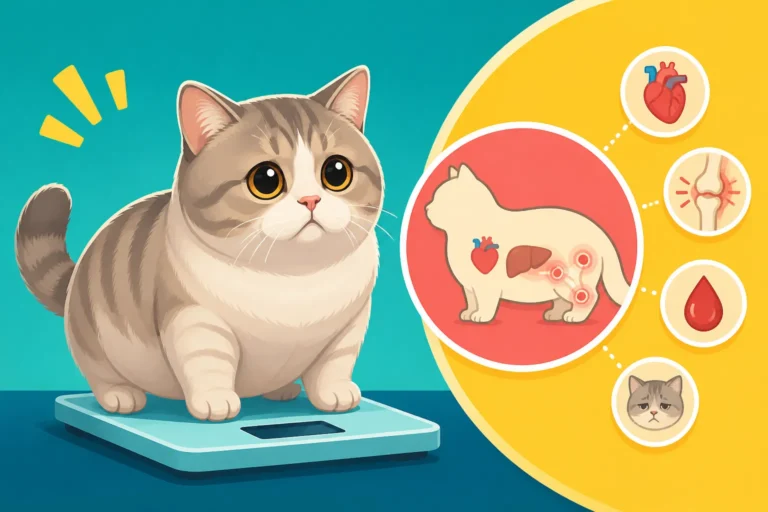
For a Munchkin cat, maintaining a healthy weight isn't just a recommendation; it's a cornerstone of their long-term health plan. Every extra gram of weight places additional strain on their already uniquely structured joints and spine. This is why Why Weight Is More Dangerous on a Munchkin is a critical piece of information for all owners. An overweight Munchkin faces an even higher risk of developing or exacerbating joint issues like arthritis and spinal problems such as lordosis.
Munchkins, due to their shorter legs, generally have a lower energy expenditure than their normal-legged counterparts. They might not be as prone to scaling cat trees or leaping across rooms, which means they burn fewer calories. Therefore, their caloric intake needs to be carefully managed. This means precise portion control, often involving weighing their food, rather than simply free-feeding or eyeballing quantities.
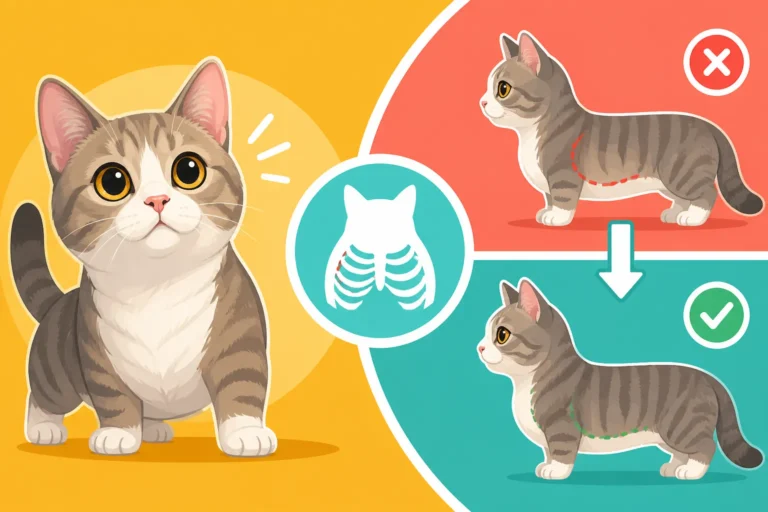
Choose a high-quality cat food that is appropriate for their age and activity level. Some owners also opt for diets that include natural joint-supporting ingredients like omega-3 fatty acids, glucosamine, and chondroitin, or add these as supplements under veterinary guidance. Regular, gentle, floor-level play is important to keep them active and maintain muscle tone without putting undue stress on their joints. Monitor their body condition regularly – you should be able to feel their ribs without pressing hard, and they should have a discernible waist when viewed from above. Consistent, thoughtful nutrition and activity are key to preventing obesity and protecting their delicate skeletal system throughout their lives.
Regular Veterinary Care and Monitoring
Consistent and thorough veterinary care is paramount for a Munchkin cat. Given their predisposition to certain skeletal and joint issues, regular check-ups are even more critical than for some other breeds. Your veterinarian will become an invaluable partner in monitoring their health and catching any potential problems early.
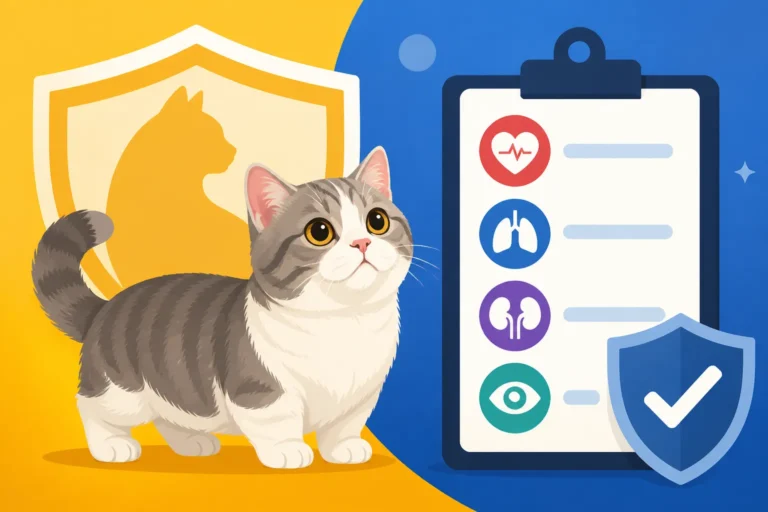
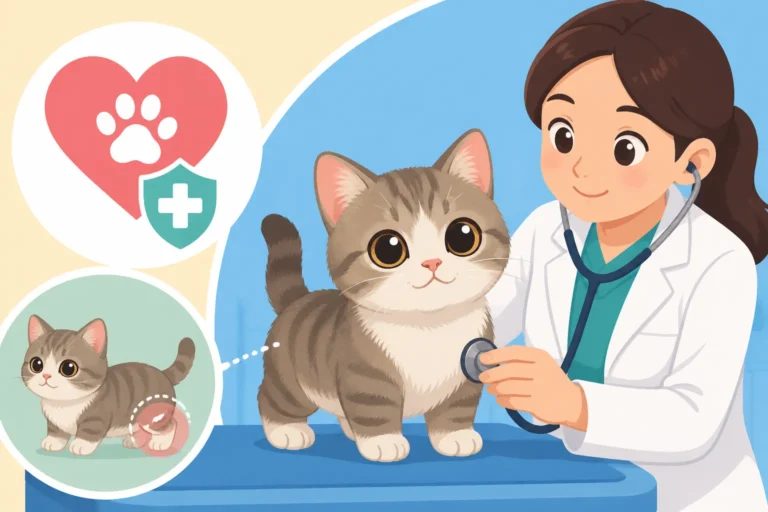
Routine annual exams should include a comprehensive assessment of their gait, joint mobility, and spinal health. Your vet might pay close attention to signs of discomfort or stiffness in their shoulders, elbows, and hips, as well as checking for any signs of lordosis or pectus excavatum. Why a Munchkin's Vet Year Includes Its Joints underscores the specialized focus required for these examinations. Don't hesitate to record videos of your Munchkin moving at home if you notice anything unusual; these can be incredibly helpful for your vet in assessing their condition.
Beyond general health, discuss preventative measures with your vet. Many Munchkin owners choose to give their cats joint supplements from a relatively young age, under veterinary supervision, as a proactive step against early arthritis. Early detection of any spinal or joint issues allows for prompt intervention, which can range from dietary changes and supplements to pain management or, in rare severe cases, surgical options. Investing in pet insurance, such as a plan from Healthy Paws, is a wise decision for Munchkin owners. It can provide significant financial relief for diagnostic tests, specialist consultations, ongoing medications, or potential surgeries related to conditions like arthritis or spinal issues, giving you peace of mind that you can afford the best care for your unique companion. Being proactive with veterinary care means you're giving your Munchkin the best chance at a long, comfortable, and happy life.
Distinguishing Pseudoachondroplasia from Other Conditions
Understanding that Munchkin cats have a specific form of dwarfism called pseudoachondroplasia is crucial, especially when discussing their health and welfare. It's not just a fancy scientific term; it highlights key differences from other, often more severe, forms of dwarfism that can affect cats.
True Achondroplasia vs. Pseudoachondroplasia
The distinction between "true" achondroplasia and pseudoachondroplasia is probably the most important one to grasp. While both result in disproportionate dwarfism (meaning the limbs are short while the body is relatively normal size), they affect different aspects of development and carry different health implications.
In true achondroplasia, which is well-documented in humans and sometimes seen in other animals, the primary defect lies in the cartilage growth plates, but it often extends beyond just the limbs. Cats with true achondroplasia might exhibit a distinctive facial appearance, characterized by a broader head, a flattened nasal bridge, and an underbite or overbite. Crucially, true achondroplasia can also involve severe spinal problems, neurological compression, and other systemic issues that can significantly impact quality of life and lifespan. The gene responsible for true achondroplasia affects a different protein (FGF Receptor 3 in humans) and has more widespread effects on skeletal development.
Pseudoachondroplasia, as seen in Munchkins, is specifically named to highlight that it resembles achondroplasia in terms of shortened limbs, but lacks the characteristic facial deformities and, most importantly, the severe and consistent spinal and neurological complications often associated with true achondroplasia. As we discussed, a Munchkin's head and face are typically proportionate and normal, and while lordosis and pectus excavatum can occur, they are not an inevitable or direct consequence of the Munchkin gene itself in the same way that spinal issues are integral to true achondroplasia. The genetic mutation in Munchkins primarily targets the long bones of the limbs, making it a more localized skeletal anomaly. This distinction is vital for accurate diagnosis and for understanding the specific challenges and care requirements of the breed.
Other Forms of Dwarfism in Cats
Beyond pseudoachondroplasia and true achondroplasia, there are other, albeit rarer, forms of dwarfism that can manifest in cats. Each type arises from different genetic mutations or developmental issues and presents with its own unique set of characteristics and health concerns.
One such example is pituitary dwarfism, a very rare condition caused by a deficiency in growth hormone production from the pituitary gland. Cats with pituitary dwarfism are typically proportionately small across their entire body, not just their limbs. They may also exhibit other endocrine abnormalities, such as hypothyroidism or issues with reproductive function, and often have soft, woolly fur and delayed dental development. Their internal organs might also be undersized, leading to a range of complex health problems and a significantly shortened lifespan. This is clearly very different from a Munchkin, whose dwarfism is confined to limb length.
Another form could be osteochondrodysplasia, a broader term for a group of disorders that affect bone and cartilage growth. The specific mutation in Scottish Fold cats, for instance, causes osteochondrodysplasia, affecting cartilage throughout the body, most notably leading to their characteristic folded ears but also to severe, progressive arthritis in their joints and spine. This is a very different and generally more severe condition than the Munchkin's pseudoachondroplasia, which is why breeding Munchkins with Scottish Folds is strongly advised against, as it combines two distinct skeletal mutations with potentially devastating consequences.
Understanding these distinctions helps to clarify that the Munchkin's pseudoachondroplasia is a specific, generally less severe form of dwarfism, primarily affecting limb length, and usually without the widespread systemic effects or severe cartilage degeneration seen in some other conditions. This knowledge empowers owners to appreciate the nuances of their Munchkin's unique genetics and to advocate for informed, appropriate veterinary care.
Ethical Considerations and Responsible Breeding
The Munchkin cat breed, while cherished by many, undeniably sits at the heart of a passionate debate within the cat fancy and veterinary community. Understanding the ethical considerations surrounding their breeding and ownership is paramount for ensuring the well-being of these unique felines.
Breeder Responsibilities and Practices
Responsible breeding is the cornerstone of the Munchkin breed's future health and acceptance. Because the Munchkin gene is autosomal dominant and lethal in two copies, it imposes a very specific responsibility on breeders: they must always breed a short-legged Munchkin cat with a normal-legged cat. This is why Why a Munchkin Is Always Bred to a Normal Legged Cat isn't just a suggestion, but a strict genetic imperative. This ensures that every short-legged kitten born will inherit only one copy of the dominant gene, avoiding the tragic outcome of homozygous embryos, which sadly do not survive gestation. What Happens to a Homozygous Munchkin Embryo is a stark reminder of why this practice is non-negotiable.
Reputable breeders go beyond simply understanding this genetic rule. They meticulously screen their breeding cats for any signs of lordosis, pectus excavatum, or early-onset arthritis, carefully documenting health clearances and lineage. They should be transparent about the health history of their cattery and be able to provide detailed information about the parents of any kitten. This includes hip and elbow scores, and potentially spinal imaging, especially if there have been any concerns in their lines.
Responsible breeders also prioritize the overall health and temperament of their cats, not just leg length. They ensure genetic diversity by utilizing appropriate outcross breeds, contributing to a broader gene pool and reducing the risk of other inherited diseases. They also socialize their kittens extensively and educate prospective owners about the specific care requirements of a Munchkin cat, including the need for an adapted home environment and diligent health monitoring. A responsible breeder will be your first and best resource for understanding your Munchkin's unique needs.
The Ongoing Debate and Welfare
The debate surrounding the Munchkin breed is complex and often emotionally charged. Veterinary associations and animal welfare organizations in various countries have expressed concerns, with some even banning the breeding of Munchkins outright, citing potential welfare issues related to their shortened limbs and the associated risks of spinal and joint problems. They argue that purposefully breeding for a genetic mutation that can potentially cause health complications is unethical.
On the other side, proponents of the breed, including many dedicated breeders and owners, argue that well-bred Munchkins, from carefully screened lines, can live long, healthy, and perfectly happy lives with appropriate care. They point to the breed's generally active and playful nature and emphasize that many Munchkins never develop severe health issues, particularly when bred responsibly. The quality of life for a Munchkin is often excellent when their needs are met, and understanding How to Judge a Munchkin's Quality of Life involves looking at their overall health, mobility, and engagement with their environment.
Ultimately, for a prospective owner, navigating this debate means taking a highly informed and critical approach. It means choosing a breeder who adheres to the highest ethical standards, prioritizing health over extreme traits. It means understanding the potential health risks and being prepared to provide a lifetime of specialized care, including an adapted home, a carefully managed diet, and consistent veterinary attention. It also means planning for potential future health costs, for which pet insurance options like Healthy Paws can be a valuable safety net, covering unexpected illnesses or conditions. Responsible ownership, backed by knowledge and preventative care, is the best way to ensure that any Munchkin cat lives a life full of comfort and joy, making them a beloved and thriving member of your family.
Disclaimer
This article is for general informational purposes only and does not constitute professional advice. Laws, prices and regulations vary by location and change over time. Consult a qualified professional for guidance on your specific situation.