How Early Lordosis Shows in a Munchkin Kitten
Bringing home a new Munchkin kitten is such an exciting time, filled with dreams of adorable antics and endless cuddles. But beneath all that joy, a quiet worry can often nag at new owners: how do you really know if your little one is thriving, especially when it comes to potential health concerns like lordosis? It’s completely natural to feel a bit overwhelmed trying to distinguish typical kitten clumsiness from early signs of a genuine spinal issue. This guide is here to walk you through exactly what lordosis is, how to spot its earliest indicators in your Munchkin kitten, and what steps you can take to ensure they get the best possible start in life.
Understanding Lordosis and Its Impact on Munchkin Kittens
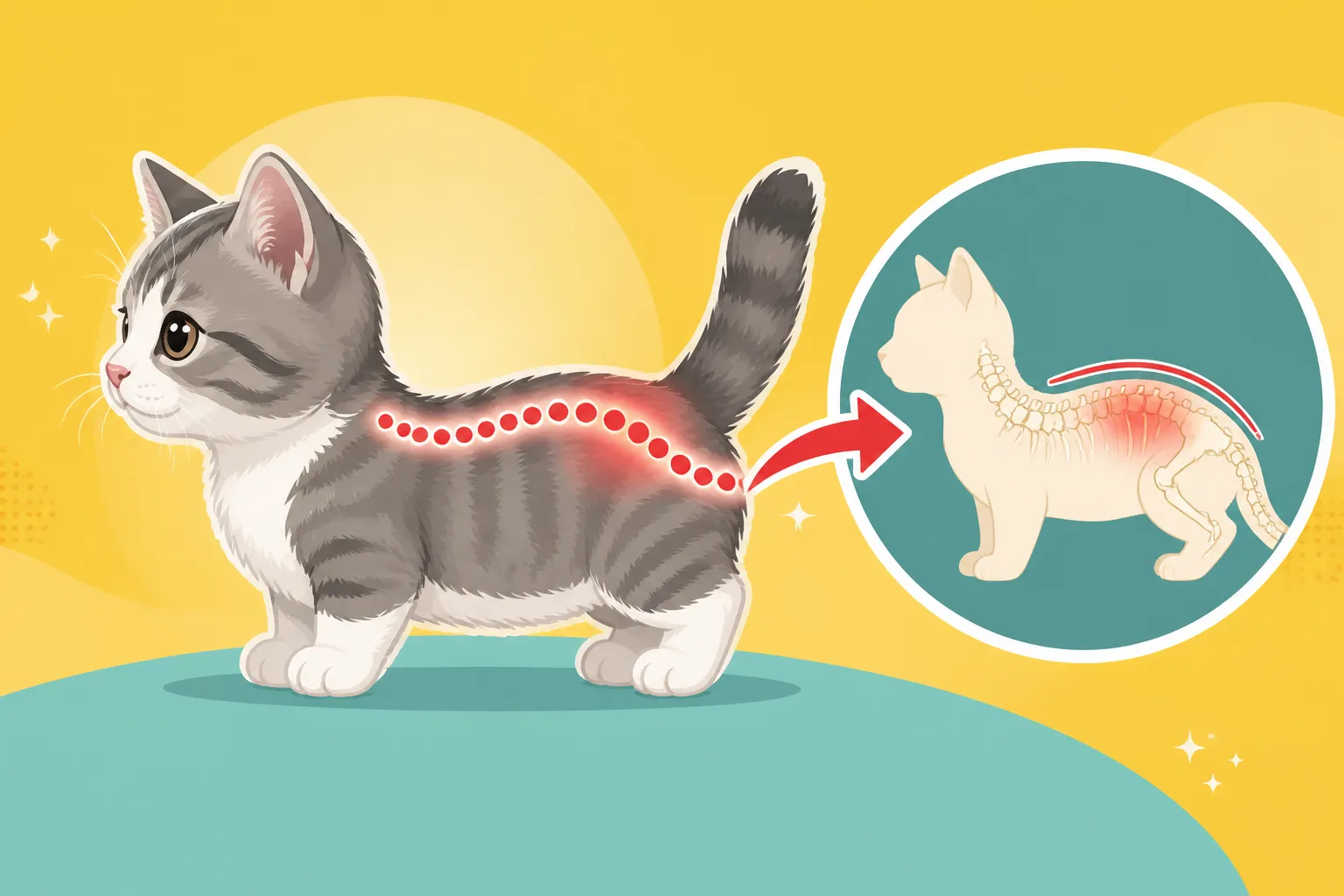
Lordosis is a condition often misunderstood, especially when it comes to a breed like the Munchkin. It’s not just a fancy vet term; it’s a real concern that involves the curvature of the spine. When we talk about lordosis, we're referring to an excessive inward curvature of the spine, particularly in the lumbar region, which can sometimes appear as the kitten's spine dipping or sagging. While the Munchkin breed is defined by its shortened limbs due to a genetic mutation, its spine itself is typically of normal length. However, this unique body structure can, in some cases, predispose certain individuals to spinal issues if not carefully bred.
The frustration for many owners, and indeed for many veterinary professionals, is that the very nature of a Munchkin cat's short legs means their body often sits closer to the ground, which can make observing subtle spinal changes a real challenge. You might look at your playful kitten and wonder if that slight dip in its back is just how a Munchkin is built, or if it's something more. This is why understanding the specifics of the condition and recognizing early signs is so critical for these special cats.
The Anatomy of Lordosis in a Feline Spine
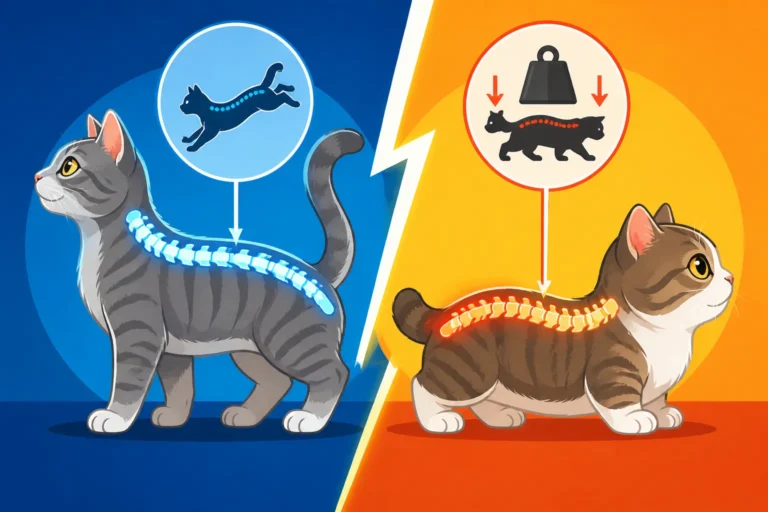
To truly grasp what lordosis means for your Munchkin kitten, it helps to visualize the spine. Imagine a healthy cat's spine as a gently undulating, strong support system. In a cat with lordosis, this natural curve becomes exaggerated, causing the spine to bow inward more than it should. This isn't just a cosmetic issue; it can lead to a host of problems because the internal organs, which are usually protected and supported by a properly aligned spine, can become compressed. In severe cases, this compression can impact the heart and lungs, making breathing difficult and potentially reducing the space available for other vital organs.
You might be thinking, "But my Munchkin’s back looks pretty straight when it's just walking around!" And that's often true. The key is that the degree of curvature can vary. A mild case might not be immediately obvious, or it might only become apparent under certain conditions, like when the kitten stretches or is held in a particular way. It's the persistent, abnormal inward curve that defines lordosis, and it’s something that can develop and worsen as a kitten grows. Understanding What Lordosis Actually Is in a Munchkin is essential for any owner.
Why Lordosis is a Concern for Munchkin Cats
While lordosis can occur in any cat breed, it's a particular concern for Munchkins due to their unique genetics and conformation. The genetic mutation responsible for their short legs (pseudoachondroplasia) is also associated with certain skeletal abnormalities, and while not all Munchkins develop lordosis, it's a recognized potential complication. The breed's shorter stature means that any additional structural stress on the spine can have a more pronounced impact on their overall mobility and health.
It's not about the length of their spine— Why a Munchkin's Spine Is Normal Length is a common misconception—but rather how that normal-length spine is supported and moves with their unique leg structure. The way their short limbs interact with their torso can place different stresses on the spinal column compared to a long-legged cat. This can contribute to or exacerbate an underlying predisposition to lordosis. It's a tricky balance, and it highlights why responsible breeding and vigilant early monitoring are so important for these beloved cats.
Identifying the Earliest Signs of Lordosis in a Munchkin Kitten
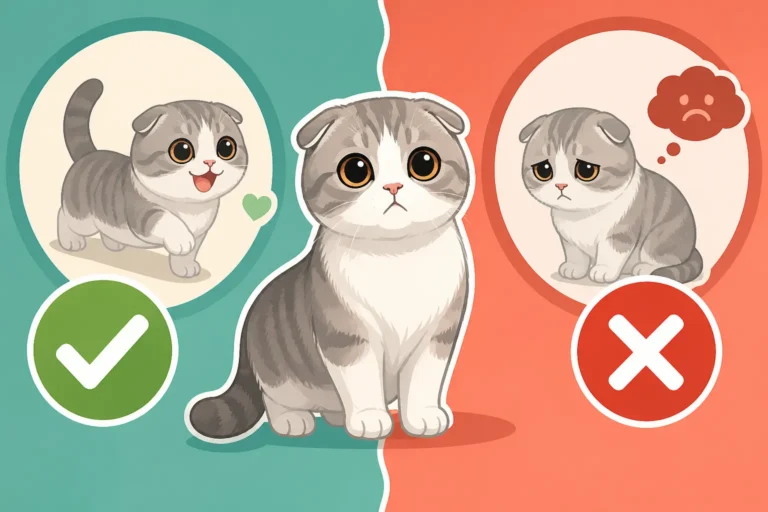
Spotting lordosis in a tiny, energetic Munchkin kitten can feel like looking for a needle in a haystack. They're naturally low to the ground, often scuttling like little ferrets, which can mask subtle spinal issues. However, there are indeed early signs, both visual and behavioral, that attentive owners and breeders can look for. It's not about panicking over every wiggle, but about being informed and observant, especially during those critical first few weeks and months of development.
The biggest challenge is distinguishing between a happy, healthy Munchkin's unique gait and movements, and something that genuinely indicates discomfort or a structural issue. A Munchkin kitten will naturally appear different from a standard-legged kitten, so it's vital to know what 'normal' Munchkin movement looks like before you can identify deviations. Early detection is truly key, as it allows for prompt veterinary assessment and potential intervention, making a huge difference in a kitten's long-term quality of life.
Visual Cues of Spinal Curvature
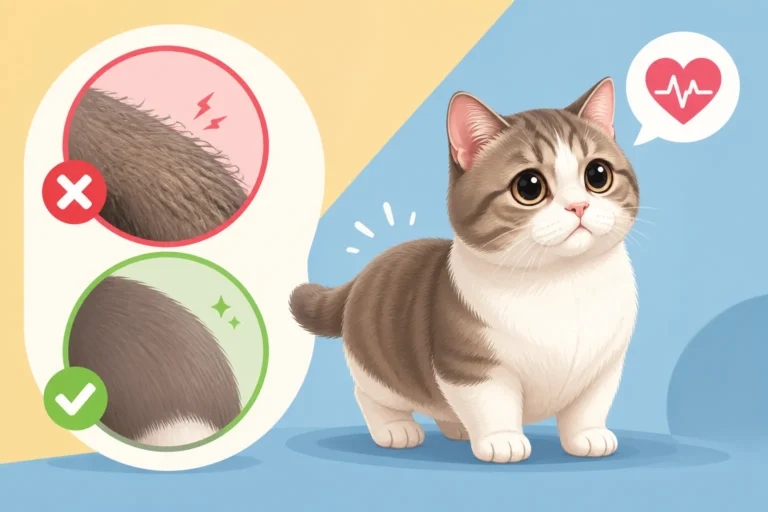
When you’re looking at your Munchkin kitten, try to observe them from various angles. The most obvious visual cue of lordosis is that noticeable inward dip or sway in the middle or lower back, making their abdomen appear to protrude more than it should. Think of it like a hammock rather than a sturdy bridge. This might be faint at first, perhaps only visible when they are standing still and relaxed, or when they stretch out after a nap. As the condition progresses, this sag becomes more pronounced and constant.
Another thing to watch for is how their chest appears. In some cases of severe lordosis, the chest cavity can also be affected, leading to a condition called pectus excavatum, or a "sunken chest." If you gently run your hand over their ribcage, you might feel an indentation. This is why How Early a Munchkin's Chest Should Be Checked is another vital part of a comprehensive kitten exam. Pay attention to how their body line looks when they walk, sit, and especially when they stand or are held with their back unsupported. A healthy Munchkin spine, while lower to the ground, should still appear relatively straight and strong, without a distinct hollow.
Table: Typical Kitten Development vs. Potential Lordosis Signs
| Developmental Stage / Activity | Normal Munchkin Kitten Appearance/Behavior | Potential Lordosis Sign |
|---|---|---|
| Standing Still | Back appears relatively straight, strong. Body low to ground. | Visible inward dip or "swayback" in lumbar region. |
| Walking/Running | Agile, low-to-the-ground ferret-like gait. Runs fast. | Stiff, unnatural gait. Appears to waddle more than move fluidly. Hind legs might struggle to keep up. |
| Sitting | Sits upright, sometimes in "prairie dog" stance. | Appears uncomfortable, might prefer to lie down. Back might sag more significantly when sitting. |
| Jumping/Climbing | Attempts small jumps, uses furniture as steps. | Reluctance to jump even small distances. Difficulty pushing off with hind legs. Pain response when attempting jumps. |
| Handling/Petting | Enjoys petting, especially along the back. | Exhibits discomfort or pain when touched along the spine. Hides from handling. |
| Overall Posture | Alert, active, curious. | Hunched posture when resting, or an overly flattened appearance. |
Behavioral Changes in Movement and Activity
Beyond what you can see, how your Munchkin kitten moves can be a huge indicator. Kittens are naturally bundles of energy, constantly exploring, playing, and attempting to climb (even if they're not always successful!). If your Munchkin kitten is showing reluctance to play, move, or jump, this could be a red flag. They might seem less agile than their littermates, or you might notice them struggling with movements that other kittens handle easily.
Observe their gait. Do they waddle excessively? Do their hind legs seem stiff or unable to fully engage when they walk or run? A Munchkin kitten with developing lordosis might have difficulty coordinating its back legs, or they might seem weaker. You might also notice them spending more time resting or avoiding activities that require much spinal flexibility or exertion. While How Early Lordosis Shows in a Munchkin Kitten can be subtle, these behavioral shifts are often among the first clues that something isn't quite right. Any change in their typical playful, curious demeanor should prompt a closer look and a conversation with your vet.
When to Consult Your Veterinarian About Potential Lordosis
As soon as you notice any of the visual or behavioral cues mentioned above, it's absolutely crucial to schedule an appointment with your veterinarian. Early diagnosis is paramount for lordosis, especially in growing kittens, because it allows for the earliest possible management and support. Don't wait to see if it "gets worse" or if they "grow out of it"—time is of the essence when it comes to skeletal development.
Your vet is your most important partner in your Munchkin's health journey. They have the expertise to properly assess your kitten's spine, distinguish between normal Munchkin characteristics and concerning signs, and recommend the best course of action. It's a situation where a proactive approach can truly make a significant difference in your kitten's future comfort and mobility.
The Initial Vet Examination and What to Expect
When you bring your Munchkin kitten to the vet with concerns about lordosis, the first thing they’ll do is a thorough physical examination. This will involve palpating the spine, gently feeling along its length for any abnormal curves, stiffness, or painful areas. They'll also observe your kitten's gait and movement, asking you about any specific behaviors you've noticed at home. This is where your detailed observations become incredibly helpful, so don't hesitate to share everything you've seen.
The vet will likely also check for other related conditions. For instance, Why a Munchkin Kitten's Spine Should Be Palpated is not just about lordosis; it's also about checking for other spinal abnormalities or related issues like pectus excavatum. During this initial visit, your vet will also discuss your kitten's history, including information from the breeder. If your vet suspects lordosis, they will likely recommend diagnostic imaging, such as X-rays, to get a clear picture of the spinal structure and confirm the diagnosis. This is where having pet insurance like Healthy Paws can truly be a lifesaver, as these diagnostic tests can be an unexpected expense.
Diagnostic Imaging and Confirmed Diagnosis
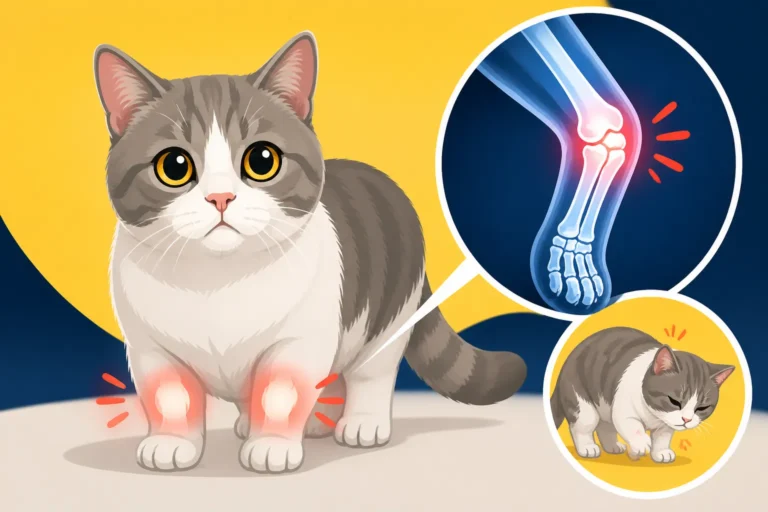
If your vet has concerns after the physical exam, X-rays will be the next step. These images provide a detailed view of the bones in the spine, allowing the vet to accurately measure the degree of curvature and identify any other associated skeletal issues. They can determine How Severe Munchkin Lordosis Can Get by looking at the images. Sometimes, multiple views might be needed, and in some cases, sedation might be required to get the clearest images of a wriggly kitten.
Once lordosis is confirmed, your vet will discuss the findings with you and outline a management plan. This plan will be tailored to the severity of the condition and your kitten's specific needs. It's important to remember that a diagnosis of lordosis isn't necessarily a death sentence, especially when caught early. Many cats with mild to moderate lordosis can live full and happy lives with appropriate care and adjustments to their environment. Your vet will guide you through understanding the prognosis and what daily care will entail.
Managing and Supporting a Munchkin Kitten with Lordosis
A diagnosis of lordosis in your Munchkin kitten can be daunting, but it’s far from the end of the world. With a proper management plan and a dedicated owner, many kittens with this condition can still lead very comfortable and fulfilling lives. The key is understanding that their needs will be a bit different, and you’ll need to make some proactive changes to their environment and routine to support their spinal health. This often involves a multi-faceted approach, combining veterinary recommendations with thoughtful home adjustments.
Your primary goal will be to minimize strain on their spine, keep them at a healthy weight, and ensure they have easy access to everything they need without undue effort. This proactive care can significantly impact their long-term comfort and prevent the condition from worsening unnecessarily. Remember, your vet is your partner in this, so don't hesitate to ask questions and seek their guidance every step of the way.
Environmental Adjustments for Spinal Support
One of the most important things you can do for a Munchkin kitten with lordosis is to adapt their living environment to support their unique needs. This means creating a world that minimizes jumping and climbing from heights that could stress their spine. Think about providing ramps or pet stairs to help them access furniture like sofas, beds, or windowsills. These should have a gentle incline and a non-slip surface to ensure they can use them safely and confidently. You might consider What Ramps for a Munchkin Cost to Buy or even building them yourself.
Their litter box is another crucial area. A high-sided box, or one with a tall lip, can be difficult or even painful for a kitten with lordosis to enter and exit. Opt for a low-entry litter box, ideally one designed for senior cats, which allows them to simply walk in without having to step over a barrier. Similarly, their food and water bowls should be easily accessible at floor level, or slightly raised if that eases strain on their neck and shoulders, but never requiring a significant stretch or jump. Creating this accessible environment early on can prevent a lot of unnecessary strain and discomfort as they grow.
Nutritional and Weight Management Strategies
Maintaining a healthy weight is absolutely critical for a Munchkin kitten with lordosis. Every extra ounce of weight places additional stress on their already compromised spine. Work closely with your vet to establish a precise feeding plan that ensures your kitten receives all the necessary nutrients for growth without becoming overweight. This usually involves carefully measured portions of a high-quality, age-appropriate cat food.
In some cases, your vet might recommend specific joint supplements, such as those containing glucosamine and chondroitin, to support cartilage health, even in a young kitten. While these aren't a cure for lordosis, they can help support overall joint health and potentially mitigate some of the secondary effects of spinal stress. Hydration is also vital, so ensure your kitten always has access to fresh, clean water in an easily reachable bowl. Discussing these options with your vet is key; they can recommend specific brands or formulations suitable for your kitten. If unforeseen health issues arise, having pet insurance like Healthy Paws can alleviate the financial burden of ongoing specialized diets or supplements.
Gentle Exercise and Physical Therapy
Keeping your Munchkin kitten gently active is important for maintaining muscle tone and flexibility, but it needs to be done thoughtfully. Avoid activities that involve high jumps or sudden, jarring movements. Focus instead on floor-level play with wand toys or laser pointers that encourage horizontal movement and stretching without excessive spinal flexion or extension. Short, supervised play sessions are better than intense, prolonged ones.
Your vet might also suggest gentle physical therapy exercises or even hydrotherapy, especially if the lordosis is causing discomfort or affecting mobility. These therapies can help strengthen core muscles that support the spine, improve flexibility, and manage pain. A qualified veterinary physical therapist can teach you specific stretches or exercises you can do at home to help your kitten. Remember, the goal is to keep them mobile and comfortable, not to push them beyond their physical limits. For ongoing treatments and consultations, the support of pet insurance, such as through Healthy Paws, can be invaluable for consistent care.
The Breeder's Role in Preventing and Detecting Lordosis
When you're looking for a Munchkin kitten, a responsible and ethical breeder is your first line of defense against potential health issues like lordosis. Good breeders are passionate about the health and welfare of their cats, and they take proactive steps to minimize the risk of genetic conditions. They understand the nuances of the Munchkin breed, including its predispositions, and they work diligently to produce healthy, well-socialized kittens. This commitment often extends beyond just the initial sale, with breeders offering ongoing support and advice.
It's a common misconception that all Munchkins are equally prone to health problems. While the breed's unique conformation does require careful consideration, responsible breeding practices can significantly reduce the incidence of conditions like lordosis. Knowing what to look for in a breeder and what questions to ask can empower you to make an informed decision when bringing a new kitten into your home.
Screening Parents and Observing Litters
A truly responsible Munchkin breeder will be transparent about the health history of their breeding cats. They should be able to provide documentation of veterinary check-ups for the parents, ensuring they are healthy and free from known hereditary conditions. This includes checks for spinal issues in the breeding cats themselves. They will also be very keen on the overall health of the litter, keeping detailed records of each kitten's development. You should certainly ask What a Munchkin Breeder Should Be Able to Show You regarding health screenings.
More importantly, a dedicated breeder will spend a great deal of time observing their kittens as they grow, looking for any subtle signs of lordosis or other health concerns. They'll watch how the kittens move, play, and interact, noting any stiffness, unusual gait, or reluctance to engage in typical kitten activities. A good breeder will recognize that At What Age Munchkin Lordosis Appears can vary, but that early observation is key. They should be able to discuss the conformation and movement of each kitten in the litter and point out characteristics unique to the breed, distinguishing them from potential health flags.
Transparency and Support from Your Breeder
One of the hallmarks of an ethical breeder is their willingness to be completely open and honest with prospective owners. This means discussing potential health concerns like lordosis, explaining the breed's predispositions, and outlining the steps they take to mitigate risks. They shouldn't shy away from these conversations; instead, they should see it as an opportunity to educate and support future kitten parents.
A responsible breeder will also have a clear return policy or health guarantee in their contract, particularly for genetic conditions that may not be immediately apparent. They should encourage you to take your new kitten to your own vet for a check-up within a few days of bringing it home. If a kitten does develop lordosis, a good breeder will offer support, advice, and potentially even financial assistance or a replacement kitten, depending on the terms of their contract. This level of transparency and ongoing support is invaluable and speaks volumes about their commitment to the welfare of their cats and the satisfaction of their buyers.
Disclaimer
This article is intended for informational purposes only and does not constitute veterinary advice. Always consult with a qualified veterinarian for any health concerns or before making any decisions about your pet's medical care.