How a Breeder Plans a Munchkin Mating
Bringing the magic of Munchkin cats into the world is an incredibly rewarding experience, but it’s also a journey fraught with immense responsibility and a unique set of genetic considerations. For breeders, simply pairing two beautiful cats isn't enough; a deep understanding of Munchkin genetics is absolutely vital to ensure the health and well-being of every single kitten. This comprehensive guide will walk you through the intricate process of how a responsible Munchkin breeder meticulously plans a mating, covering everything from genetic principles to ethical choices and practical steps.
Understanding the Unique Munchkin Gene
Before any mating can even be considered, a breeder must have an ironclad grasp of the genetics at play in the Munchkin breed. This isn't just about pretty kittens; it's about life and health. The short-legged trait that defines a Munchkin is fascinating but also carries a weighty responsibility.
The Autosomal Dominant Trait Explained
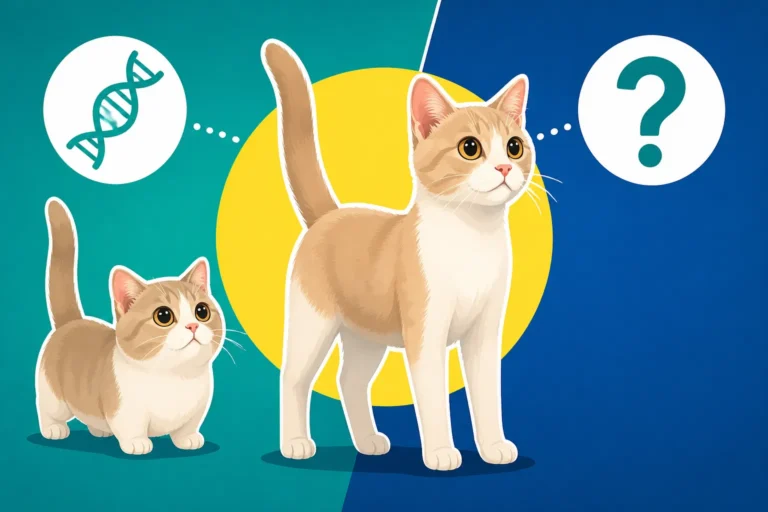
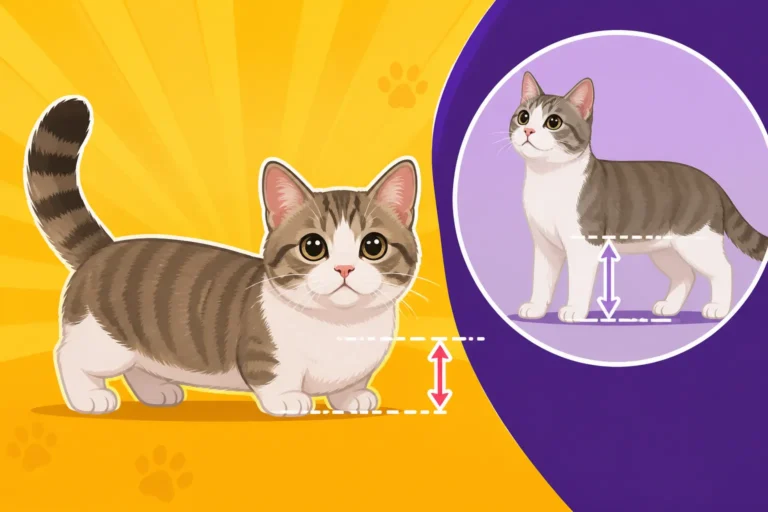
When we talk about the Munchkin's short legs, we're discussing an autosomal dominant genetic mutation. This sounds incredibly scientific, but what it boils down to is quite simple: a cat only needs one copy of the Munchkin gene (let's call it 'M') to display the short-legged trait. If a cat inherits even one 'M' gene from a parent, it will have short legs. A cat with two normal leg genes (let's call them 'm') will have regular-length legs. This is why you'll see a mix of short-legged and long-legged kittens even in a well-planned Munchkin litter. Understanding How Munchkin Dwarfism Is Inherited is the very first step in responsible breeding.
The Lethal Homozygous Gene: Why Two Short Legs Never Mate
Here's where the critical ethical consideration comes into sharp focus: the Munchkin gene is considered lethal in two copies. This means that if a kitten inherits two copies of the Munchkin gene (MM) – one from each parent – it will not survive. These embryos are reabsorbed by the queen early in pregnancy, or the kittens are stillborn. This is why a responsible breeder would never intentionally breed two short-legged Munchkin cats together. The heartbreak and genetic roulette involved are simply not worth it. For more on this, you can learn about What Two Copies of the Munchkin Gene Do and Why Homozygous Munchkin Kittens Are Never Born. It's a fundamental rule that safeguards the welfare of the breed.
Predicting Litter Outcomes: A Genetic Blueprint
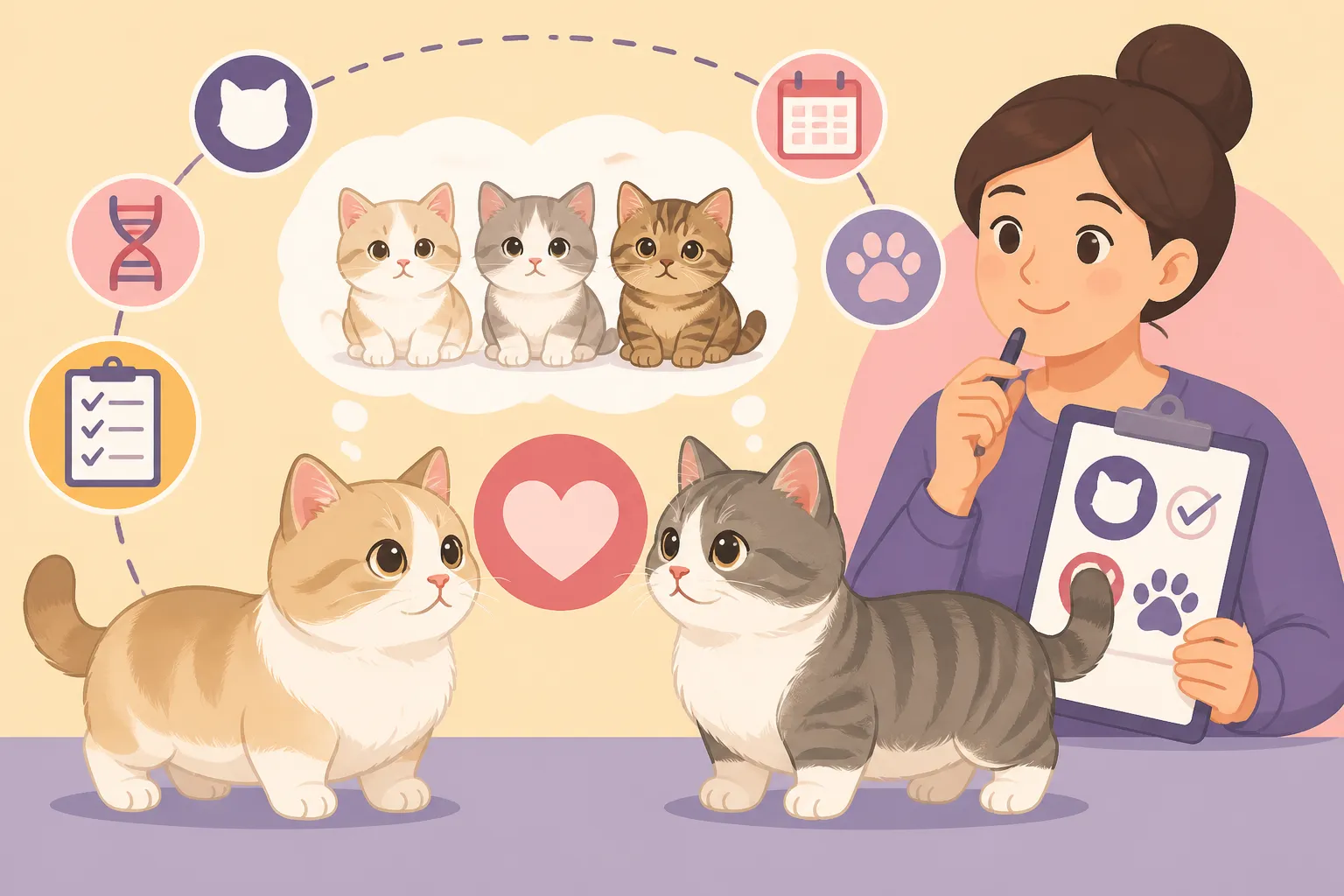
With a short-legged Munchkin cat (Mm) and a normal-legged outcross (mm), the genetic outcome for a litter is beautifully predictable. Using a simple Punnett square, breeders know that, statistically, each kitten has a 50% chance of inheriting the short-legged gene (Mm) and a 50% chance of inheriting two normal-leg genes (mm). This means that, on average, half the litter will have the adorable short legs we associate with Munchkins, and the other half will have legs of normal length. This consistent outcome is why How Many Kittens in a Munchkin Litter Are Short Legged is so often discussed. This predictability allows breeders to plan responsibly and set expectations for potential buyers, understanding that even in the best litters, there will always be kittens with regular legs.
The Ethical Breeder's Foundation: Responsible Outcrossing
Given the unique genetic situation of the Munchkin, ethical breeding practices are centered around responsible outcrossing. This isn't just a suggestion; it's the cornerstone of maintaining the breed's health and genetic diversity.
Why Outcrossing is Paramount for Genetic Health
Outcrossing involves breeding a Munchkin cat with a non-Munchkin, normal-legged domestic cat. The reason this is paramount is twofold: firstly, it ensures that no kitten ever receives two copies of the lethal Munchkin gene, as one parent will always contribute a 'normal' leg gene. Secondly, and just as important, regular outcrossing broadens the gene pool, bringing in new genetic material from healthy domestic cats. This process helps to reduce the incidence of other potential inherited conditions and maintains overall vigor in the breed. It's a vital strategy for long-term breed health and resilience, ensuring that Why Every Munchkin Litter Is a Carrier Cross is understood and embraced.
Approved Outcross Breeds: Keeping the Gene Pool Wide
The Cat Fanciers' Association (TICA), the primary registry for Munchkin cats, has specific guidelines on which breeds are acceptable for outcrossing. Typically, these are healthy domestic cats that do not carry other known genetic mutations that could complicate the Munchkin's unique structure. Common choices include domestic shorthairs and domestic longhairs of various backgrounds, often selected for their robust health and good temperament. The goal is to bring in genetic diversity without introducing new, undesirable traits or health concerns. Understanding Which Domestic Cats Are Used as Munchkin Outcrosses is crucial for responsible breeding. This careful selection ensures the integrity and health of the Munchkin line continues to improve.
Avoiding Double Mutations: The Peril of Hybrid Breeds
One of the most concerning trends for ethical breeders is the creation of "hybrid" or "designer" breeds that combine the Munchkin gene with another genetic mutation. Examples include crossing Munchkins with Scottish Folds (which have a genetic cartilage disorder) or Sphynx cats (which are hairless due to another mutation). These combinations, such as the Scottish Fold Munchkin, are highly controversial and often result in cats with compounded health problems, facing challenges from both mutations. Reputable breeders rigorously avoid these pairings, understanding that What Two Skeletal Mutations Do to One Munchkin is rarely a positive outcome for the animal. Their focus remains on producing healthy, happy cats, not novelties.
Selecting the Right Mating Pair: More Than Just Good Looks
Once the genetic principles are firmly in place, a responsible breeder turns their attention to the specific individuals involved in a mating. This is where careful selection based on health, temperament, and conformation truly comes into play.
Comprehensive Health Screening and Genetic Testing
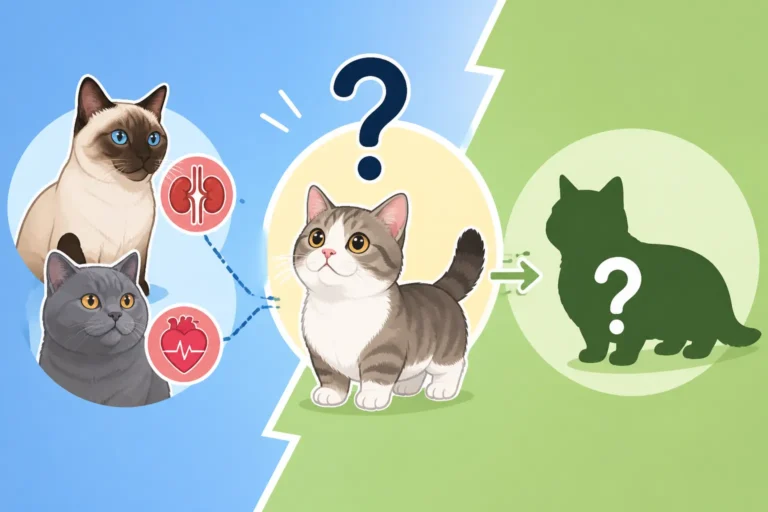
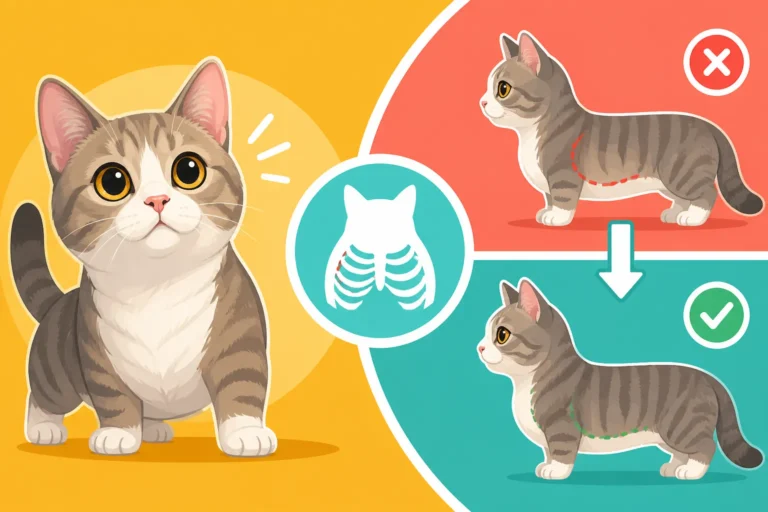
Before a cat is even considered for breeding, it undergoes rigorous health screening. This isn't just a basic vet check-up; it's an extensive examination to rule out any potential genetic or congenital conditions that could be passed on. This includes screening for common feline diseases like FeLV (Feline Leukemia Virus) and FIV (Feline Immunodeficiency Virus), as well as specific breed-related concerns. For Munchkins, this means a thorough evaluation of spinal health to check for conditions like lordosis or pectus excavatum, though these are not breed-specific to Munchkins. An ethical breeder should always be able to provide documentation of these health clearances. This diligent approach is critical to understanding Which Health Problems the Munchkin Actually Has and mitigating them. You might even discuss with your vet the benefits of pet insurance plans, such as those offered by Healthy Paws, to help manage the costs of such extensive diagnostics and potential future care.
Temperament and Conformation: The Whole Package
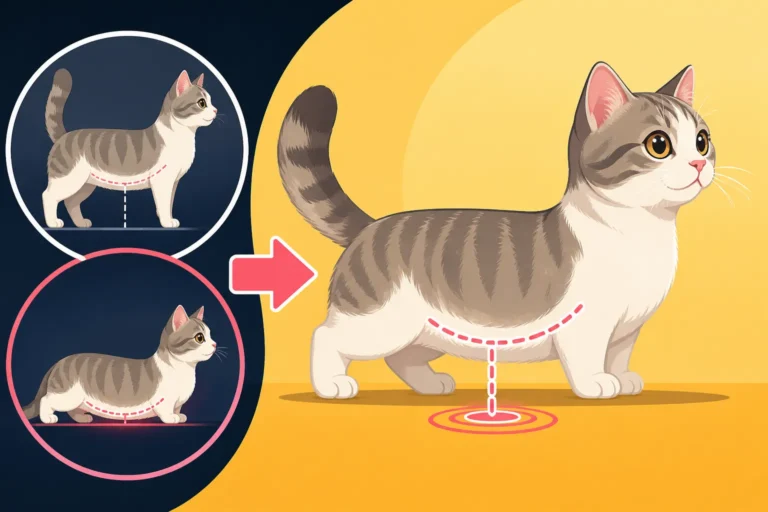
Beyond health, a breeder looks for excellent temperament. A breeding cat should be well-adjusted, friendly, and have a calm disposition, as these traits are often passed down to offspring. Nobody wants a kitten with behavioral issues, no matter how cute its short legs are! Conformation, or the physical structure of the cat, is also carefully assessed against the breed standard. For Munchkins, this means assessing leg length and straightness, ensuring the spine is well-formed, and that the cat moves freely and without discomfort. While How a Vet Assesses a Munchkin's Leg Conformation is key, a breeder also looks at the overall balance and health of the cat. They should be able to show you What a Munchkin Breeder Should Be Able to Show You regarding their cats' health and pedigree.
Timing and Logistics: The Practical Side of Breeding
Once the perfect pair is selected and health clearances are in hand, the practicalities begin. Timing is everything in cat breeding. Queens (female cats) have estrus cycles, and breeding needs to occur at the optimal time for conception. This often involves careful monitoring of the queen's behavior and potentially working with a veterinarian to confirm readiness. The environment for mating must be calm, safe, and stress-free. For a first-time breeder, this part can feel like a delicate dance, but experienced breeders navigate it with grace and patience, ensuring the well-being of both the male and female cat throughout the process.
Post-Mating Care and Expectations: From Conception to Forever Home
The planning doesn't stop once the mating is successful. A responsible breeder’s work continues through pregnancy, birth, and the crucial early weeks of a kitten’s life, ensuring each new life gets the best possible start.
Gestation and Whelping Preparations
After a successful mating, the queen enters a gestation period, typically around 63 to 67 days. During this time, her diet is carefully managed to support her developing kittens, and she receives regular veterinary check-ups. As the due date approaches, the breeder prepares a quiet, comfortable, and safe "whelping box" – a designated birthing area – where the queen can feel secure. All necessary supplies, from clean towels to emergency veterinary contacts, are on standby. This meticulous preparation ensures that when the time comes for the kittens to arrive, everything is in place for a smooth and safe delivery for both mother and babies.
Kitten Evaluation and Early Health Checks
Once the kittens are born, the breeder’s vigilance shifts to their tiny charges. Within hours, each kitten is assessed for health, weight, and general well-being. Over the next few weeks, their development is closely monitored. For Munchkin kittens, leg length is visually apparent quite early on, usually within a few weeks. The breeder carefully observes their gait and ensures no obvious signs of discomfort or mobility issues. Early veterinary checks are crucial, as highlighted in What a Munchkin Kitten's First Exam Should Cover, ensuring that any potential concerns are identified and addressed immediately. The care provided by the breeder during these formative weeks sets the foundation for a healthy life. It’s also during this time that the breeder starts to think about future vet costs and encourages prospective owners to explore pet insurance options, like those from Healthy Paws, early on.
The Future of the Litter: Short-Legged and Long-Legged Kittens
As mentioned earlier, a Munchkin litter will typically comprise both short-legged and normal-legged kittens. Responsible breeders understand that both types are valuable and cherished. The short-legged kittens will inherit the classic Munchkin look, while the long-legged kittens, though genetically Munchkins, will resemble domestic shorthairs or longhairs. Both are equally loving companions, and the long-legged kittens often find wonderful homes as pets. A breeder will transparently explain What Happens to the Long Legged Munchkin Kittens, ensuring prospective owners understand the genetic nuances and the value of every kitten in the litter. Their placement in loving, appropriate homes is the ultimate goal.
In conclusion, planning a Munchkin mating is far from a casual endeavor. It requires extensive knowledge of genetics, a deep commitment to ethical practices, thorough health screening, and meticulous care throughout the entire process. A responsible breeder approaches each mating with the utmost dedication, prioritizing the health, well-being, and future happiness of every cat and kitten.
Disclaimer
Please remember that the information provided in this guide is for educational purposes only and should not replace professional veterinary advice. Always consult with a qualified veterinarian for any health concerns or before making any decisions related to your pet's care or breeding program.