What Lordosis Actually Is in a Munchkin
It's incredibly disheartening when you bring home a sweet Munchkin cat, drawn in by their unique charm, only to start noticing something might be amiss with their posture or movement. A common worry many Munchkin parents face is the specter of spinal issues, particularly a condition known as lordosis. This guide aims to demystify what lordosis actually is in a Munchkin, how it affects them, and what you can do to ensure your cherished companion lives as comfortably and happily as possible.
Understanding Lordosis: More Than Just a "Swayback"
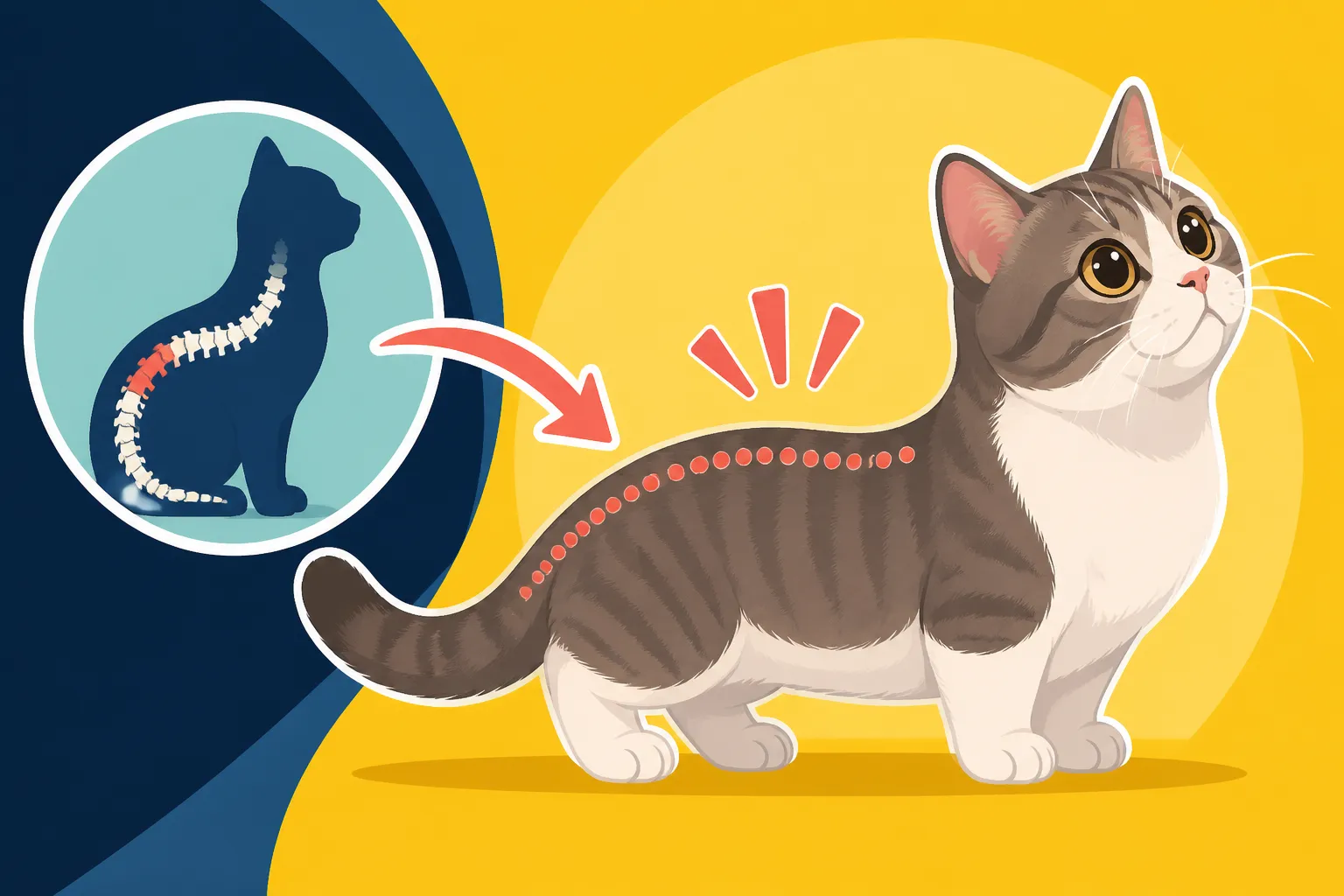
When you hear the term "lordosis," it might conjure images of an exaggerated curve in the lower back, often described as a "swayback." While that's visually accurate, especially in a Munchkin, it's crucial to understand that it's not just a benign posture. It's a structural issue with significant implications for their overall health and comfort. For Munchkin cats, lordosis refers to an excessive inward curvature of the spine, usually in the lumbar (lower back) region, causing the spine to dip downwards. This isn't just about how they look; it's about how their internal organs are supported and how their bodies function day-to-day.
What Lordosis Looks Like in a Munchkin
Imagine your Munchkin standing, and instead of a relatively straight back from shoulders to tail, you see their mid-back visibly dipping down towards the floor. That pronounced concave curve is the hallmark of lordosis. When viewed from the side, a healthy cat's spine typically has a gentle, almost flat, profile or a slight upward curve in the lumbar region. With lordosis, this natural curvature is greatly exaggerated, making the abdomen appear more prominent and potentially causing the chest to sit lower to the ground.
This visual difference can be quite striking, especially when you compare a Munchkin with lordosis to a long-legged cat or even a healthy Munchkin. The cat might appear to walk with its belly almost scraping the floor, and you might notice their hindquarters seem to sit lower than their shoulders. It can sometimes be subtle in mild cases, just a slight dip that you might initially dismiss as just "how they're built." However, it becomes much more obvious in moderate to severe cases, where the spine forms a deep C-shape. This constant dip means that the back muscles are always working harder to compensate, leading to potential strain and discomfort over time. It’s a direct consequence of how their unique genetics affect their skeletal structure, specifically how their spine carries its load, which is very different from a normal cat's. For a deeper understanding of this, you might want to read about Why a Munchkin's Spine Carries a Load a Normal Cat's Does Not.
The Underlying Cause: Connective Tissue Weakness
The root cause of lordosis in Munchkin cats isn't just a simple bone misalignment; it's intricately linked to the very genetic mutation that gives them their short legs. The Munchkin gene, which causes achondroplasia (dwarfism), primarily affects the long bones of the limbs. However, it also appears to influence connective tissues throughout the body, including those that support the spine. This means that the ligaments, tendons, and even muscles that would typically provide robust support to the vertebral column can be weaker or less developed in affected Munchkins.
Think of the spine as a bridge. In a typical cat, the supporting cables (ligaments and muscles) are strong and taut, holding the bridge in a sturdy position. In a Munchkin prone to lordosis, these "cables" might be somewhat lax or simply not strong enough to counteract the forces acting on the spine. This, coupled with the normal body length and weight being carried by shorter, often less stable, legs, creates a predisposition for the spine to sag. While the Munchkin's body itself is of normal length, the short legs mean the spine is closer to the ground, putting different stresses on it. This fundamental difference in skeletal structure and connective tissue integrity is why lordosis is a recognized concern within the breed. It’s not an isolated issue but rather part of the broader impact of their unique genetic makeup on their skeletal system, similar to how What Pseudoachondroplasia Does to a Munchkin's Legs explains the limb development.
Diagnosing and Grading Lordosis in Munchkin Cats
Catching lordosis early and understanding its severity is absolutely vital for managing a Munchkin’s long-term health and comfort. This isn't a condition that will just "get better" on its own; it requires careful monitoring and often proactive management. A thorough veterinary examination, especially for a Munchkin, should always include a close look at spinal health.
Early Detection in Kittens
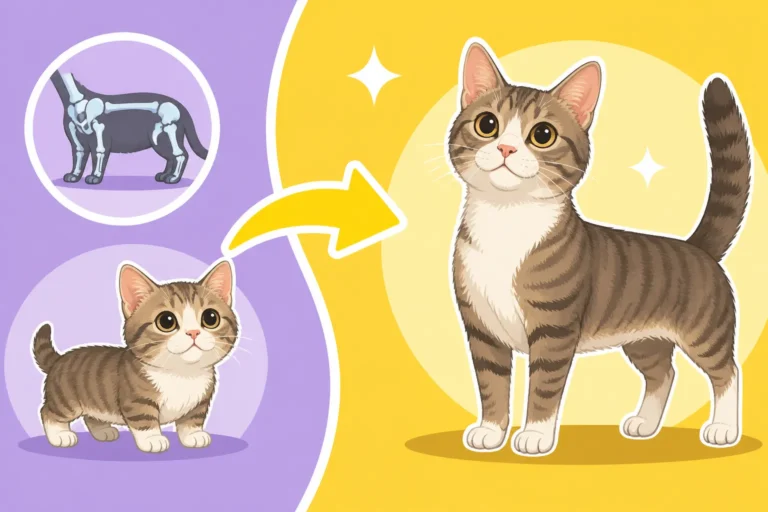
It can be incredibly challenging, and frankly, heartbreaking, for new Munchkin owners to grasp that a tiny, adorable kitten might already be developing a spinal issue. Yet, lordosis often begins to manifest in kittens, even before they reach full maturity. A responsible breeder should be acutely aware of this and have their kittens checked by a vet with experience in the breed. During these early vet checks, the veterinarian will gently palpate the kitten's spine, feeling for any unusual dips or curves that suggest the onset of lordosis.
Observing a kitten's gait and posture is also key. While all Munchkin kittens have their characteristic short legs, a kitten developing lordosis might show a more pronounced dip in the back or walk with a slightly more wobbly or strained appearance than its littermates. Early signs of lordosis can be subtle, sometimes appearing as early as 6-8 weeks of age, though they can develop later. This is why it’s so important to ask breeders specific questions about their health checks. If you're wondering about the timeline, the article on How Early Lordosis Shows in a Munchkin Kitten offers more detailed information. Any kitten showing signs should ideally not be sold for breeding, and reputable breeders are transparent about these potential issues.
Veterinary Assessment and Grading
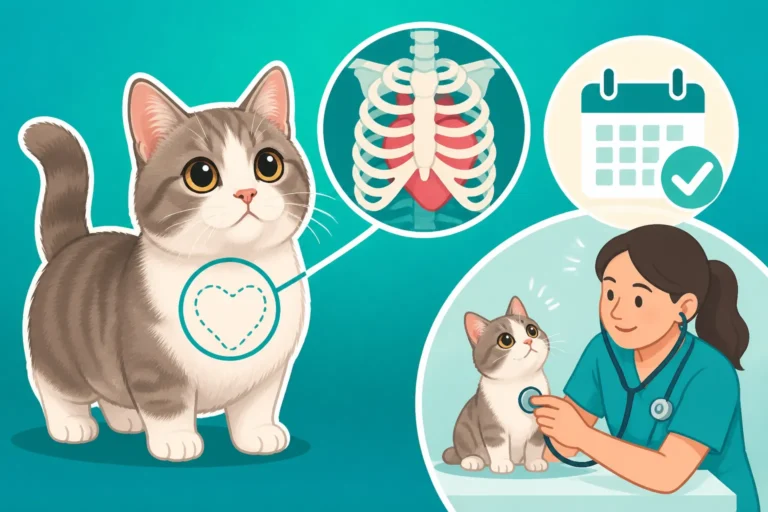
Once lordosis is suspected, a veterinarian will typically move beyond a visual and manual examination to get a more definitive diagnosis and understand the severity. This usually involves imaging techniques. X-rays are the most common tool, providing a clear picture of the spinal column and allowing the vet to measure the degree of curvature. In some cases, especially if neurological symptoms are present or if a more detailed assessment of soft tissues is needed, an MRI (Magnetic Resonance Imaging) might be recommended.
Vets grade lordosis based on the severity of the spinal curvature and its impact on internal organs. While there's no single universally adopted grading system across all veterinary practices, it generally falls into categories like:
- Mild Lordosis: A noticeable but not extreme dip in the spine. The cat might show no overt symptoms or only minor discomfort. Organ compression is unlikely at this stage.
- Moderate Lordosis: A more pronounced curvature. The cat might exhibit some signs of discomfort, reduced agility, or subtle changes in organ function due to mild compression.
- Severe Lordosis: A very significant, deep curvature. This often leads to visible difficulty in movement, pain, and potentially serious compression of internal organs, impacting respiration, digestion, and even nerve function.
The grading helps determine the appropriate management plan, from environmental adjustments to potential medical interventions. Understanding this assessment is crucial for long-term care planning and to set realistic expectations for your Munchkin's health journey.
The Real-World Impact of Lordosis on a Munchkin's Life
When a cat has lordosis, it's not just an anatomical quirk; it directly influences their quality of life. The extent of this impact varies greatly depending on the severity of the condition, from barely noticeable limitations to significant daily struggles. As a cat parent, understanding these implications helps you provide the best possible care and adaptations for your furry friend.
Mild vs. Severe Cases and Quality of Life
In cases of mild lordosis, a Munchkin might seem to lead a perfectly normal life for many years. You might observe a slight dip in their back, but they can still run, play, and interact without obvious pain. Their body might compensate by adjusting their gait or relying more on their powerful hind legs for propulsion. However, even mild lordosis places additional strain on the spinal column and surrounding musculature. Over time, this chronic strain can predispose them to early-onset arthritis in the affected areas or lead to subtle stiffness as they age. Owners might not even realize there's an issue until later in life when mobility naturally declines, and the underlying lordosis exacerbates age-related joint problems. It's often debated Whether a Munchkin With Lordosis Can Live Normally, and the answer largely depends on the severity.
With severe lordosis, the impact is far more profound and immediate. The extreme curvature can cause significant discomfort and pain, making even simple movements like walking, jumping (what little jumping they can do), or using the litter box difficult. Their agility is greatly reduced, and they may be hesitant to engage in play. The quality of life can be severely compromised, not just by pain but also by the secondary effects of organ compression. These cats require constant attention to pain management, environmental modifications, and often a very close relationship with their veterinarian. They become much more reliant on their human companions for basic needs and comfort.
Potential Complications and Long-Term Health
The most concerning long-term complication of severe lordosis is the potential for internal organ compression. When the spine dips excessively, the limited space within the abdominal and chest cavities can be compromised. This can lead to:
- Respiratory Issues: The chest cavity might be restricted, making it harder for the lungs to fully expand, leading to labored breathing or reduced stamina.
- Digestive Problems: The abdominal organs, such as the stomach and intestines, can be compressed, potentially affecting digestion, leading to issues like constipation or discomfort after eating.
- Urinary Tract Issues: In rare severe cases, bladder function can be affected, although this is less common than digestive or respiratory impacts.
- Chronic Pain and Arthritis: Regardless of organ compression, the abnormal spinal curvature and the compensatory strain on muscles and joints almost inevitably lead to chronic pain and the early development of osteoarthritis. This can affect not just the spine but also the hips, shoulders, and elbows as the cat tries to redistribute weight and movement. This concern about joint health ties into questions like Whether a Munchkin Gets Arthritis Earlier.
- Neurological Problems: In extremely severe cases, nerve impingement can occur, leading to weakness, numbness, or even paralysis in the hindquarters, though this is rare.
These complications highlight why diligent monitoring and proactive management are crucial. Understanding Why Severe Lordosis Compresses a Munchkin's Organs helps underscore the seriousness of this condition for a Munchkin's overall well-being. Regular vet check-ups, even for seemingly mild cases, are essential to catch any progression or new symptoms early.
Managing Lordosis and Supporting Your Munchkin
Living with a Munchkin cat that has lordosis means becoming their advocate and adapting their world to meet their needs. It's about proactive care, thoughtful environmental adjustments, and a strong partnership with your veterinarian. This commitment ensures your special cat can enjoy the best possible quality of life despite their unique challenges.
Environmental Adaptations and Support
One of the most impactful ways to support a Munchkin with lordosis is to make their home environment as accessible and safe as possible. Their short legs already limit their jumping ability, but lordosis can further reduce their mobility and make high-impact movements even more detrimental.
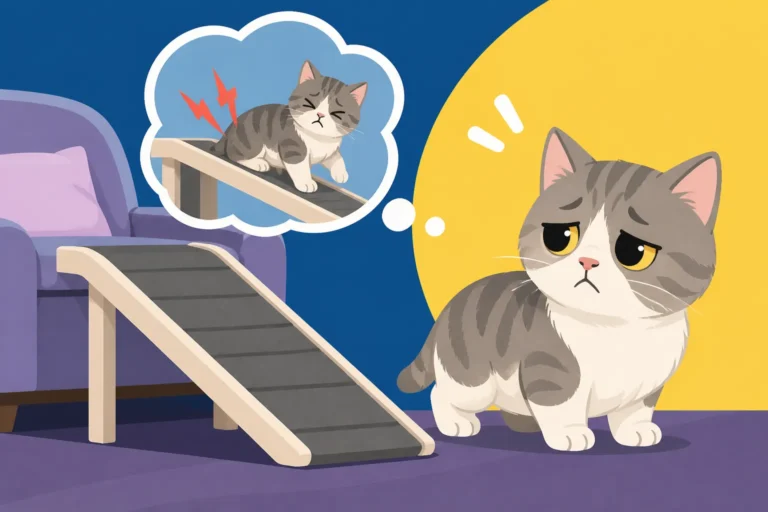
- Ramps and Steps: These are not luxuries; they are essential equipment. Every favorite spot – the sofa, the bed, a preferred window perch – should be accessible via a gentle ramp or sturdy pet steps. This eliminates the need for any strenuous jumping or awkward landings that could further strain their spine. Think about the strain on their back when they jump down, even from a small height. Providing ramps allows them to move around fluidly and safely. For more guidance on this, check out Ramps and Steps Are Munchkin Equipment, Not Luxuries.
- Low-Entry Litter Boxes: A traditional litter box with high sides can be a painful obstacle. Opt for litter boxes with very low entry points, or consider modifying existing ones. This prevents your cat from having to awkwardly climb in and out, twisting their spine in the process.
- Raised Food and Water Bowls: Bending down excessively to eat and drink can put additional strain on a Munchkin’s neck and spine. Raised bowls allow them to maintain a more natural, comfortable posture while feeding.
- Soft Bedding and Resting Spots: Ensure they have plenty of soft, comfortable places to rest at floor level. These spots should be easily accessible without any jumping. Consider orthopedic beds to provide extra support for their joints and spine.
- Non-Slip Surfaces: Munchkins already benefit from good traction, and a cat with lordosis even more so. Rugs, carpet runners, and non-slip mats can help them move confidently around the house without slipping, which could lead to falls and injury.
Making these adjustments transforms your home into a haven for your Munchkin, allowing them to navigate their world with greater ease and less pain. It's a key part of understanding What Keeping a Munchkin's House Adapted Costs Yearly, but the benefits to their comfort are priceless.
Veterinary Care and Pain Management
A close relationship with your veterinarian is non-negotiable for a Munchkin with lordosis. Regular check-ups are crucial to monitor the progression of the condition, assess pain levels, and adjust treatment plans as needed.
- Pain Relief Medications: Your vet may prescribe NSAIDs (Non-Steroidal Anti-Inflammatory Drugs) to manage pain and inflammation, especially during flare-ups or if arthritis is developing. Always follow your vet’s instructions carefully, as feline physiology is sensitive to many human medications.
- Joint Supplements: Supplements containing glucosamine, chondroitin, and omega-3 fatty acids can help support joint health, reduce inflammation, and potentially slow the progression of arthritis. Brands like Cosequin or Dasuquin are often recommended, but your vet can advise on the best product and dosage.
- Physical Therapy/Rehabilitation: Gentle physical therapy, including exercises to strengthen core muscles, stretching, or even hydrotherapy, can be incredibly beneficial. A certified veterinary rehabilitation specialist can tailor a program for your Munchkin.
- Acupuncture: Some owners find acupuncture to be a helpful complementary therapy for pain management and improving mobility in cats with chronic conditions.
- Regular Assessments: Your vet will routinely assess your Munchkin’s gait, posture, and spinal flexibility. They might recommend periodic X-rays to monitor changes in spinal curvature. Discussing pet insurance options like Healthy Paws can be valuable early on, as it could help cover the costs of these ongoing treatments and therapies for conditions like lordosis, providing peace of mind. It’s important to understand What Pain Relief a Stiff Munchkin Can Take and explore all options with your vet.
It's wise to consider pet insurance from the moment you get your Munchkin, as many policies, including those from providers like Healthy Paws, cover unexpected illnesses and injuries. However, pre-existing conditions like lordosis, if diagnosed before coverage begins, typically won't be covered, so early enrollment is key.
The Role of Weight Management and Nutrition
For any cat, maintaining a healthy weight is important, but for a Munchkin with lordosis, it is absolutely critical. Every extra gram of weight puts additional stress on an already compromised spine and joints.
- Strict Calorie Control: Munchkins naturally burn fewer calories than their long-legged counterparts because they expend less energy on jumping and climbing. A cat with lordosis may be even less active, further reducing their caloric needs. Work with your vet to determine an appropriate daily caloric intake based on your cat's ideal body condition score.
- High-Quality, Joint-Supportive Diet: Choose a high-quality cat food rich in animal protein and balanced with essential nutrients. Some veterinary diets are specifically formulated to support joint health, often containing higher levels of omega-3s and other beneficial compounds.
- Regular Weigh-ins: Weigh your Munchkin regularly at home, ideally weekly, to catch any weight fluctuations early. Small changes can have a big impact on their comfort.
- Appropriate Exercise: While strenuous activity should be avoided, gentle, controlled play sessions at floor level are essential for maintaining muscle tone and preventing stiffness without stressing the spine. Use wand toys and laser pointers to encourage movement without jumping.
- Treats in Moderation: Treats are wonderful for bonding, but they must be factored into your cat's daily calorie allowance. Opt for healthy, low-calorie options or use a portion of their regular kibble as treats.
The impact of even a little extra weight on a Munchkin's small frame and already stressed spine cannot be overstated. This is why Why Weight Is More Dangerous on a Munchkin is such an important topic to understand. Proactive weight management is arguably the single most important long-term strategy for mitigating the effects of lordosis. Don't hesitate to discuss nutrition and weight with your vet; they can provide tailored advice and help you create a sustainable plan. Pet insurance plans like those from Healthy Paws also often emphasize preventative care, which can indirectly support weight management advice from your vet.
| Feature | Mild Lordosis (Munchkin) | Severe Lordosis (Munchkin) |
|---|---|---|
| Spinal Curve | Noticeable but not extreme dip in lumbar spine. | Very pronounced, deep C-shape curvature. |
| Symptoms | May be asymptomatic, subtle stiffness, or minor discomfort. | Overt pain, difficulty moving, reduced agility, labored breathing. |
| Impact on Life | Minimal daily impact, but increased risk of early arthritis. | Significant reduction in quality of life, constant discomfort. |
| Organ Impact | Unlikely to cause significant organ compression. | High likelihood of abdominal and/or chest organ compression. |
| Diagnosis | Visual inspection, gentle palpation, confirmed by X-ray. | Visual inspection, palpation, definitively diagnosed via X-ray/MRI. |
| Management | Environmental adaptations, joint supplements, weight control. | Aggressive pain management, extensive environmental adaptations, vet rehab, ongoing monitoring. |
| Vet Visits | Annual check-ups, potentially more frequent as they age. | Frequent vet visits, potentially specialists, throughout their life. |
Living Happily with a Munchkin with Lordosis
While the diagnosis of lordosis in your beloved Munchkin can feel daunting, it’s not a death sentence. It’s a call to action, an opportunity to demonstrate your profound love and commitment to their well-being. By understanding the condition, working closely with your veterinarian, and making thoughtful adjustments to their environment and lifestyle, you can help your Munchkin live a full, happy, and comfortable life. They may have a unique challenge, but with your dedication, they can thrive as the sweet, playful companions they truly are.
Disclaimer
This article is intended for informational purposes only and does not constitute veterinary advice. Always consult with a qualified veterinarian for any health concerns or before making any decisions about your pet's medical care.