Whether a Munchkin With Mild Lordosis Should Be Bred
It’s a tough spot when you love your Munchkin cat, and you’re perhaps considering breeding, but then you get the news: a diagnosis of mild lordosis. This kind of situation brings up a lot of questions and can leave you feeling conflicted, caught between the desire to pass on beloved traits and the very real ethical responsibility to ensure the health and well-being of future generations. This guide is here to help you navigate that complex decision, providing a deep dive into what lordosis means for a Munchkin, the genetic implications, and the broader ethical considerations around breeding a cat with this condition.
Understanding Lordosis in Munchkin Cats
When we talk about lordosis, we're referring to an abnormal, excessive inward curvature of the spine, usually in the lumbar (lower back) region. While all cats have a natural curve to their spine, lordosis is when this curve becomes exaggerated, almost dipping inward towards the belly. In Munchkin cats, this condition carries particular weight due to their unique physical structure.
What Lordosis Actually Is and How It Presents
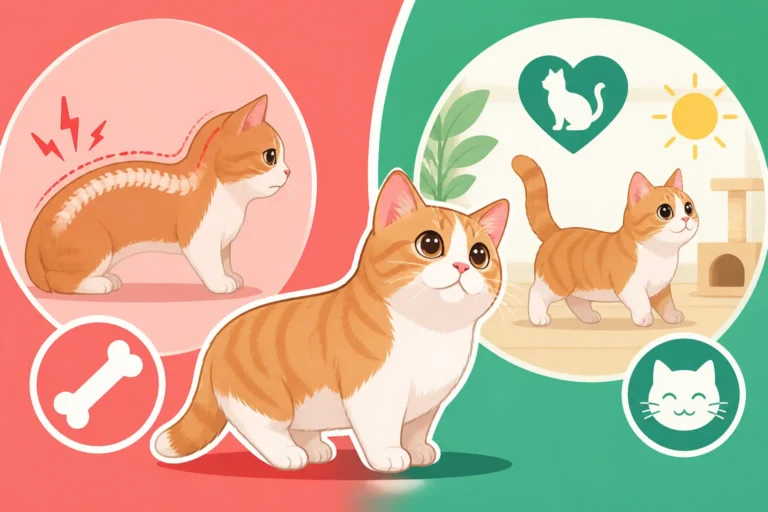
Imagine your cat's spine, normally a graceful, flexible arch. With lordosis, this arch dips inward more sharply than it should. In its mild form, lordosis might not be immediately obvious, which is part of the challenge. You might notice subtle changes in your cat's posture—perhaps they stand with their hindquarters slightly tucked or their belly appears to sag a bit more than usual. Their gait, or how they walk, might seem a little different, maybe a bit stiff or less fluid, especially after periods of rest. They might also show a reduced range of motion or flexibility when stretching or grooming themselves.
The presence of lordosis in Munchkins is a significant concern because their characteristic short legs mean their spine already carries a load a normal cat's does not. This is due to the inherent disproportion of their body, where a standard-length spine is supported by significantly shorter limbs. This architectural difference can exacerbate any spinal issue, making even mild lordosis a point of careful consideration. The unique stresses on their vertebral column mean that conditions like lordosis can have a more profound impact than they might in a long-legged cat. While lordosis isn't exclusively a Munchkin problem, its potential prevalence and impact within the breed are definitely something to pay close attention to.
Diagnosing Mild Lordosis in Kittens and Adults
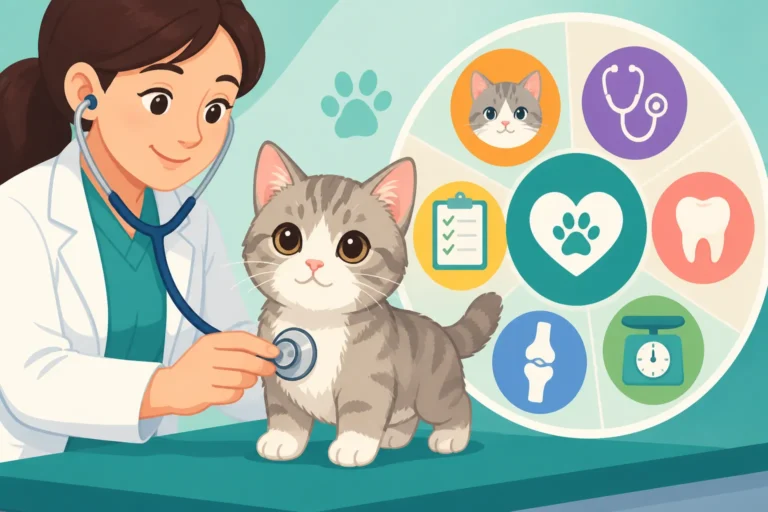
Catching lordosis early, especially when it’s still mild, is absolutely critical. But let’s be real, it’s not always easy. A very mild case might not present with overt signs of pain or discomfort, making it easy to miss during routine checks. That’s why a thorough veterinary examination is paramount. Your vet will conduct a detailed physical assessment, gently palpating the spine to feel for any abnormal curvature or tenderness. They’ll observe your Munchkin's movement, watching for any stiffness, awkwardness, or unusual posture, paying close attention to their gait. The age at which At What Age Munchkin Lordosis Appears can vary, sometimes showing up in kittens, other times developing later in life.
For a definitive diagnosis and to properly grade the severity of the lordosis (from mild to severe), X-rays are usually necessary. These images provide a clear picture of the spinal column, allowing the vet to measure the degree of curvature and identify any other structural anomalies. It's a key tool, especially since mild cases can be so subtle to the eye. For breeders, this early and precise diagnostic step is vital. A responsible breeder will have their kittens thoroughly checked, and often imaged, to ensure they are not inadvertently passing on predispositions to spinal problems. This careful assessment of spinal health is just as important as evaluating a Munchkin's leg conformation.
The Ethical and Genetic Implications of Breeding
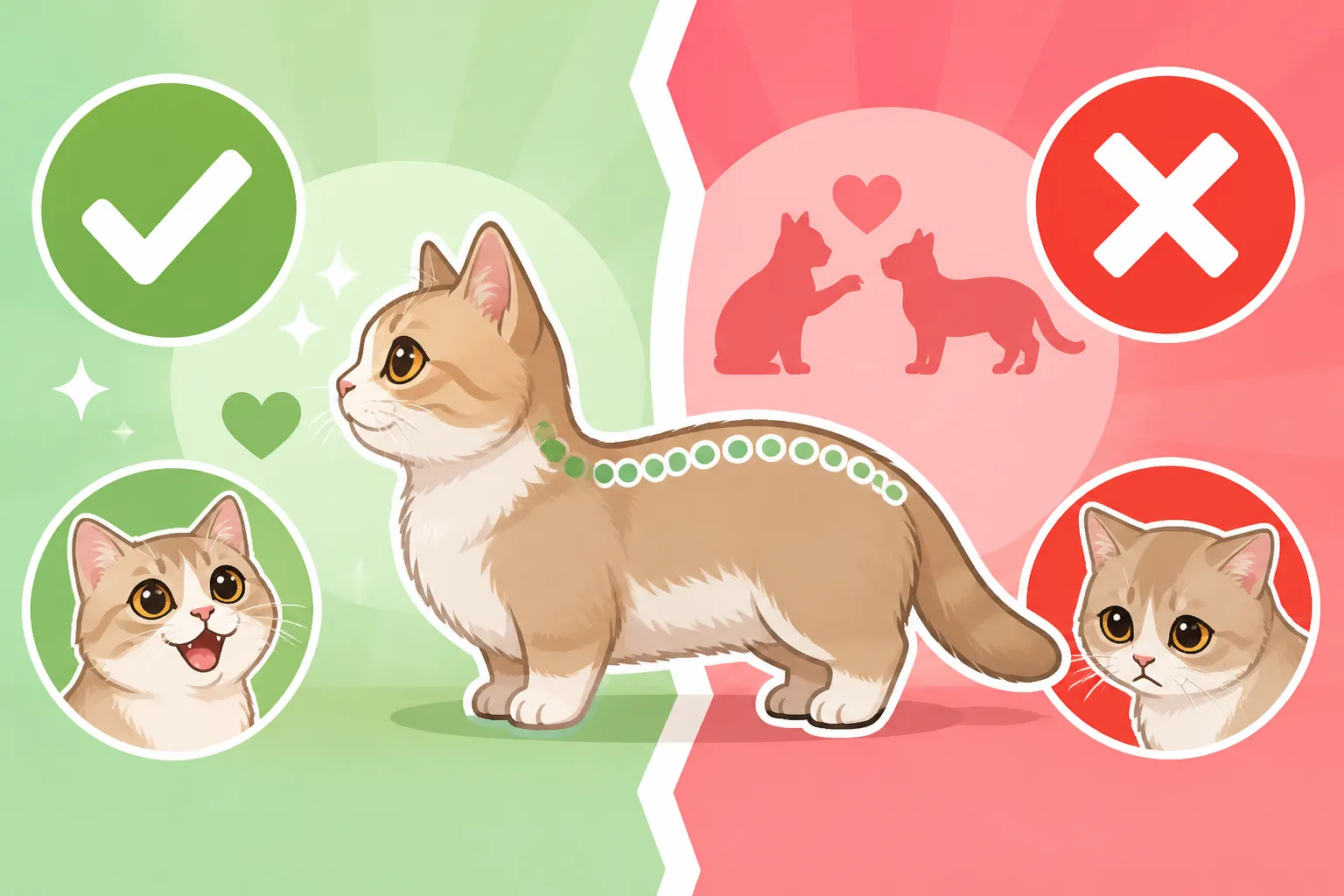
Deciding whether to breed a Munchkin with mild lordosis isn't just a simple health question; it delves deep into ethical and genetic responsibilities that every breeder must confront. It's about weighing the potential risks to future generations against the desire to contribute to the breed.
The Hereditary Component of Lordosis
While the precise genetic markers for lordosis in Munchkins are still undergoing research, there's a strong and growing consensus among veterinary professionals and experienced breeders that genetics play a significant role. It's not a condition that arises purely by chance; a predisposition can certainly be inherited. If a cat has lordosis, even a mild form, it suggests that there are genetic factors at play that made them susceptible. Breeding such an animal, even one that appears minimally affected, risks passing those genetic predispositions on to their offspring. This isn't just about passing on the adorable short-leg gene that defines the breed—a gene that, as we know from Munchkin Dwarfism Is Dominant and Lethal in Two Copies, comes with its own complex inheritance pattern. It’s about potentially stacking additional, undesirable genetic vulnerabilities within the line.
The general rule of thumb in responsible animal breeding is to avoid perpetuating conditions that could compromise an animal's health or quality of life. Even a mild case, if genetically linked, means you are knowingly introducing or reinforcing a health risk into the gene pool. It’s a gamble with the health of future kittens, and that’s a heavy responsibility to carry.
Balancing Breed Preservation with Animal Welfare
This is where the rubber meets the road for many breeders. On one side, there's the passion for the Munchkin breed, the unique characteristics, and the joy these cats bring. On the other side is the profound moral obligation to the animals themselves and to the families who will welcome these kittens into their homes. Some might argue that if the lordosis is truly mild, it doesn't significantly impair the cat's life, and therefore breeding might be acceptable to preserve certain lines or traits. However, this perspective often overlooks the potential for progression and the cumulative impact of such conditions.
Even mild lordosis can, over time, become more pronounced, especially with factors like weight gain or natural aging. The unique biomechanics of a Munchkin's body mean their spine is already under different stress than a long-legged cat. Adding any degree of structural compromise, however small, increases that risk. Responsible breeding, at its heart, is about prioritizing the health and welfare of the animals above all else. This means making tough decisions that sometimes mean a specific cat, however lovely, should not be part of a breeding program. This sentiment aligns with what many What Welfare Bodies Say About the Munchkin in a broader context of the breed's ethical considerations. Organizations like The International Cat Association (TICA) recognize the breed, but this doesn't diminish the need for individual breeders to uphold the highest standards of health.
Assessing Risk and Making Responsible Decisions
When faced with a Munchkin exhibiting even mild lordosis, a breeder’s decision becomes a critical juncture that impacts not just one cat, but potentially an entire lineage. It requires a thoughtful assessment of risk and a commitment to responsible practice.
Evaluating the Severity and Potential for Progression
A diagnosis of "mild" lordosis isn't a static sentence; it's a snapshot in time. What's mild today could potentially progress, especially as the cat ages or if other factors come into play. Factors like an owner's diligence in maintaining ideal weight, providing appropriate environmental modifications (like ramps instead of jumps), and managing activity levels can influence the progression. However, these are management strategies, not cures for an underlying structural issue. The question for a breeder is: are you willing to take the risk that "mild" might become "moderate" or "severe" in the offspring, leading to pain and reduced quality of life? We know that How Severe Munchkin Lordosis Can Get can vary greatly, and even mild cases could be a precursor to more significant issues down the line.
The potential for complications, while perhaps less immediate with mild lordosis, should not be ignored. Severe lordosis can lead to nerve compression, organ displacement, and chronic pain, significantly impacting a cat’s mobility and comfort. While these are extreme outcomes, the underlying predisposition to an abnormal spinal curve is present even in mild cases. A truly responsible breeding decision must consider these possibilities and err on the side of caution to prevent unnecessary suffering in future kittens.
The Consensus Among Veterinary Professionals and Registries
While there isn't always a hard-and-fast rule explicitly banning the breeding of cats with mild lordosis, the overwhelming consensus among veterinary professionals leans strongly against it. Veterinarians are trained to prioritize animal welfare, and breeding an animal with a known congenital spinal issue, however minor, introduces a preventable risk. They will almost universally advise against breeding any animal with a condition that has a suspected or known hereditary component and could lead to health problems.
Major cat registries like TICA, which does recognize the Munchkin breed, uphold standards that aim for healthy, robust animals. While specific breeding guidelines for lordosis might not be as explicit as, say, genetic testing for PKD in Persians, the spirit of their rules promotes breeding for health. It's worth remembering that other prominent registries, such as the Cat Fanciers' Association (CFA), actively refuse to register the Munchkin at all, citing concerns over potential health issues linked to the breed's unique conformation, including spinal problems. This stance by Why CFA Will Not Register a Munchkin underscores the broader skepticism within the cat fancy regarding breeding for dwarfism and its associated health risks. A breeder's code of ethics should ideally go above and beyond minimum registry requirements, reflecting a deep commitment to the animals' welfare.
The Impact on Offspring and the Future of the Breed
The decision to breed a Munchkin with mild lordosis has ripple effects that extend far beyond the immediate pairing. If the condition is indeed hereditary, then every kitten produced has an increased chance of inheriting that predisposition. This isn't just about creating more Munchkins; it's about shaping the genetic health of the breed for years to come. The ultimate goal of ethical breeding is to produce cats that are healthy, live long, fulfilling lives, and bring joy to their families. Breeding an animal with a known structural vulnerability, even a mild one, runs counter to this objective.
Think about the long-term implications. Owners might face increased veterinary costs, emotional distress, and the burden of managing a cat with chronic pain or mobility issues. A good pet insurance plan, such as one from Healthy Paws, can certainly help alleviate some of the financial stress for owners dealing with unexpected or chronic health conditions. However, prevention through responsible breeding is always the first and best line of defense. By choosing not to breed a cat with mild lordosis, a breeder makes a powerful statement about their commitment to the health of the breed, helping to ensure that future Munchkins live up to their potential for a happy and relatively healthy life, which directly influences How Many Years a Well Bred Munchkin Lives. It’s about preserving the quality of the breed, not just its existence.
Providing Optimal Care for a Munchkin with Lordosis
Whether a Munchkin with lordosis is part of a breeding program or not (and generally, the advice is not), providing them with an optimal living environment and proactive health management is crucial for their well-being. This is about ensuring they have the best possible quality of life, minimizing strain on their already compromised spine.
Adapting the Home Environment for Spinal Health
Living with a Munchkin cat, especially one with a spinal condition like lordosis, means recognizing that the world isn't always built to their unique proportions. It means making adjustments to their environment to reduce physical strain. For cats with lordosis, minimizing high-impact activities like jumping is paramount. This means installing ramps and steps for all elevated surfaces your cat might want to access. Think about your sofa, your bed, favorite window perches, and even chairs. Ramps and Steps Are Munchkin Equipment, Not Luxuries; they are essential tools for a Munchkin with any spinal issue, allowing them to navigate their home without undue stress on their back and joints.
Additionally, consider low-entry litter boxes. A standard litter box with high sides forces a Munchkin to make an awkward leap or stretch to get in and out, which can be particularly painful or difficult for a cat with lordosis. A box with a lower front, or even a senior cat litter box, allows for easy, comfortable access. This is aligned with the need for Why a Munchkin Needs a Litter Box It Can Walk Into. Raised food and water bowls are also incredibly helpful, allowing your Munchkin to eat and drink without bending their neck and spine downwards, reducing strain on their shoulders and back. Finally, ensure any landing spots from unavoidable jumps are well-padded, and consider soft, supportive bedding that molds to their body, providing comfort and reducing pressure points along the spine.
Proactive Health Management and Support
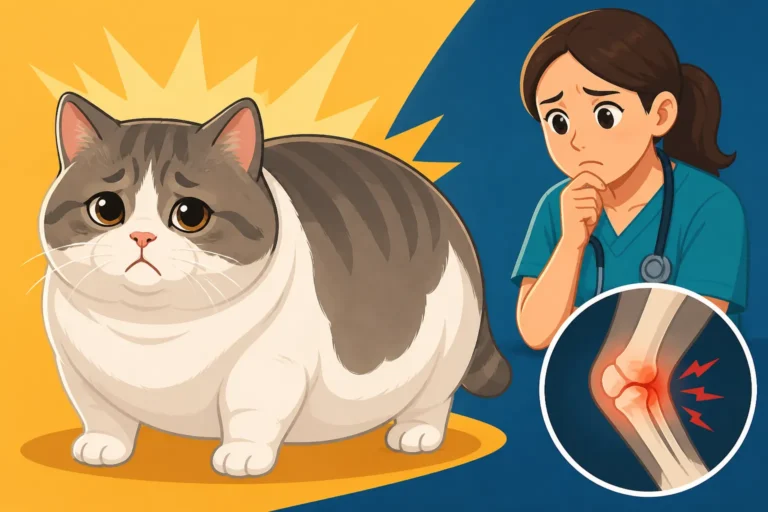
Beyond environmental adaptations, proactive health management is key to supporting a Munchkin with lordosis. The single most important factor in managing any spinal issue in a Munchkin is weight control. Every extra gram of weight places additional strain on their spine and joints, exacerbating any existing conditions. As such, Why Weight Is More Dangerous on a Munchkin cannot be overstated. Regular, precise portion control and a diet tailored to their activity level are non-negotiable.
Consistent veterinary check-ups are more important than ever. Your vet can monitor the progression of the lordosis, assess for any signs of pain, and suggest appropriate interventions. This might include joint supplements designed to support cartilage health and reduce inflammation. There are many excellent Which Joint Supplements Suit a Munchkin, from glucosamine and chondroitin to omega-3 fatty acids, that can make a real difference. In some cases, gentle physiotherapy, massage, or even acupuncture might be recommended to improve flexibility and comfort.
Be vigilant for subtle signs of discomfort or pain, such as reluctance to move, changes in behavior, or altered grooming habits. The quality of life for a Munchkin with lordosis can be significantly improved with careful management. This long-term care can incur costs, and this is where a robust pet insurance policy, like those offered by Healthy Paws, can be invaluable. It can help cover diagnostic tests, medications, physical therapy, and other supportive treatments, ensuring you can always provide the best care without financial strain. Understanding What Lordosis Does to a Munchkin fully allows you to be more proactive in their care.
| Factor | Munchkin with Mild Lordosis | Munchkin without Lordosis |
|---|---|---|
| Genetic Risk | Higher (potential for passing on predisposition) | Lower (baseline breed risk) |
| Ethical Standing for Breeding | Generally advised against by vets | Generally accepted, given other health checks |
| Offspring Health Potential | Increased risk of spinal issues in progeny | Standard Munchkin health risks |
| Vet Recommendation for Breeding | Strong recommendation to not breed | Recommendation based on overall health and lineage |
| Breed Reputation Impact | Potential for negative impact if issues arise in offspring | Positive, if healthy animals are produced |
| Long-Term Care Needs for Parent | Potentially higher for proactive spinal health | Standard Munchkin care needs |
Disclaimer
The information provided in this article is intended for general knowledge and informational purposes only, and does not constitute veterinary advice. Always consult with a qualified veterinarian for any health concerns or before making any decisions related to your pet's health or breeding practices.