Which Joint Supplements Suit a Munchkin
As a Munchkin cat owner, you probably already know that these adorable, short-legged felines come with their own unique set of considerations. One of the biggest worries many of us have revolves around their joint health. It's a valid concern – those little legs carry a full-sized cat body, and that can put extra strain on their joints over time. Finding the right ways to support their mobility and comfort is crucial, and joint supplements often come up in discussions. This guide will walk you through understanding why joint support is so important for your Munchkin and which supplements can genuinely make a difference.
Understanding Joint Stress in Munchkin Cats
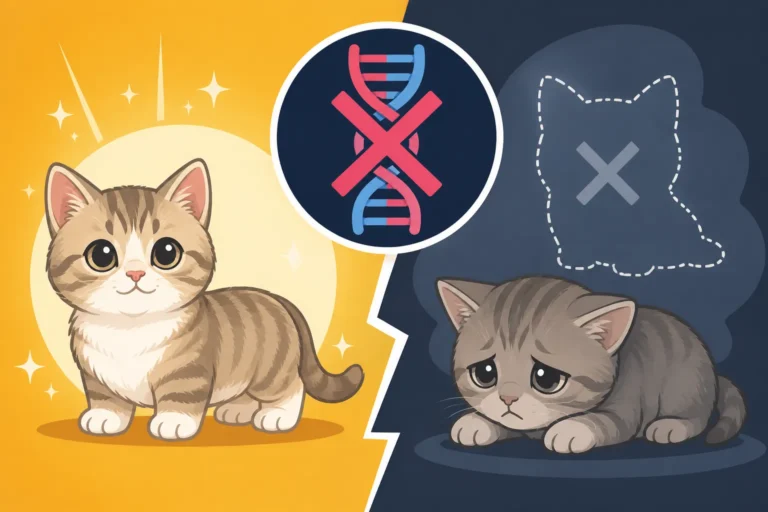
It's natural to adore your Munchkin's distinctive appearance, but it's also vital to understand the anatomical realities that come with their short stature. Their unique genetics mean their bones and cartilage develop differently, placing specific demands on their joints throughout their lives. This isn't about fear-mongering; it's about being an informed, proactive pet parent.
Why Munchkins Are Prone to Joint Issues
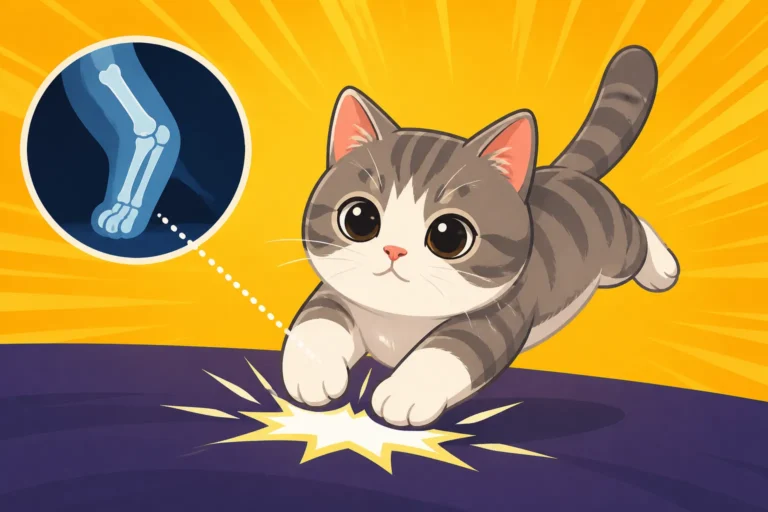
Imagine trying to carry a heavy backpack all day, every day. That's a bit like what your Munchkin's joints contend with. While their spine itself is typically of normal length, their shortened leg bones mean that the angles and leverage points in their limbs are different from those of a standard cat. This structural difference can lead to increased pressure on certain joints, particularly in their shoulders, elbows, and even their hips, as they navigate their world. Every jump, every landing, and even just walking puts a unique kind of stress on these joints.
Because their legs are proportionally shorter, their bodies sit lower to the ground, which means they often have to exert more effort to perform actions that a long-legged cat does with ease. This constant low-impact stress can lead to wear and tear on cartilage over time. You might notice them using furniture as a staircase more often or opting for ramps you've provided, and that's their body intuitively trying to reduce the strain. Understanding Why a Munchkin's Spine Carries a Load a Normal Cat's Does Not helps put this into perspective; it's not the spine itself, but the way the limbs articulate and bear weight that's the primary concern.
Their unique conformation means that their joints, particularly those supporting their front half, are constantly working harder. They bear the brunt of landing from even small jumps and are fundamental to their movement and balance. This is why a preventative approach to joint care, even from a young age, can be incredibly beneficial for Munchkins, potentially delaying or mitigating the onset of discomfort as they get older.
Recognizing Early Signs of Joint Discomfort
Cats are masters of disguise when it comes to pain. It's a survival instinct, but it makes it incredibly difficult for us, their human companions, to spot problems early. With Munchkins, you have to be even more vigilant because their natural gait is already different, and subtle changes can be easily overlooked. What might seem like a quirky habit could actually be an indicator of discomfort.
Keep a close eye on their movement patterns. Are they less enthusiastic about playtime than they used to be? Do they hesitate before jumping onto a favorite low perch, or do they completely avoid certain spots they once frequented? You might notice a subtle stiffness, especially after they've been sleeping, or a slight change in how they carry themselves. For example, a previously effortless trot might become a bit more stilted or hesitant. Observe their grooming habits too; if they're struggling to reach certain parts of their body, particularly their back or hindquarters, it could be a sign that bending or stretching is uncomfortable. This is often one of the first indicators, as grooming requires significant flexibility.
Litter box habits can also offer clues. If your Munchkin finds it painful to step into a high-sided box, they might start eliminating outside of it. Any vocalizations during movement, such as a soft grumble or sigh when stretching, are red flags. It's really important to remember that At What Age a Munchkin Starts to Stiffen can vary, but being aware of these subtle signs from an earlier age allows you to intervene sooner. A proactive chat with your vet if you notice any changes, no matter how small, is always the best course of action. They can assess your cat's gait and perform physical examinations to pinpoint any areas of concern.
Key Ingredients to Look For in Joint Supplements
When you start looking at joint supplements for your Munchkin, the sheer number of options can feel overwhelming. It's easy to get lost in the marketing jargon. But at their core, many effective supplements rely on a handful of well-researched ingredients. Knowing what these are and what they do will help you make a more informed decision with your veterinarian.
Glucosamine and Chondroitin: The Foundation
These two ingredients are often considered the superstars of joint support, and for good reason. They are naturally occurring compounds found in healthy cartilage, which acts as the cushion between bones in a joint. Think of it like the shock absorber for your Munchkin's busy little legs. As cats age, or as joints endure constant stress, the natural production of these compounds can slow down, leading to thinning cartilage and increased friction.
Glucosamine plays a crucial role in forming and repairing cartilage, as well as maintaining the synovial fluid that lubricates the joints. It helps the body produce glycosaminoglycans, which are vital building blocks for cartilage. Chondroitin, on the other hand, helps to inhibit the enzymes that can break down cartilage, thereby protecting its existing structure. It also contributes to the elasticity of the cartilage and can draw water into the cartilage, helping it remain thick and spongy. Together, they work synergistically to support the structural integrity of the joint and promote overall joint health. When looking at labels, you'll often see these listed as Glucosamine HCl (hydrochloride) or Glucosamine Sulfate, and Chondroitin Sulfate. Always ensure the product specifies the source and purity.
For a Munchkin, whose joints are under unique stress from their conformation, providing these building blocks can be particularly beneficial. They don't just reduce existing discomfort; they work proactively to maintain healthy cartilage, which is vital for preventing further deterioration. While they won't regrow damaged cartilage, they can certainly help to support the health of what's there and potentially slow down further degradation. The key is consistent, long-term use as part of a comprehensive care plan.
MSM, Omega-3s, and Other Supportive Nutrients
While glucosamine and chondroitin form the backbone of many joint supplements, other ingredients can provide excellent complementary support, tackling different aspects of joint health, particularly inflammation and overall cellular well-being. These additional components can create a more comprehensive approach to keeping your Munchkin comfortable and mobile.
Methylsulfonylmethane, or MSM, is a natural sulfur compound known for its anti-inflammatory properties and its role in connective tissue health. It can help reduce pain and swelling associated with joint issues, working to soothe discomfort. Many pet owners report noticeable improvements in their cat's mobility and comfort once MSM is introduced, especially when combined with glucosamine and chondroitin. Think of it as an extra layer of support that targets the inflammation directly, providing more immediate relief alongside the long-term cartilage support.
Omega-3 fatty acids, specifically EPA (eicosapentaenoic acid) and DHA (docosahexaenoic acid), are powerful anti-inflammatory agents that also support overall health. Found primarily in fish oil, these essential fatty acids can significantly reduce inflammation throughout the body, including in the joints. For a Munchkin, this systemic anti-inflammatory effect can be incredibly beneficial, not just for their joints but for their skin, coat, and even cognitive function. When selecting an omega-3 supplement, look for one that specifies the EPA and DHA content and ensures it's free from heavy metals. Brands like Healthy Paws, while a pet insurance provider, often advocate for holistic pet care, recognizing that preventative measures like quality supplements contribute to long-term health and can potentially reduce future vet claims for age-related conditions.
Other beneficial ingredients to keep an eye out for include hyaluronic acid (HA), which is a major component of synovial fluid and helps lubricate joints, and green-lipped mussel (GLM) extract. GLM, sourced from New Zealand, contains a unique combination of omega-3s, glucosamine, chondroitin, and other vitamins and minerals, making it a powerful all-in-one joint support ingredient. These additional elements, when combined strategically, can offer a robust defense against the unique stresses your Munchkin's joints face.
Choosing and Administering the Right Joint Supplement
Navigating the world of pet supplements can be tricky. With so many options, it's easy to feel overwhelmed. The most important thing to remember is that what works for one cat might not be ideal for another, and your veterinarian is your best partner in making these decisions, especially given the specific needs of a Munchkin.
Types of Supplements and Dosage Considerations
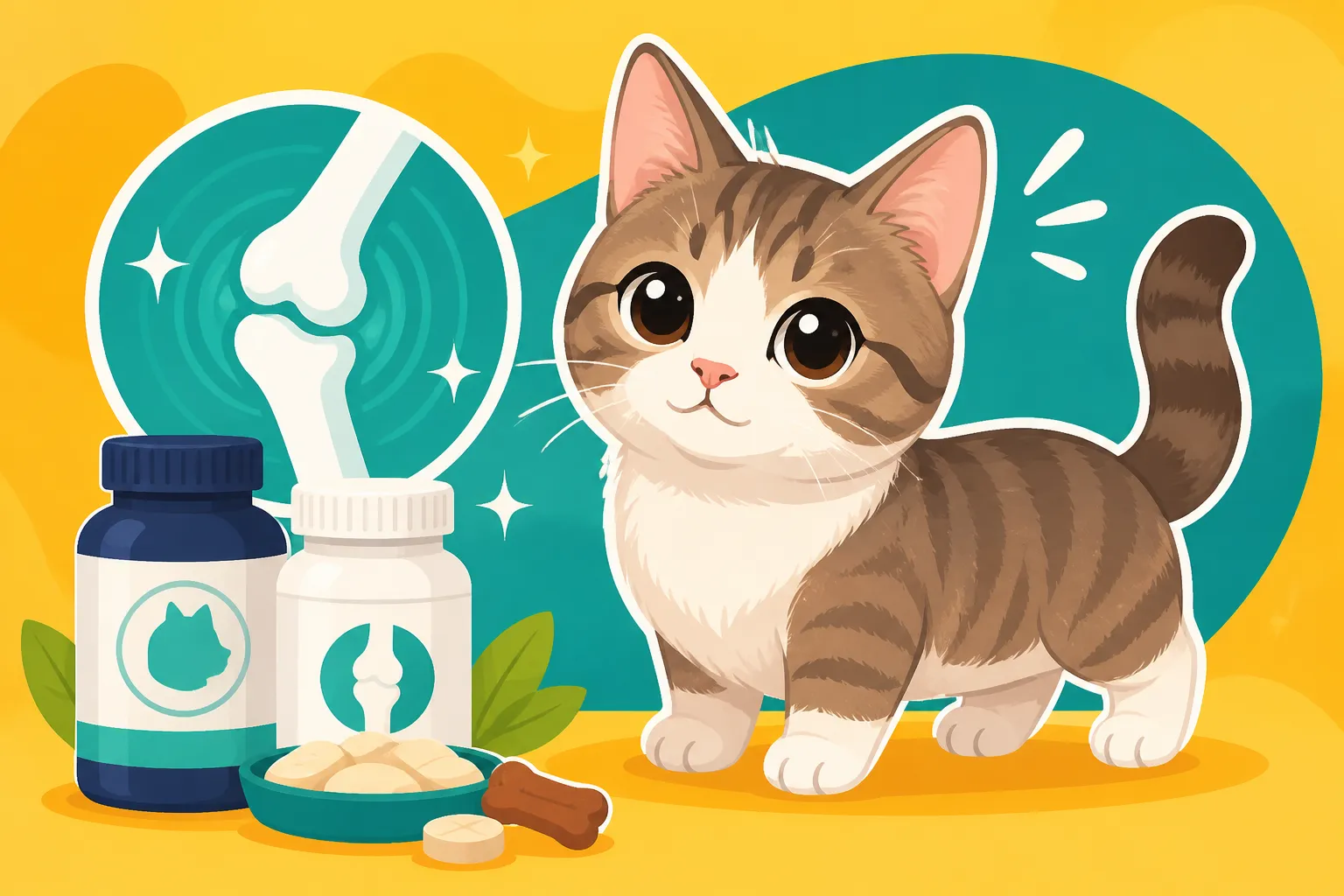
Joint supplements for cats come in various forms, each with its own pros and cons for administration. You'll typically find them as palatable chews, powders that can be sprinkled over food, or liquid formulations. Chewable treats are often popular because they can be given like a daily treat, making the process stress-free for both you and your cat. However, some cats can be picky, so finding a flavor they enjoy might take some trial and error. Powders are usually tasteless and can be mixed into wet food, which works well for felines who prefer their supplements "hidden." Liquids offer precise dosing and can be squirted directly into the mouth or mixed with food.
When it comes to dosage, never guess. Always follow the manufacturer's recommendations for your cat's weight, but more importantly, consult with your veterinarian. They can provide guidance based on your Munchkin's specific health profile, age, and any existing joint conditions. They might suggest a "loading dose" – a higher initial dose for a few weeks – to quickly build up the beneficial compounds in your cat's system, followed by a maintenance dose. This personalized approach is crucial, especially for a breed with unique orthopedic considerations like the Munchkin.
It's also worth noting that pet insurance, such as policies from Healthy Paws, can be incredibly valuable in managing the overall health of your Munchkin. While supplements themselves may not always be directly covered, having a robust insurance plan means that if your vet recommends diagnostics like X-rays to assess joint health or prescribes specific medications for pain management, those costs can be significantly offset. This allows you to pursue the best possible care, including regular veterinary oversight for your supplement regimen, without financial strain. Remember, proactive discussions about your Munchkin's joint care with your vet, including supplement choices, are key to their long-term well-being.
Integrating Supplements into Your Munchkin's Routine
Getting your Munchkin to take a supplement shouldn't feel like a wrestling match every day. The goal is to make it as seamless and positive an experience as possible, so your cat associates it with something good, not a daily ordeal. Consistency is absolutely key for joint supplements to be effective, so finding a method that works for both of you is paramount.
If you've chosen a chew, try giving it at the same time each day, perhaps as a special morning treat or right before a meal. Some owners find success by pretending it's a regular treat, or by hiding it among a few other beloved treats. For powders or liquids, mixing them thoroughly into a small portion of wet food or a lickable treat works wonders. Make sure they eat the entire portion so you know they've received the full dose. If your Munchkin is particularly finicky, you might need to experiment with different brands or flavors until you find one they'll accept willingly. Patience is a virtue here!
Once you start a supplement regimen, it’s important to give it time to work – usually 4-6 weeks before you expect to see noticeable changes. During this period, keep a journal or notes on your Munchkin’s mobility, activity levels, and any signs of discomfort. This can help you and your vet assess the supplement's effectiveness. Remember that supplements are just one piece of the puzzle. They work best when combined with other joint-supportive measures. For example, maintaining a healthy weight is absolutely critical for a Munchkin, as Why Weight Is More Dangerous on a Munchkin becomes clearer when you understand the load their short legs carry. Regular, gentle play that encourages movement without excessive jumping can also be beneficial, helping to keep their muscles strong and joints flexible.
Beyond Supplements: A Holistic Approach to Joint Health
While joint supplements are a valuable tool in supporting your Munchkin's mobility, they are most effective when integrated into a comprehensive, holistic care plan. Think of it like building a house – you need a strong foundation, but you also need sturdy walls and a good roof. For your Munchkin's joint health, this means looking at their environment and their overall lifestyle.
Environmental Modifications for Joint Protection
One of the most impactful things you can do for your Munchkin is to adapt their living environment to minimize the strain on their joints. Their short legs mean that everyday obstacles like sofas, beds, or even litter box entries can become monumental challenges, forcing them into jumps that put undue stress on their developing or aging joints. The goal is to create a world where they can access everything they need and want without unnecessary leaps or hard landings.
Installing ramps and steps is a game-changer. Imagine tiny, carpeted ramps leading up to your sofa, bed, or that coveted sunny windowsill. These allow your Munchkin to ascend and descend gracefully, preserving their joints from the repetitive impact of jumping. Look for ramps with a gentle incline and a non-slip surface to ensure their safety and confidence. Similarly, steps should have shallow risers and broad treads to accommodate their unique proportions. Providing access in this way isn't a luxury; it's an essential part of their care, as Ramps and Steps Are Munchkin Equipment, Not Luxuries emphasizes. Every piece of furniture they interact with regularly should have an accessible route.
Another critical modification involves their litter box. A standard litter box with high sides can be incredibly challenging for a Munchkin, forcing them to execute an awkward jump or high step to enter and exit. This can deter them from using the box, leading to accidents and discomfort. Switching to a low-entry litter box, or even creating one by cutting down a side of a plastic storage bin, makes a huge difference. As we discuss in Why a Munchkin Needs a Litter Box It Can Walk Into, accessibility in this area is paramount for both their physical comfort and their litter habits. Consider their food and water bowls too; raised bowls can alleviate strain on their neck and shoulders, allowing them to eat and drink more comfortably without excessive bending.
The Critical Role of Weight Management and Exercise
Perhaps the single most important factor in your Munchkin's long-term joint health, beyond their genetic predisposition, is maintaining an ideal body weight. Every extra pound your Munchkin carries puts exponentially more stress on their already uniquely loaded joints. It's like asking them to carry a heavier burden with every step, which accelerates wear and tear on cartilage and can exacerbate any existing discomfort. This is why Why an Overweight Munchkin Is in Real Trouble isn't an exaggeration – it's a stark reality for these cats.
Working closely with your veterinarian to determine your Munchkin's ideal weight is crucial. They can help you assess their body condition score, which is a more accurate measure than just relying on the number on the scale. Once you know their target weight, a precisely measured diet with appropriate calorie intake is essential. Free-feeding, where food is left out all day, often leads to overeating and weight gain. Instead, measured meals, sometimes using puzzle feeders to slow down consumption and provide mental enrichment, can be highly effective. Choosing a high-quality cat food that supports lean muscle mass and joint health can also contribute significantly.
Beyond diet, appropriate exercise is vital for muscle strength and joint flexibility. While a Munchkin might not be a high-jumper, they are often surprisingly agile and playful on the ground. Encourage floor-level games with wand toys, laser pointers (used responsibly!), and rolling toys that stimulate their natural hunting instincts without requiring excessive leaps. Short, frequent play sessions are better than long, exhausting ones. Observe your cat's cues and stop before they become overtired or uncomfortable. Exercise helps keep the muscles around the joints strong, providing natural support and improving circulation. Remember, the goal is not to turn your Munchkin into an athlete, but to keep them lean, mobile, and happy within their physical capabilities.
| Ingredient | Primary Benefit | Additional Benefits | How It Helps Munchkins |
|---|---|---|---|
| Glucosamine HCl/Sulfate | Cartilage repair and formation | Supports synovial fluid production | Provides building blocks for strained cartilage |
| Chondroitin Sulfate | Inhibits cartilage-degrading enzymes | Improves cartilage elasticity and hydration | Protects existing cartilage from wear and tear |
| MSM (Methylsulfonylmethane) | Reduces inflammation and pain | Supports connective tissue health | Alleviates discomfort from joint stress |
| Omega-3 Fatty Acids | Powerful anti-inflammatory | Supports skin, coat, and cognitive health | Reduces systemic inflammation, soothing joints |
| Hyaluronic Acid (HA) | Joint lubrication | Component of synovial fluid | Improves smoothness of joint movement |
| Green-Lipped Mussel (GLM) | Comprehensive joint support (G, C, O3, minerals) | Natural source, often highly palatable | Multi-faceted support for their unique joint structure |
Disclaimer
The information provided in this article is for general informational purposes only and is not intended to be a substitute for professional veterinary advice, diagnosis, or treatment. Always seek the advice of your veterinarian or other qualified animal health provider with any questions you may have regarding a medical condition or treatment for your Munchkin cat. Never disregard professional veterinary advice or delay in seeking it because of something you have read here.