What Keeping a Munchkin’s House Adapted Costs Yearly
Bringing a Munchkin cat into your home is an absolute joy, but many new owners, and even some seasoned ones, can often overlook the ongoing, yearly costs associated with simply keeping their home truly adapted for their short-legged friend. It's not just a one-time setup fee; ensuring your Munchkin lives a comfortable, healthy, and happy life means budgeting for recurring expenses that directly address their unique physical needs. This guide will walk you through those often-unseen yearly costs, helping you budget realistically and provide the best environment possible.
The Foundation: Adapting Your Home for Easy Movement
One of the first things you'll do for a Munchkin is make your home accessible. Ramps, steps, and modified cat trees aren't luxuries; they're essential equipment. But these items don't last forever, and maintaining them incurs ongoing costs.
Annual Maintenance for Ramps and Steps
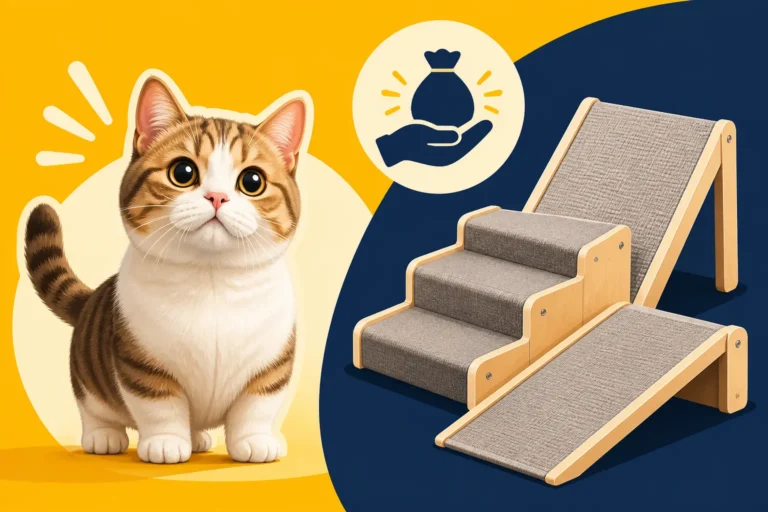
The ramps and steps you installed to help your Munchkin reach their favorite sofa, bed, or window perch will see a lot of traffic throughout the year. Think about how many times your furry friend will scamper up and down them daily! This constant use leads to wear and tear. You might find that the carpet covering on a beloved ramp starts to fray, the non-slip grip tape begins to peel, or the wooden structure itself shows signs of scuffing and scratching.
Replacing worn-out carpet, re-applying fresh grip tape, or even needing to purchase entirely new steps because a previous set wasn't as durable as you hoped, are all recurring expenses. For instance, a quality ramp designed for pets, robust enough to handle daily cat activity without wobbling, might have an initial upfront cost, but its covering could realistically need refreshing every year or two, especially if your Munchkin loves to use it as a secondary scratching surface. If you've gone the DIY route, you'll need to budget for materials like new wood, stronger screws, or fresh lengths of carpet or sisal. It’s not just about aesthetics; a ramp or set of steps that’s become unstable or slippery due to wear poses a direct safety risk, potentially leading to falls and injury for your cat. Making sure these critical pathways are always in top condition is a non-negotiable part of their yearly care. For more on initial setup, check out our guide on Ramps and Steps Are Munchkin Equipment, Not Luxuries.
Specialized Cat Trees and Vertical Access
Just like ramps, the cat trees and vertical climbing structures in your home need regular attention and, consequently, a yearly budget. A standard cat tree often has platforms spaced too far apart for a Munchkin to comfortably jump between, which is why many owners either heavily modify existing ones or invest in specialized, low-rise options. The scratching posts built into these trees will get used daily, and the sisal rope or carpet covering will inevitably wear thin, unravel, or even come off entirely.
Replacing these worn-out scratching surfaces is crucial, not just for your furniture's sake, but for your Munchkin's paw health and enrichment. The cozy beds or perches on a cat tree also see a lot of love, becoming flattened, stained, or simply worn out over time. While you might be able to wash some covers, others might need full replacement. Imagine your cat's disappointment finding their favorite nap spot on the top platform is no longer soft and inviting! Beyond that, regularly checking the stability of the entire structure is important. Loose bolts or wobbly platforms need immediate attention, and sometimes, a tree might simply reach the end of its functional life and require replacement. These are ongoing costs that contribute significantly to your Munchkin's quality of life, allowing them to engage in natural climbing behaviors safely within their physical limitations. Understanding Which Cat Tree Layout Suits a Munchkin can help you make better initial choices that might last longer, but wear is inevitable.
Keeping the Litter Box Accessible and Hygienic
The litter box situation for a Munchkin isn't just about picking any old box off the shelf. Their short legs mean they need particular considerations, and these often come with yearly ongoing costs.
Low-Entry Litter Boxes: Replacements and Upgrades
Low-entry litter boxes are a game-changer for Munchkins, allowing them to comfortably step in and out without straining their spine or short legs. But just like any plastic item in constant use, these boxes don't last forever. Over time, plastic can absorb odors, become scratched (creating prime breeding grounds for bacteria), or simply degrade from repeated washing and scooping. While a good quality box might last a few years, many owners find themselves replacing them annually or bi-annually to maintain optimal hygiene and prevent lingering smells.
The size of the box also matters. As your Munchkin ages, or if they put on a little extra weight, a box that once felt spacious might become a tight squeeze, making them reluctant to use it. Upgrading to a larger, still low-entry, option can be an unexpected yearly expense. And sometimes, despite your best efforts, a box might simply crack or warp, necessitating an immediate replacement. Don't underestimate the importance of providing a clean, accessible, and comfortable toilet facility. A cat that's unhappy with its litter box might start eliminating outside of it, creating far more expensive problems than a new litter box! Our article on Why a Munchkin Needs a Litter Box It Can Walk Into delves deeper into this essential need.
Ongoing Costs of Specialized Litter and Cleaning Supplies
Due to their low-slung bellies and short legs, Munchkins can sometimes track more litter out of the box or get it caught in their fur, especially around their hindquarters. This isn't just a minor inconvenience; it can lead to hygiene issues and means you might go through litter more quickly than you would with a long-legged cat. You might find yourself needing to change the entire litter box content more frequently, even if it's scooped daily, just to keep things fresh and minimize tracking.
This increased consumption of litter translates directly into a higher yearly cost. Beyond that, having an arsenal of specialized cleaning supplies becomes essential. This includes pet-safe floor cleaners for stray litter, deodorizers specifically designed for cat odors, and pet-friendly wipes for quick clean-ups around their belly and hindquarters if they've gotten a bit messy. Some owners even invest in specific litter mat materials designed to trap more litter before it spreads throughout the house. While individual items might seem inexpensive, the cumulative annual cost of these extra cleaning supplies and increased litter usage adds up. For example, if you find yourself buying an extra bag of litter a month, that's twelve more bags a year than you might have budgeted for!
Dining and Hydration: Comfortable Feeding Stations
Ensuring your Munchkin eats and drinks comfortably is another area where yearly costs can crop up, particularly concerning their physical limitations.
Elevated Bowls and Their Upkeep
Munchkins can find it uncomfortable to bend all the way down to eat or drink from bowls placed directly on the floor. Their short stature means significant neck and back strain, which is something you want to avoid as much as possible to protect their spine. This is why elevated food and water bowls are so important. They allow your Munchkin to eat in a more natural, comfortable position, reducing strain on their neck and shoulders.
While the initial purchase of a good quality elevated feeder might be a one-time cost, these items are still subject to wear and tear. Bowls can chip, crack, or become scratched over time, especially if they are ceramic or plastic. Replacing these bowls annually or every couple of years, particularly if you use a dishwasher, is a common occurrence. The stands themselves can also degrade; wooden stands can warp or chip, and metal stands can rust. You might also find that a specific height that was perfect for a kitten isn't quite right for an adult, or that an older Munchkin needs an even lower elevation if they develop joint stiffness in their shoulders or elbows. Regular cleaning and checking for stability are key, but budgeting for eventual replacement of parts or the entire feeding station is a smart move. When considering your setup, think about Why a Munchkin's Water Bowl Should Not Be a Stretch for an ideal arrangement.
Water Fountains and Their Annual Filter Changes
Many cats prefer to drink from running water, and a water fountain can be an excellent way to encourage hydration. For a Munchkin, a fountain with a low basin or easily accessible stream is crucial. However, water fountains come with their own set of recurring costs, primarily in the form of filter replacements. These filters are essential for keeping the water clean and fresh, removing debris, hair, and odors, and generally need to be replaced every 2-4 weeks, depending on the fountain and how many pets use it.
The yearly cost of these filters can be significant. Multiply the cost of one filter by 12-26 times a year, and you'll see how it adds up. Beyond filters, the pump in a water fountain can sometimes need replacement, or parts might wear out, requiring maintenance kits. You also need to budget for the electricity cost of running the fountain, though this is usually minimal. Regular cleaning of the entire unit is also vital to prevent slime and bacterial buildup, and while cleaning supplies might be already in your budget, the time commitment is also a factor. Choosing a reputable brand can sometimes help with the longevity of the pump, but filters are a constant, unavoidable expense for a clean, flowing water source.
Grooming Beyond the Basics
While Munchkins are still cats and do a fair bit of self-grooming, their unique conformation means there are certain areas they simply cannot reach effectively. This necessitates regular human intervention, leading to yearly grooming costs.
Professional Grooming for Hard-to-Reach Areas
The most significant grooming challenge for a Munchkin is typically their hindquarters and belly. Their short legs prevent them from bending and twisting adequately to clean these areas themselves, leading to potential matting, dander buildup, and hygiene issues, especially after using the litter box. For long-haired Munchkins, this problem is amplified. While daily brushing at home can help, many owners find it beneficial, even essential, to schedule regular professional grooming appointments.
These appointments often include sanitary clips – a trim of the fur around the private areas and tail base – to prevent fecal matter from clinging and causing discomfort or infection. Belly trims can also be necessary to keep fur from dragging on the ground or getting soiled easily. Depending on your Munchkin's coat type and individual needs, these professional grooming sessions might be required anywhere from every three months to twice a year. The cost of these sessions, even for a simple sanitary trim, adds up over the year. It's an investment in your cat's comfort and health, preventing more serious and expensive problems like skin infections or severe matting that might require sedation at the vet. If you’re unsure, a quick chat with a professional groomer can give you an idea of How Much a Groomer Charges to Clip a Munchkin's Rear.
Specialized Brushes and Cleaning Wipes
Even with professional help, daily at-home grooming is a must. This means investing in and periodically replacing specialized brushes and cleaning tools. Regular cat brushes might not be effective for reaching deep into the fur on their back or around their hindquarters, requiring specific combs, slicker brushes, or de-matting tools designed for sensitive areas or different coat lengths. These brushes wear out over time; bristles bend, handles break, and they lose their effectiveness.
Beyond brushes, a constant supply of pet-safe cleaning wipes is crucial. These are invaluable for quickly wiping down your Munchkin's belly or hindquarters if they've had a messy litter box visit or just to keep them fresh between baths. These wipes are a recurring expense, as you'll likely go through packs of them throughout the year. Additionally, if your Munchkin is prone to tear stains or needs eye cleaning due to certain facial structures (especially if they're a Munchkin hybrid with a breed like a Persian), you'll need gentle eye wipes or solutions. Don't forget nail clippers! While not directly related to reaching, trimming their claws regularly prevents them from snagging on carpets or growing into their paw pads, and clippers need occasional replacement to stay sharp and effective. This continuous need for specific grooming tools and hygiene products adds to your yearly budget for maintaining a clean and healthy Munchkin. Our guide on Grooming the Half of a Munchkin It Cannot Reach offers more detailed advice.
Health and Wellness: Preventing Strain and Promoting Mobility
Proactive health management is paramount for Munchkins, particularly concerning their joints and spine. These preventative measures carry yearly costs but are invaluable for long-term health.
Joint Supplements and Preventative Care
Due to their unique skeletal structure and the load placed on their shorter limbs, Munchkins can be predisposed to certain joint issues as they age, much like other cats might be more prone to specific conditions. While not all Munchkins will develop severe problems, many owners and veterinarians recommend starting preventative joint supplements early in life. These supplements typically contain ingredients like glucosamine, chondroitin, and MSM, which support cartilage health and joint lubrication.
The cost of these supplements is a continuous yearly expense. They are not a one-time fix but rather a daily or weekly addition to your cat's diet for the rest of their lives. Quality matters here, and often, more effective supplements come with a higher price tag. Starting early, before any signs of stiffness or pain appear, is often seen as a way to slow down or prevent the onset of more severe issues, potentially saving you significantly more money down the line on veterinary treatments, pain medication, or even surgery. Ignoring this preventative aspect can lead to accelerated joint degradation and a diminished quality of life for your cat. It's a prime example of where a consistent, proactive annual expense pays dividends in the long run. Learn more about whether a Munchkin Gets Arthritis Earlier.
Regular Vet Checks Focused on Mobility
While all cats need annual vet check-ups, for a Munchkin, these visits often require a more focused assessment of their musculoskeletal system. Your veterinarian will pay close attention to their gait, flexibility, and any signs of discomfort or stiffness in their legs and spine. This specialized examination can sometimes be more thorough than a routine check for a normal-legged cat, potentially leading to additional diagnostic recommendations as your Munchkin ages.
For example, your vet might recommend yearly X-rays of their spine or limbs as they enter their senior years, just to establish a baseline or monitor for conditions like lordosis or osteoarthritis. These imaging costs are not always included in a standard annual check-up fee. Furthermore, if any subtle issues are detected, your vet might suggest early interventions, such as specific exercises, physical therapy consultations, or a prescription for anti-inflammatory medication to be used as needed. These follow-up appointments, therapies, or medications add to the yearly veterinary budget. Being vigilant and proactive with these mobility-focused checks is key to catching any problems early, when they are often more manageable and less costly to treat. This is why Why a Munchkin's Vet Year Includes Its Joints is so important.
Weight Management: A Lifelong Commitment
Weight control isn't just a good idea for a Munchkin; it's absolutely critical for their long-term health and mobility. Every extra ounce puts disproportionate strain on their short legs and spine, making yearly efforts to manage their weight a non-negotiable part of their care budget.
Specialized Diet Foods and Portion Control
Munchkins, generally being less active jumpers and climbers than their long-legged counterparts, often burn fewer calories throughout the day. This means they are particularly prone to becoming overweight if their diet isn't carefully managed. Many owners find themselves investing in specialized diet foods, either low-calorie options or those specifically formulated for indoor or less active cats. These foods can sometimes be more expensive per bag than generic options, and the cost adds up over the year.
Beyond the type of food, strict portion control is essential. This often means actually weighing out their meals with a kitchen scale rather than just scooping by eye. While the scale itself is a one-time purchase, the discipline of precise feeding means you're constantly aware of how much you're feeding, and any 'extra' treats or table scraps become a much bigger deal. If your cat does need to lose weight, a veterinary-prescribed weight-loss diet might be necessary, and these are almost always pricier than over-the-counter options. This commitment to precise, often specialized, nutrition forms a significant part of your annual Munchkin care budget. Remember, Why Weight Control Is the Whole Munchkin Care Plan and its impact on your cat's quality of life.
Interactive Feeders and Mental Enrichment
To combat the lower activity levels and to make mealtime more engaging, many Munchkin owners incorporate interactive feeders and puzzle toys. These devices encourage your cat to "work" for their food, slowing down their eating and providing valuable mental stimulation. Instead of just devouring a bowl of kibble in minutes, they're batting, pushing, or manipulating a toy to release individual pieces of food.
While some interactive feeders are durable, others are made of plastic and can wear out, become chewed on, or simply lose their appeal over time. Replacing these toys, or purchasing new ones to keep things fresh and engaging, is another yearly cost. You might buy several different types throughout the year to prevent boredom and ensure your Munchkin stays active. These items aren't just about keeping weight down; they also prevent boredom and frustration, which can lead to other behavioral issues. Integrating these tools into their daily routine is a smart way to manage their metabolism and overall well-being, but it requires a consistent budget for replacement and variety. Moreover, remember that What Feeding a Cat That Burns Less Costs Monthly should always be considered against the quality of life you're providing.
Insurance and Emergency Funds for the Unexpected
Even with the most meticulous preventative care, unexpected health issues can arise. Having a plan for these eventualities, through pet insurance or a dedicated emergency fund, is a crucial annual consideration for Munchkin owners.
Pet Insurance: Understanding Yearly Premiums and Coverage
Pet insurance can be a lifesaver when an unexpected illness or injury strikes, potentially covering a significant portion of veterinary bills. For a Munchkin, whose unique physiology can sometimes lead to discussions about predispositions, understanding your policy and budgeting for annual premiums is particularly important. While responsible breeders will screen for known issues, no guarantee can cover every single possibility.
Yearly premiums for pet insurance can vary widely based on your cat's age, breed, and your chosen coverage level. Companies like Healthy Paws offer comprehensive plans, but it's vital to research what exactly is covered, what the deductibles are, and whether any conditions might be considered "pre-existing" and thus excluded from coverage. For example, if your Munchkin already has a documented mild spinal curvature, some insurers might exclude future claims related to that specific condition. The annual renewal of these policies means consistently budgeting for these premiums. Without insurance, a single major health crisis could easily cost thousands, making the yearly premium a small price to pay for peace of mind. It’s not just about the cost of a Munchkin over its thirteen years, but the variability of that cost.
Adapting to Senior Munchkin Needs
As your Munchkin enters their senior years (typically around 8-10 years old), their needs often become more pronounced, and so do the associated yearly costs. An older Munchkin might experience increased stiffness, joint pain, or reduced mobility, making the ramps and steps you installed even more critical – and potentially necessitating modifications or replacements. A ramp that was perfectly fine for a young adult might become too steep or slippery for an older cat with compromised vision or a less steady gait. You might need to buy new, gentler ramps or add extra non-slip surfacing.
Beyond mobility aids, senior Munchkins often require more frequent veterinary check-ups to monitor for age-related conditions like kidney disease, hyperthyroidism, or dental issues. These increased vet visits, diagnostic tests (blood panels, urine tests), and potential prescription medications all contribute to higher yearly expenses. You might also find yourself investing in specialized senior cat products, such as orthopedic beds for joint comfort, or even modifying existing furniture to create more easily accessible resting spots at floor level. Ensuring your older Munchkin can still access their food, water, and litter box without strain means a continuous re-evaluation of your home setup and a corresponding budget for adjustments. For owners of older cats, What an Old Munchkin Needs Once Its Ramps Get Too Steep is a valuable resource.
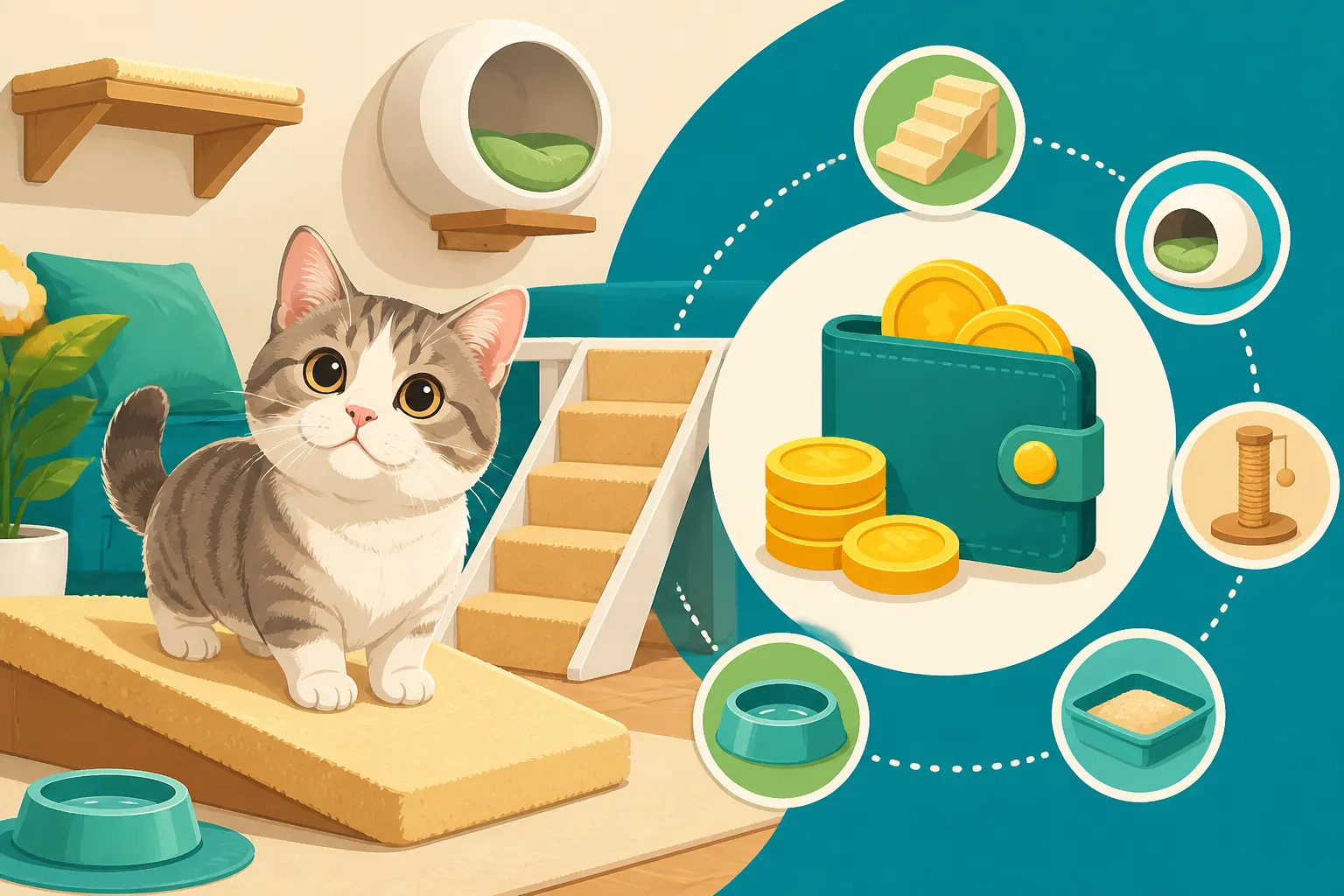
Summary of Typical Yearly Adaptation Costs for a Munchkin Cat
Here's a simplified overview of common recurring yearly costs associated with adapting a home for a Munchkin, keeping in mind that specific figures will vary greatly based on location, product choices, and individual cat needs.
| Category | Typical Annual Expenses | Notes |
|---|---|---|
| Mobility Aids (Ramps/Steps) | Replacement parts (carpeting, grip tape), occasional full replacement. | Wear and tear from daily use. A full set of ramps can be expensive upfront, but upkeep is ongoing. |
| Cat Trees/Vertical Access | Replacing scratching surfaces, bedding, minor repairs, occasional full tree replacement. | Ensures safe climbing and scratching. Low-rise trees are essential. |
| Litter Boxes & Supplies | Replacing low-entry boxes, increased litter usage, specialized cleaning wipes/deodorizers. | Boxes degrade, Munchkins may track more litter. |
| Feeding Stations | Replacing elevated bowls/stands, water fountain filters/pump parts, electricity. | Bowls chip, filters need frequent changes. Ensures comfortable eating. |
| Grooming | Professional sanitary clips/belly trims, specialized brushes, grooming wipes. | Essential for areas Munchkins cannot reach themselves, especially long-haired varieties. |
| Health & Wellness | Joint supplements, additional vet checks (gait, spine), preventative imaging. | Proactive care for joints and spine. Can prevent more costly issues later. |
| Weight Management | Specialized diet foods, interactive feeders, puzzle toys, precise weighing tools. | Lower calorie needs mean precise feeding and enrichment are key to preventing obesity-related strain. |
| Pet Insurance | Annual premiums, deductibles, co-pays. | Crucial for unexpected illnesses or injuries, especially for a breed with specific health considerations. Healthy Paws is one option for comprehensive coverage. |
| Senior Care | Adjusting existing ramps/steps, increased vet visits, specialized beds, new diagnostic tests. | Costs tend to rise significantly as Munchkins age and need more support. |
| Miscellaneous | Replacing worn toys, pet-safe cleaners, emergency fund contributions. | Unexpected incidentals and building a financial cushion for unforeseen issues. |
The True Cost of Love
As you can see, the yearly cost of owning a Munchkin goes far beyond just food and basic vet care. It involves a consistent, thoughtful budget for adapting and maintaining their environment, anticipating their unique physical needs, and proactively managing their health.
While some of these costs might seem like a lot, each expense is an investment in your Munchkin's quality of life. Providing them with easily accessible resources, maintaining their hygiene, supporting their joints, and keeping them at a healthy weight are all crucial for ensuring they live a comfortable, happy, and long life. By understanding and budgeting for these recurring annual expenses, you're not just being a responsible pet owner; you're building a home where your Munchkin can thrive, truly enjoying every moment on their adorable short legs.
Disclaimer
This article is for general informational purposes only and does not constitute professional advice. Laws, prices and regulations vary by location and change over time. Consult a qualified professional for guidance on your specific situation.