Whether a Long Legged Munchkin Is Still a Munchkin
It’s a common scenario: you’re dreaming of bringing a charming Munchkin cat into your home, picturing those adorable short legs, only to discover that not every kitten in a Munchkin litter actually has short legs. This can be incredibly confusing and even disappointing for prospective owners, leaving many to wonder if a long-legged kitten from Munchkin parents is truly a Munchkin at all. This guide will clarify the genetics, characteristics, and significance of long-legged Munchkin cats, helping you understand their vital role within the breed and how they fit into the definition of a Munchkin.
Understanding Munchkin Genetics: More Than Just Short Legs
The unique appearance of a Munchkin cat, with its characteristically short legs, stems from a genetic mutation. However, the way this gene works is far more nuanced than simply "short legs or not short legs," and understanding it is key to recognizing why long-legged kittens are a normal and healthy part of the breed.
The Autosomal Dominant Gene and Its Expression
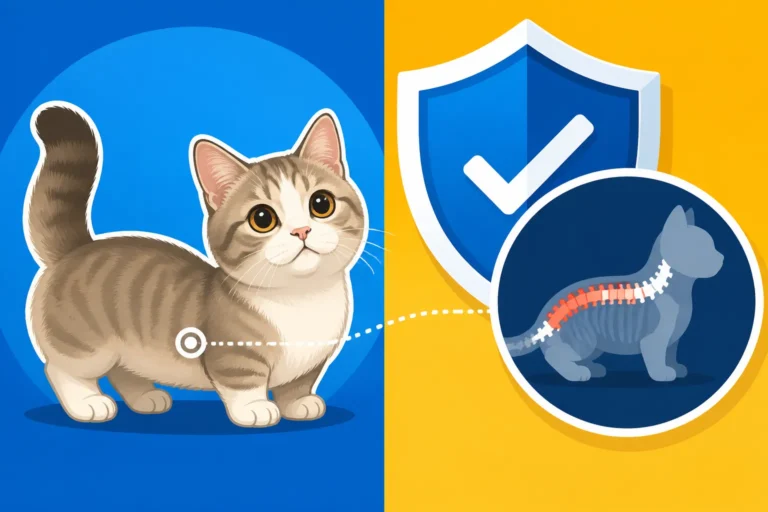
The gene responsible for the Munchkin's short legs is known as an autosomal dominant gene. This means that if a cat inherits even one copy of this gene, it will express the short-legged trait. It doesn't matter if the other gene copy is "normal"; the dominant short-leg gene will always take precedence. It's a bit like a bossy trait that always wants to be seen. However, and this is crucial, inheriting two copies of this dominant gene is lethal. Kittens that inherit two copies of the short-leg gene typically do not survive past the embryonic stage, leading to smaller-than-average litter sizes. This is a fundamental aspect of What Two Copies of the Munchkin Gene Do.
Because of this lethal homozygous (two copies) condition, responsible breeders never breed two short-legged Munchkins together. It would drastically increase the chances of embryonic loss and is considered unethical. Instead, a short-legged Munchkin is always bred to a normal-legged cat, known as an outcross. This practice ensures the health and viability of litters, and it directly leads to the presence of long-legged kittens. Understanding Why Munchkin Dwarfism Is Called Autosomal Dominant is foundational to grasping these breeding principles and the outcome of Munchkin matings.
The "Carrier Cross" Necessity
The standard breeding practice for Munchkins is to mate a short-legged Munchkin with a normal-legged domestic cat (an outcross, or sometimes a long-legged Munchkin that carries no short-leg gene itself). This is what's known as a "carrier cross" or "outcross breeding." When you have one parent with the dominant short-leg gene and one parent without it, the genetic math is pretty straightforward. Each kitten has a 50% chance of inheriting the short-leg gene and a 50% chance of inheriting only the normal-leg gene.
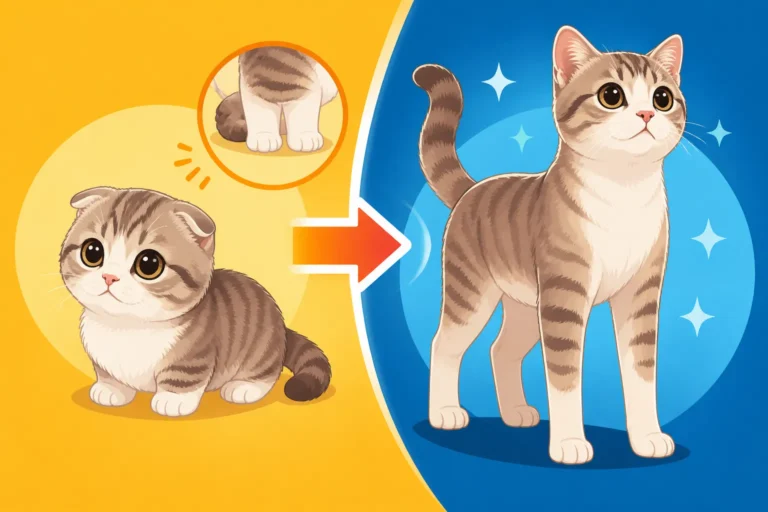
This means that roughly half of a Munchkin litter will be short-legged, exhibiting the trait that makes them so recognizable. The other half, however, will be born with legs of normal length, looking just like any other domestic cat. These normal-legged kittens are not genetic anomalies; they are an expected and healthy outcome of responsible Munchkin breeding. They represent the genetic diversity that keeps the breed viable and robust. This explains precisely Why Half a Munchkin Litter Has Normal Legs.
What Defines a "Long-Legged Munchkin" Kitten
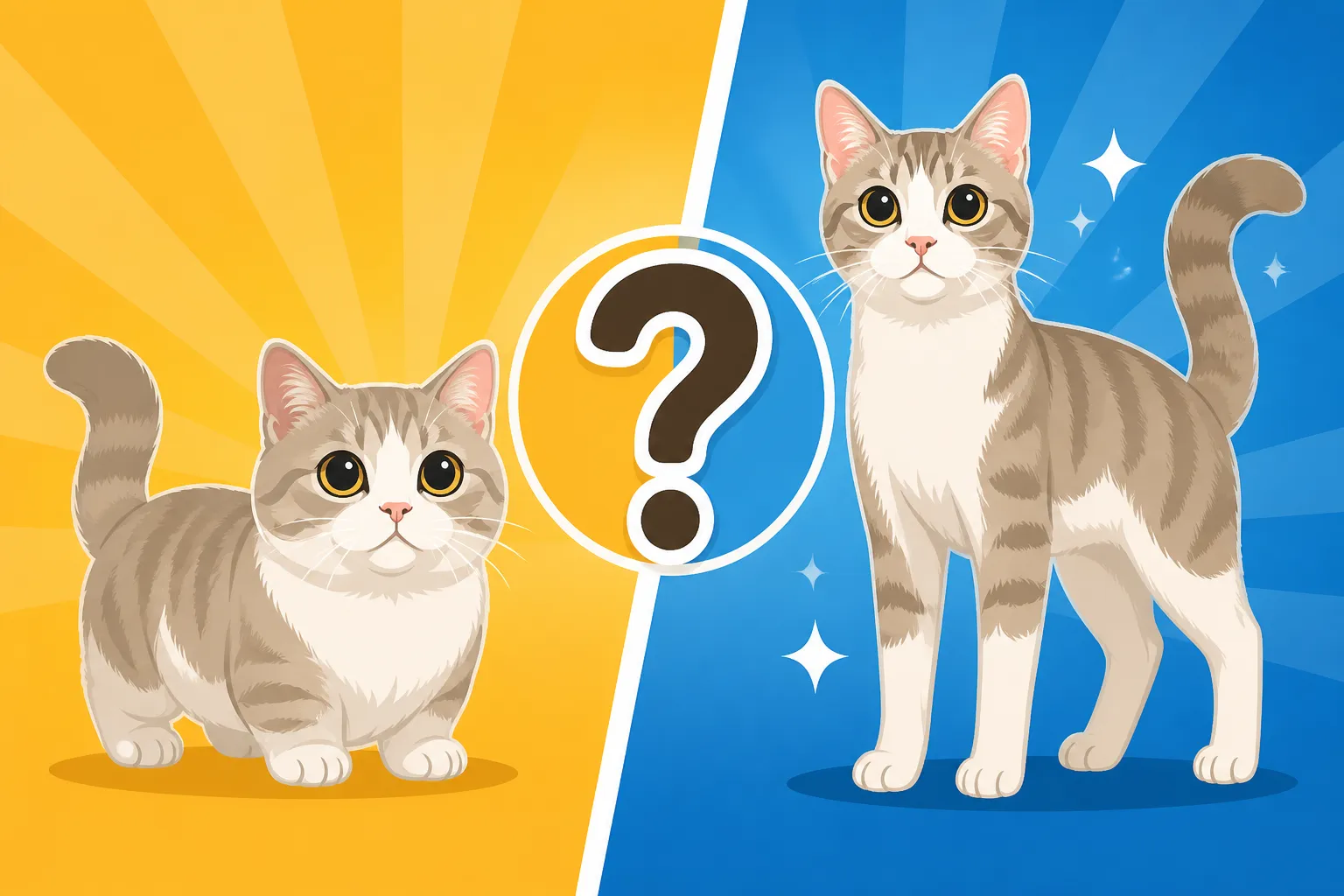
When people talk about a "long-legged Munchkin," they're referring to those kittens from a Munchkin litter that didn't inherit the gene for short legs. While they might not fit the typical image of a Munchkin, they are intrinsically linked to the breed's genetics and history.
The Genetic Blueprint of a Long-Legged Littermate
A long-legged Munchkin kitten is genetically a direct offspring of at least one Munchkin parent, usually a short-legged one. These kittens carry the full genetic makeup of their Munchkin lineage, except for the specific gene responsible for the short legs. They are technically "non-standard" Munchkins in terms of their physical appearance, but their pedigree clearly identifies them as Munchkin descendants. They don't carry the short-leg gene themselves, meaning they cannot pass it on to their offspring. This is a common misunderstanding; simply being born in a Munchkin litter doesn't mean they are carriers. They are genetically distinct from their short-legged siblings in this crucial aspect.
Think of it like this: if one parent has blue eyes (dominant) and the other has green eyes (recessive), some children might have blue eyes, and some might have green. The green-eyed children are still fully part of the family, even if they don't share the dominant eye color. Similarly, How Munchkin Dwarfism Is Inherited dictates that roughly half the litter will express the short-leg trait, and half will not, but all are Munchkins by lineage. They often share the delightful temperament traits attributed to the breed, such as curiosity and playfulness, even if they can jump higher.
Physical Characteristics and Development
Physically, a long-legged Munchkin kitten is indistinguishable from a standard domestic cat or the outcross breed used (such as a domestic shorthair, Maine Coon, or Sphynx). Their legs grow to a normal length, proportionate to their body, and they will develop the same agility and jumping capabilities as any other cat of their size and breed background. You won't see the unique "ferret-like" gait or the "prairie dog sit" posture that short-legged Munchkins often display. From a purely physical standpoint, they are a normal cat.
These kittens develop normally, reaching full size at the same rate as a typical cat. They don't face the specific mobility challenges that short-legged Munchkins might, such as needing ramps for furniture access or having difficulty grooming their hindquarters. In essence, they get to enjoy all the personality traits of the Munchkin breed without the physical constraints that come with the dwarfism gene. They still require the same loving care, socialization, and playtime as any other kitten, and grow into healthy, active adult cats.
The Role of Long-Legged Munchkins in Breeding and Registry
While they might not have the characteristic short legs, these long-legged littermates play an absolutely critical role in the continuation and health of the Munchkin breed. Their existence is not just a byproduct; it's a necessity.
Why Long-Legged Munchkins Are Essential for the Breed
The long-legged Munchkin is indispensable for maintaining a broad and healthy gene pool. As mentioned earlier, breeding two short-legged Munchkins is lethal to homozygous embryos. Therefore, the only way to produce more short-legged Munchkins is to breed a short-legged Munchkin with a normal-legged cat. These "normal-legged" cats can be domestic outcrosses (unrelated domestic cats brought into the breeding program) or, importantly, the long-legged kittens born from Munchkin parents. Using these long-legged Munchkins as part of the breeding program helps to expand the genetic diversity within the breed, preventing inbreeding and the associated health problems that can arise from a limited gene pool. This crucial practice explains Why a Munchkin Is Always Bred to a Normal Legged Cat and why the gene pool remains robust.
By integrating these long-legged cats, breeders ensure that new bloodlines are continually introduced, which is vital for the long-term health and vitality of the entire Munchkin population. They carry all the desirable traits and temperament of the Munchkin breed, just not the physical manifestation of the short-leg gene. They are a bridge to wider genetic diversity, ensuring the breed thrives for generations without compromising on health. This dedication to genetic health is why Why the Munchkin Gene Pool Stays Wide is so important to ethical breeders.
Registration and Pedigree Status
When a Munchkin litter is registered, both the short-legged and long-legged kittens are typically included in the pedigree. Registries like The International Cat Association (TICA), which recognizes the Munchkin breed, usually classify the long-legged kittens as "Munchkin Non-Standard" or something similar. This designation indicates that they are genetically purebred Munchkins by parentage but do not visually conform to the breed standard's defining characteristic – the short legs. This is important for tracking lineage and ensuring responsible breeding practices. Whether a Long Legged Munchkin Can Be Registered is a frequent question, and the answer is typically yes, but with this specific non-standard classification.
Even without the short legs, their TICA registration confirms their heritage and allows their offspring (if bred responsibly with a short-legged Munchkin) to also be registered. This differentiates them from an unrelated domestic cat and highlights their value within the breeding program as outcrosses, often for several generations. It ensures breeders can trace the full family tree, which is vital for health screening and genetic planning. Breeders will meticulously document these details, which is a key part of What a Munchkin Breeder Should Be Able to Show You when you’re looking to adopt.
Living with a Long-Legged Munchkin: Care and Temperament
Bringing a long-legged Munchkin into your home means welcoming a loving and playful companion, albeit one without the special mobility considerations of their short-legged siblings. Their care needs largely align with those of any healthy, active domestic cat.
Just Like Any Other Cat (Mostly)
For the most part, caring for a long-legged Munchkin is identical to caring for any other domestic cat. They don't require ramps to access furniture, special low-entry litter boxes, or specific grooming assistance for hard-to-reach areas like their short-legged relatives might. They can jump, climb, and maneuver with the same ease as a cat of normal leg length. This means your home doesn't need the extensive adaptations that are often necessary for short-legged Munchkins, such as carefully placed steps or cat trees with very close platforms. You'll still want to provide a stimulating environment with scratching posts, toys, and perches, but without the specific height limitations.
However, just like any cat, they benefit from a high-quality diet, regular veterinary check-ups, and plenty of mental and physical enrichment. Regular playtime with wand toys or laser pointers will help keep them active and engaged. And, of course, annual vet visits are crucial to catch any potential health issues early, just as you would for any beloved feline family member. A comprehensive pet insurance plan from providers like Healthy Paws can offer peace of mind for unexpected vet bills, regardless of leg length.
Temperament and Playfulness
One of the most appealing aspects of the Munchkin breed, regardless of leg length, is their delightful temperament. Long-legged Munchkins share the same sweet, curious, and outgoing personalities that have made their short-legged counterparts so popular. They are known for being affectionate, enjoying interaction with their human families, and often getting along well with children and other pets. They tend to be playful well into adulthood, with a boundless energy for games and exploration. They might not do the "prairie dog sit," but they will certainly follow you from room to room, eager to participate in whatever you're doing.
Because they have normal mobility, long-legged Munchkins can fully enjoy traditional cat activities like scaling tall cat trees, leaping onto countertops (so secure those valuables!), and exploring high perches. Their ability to reach greater heights means you might need to reconsider where you store tempting treats or fragile items. Providing them with a variety of toys, perhaps from a selection like those available at Chewy, will cater to their active nature. They are generally adaptable and loving companions, fitting seamlessly into most households. They embody the breed's social and friendly nature, making them wonderful pets for families who appreciate the Munchkin personality without the short-legged physique. Which Household a Munchkin Fits is a key consideration for any potential owner, and long-legged Munchkins generally fit well.
The Value and Perception of Long-Legged Munchkins
Understanding the perceived value and role of long-legged Munchkins is important for anyone considering bringing one into their home, whether from a breeder or a rescue. Their price point, purpose, and the ethical considerations surrounding their breeding are all distinct from their short-legged siblings.
Price Differences and Pet-Only Status
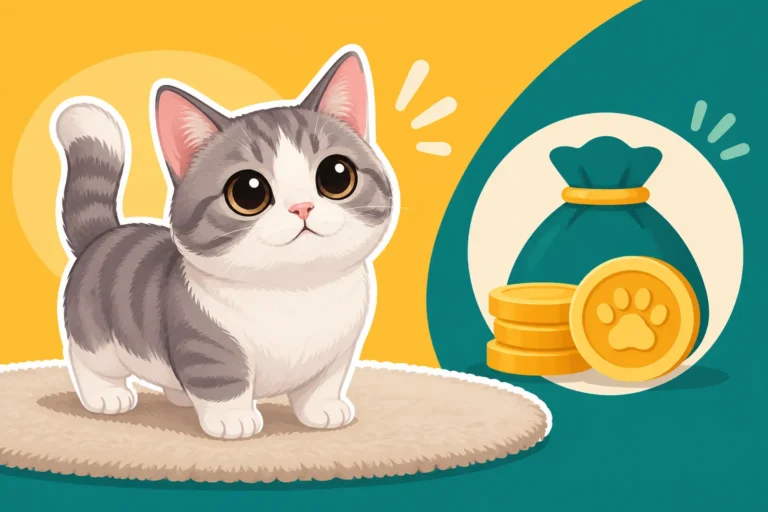
It's a reality in the world of purebred cats that physical traits aligning with the breed standard often command a higher price. Consequently, long-legged Munchkin kittens typically sell for significantly less than their short-legged littermates. While a short-legged Munchkin kitten might be priced considerably higher due to its unique physical trait, a long-legged kitten from the same litter will be much closer to the cost of a well-bred domestic cat, sometimes even less. This reflects the market's demand for the characteristic short legs. This is why What a Long Legged Munchkin Kitten Is Worth often differs significantly from its short-legged siblings.
Most long-legged Munchkins are sold as "pet only," meaning their sale contract will stipulate that they must be spayed or neutered and are not to be used for breeding. This helps prevent inexperienced individuals from attempting to breed them, potentially without proper genetic understanding. While they can be part of a responsible breeding program as an outcross, this is usually a decision made by experienced breeders who understand the genetics involved. Therefore, if you're looking for a companion and are not concerned with the short-leg trait, a long-legged Munchkin offers a wonderful opportunity to own a cat with a fantastic temperament at a more accessible price point. What a Munchkin With Longer Legs Sells For is usually a fraction of their short-legged counterparts.
Ethical Considerations and Breeder Transparency
The existence of long-legged Munchkins is a direct result of ethical breeding practices designed to safeguard the health of the breed. By using normal-legged outcrosses, breeders avoid the lethal consequences of breeding two short-legged Munchkins together. Ethical breeders will be fully transparent about this aspect of Munchkin genetics, clearly explaining why long-legged kittens are born and their role. They will provide full pedigrees and health clearances for both parents, demonstrating their commitment to the breed's welfare. You should expect to see documentation that clearly states the lineage and confirms the health of the breeding cats. Whether a Long Legged Munchkin Should Be Bred From is a complex question that responsible breeders navigate carefully.
It's crucial for prospective owners to ask questions and seek out breeders who prioritize health, temperament, and ethical breeding over simply producing the "shortest" legs. A good breeder will readily explain the genetics and show you the parents and their living conditions. They will also be honest about the care requirements for both short-legged and long-legged kittens. Understanding these dynamics is essential for making an informed decision about bringing a Munchkin into your life, ensuring you support responsible practices within the cat fancy.
Disclaimer
This article is for general informational purposes only and does not constitute professional advice. Laws, prices and regulations vary by location and change over time. Consult a qualified professional for guidance on your specific situation.