Why a Munchkin Contract Forbids Breeding Two Short Legs
It’s a truly unsettling thought for any animal lover: bringing home a new kitten, full of joy and anticipation, only to later discover that its very existence was predicated on a breeding practice that could lead to severe health issues, or even worse. This scenario, while rare among ethical breeders, is precisely why Munchkin cat breeding contracts contain very specific, often strict, clauses. Today, we're diving deep into the critical reason why these contracts explicitly forbid breeding two short-legged Munchkin cats together, exploring the genetic science and the profound ethical implications behind this vital rule.
Unpacking the Unique Genetics of the Munchkin Cat
To truly understand why a breeding contract for a Munchkin cat is so particular, we first need to grasp the fundamental genetic mechanism that gives them their distinctive short legs. It's not just a cute quirk; it's a specific genetic mutation with serious consequences if mishandled.
Why Munchkin Dwarfism Is Inherited Differently
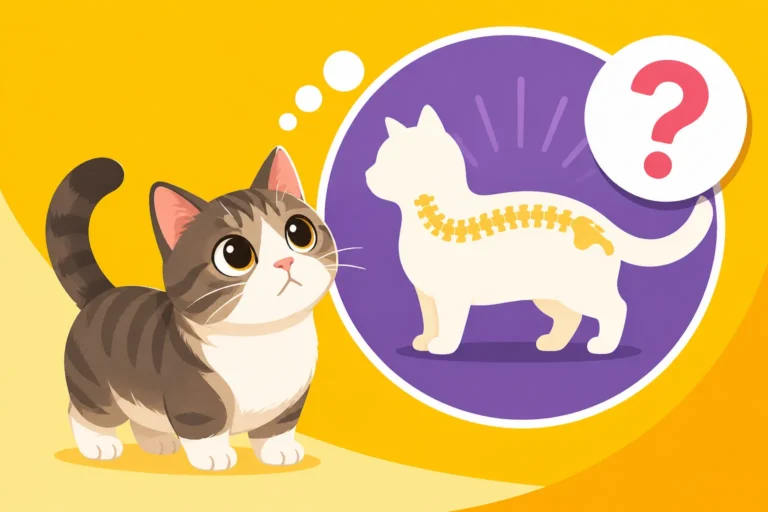
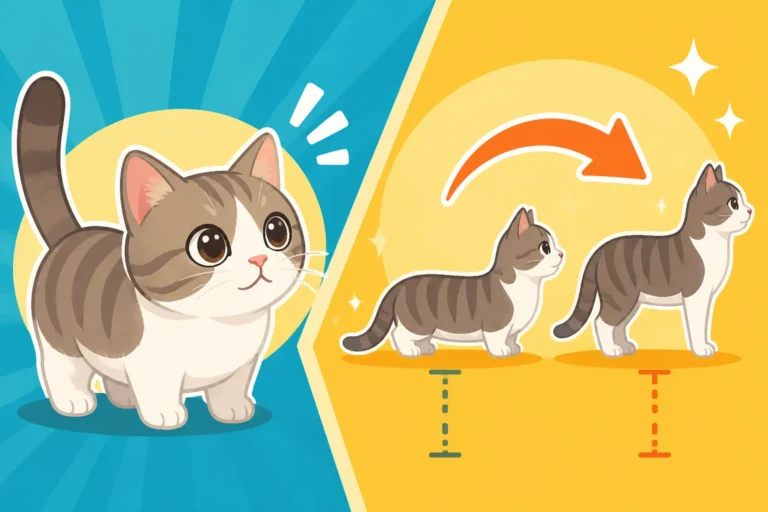
The short legs of a Munchkin cat are the result of an autosomal dominant gene. Now, that might sound like a mouthful of scientific jargon, but let's break it down simply. "Autosomal" means it's carried on a non-sex chromosome, so it affects both male and female cats equally. "Dominant" means that a cat only needs to inherit one copy of this gene from one parent to express the trait – in this case, short legs. If a cat gets one copy of the short-leg gene (let's call it M) and one copy of the normal-leg gene (m), it will have short legs (Mm). A cat with two normal-leg genes (mm) will have normal legs.
This is a crucial distinction from many other genetic traits, where two copies might be needed to show the trait, or where only one copy makes them a "carrier" without showing symptoms. For the Munchkin, if they have one copy, they are a Munchkin. It’s important to remember that Munchkin Dwarfism Is Dominant and Lethal in Two Copies.
What Two Copies of the Munchkin Gene Do
Here's where the heart of the breeding contract issue lies. While one copy of the dominant gene gives the Munchkin its characteristic short legs, two copies of the gene (MM) are what we call "homozygous dominant," and this is universally lethal. Kittens that inherit two copies of the short-leg gene from their parents simply do not survive. They either fail to develop past the embryonic stage or are reabsorbed by the mother's body early in gestation.
This means that a breeder will never intentionally breed two short-legged Munchkins together because they know, with absolute certainty, that roughly 25% of the resulting embryos will inherit two copies of the gene and perish. This isn't a possibility; it's a genetic inevitability based on Mendelian inheritance. It's a stark reminder of What Happens to a Homozygous Munchkin Embryo and forms the ethical backbone of responsible Munchkin breeding.
The Grave Consequences of Unethical Breeding Practices
Given the known lethal nature of the double short-leg gene, any decision to breed two short-legged Munchkins together is, by definition, unethical. It shows a blatant disregard for animal welfare and a severe lack of understanding of basic genetics.
Why Homozygous Munchkin Kittens Are Never Born
The fact that homozygous Munchkin kittens are never born alive is often used by some as a justification, or at least a minimization, of the breeding risk. The argument goes: "Well, you never see them suffer because they don't make it to birth." However, this perspective completely misses the point. The death of an embryo, regardless of how early it occurs, still represents a loss of life and a significant biological stress on the mother cat.
A queen carrying a litter where a quarter of the embryos are non-viable is still using her body's resources to start their development, only for them to fail. This is not a benign outcome; it puts unnecessary strain on her system and can potentially impact the health and viability of the surviving kittens. Ethical breeders prioritize the health of their breeding queens above all else, which is why they adhere strictly to the rule of outcrossing.
The Impact on the Mother Cat's Health and Future Litters
Imagine a mother cat's body constantly initiating and then terminating pregnancies within the same litter. This can lead to reabsorption issues, delayed labor for the viable kittens if the non-viable ones aren't fully reabsorbed, and general reproductive stress. While cats are resilient, repeated exposure to such stress, or even a single difficult birth, can have long-term implications for her overall health and ability to carry future healthy litters.
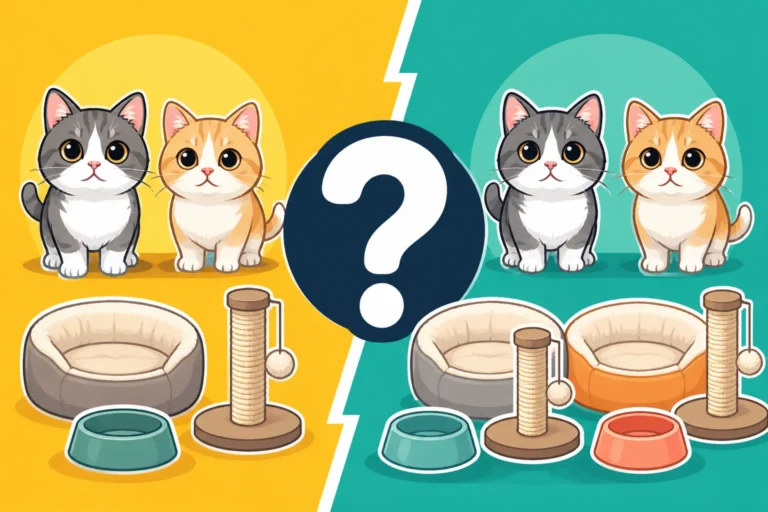
This is precisely why, as a rule, Why a Munchkin Is Always Bred to a Normal Legged Cat. This practice guarantees that no kitten will ever inherit two copies of the lethal gene, ensuring that every embryo has a fair chance at life and significantly reducing risks to the mother.
The Role of the Breeding Contract in Safeguarding the Breed
A well-drafted breeding contract isn't just a piece of paper; it's a critical tool for protecting the health and integrity of the Munchkin breed, and more importantly, the individual cats themselves. It’s a promise from the breeder to you, and from you to the cat.
What the Contract Explicitly Prohibits
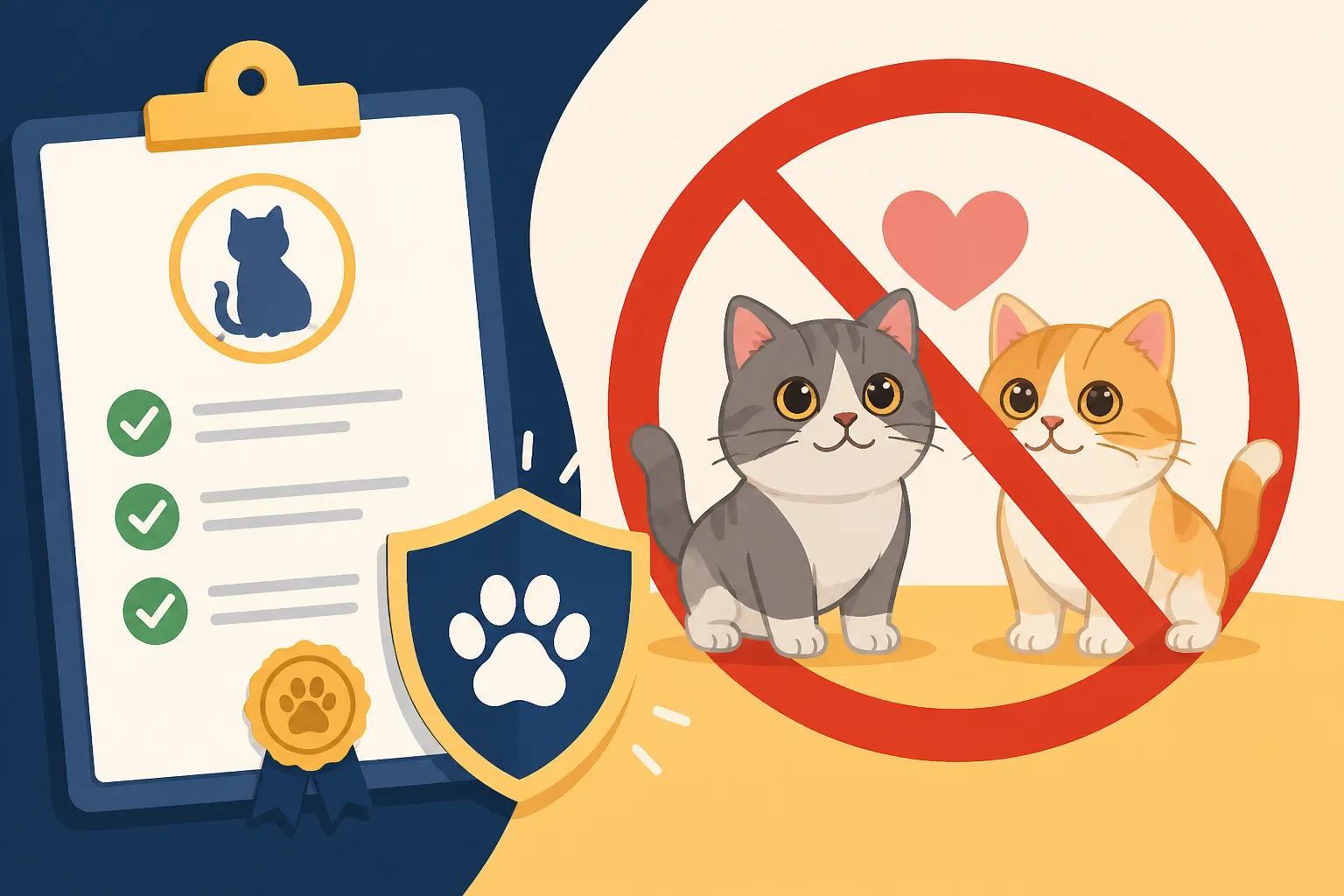
Almost universally, a reputable Munchkin breeding contract will contain a clause that expressly forbids the mating of two short-legged Munchkins. This isn't merely a suggestion; it's a non-negotiable term. It's often reinforced with penalty clauses or stipulations that the cat must be returned if this term is breached. For individuals purchasing a Munchkin kitten with breeding rights, understanding and adhering to this is paramount.
The contract might also specify that if the purchased cat is found to be homozygous for the short-leg gene (which would be extremely rare, as they typically don't survive), the breeder must be notified immediately. This situation, however, is mostly theoretical because, as we’ve discussed, What Two Copies of the Munchkin Gene Do makes this highly unlikely for a viable kitten.
The Ethical and Legal Ramifications of Breach
Breaching such a clause in a breeding contract carries both ethical and potentially legal consequences. Ethically, it means you are knowingly engaging in a practice that leads to embryonic death and puts unnecessary strain on the breeding queen. This goes against the very principle of responsible pet ownership.
Legally, the breeder could have grounds to reclaim the cat, demand financial compensation, or pursue other legal actions outlined in the contract. These contracts are designed to protect the breed and the animals, and they are taken very seriously by ethical breeders and breed organizations. When considering a Munchkin, it's also wise to check with your pet insurance, like Healthy Paws, about coverage for congenital conditions, although these genetic issues are often related to breeding practices, not individual cat health.
Identifying a Responsible Munchkin Breeder
Navigating the world of cat breeders can be tricky, but knowing what to look for—especially concerning breeding practices—is vital for making an ethical choice.
Questions to Ask About Breeding Practices
When you're speaking with a potential breeder, don't be afraid to ask direct questions about their breeding philosophy and practices. A good breeder will welcome your questions and be transparent. Here are some key inquiries:
- "Can you explain your breeding pair choices for your Munchkins?"
- "What steps do you take to prevent homozygous kittens?"
- "Can I see documentation of the sire's and dam's lineage, especially regarding their leg length?"
- "What health screenings do you perform on your breeding cats?" (This should include general health, not just leg conformation.)
- "What is your policy regarding breeding contracts and spay/neuter agreements for pet-only kittens?"
A reputable breeder will be able to clearly articulate How a Breeder Plans a Munchkin Mating and assure you they only use a short-legged Munchkin mated with a normal-legged domestic cat or a "long-legged Munchkin" (a cat from Munchkin parentage that inherited the normal leg gene). This ensures the health and vitality of the resulting kittens.
Red Flags and Green Flags in a Breeder
Red Flags:
- Refusal to discuss genetics: If a breeder is vague, dismissive, or avoids talking about the lethal homozygous gene, walk away.
- Advertising "super short" or "mini" Munchkins from two short-leg parents: This is a huge red flag, indicating they are intentionally engaging in lethal breeding practices.
- No health guarantees or overly vague contracts: A good breeder stands behind their kittens' health. While a Munchkin Guarantee Rarely Mentions the Legs, it should certainly cover overall health and genetic conditions.
- Inability to show you where the kittens are raised: Transparency is key.
- Pushing for immediate payment without vetting you as an owner: Responsible breeders care about where their kittens go.
Green Flags:
- Openly discusses genetics and ethical breeding: They'll be proud to explain why they never breed short leg to short leg.
- Provides comprehensive health records and genetic testing results: Transparency in health is crucial.
- Has a clear, detailed contract outlining breeding restrictions (if breeding rights are granted) and spay/neuter requirements for pet-only cats.
- Invites you to visit their cattery and meet the parents (if feasible and safe).
- Asks you plenty of questions about your home, lifestyle, and experience with cats: They're screening you as much as you're screening them.
- Is transparent about the costs involved, including vet checks and vaccinations.
The Long-Term Commitment to a Munchkin Cat
Bringing a Munchkin into your home means a commitment not just to their immediate care, but to understanding their specific needs throughout their life, which are shaped by their unique physical characteristics.
Lifespan and Common Health Considerations
Munchkin cats generally have a normal lifespan, often The Twelve to Fifteen Years a Munchkin Usually Gets, comparable to other domestic cats. However, their short legs do mean they experience the world differently, and as they age, joint health can become a more prominent concern. While their short legs aren't inherently painful, the way they move and jump can put different stresses on their joints compared to a long-legged cat.
Conditions like osteoarthritis may manifest earlier in their shoulders or elbows, which bear the brunt of their movements. Regular vet check-ups are essential, and your vet may suggest joint supplements as they get older. Keep an eye on Whether a Munchkin Gets Arthritis Earlier and discuss preventative care options.
Adapting Your Home for Your Short-Legged Friend
The unique physicality of a Munchkin means that their environment needs to be thoughtfully adapted. This isn't about making their life harder; it's about making it safer and more comfortable, allowing them to thrive without undue strain. Think about how a standard cat tree might be too tall, or how jumping repeatedly off a high bed could impact their spine and joints over time.
You'll need to consider:
- Ramps and steps: For accessing furniture like sofas and beds. Many pet supply stores, including large retailers like Chewy, offer a variety of ramps and pet steps that are perfect for Munchkins.
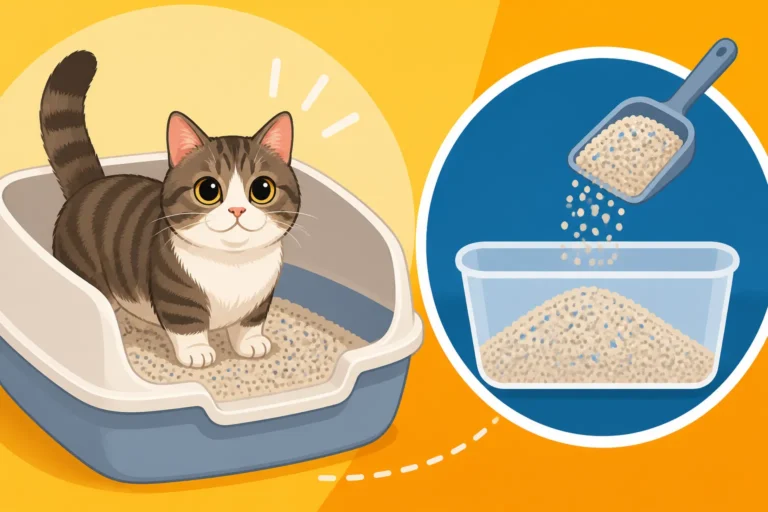
- Low-entry litter boxes: Essential for easy access, especially as they age or if they have any mobility issues. Why a Munchkin Needs a Litter Box It Can Walk Into is a practical consideration from day one.
- Accessible scratching posts: Horizontal scratchers or those with lower platforms are often better suited.
- Weight management: This is critically important. Why Weight Is More Dangerous on a Munchkin is because every extra pound puts disproportionate stress on their short limbs and spine. A high-quality diet and portion control are key.
The Future of Munchkin Breeding and Ownership
The debate around the Munchkin cat and its welfare continues to be a passionate one in the cat fancy community. Understanding these discussions helps owners make informed choices and advocate for responsible practices.
The Ongoing Ethical Debate
Many cat registries and welfare organizations worldwide still refuse to recognize or register the Munchkin breed due to concerns over its genetic mutation. They argue that intentionally breeding for a characteristic that impacts mobility and carries a lethal gene in its homozygous form is unethical. For example, Why CFA Will Not Register a Munchkin boils down to these welfare concerns.
Proponents, primarily TICA (The International Cat Association), which grants the Munchkin championship status, argue that with responsible breeding practices (i.e., always outcrossing to normal-legged cats), the breed is healthy and playful, with no significant mobility issues beyond what's visually apparent. They emphasize that the cat’s personality is typically quite active and inquisitive, and they do adapt to their unique physique.
Advocating for Responsible Ownership
As a Munchkin owner, you become an ambassador for the breed. By demonstrating responsible ownership, you contribute positively to the perception and welfare of Munchkin cats. This means:
- Supporting ethical breeders: Always choose a breeder who adheres to the strictest ethical standards, especially regarding breeding pairs and health screening.
- Educating others: Share accurate information about Munchkin genetics and the importance of responsible breeding to combat misinformation.
- Prioritizing your cat's health: Regular vet care, proper nutrition, weight management, and environmental adaptations are crucial.
- Considering pet insurance: It's always a good idea to have a plan for unexpected vet costs, and providers like Healthy Paws can offer peace of mind.
Ultimately, the breeding contract clause forbidding the mating of two short-legged Munchkins is not merely a formality. It is a cornerstone of ethical breeding, born from a deep understanding of genetics and a commitment to preventing suffering. It ensures that every Munchkin kitten brought into the world has the best possible start, avoiding the tragic fate of its homozygous counterparts.
Disclaimer
This article is for general informational purposes only and does not constitute professional advice. Laws, prices and regulations vary by location and change over time. Consult a qualified professional for guidance on your specific situation.