What to Do With a Munchkin When You Travel
The thought of traveling can bring a mix of excitement and apprehension, and when you have a cherished Munchkin cat, that apprehension can feel even stronger. You worry about their comfort, their safety, and how their unique physical traits might make a journey challenging. It’s a common dilemma for Munchkin parents! This guide is designed to walk you through everything you need to consider for traveling with your short-legged companion, from essential preparations to understanding different travel methods and even exploring alternatives to taking them along.
Understanding Your Munchkin's Travel Needs
When planning any kind of travel with your Munchkin, the first step is always to understand the specific needs and limitations of their unique physique and personality. They aren't just small cats; they have a distinct way of moving and interacting with their environment that influences how they'll experience new places. Ignoring these aspects can turn a potentially fun trip into a stressful ordeal for everyone involved.
Physical Limitations and Stressors
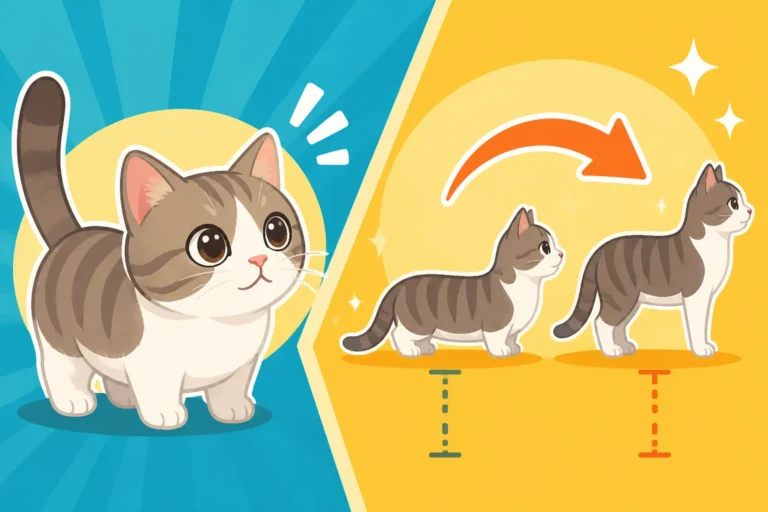
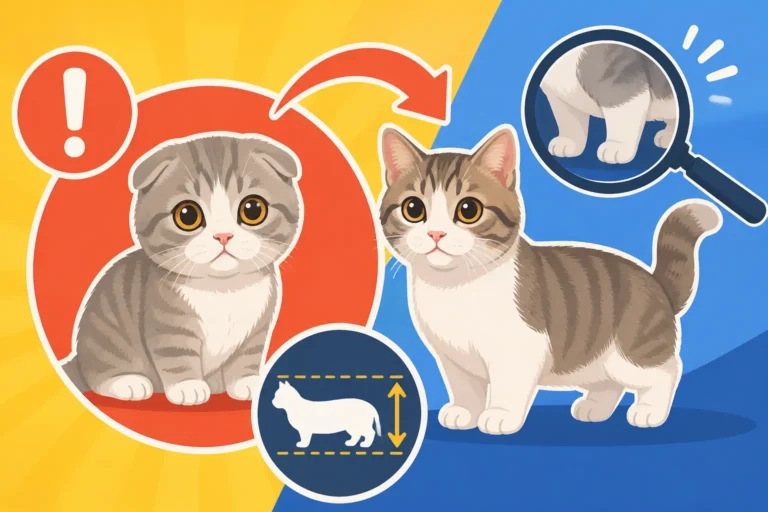
Let’s be honest, those adorable short legs are what make Munchkins so captivating, but they also dictate a lot about how your cat navigates the world. Unlike a typical cat that can effortlessly leap onto a kitchen counter or scale a tall cat tree, your Munchkin is literally grounded. This means that access to common items like a standard litter box, food bowls, or even a comfy bed on a raised surface can become a significant hurdle during travel. Imagine being in a strange new place and suddenly finding all your essential resources out of reach! This isn't just an inconvenience; it can be a major source of stress for your feline friend.
Think about how your Munchkin uses furniture as a staircase at home, carefully planning their ascents and descents. In an unfamiliar hotel room or a relative's house, those familiar routes disappear, and they might find themselves unable to reach their usual safe havens or observation points. This can make them feel vulnerable, as cats instinctively seek high ground for security. Furthermore, prolonged periods in an uncomfortable or poorly designed carrier can put strain on their unique spinal structure, especially if they have underlying conditions like Lordosis. Ensuring easy access and minimal physical exertion during transit and at your destination is paramount for their well-being. It's crucial to remember that Why a Munchkin's Legs Are Short but Its Body Is Not, which means their normal-length spine is supported by shorter limbs, requiring careful consideration.
Temperament and Acclimation
Beyond their physical needs, your Munchkin's individual temperament plays a massive role in how well they'll adapt to travel. While many Munchkins are known for their playful, affectionate, and curious nature, they are still cats, and cats are creatures of habit. A sudden change in environment, routine, and even the scent profile of their surroundings can be incredibly unsettling. Some Munchkins might be naturally more adventurous and take new experiences in stride, while others are shy, prone to anxiety, and prefer the predictable comfort of home. Knowing your individual cat is key.
For a sensitive Munchkin, new sights, sounds, and smells can quickly become overwhelming. They might hide, refuse to eat, or exhibit stress behaviors like excessive grooming or vocalization. The process of acclimation to a new place should never be rushed. Even the "Prairie Dog Sit," which is an adorable trait unique to the breed, where they sit up on their hind legs to get a better view, can sometimes be a sign they are trying to gain a better perspective in a confusing situation. Taking the time to slowly introduce them to their travel carrier and the idea of being in a moving vehicle can make a world of difference. Remember, A Munchkin Is a Normal Cat That Cannot Reach, which inherently means they might feel more exposed or less in control in an unfamiliar space where vertical escape routes are limited.
Essential Preparations for Any Trip
Once you've reflected on your Munchkin's specific needs, it's time to get down to the nitty-gritty of preparation. A well-prepared journey minimizes stress for both you and your feline friend, turning potential problems into manageable situations. Think of it as building a robust travel kit and a solid plan before you even think about hitting the road or taking to the skies.
Carrier Selection and Training
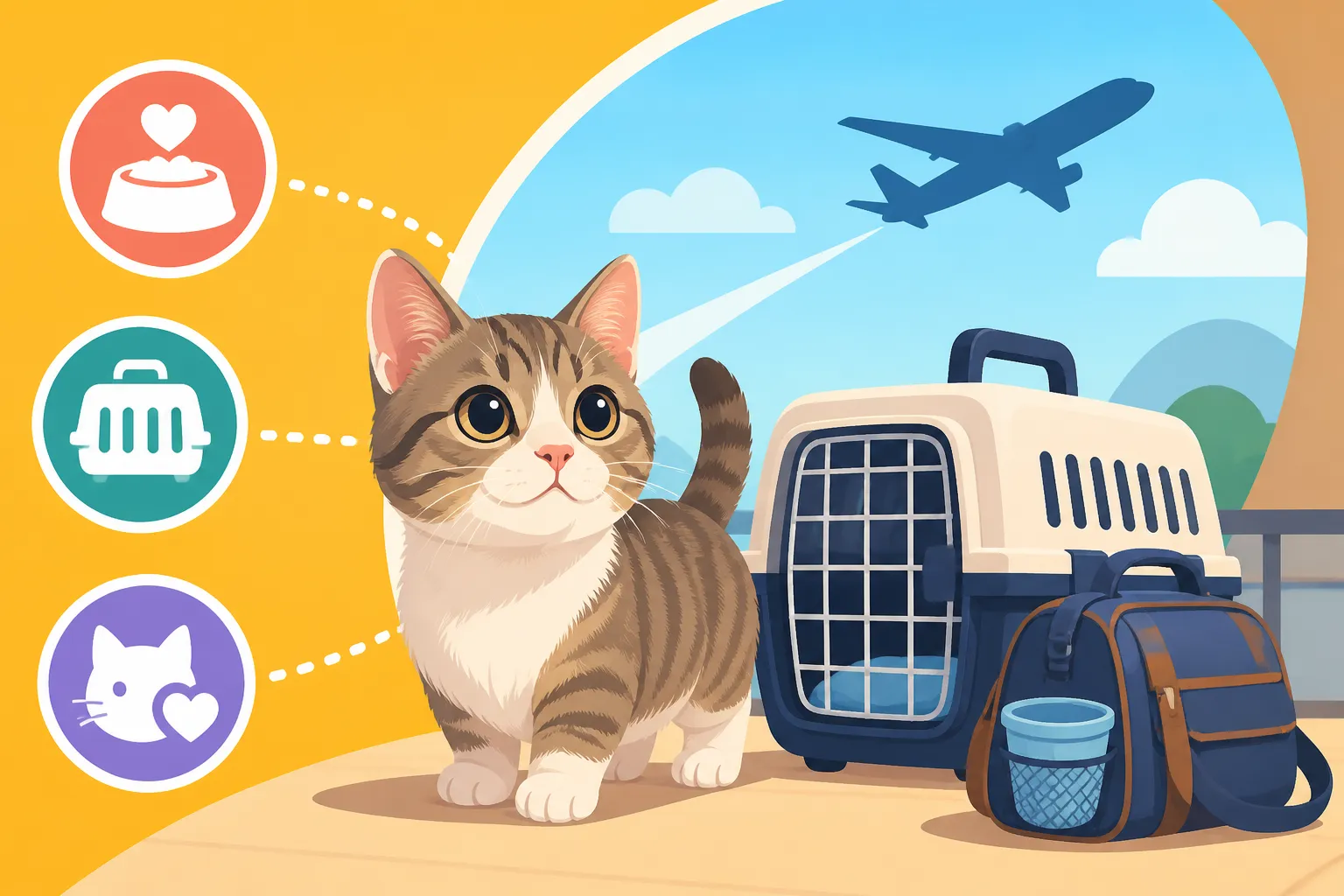
Choosing the right carrier is non-negotiable for a Munchkin. Forget those tall, top-loading carriers that require a leap or a precarious drop. Your Munchkin needs a carrier with a low-entry front door, allowing them to walk in and out with ease, minimizing strain on their back and legs. Look for carriers that are sturdy, well-ventilated, and large enough for them to stand up, turn around, and lie down comfortably. Soft-sided carriers can sometimes offer a bit more flexibility and comfort, but hard-sided ones provide more protection in a car. Ensure it's secure, with reliable latches, so there's no chance of an accidental escape during a stop or transfer.
Carrier training should start long before your departure date. Leave the carrier out in your home, making it a regular, non-threatening piece of furniture. Place soft bedding, favorite toys, or even delicious treats inside. Encourage your Munchkin to explore it at their own pace. Feed them meals near or inside the carrier. Gradually introduce short periods of time inside the carrier with the door closed, then lift it for brief moments, and eventually take short car rides. The goal is to create a positive association, so the carrier becomes a familiar, safe den rather than a symbol of scary travel. For options that fit their unique needs, you can find many suitable low-entry carriers through retailers like Chewy, which often carry a wide variety of pet travel solutions. Which Carrier a Munchkin Can Walk Into Itself is a great resource for understanding what features to prioritize.
Health Checks and Documentation
Before any significant travel, a visit to your veterinarian is paramount. This isn't just about ticking boxes; it’s about ensuring your Munchkin is healthy enough for the journey and addressing any potential issues before they become emergencies. Your vet can perform a general health check, confirm all vaccinations are up to date, and advise on any preventative measures. If you're traveling across state lines or internationally, inquire about specific health certificate requirements well in advance. These can take time to process, and you don't want last-minute surprises holding up your trip.
Always ensure your Munchkin is microchipped and that your contact information associated with the chip is current. A lost pet in an unfamiliar place is every owner's nightmare, and a microchip significantly increases the chances of a happy reunion. Discuss any existing medications your Munchkin takes, and ensure you have an ample supply, plus a few extra days' worth, in case of travel delays. Your vet might also discuss options for mild sedatives or calming pheromone sprays if your cat is particularly anxious about travel. Investing in pet insurance, such as through Healthy Paws, can also provide invaluable peace of mind, covering unexpected vet visits or emergencies that might arise while you're away from your usual clinic. Understanding Which Vaccines an Indoor Munchkin Needs will guide your pre-travel vet check.
Packing the Munchkin-Specific Essentials
Packing for your Munchkin goes beyond just food and water. You need to create a “home away from home” environment as much as possible, tailored to their short stature. Bring plenty of their regular food to avoid any sudden dietary changes that could cause digestive upset. If your Munchkin is on a specialized diet, make sure you have a plan for maintaining that consistency. Pack travel-friendly, raised food and water bowls that won't require them to strain their neck or crouch uncomfortably.
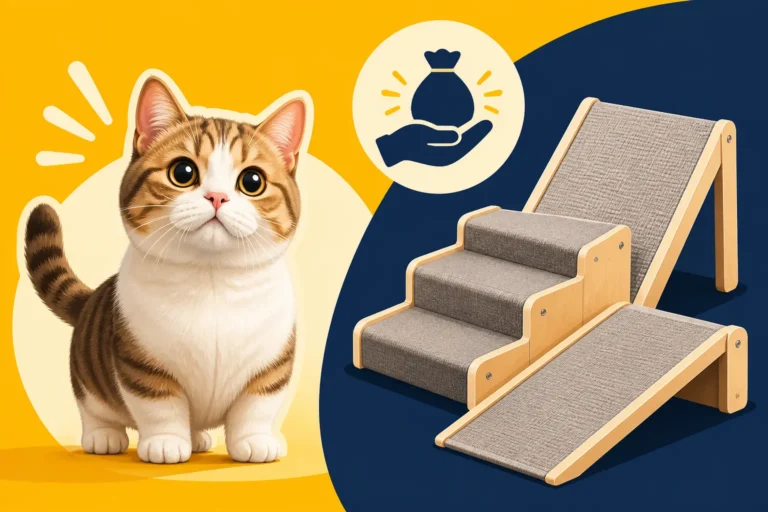
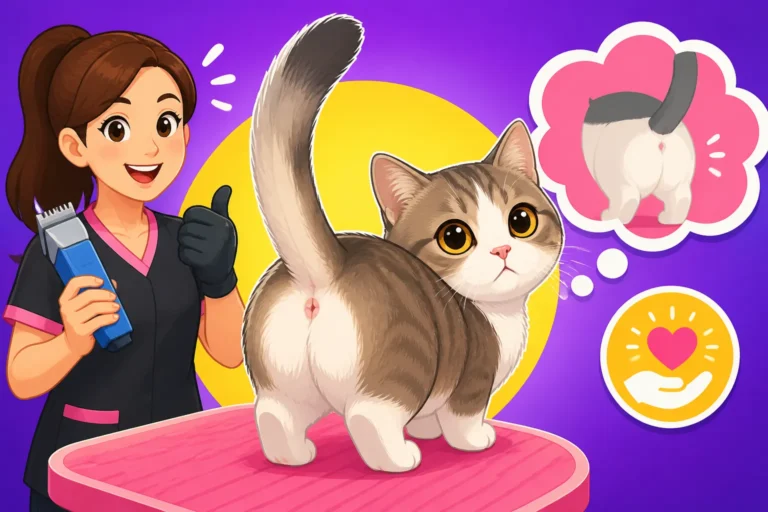
Crucially, bring a low-entry litter box and enough of their preferred litter. An unfamiliar or inaccessible litter box can lead to accidents and unnecessary stress. Many owners find senior cat litter boxes, which have a very low entrance, ideal for Munchkins. Don't forget familiar items like their favorite blanket, a comfort toy, or a worn piece of your clothing; these items carry familiar scents that can provide immense comfort in a strange new place. And, of course, their ramps or steps are vital. You'll need these to ensure they can access furniture like beds or sofas at your destination, preventing them from attempting dangerous jumps or feeling isolated on the floor. What a Low Entry Munchkin Litter Box Costs and What a Full Set of Munchkin Ramps Costs are good references for budgeting these essential items. Lastly, remember their grooming supplies, especially for their hindquarters, which they struggle to reach themselves.
Travel Options and Their Considerations
Deciding how to travel with your Munchkin involves weighing various factors, each presenting its own set of challenges and benefits. Your choice will largely depend on the distance, your cat's temperament, and the specific rules of transportation providers. It's about finding the safest and least stressful path.
Car Travel: Making It Safe and Comfortable
Car travel is often the most common and, for many Munchkin owners, the preferred method, as it offers the most control over the environment. Your Munchkin should always be secured in their carrier in the car, never loose. A loose cat can become a dangerous projectile in an accident or dart under your feet, causing a distraction. Place the carrier on the floor behind a seat or secure it with a seatbelt on the back seat. Avoid placing it in direct sunlight or in an area where it might get too hot or cold. You want good airflow, but not a draft.
During long drives, plan for regular stops. These aren't just for you; they're for your cat. In a safe, contained environment (like a parked car with closed windows or a secure pop-up pen if you have one), offer a small amount of water and access to their low-entry litter box. Never leave your Munchkin unattended in the vehicle, especially in extreme temperatures. Temperatures inside a car can rise or fall dangerously quickly. If your Munchkin tends to get carsick or highly anxious, your vet might recommend a calming spray or a mild sedative, but these should always be used under veterinary guidance. Familiar smells from home, like a favorite blanket in the carrier, can also work wonders to ease their anxiety. How a Munchkin Braces Itself in a Moving Car highlights the importance of a secure, stable carrier to prevent discomfort.
Air Travel: Navigating the Complexities
Air travel with a Munchkin introduces a layer of complexity and potential stress that requires careful consideration. The most crucial decision is whether your Munchkin will travel in the cabin with you or in the cargo hold. For a Munchkin, or any brachycephalic (short-nosed) breed, in-cabin travel is almost always the safer and less stressful option. The cargo hold environment, with its temperature fluctuations, loud noises, and lack of human supervision, can be incredibly dangerous, especially for cats with potential respiratory issues or those prone to stress. Many airlines now restrict brachycephalic breeds from cargo due to these risks.
If in-cabin travel is your choice, you must adhere strictly to airline-specific rules regarding carrier dimensions. These rules are non-negotiable, as the carrier must fit under the seat in front of you. Book your cat's spot well in advance, as airlines limit the number of pets allowed in the cabin. You'll need an up-to-date health certificate from your vet, typically issued within 10 days of travel. During the flight, keep their carrier covered with a light blanket to create a dark, quiet den, and offer water if possible, but avoid food to prevent stomach upset. For longer flights, speak to your vet about safe hydration strategies. The decision of Whether a Munchkin Should Travel in the Cabin or the Hold often comes down to airline policy and your comfort level with the associated risks.
Here's a quick comparison of in-cabin versus cargo travel for Munchkins:
| Feature | In-Cabin Travel | Cargo Hold Travel |
|---|---|---|
| Safety | Generally safer, under owner's direct supervision | Higher risk due to temperature, noise, lack of supervision |
| Comfort | Less stressful, familiar presence of owner | Very stressful, isolated, loud, unfamiliar |
| Carrier | Specific dimensions, soft-sided often preferred | Larger, hard-sided, well-ventilated, IATA compliant |
| Health Risks | Minimal for healthy cats | Elevated risk, especially for brachycephalic breeds |
| Cost | Flat pet fee, usually less than cargo | Variable, often significantly higher |
| Required Docs | Health certificate, vaccination records | Extensive, including acclimation certificates |
| Best For Munchkin | Highly recommended due to short legs/potential stress | Strongly discouraged, especially for brachycephalics |
Other Considerations: Trains, Buses, and Pet Sitters
While cars and planes are the most common, other modes of transport exist, though they often come with more restrictions. Train travel can be a more relaxed alternative to flying, offering more space and flexibility. However, pet policies vary wildly between train companies and routes, with many only allowing small pets in carriers, and some prohibiting them entirely on long-distance journeys. Bus travel is even more restrictive, with most intercity bus lines not allowing pets at all, except for service animals. Always research and confirm policies directly with the carrier well in advance of making any bookings.
Sometimes, despite all the planning and good intentions, the best travel plan for your Munchkin is not to travel at all. For shorter trips, or if your Munchkin is particularly sensitive or has health issues, leaving them in the familiar comfort of their home environment with a trusted pet sitter might be the kindest option. This eliminates the stress of new sights, sounds, and unfamiliar routines altogether. It's about putting your cat's well-being first, even if it means missing out on their company during your vacation.
Adapting Your Destination for a Munchkin
So, you've successfully navigated the journey with your Munchkin. Congratulations! Now, the next crucial step is ensuring their destination is as safe, comfortable, and accessible as possible. A little forethought and a few simple adjustments can transform an unfamiliar place into a welcoming temporary home for your short-legged friend.
Hotel Rooms and Vacation Rentals
When booking accommodations, always double-check the pet policy. Beyond just being "pet-friendly," inquire about any specific size restrictions, pet fees, or areas where pets are not allowed. Once you arrive, the first thing to do is Munchkin-proof the room. Get down to their level and scan for potential hazards: small spaces they could get stuck in, exposed wires, toxic plants, or even open windows without screens. Block off any dangerous areas with luggage or portable pet gates if necessary.
Create a designated "safe zone" for your Munchkin as soon as you enter. This is where their carrier, low-entry litter box, food, and water bowls, and familiar bedding should be placed. This central hub of familiarity helps them acclimate faster and gives them a secure base to return to. You might also want to bring a few familiar toys to encourage play and exploration once they've settled. If you're staying for more than a night or two, consider setting up their ramps or steps so they can easily access the bed or a window perch, fulfilling their natural desire to explore and observe their surroundings without having to make potentially damaging jumps. Making One Room Reachable for a Munchkin All Day can provide excellent ideas for setting up their temporary space.
Visiting Friends and Family
Staying with friends or family often feels more relaxed than a hotel, but it requires even more communication and preparation. Discuss your Munchkin's needs with your hosts beforehand. Explain their physical limitations and why things like a low-entry litter box or ramps are essential. Make sure they understand that your cat cannot easily jump to escape a curious child or an overly friendly dog. Set clear boundaries for other pets in the house, ensuring your Munchkin has a dedicated, secure space where they can retreat and feel safe from unwanted interactions.
If there are children present, educate them on how to interact gently and safely with your Munchkin. Emphasize that your cat cannot climb to escape and therefore needs a calm, respectful environment. Bringing your Munchkin's own familiar items – their bed, toys, and particularly their ramps – is even more important here, as it helps integrate them into an already established household without completely disrupting the flow. Why a Munchkin Has to Be Protected From Children and Dogs is a vital read for anyone considering bringing their Munchkin into a home with other inhabitants.
Safety First: Preventing Escapes and Accidents
Munchkins, despite their short stature, can be surprisingly quick and adept at squeezing into tight spaces. In a new environment, their curiosity might lead them to explore areas that could be dangerous or from which they cannot easily escape. Always double-check that all windows, doors, and balconies are securely closed before letting your Munchkin out of their carrier. Be vigilant when entering or exiting the room, especially if it's on a ground floor or has direct access to the outdoors.
Consider a cat harness and leash for any supervised outdoor time, even in a seemingly secure area like a patio or enclosed yard. This prevents sudden dashes or getting lost in an unfamiliar territory. Remember, Why a Munchkin Cannot Climb Away From Anything, which means if they get into trouble or are startled, their primary escape mechanism is running, not climbing. Always prioritize prevention over reaction, as recovering a lost pet in an unknown location is an incredibly stressful and difficult ordeal. A secure environment allows your Munchkin to relax and explore safely, ensuring your trip remains enjoyable for both of you.
Alternatives to Traveling with Your Munchkin
Sometimes, the most loving decision you can make for your Munchkin is to leave them in the comfort of their own home. While the thought of being without your furry companion can be tough, evaluating alternatives can provide immense peace of mind, knowing they are safe and happy while you're away.
Pet Sitters and In-Home Care
For many Munchkin owners, an in-home pet sitter is the gold standard when travel is unavoidable. The primary benefit is that your Munchkin remains in their familiar environment, maintaining their routine, scents, and established safe spaces. This drastically reduces stress compared to being transported and placed in an unfamiliar location. A pet sitter can provide one-on-one attention, maintain their feeding schedule, clean their low-entry litter box, and ensure they have access to their ramps and favorite resting spots.
When choosing a pet sitter, don't just pick anyone. Seek out sitters with excellent references, experience with cats, and ideally, specific familiarity with special needs breeds or those with mobility considerations, like Munchkins. Interview them thoroughly, and ask about their emergency protocols. Provide them with detailed instructions covering everything from feeding portions and medication schedules to playtime preferences and, critically, instructions for their grooming needs, especially How Often a Longhaired Munchkin's Back Half Needs Brushing. Ensure they understand the importance of keeping paths clear and that your Munchkin cannot reach high surfaces. A trial visit or two before your departure can help your Munchkin get comfortable with the sitter, and it allows you to observe their interaction. What a Munchkin Owner Regrets Not Budgeting For often includes not adequately preparing for pet sitting costs, which are an investment in your cat's well-being.
Boarding Facilities and Special Requirements
If an in-home pet sitter isn't an option, a reputable boarding facility is the next consideration. However, for a Munchkin, finding the right facility requires extra diligence. Standard cat boarding often involves multi-tiered caging or cat condos with high shelves that are entirely inaccessible and potentially dangerous for a Munchkin. You need to seek out facilities that are specifically designed for cats with mobility challenges or those willing to make special accommodations.
Before booking, schedule a tour of the facility. Look for cleanliness, calm environments, and attentive staff. Crucially, ask about their setup for short-legged cats: Do they have ground-level accommodations? Are there ramps or low steps to access sleeping areas? Can they accommodate a low-entry litter box? Discuss your Munchkin's diet, medication needs, and any specific health concerns like spinal sensitivities. Reputable facilities will require up-to-date vaccinations and may ask for a vet's contact information. Why a Boarding Cattery Has to Adapt a Pen for a Munchkin underscores the necessity of finding a place that understands and caters to their unique needs. Don't compromise on these details, as a poorly suited environment can cause significant stress and even injury.
Weighing the Costs and Benefits
Ultimately, the decision of whether to travel with your Munchkin or leave them behind comes down to a careful weighing of costs and benefits – not just financial, but emotional and physical as well. Traveling with your Munchkin incurs direct costs like airline pet fees (which can be substantial), specialized carriers, health certificates, and potential pet fees at accommodations. It also carries the emotional and physical cost of stress for your cat, and the added logistics and worry for you. An unexpected vet emergency during travel can be incredibly costly, making pet insurance from a provider like Healthy Paws a wise investment regardless of your travel plans.
Conversely, leaving your Munchkin at home with a sitter or in a specialized boarding facility also comes with a financial cost. However, the benefit is often a happier, less stressed cat, which in turn means less worry for you during your trip. Sometimes, the peace of mind knowing your Munchkin is in their familiar territory, or a safely adapted environment, is worth every penny. Consider your Munchkin's individual personality: is your cat a natural adventurer, or do they thrive on routine? For many, especially those with particularly shy or health-compromised Munchkins, opting for home care is the most responsible and loving choice. This decision should always put your Munchkin's welfare at the forefront. When considering the full picture, reviewing resources like What a Munchkin Costs Over Thirteen Years might help put long-term care into perspective against shorter-term travel decisions.
Disclaimer
This article is for general informational purposes only and does not constitute professional advice. Laws, prices and regulations vary by location and change over time. Consult a qualified professional for guidance on your specific situation.