What Happens If a Munchkin Kitten’s Legs Come In Long
It's completely normal to feel a bit confused when you hear about Munchkin kittens, especially when the conversation turns to those with "long legs." Many people envision a whole litter of short-statured furballs, but the reality is quite different due to how the Munchkin gene works. This guide is here to unravel the mystery of long-legged Munchkin kittens, helping you understand their genetics, what it means for their health and temperament, and what to expect if one of these delightful, longer-limbed felines joins your family.
Understanding Munchkin Genetics: Why Some Kittens Have Longer Legs
The defining characteristic of a Munchkin cat is its adorable, disproportionately short legs. This trait is caused by a specific genetic mutation, but it doesn't mean every kitten born to a Munchkin parent will inherit those characteristic short legs. In fact, it's quite the opposite in many ways. Understanding the underlying genetics is key to appreciating why some Munchkin kittens come with legs of standard length.
The Autosomal Dominant Gene and Litter Outcomes
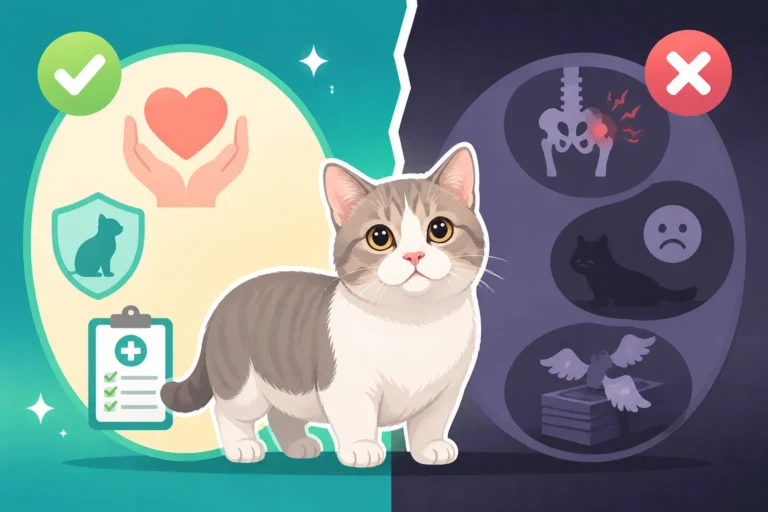
The gene responsible for the Munchkin's short legs is an autosomal dominant gene. What this means in plain language is that a cat only needs one copy of this gene to display the short-legged trait. However, and this is crucial, two copies of the gene are considered lethal. Kittens that inherit two copies of the short-leg gene sadly do not survive, often being reabsorbed early in gestation. This is why you will never find a breeder purposefully mating two short-legged Munchkins together; it's simply unethical and results in heartbreak. What Two Copies of the Munchkin Gene Do
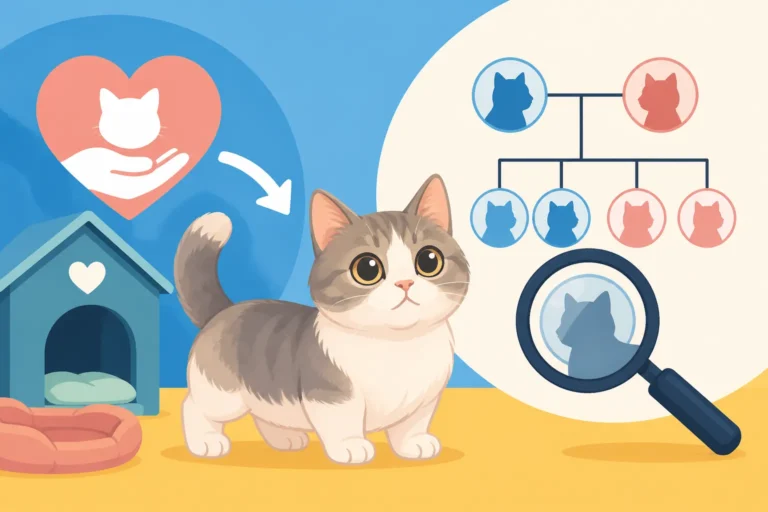
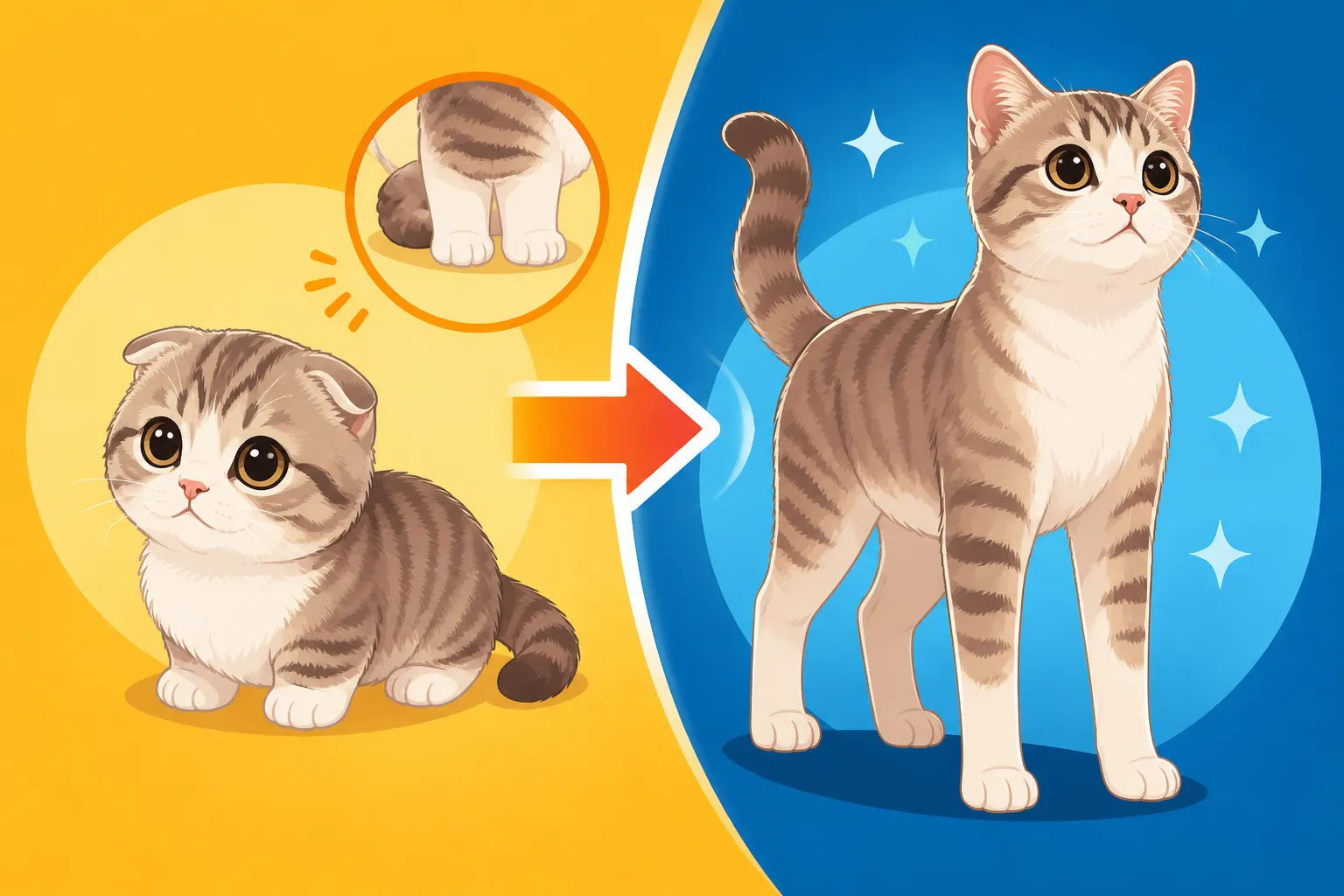
Because of this genetic reality, a Munchkin cat (which has one copy of the dominant short-leg gene) must always be bred to a domestic cat with normal-length legs (which has no copies of the short-leg gene). This type of pairing, often referred to as an "outcross," ensures genetic diversity and, importantly, produces litters that are roughly split. Statistically, about half the kittens in a Munchkin litter will inherit one copy of the short-leg gene and therefore have short legs, while the other half will inherit no copies and thus have normal, standard-length legs. This explains why your breeder will have both short-legged and long-legged kittens in the same litter! It's a natural and expected outcome of careful, ethical breeding practices. Why Half a Munchkin Litter Has Normal Legs
Dispelling Myths: They Are Still Munchkins
It's a common misconception that if a kitten from a Munchkin litter has long legs, it's somehow "less" of a Munchkin, or even not a Munchkin at all. This couldn't be further from the truth. These long-legged kittens are genetically linked to the Munchkin breed; they simply didn't inherit the specific gene for short legs. They are often referred to as "standard-legged Munchkins," "non-standard Munchkins," or sometimes "Munchkin variants." They share the same parentage, the same genetic background, and typically the same wonderful temperament as their short-legged siblings.
Think of it like human siblings: you might have one child with curly hair and another with straight hair, but they are both unequivocally your children. Similarly, standard-legged Munchkins are an integral part of the breed's genetic lineage and play a vital role in maintaining genetic health and diversity within the breed. They are not mistakes or lesser versions; they are simply a different expression of the same genetic lottery. This distinction is important, especially when discussing registration or breeding potential, which we'll delve into shortly. How Munchkin Dwarfism Is Inherited
Life as a Standard-Legged Munchkin: Health and Temperament
One of the most appealing aspects of a standard-legged Munchkin is that they typically enjoy all the benefits of a robust, healthy domestic cat, with none of the potential skeletal concerns sometimes associated with their short-legged siblings. They are energetic, playful, and wonderfully affectionate companions, often surprising new owners with their boundless curiosity and intelligence.
Health Advantages of Normal Leg Length
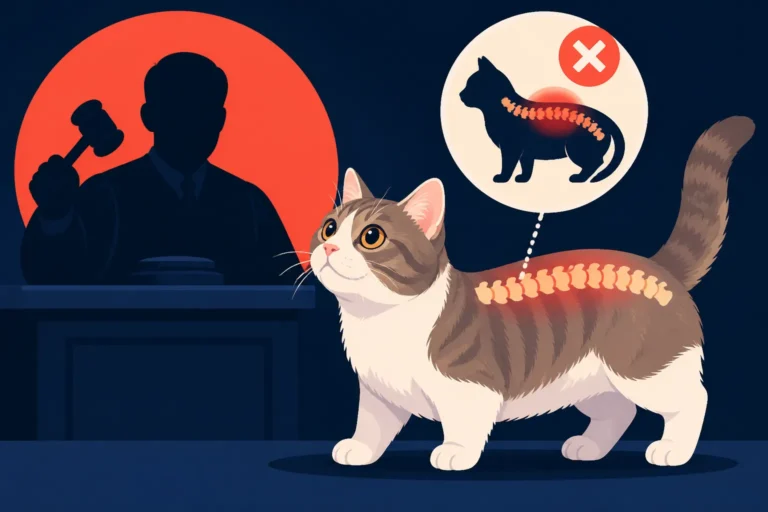
A standard-legged Munchkin, by definition, does not carry the short-leg gene. This means they are not predisposed to the specific health concerns that are debated within the short-legged Munchkin community, such as lordosis (an exaggerated spinal curve) or pectus excavatum (a sunken chest), though these conditions can occur in any cat breed at varying rates. For a standard-legged Munchkin, their skeletal structure is typically identical to that of any other domestic cat. This can give owners peace of mind regarding mobility and joint health. They can jump, run, and play with the same agility and ease as any average feline, without the added strain on joints that shorter legs might sometimes entail over a lifespan. Why a Munchkin's Spine Is Normal Length
This doesn't mean they are entirely immune to health issues; like all cats, they benefit from regular veterinary check-ups, a balanced diet, and preventative care. However, many owners find comfort in knowing that the primary genetic quirk of the Munchkin breed doesn't apply to their long-legged companion. When considering pet insurance, a standard-legged Munchkin might even see some differences in how policies are structured, as they don't carry the specific breed traits that some insurers might view as higher risk. It's always a good idea to research providers like Healthy Paws to understand their coverage options for any cat, regardless of breed.
Temperament and Activity Levels
In terms of temperament, standard-legged Munchkins are generally indistinguishable from their short-legged littermates. They tend to be incredibly sweet, outgoing, and playful cats. They're often described as social butterflies who love interacting with their human family members and can adapt well to multi-pet households. Their playful nature means they thrive on enrichment and interaction. Because they have full mobility, they can access high perches, scale cat trees, and engage in vigorous play sessions that might be challenging for their short-legged relatives.
You'll find them just as curious and intelligent, often following you from room to room, engaging in games of fetch, or simply observing your activities from a high vantage point. They retain the "Munchkin personality" – often described as dog-like in its devotion and playful antics – but with the added physical prowess of a cat with standard proportions. Providing them with engaging toys, scratching posts, and opportunities for climbing will keep them happy and mentally stimulated. What a Munchkin Is a Normal Cat That Cannot Reach
The Practical Side: Registration, Breeding, and Market Value
When you acquire a Munchkin kitten, whether short-legged or long-legged, there are practical considerations regarding its official status, potential for breeding, and, naturally, its cost. These aspects can differ significantly between the two leg lengths.
Registration Status and Showing Opportunities
For breeders and enthusiasts interested in showing cats, the distinction between short-legged and standard-legged Munchkins is quite important. The International Cat Association (TICA) is the primary registry that fully recognizes the Munchkin breed. For a Munchkin to be shown in TICA's championship classes and compete for titles, it must exhibit the short-legged trait. Standard-legged Munchkins, while recognized as part of the Munchkin breed, cannot be shown in championship classes. They can, however, be registered with TICA and often participate in preliminary new breed classes or other non-championship events if the goal is to further develop Munchkin-derived breeds.
This means that if your goal is to have a show cat, a standard-legged Munchkin won't fit that bill for the Munchkin breed itself, though they might be used in the foundation of new breeds that incorporate the Munchkin's genetics but aim for different physical traits. For pet owners, registration is often less about showing and more about pedigree and knowing the kitten's lineage. Reputable breeders will register all kittens from a Munchkin pairing, regardless of leg length, to maintain accurate records. Whether a Long Legged Munchkin Can Be Registered
Breeding Considerations for Standard-Legged Munchkins
This is where standard-legged Munchkins become incredibly valuable to ethical breeders. As established, two short-legged Munchkins should never be bred together due to the lethal gene factor. Therefore, short-legged Munchkins must always be bred to cats with normal legs. These normal-legged partners can be domestic non-pedigree cats (known as outcrosses) or, crucially, standard-legged Munchkins from approved pedigrees.
Standard-legged Munchkins are a vital part of the Munchkin breeding program because they carry the valuable "Munchkin" genetics and temperament, without having the short-leg gene themselves. When a short-legged Munchkin is bred to a standard-legged Munchkin, the resulting litter will still produce both short-legged and long-legged kittens in roughly equal measure, just as with an outcross to a domestic shorthair. This ensures the continuation of the breed's unique characteristics while maintaining genetic diversity and health. Why a Munchkin Is Always Bred to a Normal Legged Cat
However, it's important to remember that standard-legged Munchkins themselves do not carry the short-leg gene. Therefore, if you were to breed two standard-legged Munchkins together, all of their kittens would have normal-length legs. They would not produce any short-legged Munchkins. For this reason, standard-legged Munchkins are sometimes sold with spay/neuter contracts to ensure responsible pet ownership and breeding practices.
What a Long Legged Munchkin Kitten Is Worth
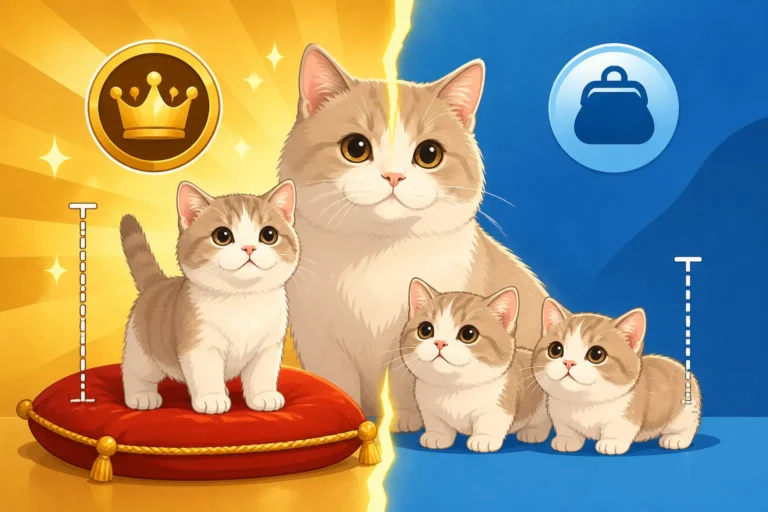
Generally speaking, a standard-legged Munchkin kitten will cost significantly less than its short-legged siblings from the same litter. The demand for the iconic short-legged appearance drives the higher price for those kittens. While specific prices fluctuate based on location, breeder reputation, pedigree, and individual kitten characteristics (like coat color and pattern), you can typically expect a standard-legged Munchkin to be priced somewhere around a third to a half of what a short-legged Munchkin might command. What a Long Legged Munchkin Kitten Is Worth
This difference in price reflects the primary desired trait of the breed: the short legs. However, it's important not to equate lower price with lower quality or lesser value as a pet. A standard-legged Munchkin still comes from carefully selected parents, has the same diligent care from the breeder, and will likely have the same wonderful personality. They represent an excellent opportunity for those who love the Munchkin temperament but prefer a cat with a standard physical structure, often at a more accessible price point. The overall cost of owning any cat for its lifetime, including food, vet care, and supplies, will still be a significant investment. Consider the full scope of What a Munchkin Costs Over Thirteen Years.
Integrating a Standard-Legged Munchkin into Your Home
Bringing any new kitten home is an exciting time, and a standard-legged Munchkin will fit right in with typical cat care practices. While they don't have the unique mobility challenges of their short-legged counterparts, establishing good routines from the start is always beneficial.
General Care and Enrichment
A standard-legged Munchkin needs all the essentials any happy cat requires: a high-quality diet, fresh water, a clean litter box, and plenty of mental and physical enrichment. Unlike their short-legged siblings who need specialized low-entry litter boxes or ramps to reach furniture, a standard-legged Munchkin can use standard cat equipment. However, choosing good quality, appropriately sized items is always important. Consider brands like Chewy for a wide selection of cat trees, scratching posts, and interactive toys that will cater to their natural climbing and hunting instincts.
For nutrition, a well-balanced diet is crucial for maintaining a healthy weight and supporting overall health, especially as they grow. While they may not have the same joint considerations as short-legged Munchkins, good nutrition supports healthy joints in all cats. Regular play sessions with wand toys or laser pointers will help them burn off energy and satisfy their predatory instincts. They will enjoy climbing and exploring vertical spaces, so a sturdy cat tree with multiple perches will be a popular spot. Which Cat Tree Layout Suits a Munchkin
Essential Supplies and Pet Insurance
Setting up your home for a standard-legged Munchkin is much like preparing for any energetic feline. Here’s a quick checklist:
- Food and Water Bowls: Standard height bowls are perfectly fine. Consider ceramic or stainless steel for hygiene.
- Litter Box: Any standard size will do, though many cats prefer larger boxes for comfort.
- Scratching Posts/Surfaces: Provide both vertical and horizontal options to save your furniture.
- Cat Tree/Climbing Structures: Essential for exercise, observation, and safety, especially if you have other pets or children.
- Toys: A variety of interactive and solo toys to keep them entertained.
- Grooming Tools: Even short-haired cats benefit from regular brushing, and long-haired Munchkin variants will definitely need it.
- Carrier: A comfortable, secure carrier for vet visits.
Even though standard-legged Munchkins tend to be healthier regarding skeletal issues, pet insurance is still a wise investment for any cat owner. Accidents and unexpected illnesses can happen to any pet, and having a plan from a provider like Healthy Paws can help cover significant veterinary costs. It offers peace of mind, allowing you to make medical decisions based on what's best for your cat, rather than solely on your wallet. While a standard-legged Munchkin might not have the same breed-specific concerns as a short-legged one, general health coverage is invaluable for their How Long a Munchkin Lives.
In conclusion, a long-legged Munchkin kitten is a fantastic pet, offering the delightful personality of the breed without the unique physical adaptations. They are healthy, active, and loving companions, proving that you don't need short legs to be a wonderful Munchkin.
Disclaimer
This article is for general informational purposes only and does not constitute professional advice. Laws, prices and regulations vary by location and change over time. Consult a qualified professional for guidance on your specific situation.