Why to Ask to See a Munchkin’s Parents Move
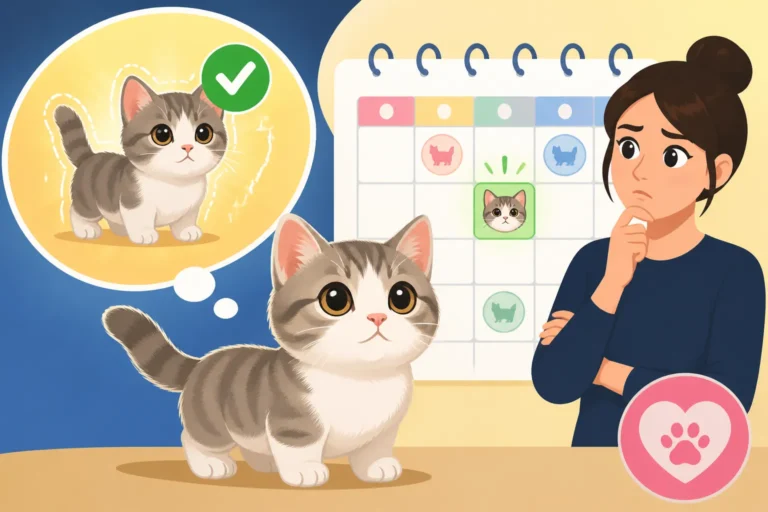
It's an exciting time when you're looking for a new Munchkin kitten, full of dreams about tiny paws pitter-pattering through your home. But that excitement can sometimes overshadow the critical questions you need to ask a breeder, especially those regarding the health and long-term well-being of the kitten's parents. It’s not just about seeing cute pictures; it's about seeing how the foundation of your future feline friend actually moves. This guide will walk you through exactly why observing the parents' movement is paramount and what to look for, ensuring you make an informed decision about bringing a Munchkin into your family.
Understanding the Genetic Link to Mobility
When you bring a Munchkin kitten home, you're not just getting a fluffy bundle of joy; you're also inheriting its genetic predispositions. This is especially true for a breed like the Munchkin, where a specific genetic mutation dictates its most defining physical trait: those adorable short legs. While this trait is charming, it also means you need to be extra vigilant about potential inherited conditions that could impact their quality of life.
The Munchkin Gene and Its Skeletal Impact
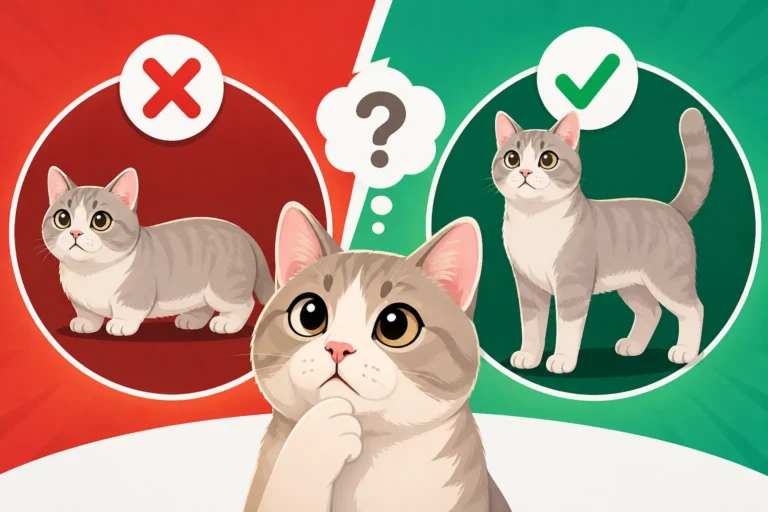
The Munchkin breed's signature short legs are the result of an autosomal dominant gene that causes a condition known as pseudoachondroplasia. This affects the long bones of the legs, making them significantly shorter than those of a typical cat, but crucially, their body length and spinal column remain normal. You might think, "Well, if their spine is normal length, what's the big deal?" The big deal is that a normal-length spine sitting on disproportionately short legs can change the biomechanics of their movement and put different kinds of stress on their body. Understanding What Pseudoachondroplasia Does to a Munchkin's Legs is crucial for appreciating the unique demands on their skeletal system.
It's a delicate balance, and while responsible breeders aim to produce healthy, active cats, the genetic makeup means there's always a need for careful consideration. The cat's entire skeletal structure, from its tiny paws up to its spine, is interconnected. Any weakness or predisposition in one area can ripple through the entire system, potentially affecting their ability to move freely and without discomfort later in life.
Inherited Conditions Affecting Movement
Beyond the general skeletal structure, there are specific inherited conditions that can manifest in Munchkins, impacting their mobility. Two of the most talked-about are Lordosis and Pectus Excavatum. Lordosis is a spinal curvature, where the spine dips downward, forming a concave arch. This condition can range from mild to severe, and in its more pronounced forms, it can compress internal organs and significantly hinder a cat's ability to move comfortably. It’s why Lordosis Is the Spinal Curve the Munchkin Argument Is About and why observing a parent's movement for any signs of an abnormal gait or spinal flexibility is so important.
Then there’s Pectus Excavatum, often called "sunken chest," where the sternum and rib cage develop abnormally, creating a concave depression in the chest. While this primarily affects respiratory function and the space available for the heart and lungs, it can indirectly impact movement by making vigorous activity difficult or uncomfortable. Imagine trying to run and jump when every breath is a struggle! Pectus Excavatum and the Munchkin's Sunken Chest can be a serious issue. Furthermore, while not strictly "inherited" in the same direct way as the short legs, the unique physical conformation of Munchkins can predispose them to joint issues like arthritis at an earlier age than longer-legged cats. The way their shorter limbs absorb impact and navigate their world can put extra strain on their joints over time, making you wonder Whether a Munchkin Gets Arthritis Earlier.
What to Look For in Moving Parents
You’ve probably seen plenty of adorable photos and videos of Munchkin kittens online, but static images or carefully edited clips don't tell the full story. The real insight comes from seeing the adult parents move in person. This isn't about judging their beauty, but their functionality and comfort.
Observing Gait and Posture
When you visit a breeder, ask to spend time observing the parent cats – particularly the queen, as she's often more accessible. Watch how she walks, runs, and interacts with her environment. A healthy Munchkin should have a fluid, confident gait. Their movement is often described as ferret-like: quick, agile, and low to the ground. They might not jump as high as a typical cat, but they should move with purpose and ease. Pay attention to any stiffness, limping, or an awkward, wobbly walk. Does she hesitate before moving? Does she struggle to rise from a lying position or sit down comfortably? These could be subtle indicators of underlying joint or spinal discomfort. Remember, Why a Munchkin's Spine Carries a Load a Normal Cat's Does Not is a significant factor, and their movement reflects how well their unique anatomy is coping.
Also, observe her posture when standing and sitting. While the "Prairie Dog Sit" – where they sit upright on their hindquarters like a meerkat – is a charming and normal Munchkin behavior, an excessive tendency to sit in this position, or a reluctance to shift from it, might sometimes hint at back discomfort. Look for an overall sense of comfort and ease in her movements, not just how cute she is.
Signs of Discomfort or Limited Mobility
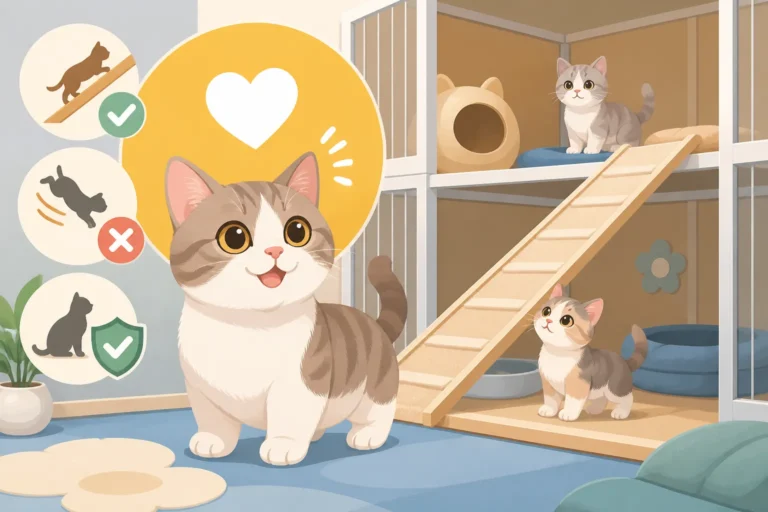
Sometimes, the signs of discomfort are more subtle than an obvious limp. You need to be a detective. Watch if the parent cat avoids certain activities that a cat normally enjoys, such as attempting to climb low steps, jumping onto a sofa with a ramp, or even playing vigorously. Do they seem generally less active or more withdrawn than other cats in the cattery? A healthy Munchkin is playful and curious. If they struggle with simple movements or seem generally less energetic, it might indicate chronic pain or reduced mobility.
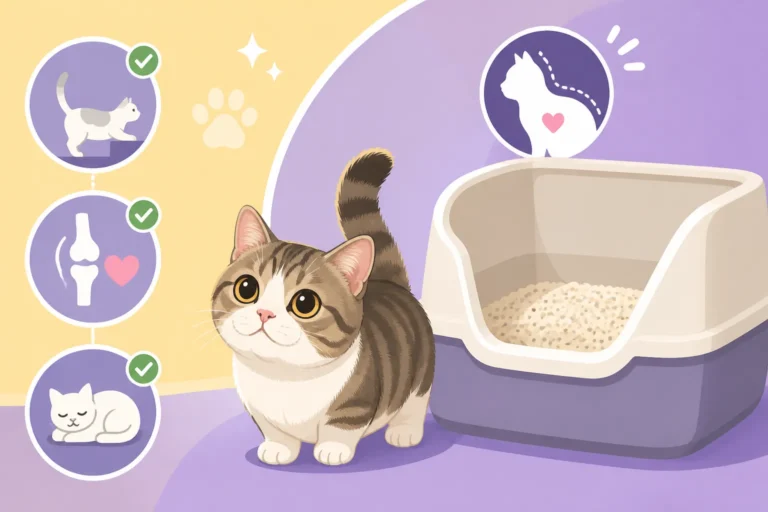
Consider their everyday interactions. Does the parent cat navigate its litter box with ease, or does it seem to struggle to step over the edge, even a low one? This might give you a clue as to why Why a Munchkin's Box Has a Low Front and High Sides is so important. How do they approach their food and water bowls? Do they stretch uncomfortably or keep their head low without straining? These observations can tell you a lot about their comfort level. Also, keep in mind that Why Weight Is More Dangerous on a Munchkin – an overweight parent might simply be less agile, but excessive weight can also exacerbate underlying skeletal issues, making problems more visible.
The Breeder's Role and Transparency
A good breeder isn't just someone who produces kittens; they are custodians of the breed's health and advocates for their animals' welfare. Their willingness to be transparent about their breeding cats' health and mobility is a huge indicator of their ethics and responsibility.
Why a Reputable Breeder Will Show You
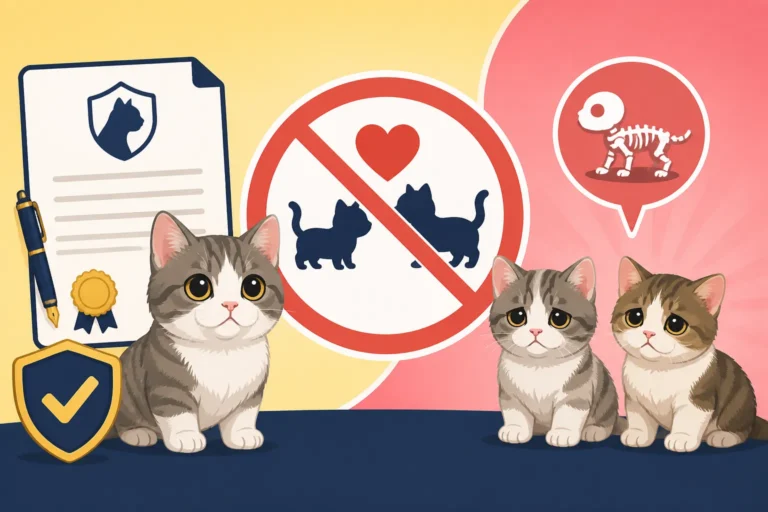
A truly reputable and ethical breeder will not only welcome your request to see the parent cats but will often encourage it. They understand the importance of demonstrating the health, temperament, and mobility of their breeding stock. They have nothing to hide and are proud of the healthy, well-adjusted cats they are raising. They'll be happy to let you observe the parents moving freely in their home environment, playing, eating, and interacting naturally. They might even proactively show you videos of the parents in action, but in-person observation is always best. A good breeder should be able to provide clear evidence of regular veterinary check-ups for their breeding cats, including any relevant health screenings or discussions about spinal conformation. Asking What a Munchkin Breeder Should Be Able to Show You will give you a good indication of their commitment to transparency and health. They know that a well-informed buyer is a happy owner.
This transparency extends to being open about any historical health issues in their lines, or even discussing potential challenges that might arise. A breeder who discusses these things realistically is far more trustworthy than one who claims their cats are "perfect" with no potential for issues.
Red Flags and What to Do
Conversely, if a breeder seems hesitant, makes excuses, or outright refuses to let you observe the parent cats moving, consider it a major red flag. Common excuses might include, "Oh, they're too shy," "They're resting right now," or "They're not comfortable with strangers." While some cats can indeed be shy, a truly healthy and well-socialized breeding cat should be able to be observed, even if from a distance, without undue stress. If the breeder only offers you photos or short, carefully edited videos, politely explain that you need to see their natural, unconstrained movement. Photos can be staged, and videos can be cut to hide any awkwardness.
Don't be afraid to press for transparency. Ask direct questions about the parents' health history, specifically related to their spine and joints. Inquire about their veterinary care and if they've ever had any mobility issues. If the breeder becomes defensive, evasive, or tries to rush you, it's a strong indication that something might be amiss. Remember, you are investing in a living creature for potentially a decade or more, and you have every right to ensure you're making an ethical and sound choice. Your kitten's future comfort depends on the health of its parents, and early vet checks for kittens are a crucial follow-up to this process. Why a Munchkin Kitten Needs an Early Vet Check means you'll want to have all the information you can get from the breeder before you commit.
Long-Term Implications for Your Kitten
Making an informed decision about your Munchkin kitten's parents' mobility isn't just about the immediate purchase; it’s about the quality of life you can expect for your cat and the financial and emotional investment you'll make over its lifespan.
Predicting Future Health and Costs
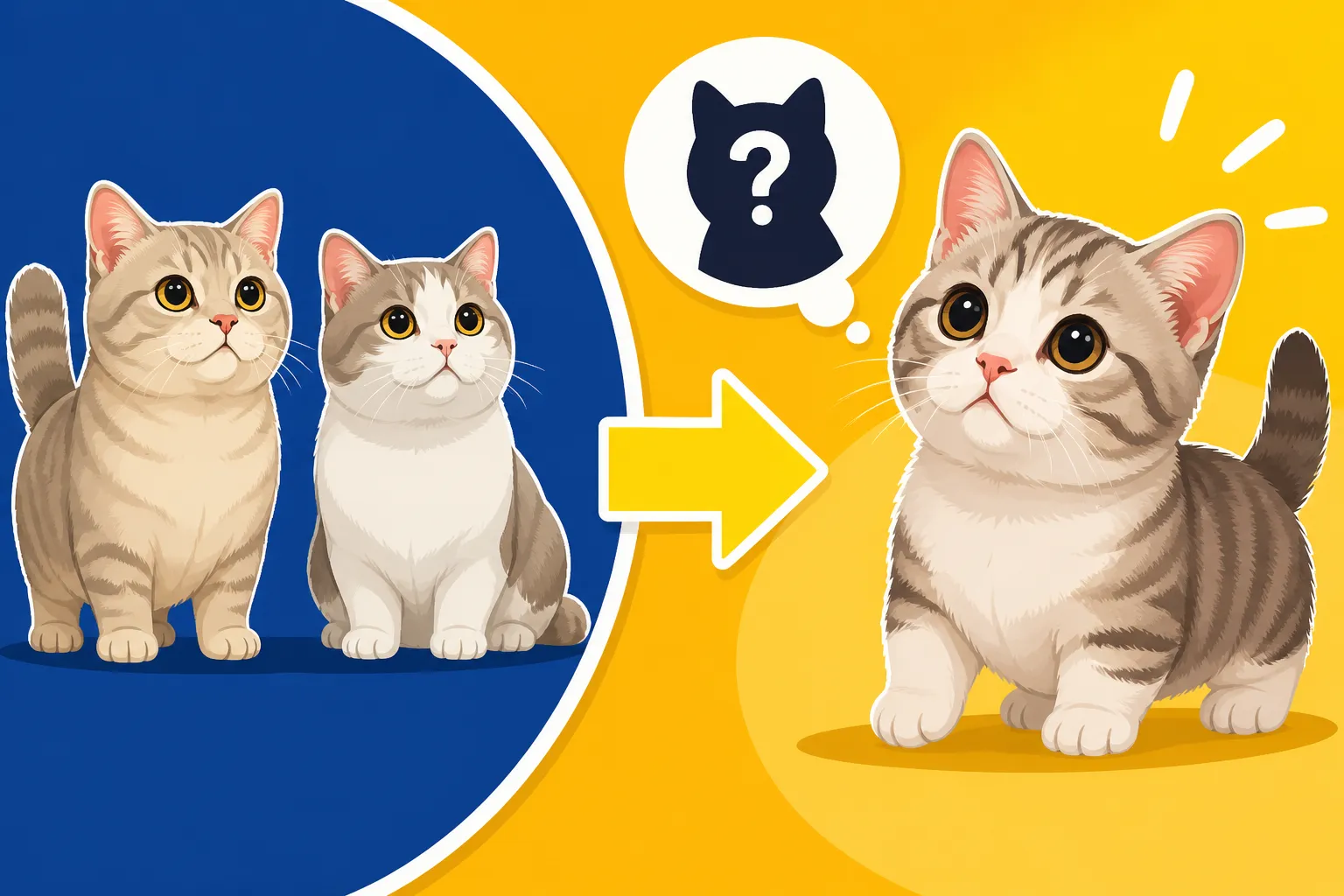
A healthy, mobile parent cat significantly increases the likelihood that your kitten will also be healthy and mobile throughout its life. While genetics are never a 100% guarantee, starting with strong, well-moving parents drastically reduces the risk of inherited conditions manifesting severely. Conversely, if a parent shows signs of stiffness, pain, or limited mobility, you are potentially signing up for a kitten with similar challenges. These challenges often translate into higher veterinary costs down the line. We're talking about potential X-rays, anti-inflammatory medications, pain management, and even specialized treatments like physiotherapy or hydrotherapy.
It's wise to budget for this, even for a seemingly healthy kitten. For instance, What a Year of Joint Support Costs a Munchkin Owner can add up quickly, not to mention general vet visits which, for a Munchkin, might include closer scrutiny of their gait as they age. This is where pet insurance, like a plan from Healthy Paws, can become invaluable. It’s important to research their coverage carefully and understand what existing conditions might be excluded if not insured before any signs appear. Beyond vet bills, think about specialized nutrition. You might find yourself needing joint-supporting formulas specifically, like Which Food Suits a Munchkin's Joints. These considerations all factor into the overall cost and care of your unique companion.
| Aspect of Movement | Healthy Parent Signs | Concerning Parent Signs | Implications for Kitten |
|---|---|---|---|
| Gait | Fluid, confident, low-to-ground, ferret-like | Stiff, limping, wobbly, hesitant, favoring legs | Higher risk of joint pain, arthritis, spinal issues |
| Posture | Sits and rises easily, comfortable in various positions | Struggles to rise, avoids certain postures, hunching | Potential for lordosis, chronic discomfort |
| Jumping/Climbing | Navigates low steps/ramps with ease, attempts jumps within natural limits | Hesitant to jump, struggles with low steps, avoids heights | May develop fear of heights, restricted access to home |
| Interaction | Active, playful, curious, engages with toys | Withdrawn, less playful, avoids movement | Likely to be less active, requiring more environmental adaptation |
| Grooming | Reaches most parts of body, flexible | Struggles to groom hindquarters or back, mats | Increased need for owner grooming, potential skin issues |
Ensuring a Good Quality of Life
Ultimately, the goal is to provide your Munchkin with the best possible quality of life. By diligently observing the parents' movement, you're taking a proactive step toward ensuring your kitten has the best chance at a long, comfortable, and happy existence. A Munchkin that moves freely and without pain is a cat that can fully engage with its world, whether that's chasing toys across the living room floor or snuggling up on the sofa next to you.
Understanding How a Munchkin's Behavior Changes After Eight years, and preparing for those changes, starts with a healthy foundation. If a kitten inherits a predisposition to spinal or joint problems, you'll need to be even more vigilant with preventative care, dietary management, and creating an With a Munchkin the House Changes, Not the Cat environment. This might mean more ramps, low-entry litter boxes, and accessible enrichment. Your due diligence now can save your kitten from years of discomfort and you from heartache and unexpected expenses. It gives you the peace of mind that you've done everything you can to choose a healthy companion who will thrive in your care.
Disclaimer
This article is for general informational purposes only and does not constitute professional advice. Laws, prices and regulations vary by location and change over time. Consult a qualified professional for guidance on your specific situation.