Where Surrendered Munchkins Actually Go
It’s a truly heartbreaking moment for any pet owner to face the decision of surrendering their beloved cat. For those who share their lives with a Munchkin cat, this situation can come with a unique set of concerns and questions. When circumstances change, and a Munchkin needs a new home, understanding where they go and how their specific needs are met can bring a measure of comfort during a difficult time. This guide will walk you through the journey a surrendered Munchkin typically takes, from intake to finding their forever family.
Why Munchkins Might End Up in a Shelter
Let's be real, no one ever brings a cat into their home planning to give them up. Life happens, and sometimes, even with the best intentions, unforeseen circumstances force incredibly tough decisions upon us. For Munchkin owners, these situations can be particularly complicated due to the breed's unique physical characteristics.
Life Changes for Owners
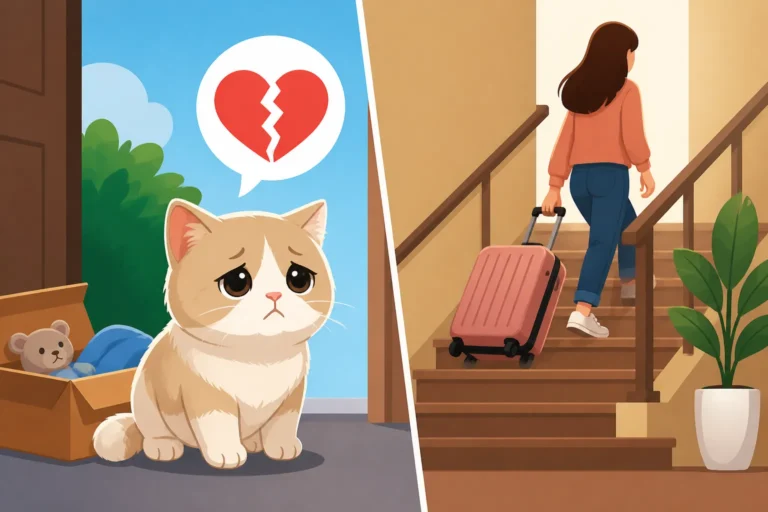
The most common reasons for any cat ending up in a shelter are universal: a sudden move, financial difficulties, a new baby, job loss, or even relationship changes. These aren't indicators of a lack of love, but often a sign of an owner reaching their breaking point. For a Munchkin, these life changes can exacerbate existing challenges. Imagine an owner who suddenly has to move from a single-story home into an upstairs apartment. What once was a perfectly adapted environment for their short-legged friend now becomes a labyrinth of inaccessible heights. Why a Munchkin is Given Up When Its Owner Moves Upstairs is a very real scenario that plays out in shelters every day. Without the ability to climb stairs, or the owner lacking the resources to install ramps everywhere, a Munchkin can quickly become distressed, leading to difficult behaviors or injury. It's a cruel twist of fate when the very thing that makes them unique also makes them vulnerable in times of transition.
Misunderstanding the Breed's Needs
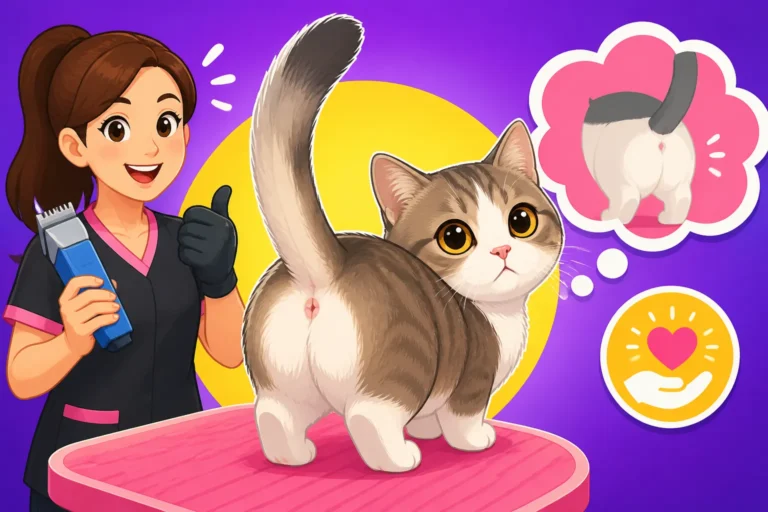
Another significant factor in Munchkin surrenders can stem from an initial misunderstanding of what it truly means to care for this special breed. Many are drawn to their adorable, short legs and sweet personalities, but don't fully grasp the implications of their physical structure. For example, Munchkins can't reach certain parts of their bodies to groom effectively, especially their hindquarters, which often leads to mats and skin issues if not regularly brushed by their owner. Grooming the Half of a Munchkin It Cannot Reach becomes a daily task, not an occasional one.
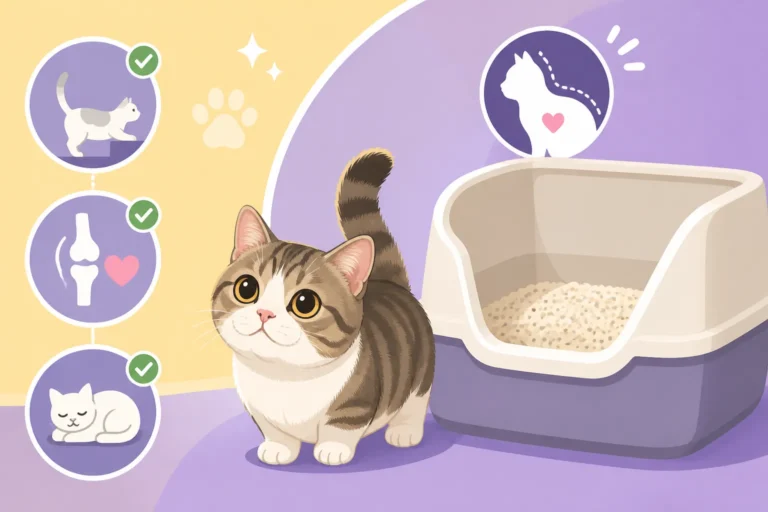
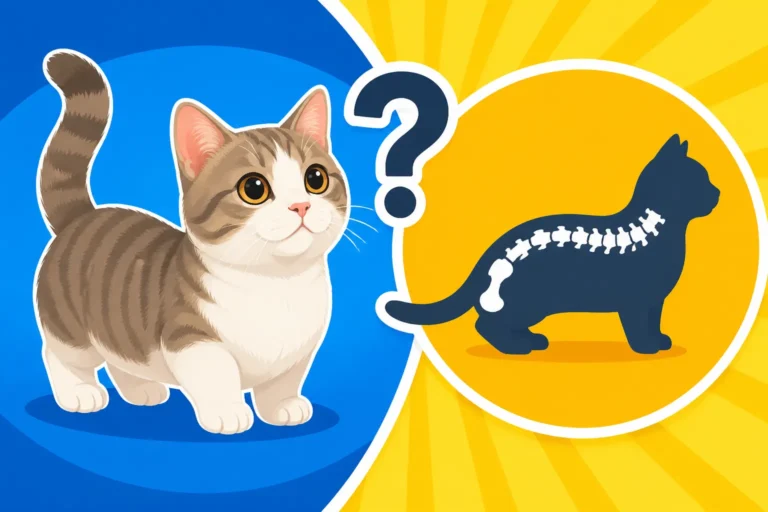
Then there's the critical need for weight management. Because their short legs and unique spinal structure carry the full weight of their body, every extra pound puts immense strain on their joints and spine. Why Weight Is More Dangerous on a Munchkin is a concept many new owners might not fully appreciate until their cat starts showing signs of discomfort or mobility issues. Without careful portion control and appropriate diet, a Munchkin can quickly become overweight, leading to further health complications. Sometimes, owners realize they just can't keep up with the specific care required, or they're not equipped to provide the necessary home adaptations like ramps, low-entry litter boxes, and accessible furniture that we often discuss in With a Munchkin the House Changes, Not the Cat. The initial charm can quickly turn into overwhelming responsibility if not adequately prepared.
The First Stop: Shelters and Breed-Specific Rescues
Once the difficult decision to surrender has been made, a Munchkin cat embarks on a new chapter. Their first destination usually falls into one of two categories: a general animal shelter or a dedicated breed-specific rescue organization. Both play vital roles, but their approaches and resources can differ significantly.
Local Animal Shelters
Most often, a surrendered Munchkin will initially end up at a local municipal or private animal shelter. When they arrive, the staff will conduct an initial health check, assess their temperament, and gather any available history from the previous owner. This intake process is crucial, but general shelters, by their very nature, are designed to handle a wide variety of animals, not specialize in one particular breed. This means they might not immediately recognize the subtle signs of spinal stress, early arthritis in the shoulders, or the unique grooming needs specific to a Munchkin.
The environment itself can be a huge source of stress. Shelters are often crowded, noisy, and feature cages or enclosures that are built for an average-sized cat. For a Munchkin, whose world is inherently floor-level, jumping onto shelves or even high litter box entries can be a struggle, leading to increased anxiety or even accidents. While staff do their absolute best, their resources are often stretched thin, making it challenging to provide individualized care tailored to a Munchkin's unique needs. This isn't a criticism of these dedicated people, but a reflection of the reality of high-volume animal welfare.
Munchkin Breed-Specific Rescues
This is where breed-specific rescues really shine. Organizations dedicated solely to Munchkin cats, or dwarf breeds in general, are incredibly valuable. The staff and volunteers at these rescues have an intimate understanding of the breed's genetic predispositions, potential health concerns like lordosis or pectus excavatum, and their specific mobility challenges. They know what to look for during an initial veterinary examination and can identify issues that might be missed by someone unfamiliar with the breed. This specialized knowledge is paramount for their well-being.
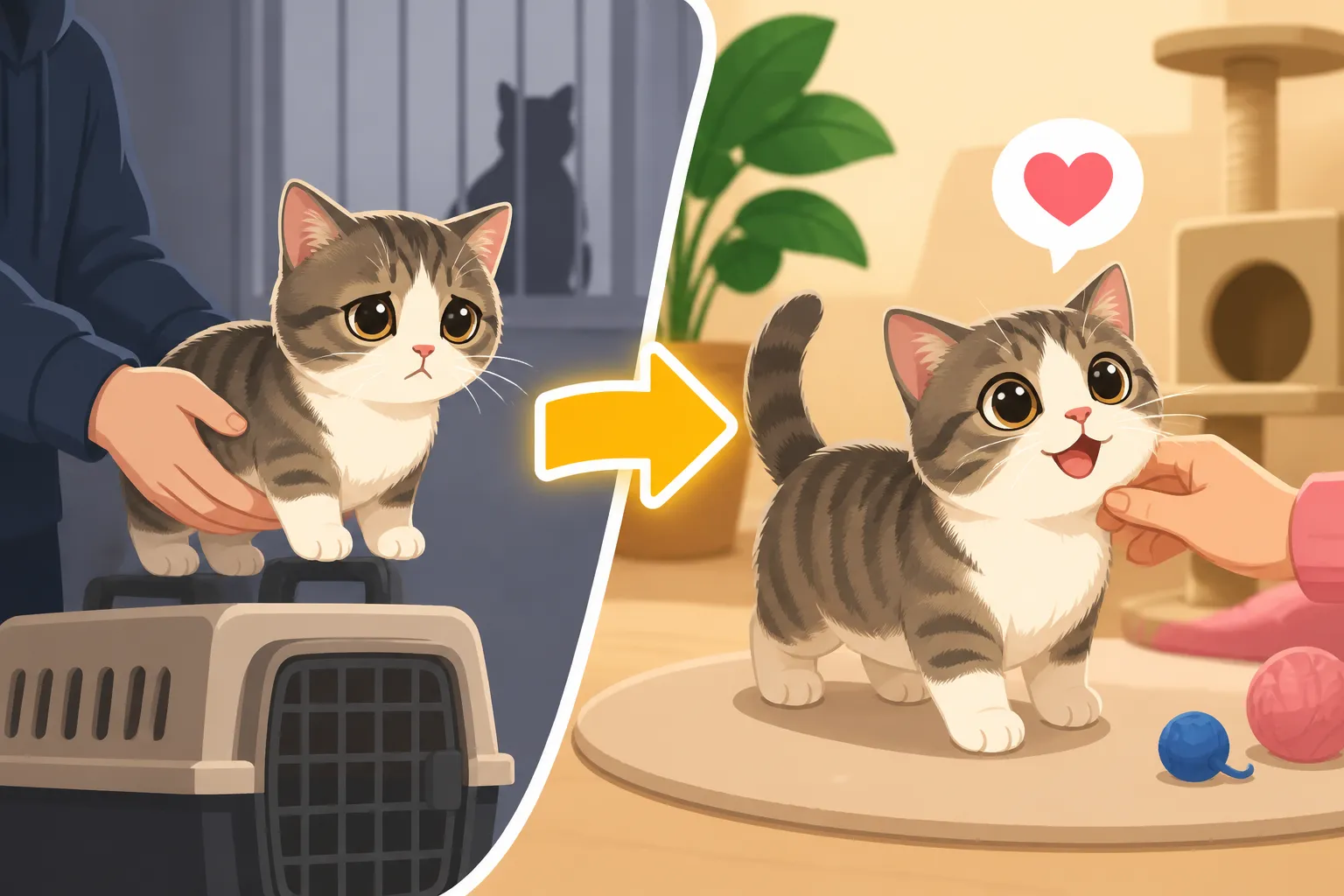
These rescues often operate through networks of foster homes, which is a game-changer for a surrendered Munchkin. Instead of the stressful shelter environment, the cat moves into a quiet, adapted home where they can decompress, receive personalized attention, and have their unique needs met immediately. Foster parents are typically experienced with Munchkins and can ensure the home has ramps, low beds, and appropriate litter boxes from day one. This gentle transition helps the cat adjust much more smoothly and allows their true personality to emerge. These specialized rescues become experts at reading a Munchkin's unique gait or understanding why they might prefer certain toys or sleeping spots, leading to much more successful adoptions.
The Vet Check and Initial Care
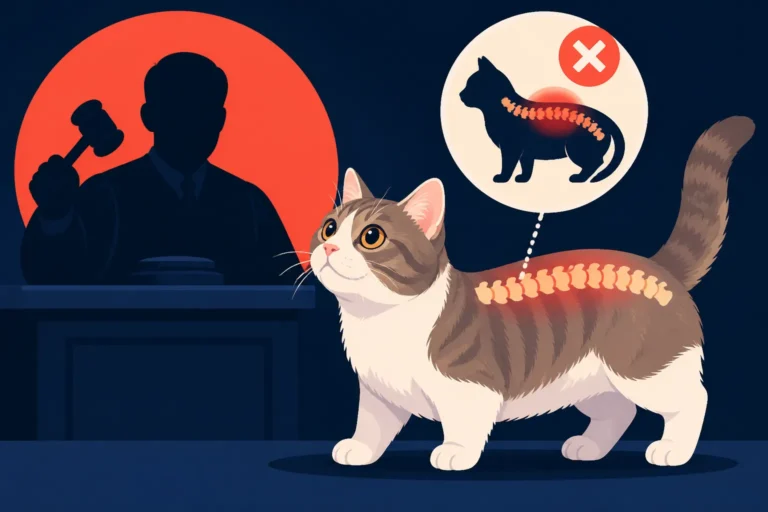
Regardless of whether a Munchkin lands in a general shelter or a breed-specific rescue, a thorough veterinary examination is one of the first and most critical steps. This isn't just a basic once-over; for a Munchkin, it's a deep dive into their musculoskeletal health. The vet will carefully palpate their spine, check for any signs of discomfort or stiffness in their short legs and shoulders, and examine their overall body condition. It's a chance to catch things like untreated mats in hard-to-reach areas, which can cause skin irritation and pain, or early indicators of joint issues that might require immediate attention. Why a Rescue Munchkin Should Have Its Spine Checked is a vital part of this initial assessment, helping to rule out or identify potential issues like lordosis.
Beyond the physical exam, comprehensive blood work might be performed, especially for older Munchkins, to check for common age-related conditions like kidney disease or hyperthyroidism, which can affect any cat. Dental health is also a huge consideration. Many cats, especially those from homes where regular dental care wasn't a priority, come into rescue with significant dental disease. The rescue will invest in necessary treatments, from professional cleanings to extractions, ensuring the cat is as healthy and comfortable as possible. For any ongoing care, a good rescue will track and manage all medical needs, often relying on donations or their own funds to provide the best possible start for these cats before they find a new home. Prospective adopters should certainly consider pet insurance from providers like Healthy Paws to help manage potential future veterinary expenses, as even with initial treatment, long-term conditions might require continued care.
| Feature | General Animal Shelter | Breed-Specific Munchkin Rescue |
|---|---|---|
| Specialization | Broad spectrum of animals | Focused solely on Munchkins (or dwarf breeds) |
| Knowledge Base | General feline care, may lack breed-specific nuance | Deep understanding of Munchkin genetics, health, behavior |
| Environment | Often kennelled, can be stressful, less adapted | Often foster-based, quiet, adapted home environment |
| Initial Vet Care | Standard health check, may miss subtle breed issues | Thorough check with breed-specific considerations |
| Home Adaptations | Limited immediate provision | Built-in ramps, low litter boxes, accessible furniture |
| Rehoming Focus | General pet adoption | Specific matching to homes prepared for Munchkin needs |
| Post-Adoption Support | Varies, often basic | Extensive breed-specific advice and ongoing support |
Preparing a Surrendered Munchkin for Rehoming
Once a Munchkin is safely with a shelter or rescue, the real work begins to prepare them for their new life. This involves a multi-faceted approach focusing on their physical and emotional well-being, ensuring they are not just healthy, but happy and ready for a loving home.
Addressing Health and Mobility
A significant portion of a rescue’s effort goes into optimizing the Munchkin's health. This isn't just about treating acute illnesses, but also proactive care for their unique musculoskeletal structure. As we touched on earlier, dental care is often a top priority. A healthy mouth contributes significantly to a cat's overall comfort and ability to eat properly. Grooming is also crucial; severely matted fur, especially around the hindquarters where Munchkins struggle to reach, can be painful and lead to skin infections. Rescues will carefully remove mats and establish a regular grooming routine, teaching foster parents how to properly brush under their cat’s belly and around their backend. Getting a Mat Out of the Part a Munchkin Cannot Reach is a skill every Munchkin owner needs.
For mobility, a rescue will assess if the cat needs joint supplements or even gentle physiotherapy to improve comfort and range of motion. They understand that Why a Munchkin's Shoulders Wear First is a real concern due to their posture and activity. They might introduce specific joint-supporting diets, making sure the cat gets the right nutrition without gaining excess weight. For dietary needs, some rescues might explore fresh food options or recommend joint-supporting formulas to help manage mobility. They also ensure the cat has access to ramps and steps, which are not luxuries but essential equipment. What a Munchkin Owner Spends on Furniture Modifications is often something a rescue has already done, setting up their foster homes to be entirely Munchkin-friendly, creating a low-stress environment where the cats can move freely without needing to jump or strain.
Behavioral Assessment and Enrichment
Beyond physical health, understanding a Munchkin’s personality and addressing any behavioral issues is paramount. Cats, especially those who have experienced stress or upheaval, can exhibit shy, fearful, or even aggressive behaviors. Rescue staff and foster parents spend countless hours observing the Munchkin to learn their quirks: do they prefer quiet corners or active play? How do they interact with other cats or gentle children? Do they enjoy the unique "prairie dog sit" where they balance on their hind legs, which is typical of the breed? This information is invaluable for matching them with the right family.
Enrichment is a key component of this preparation. Providing a safe, stimulating, and floor-level environment helps the Munchkin destress and regain confidence. This includes appropriate toys that are easy to access, puzzle feeders that encourage mental stimulation at their height, and cozy beds placed strategically on the floor. Rescues recognize that A Munchkin Is a Normal Cat That Cannot Reach, so everything is designed with their limitations in mind. They encourage lots of floor-level play, using wand toys that stay within reach, helping the cat to express natural hunting behaviors and build muscle without stressing their joints. How Much Floor Level Play a Munchkin Needs helps keep them active and engaged, contributing to both their physical and mental health.
The Role of Foster Homes
Foster homes are truly the unsung heroes in the rescue journey of a Munchkin. While shelters provide a necessary safe haven, a foster home offers a completely different level of care. It's a quiet, private residence where the Munchkin can truly relax and reveal their personality away from the noise and constant changes of a shelter. The foster parent acts as an interim caregiver, providing daily love, consistent routines, and monitoring their progress.
This intimate setting allows the foster parent to document everything from litter box habits and favorite toys to how they navigate stairs (if equipped with ramps) or interact with different family members. They can notice subtle shifts in behavior or mobility that might indicate an underlying issue, feeding this crucial information back to the rescue’s vet team. This personalized insight is then used to create a comprehensive profile for potential adopters, ensuring a much better match. A well-adjusted Munchkin in a foster home is much more likely to transition smoothly into their forever home, having already experienced the comforts and rhythms of a loving household.
Finding the Right Forever Home
The ultimate goal for any surrendered Munchkin is to find a loving, permanent home that understands and embraces their unique needs. The adoption process, especially through breed-specific rescues, is designed to ensure the best possible match, prioritizing the cat's welfare above all else.
The Adoption Process
When it comes to adopting a Munchkin from a reputable rescue, prospective owners can expect a thorough and often rigorous screening process. This isn't just about filling out a form; it's about demonstrating a genuine understanding of the breed's specific requirements and a commitment to meeting them. The process often includes a detailed application, personal references, and a home visit. During the home visit, rescue volunteers assess the environment to ensure it's safe and suitable for a Munchkin. They'll look for things like high furniture without accessible steps, potential hazards at floor level, or steep stairs without ramps. They want to know that you're prepared to make the necessary adaptations, whether that's purchasing pet stairs from retailers like Chewy or building custom ramps.
The rescue's primary concern is to prevent the cat from ending up back in the system. They ask detailed questions about your lifestyle, your household members (children, other pets), and your long-term plans. For instance, if you live in a multi-story home, they'll want to know how you plan to manage access for a Munchkin, as whether a Munchkin suits an apartment is often a consideration, with single-story living being ideal. This meticulous approach might seem daunting, but it's vital for securing a true forever home for these special cats.
Educating New Owners
A cornerstone of any good rescue's adoption program for Munchkins is comprehensive owner education. They understand that even the most well-meaning adopter might not fully grasp the day-to-day realities of living with a short-legged cat. New owners will receive detailed guidance on everything from diet and exercise tailored to a Munchkin's joint health, to proper grooming techniques for those hard-to-reach areas. They'll explain the importance of weight control, stress the need for regular vet check-ups, and help adopters understand the signs of potential mobility issues.
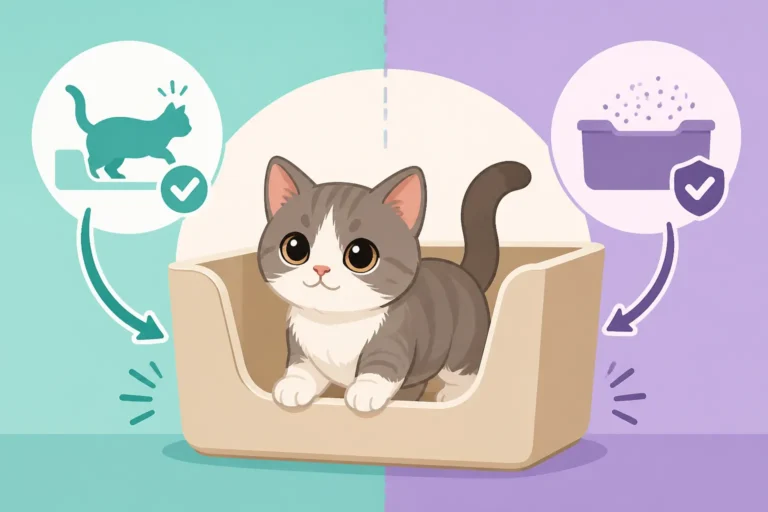
Crucially, they'll emphasize the necessity of creating an accessible environment. This means low-entry litter boxes, ramps to sofas and beds, and food and water bowls placed at comfortable heights. Why a Munchkin Needs a Litter Box It Can Walk Into is often a revelation for new owners, as is the understanding that Ramps and Steps Are Munchkin Equipment, Not Luxuries – they are essential tools for a Munchkin's quality of life. Rescues often provide a starter kit with helpful resources, contact information for follow-up questions, and even suggestions for Munchkin-friendly products. This ongoing support ensures new owners feel confident and equipped to provide the best possible care, reducing the likelihood of future challenges.
The Happy Ending
Ultimately, the journey of a surrendered Munchkin, while often starting with sadness, is almost always guided towards a happy ending. Through the dedication of shelters and, particularly, breed-specific rescues, these unique cats receive the specialized care, understanding, and love they need. They are rehabilitated, both physically and emotionally, and then carefully matched with families who are prepared, educated, and eager to welcome a Munchkin into their lives.
When a Munchkin, who may have experienced loss or confusion, finally settles into their new home, it's a testament to the compassion of everyone involved. They learn to trust again, to play freely in an adapted environment, and to enjoy the simple pleasures of being a cherished family member. For these special cats, finding a home that celebrates their individuality and proactively supports their needs is truly the greatest gift. Their journey highlights the resilience of animals and the profound impact of dedicated human care.
Disclaimer
This article is for general informational purposes only and does not constitute professional advice. Laws, prices and regulations vary by location and change over time. Consult a qualified professional for guidance on your specific situation.