Whether a Munchkin Brings a Toy Back Along the Floor
One of the most charming behaviors a cat can exhibit is retrieving a toy, bringing it back to you for another toss. If you’re a Munchkin cat owner, or considering becoming one, you might wonder if your short-legged friend is physically capable of this classic game of fetch, given their unique build. This guide is here to shed light on how Munchkins play, whether they're likely to retrieve, and how you can best encourage engaging playtime for your little companion.
Understanding the Munchkin's Unique Play Style
Munchkin cats are adored for their distinctive short legs, but this trait often leads to questions about their physical capabilities and how they navigate the world. When it comes to playtime, their physiology certainly influences their approach, but it doesn't diminish their enthusiasm for fun. They might not leap and bound like a long-legged cat, but they have their own adorable and effective ways of moving and interacting with toys.
The Mechanics of Retrieval for a Short-Legged Cat
Imagine trying to carry a large object while your arms are shorter than usual – it would be more challenging, right? The same principle applies to a Munchkin. Their short legs mean their body sits much closer to the ground, which impacts how they pick up, carry, and run with toys. While a standard-legged cat might easily snatch a toy and trot off with it, a Munchkin often needs to adjust. They might lower their entire body to get a good grip, using their chin or even their front paws to stabilize a toy before attempting to carry it. This isn't a sign of weakness, but simply an adaptation to their unique anatomy.
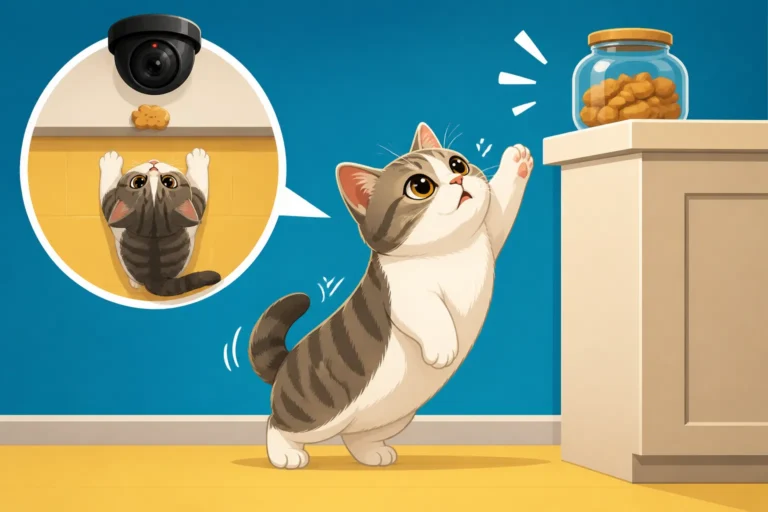
Their low center of gravity, which helps them corner with surprising agility, also means they're not built for high-flying jumps or graceful leaps over obstacles. While a long-legged cat might jump onto a sofa with a toy in tow, a Munchkin is far more likely to keep the action firmly on the floor. Their movement has often been described as "ferret-like" – low, swift, and often a scurry rather than a sprint. This makes ground-level play not just preferable, but often necessary. A Munchkin Is a Normal Cat That Cannot Reach many elevated surfaces, so their play naturally gravitates to where their paws can firmly grasp the ground.
Motivation and Instinct: What Drives a Munchkin to Play?
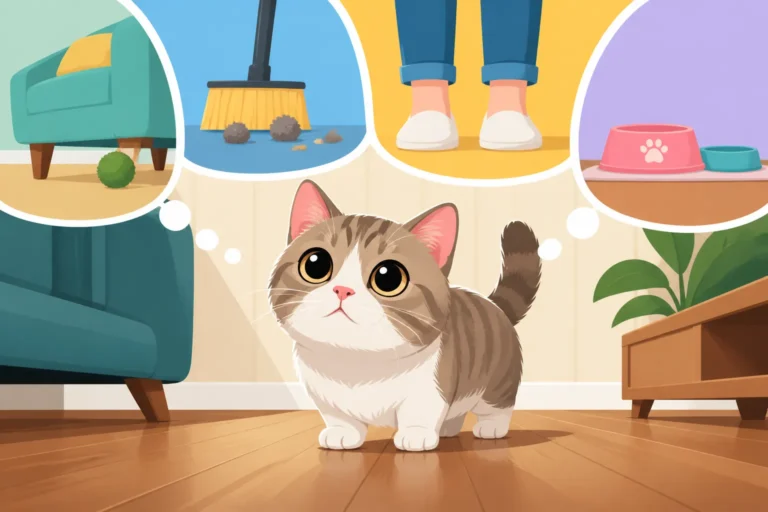
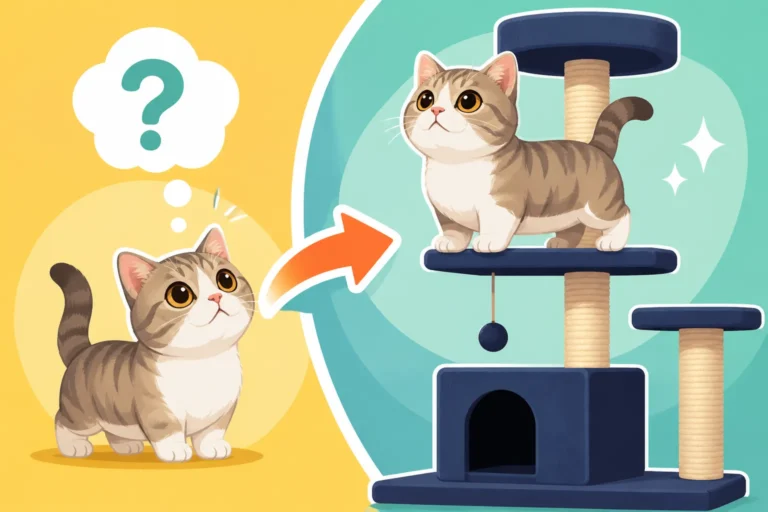
Just like any other cat, Munchkins are driven by natural predatory instincts. The chase, the pounce, the "kill," and sometimes even the "retrieval" are all hardwired into their DNA. Whether they're batting a crinkle ball or stalking a feather wand, they're engaging in behaviors that mimic hunting. The thrill of the hunt is a powerful motivator for any feline, and Munchkins are no exception. They might not be scaling the heights of your tallest cat tree, but they'll enthusiastically pursue a toy across the living room floor.
However, the act of retrieval itself, especially bringing a toy back to you, is often more of a learned behavior than a primal instinct for cats. Some cats naturally take to it, while others prefer to "kill" their prey and then abandon it, or simply guard it. For a Munchkin, the motivation might also be linked to their bond with you. Many Munchkins are incredibly affectionate and enjoy interactive play that strengthens their connection with their human companions. If they associate bringing a toy back with positive attention, praise, or even another toss, they're much more likely to repeat the action. So, while their short legs might influence how they play, their innate desire for engagement and their love for their people remain strong drivers.
The Reality of Munchkin Toy Retrieval
So, after considering their unique physical characteristics and natural feline instincts, let's get down to the most common question: will your Munchkin actually bring a toy back along the floor? The answer, like with many things in the wonderful world of cats, is: it depends!
Do They Actually Bring Toys Back?
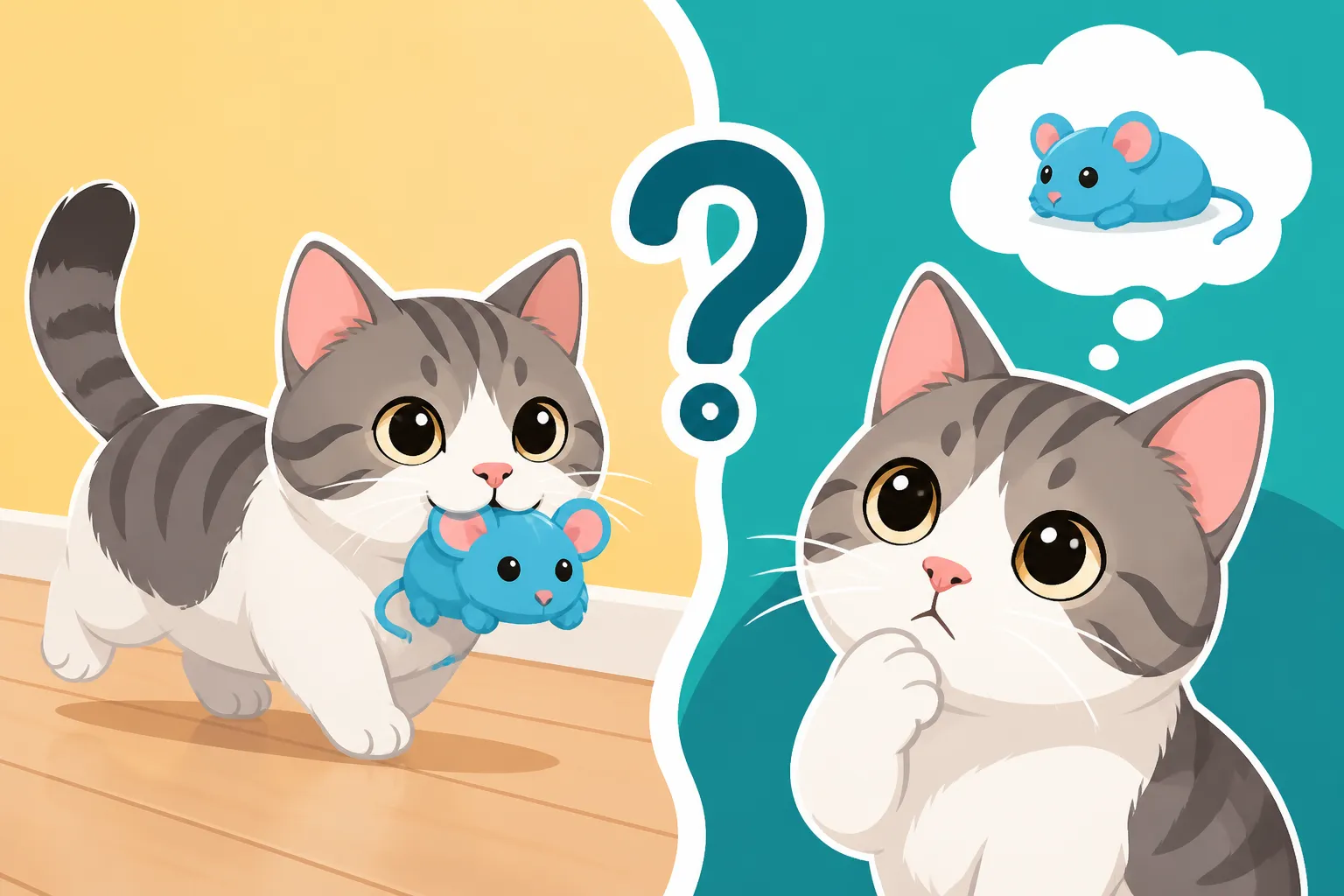
The honest truth is, some Munchkins absolutely do retrieve toys, and others don't, much like any other cat breed. However, when a Munchkin does retrieve, it often looks a little different than what you might expect from a long-legged cat. Instead of a swift dash, a firm grasp, and a graceful return to your feet, a Munchkin's retrieval might involve a more deliberate, low-to-the-ground approach. They might bat the toy along, nudge it with their nose, or drag it back a short distance rather than carrying it perfectly in their mouth for an entire journey across the room.
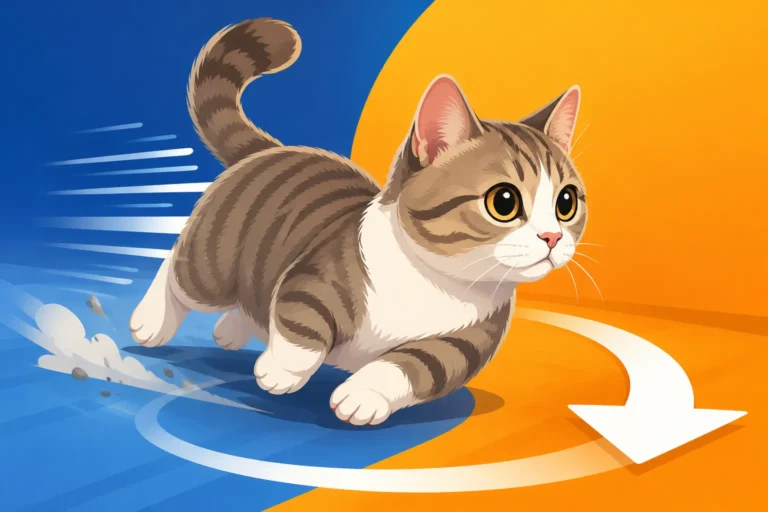
Picture this: you toss a small, soft toy, and your Munchkin, with its quick, low-slung gait, chases it down. How Fast a Munchkin Runs on Level Ground can be quite surprising, and they excel at navigating tight turns, often outmaneuvering longer-bodied cats around furniture. Why a Munchkin Corners Faster Than It Should is a real advantage in a game of chase! Once they reach the toy, they might pounce, "kill" it with a few bunny kicks, and then… they might just leave it there. Or, they might look up at you, chirp expectantly, and then, slowly but surely, nudge it closer. Sometimes, they'll bring it right back to your feet, drop it, and wait patiently for the next throw. It’s less about performing a perfect fetch, and more about engaging in an interactive game that brings them joy. Their satisfaction comes from the chase and the shared activity, regardless of whether the toy makes it all the way back to the starting line.
Factors Influencing Retrieval Behavior
Several factors can play a significant role in whether your Munchkin takes to retrieving and how effectively they do it:
- Toy Type: This is a big one. Heavy, bulky toys are much harder for a short-legged cat to maneuver. Think about a small, lightweight crinkle ball, a soft plush mouse, or even a rolled-up piece of paper. These are much easier for a Munchkin to pick up and carry, or bat along the floor. Avoid toys that are too large, oddly shaped, or have hard edges that make gripping difficult. For excellent options, you can often find a wide variety of suitable, lightweight toys on Amazon that are perfect for floor-level play.
- Floor Surface: A smooth, slippery floor like hardwood or tile can make retrieval tricky for a Munchkin. They might slip while trying to pick up or carry a toy. Carpeted surfaces or rugs provide better traction, making it easier for them to grip both the floor and the toy, and enhancing their confidence during play. Consider adding Rugs Help a Munchkin Move Around in key play areas if you have mostly hard floors.
- The Environment: A cluttered room can be frustrating for a Munchkin trying to retrieve. They need clear pathways to chase and return with their prize. Open, unobstructed spaces allow them to run freely and focus on the game.
- Owner Interaction and Encouragement: Your enthusiasm is contagious! Praise, gentle encouragement, and even offering a small, healthy treat when they bring a toy (or even just move it closer) can reinforce the behavior. Patience is key; don't get frustrated if they don't get it right away. Building a positive association with retrieval makes all the difference. Remember, Why a Munchkin Prefers Floor Level Play, so getting down on their level for games can really encourage engagement.
Encouraging Play and Alternative Games for Your Munchkin
Understanding your Munchkin's physical predispositions is key to fostering a fun, engaging, and safe play environment. While some might naturally pick up fetching, others will thrive with games better suited to their unique mobility.
Tips for Fostering Retrieval (Munchkin Style)
If you're keen to encourage your Munchkin to "fetch," here are some strategies tailored to their needs:
- Start Small and Close: Don't expect your Munchkin to sprint across the entire house with a toy. Begin by tossing a small, lightweight toy just a few feet away. When they go for it, encourage them to bring it back by calling their name or using a gentle, inviting tone. If they even nudge it closer, reward that effort!
- Use Appropriate Toys: As mentioned, lighter, easily gripped toys are best. Think fabric mice, soft pompoms, or small crinkle balls. Avoid anything heavy, oversized, or with awkward shapes that would be difficult for their short legs and small mouths to manage. Which Toys Work at a Munchkin's Height are typically those that are easy to pick up from the floor.
- Positive Reinforcement is Everything: When your Munchkin shows any inclination towards bringing the toy back – even just batting it a little closer – offer immediate praise, a gentle head scratch, or a tiny, healthy treat. This creates a positive association with the action. Never scold them if they don't bring it back; it might discourage them from playing altogether.
- Keep Sessions Short and Fun: Cats have short attention spans for intense play. A few minutes of enthusiastic retrieval attempts are better than a long, drawn-out session that leaves them bored or frustrated. End on a high note, even if it's just after they chased the toy successfully.
- Consider a Specific "Fetch" Toy: Sometimes, having one particular toy designated for retrieval games can help your Munchkin understand the routine. It might be a unique texture or color that they learn to associate with bringing back.
Alternative Play That Munchkins Excel At
Many Munchkins may not become expert retrievers, and that's perfectly fine! There are countless other ways to engage their minds and bodies that play to their strengths.
- Wand Toys and Feather Teasers: These are fantastic for simulating prey movement at ground level. You can drag the feather along the floor, hide it behind furniture, and create unpredictable movements that spark their hunting instincts. This is interactive play that keeps them moving and engaged without needing to retrieve.
- Laser Pointers (Used Responsibly): While controversial for some, a laser pointer can be a great way to get a Munchkin moving quickly across open spaces. Remember to always end a laser session by pointing the light onto a physical toy or treat that they can "catch" to avoid frustration.
- Puzzle Feeders: These challenge your Munchkin's mind and provide mental enrichment. Look for floor-level puzzle feeders that require them to bat or nudge food out, rather than reaching high or complex maneuvers. This taps into their problem-solving skills and satisfies their foraging instincts.
- Chase Games: Munchkins are surprisingly quick on the flat. How a Munchkin Changes Direction at Speed is quite remarkable, making them excellent partners for games of chase. Drag a string or a small toy along the floor, encouraging them to pursue. This type of How Much Floor Level Play a Munchkin Needs helps keep them active and stimulated.
- Interactive Toys with Movement: Toys that wiggle, roll, or make sounds on their own can be highly captivating. These allow your Munchkin to stalk and pounce independently, providing entertainment even when you're busy. Remember, What a Munchkin Does All Day at Floor Level typically involves exploring and interacting with things within their easy reach.
The Importance of Adapted Play for Munchkin Health
Beyond just entertainment, thoughtful play is crucial for a Munchkin's long-term health and well-being. Their short stature and unique bone structure mean they have specific needs when it comes to physical activity, particularly concerning their joints and spine.
Protecting Their Joints During Play
While Munchkins are resilient, their distinctive short legs do mean that their joints, particularly in their front limbs and shoulders, can experience different stresses than those of a standard-legged cat. Excessive high-impact activities, such as repeated jumping down from significant heights, can put undue strain on these areas over time. Why a Munchkin's Shoulders Wear First is a concern, as is What Repeated Landing Does to a Munchkin's Elbows. Their natural gait and the way they move means these joints are always working.
This is why encouraging floor-level play is not just convenient but also a vital part of preventative care. Games that involve chasing, pouncing, and batting toys along the floor are ideal, as they allow your Munchkin to exercise vigorously without the repetitive stress of high jumps and hard landings. If they do need to reach higher surfaces, ensure they have ramps or steps, so they can climb rather than jump. This proactive approach can help maintain their joint health and comfort for many years, allowing them to enjoy a full and active life.
Mental Enrichment Through Play
Play isn't just about physical exercise; it's also incredibly important for mental stimulation. A bored cat can become a destructive one, or even a withdrawn one. Munchkins, with their curious and intelligent personalities, thrive on varied and engaging play. Mental enrichment prevents boredom, reduces stress, and strengthens their bond with you.
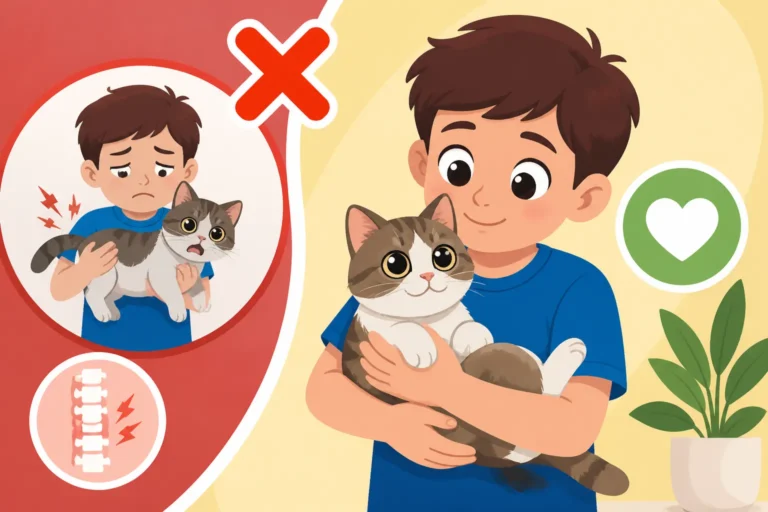
Regular play sessions, especially interactive ones, keep their minds sharp and their instincts satisfied. This is particularly important for managing their weight. Because Munchkins burn fewer calories than a normal-legged cat due to their limited jumping and climbing, maintaining a healthy weight through diet and appropriate exercise is paramount. Why Weight Is More Dangerous on a Munchkin cannot be overstated, as every extra pound places additional strain on their already unique skeletal structure, especially their spine and legs. By providing consistent and varied opportunities for play that align with their physical capabilities, you're not just having fun; you're actively contributing to their overall physical and mental health, ensuring a happy and vibrant life for your beloved short-legged companion.
Disclaimer
This article is for general informational purposes only and does not constitute professional advice. Laws, prices and regulations vary by location and change over time. Consult a qualified professional for guidance on your specific situation.