Whether a Munchkin Is Bullied by a Normal Legged Cat
Bringing a new cat into your home, especially when one is a charming, short-legged Munchkin and the other is a full-sized, normal-legged feline, can fill any cat parent with a mix of excitement and apprehension. You naturally worry if your tiny friend, with their distinctive short stature, will be able to hold their own, or if they'll become the target of playful (or not-so-playful) bullying from their larger housemate. This guide will walk you through the nuances of feline social dynamics, address your concerns about potential bullying, and provide actionable strategies to ensure both your Munchkin and normal-legged cat can coexist peacefully and happily.
Understanding the Physical Disparity and Its Role in Cat Dynamics
The most obvious difference between your Munchkin and a normal-legged cat is, of course, their leg length. While this unique trait is adorable, it also plays a significant role in how they interact with their environment and, by extension, other cats. It's not about one cat being inherently "mean" or the other being "vulnerable," but rather how their physical attributes shape their communication and play styles.
The Vertical Advantage of Normal-Legged Cats
Normal-legged cats possess a distinct vertical advantage. They can effortlessly leap onto counters, scale cat trees, and dart up shelves, using height as both a lookout point and a safe escape route. For a Munchkin, these vertical escapes are often out of reach. While Munchkins are surprisingly agile on the flat, and many will find creative ways to use furniture as steps, they simply cannot make the same high jumps. Imagine a game of tag where one player can instantly teleport to the roof, and the other is limited to the ground floor; that’s a rough analogy for the vertical dynamic between your cats.
This difference in mobility means a normal-legged cat can quickly gain an upper hand in a perceived conflict or even during play, simply by being able to move to higher ground. If a Munchkin feels overwhelmed or cornered, its primary escape routes are horizontal, relying on its speed to get away under furniture or through narrow spaces. It's why Why a Munchkin Cannot Climb Out of a Child's Reach is a relevant concern for toddlers, and similarly, for other larger pets. This isn't just about avoiding conflict; it's also about a safe space to observe, rest, and feel secure, which a normal-legged cat can often find on a tall cat tree, leaving the Munchkin at floor level.
Play Styles and Potential Misinterpretations
Cats communicate a lot through body language and play. A normal-legged cat might initiate play with a pounce, a chase, or a mock ambush, all typical feline behaviors. However, when these actions are directed at a Munchkin, they can be misinterpreted or even physically overwhelming. A playful pounce from above might feel more like an attack to a Munchkin who can't easily jump away or retaliate with the same physical prowess.
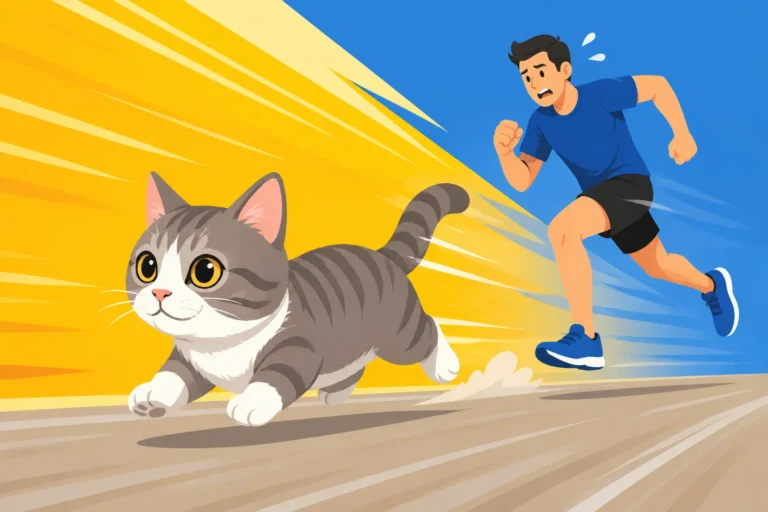
Munchkins have a distinct gait, often described as ferret-like, and are incredibly adept at scurrying and turning corners quickly on the ground. Why a Munchkin Corners Faster Than It Should and How a Munchkin Changes Direction at Speed highlight their agility. This unique movement style might even trigger a stronger prey drive in some normal-legged cats, leading to more intense chasing behaviors that might cross the line from fun play to outright harassment. It's crucial for us, as their guardians, to understand these inherent differences so we can set up an environment that fosters positive interactions and intervenes when play becomes unbalanced.
Feline Social Hierarchies and Establishing Boundaries
Cats, even in a domestic setting, have their own subtle (and sometimes not-so-subtle) ways of establishing social order and boundaries. It's not always about outright aggression, but about resource control, personal space, and perceived dominance. When a Munchkin is part of the equation, these dynamics need careful observation.
How Cats Establish Dominance and Respect
In a multi-cat household, cats often work out a pecking order. This isn't necessarily a violent process; it can involve subtle cues like who gets to eat first, who occupies the prime napping spots, or who grooms whom. Normal-legged cats, by virtue of their size and agility, might naturally assert themselves more easily. They can physically block access to resources, or simply position themselves in a way that signals "I'm in charge here."
However, it's not a foregone conclusion that the Munchkin will always be at the bottom. A confident, sassy Munchkin might stand its ground, using vocalizations or quick, darting movements to signal its boundaries. But the potential for physical intimidation is always there. The normal-legged cat might unintentionally or intentionally corner the Munchkin, preventing access to food, water, or a safe retreat. This is where creating an environment tailored to your Munchkin's needs becomes paramount. Ensuring your Munchkin has its own low-entry litter boxes, accessible food bowls, and safe hiding spots helps immensely in fostering a sense of security and autonomy. Why a Munchkin Needs a Litter Box It Can Walk Into is an excellent example of a necessary adaptation.
When Play Turns Problematic: Identifying Bullying
Distinguishing between rough play and actual bullying can be tricky, as feline play can often look quite aggressive to human eyes. However, true bullying has specific hallmarks that indicate distress and an imbalance of power.
Signs of Healthy Play:
- Mutual engagement: Both cats willingly participate and take turns being the "chaser" and the "chased."
- Relaxed body language: Loose bodies, ears forward, no flattened ears or wide eyes.
- Soft paws: Claws are usually retracted, and bites are inhibited.
- "Play bows" or invitation: One cat might initiate play with a playful swat or an inviting posture.
- Breaks: Cats will often pause, groom themselves, or look away before re-engaging.
Signs of Bullying:
- One-sided aggression: One cat consistently harasses the other, who tries to escape or hide.
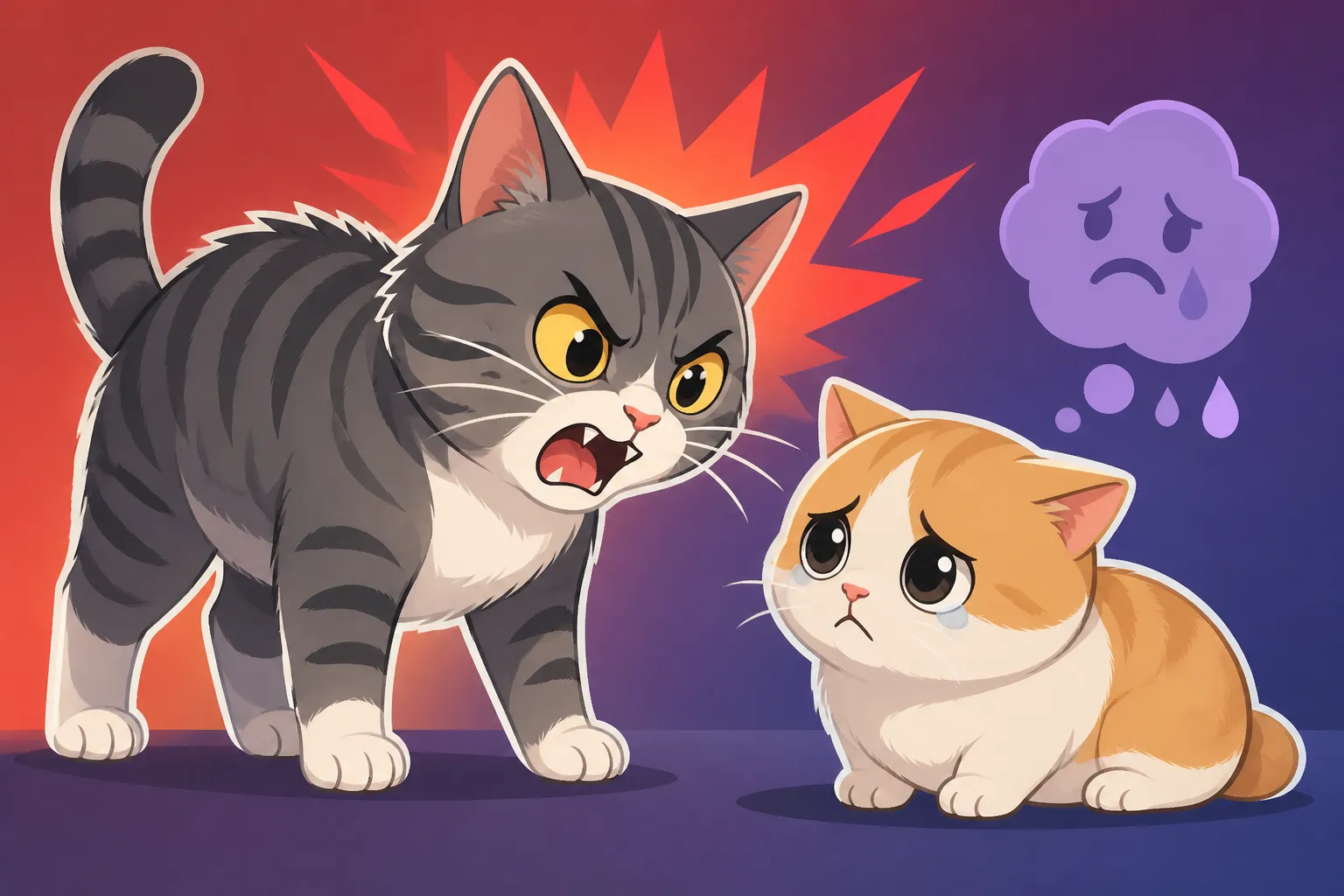
- Defensive posture: The Munchkin might flatten its ears, hiss, growl, or tuck its tail.
- Avoidance: The Munchkin consistently tries to avoid the other cat, hiding, or changing its routine to escape encounters.
- Resource guarding: The normal-legged cat prevents the Munchkin from accessing food, water, litter boxes, or favorite resting spots.
- Physical harm: Though rare, scratches or bites might occur, or the Munchkin might show signs of fear urination/defecation.
- Changes in behavior: A previously outgoing Munchkin becoming withdrawn, lethargic, or showing signs of stress like over-grooming or loss of appetite.
- Territorial marking: The Munchkin might start spraying or urinating outside the litter box if it feels unsafe accessing its usual facilities.
Here's a quick comparison to help you differentiate:
| Behavior Characteristic | Healthy Play | Bullying |
|---|---|---|
| Engagement | Reciprocal, both cats initiate and participate | One-sided, one cat consistently targets the other |
| Body Language | Relaxed, ears forward, soft paws, loose muscles | Stiff, tense, flattened ears, wide eyes, tucked tail, hissing |
| Vocalizations | Playful chirps, quiet, or no sound | Hissing, growling, distressed meows, yowling |
| Escape Routes | Both cats feel free to disengage and escape | Targeted cat seeks to escape, often unsuccessfully or defensively |
| Resource Access | Shared, no blocking of food, water, litter | Blocking access to resources, guarding prime spots |
| Outcome | Both cats seem invigorated, no lasting distress | Targeted cat appears stressed, fearful, or withdrawn |
If you observe any of the bullying signs, it's time to intervene and implement strategies to restore harmony.
Strategies for Successful Introductions and Coexistence
Bringing a new cat home, especially when there's a size difference, requires patience and a structured approach. The goal is to build a positive relationship based on trust and security for both felines.
The Importance of a Slow, Scent-Based Introduction
Never just drop a new cat into a home with an existing one, especially if there's a Munchkin involved. A slow, scent-based introduction is key. Start by giving your new Munchkin a "sanctuary room" where it can decompress and feel safe. This room should have everything it needs: food, water, a low entry Munchkin litter box, a bed, and toys. Do the same for your resident normal-legged cat in another part of the house if possible, or ensure they feel their territory isn't invaded.
The first step is scent swapping. Use separate cloths to gently rub each cat's cheeks and foreheads, collecting their unique scent. Then, swap the cloths, placing the Munchkin's scent in the normal-legged cat's area and vice-versa. This allows them to "meet" without physical contact, building familiarity. You can also swap bedding or even let them explore each other's empty rooms for short periods. This gradual exposure helps them associate positive experiences (food, treats, toys) with the other cat's scent, laying the groundwork for a more peaceful physical introduction.
Creating Safe Havens and Vertical Escape Routes
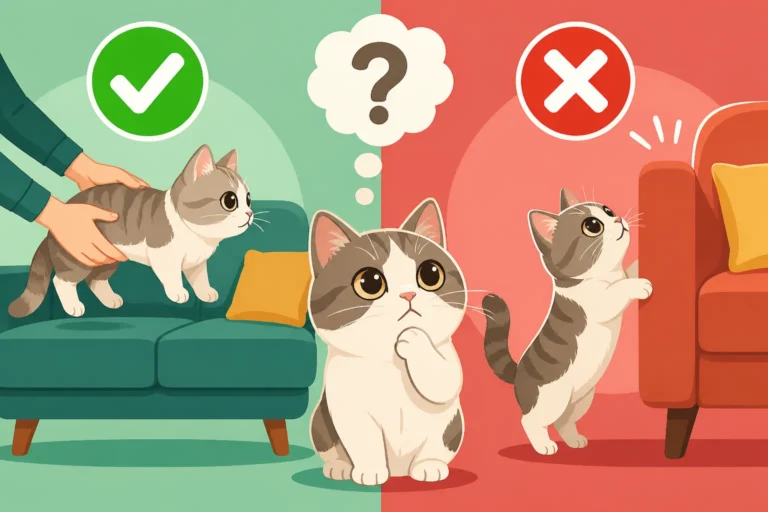
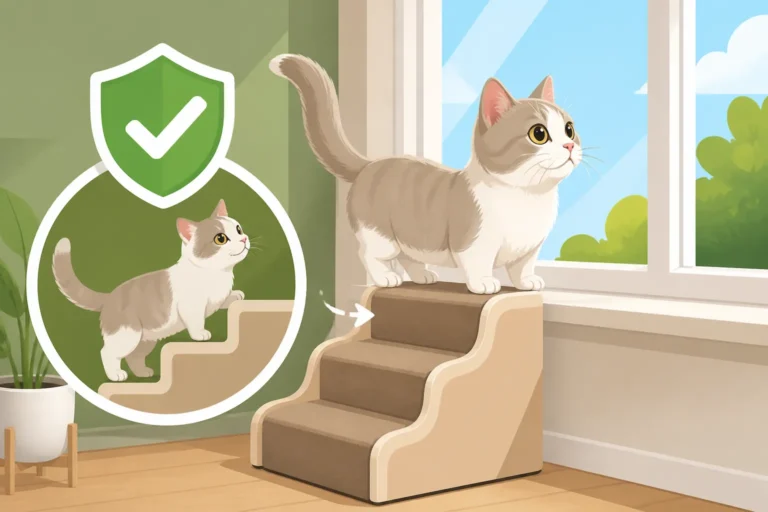
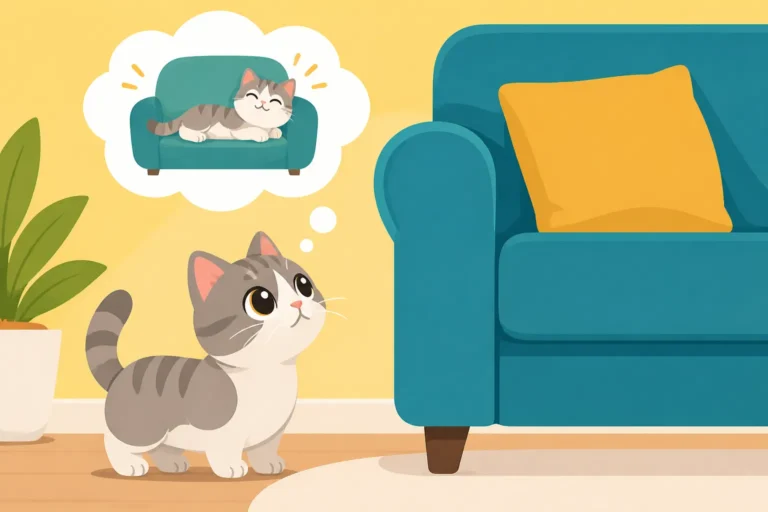
For your Munchkin, secure access to elevated spaces isn't about jumping, but about providing stepped access. A normal-legged cat can jump onto a sofa, but a Munchkin might need assistance or a ramp. This is crucial for their feeling of safety and autonomy.
Consider these adaptations:
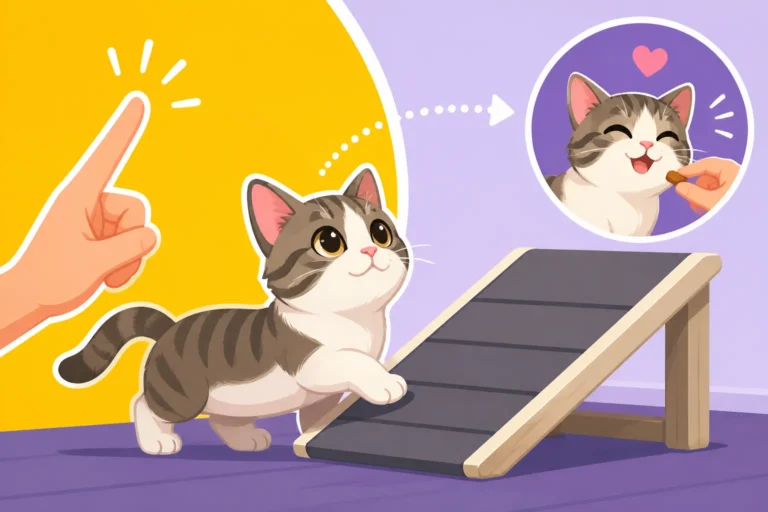
- Ramps and Steps: Invest in pet ramps or low pet stairs from places like Amazon to allow your Munchkin easy access to sofas, beds, and windowsills. Look for ramps with a gentle slope and a non-slip surface. How to Teach a Munchkin to Use a Ramp is an important read, as is How Many Steps a Munchkin Needs to Reach a Bed.
- Multi-level Cat Trees: Standard cat trees often have large gaps between platforms, which are challenging for Munchkins. Look for cat trees with closely spaced platforms, or consider customizing one with extra shelves or ramps. Ensure there are multiple high spots so both cats have options.
- Hiding Spots: Provide plenty of low-level hiding spots where your Munchkin can retreat if it feels overwhelmed. Cardboard boxes, cat tunnels, or covered beds placed under tables or chairs work wonderfully. These should be accessible only to the Munchkin, if possible, allowing them a true "safe zone."
- Resource Abundance: Place multiple food bowls, water stations, and litter boxes in different, easily accessible locations throughout the house. This prevents resource guarding. Make sure some are only reachable by the Munchkin, perhaps through a pet gate with a small cat-sized opening, or on a raised platform with a Munchkin-specific ramp. How to Set Up Floor Level Enrichment for a Munchkin is essential for both feeding and play.
- Interactive Play: Engage both cats in separate play sessions to ensure they're getting enough exercise and mental stimulation. Then, try supervised play sessions together using long wand toys that allow both cats to participate without direct contact. This helps them associate each other with positive, fun experiences.
When you do introduce them, do so in short, supervised sessions, perhaps during meal times, with a barrier like a baby gate between them initially. Reward calm behavior with treats. Gradually increase the time they spend together, always watching for signs of stress or bullying. Never leave them unsupervised until you are absolutely certain they are comfortable and safe together. Introducing a Long Legged Cat to a Munchkin covers more details on this process.
Recognizing and Addressing Bullying Behavior
Even with the best introduction, sometimes bullying can emerge or escalate. It's vital to be vigilant and know how to intervene effectively without making things worse.
Observing Your Munchkin's Behavior
Your Munchkin will be the primary indicator of whether the cohabitation is successful or if bullying is occurring. Watch for subtle cues:
- Changes in appetite or thirst: Is your Munchkin avoiding food or water bowls because the other cat is nearby?
- Litter box habits: Is your Munchkin suddenly having accidents outside the box? This can be a sign of stress or fear of using a shared litter box, or one that's in a location where they feel vulnerable.
- Grooming changes: Over-grooming (excessive licking) or under-grooming (matted fur, especially on their back half which they might struggle to reach anyway, see How Often a Longhaired Munchkin's Back Half Needs Brushing) can both be stress indicators.
- Hiding and avoidance: Is your Munchkin spending most of its time hidden, or actively seeking to avoid the other cat? A happy cat integrates into the household.
- Vocalizations: An increase in defensive hissing, growling, or distressed meows.
- Reluctance to play: A once playful Munchkin becoming withdrawn and uninterested in interaction.
Documenting these observations can be helpful when discussing concerns with your veterinarian or a feline behaviorist. Sometimes, what looks like "just hiding" to us might be chronic stress for the cat.
Intervention Strategies for Bullying
If you suspect bullying, immediate intervention is necessary to prevent long-term stress and potential health issues for your Munchkin.
- Separate Immediately: The safest first step is to separate the cats back into their individual safe spaces. This breaks the cycle of negative interaction and allows both cats to de-stress.
- Re-evaluate the Environment: Look at your home from your Munchkin's perspective. Are there enough accessible resources? Are the safe havens truly safe from the other cat? You might need to add more low-entry litter boxes, ramps to favorite spots, or even use pet gates to create "Munchkin-only" zones where the larger cat cannot follow. Why a Munchkin Cannot Get Away From a Dog highlights the need for escape, which applies to other cats too.
- Positive Reinforcement: When they are together, heavily reward calm, positive interactions. Give treats when they are in the same room without incident, or when they sniff each other calmly. Never punish either cat, as this can worsen anxiety and aggression.
- Structured Play: Engage in supervised, structured play sessions. Use interactive toys like wand toys that allow both cats to "hunt" and burn off energy without direct physical contact. Ensure the Munchkin gets plenty of individual play where it can feel successful and confident. Which Wand Toys Suit a Munchkin's Reach can help you choose appropriate toys.
- Seek Professional Help: If bullying persists, consult your veterinarian or a certified feline behaviorist. They can help identify underlying medical issues (for either cat) or behavioral problems that are contributing to the conflict. A behaviorist can offer tailored strategies, pheromone diffusers (like Feliway), or even medication in extreme cases, to help soothe stressed cats and modify behavior.
- Consider Temporary Separation: In severe cases, permanent separation within the home (e.g., using a large catio for one cat, or a dedicated cat-proofed room for part of the day) or even rehoming might be necessary for the well-being of the bullied cat. This is a last resort, but sometimes, for a Munchkin's quality of life, it's the kindest decision.
Ultimately, the goal is to create a harmonious home where both your short-legged darling and your normal-sized friend feel safe, loved, and respected. With careful planning, patience, and attentive observation, a Munchkin can absolutely thrive alongside a normal-legged cat.
Disclaimer
This article is for general informational purposes only and does not constitute professional advice. Laws, prices and regulations vary by location and change over time. Consult a qualified professional for guidance on your specific situation.